
Norway offers honeymooners something most destinations cannot: landscapes that do the work without any assistance from the itinerary. From the fjords of the west coast to the Arctic wilderness of the far north, this guide covers where to go, what to do, and how Do Not Disturb puts it together for couples who want more than a beach and a pool.
The Fjords: Where the Landscape Does the Work
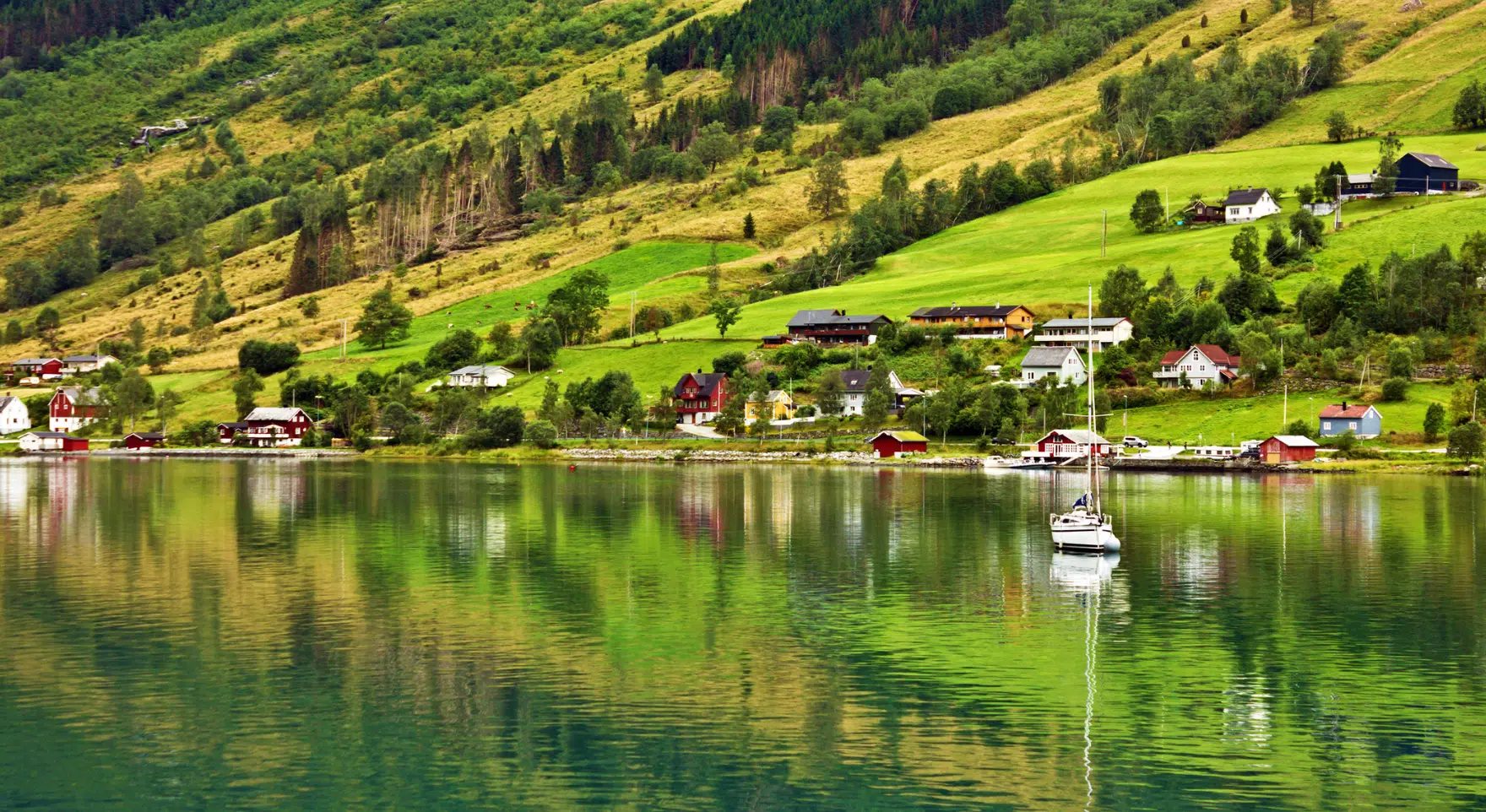
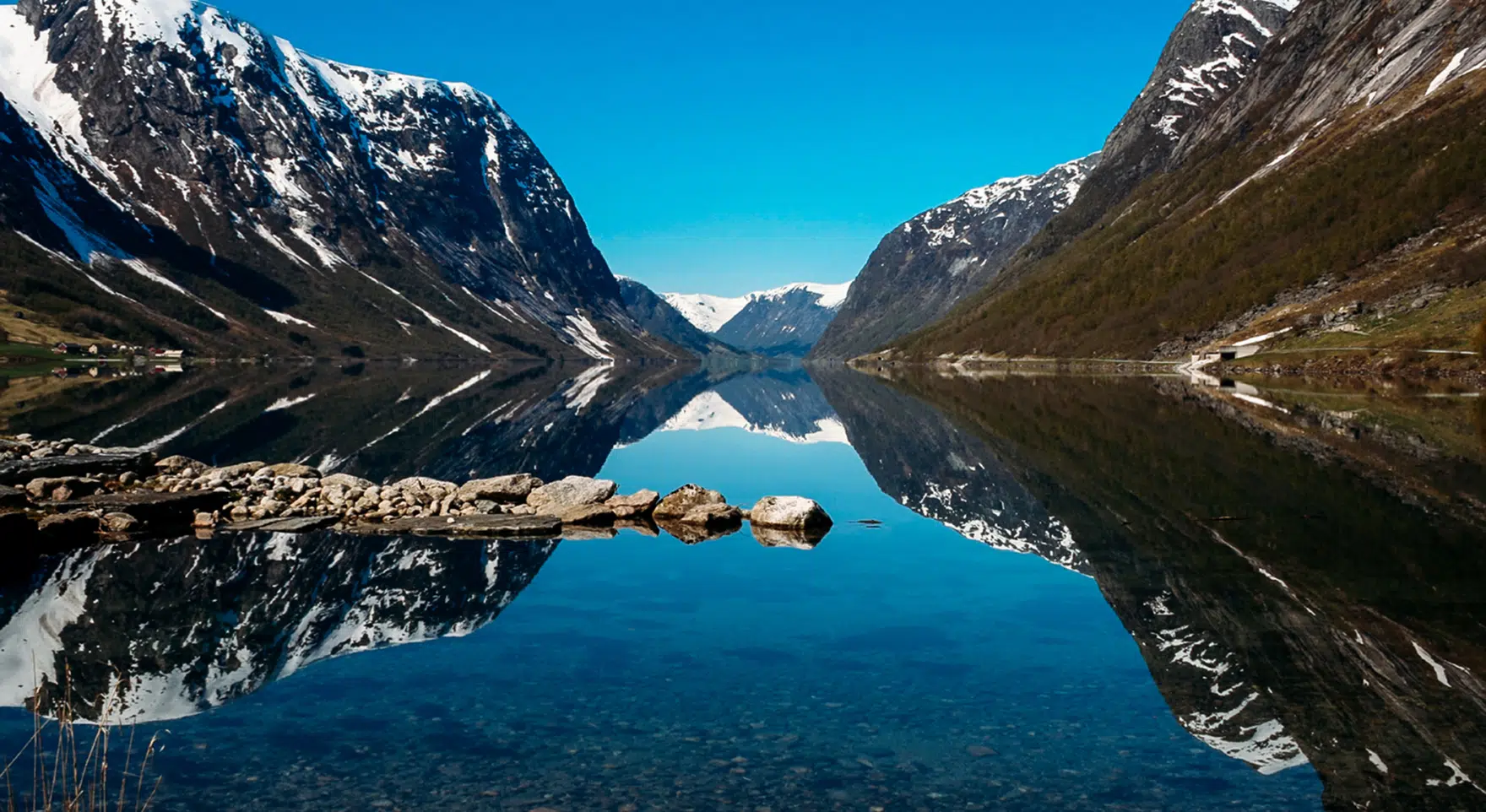
The fjord region of western Norway makes more sense as a honeymoon destination than almost anywhere else in the country. The scale is immediate, the seclusion is real, and the landscape requires very little supplementation. The Hardangerfjord, Norway’s second longest at 179 kilometres, is flanked by fruit orchards and accessible year-round. The Nærøyfjord, a UNESCO-listed branch of the Sognefjord, is narrower and more remote, with near-vertical walls rising over 1,000 metres from the water.
The most considered way to engage with either fjord is by private boat charter, which allows access to inlets and villages unreachable by road. Kayaking is viable for couples with some experience and provides a different relationship with the scale of the terrain.
Clifftop properties in this region vary significantly in quality and positioning. The best are situated to maximise fjord exposure without requiring excursions to justify the stay, though identifying them requires knowledge of the area. That’s where our expertise comes in.
About Do Not Disturb
Do Not Disturb is a luxury travel company specializing in carefully designed journeys and considered experiences. Each itinerary we build for our clients is informed by real destination knowledge, offering insight into places, cultures, and moments that shape how a trip comes together.
If this destination has sparked ideas, the itinerary can be developed into a private journey tailored to your interests and travel style, with hand-picked stays, thoughtful routing, and experiences curated around what matters most to you.
Where to Stay: Norway's Most Compelling Luxury Hotels
Norway’s luxury accommodation market is small but precise. Juvet Landscape Hotel in Gudbrandsdalen places individual pavilions directly against the river and forest, with floor-to-ceiling glazing oriented toward specific natural features rather than a generic view. It is one of the few properties in Europe where architecture and landscape are genuinely integrated rather than adjacent. Storfjord Hotel in Sunnmøre offers a more traditional structure, built from reclaimed Norwegian timber, with direct access to the Storfjord and a service model that prioritises discretion over programmeming.
Further north, Manshausen Island Resort in Nordland occupies a former fishing station on a small island accessible only by boat. The sea cabins extend over the water and offer proximity to the Svartisen glacier and the Saltstraumen maelstrom, two of the region’s most significant natural features.
Each of these properties is distinct in setting and positioning. The right choice depends on the broader itinerary, and that alignment is where the quality of the stay is determined.

The Bergen Railway and Flåm Line: Scenic Rail as a Honeymoon Experience
The Bergen Railway connects Oslo to Bergen across 496 kilometres of high mountain plateau, making it the highest mainline railway in Northern Europe. The Flåm Line branches south from Myrdal, descending 863 metres to the Aurlandsfjord in under an hour. Together, they form a logical west-bound route through the country’s interior and into the fjord region, covering terrain that is otherwise difficult to access without a car.
The most practical window for this journey is late spring through early autumn, when mountain passes are clear and daylight hours are long. Winter travel is possible and offers a different visual register, but reduced light and occasional service disruptions require more careful planning.
Both routes are best treated as structural elements of a wider itinerary rather than standalone excursions. The sequencing of overnight stops, carriage class, and connections to onward fjord transport all affect the quality of the experience considerably, and benefit from coordination with someone who knows the network well.

The Arctic North: Tromsø and the Lofoten Islands
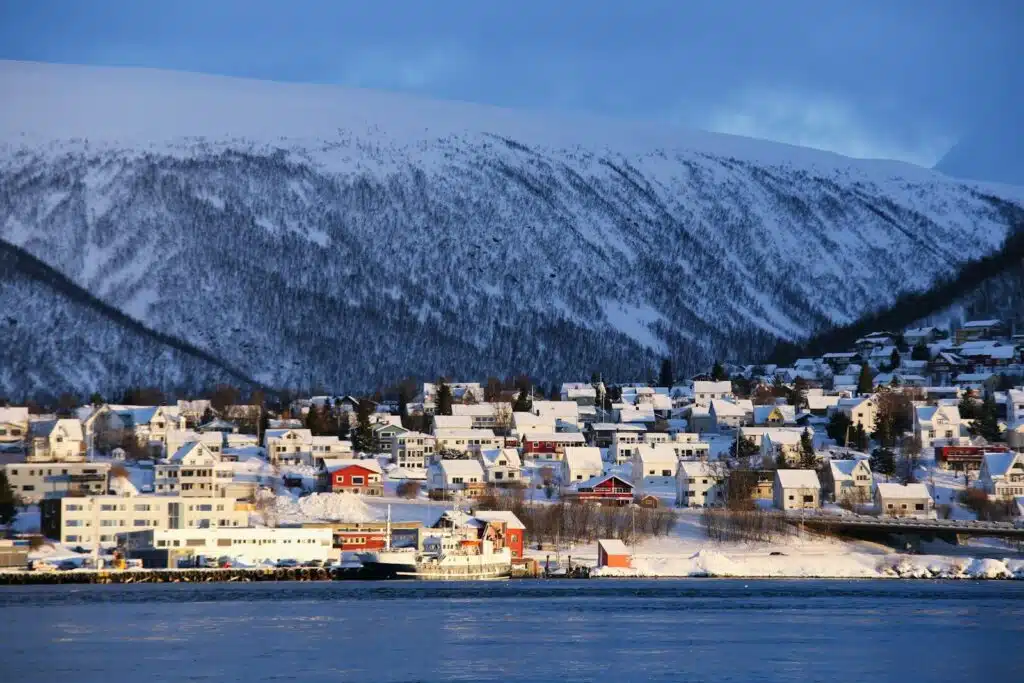
Tromsø sits at 69 degrees north, well above the Arctic Circle, and serves as the primary base for northern lights travel in Norway. The season runs from late September through March, with activity dependent on solar conditions and cloud cover. The city has a functional infrastructure for Arctic travel, including access to wilderness areas beyond the urban centre where light pollution is minimal.
The Lofoten Islands, located roughly 300 kilometres southwest of Tromsø, are among the most geographically distinctive destinations in northern Europe. The archipelago is defined by steep peaks rising directly from the sea, a compressed landscape that concentrates dramatic scenery into a relatively small area. Fishing villages such as Reine and Henningsvær retain their original architecture and remain working communities, which gives the islands a coherence that purpose-built destinations lack.
Both destinations reward careful planning. Lofoten in particular has limited high-quality accommodation, and the best options are in consistent demand among travellers who understand what the islands offer.

When to Go and How to Plan a Luxury Norway Honeymoon
Norway’s two peak honeymoon seasons serve different purposes. June through August offers the midnight sun, long days suited to fjord travel, and reliable access to hiking and coastal routes in western and northern regions. February through March is the most productive window for northern lights viewing, concentrated in Tromsø and the Lofoten Islands, where polar night conditions and clearer skies improve visibility.
Shoulder seasons, particularly May and September, offer reduced demand at key properties, more stable pricing, and access to landscapes in transition. Snow lingers at altitude in May while lower valleys open up; September brings early autumn colour to inland routes without the full closure of winter infrastructure.
A structured two-week itinerary typically moves from Bergen and the western fjords into the interior, then north toward the Arctic.A structured two-week itinerary typically moves from Bergen and the western fjords into the interior, then north toward the Arctic. This progression follows a logical geographic arc and allows each region to register distinctly. Norway rewards the full arc.
Plan your own version of this journey
Speak to Do Not Disturb’s luxury travel experts and turn this moment into something personal.
Related destinations
Suggested articles
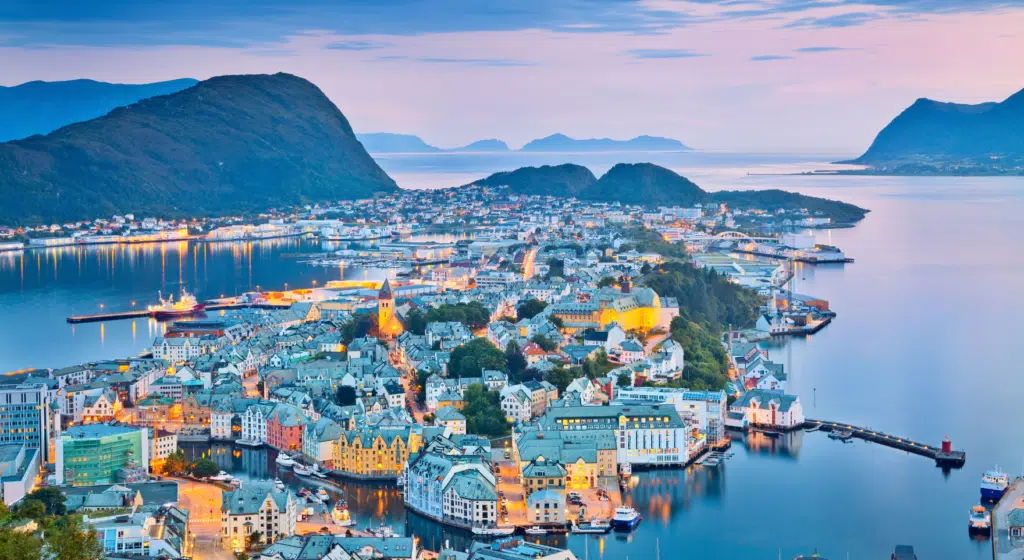
The Norwegian Fjords: A Luxury Traveller’s Guide
Beyond the Maldives: Seven Islands for a Different Kind of Honeymoon

Svalbard: Europe’s Last Great Wilderness
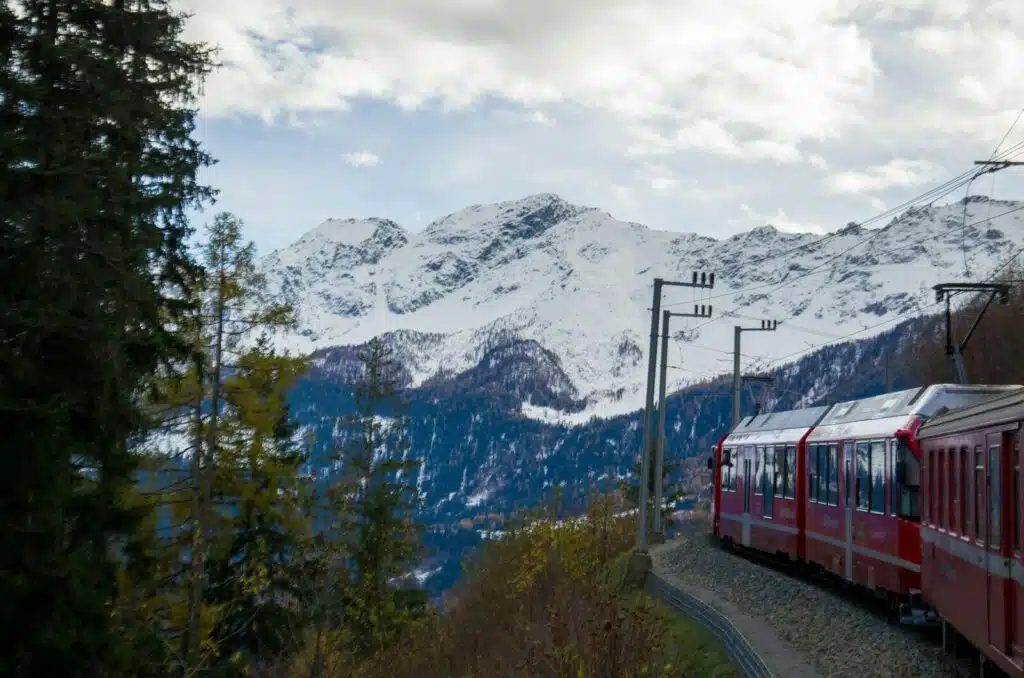
Switzerland’s Most Beautiful Train Journeys
How to Travel Through a European Summer Heatwave

Finland’s Sauna Culture Explained

The Best Honeymoon Destinations for LGBTQ+ Couples
The Most Romantic Train Journeys for a Slow Honeymoon
Chianti’s Luxury Villas: Stay Like a Renaissance Noble
Best Luxury Hotels in Finnish Lapland
Luxury Safaris: Why Laikipia Is Kenya’s Best-Kept Secret

Where to Go On Honeymoon? A Guide to Help You Choose

Why Kenya Is Perfect for a Luxury Honeymoon