


On this page
A family-friendly visit to Wat Suwan Kuha offers a calm and visually striking introduction to Thai temple culture. Set inside a vast limestone cave in Phang Nga, this experience combines encounters outside, making it one of the region’s most accessible cultural stops for families.
The cave entrance appears suddenly, opening directly from the forested hillside. There is no climb, no winding path. One moment you are standing outside in the heat, the next you step into cool shadow as the limestone ceiling rises above you.
Inside, the space expands dramatically. The scale is immediately striking for adults and children alike. Light filters in from the cave mouth, reflecting softly off tiled floors and stone walls.
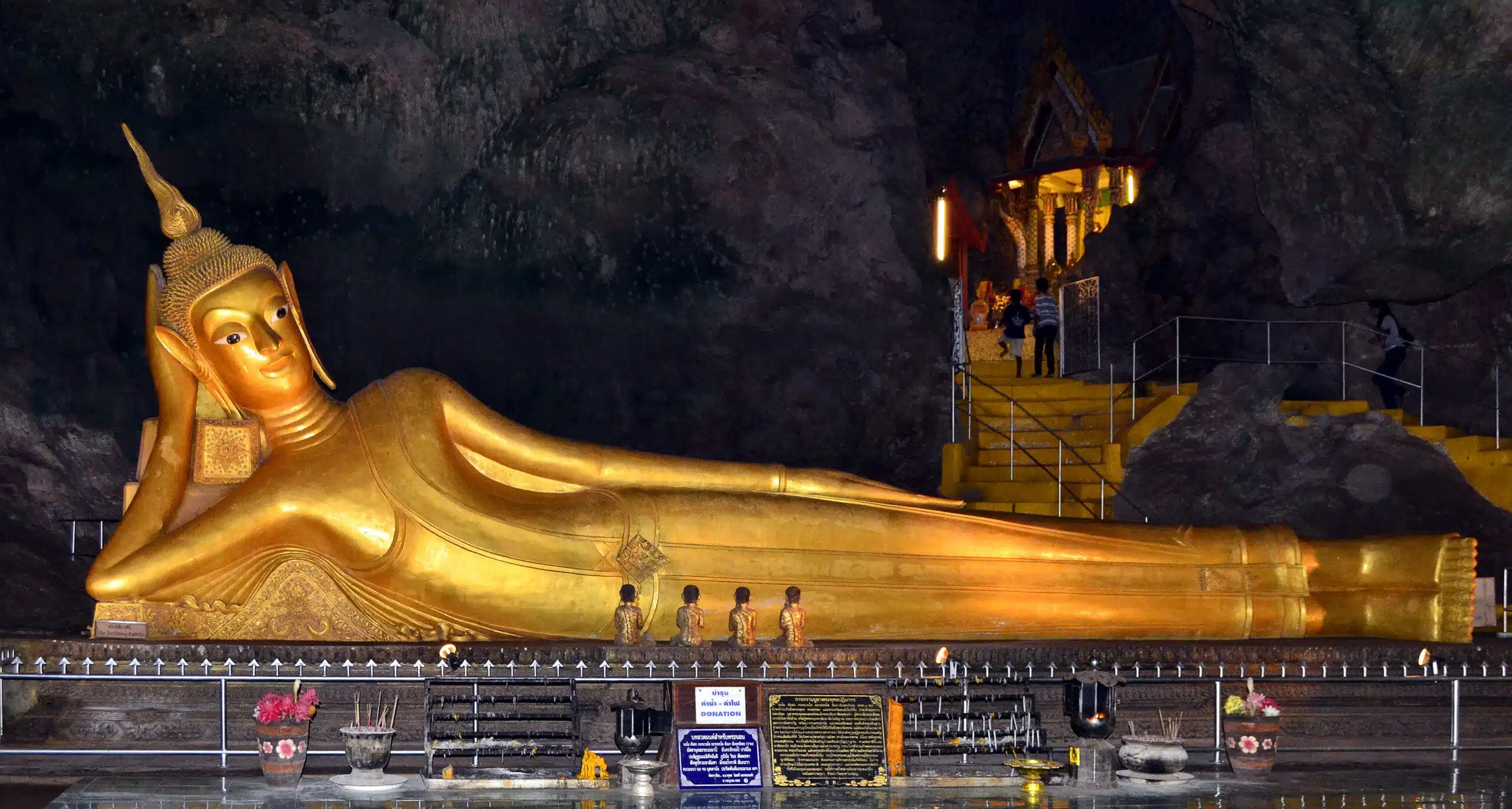
At the center of the cavern, the reclining Buddha stretches the length of the chamber, golden and serene.
Cultural and Historical Context
Wat Suwan Kuha is one of Phang Nga province’s most significant religious sites, known locally simply as Wat Tham, meaning Temple of the Cave. For centuries, caves like this have been used as places of meditation and worship in southern Thailand, valued for their natural shelter, cool air, and sense of enclosure.
The reclining Buddha represents the moment of the Buddha’s passing into nirvana, a common motif across Thailand but rarely displayed on this scale within a natural cave. The contrast between sculpted gold and raw limestone gives the site its power.
Unlike hilltop temples that require physical effort to reach, Wat Suwan Kuha has long been a place of welcome and pause. Its location along a traditional travel route made it a natural stopping point, a role it continues to play today for families moving between the coast and Phang Nga Bay.
Why Private or Small-Group Access Matters
For families, pace and atmosphere matter more than volume. Visiting the Monkey Cave Temple in a private or small group setting allows space to move slowly, to explain, and to observe without distraction.
Inside the cave, children can take in the scale of the Buddha without being hurried along.
Outside, where macaques gather freely, a controlled group dynamic becomes even more important. With fewer people around, the monkeys remain less agitated, and families can observe their behavior calmly rather than feeling surrounded.
Privacy turns the visit from a chaotic stop into an absorbing cultural encounter that feels manageable and engaging for all ages.
What You See
Inside the cave, the first impression is scale. The limestone ceiling rises high overhead, darkened with age and shadow. Bats cling to the upper reaches, often unnoticed until someone looks up, prompting fascination and whispered reactions from children.
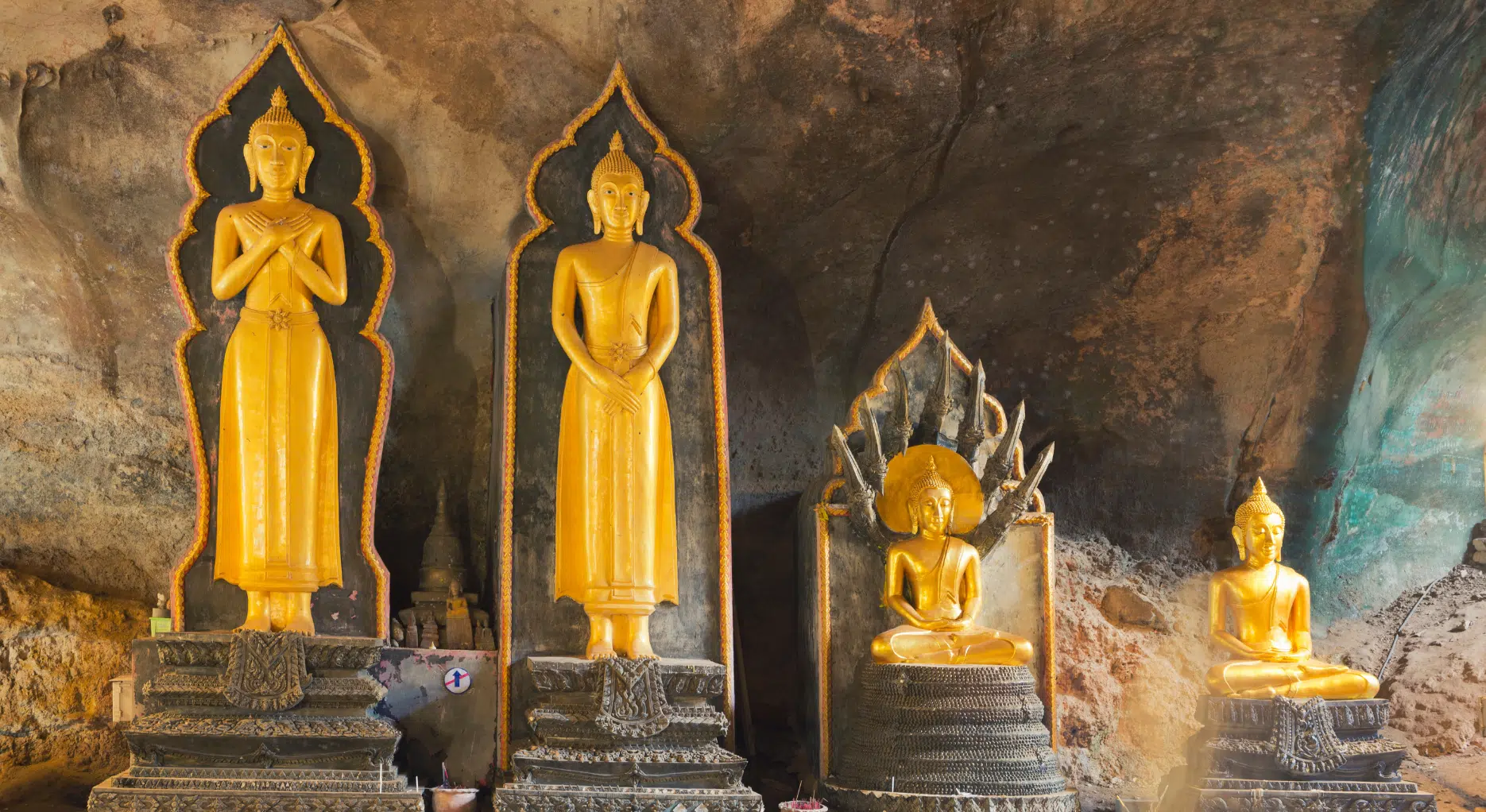
The reclining Buddha dominates the space, its golden surface catching the ambient light. Smaller shrines line the walls, their offerings simple and understated. The floor is level and tiled, allowing easy movement through the cavern.
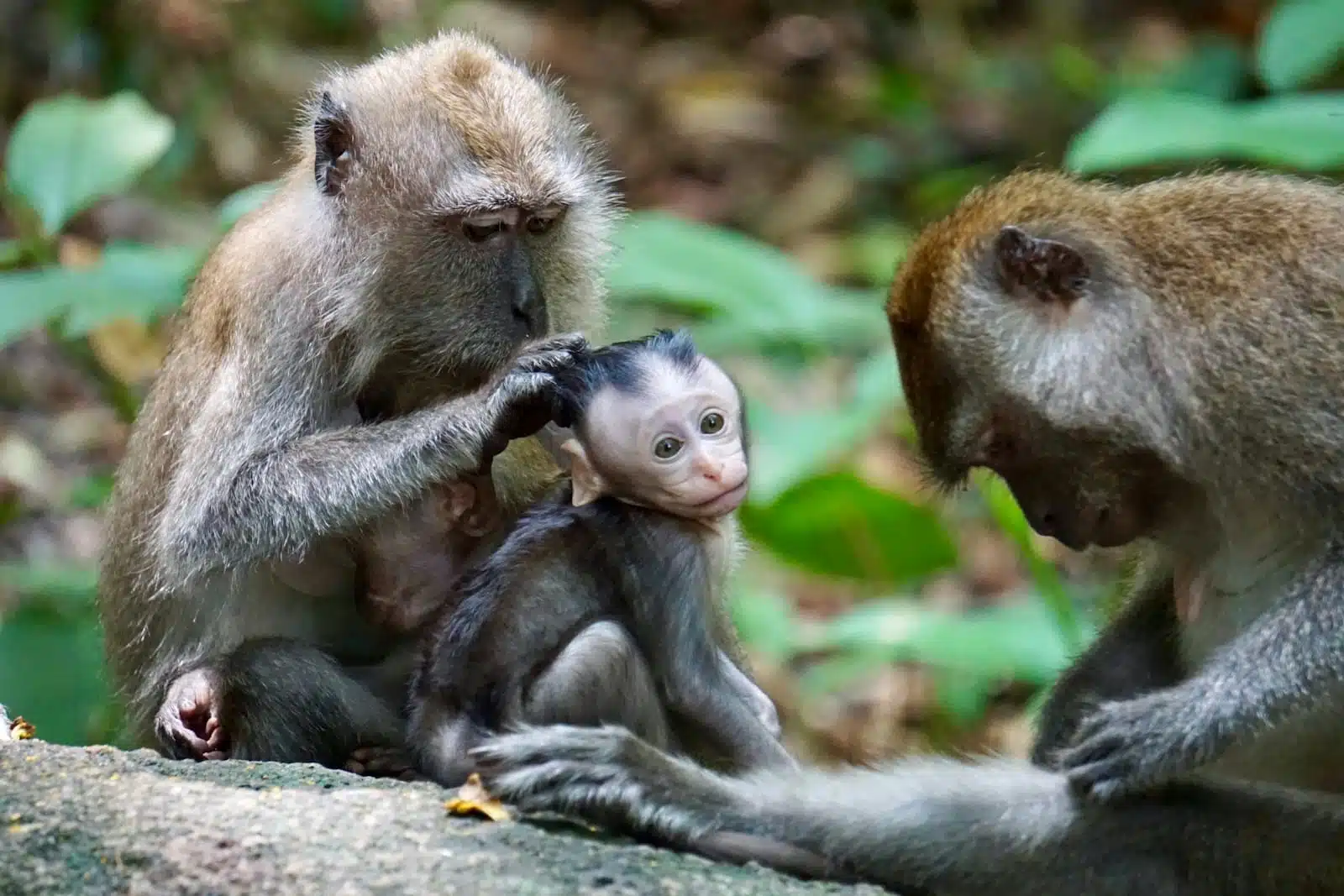
Outside, the atmosphere shifts. The open area around the cave is lively, animated by hundreds of macaques moving through trees, walls, and railings. They groom each other, chase briefly, then settle again, entirely at home.
From a respectful distance, families can watch this behavior unfold.
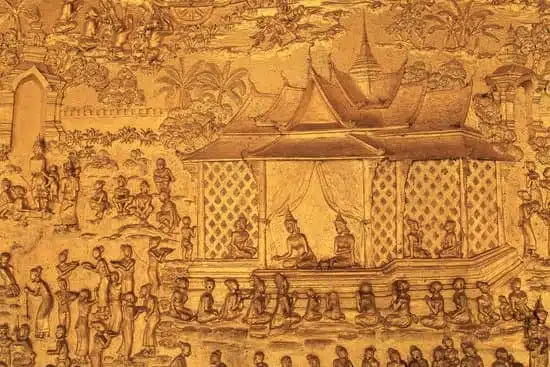
Wat Suwan Kuha makes an immediate impression, limestone ceiling rises high above the walkway, darkened and uneven, with natural rock walls enclosing the space. The reclining Buddha stretches almost the full length of the cavern, its gold surface catching what light reaches inside.
The air inside stays cool and still, a contrast to the heat outside. When you step back into daylight, the scene shifts quickly. Monkeys move freely around the entrance and surrounding trees, providing a lively counterpoint to the calm inside the cave. The visit feels complete without asking much of its visitors.
How Do Not Disturb Makes This Possible
Do Not Disturb curates this experience with families in mind, ensuring the visit unfolds at an unhurried, comfortable pace. Timing is selected to avoid peak crowds, allowing the cave to retain its sense of calm and the monkeys to remain less reactive.
Ready to include a family-friendly visit to the Monkey Cave Temple as part of your journey through southern Thailand? Speak with Do Not Disturb to shape a well-paced cultural stop designed for families.