Luxury Peloponnese Roadtrip

Luxury Peloponnese Roadtrip

10 days

|

From $7,000 pp

Five UNESCO World Heritage Sites by private car and guide, from Nafplio and Mycenae to the tower villages of the Mani and the birthplace of the Olympic Games, across ten days.

At a glance...

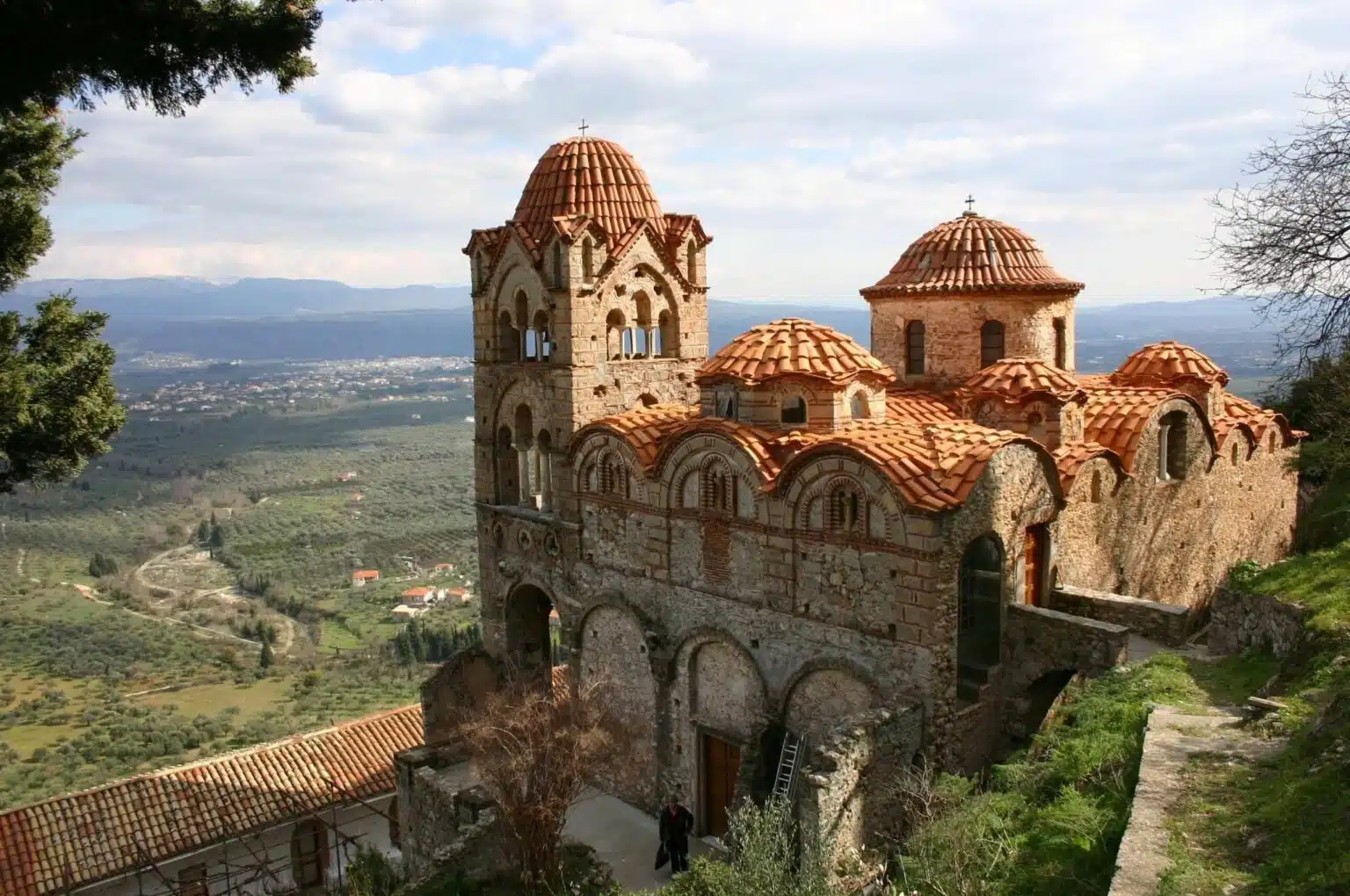
The Peloponnese is a peninsula connected to the Greek mainland by a narrow isthmus at Corinth, and it contains a greater concentration of historically significant sites than any comparable area in Europe. The Bronze Age citadel of Mycenae, the theater of Epidaurus, the Byzantine city of Mystras, the medieval fortress of Monemvasia, and the birthplace of the Olympic Games at Ancient Olympia all sit within a single connected circuit of roads that can be driven in either direction from Athens.

This itinerary moves through the peninsula in a clockwise direction from Athens, beginning in Nafplio, the first capital of modern Greece and the natural base for the Argolid archaeological sites in the northeast, before moving south and west through Monemvasia, the Mani peninsula, and the southwest coast to Ancient Olympia.

The journey covers five UNESCO World Heritage Sites across ten days, with private guides at every major site and private transfers throughout. Do Not Disturb designs the full ten days around what each area produces at its best.

Why Luxury Peloponnese Roadtrip

In detail

  • Days 1-2: Nafplio and the Argolid

    Days 1-2: Nafplio and the Argolid

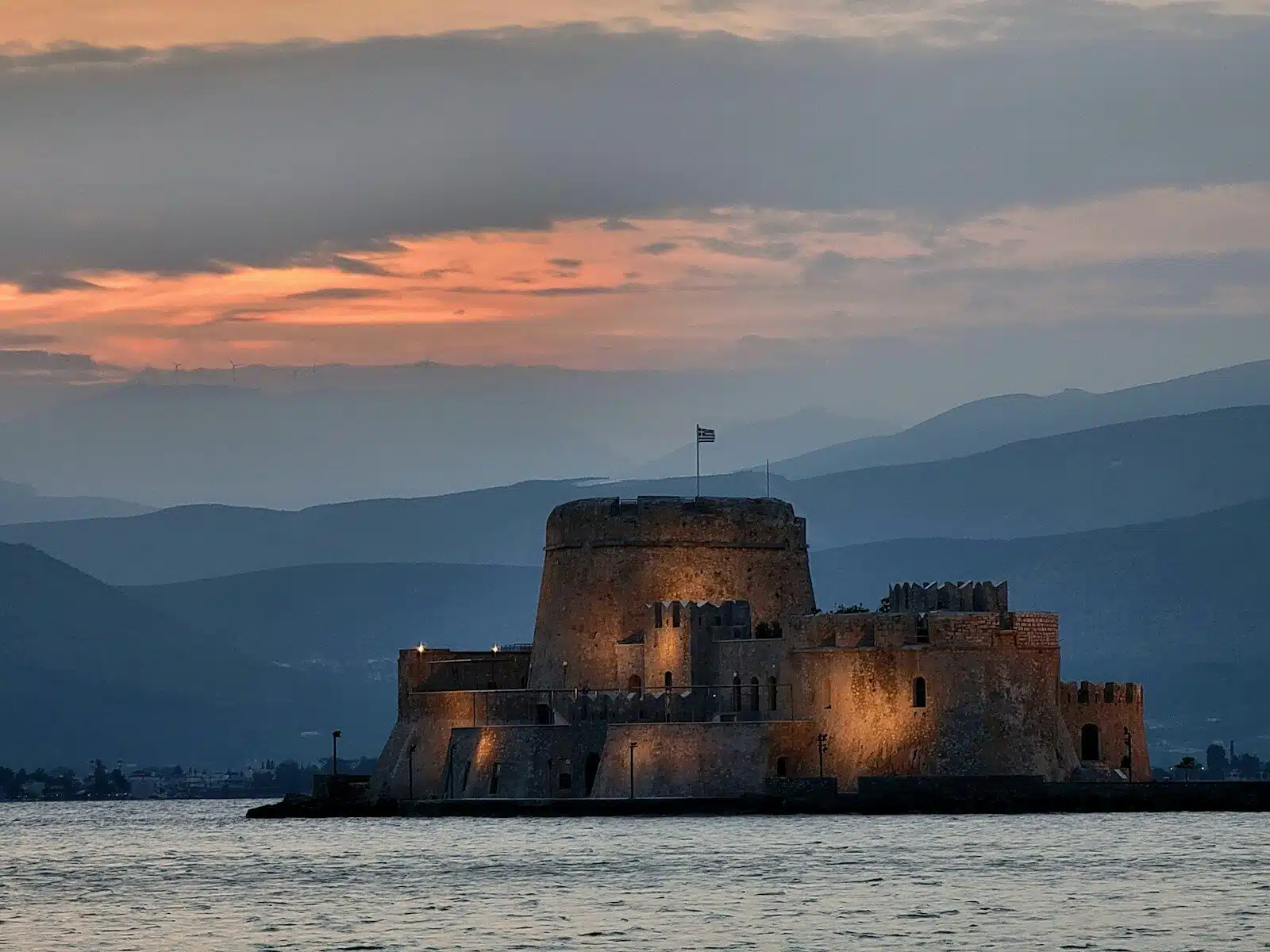
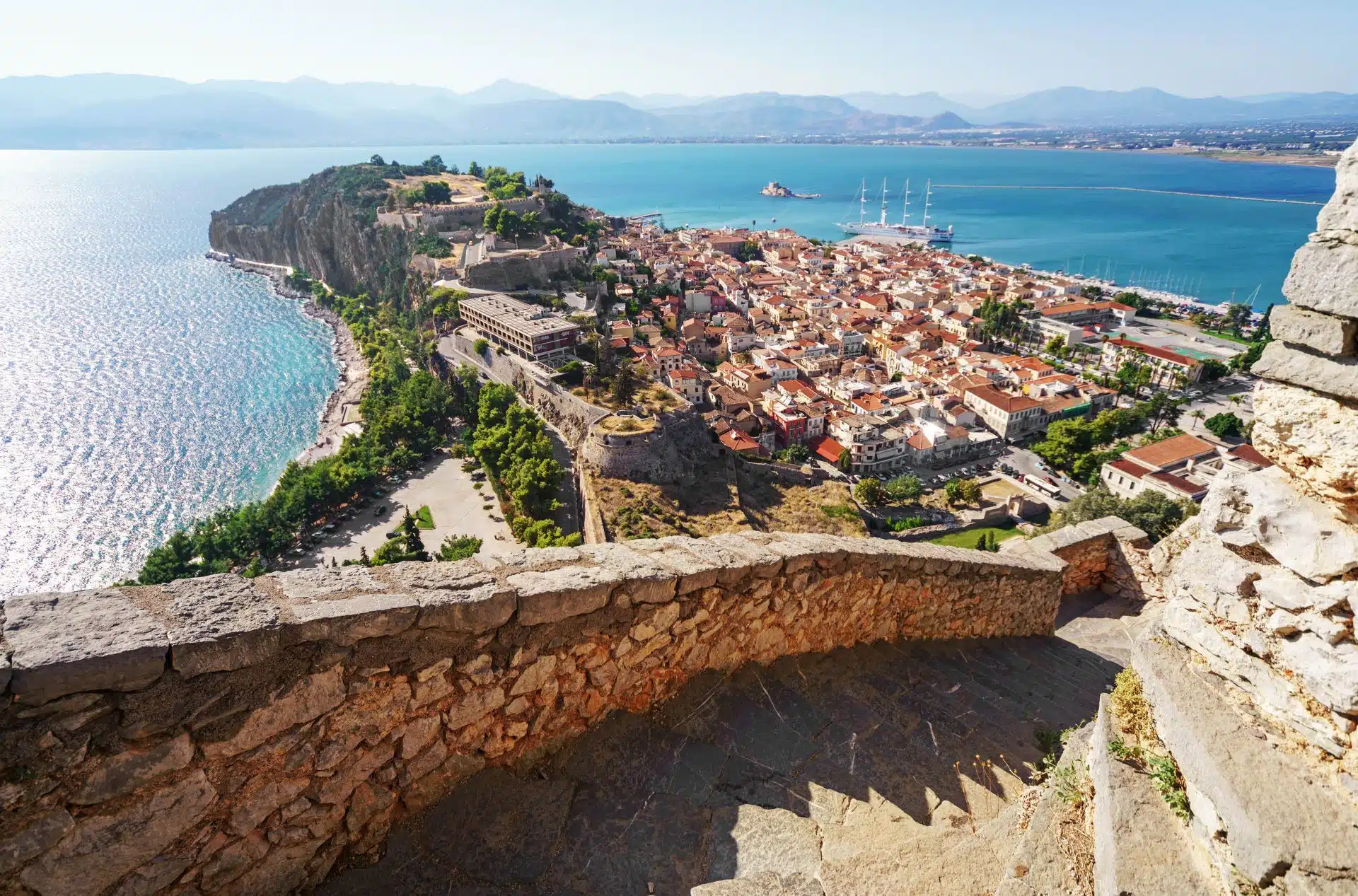
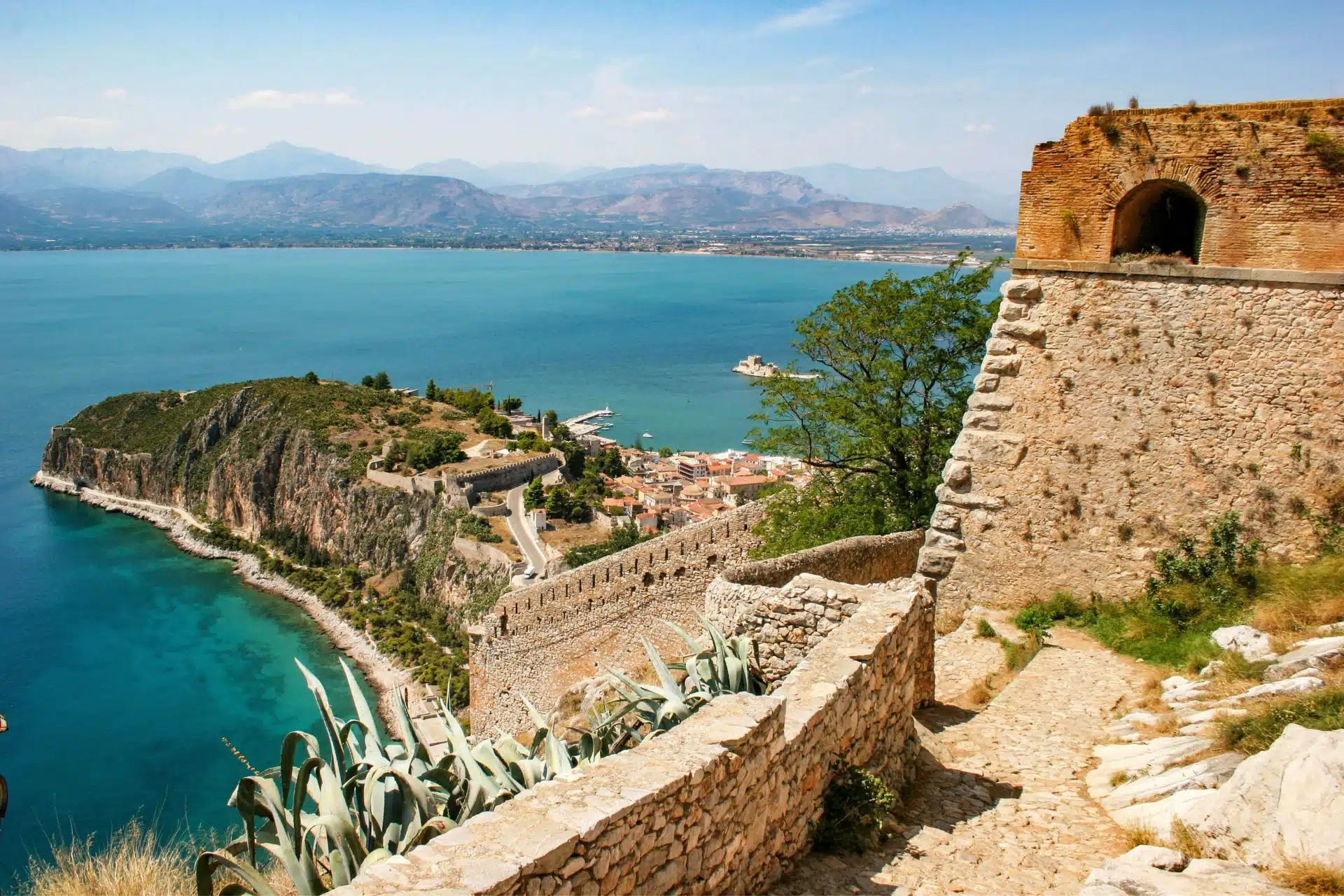
    Arrival into Athens International Airport, followed by a private transfer southwest across the Corinth Canal to Nafplio, approximately two hours by road. The canal, cut through the limestone isthmus between 1881 and 1893, is visible from the bridge and worth a brief stop. Nafplio served as the first capital of the modern Greek state from 1828 to 1834, its old town holding Venetian mansions, a waterfront promenade, and the Palamidi fortress above, reached by 999 steps cut into the rock face. Your base for two nights sits within or close to the old town.

    Day two covers Mycenae and Epidaurus. Mycenae was the center of the Bronze Age civilization that dominated the eastern Mediterranean between 1600 and 1100 BC, its citadel enclosed by Cyclopean walls with the Lion Gate, the oldest surviving monumental sculpture in Europe, at the main entrance. The Treasury of Atreus outside the walls has a corbelled ceiling of 13.5 meters, the largest domed structure in the ancient world at the time of its construction. A private guide covers both sites before the day visitors arrive from Athens.

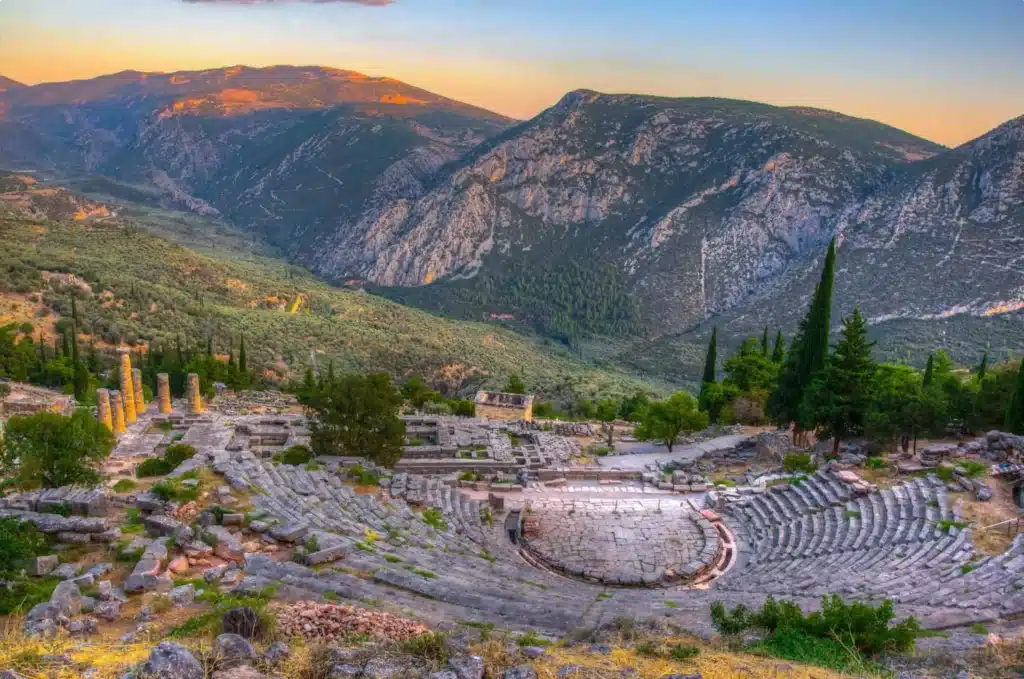
    Epidaurus, 30 kilometers east, holds the Sanctuary of Asklepios and the 4th-century BC theater, whose acoustic properties allow a whisper from the center of the stage to carry clearly to the top row of the 14,000-seat cavea.
  • Days 3-4: Monemvasia

    Days 3-4: Monemvasia

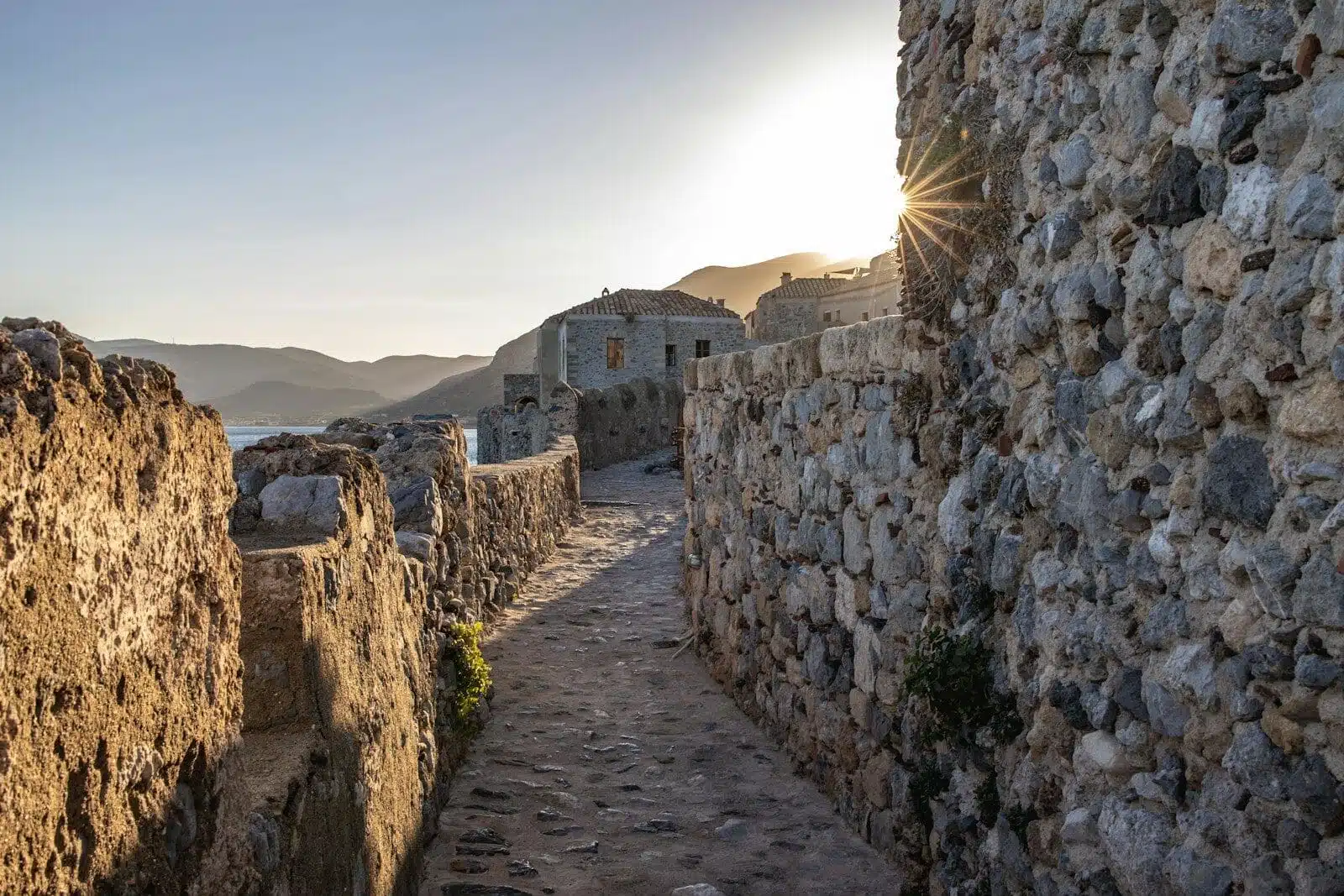
    A private transfer south from Nafplio along the eastern coast of the Peloponnese to Monemvasia, approximately two and a half hours by road. Monemvasia is a medieval fortress town built on a rock island connected to the mainland by a single causeway, its name derived from the Greek words for single and entrance.

    The lower town within the walls holds Byzantine churches, Venetian mansions, and stone lanes that are navigable only on foot, with no cars permitted beyond the main gate. The upper town, reached by a path from the lower town, holds the ruins of the Byzantine city and the Church of Hagia Sophia, a 13th-century church built on the highest point of the rock with views across the Aegean.

    Your base for two nights sits within the walls of Monemvasia itself, in a position that gives direct access to the lower town’s lanes and churches in the early morning and the evening when the day visitors have left. A private guide covers the lower town, the upper town, and the church of Hagia Sophia on the morning of Day four, with the afternoon left for independent movement through the lanes.

  • Days 5-6: The Mani Peninsula

    Days 5-6: The Mani Peninsula

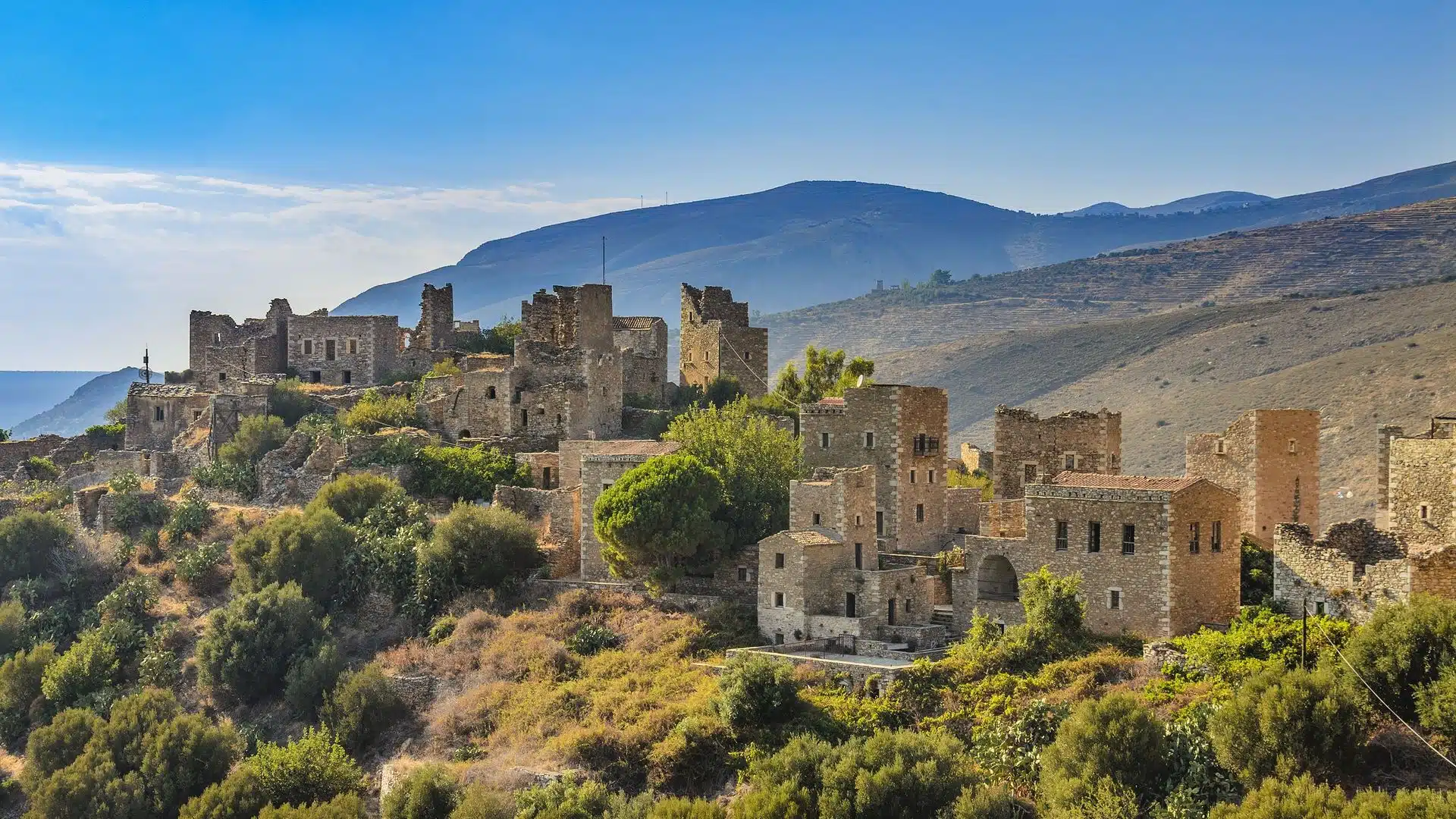
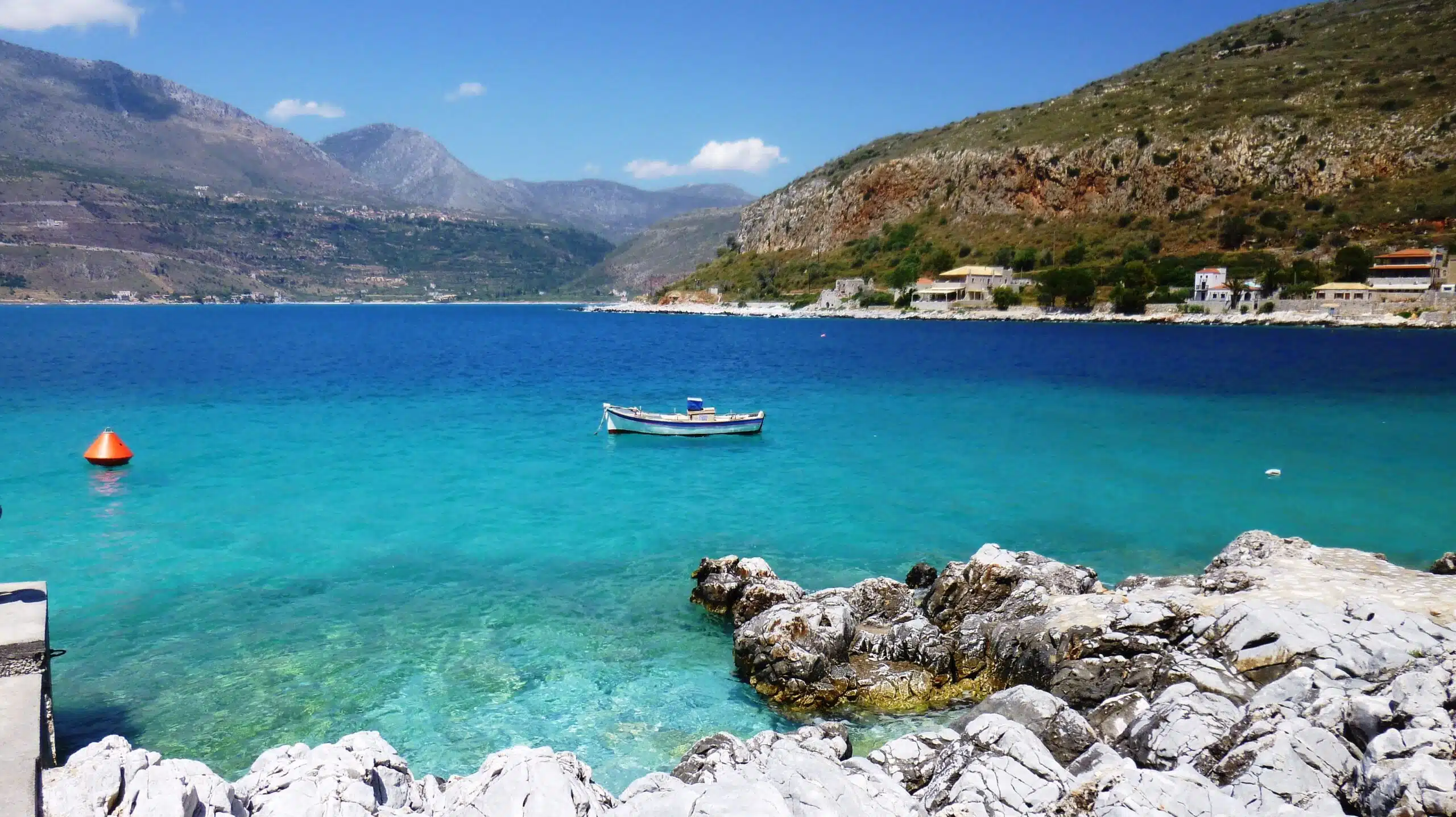
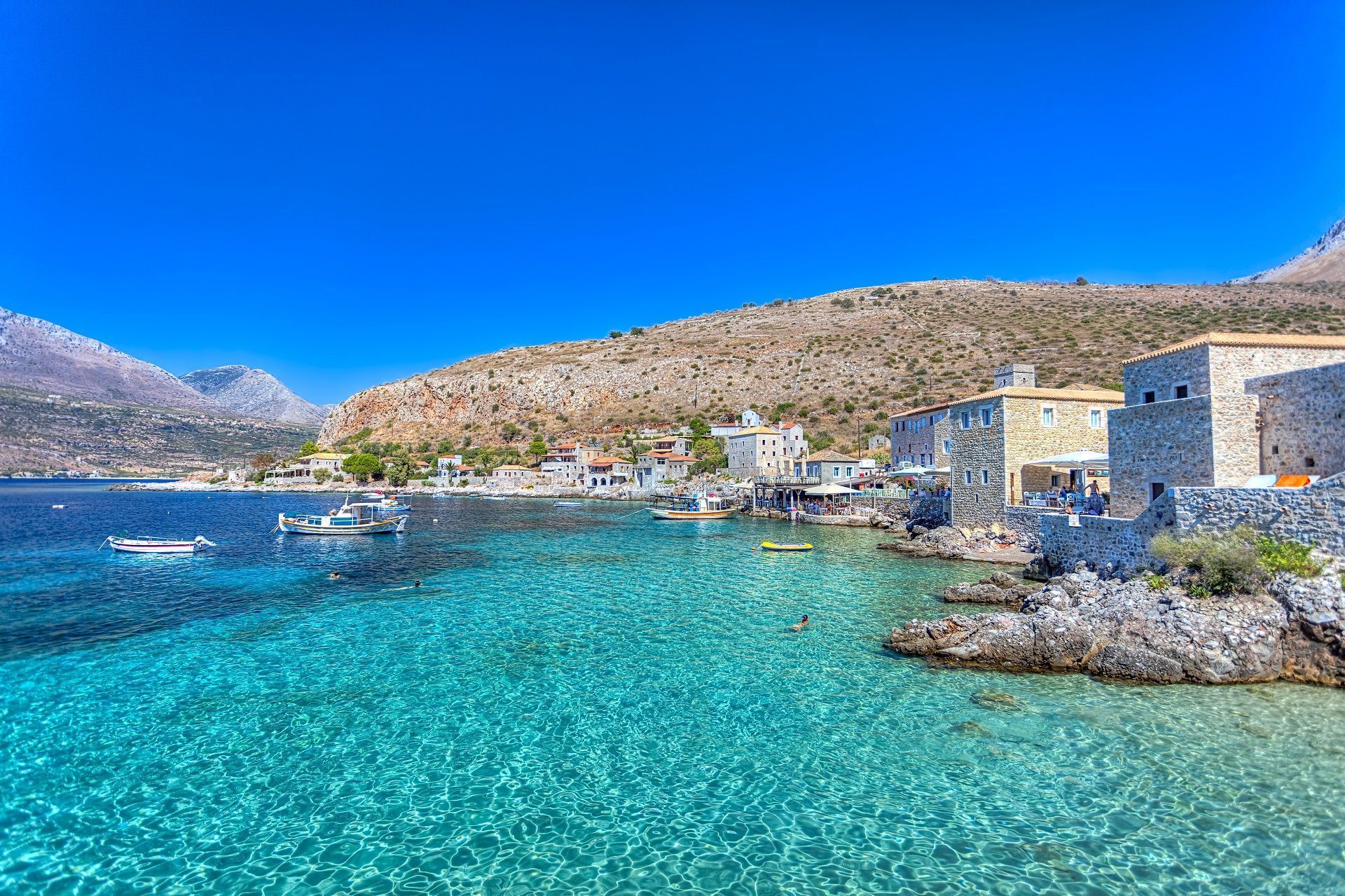
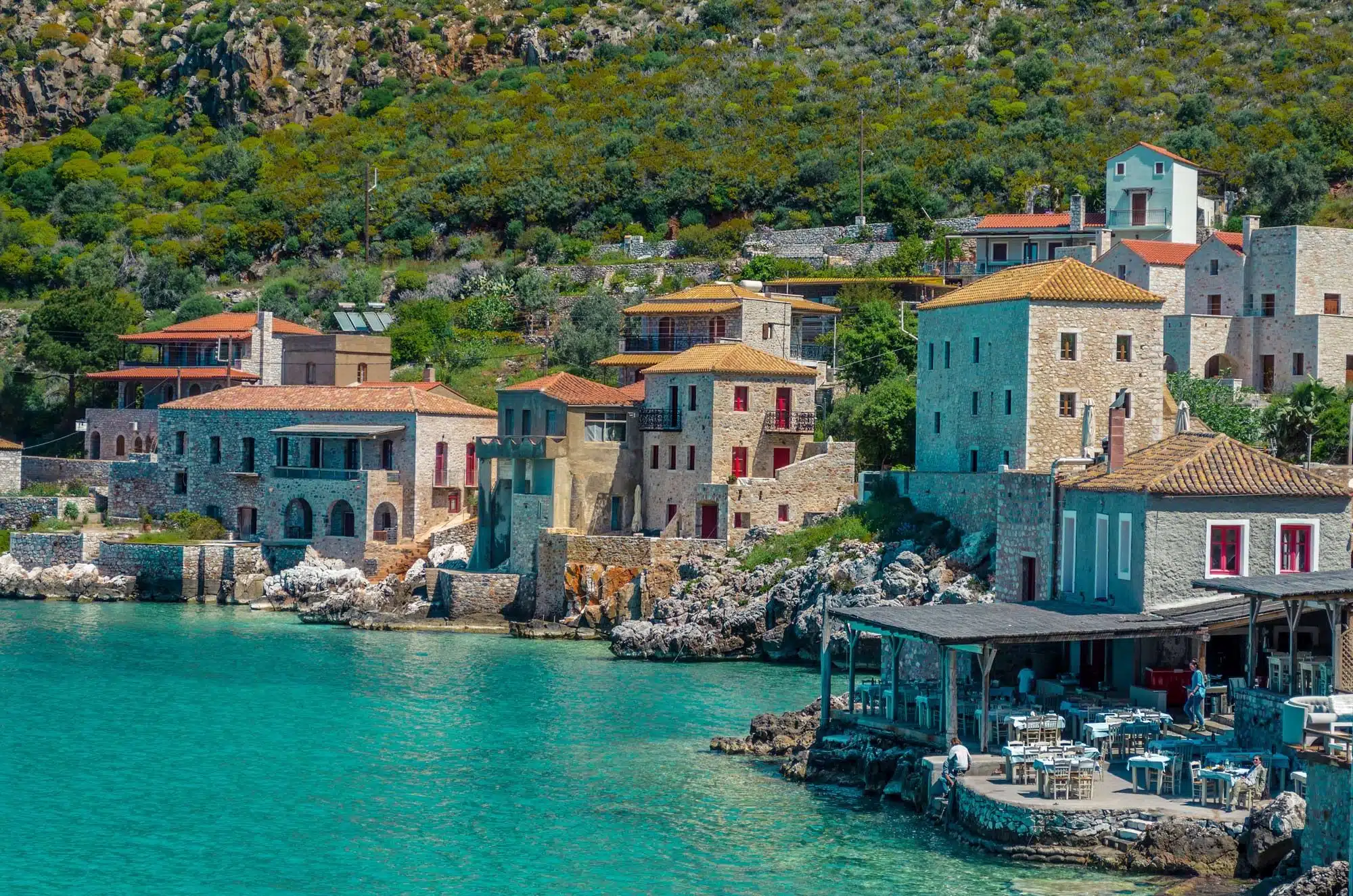
    A private transfer west from Monemvasia to the Mani, approximately one and a half hours by road. The Mani is the central of the three peninsulas forming the southern tip of the Peloponnese, a landscape of stone tower-villages, bare limestone hills, and a coastline of caves and clear water. The towers were built by rival families between the 17th and 19th centuries as defensive structures in a blood feud culture that the Ottoman authorities were unable to suppress.

    Areopolis, the main town of the inner Mani, holds a cluster of tower houses around the central square. The village of Vatheia, at the southern tip, holds the most complete surviving group of tower houses in Greece, abandoned in the 20th century and partially restored on a ridge above the sea. The Diros Caves on the western coast are a system of underground caverns with a navigable river, explored by flat-bottomed boat through chambers with stalactites reaching the water’s surface. Your accommodation for two nights sits within the Mani with direct access to the tower villages and the coastline.

  • Days 7-8: Kalamata and Ancient Messene

    Days 7-8: Kalamata and Ancient Messene

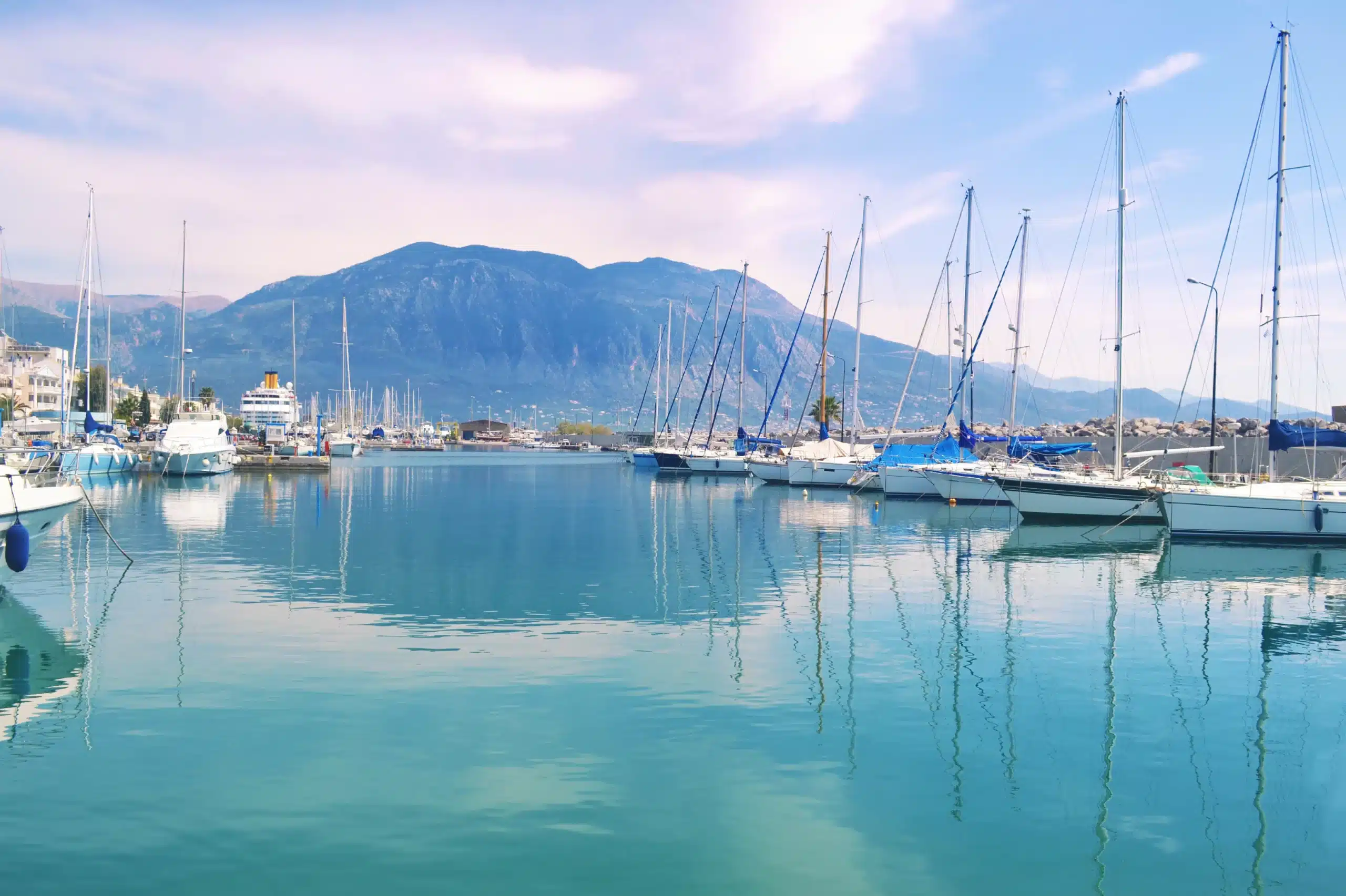
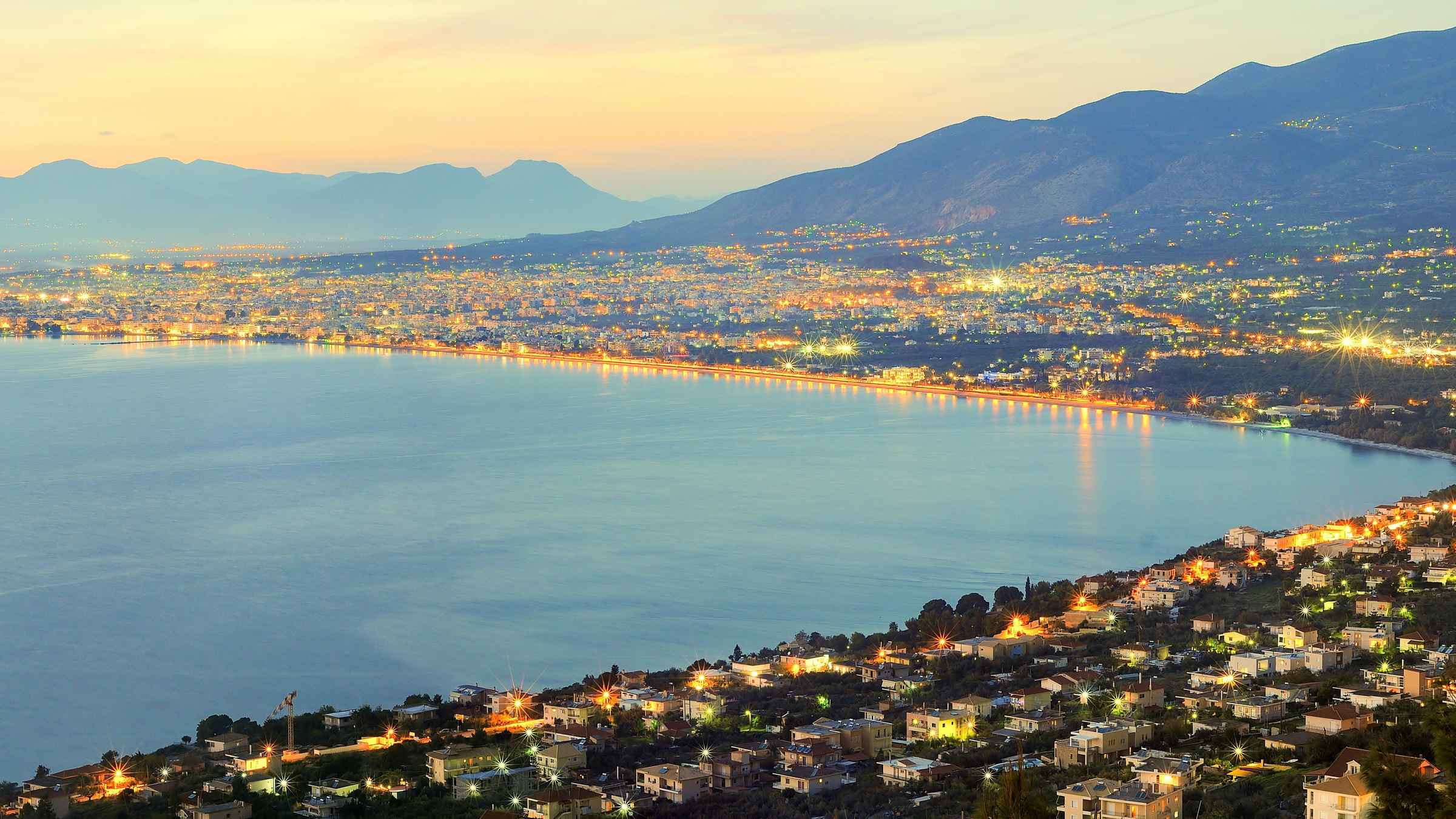
    A private transfer west from the Mani to Kalamata, approximately one hour by road. Kalamata is the largest city in the southern Peloponnese and the center of the olive oil production that makes this area one of the most significant olive-growing regions in the world, with Kalamata olives, olive oil, and figs available from producers whose families have worked the same groves for generations.

    Your base for two nights sits in or near Kalamata within easy reach of the coast and the surrounding Messenia region.
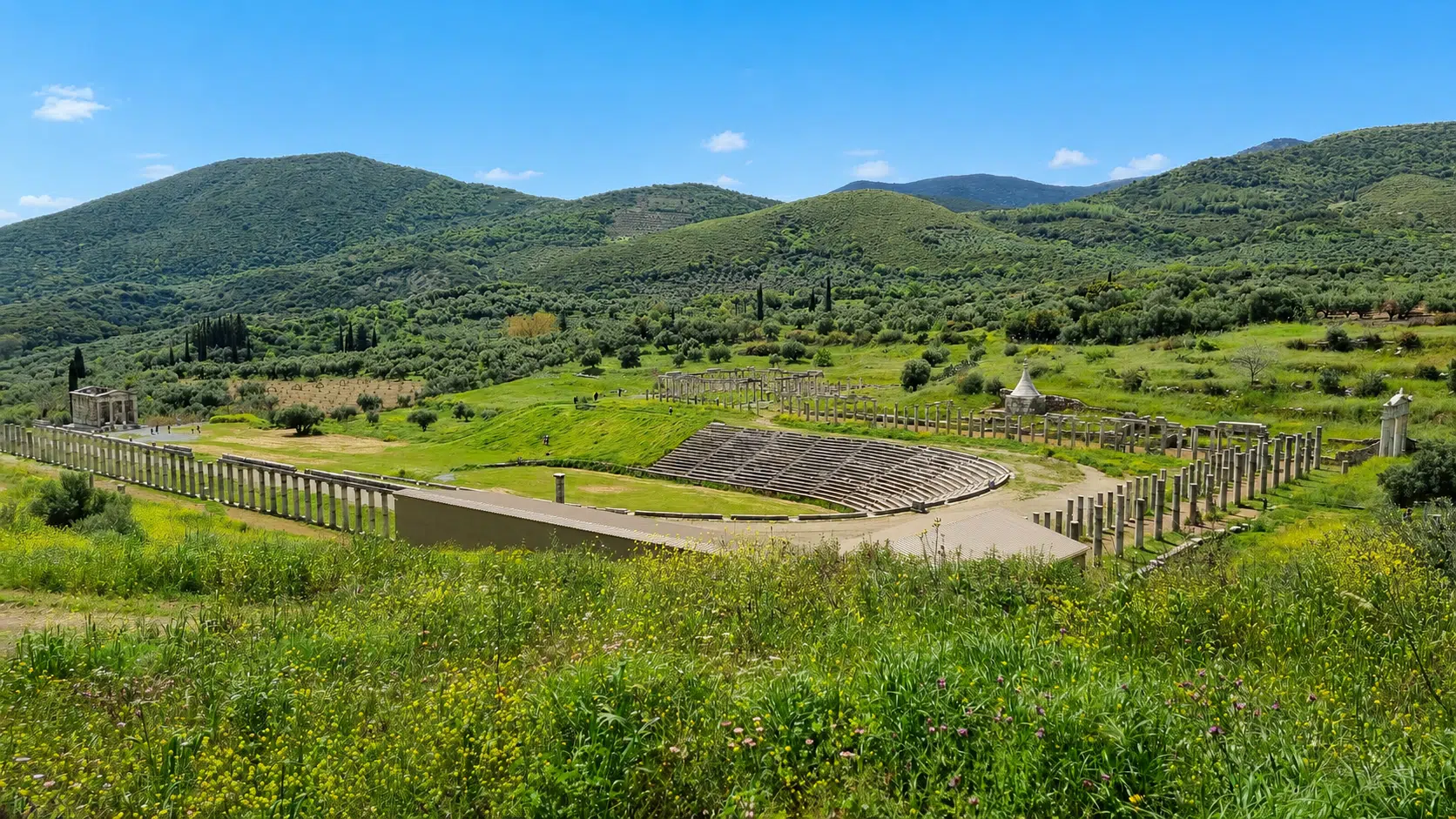
    Ancient Messene, 30 kilometers northwest, is one of the most complete and least visited archaeological sites in Greece. Founded in 371 BC following the Theban general Epaminondas’s defeat of Sparta at the Battle of Leuctra, the city was designed to serve as a counterweight to Spartan power in the Peloponnese.

    The circuit walls, covering nine kilometers of the surrounding hills, are among the best-preserved ancient fortifications in Greece, with the excavated area covering the Asklepieion, the theater, the stadium, the gymnasium, the sanctuary of Demeter, and the agora. A private guide covers the site in a morning at a pace the self-guided visit does not allow.

  • Days 9-10: Ancient Olympia and Departure

    Days 9-10: Ancient Olympia and Departure

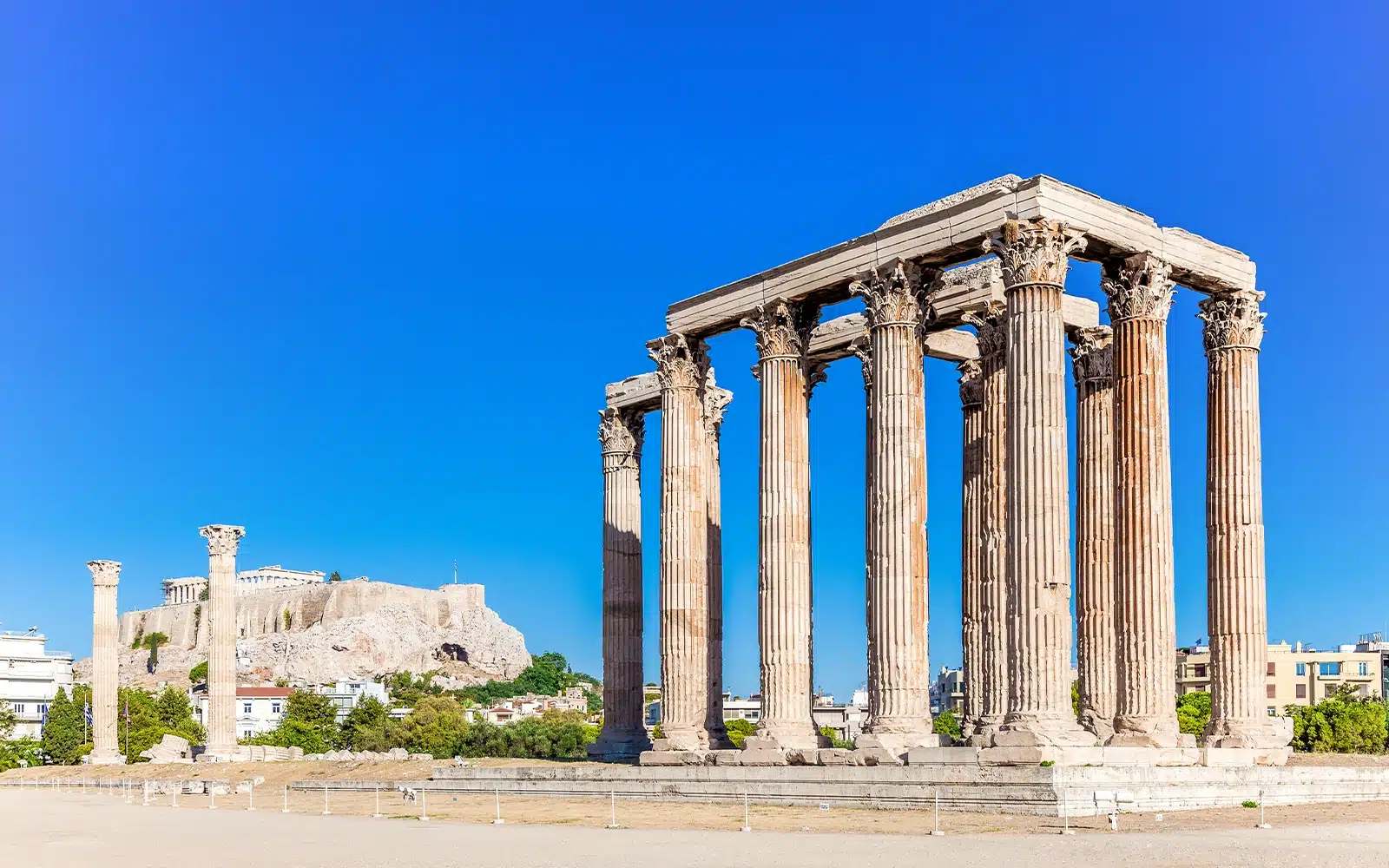
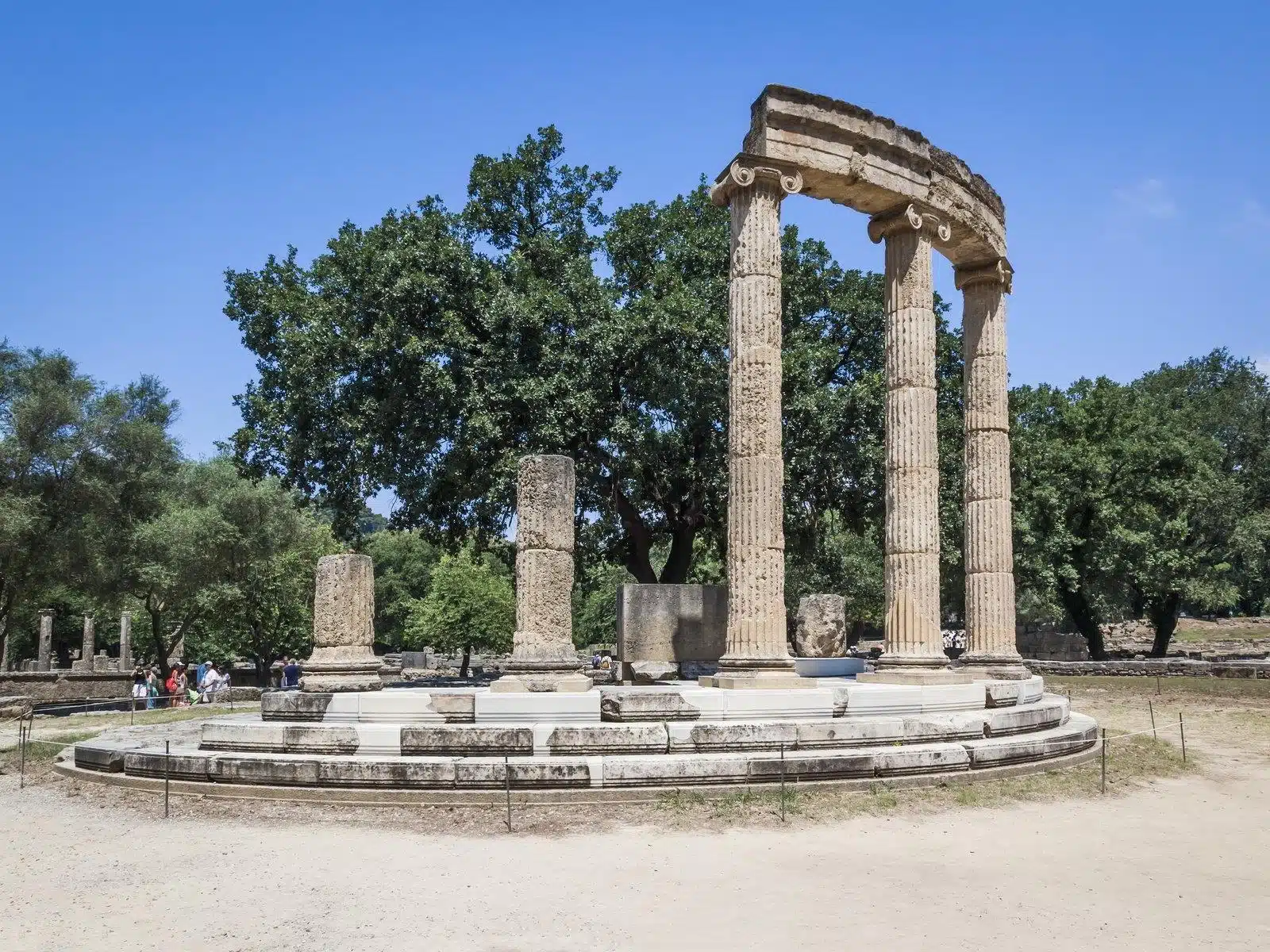
    A private transfer northwest from Kalamata to Ancient Olympia, approximately two hours by road. The site of the Ancient Olympic Games, held every four years from 776 BC until their suppression by Emperor Theodosius I in 393 AD, sits in the valley of the Alpheios River.

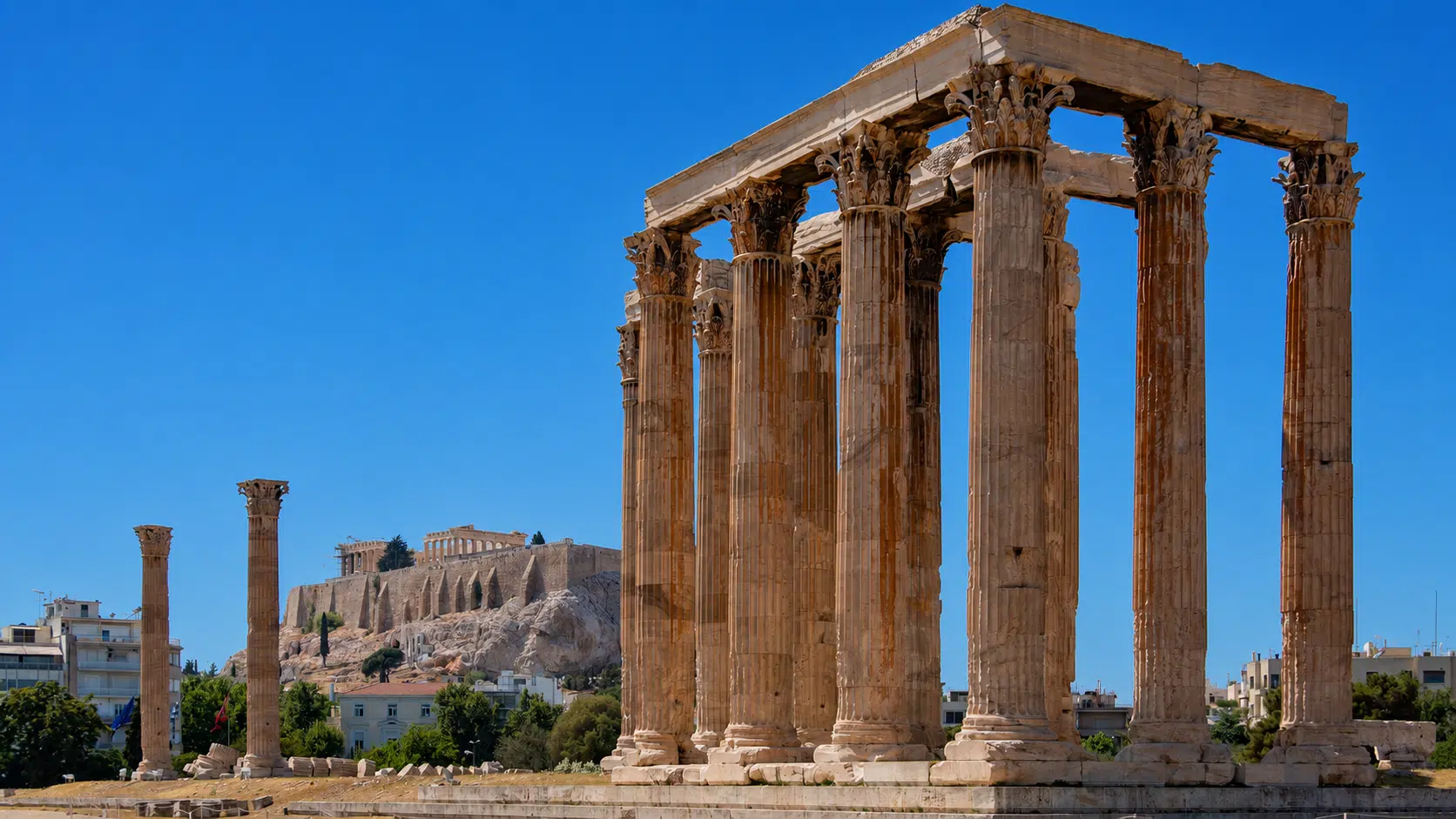
    The Temple of Zeus, completed in 456 BC and the largest Doric temple in the Peloponnese, held the Chryselephantine statue of Zeus by Pheidias, one of the Seven Wonders of the ancient world. The workshop of Pheidias has been excavated and identified by the tools and terracotta molds found within it. The stadium, with its starting and finishing lines intact, held 40,000 spectators on the embankments around the track.

    The Archaeological Museum of Olympia, adjacent to the site, holds the sculptural program from the Temple of Zeus, including the pediment groups showing the battle of the Lapiths and the Centaurs on the west and the chariot race of Pelops on the east, alongside the Nike of Paeonius and the Hermes of Praxiteles. A private guide covers both the site and the museum in a full morning.

    A private transfer north from Olympia to Athens International Airport covers approximately three and a half hours by road, with an optional stop at the Corinth Canal on the return. The itinerary can be extended with additional nights in Nafplio, a side trip to the Byzantine city of Mystras near Sparta, or a ferry connection to the Greek islands.

    Ready to plan your Peloponnese journey from Nafplio and Mycenae to the Mani and Ancient Olympia? Speak with Do Not Disturb to begin your journey.

Add your Do Not Disturb moment

Trip gallery

We also recommend...

Your journey doesn’t start with a booking. It starts with a conversation.

Tell us how you want to feel, we’ll take it from there.

Our reviews

“Our trip was truly magical and full of core memories that will last us a lifetime.”

Michael • Bora Bora Honeymoon

Star Icon Star Icon Star Icon Star Icon Star Icon

“We just returned from an incredible journey through Ireland, and we couldn’t have had a better experience”

Brad • Ireland Adventure

Star Icon Star Icon Star Icon Star Icon Star Icon

“This was a flawless experience. They took all our thoughts and perfectly curated the most beautiful honeymoon.”

Kris • Sicily Honeymoon

Star Icon Star Icon Star Icon Star Icon Star Icon

Our team brings over 35 years of experience in luxury travel, shaping bespoke journeys for discerning clients worldwide. The reviews below reflect the trust placed in us and the experiences we continue to create.

See more reviews on Trustpilot

Travel inspiration and editorials

landscape photo of couple walking on green grass 8 min read

The honeymoon is the first major travel decision a couple makes together, and the range of what it can be, remote and silent, culturally immersive, or gastronomically driven, is wider than most realize. This guide matches eight distinct trip types to eight distinct kinds of couples, cutting through the noise to help you identify the honeymoon […]

santorini, Greece 6 min read

Santorini’s three main caldera villages operate on entirely different terms, and choosing between them determines not just where you sleep, but how the island actually functions around you. For luxury travelers, the distinction matters more than most guides acknowledge.

Honeymoon in Santorini 6 min read

Where to stay in Santorini as a couple, from the quiet of Imerovigli to the best cave suites, caldera views, and how to find privacy away from the crowds.

Scenic view of Trikala, Greece featuring lush valley, vineyards, and mountain range. 6 min read

The Peloponnese has been producing wine since antiquity, yet its most compelling cellar experiences remain largely invisible to conventional tourism. This is a guide to the boutique estates where access is earned through arrangement, and where wine travel becomes an exercise in sustained attention.

Your next steps

Planning your trip should feel effortless.

We Listen

You share what matters, whether it’s a destination, a feeling, or a moment worth celebrating.

We Curate

Your dedicated expert shapes a thoughtful, private itinerary tailored entirely around you.

You Travel

Every detail handled. Every moment considered. Support before, during, and after your journey.

Tell us about your journey

    Step 1 / 2

    Let's design your escape

    Answer a few quick questions and we’ll craft a journey as unique as your state of mind.