
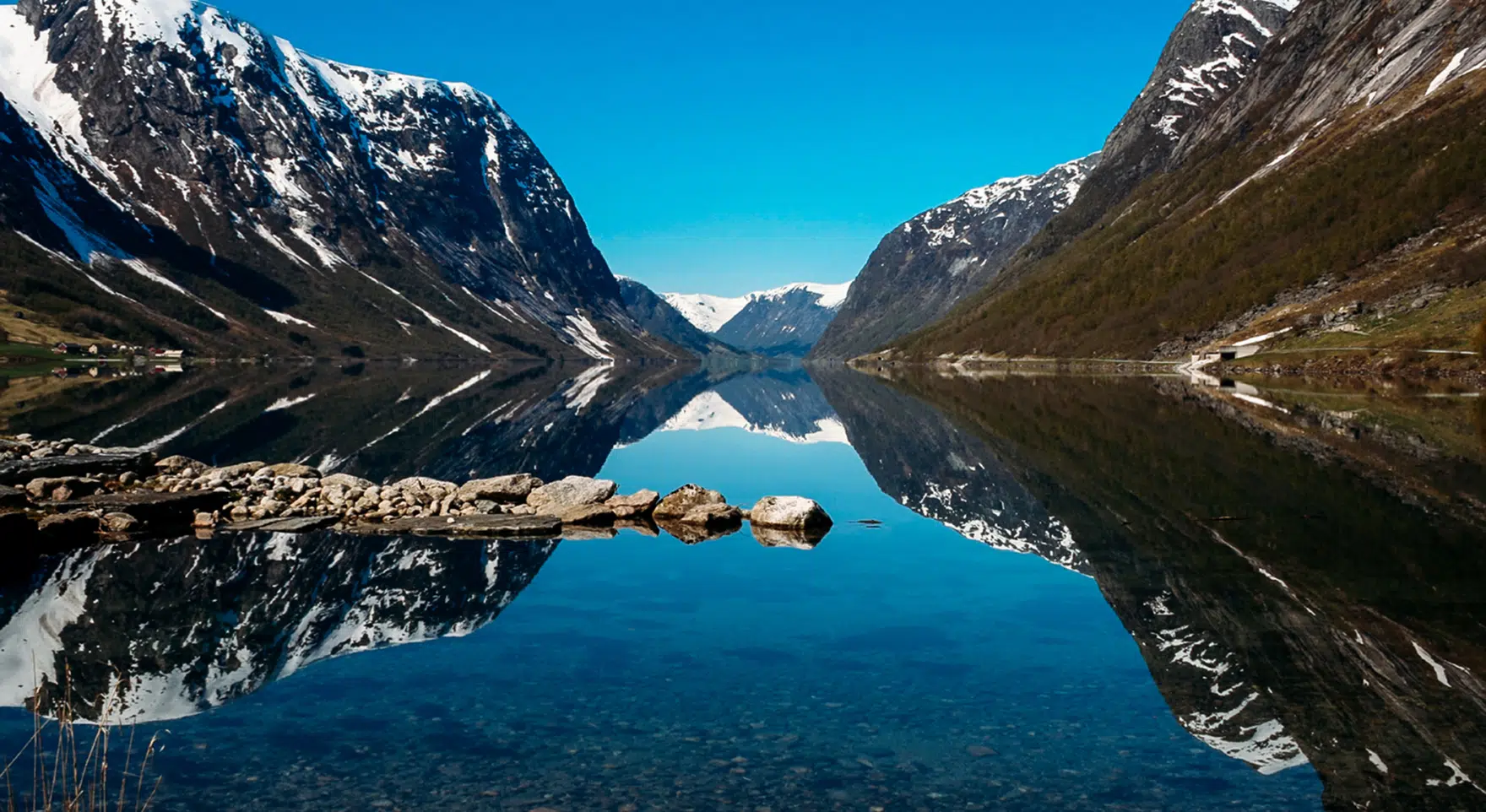
Norway’s fjords are among the most spectacular landscapes in Europe. Sheer cliffs rise from glassy water, waterfalls cascade from mountain peaks, and winding waterways cut deep into the heart of the country. While the photographs are impressive, they rarely capture the true scale of the experience. This guide explores the most rewarding ways to discover Norway’s fjords, from luxury hotels and scenic rail journeys to private cruises and unforgettable viewpoints.
What the Fjords Actually Are
The Norwegian fjords were carved by glaciers over millions of years, as ice sheets advanced and retreated across the Scandinavian landmass, gouging valleys that were subsequently flooded by the sea as the ice melted. The result is a coastline of extraordinary complexity, where narrow inlets extend hundreds of miles inland and the water depth beneath a calm surface can exceed 4,000 feet.
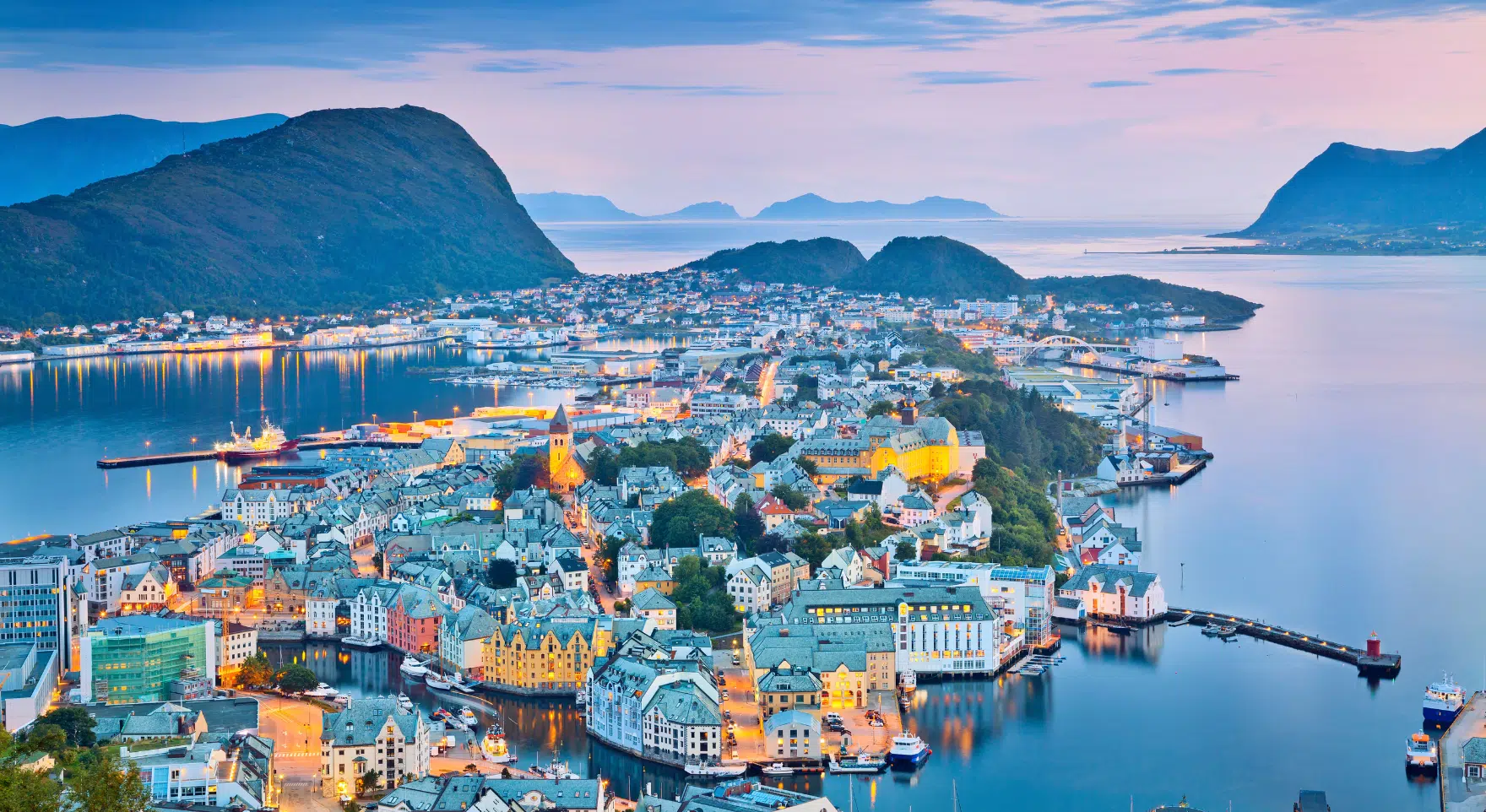
The fjord region runs along Norway’s entire western coast, but the most celebrated section lies between Bergen in the south and Alesund in the north, a stretch that contains the Sognefjord, the Hardangerfjord, the Naeroyfjord, and the Geirangerfjord, four of the most visited and most justified natural attractions in Europe.
About Do Not Disturb
Do Not Disturb is a luxury travel company specializing in carefully designed journeys and considered experiences. Each itinerary we build for our clients is informed by real destination knowledge, offering insight into places, cultures, and moments that shape how a trip comes together.
If this destination has sparked ideas, the itinerary can be developed into a private journey tailored to your interests and travel style, with hand-picked stays, thoughtful routing, and experiences curated around what matters most to you.
The Main Fjords and What Distinguishes Them
The Sognefjord is the longest and deepest fjord in Norway, extending 127 miles inland from the coast and dropping to over 4,200 feet at its deepest point. Its scale is difficult to process from the shore. The branch fjords that feed off it, particularly the Naeroyfjord and the Aurlandsfjord, are narrower and more intimate, the walls closing in until the strip of sky above feels almost architectural. The Naeroyfjord is a UNESCO World Heritage Site, one of only a handful of natural landscapes in Norway to hold that designation.
The Hardangerfjord, to the south of the Sognefjord, has a different character. The surrounding landscape is softer, with orchards running down to the water’s edge and the village of Ulvik considered one of the most beautiful in the country. In late April and early May, when the fruit trees bloom against the fjord backdrop and snow still sits on the peaks above, it produces one of the most extraordinary seasonal spectacles in Scandinavia.
The Geirangerfjord, further north, is the most visited of the fjords and the most dramatic in the conventional sense. The Seven Sisters waterfall, a sequence of seven separate falls dropping simultaneously down the fjord wall, is the image most people carry away from Norway.
The fjord is narrow, the walls are steep, and the village of Geiranger at its head sits in a position of improbable beauty. It shares its UNESCO designation with the Naeroyfjord and for good reason.
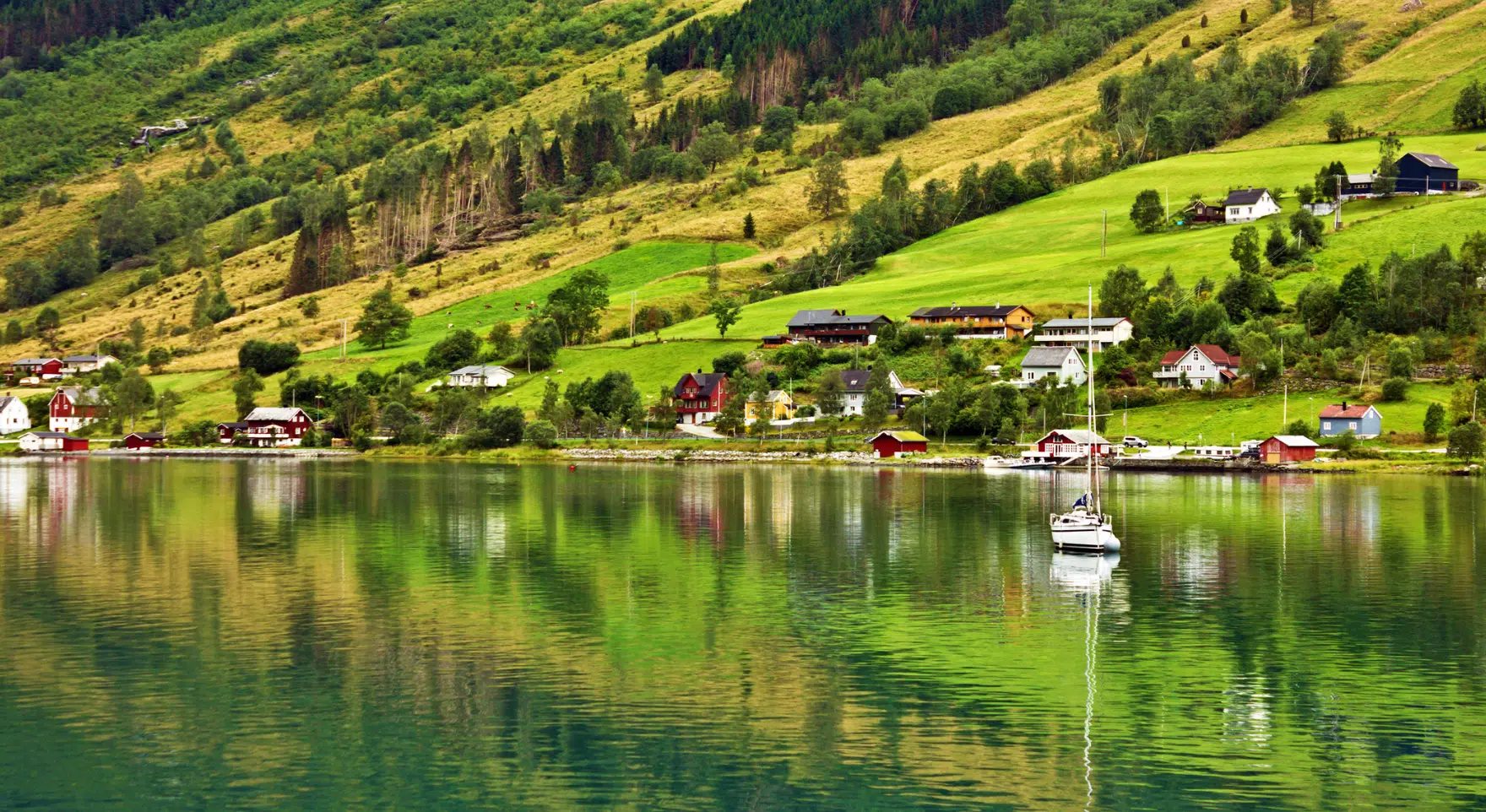
How to See the Fjords Properly
The standard approach, a cruise ship docking at Bergen and running a day excursion to the Sognefjord, produces a version of the fjords that is recognizable but incomplete. The fjords reward slower travel and a mix of perspectives: from the water, from the road, from the train, and on foot.
The Flamsbana railway, running from Myrdal down to Flam on the Aurlandsfjord, is one of the steepest standard-gauge railway lines in the world and one of the great short rail journeys in Europe. The 12-mile descent drops nearly 3,000 feet through tunnels, past waterfalls, and along valley walls that shift in color and character with the season. Taking it as part of the Norway in a Nutshell route, which combines the Flamsbana with a fjord cruise on the Naeroyfjord and a return by road over the mountain plateau, is the most efficient way to cover the core fjord experience in a single day. For a tailor-made itinerary, the components can be spread across several days with private guides and considerably more room to breathe.
Private boat charters are the most immersive way to cover the fjords at length. A chartered vessel gives access to the narrower inlets, the sea caves, and the waterfalls that larger boats cannot reach, and the ability to stop, swim, and sit in silence in a landscape of this scale is something no scheduled service replicates. Half-day and full-day charters are available from most fjord villages, and for longer journeys a skippered yacht or small expedition vessel can be arranged for multi-day exploration.
Hiking in the fjord region is serious and rewarding. The Trolltunga, a rock ledge extending horizontally over the Hardangerfjord 3,600 feet above the water, is one of the most photographed viewpoints in Norway and a full-day hike from the trailhead. Preikestolen, the flat-topped cliff above the Lysefjord near Stavanger, is shorter and equally spectacular. Both are better experienced with a private guide who can manage the timing, the weather, and the route conditions, particularly outside the summer season.

Where to Stay
The fjord region has developed an impressive luxury accommodation offering over the past decade, and the best properties are embedded in the landscape rather than merely adjacent to it.
Juvet Landscape Hotel in the Valldalen valley, which appeared in the film Ex Machina and has been a design landmark since it opened in 2010, positions its rooms on stilts above a river in a birch forest, each facing a different section of the natural landscape through floor-to-ceiling glass. Storfjord Hotel near Alesund is a collection of log buildings above the Storfjord with interiors that use Norwegian craft traditions as a design language rather than a decorative gesture. Fretheim Hotel in Flam, at the end of the Flamsbana line, is the most historically rooted option in the region, a 19th century grand hotel that has been sympathetically updated without losing the character that makes it a local institution.
For those who want to move through the fjords rather than base in one place, the Hurtigruten coastal voyage from Bergen to Kirkenes remains one of the great Norwegian journeys, covering the entire western coastline over eleven days with stops at fjord towns and fishing villages that have no other regular connection to the outside world.

When to Go
The fjords are most visited in summer, between June and August, when the daylight is long, the roads are fully open, and the waterfalls are at their most voluminous from snowmelt above. This is also when the region is at its most crowded, and the most visited viewpoints and cruise stops can feel overwhelming in peak season.
Spring, from late April through May, is the fjord season that most rewards the effort. The crowds are thinner, the orchards of the Hardangerfjord are in bloom, and the combination of snow on the high ground and new growth in the valleys produces a color range that summer cannot match. Autumn, from September through October, brings similar advantages alongside the changing colors of the birch and deciduous forests that cover the lower slopes.
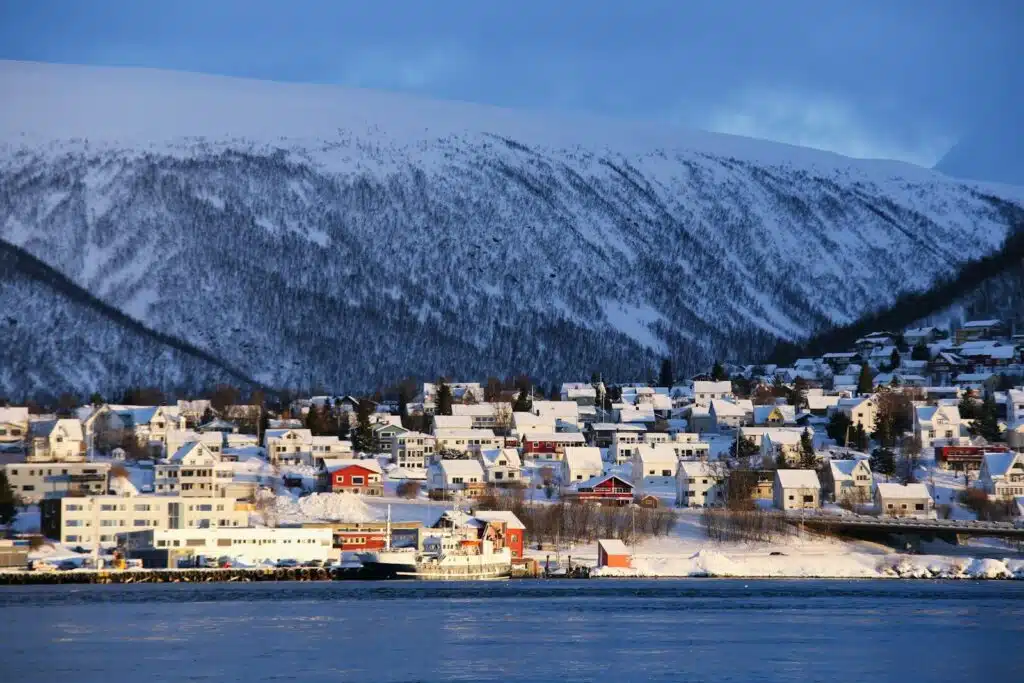
Winter in the fjords is a different proposition entirely. Many of the smaller roads close, some ferry routes reduce their frequency, and the landscape takes on a severity that is not for every traveler. For those who want it, the combination of snow, ice, low light, and near-empty fjord villages has a character that the summer version of Norway cannot offer.

What Do Not Disturb Handles
A fjord itinerary done properly involves more moving parts than it appears. Private boat charters, Flamsbana tickets, guide bookings, mountain road transfers, and the sequencing of a route that moves logically between the different fjord systems without unnecessary backtracking all require local knowledge and advance planning.
We build Norway itineraries that cover the fjords at the right pace, with the right properties, and with enough flexibility to respond to weather and conditions on the ground. The fjords are worth the effort of planning them well.
Plan your own version of this journey
Speak to Do Not Disturb’s luxury travel experts and turn this moment into something personal.
Related destinations
Suggested articles
Beyond the Maldives: Seven Islands for a Different Kind of Honeymoon
The Ultimate Norway Honeymoon Guide

Svalbard: Europe’s Last Great Wilderness
One Island or Two? Splitting Your Maldives Honeymoon Between Resorts

Best Honeymoon Destinations for Autumn

Italy vs Greece for Your Honeymoon – Which is Better?
48 Hours in Lima: Where to Eat, Stay and Explore

A Cultural Honeymoon in Peru: Machu Picchu, Cusco, the Sacred Valley and the Amazon

Peru or Mexico: Which Ancient Civilization Should You Visit First?
The Best Time to Visit Machu Picchu for Fewer Crowds

Why So Many Travelers Fall for Kanazawa
Kyoto or Kanazawa – Which Is Better for Traditional Japan?
What Is a Kissaten? Inside Japan’s Historic Coffee Shop Culture