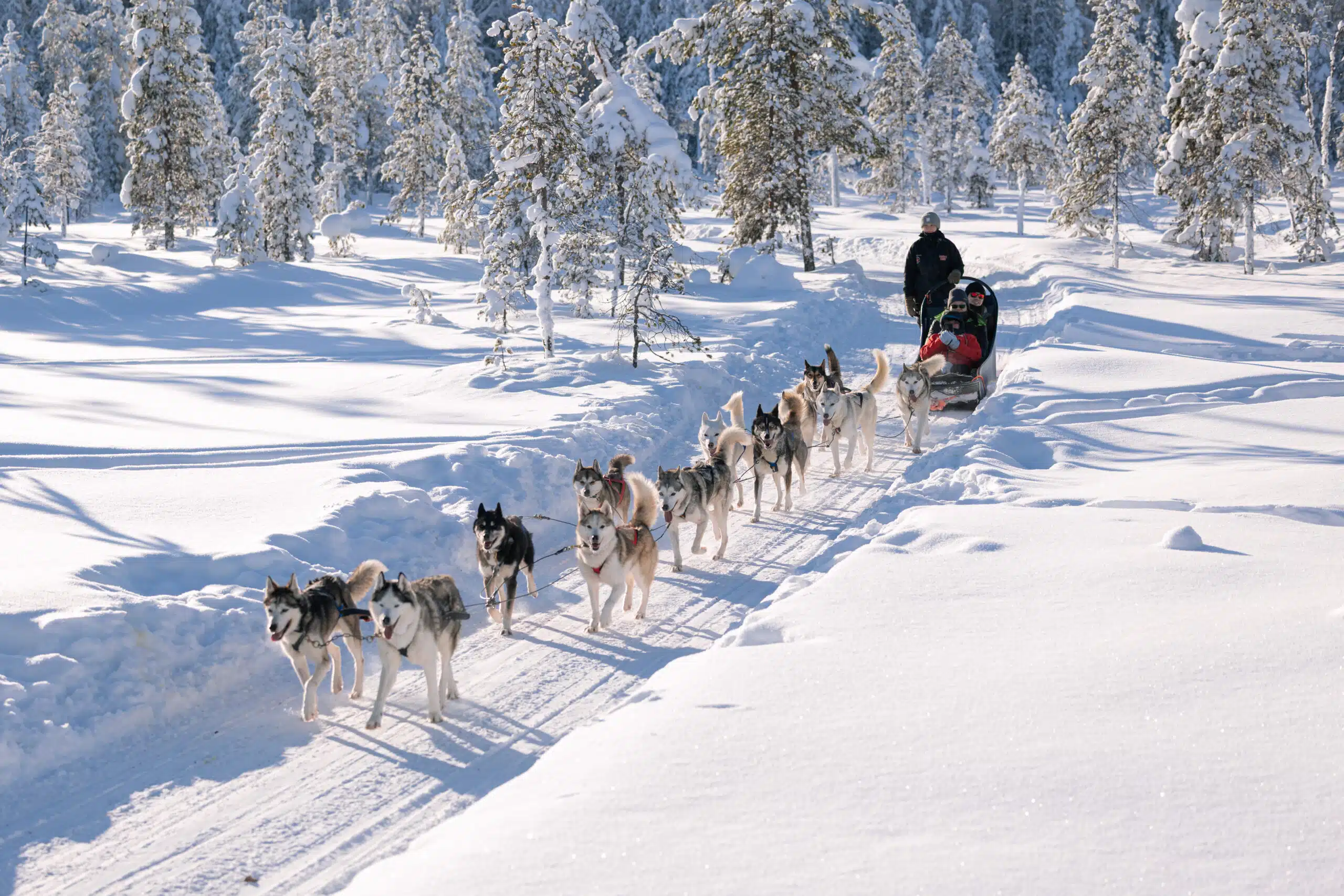


Husky sledding is one of the defining experiences of an Arctic winter: a journey by dog sled through frozen pine forest and across open lakes in a landscape that has been traversed this way for centuries. For most visitors, it becomes the moment that the whole trip is remembered by.
Husky sledding has been woven into the fabric of Arctic life for thousands of years. For centuries across Lapland, dog teams were the most reliable way to move across a frozen landscape in winter. There is no better way to understand this spectacular place than to move through it the way its people always have.
Finnish Lapland sits above the Arctic Circle, in a landscape shaped by old-growth pine forest, frozen rivers, and months of unbroken snow. Between November and March, the snow is deep, the lakes freeze solid, and on clear nights the sky comes alive with the northern lights. The light during this season is low, blue, and extraordinary; midday looks like dusk, and the forest glows.
Unlike many Arctic activities, sledding places you in an active role. Each sled is driven by the guest, standing on the runners, controlling speed with a foot brake, and reading the trail ahead. The dogs set the pace. The person holding the sled is known as the musher, a command once called out to urge a team forward.
There is a moment, shortly after the brake releases, when everything else falls away. The dogs find their rhythm. The forest closes in on either side. For the duration of the run, nothing else requires your attention.

About Do Not Disturb
Do Not Disturb is a luxury travel company specializing in carefully designed journeys and considered experiences. Each itinerary we build for our clients is informed by real destination knowledge, offering insight into places, cultures, and moments that shape how a trip comes together.
If this destination has sparked ideas, the itinerary can be developed into a private journey tailored to your interests and travel style, with hand-picked stays, thoughtful routing, and experiences curated around what matters most to you.
Cultural and Historical Context
Lapland is a vast and largely roadless expanse stretching across the northern reaches of Finland, Sweden, Norway, and Russia’s Kola Peninsula. It has been inhabited for thousands of years, most notably by the Sami, the indigenous people of the Arctic north, whose connection to this landscape runs deeper than any border drawn across it.
The Sami relationship with dogs is longstanding, though it is reindeer that sit at the center of Sami cultural identity. Reindeer herding has shaped how communities have moved through and understood this landscape for generations. Dog sledding developed alongside it as a practical means of crossing terrain that was, for much of the year, accessible only on foot, on skis, or behind a team of dogs.
In Finland, husky farming developed into its own distinct tradition, separate from Sami reindeer culture but rooted in the same fundamental relationship between people, animals, and an environment that demands both. The farms operating today are working operations, not curated experiences. The dogs are bred for endurance and trained to the same standards that working teams have always required.
You will encounter a practice that has changed remarkably little in its essentials. The harnesses, the gangline, and the rhythm of a team in full stride through a pine forest. These are not reconstructions. They are the continuation of something that has always been here, in this landscape, in this cold.

Why Private or Small-Group Access Matters
Most husky experiences in Lapland run as group departures, built around shared dogs, shared sleds, and fixed departure times. The activity remains enjoyable in this format, but it keeps the experience at arm’s length.
A private departure changes the nature of the day entirely. The route adjusts to conditions and to the pace of the group. There is time to stop on a frozen lake and watch the light settle over the treeline. There is time to push further into the forest if that is what the morning calls for. The guide’s attention is entirely on you.
The relationship with the dogs is different, too. In group settings, the harnessing is brief, and the dogs are handed over quickly. In a private arrangement, there is time to learn the team before the sled moves. Guests understand which dog runs where, how the hierarchy works, and how each animal responds. By the time the gangline is taut, the connection between musher and team is already established.
This is the kind of experience that a trip to Lapland should be built around. Do Not Disturb works with a small number of trusted farms that operate private departures only, coordinating the timing, the routing, and any additional experiences around the day itself so that nothing competes with it.

What You See
The day begins at the husky farm, where you are fitted with full arctic thermal suits and introduced to your team before harnessing begins. The dogs are kept in the open air and are accustomed to the cold; by the time the gangline is attached, they are ready to move. The guides manage the run and the safety of the group; the guest’s role is to stand on the runners, control the brake, and follow the trail.
The routes move through pine forest and across frozen lakes, with the landscape opening and closing around the sled as the trail winds through the trees. Conditions vary with the season and the weather. Fresh snowfall softens the surface and quietens the run considerably, while colder, drier days produce faster trails and a clarity of light that makes the forest look as though it has been cut from paper.
Reindeer are a common sight at the forest edge, particularly in the early morning. Further in, tracks in the snow record the movement of foxes, wolverines, and occasionally wolves, though the animals themselves are rarely seen. On clear nights, the northern lights may be visible above the treeline.
Lunch is taken at a prepared fire site in the forest, where guides cook over an open flame, and the dogs rest in the snow. The return journey follows a different route, covering new ground before arriving back at the farm. The full run typically lasts several hours, with distance and pace adjusted to the group on the day.

How Do Not Disturb Makes This Possible
Do Not Disturb works with a small number of trusted husky farms in Finnish Lapland. These operators run private departures only, maintain small, well-cared-for teams, and employ guides who have grown up in the region. Availability for private dates in peak season is limited and books well in advance.
For guests combining husky sledding with a wider Lapland itinerary, Do Not Disturb coordinates accommodation, transfers, and additional activities—including snowmobile safaris, ice fishing, reindeer experiences, and guided northern lights excursions—into a single coherent program.
The logistics of a winter trip in this part of the world require careful handling; conditions change quickly, and our experience with local providers makes all the difference.
Plan your own version of this journey
Speak to Do Not Disturb’s luxury travel experts and turn this moment into something personal.
Related destinations
Suggested articles
Best Luxury Hotels in Finnish Lapland
Plan Your Honeymoon in Finland

What Finland Gets Right About Wellness

48 Hours in Helsinki
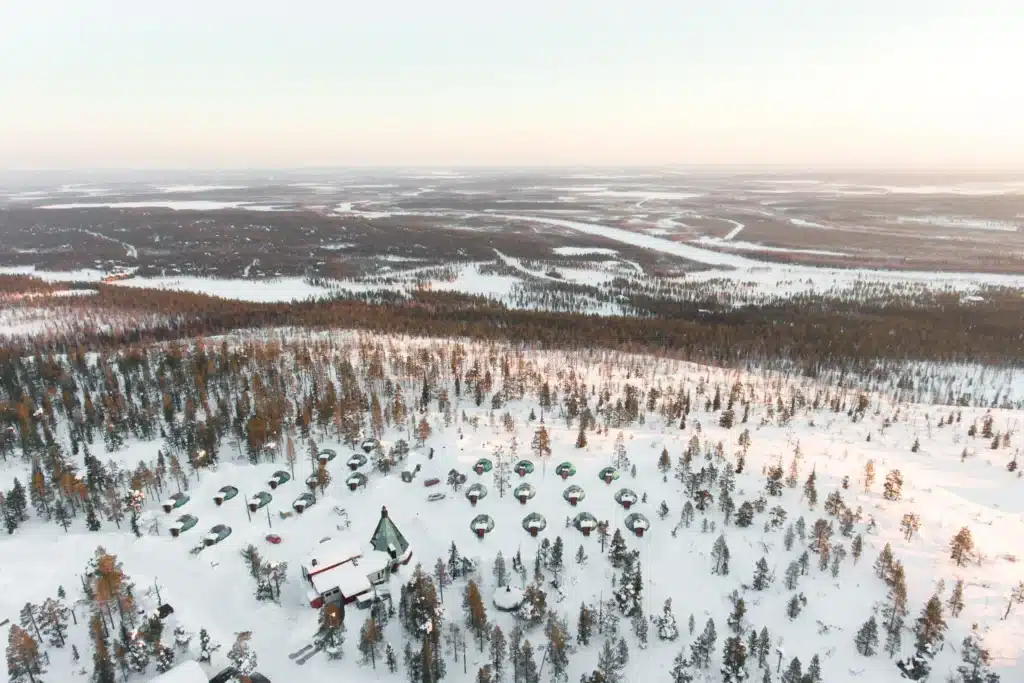
The Truth About Glass Igloos in Finland

Best Glass Igloo Hotels in Finland

Best Winter Sun Honeymoon Destinations in Europe
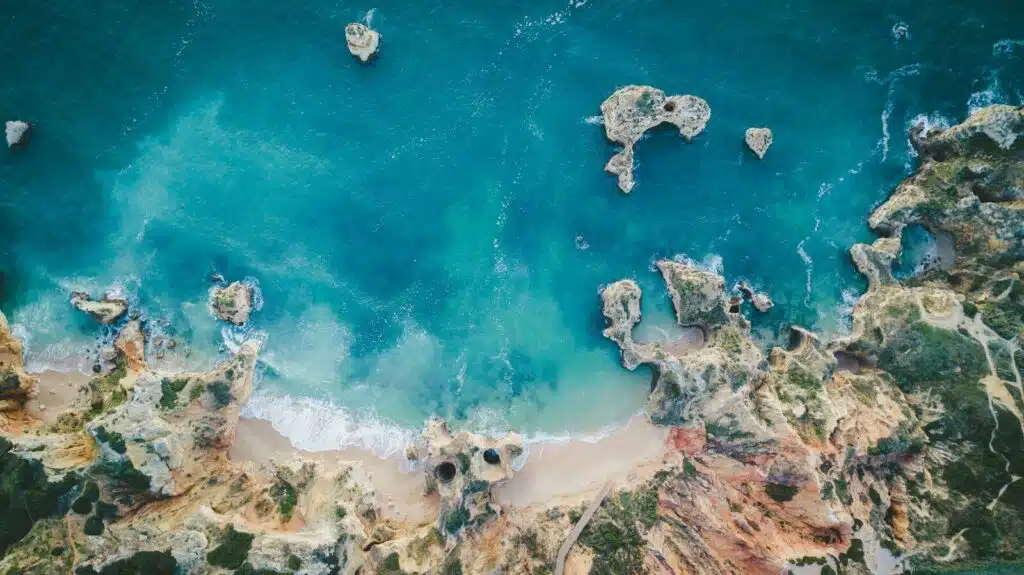
Portugal vs Spain for Your Honeymoon – Which Should You Choose?

One Island or Two? Splitting Your Maldives Honeymoon Between Resorts

Best Honeymoon Destinations for Autumn

Italy vs Greece for Your Honeymoon – Which is Better?
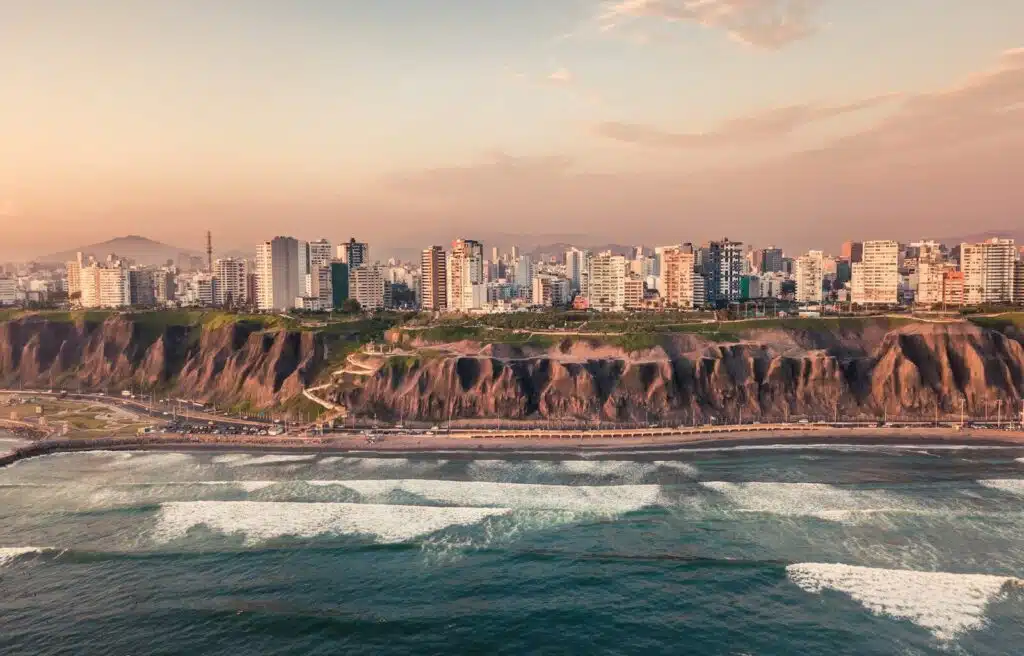
48 Hours in Lima: Where to Eat, Stay and Explore

A Cultural Honeymoon in Peru: Machu Picchu, Cusco, the Sacred Valley and the Amazon