

A private early morning walk through Florence’s south bank neighbourhood with a guide who knows the artisan workshops, the less visited churches, and the people who have worked in the same studios for generations.
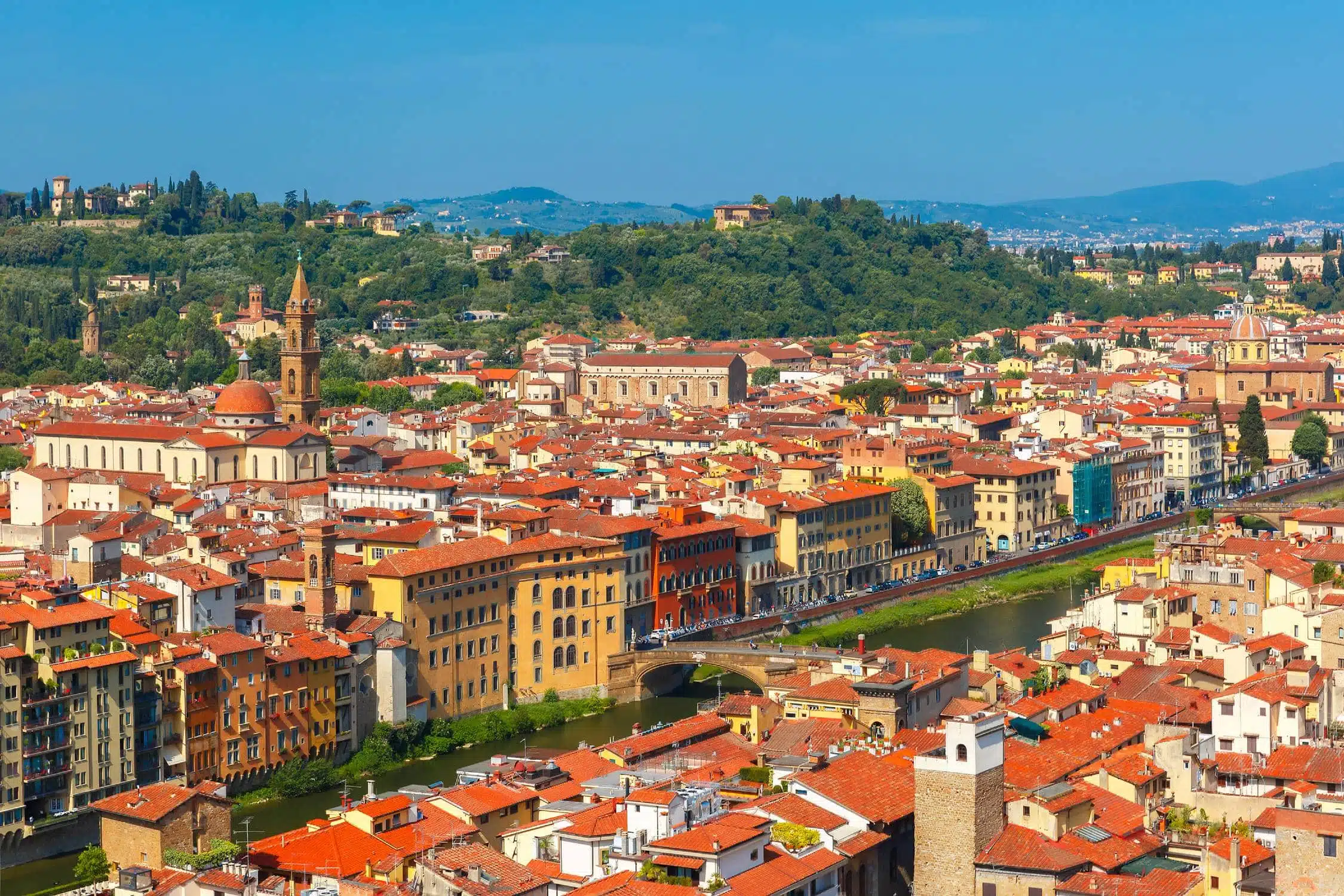
The Oltrarno sits on the south bank of the Arno, directly across from the Uffizi and Piazza della Signoria. The name means beyond the Arno, and the distance is less geographical than cultural. The north bank is where the grand civic institutions of the Renaissance were built.
The south bank is where the people who built them lived and worked, and where the trades that supported the Renaissance, goldsmithing, bookbinding, gilding, leather working, and stone inlay, have been practiced in the same workshops from one generation to the next.
A private early morning walk through the Oltrarno covers the version of Florence that exists before the day visitors arrive. The workshops open early. The piazzas belong to the people who live on them. The streets between Santo Spirito and San Frediano move at a pace that the rest of the city rarely matches.
About Do Not Disturb
Do Not Disturb is a luxury travel company specializing in carefully designed journeys and considered experiences. Each itinerary we build for our clients is informed by real destination knowledge, offering insight into places, cultures, and moments that shape how a trip comes together.
If this destination has sparked ideas, the itinerary can be developed into a private journey tailored to your interests and travel style, with hand-picked stays, thoughtful routing, and experiences curated around what matters most to you.
Cultural and Historical Context
The Oltrarno’s character as a working neighbourhood dates to the medieval period, when the south bank was settled by tradespeople who served the growing city across the river. The Medici family moved their official residence to the Pitti Palace in 1550, establishing the Oltrarno as a neighbourhood of both working trades and Medici-sponsored institutions.
The streets of Santo Spirito and San Frediano are lined with goldsmiths, engravers, bookbinders, glassworkers, and leather workers whose techniques have been handed down across centuries, some workshops now in their third or fourth generation.
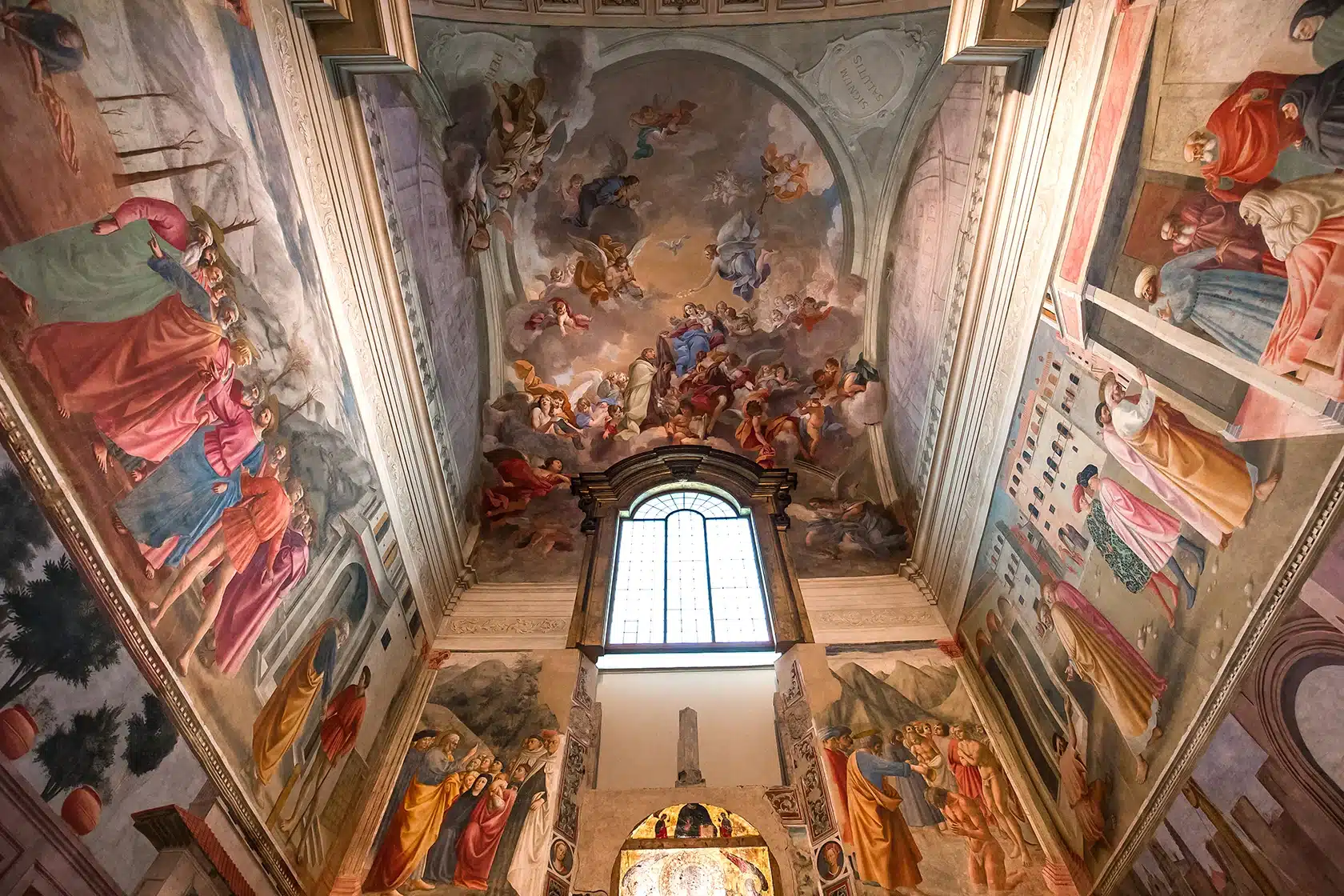
The Brancacci Chapel in Santa Maria del Carmine holds Masaccio’s fresco cycle, considered one of the founding documents of Renaissance painting. The Church of Santa Felicita, the oldest in the Oltrarno, holds Pontormo’s Deposition from the Cross, painted in 1528, in a side chapel that is rarely crowded even when the rest of Florence is at its busiest.
Why Private or Small-Group Access Matters
A private guide who has spent years in the neighbourhood, who knows which workshops are open and when, and who can make an introduction that goes beyond the standard tourist interaction, produces a quality of encounter that a group tour cannot.
A bookbinder or gilder introduced by someone they know will spend twenty minutes explaining what they do, opening drawers, showing materials, describing the process from raw material to finished work. The same person dealing with an unknown group is more likely to make a brief explanation and return to what they were doing.
The early morning timing matters for the same reason. By mid-morning, Piazza Santo Spirito fills with café tables and day visitors. In the hour before that, it belongs to the neighbourhood.

What You See
Via Maggio, one of the main streets of the neighbourhood, is lined with antique dealers whose ground-floor spaces open onto the street, with Renaissance furniture, paintings, ceramics, and objects whose provenance the dealers can trace in detail.
The workshops of Santo Spirito and San Frediano hold frame restorers, paper marblers, bookbinders, and stone inlay specialists operating from studios that do not advertise themselves to the passing street.
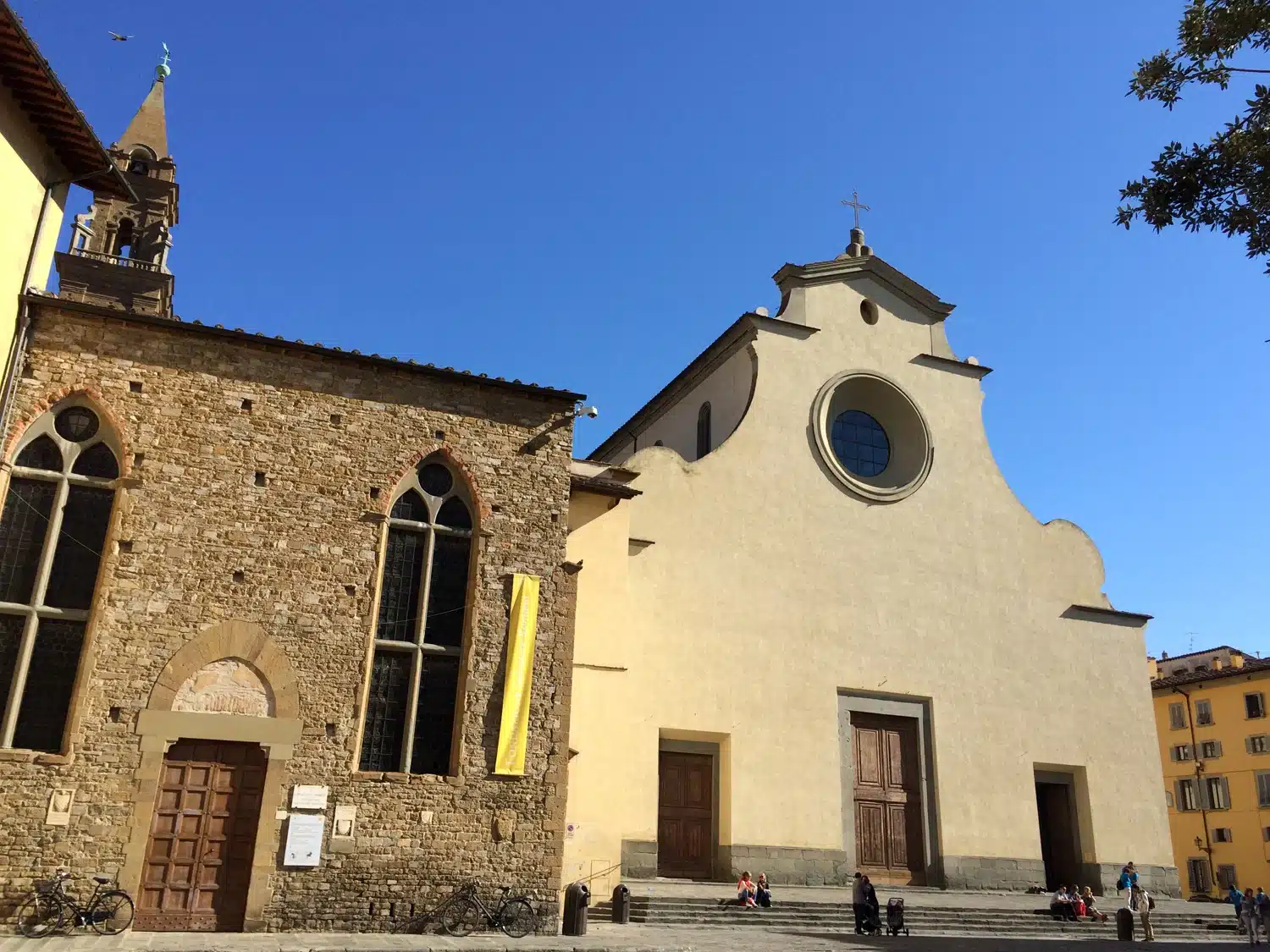
Piazza Santo Spirito sits at the centre of the neighbourhood, with Brunelleschi’s church of Santo Spirito at the far end of the square. The church’s interior, plain white walls and pietra serena columns, is Brunelleschi’s most complete surviving work.
The piazza in the early morning, with the market stalls setting up and the café serving residents rather than tourists, provides a version of Florentine civic life that the major piazzas on the north bank do not offer at any hour.

How Do Not Disturb Makes This Possible
Do Not Disturb works with a small number of guides in Florence whose knowledge of the Oltrarno extends to the specific workshops, the specific people, and the specific timing that makes the early morning walk most productive.
Entry to the Brancacci Chapel requires a timed ticket arranged in advance. Beyond that, the morning requires only a guide whose relationship with the neighbourhood is established enough to open doors that carry no posted hours.
Ready to plan your private early morning walk through the Oltrarno and experience the side of Florence that most visitors never reach? Speak with Do Not Disturb to begin your journey.
Plan your own version of this journey
Speak to Do Not Disturb’s luxury travel experts and turn this moment into something personal.
Related destinations
Suggested articles

Italy vs Greece for Your Honeymoon – Which is Better?

How to Travel Through a European Summer Heatwave

Chianti’s Luxury Villas: Stay Like a Renaissance Noble
Where to Go On Honeymoon? A Guide to Help You Choose

Lake Como vs Lake Garda: Which Italian Lake Is Right for You?
Positano vs Ravello: Where to Stay on the Amalfi Coast

Venice Without the Crowds: Is It Possible?

Sardinia vs Sicily: Which Italian Island Is Right for You?

Experiencing Florence Without the Crowds

Portofino and the Italian Riviera: Italy’s Most Stylish Coastline
Venice for Art Lovers: Palaces, Churches and Private Views

Romantic Florence: The Ideal Italian Honeymoon

Beyond Rome: Italy’s Most Beautiful Cities