Serengeti to Shore: Honeymoons in Tanzania and Zanzibar
3 July 2026
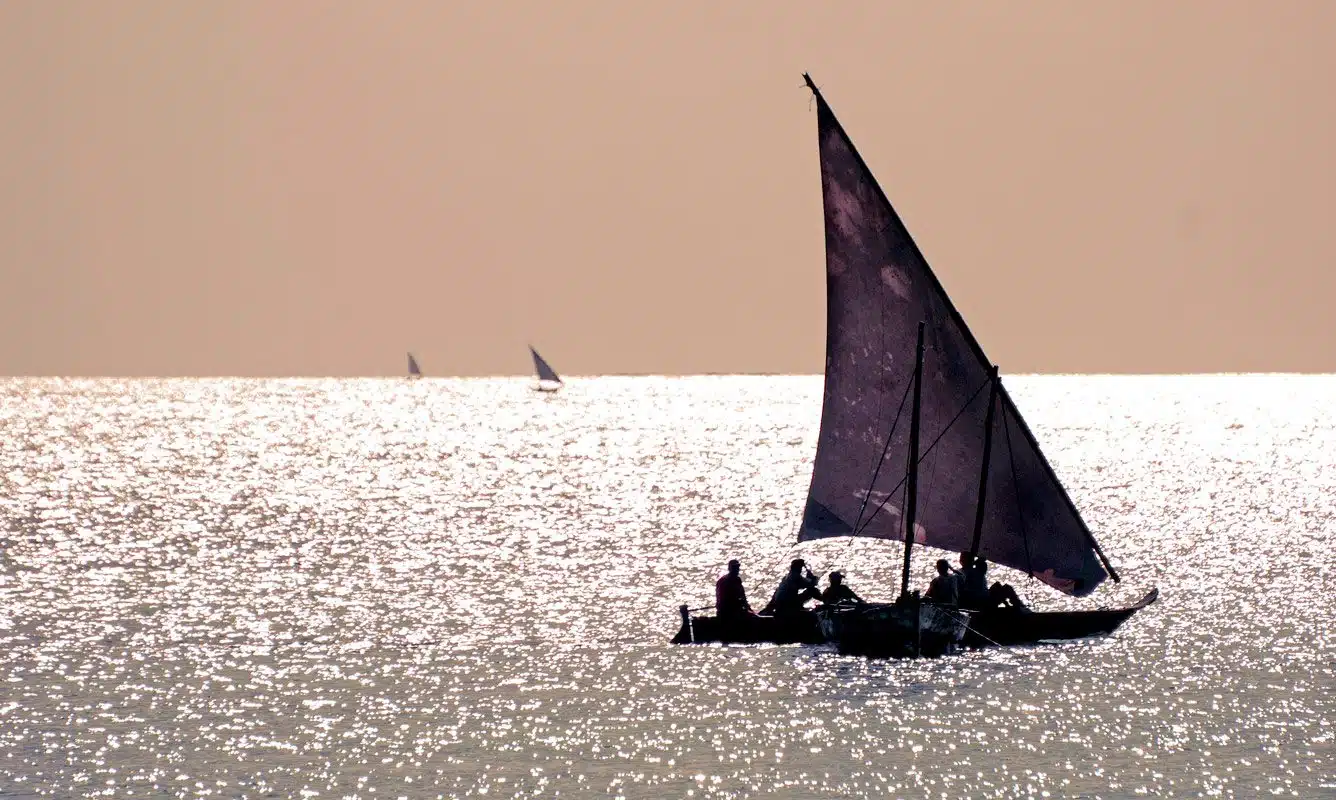
Tanzania and Zanzibar together form one of the most complete honeymoon itineraries in the world, moving from the raw wilderness of the Serengeti to the coral-fringed shores of the Indian Ocean. This guide covers how to combine both destinations with intention: balancing privacy, pacing, and the kind of experiences that define your first journey as a couple.
Why Tanzania and Zanzibar Work as One Itinerary
Tanzania and Zanzibar sit within the same regional travel corridor, separated by a short flight from Kilimanjaro or Arusha to Zanzibar’s Stone Town airport. This proximity makes the combination logistically effortless, but the value runs deeper than convenience. The two destinations serve different functions within a single itinerary, and that contrast is what gives the journey its shape.
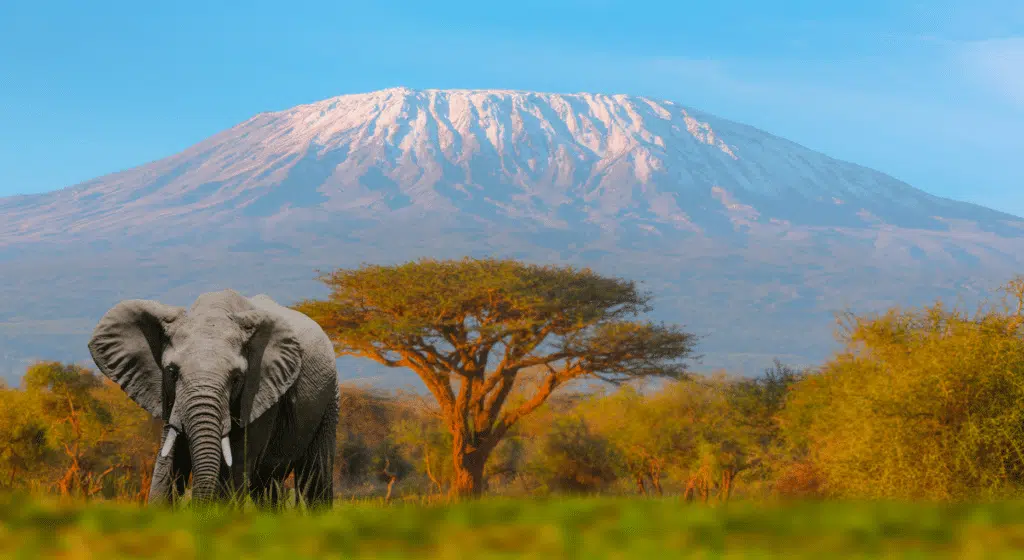
Mainland Tanzania is defined by its national parks and conservancies, particularly the Serengeti and the Ngorongoro Crater, where wildlife density and landscape scale are the primary draw. Zanzibar operates on an entirely different register, built around the Indian Ocean coastline, coral reef systems, and an urban core in Stone Town with a distinct Swahili-Arab heritage.
The bush-to-beach sequence works because neither destination dilutes the other. Time in the wilderness sets a pace and focus that makes the transition to the coast feel deliberate rather than abrupt. For a honeymoon itinerary, that arc carries a clear internal logic.
About Do Not Disturb
Do Not Disturb is a luxury travel company specializing in carefully designed journeys and considered experiences. Each itinerary we build for our clients is informed by real destination knowledge, offering insight into places, cultures, and moments that shape how a trip comes together.
If this destination has sparked ideas, the itinerary can be developed into a private journey tailored to your interests and travel style, with hand-picked stays, thoughtful routing, and experiences curated around what matters most to you.
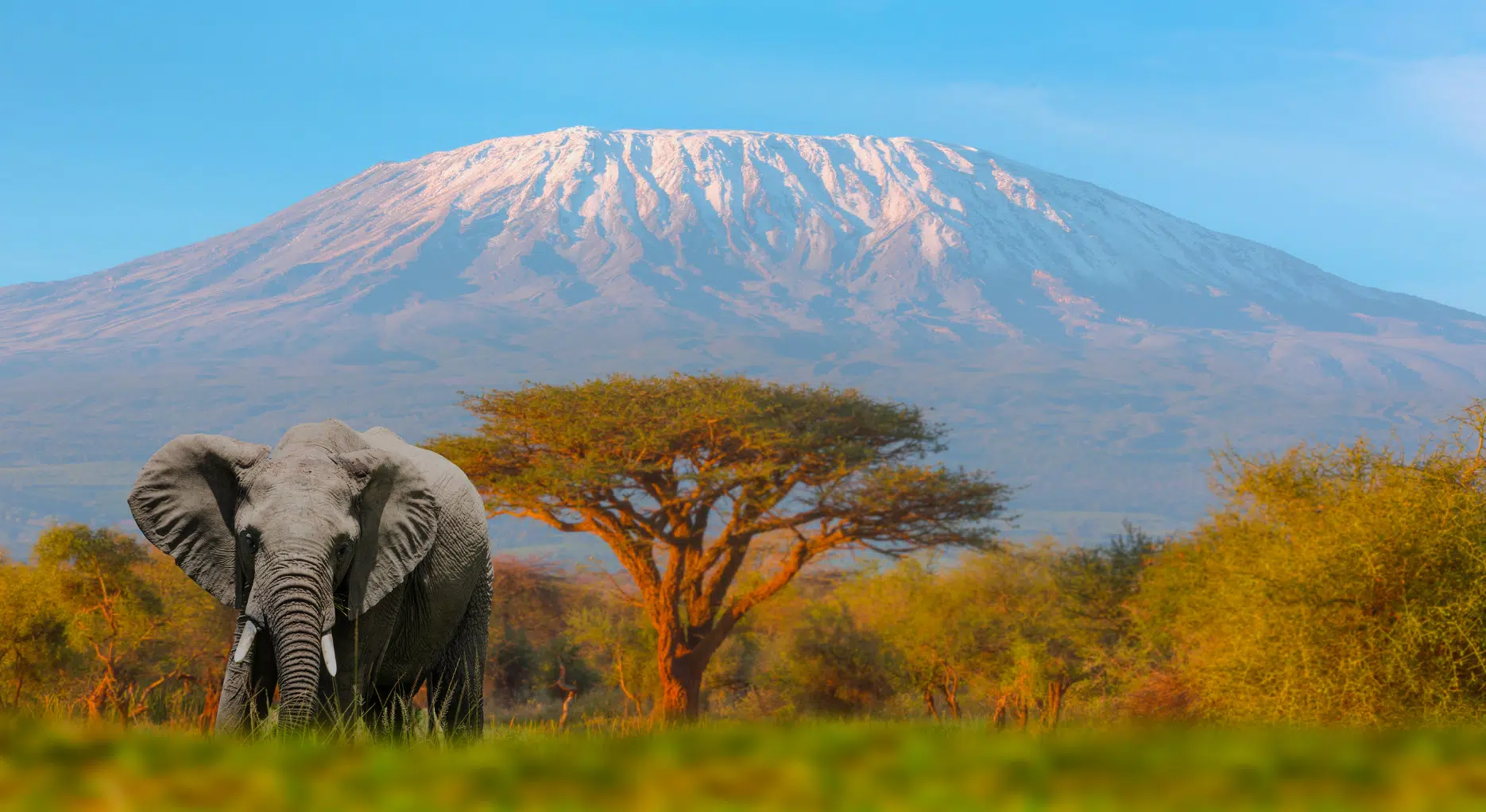
The safari portion of a Tanzania honeymoon is shaped less by destination than by camp selection. The Serengeti alone spans 14,763 square kilometers, and where a camp sits within it determines what wildlife is accessible and when.
Camps in the northern Serengeti, near the Mara River, are positioned for the river crossings of the Great Migration between July and October, among them &Beyond Grumeti Serengeti River Lodge, set along the river that gives the region its name.
The central and southern zones, where properties like Lemala Camps operate, offer year-round resident game and, typically, a quieter footprint.
Ngorongoro Crater provides a contained, high-concentration wildlife environment well suited to shorter stays, while Ruaha, Tanzania’s largest national park, draws couples seeking genuine remoteness, exemplified by the seclusion of Sand Rivers and its limited camp numbers.
For couples, the most relevant criteria are tent count, guiding structure, and exclusivity options. Several camps across these areas offer private vehicle hire, meaning game drives are never shared with other guests. This distinction has a significant bearing on the pace and flexibility of the safari experience. A small number of properties also offer private conservancy access, where game drives unfold entirely outside standard park boundaries.
Romance in the Bush: What to Expect on Safari
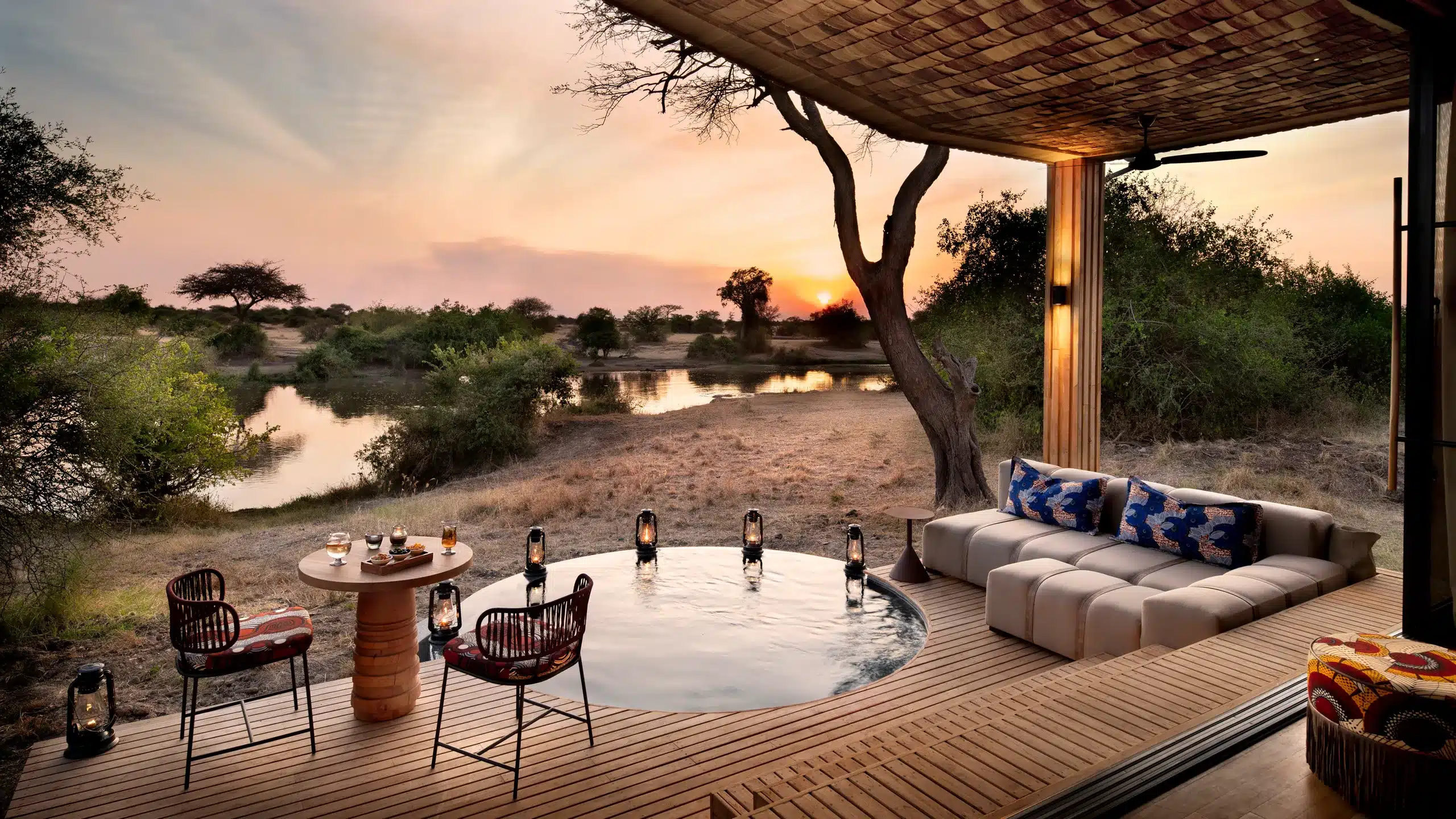
A safari honeymoon differs from a standard safari primarily in structure. Private game drives, scheduled outside peak activity hours, let couples move at their own pace without joining shared vehicles, a hallmark of camps like Sand Rivers, where seclusion is built into the design rather than offered as an upgrade.
Bush dinners, set in a cleared area of the reserve with a fire and a small crew, are arranged by individual camps and vary considerably in execution depending on the property and the guide.
Sundowners in the field are a near-universal feature of Tanzania’s finest camps, including those across the Lemala portfolio. The vehicle stops at a fixed or spontaneous location, usually elevated, during the late afternoon. The quality of this experience rests on the guide’s knowledge of the terrain and timing, not on the ritual itself.
The intimacy associated with a safari honeymoon comes largely from scale and proximity. Encounters with wildlife at close range, shared in a vehicle with one other person, carry a weight group travel cannot replicate. That dynamic holds consistent across properties, though the surrounding conditions vary considerably by location and season.
Zanzibar: Selecting the Right Resort for a Honeymoon
Zanzibar’s coastline is far from uniform, and the choice of location shapes the honeymoon experience considerably.
The north coast, anchored around Nungwi and Kendwa, offers calmer waters year-round and suits couples seeking consistent swimming conditions, with properties like Zuri Zanzibar positioned to take advantage of it.
The east coast, including Paje and Matemwe, is more exposed and tide-dependent but carries a quieter character and is home to several of the island’s most esteemed boutique properties, among them Baraza Zanzibar.
The south and southeast remain the least developed, with a small number of private retreats, including Xanadu Villas, that prioritise seclusion over amenity range.
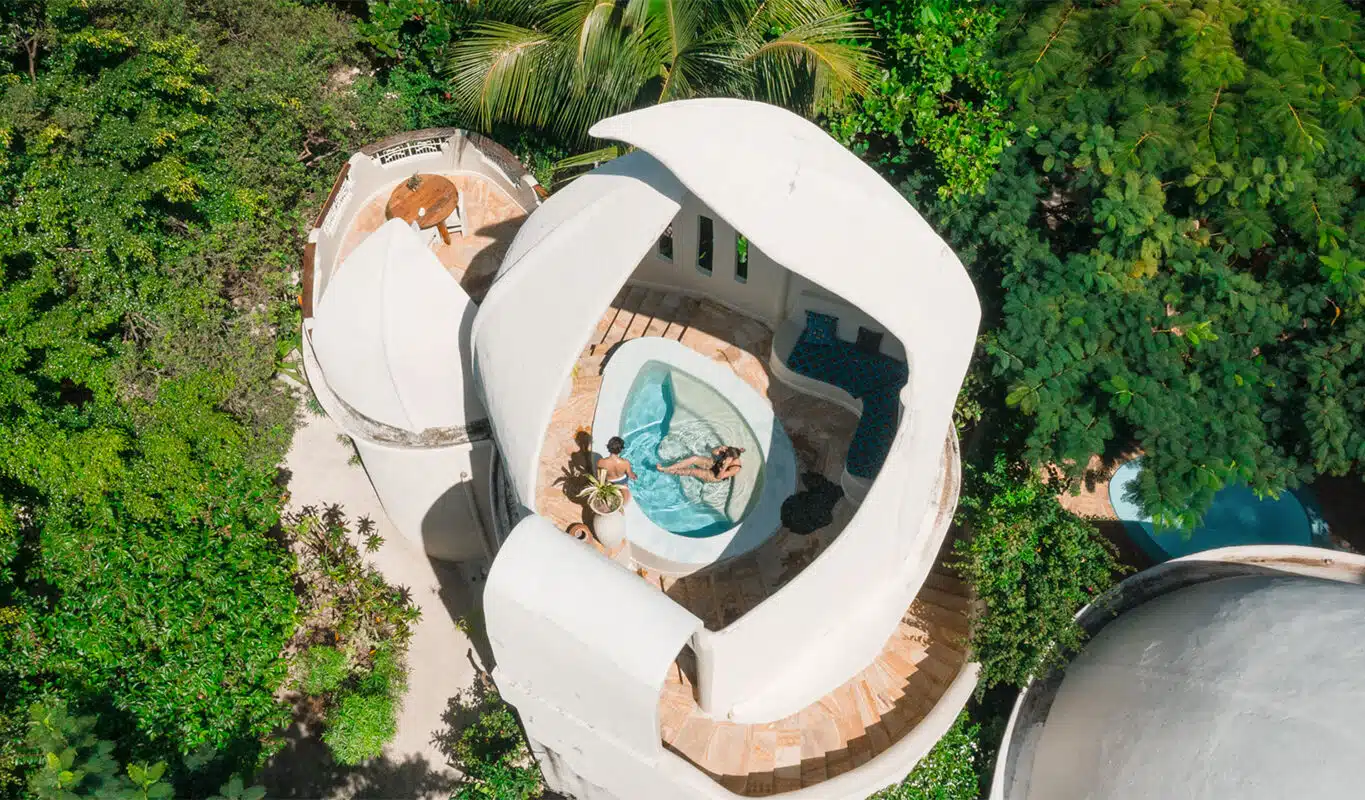
The distinction between boutique properties and larger resort complexes matters more in Zanzibar than in most destinations. Larger resorts offer breadth, including multiple restaurants, spa facilities, and organised activities, but shared infrastructure comes at the cost of privacy. Boutique properties, particularly those with dedicated villa access, typically offer direct beach frontage, private pools, and staff-to-guest ratios that allow for a more tailored stay.
Private villa access varies considerably between properties. In practical terms, it determines whether a couple has genuine autonomy over their time or is operating within a shared resort rhythm.
Stone Town and the Cultural Dimension of Zanzibar
Stone Town sits at the western edge of Zanzibar Island and stands as the archipelago’s historical and commercial centre. Its urban fabric carries centuries of Swahili, Arab, Indian, and Portuguese influence, most visibly in the carved wooden doorways, coral-stone buildings, and the layout of the old slave market near the Anglican Cathedral. The spice trade that made Zanzibar strategically significant from the 9th century onward is written across the town’s architecture and its remaining merchant houses.
For honeymooners based on the north or east coast, at properties such as Zuri Zanzibar or Baraza Zanzibar, Stone Town makes for a half-day or full-day addition that offers historical context without requiring an overnight stay. The value lies in understanding what Zanzibar was before it became a beach destination, a grounding the island’s culture offers that a resort stay alone cannot provide.
Access to the town’s more instructive layers, including private collections, working spice routes, and guided historical interpretation, depends on local knowledge and advance arrangement.
Planning the Itinerary: Timing, Transfers, and Practical Considerations
Tanzania and Zanzibar share a broadly similar climate, which simplifies planning considerably. The most reliable travel window runs from late June through October, when the Serengeti is dry, wildlife gathers around water sources, and Zanzibar’s Indian Ocean coast turns calm and clear. January through March offers a quieter alternative, with lower occupancy across most properties and settled beach conditions, though short rains can affect the northern safari circuits.
The conventional sequence runs safari first and beach second. Moving from camps to the coast creates a natural shift in pace and lets the beach stay function as genuine rest. Most itineraries route through Kilimanjaro International Airport or Julius Nyerere in Dar es Salaam, with light aircraft charters connecting remote camps to the main hubs.
A trip combining both destinations involves multiple operators, transfer windows, and seasonal variables that interact in ways difficult to manage without established local relationships. The quality of the itinerary rests significantly on how it is put together.
Plan your own version of this journey
Speak to Do Not Disturb’s luxury travel experts and turn this moment into something personal.
“Our trip was truly magical and full of core memories that will last us a lifetime.”
Michael • Bora Bora Honeymoon
“We just returned from an incredible journey through Ireland, and we couldn’t have had a better experience”
Brad • Ireland Adventure
“This was a flawless experience right from the beginning, we had so many thoughts and ideas flowing around and they took all of them and perfectly curated the most beautiful honeymoon for us.”
A winter honeymoon in Europe can mean fewer crowds, better hotel availability and a more intimate atmosphere, but not every sunny destination offers the same experience. We compare the warmest options, the best places for actual beach weather, luxury hotels that work well out of season, and the destinations that still feel special once summer […]
Spain and Portugal can both make exceptional honeymoon destinations, but they deliver luxury very differently. Spain offers greater variety and a more developed high-end hotel scene, while Portugal is more compact, often better value and particularly easy to combine with wine country and coast.
A Maldives honeymoon usually comes down to one early decision. Stay on a single island for the full trip, or divide the time between two resorts with different characters.
Most honeymoon planning defaults to summer, or to whichever destination is warmest on the day of the wedding. Autumn deserves its own shortlist. It is grape harvest in Italy, dry season settling in across the African plains, the last stretch of Caribbean heat before winter rates arrive, and a handful of weeks in Japan that […]
11 September 2026
Your next steps
Planning your trip should feel effortless.
We Listen
You share what matters, whether it’s a destination, a feeling, or a moment worth celebrating.
We Curate
Your dedicated expert shapes a thoughtful, private itinerary tailored entirely around you.
You Travel
Every detail handled. Every moment considered. Support before, during, and after your journey.