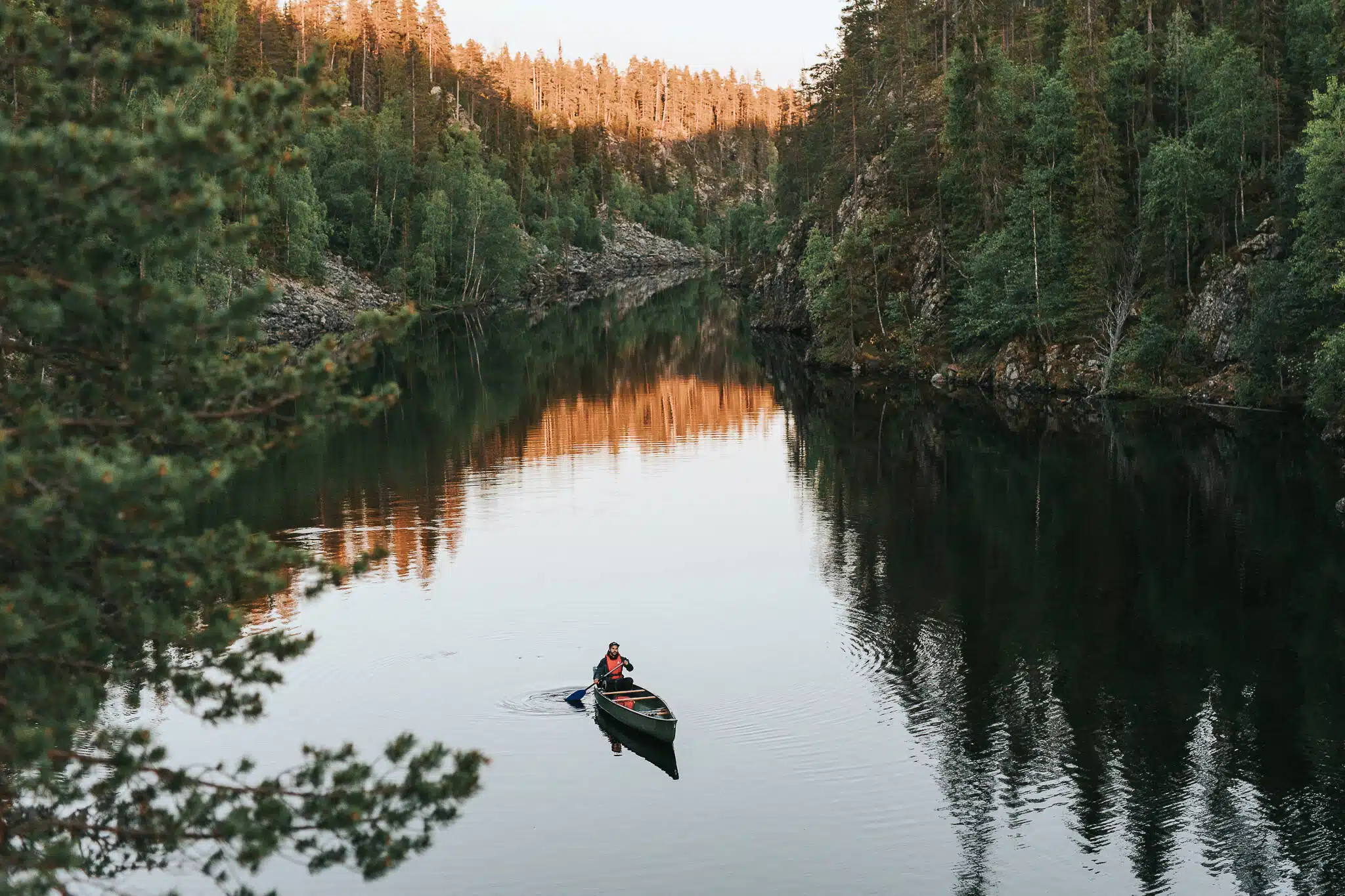

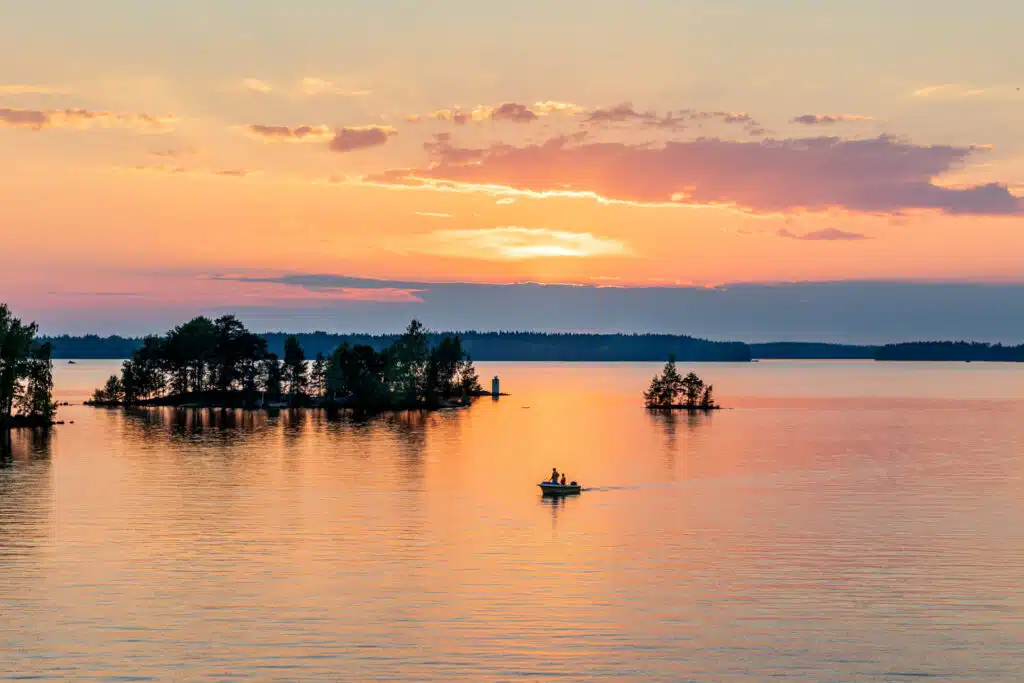
Finland has built a way of life around the principles that wellness travellers spend years searching for elsewhere. The Finnish approach is remarkably simple: make time for nature, make space for rest, and allow both to become part of the everyday.
A Different Starting Point
In Finland, wellbeing is not a category of consumer goods. It is a set of practices embedded in daily life across generations, shaped by climate, geography, and a cultural disposition toward self-sufficiency and restraint. The sauna, the forest, the lake, and the long winter are not backdrops to Finnish life; they are its structure.
This distinction matters for the traveller. Most wellness destinations export a version of well-being that has been packaged for outside consumption. Finland does not operate this way. What visitors encounter here is a culture that developed its relationship with rest, nature, and physical practice independently of the wellness industry and largely before it existed.
The Finnish concept of sisu, often translated as resilience or inner determination, offers a useful frame. It implies that endurance and recovery are not opposites but part of the same discipline. That orientation runs through nearly every practice covered in this piece.
About Do Not Disturb
Do Not Disturb is a luxury travel company specializing in carefully designed journeys and considered experiences. Each itinerary we build for our clients is informed by real destination knowledge, offering insight into places, cultures, and moments that shape how a trip comes together.
If this destination has sparked ideas, the itinerary can be developed into a private journey tailored to your interests and travel style, with hand-picked stays, thoughtful routing, and experiences curated around what matters most to you.
The Sauna as Social Infrastructure
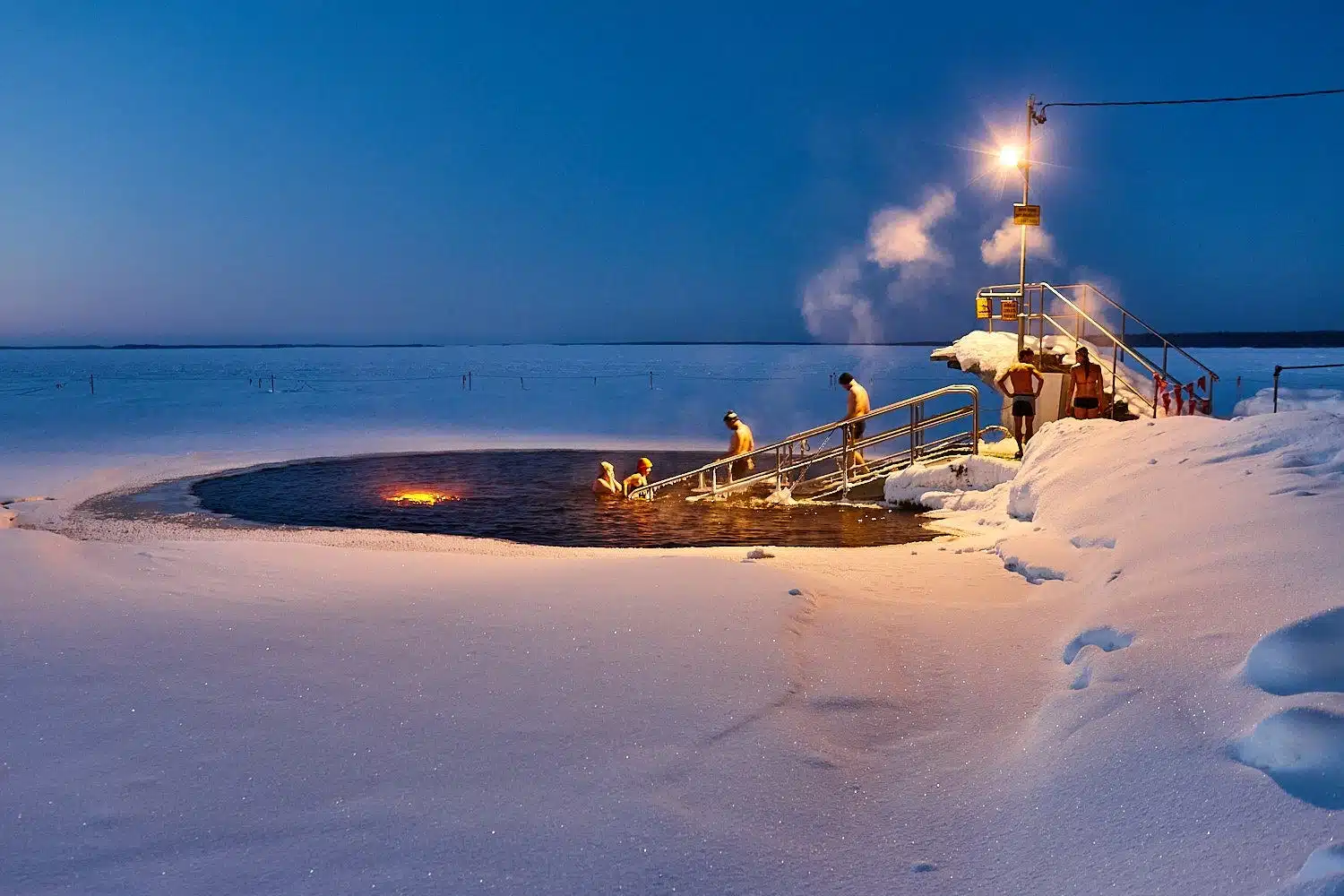
Finland has approximately 3.2 million saunas for a population of 5.5 million. That ratio reflects something structural. The sauna is not a leisure facility; it is where Finns have historically conducted negotiations, prepared for significant events, and maintained social bonds across generations. Public saunas in cities such as Helsinki operate as genuine civic spaces, used by residents across age and income groups, not as amenities positioned toward a particular market.
For the traveller, this context changes what the experience actually is. Entering a sauna in Finland without understanding its social function means encountering only the surface of it. The protocols around heat, cooling, and silence are not arbitrary; they reflect a long-established framework for how people share space and time together.
Access to the more meaningful versions of this experience, whether a lakeside sauna on a private estate or a working public bathhouse with genuine local use, depends considerably on how the visit is arranged and by whom.
Forest as Default
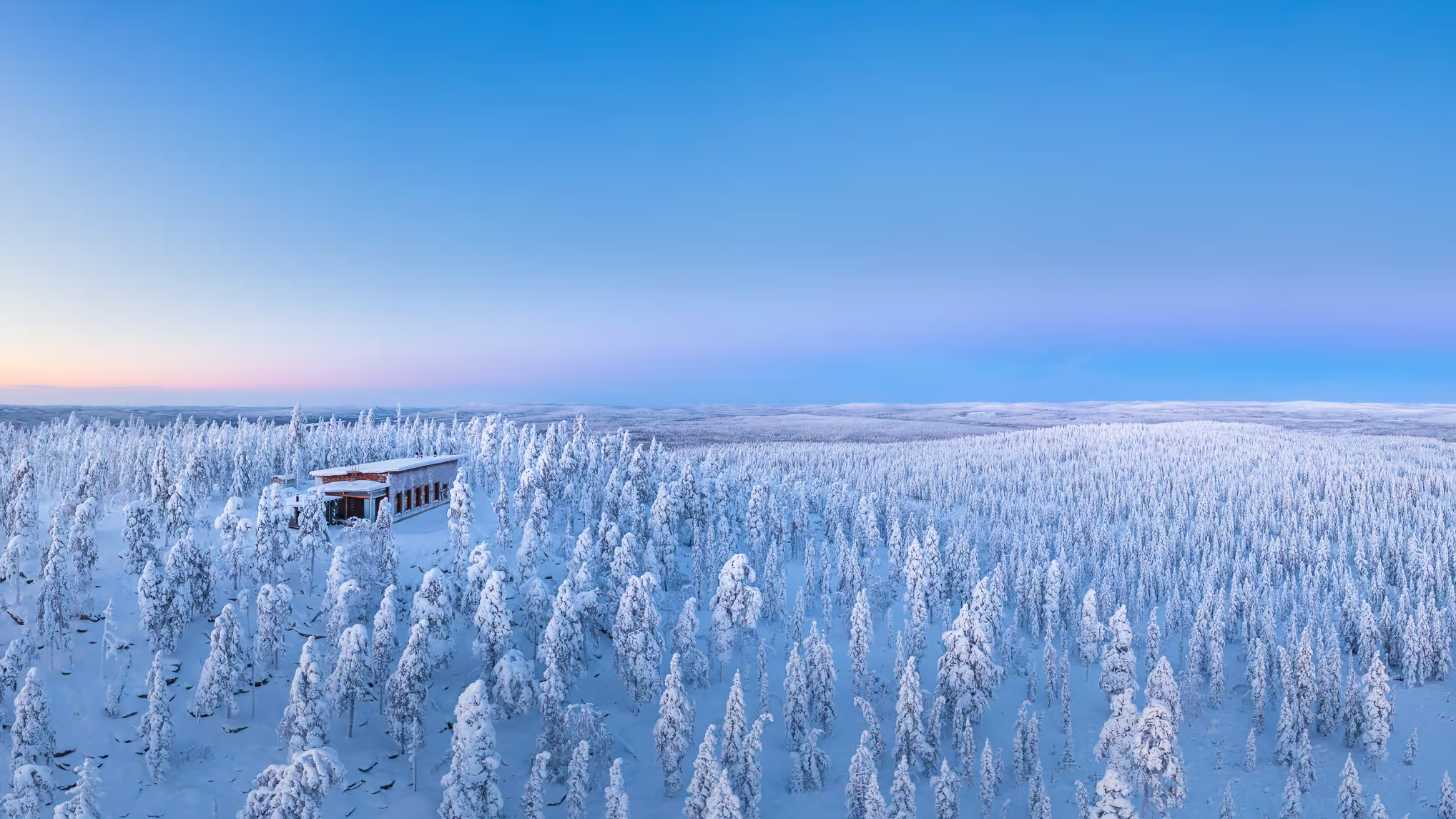
Finland is approximately 75 percent forested, and public access to that land is protected under Everyman’s Right, a legal framework that permits anyone to walk, camp, and forage across private and public land alike. This is not a policy designed for tourists. It reflects a long-standing cultural position that access to natural environments is a basic condition of life, not a discretionary benefit.
The practice of forest bathing, known in Finnish contexts as metsässä käyminen, sits within this framework without requiring formalization. It is not a structured programme or a guided retreat. It is the habitual use of forest environments as part of weekly, often daily, life. Research from the Finnish Institute for Health and Welfare consistently links regular time in natural environments to reduced stress indicators and improved mental health outcomes.
What distinguishes Finland is not the forests themselves, but the infrastructure of access and the cultural expectation that this access will be used. The result is a population that does not need to seek out nature as a corrective measure.
Slowness as a Design Principle
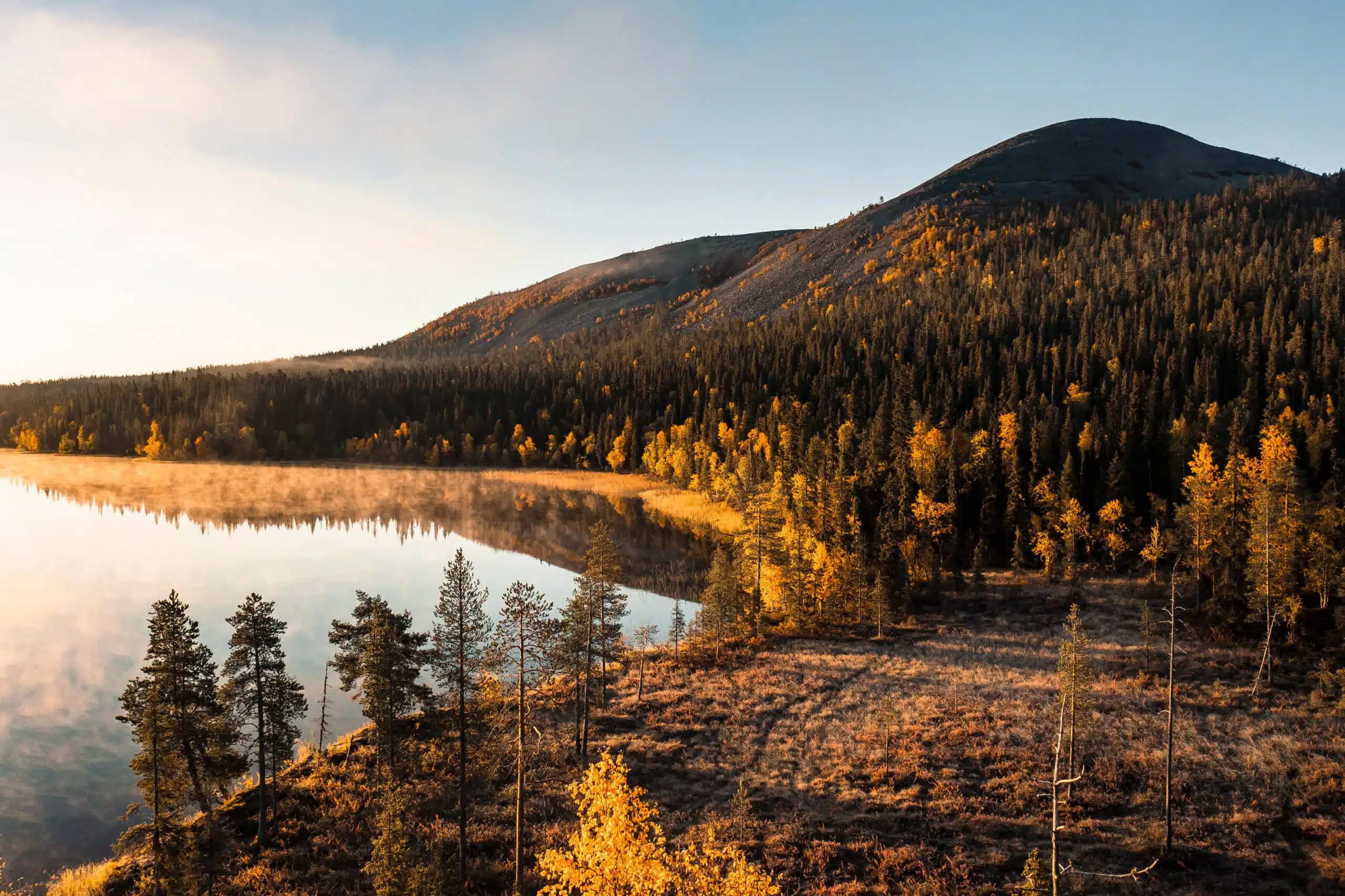
Finland’s seasonal structure makes slow travel a practical necessity rather than a philosophical choice. In the north, Lapland’s winter limits daylight to a few hours; summer brings continuous light that disrupts conventional schedules entirely. Both conditions require adjustment, and that adjustment is the point. Movement here is governed by what the landscape permits, not by itinerary.
The Finnish concept of leisure carries no expectation of productivity or visible enjoyment. Time at a lake cottage, a forest walk, or an extended sauna session is not framed as an activity to be completed. This absence of performance in rest is structurally different from how leisure functions in most travel contexts, and it is not easily replicated without understanding the cultural framework behind it.
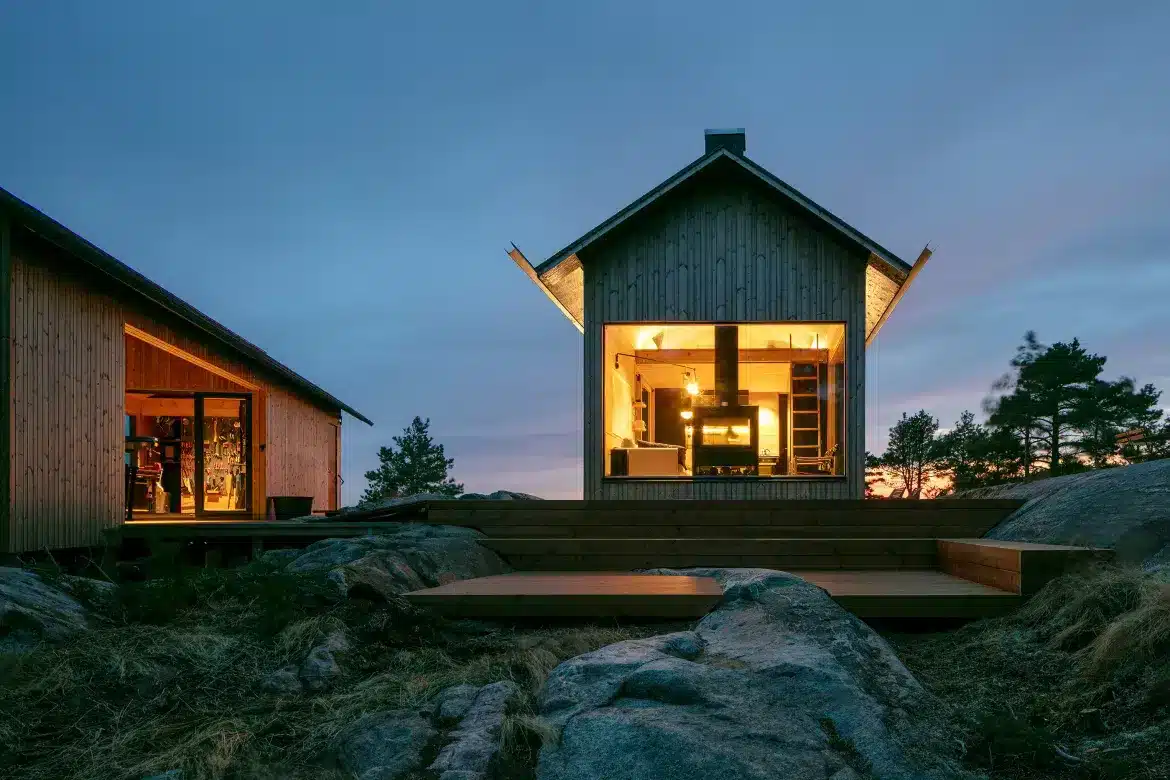
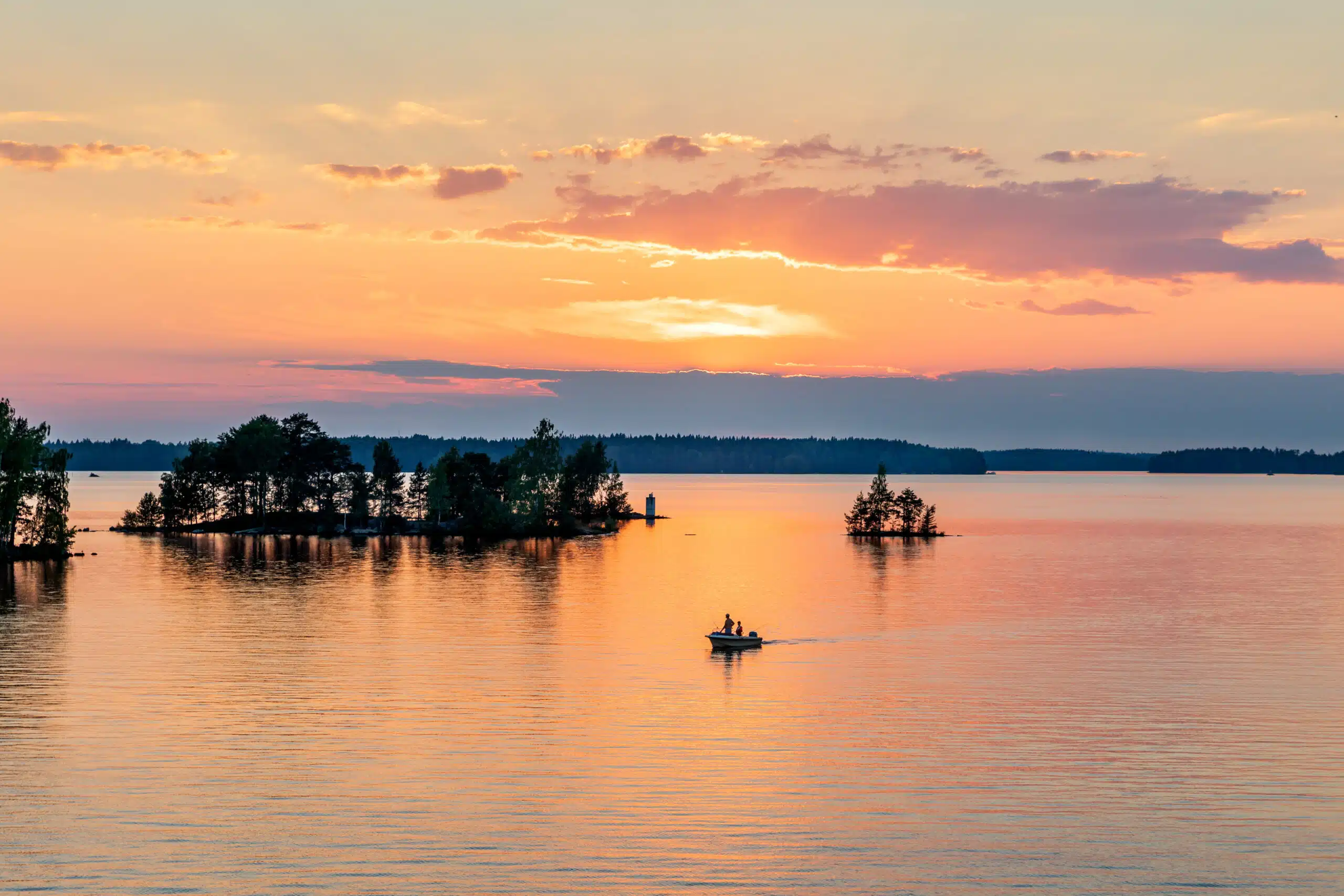
The regions that reward this pace most directly are Finnish Lakeland, the archipelago southwest of Turku, and the fell landscapes of northern Lapland. Each requires time to understand, and each offers less to visitors who move quickly through them.
What to Take Home
The Finnish model of well-being is not built around intervention. It is built around consistency: regular exposure to cold, heat, and natural light; physical activity integrated into daily movement rather than scheduled as exercise; and a cultural indifference to productivity as a measure of rest. These are structural habits, not wellness practices in the commercial sense.
Travellers who spend time here tend to return with a recalibrated understanding of what recovery actually requires. The value is not in replicating Finnish conditions at home, which is rarely possible, but in recognizing how much of what passes for wellness elsewhere is compensatory. Finland makes that contrast visible.
What the country offers, beyond its landscapes and traditions, is a working example of well-being as a baseline rather than a goal. For travellers accustomed to wellness as something pursued, that reorientation is the more durable thing to bring back.
Plan your own version of this journey
Speak to Do Not Disturb’s luxury travel experts and turn this moment into something personal.
Related destinations
Suggested articles

48 Hours in Helsinki

Best Glass Igloo Hotels in Finland
The Best Honeymoon Destinations for LGBTQ+ Couples
The Most Romantic Train Journeys for a Slow Honeymoon
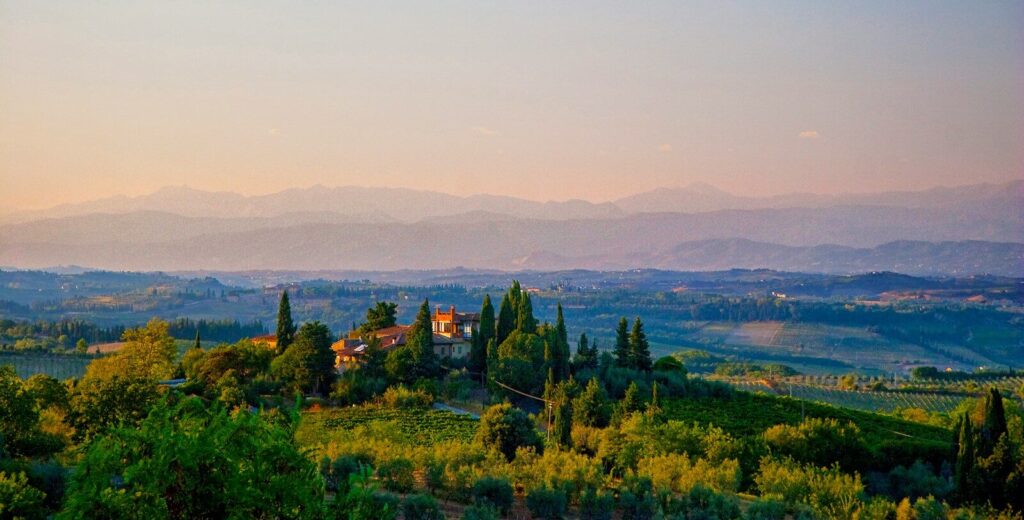
Chianti’s Luxury Villas: Stay Like a Renaissance Noble
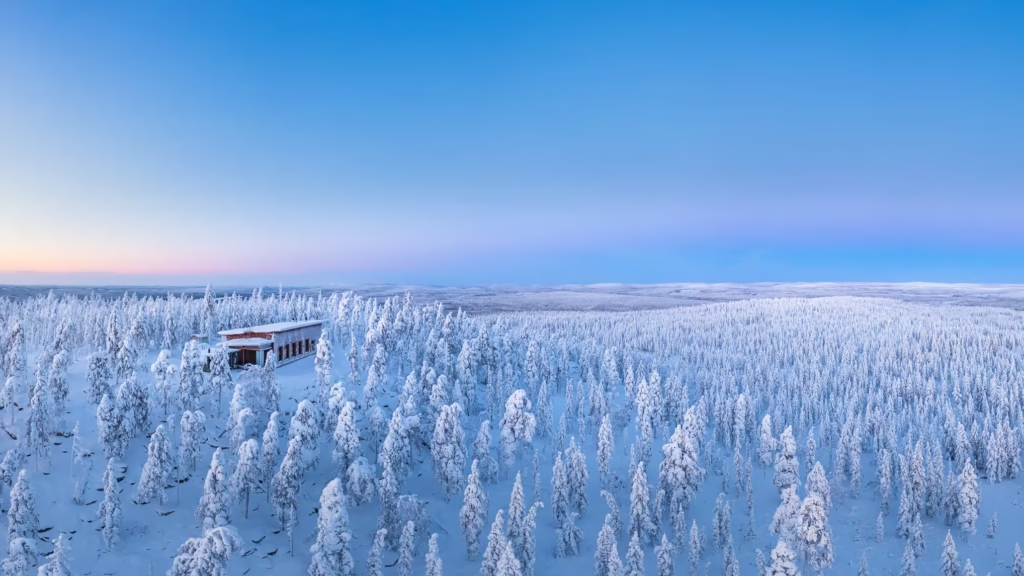
Best Luxury Hotels in Finnish Lapland
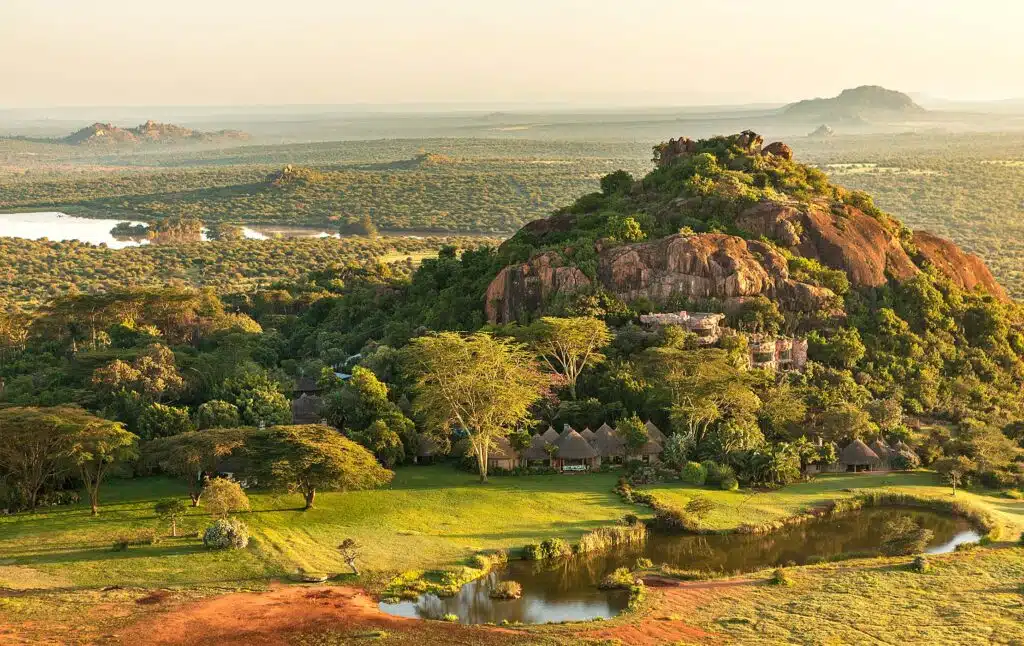
Luxury Safaris: Why Laikipia Is Kenya’s Best-Kept Secret
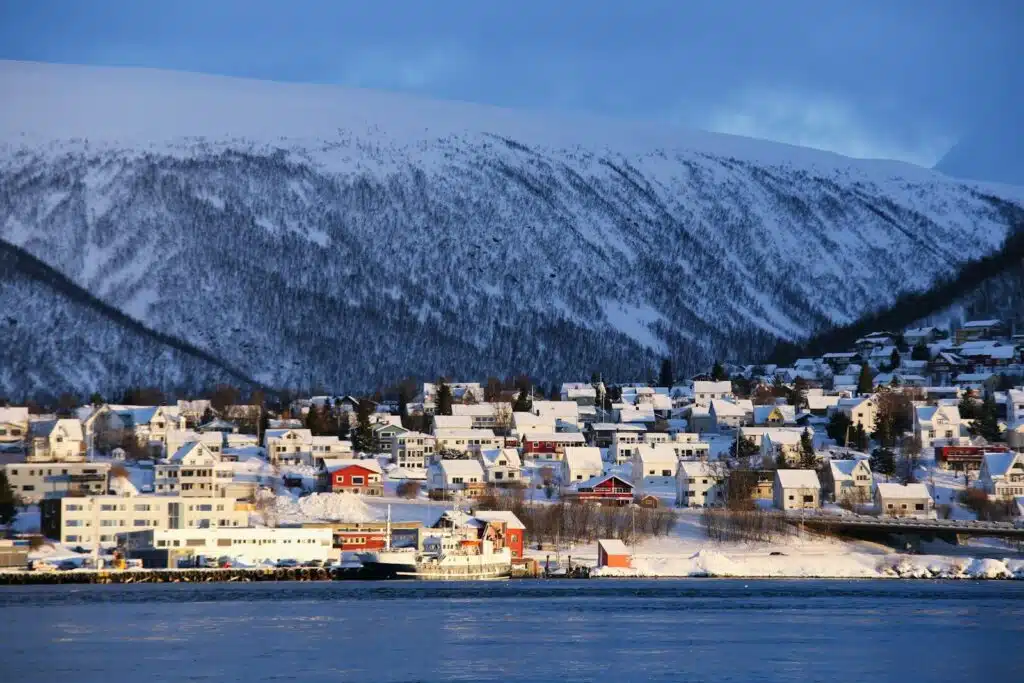
Tromsø: The Gateway to Arctic Norway
Where to Go On Honeymoon? A Guide to Help You Choose

Why Kenya Is Perfect for a Luxury Honeymoon

Lake Como vs Lake Garda: Which Italian Lake Is Right for You?
The Norwegian Fjords: A Luxury Traveller’s Guide
Beyond the Maldives: Seven Islands for a Different Kind of Honeymoon