
A privately guided exploration of the Giant’s Causeway, where honeycomb basalt columns meet Atlantic waves and ancient folklore brings Ireland’s most dramatic shoreline vividly to life.
Introduction
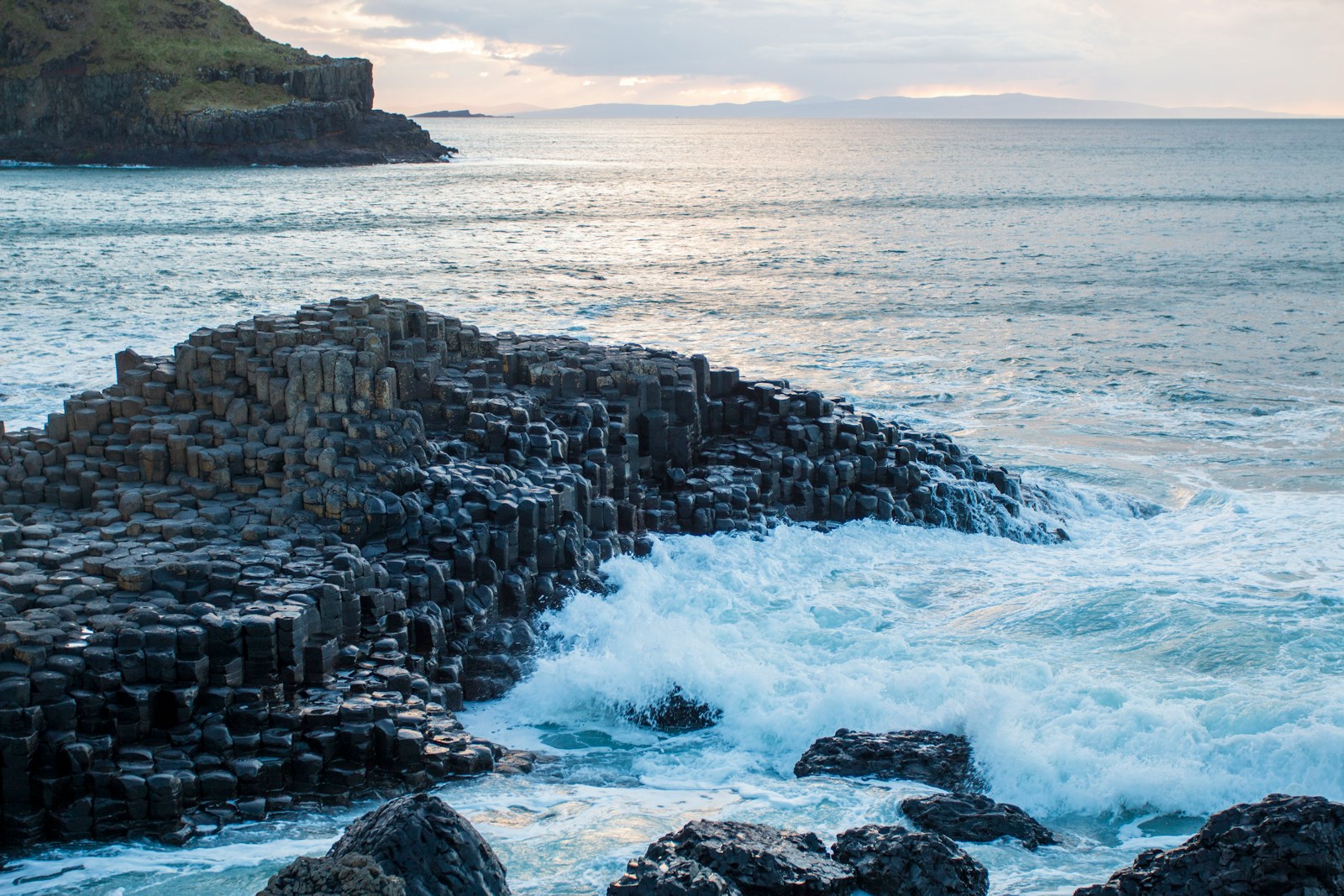
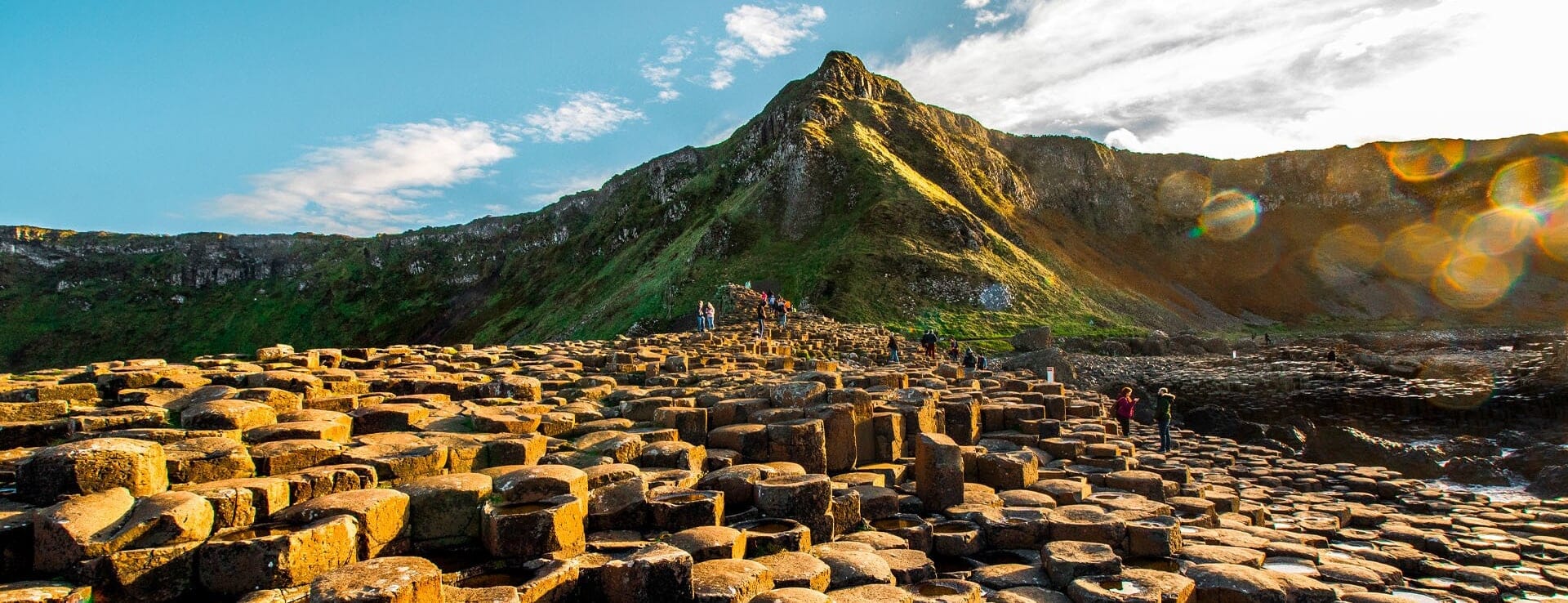
The basalt columns of the Giant’s Causeway rise in neat, honeycomb patterns where ancient lava met sudden cooling, creating an otherworldly shoreline. As you step from grassy cliff top paths down toward the sea, the columns extend beneath your feet, sometimes ankle deep and other times rising to knee height, stepping toward the Atlantic. The sound of waves breaking against the interlocking rocks keeps rhythm with the wind, and the coastal air carries both salt and the quiet of ages past.
A trip to the Giant’s Causeway is a journey into deep time and enduring folklore, where families sharing this day together can feel both the weight of natural history and the playfulness of mythic narrative. Every basalt polygon beneath your foot has a story, and every turn in the path brings a new vantage point over craggy headlands and the far horizon.
About Do Not Disturb
Do Not Disturb is a luxury travel company specializing in carefully designed journeys and considered experiences. Each itinerary we build for our clients is informed by real destination knowledge, offering insight into places, cultures, and moments that shape how a trip comes together.
If this destination has sparked ideas, the itinerary can be developed into a private journey tailored to your interests and travel style, with hand-picked stays, thoughtful routing, and experiences curated around what matters most to you.
Cultural and Historical Context
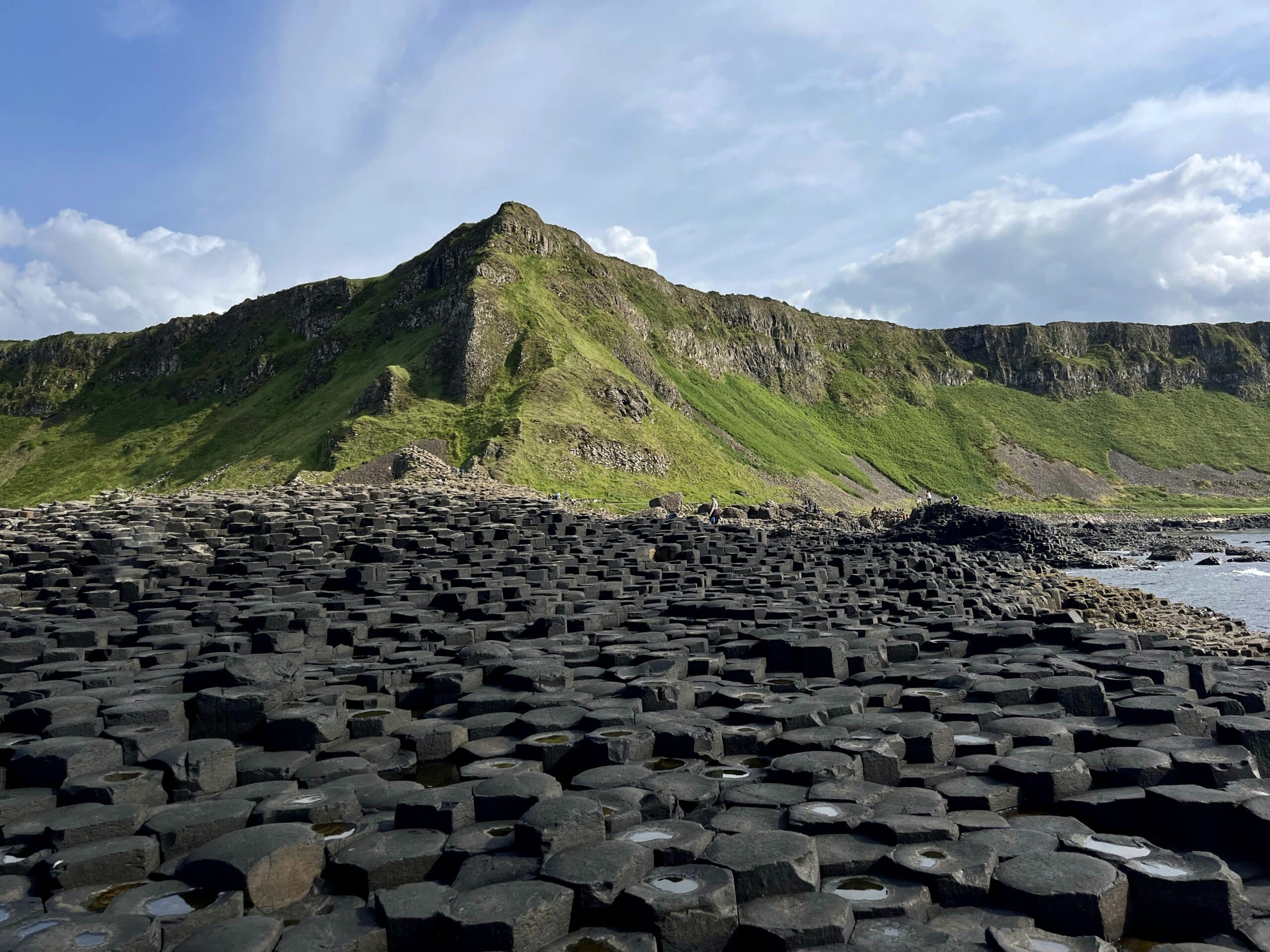
The Giant’s Causeway is Ireland’s only natural place designated a UNESCO World Heritage Site, recognized for its outstanding geological value. Around 50 million years ago, intense volcanic activity in this region created vast lava flows. As that molten rock cooled and contracted, it fractured into the remarkable array of mostly hexagonal basalt columns visible today. These columns, numbering more than 40,000 and are studied by geologists around the world.
Long before scientific explanations prevailed, local tradition offered its own account of the site’s origins. In the Fenian Cycle of Gaelic mythology, the giant Fionn mac Cumhaill built the causeway to reach Scotland and confront his rival, Benandonner. Variations of the tale describe Fionn’s wife disguising him as a baby to deter the larger giant, causing Benandonner to flee and destroy the middle of the causeway. These legends remain an integral part of the cultural identity attached to the landscape.
Why Small‑Group or Private Access Matters
Standard visits to the Causeway are often crowded with day trippers arriving by coach or shuttle bus, making detailed interpretation difficult. A small‑group or private walk with a local guide changes that.
Participants can ask questions about rock formations and stop to inspect specific features such as the Giant’s Boot or the Wishing Chair without being corralled along a fixed circuit. Guides can tailor the route to the interests and energy of the family, spending more time on the coastal cliff top or down on the stones near the sea.
This also means access before peak arrival times, allowing families to experience early morning light and quieter surfaces underfoot.
What You See
A narrow trail winds gently over grass and rock toward the basalt expanse. Your guide points out layered lava beds above the columns, revealing how multiple volcanic events shaped the terrain.
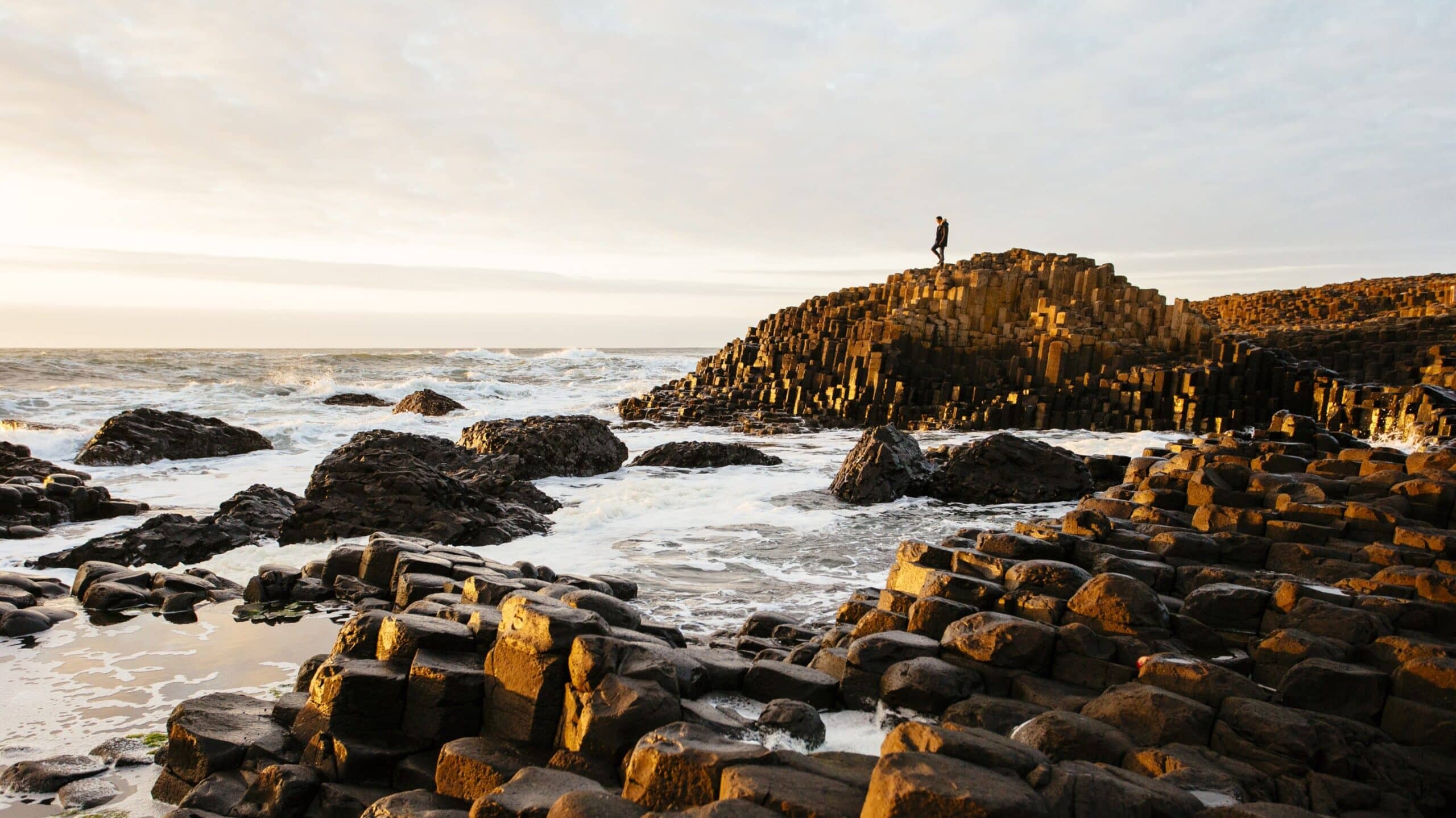
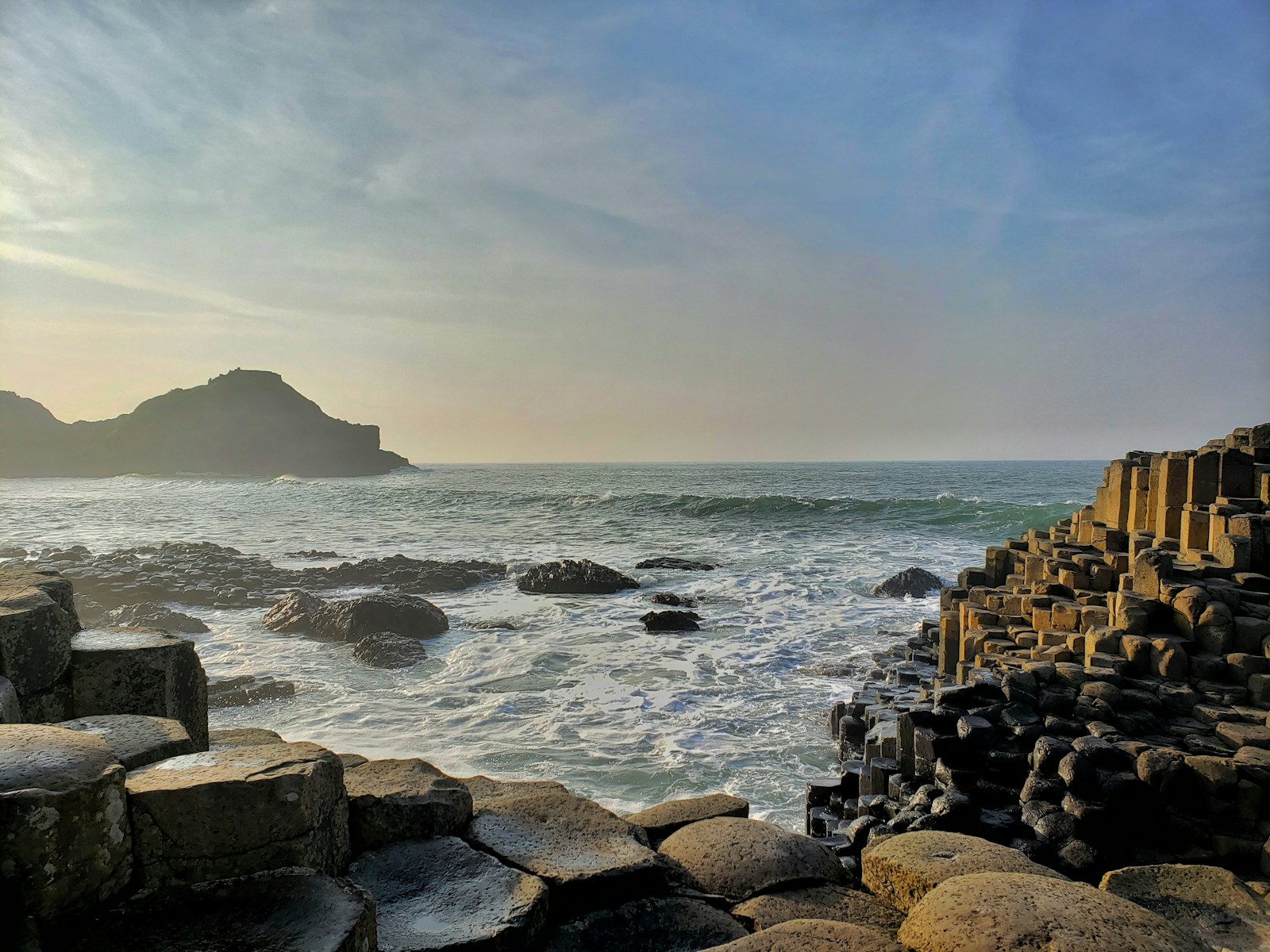
The basalt columns form natural stepping stones leading out toward surf‑splashed edges where the Atlantic meets the land. Sharp contrasts appear between wet and dry columns, and in small depressions, you might find rockpool microhabitats hosting tiny crustaceans and seaweed.
Look for formations that earned informal local names, like the Giant’s Boot, a squat, boot‑shaped rock, or the Wishing Chair, a seat‑like rise in the stone where legend says your wish may come true if you pause and make one. Each feature is a chance to connect scientific insight with lived imagination.
How Do Not Disturb Makes This Possible
Do Not Disturb arranges this moment with guides drawn from local interpretive networks who know the Causeway’s geological and folkloric layers intimately. Timing is arranged to coincide with quieter parts of the day and ideal lighting for observation and photography. Logistics such as transport from Belfast, arrival before major tour groups, and reserved access points are handled seamlessly, allowing families to focus on the stories brought alive by their guide.
By the time the walk slopes back upward and inland, the Causeway’s basalt field leaves a lasting impression. What began as cooling lava millions of years ago and grew into legend through the voices of storytellers now stands as a landscape of wonder, both scientific and mythic. Families leave not only with images but with stories shaped by land and lore.
Ready to plan your small‑group geological and legends walk at the Giant’s Causeway in County Antrim? Speak with Do Not Disturb to begin your journey.
Plan your own version of this journey
Speak to Do Not Disturb’s luxury travel experts and turn this moment into something personal.
Related destinations
Suggested articles

The Do Not Disturb Guide to Luxury Travel in the UK

The Chancery Rosewood: Inside London’s Most Exclusive New Hotel
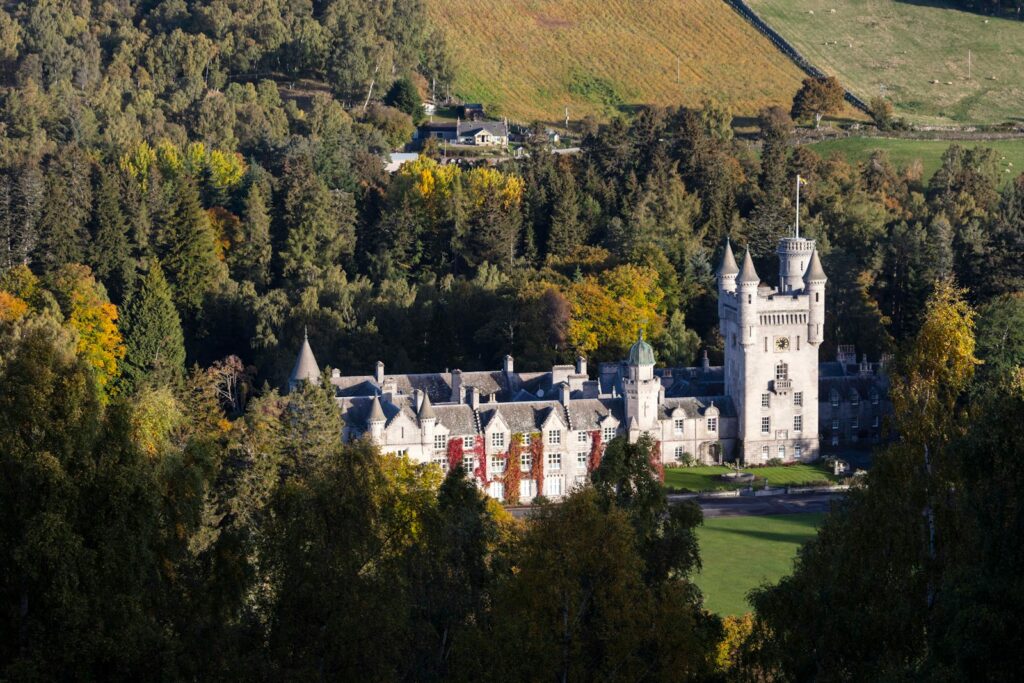
The Best Royal Experiences in Scotland: A Journey Through Royal History

The Best Christmas Markets in England for 2026
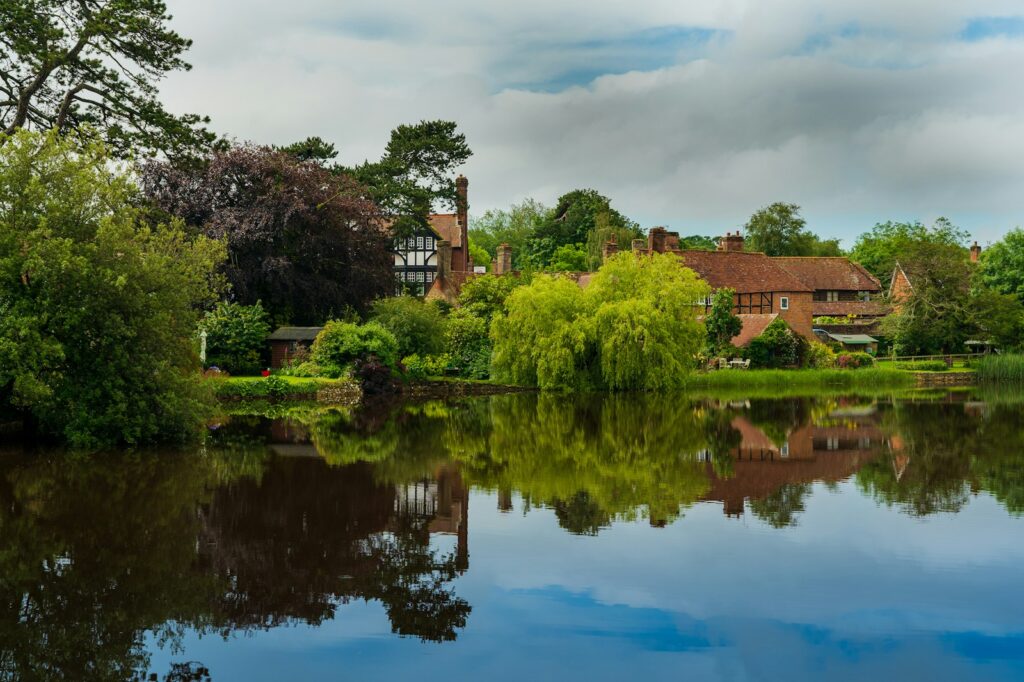
Discover Regency England: Jane Austen and Bridgerton Tour

Plan Your UK Heritage Trip: An American’s Guide to Tracing Your Roots
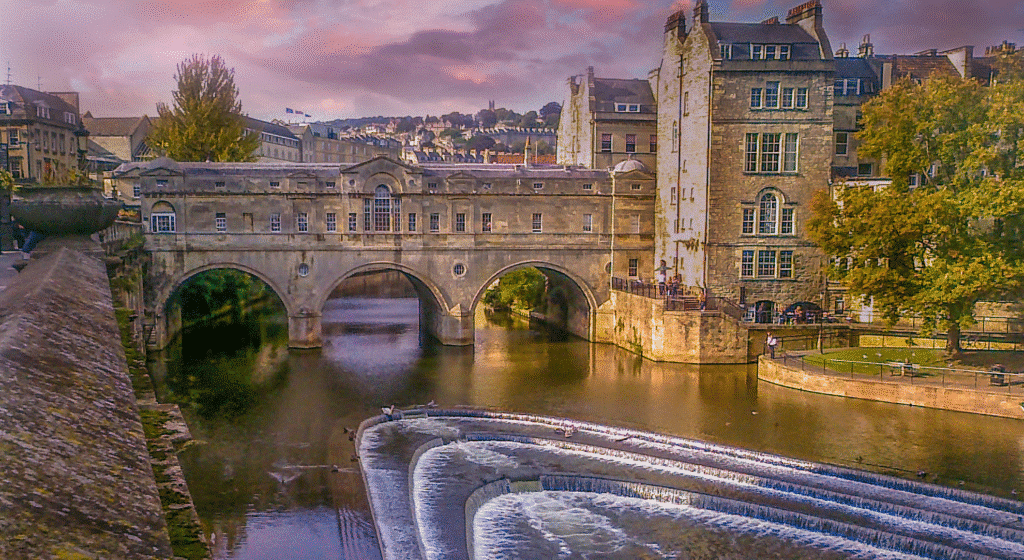
24 Hours in Bath: A Perfect English Experience
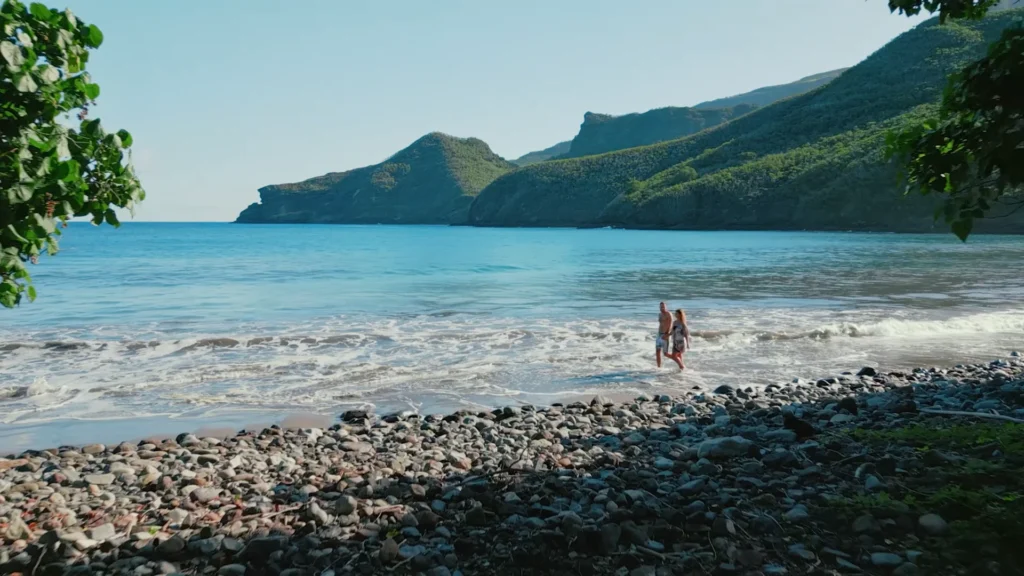
Beyond the Maldives: Seven Islands for a Different Kind of Honeymoon
Multi-Destination Honeymoons: The Best Pairings for Two Distinct Locations
Where to Go On Honeymoon? A Guide to Help You Choose

Wilderness to Waves: Luxury Honeymoons in Kenya

Luxury Safaris: Why Laikipia Is Kenya’s Best-Kept Secret

Positano vs Ravello: Where to Stay on the Amalfi Coast