



10 days
|£6,915

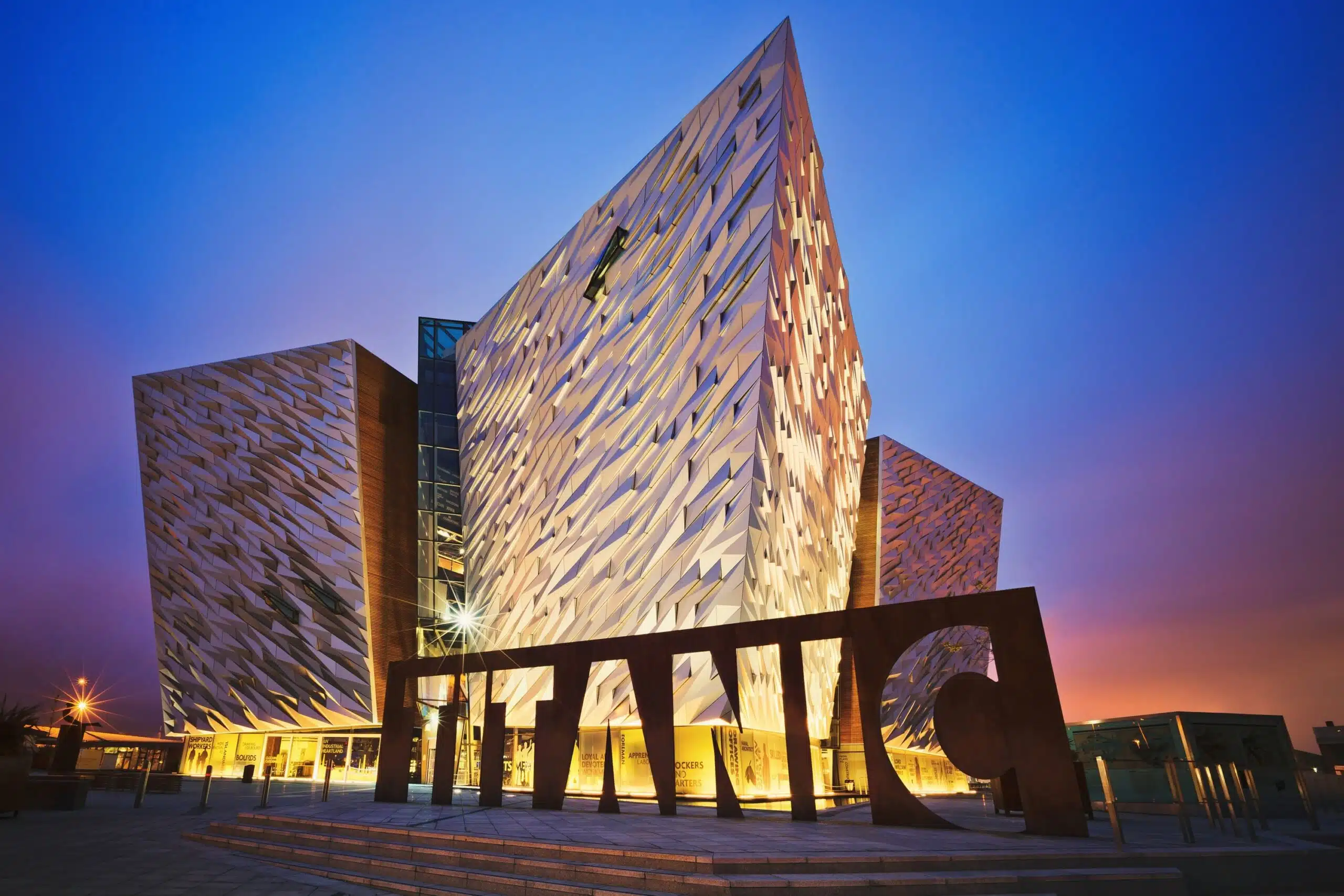
Titanic Belfast stands at the top of the slipways where the ship was built, in the former Harland and Wolff shipyard in Belfast’s Titanic Quarter. The building rises six stories, clad in aluminum panels shaped like four ship hulls at 38 metres, matching the height of the Titanic’s original hull. It is the world’s largest Titanic museum and has been voted the World’s Leading Tourist Attraction at the World Travel Awards multiple times.
The slipways outside the building are where the Titanic and her sister ship Olympic were laid down in 1909. The steel from which both ships were constructed was rolled and pressed within sight of where visitors now stand.
The Harland and Wolff gantry cranes, Samson and Goliath, still dominate the skyline above the Titanic Quarter, visible from the building’s upper floors as they have been for decades.
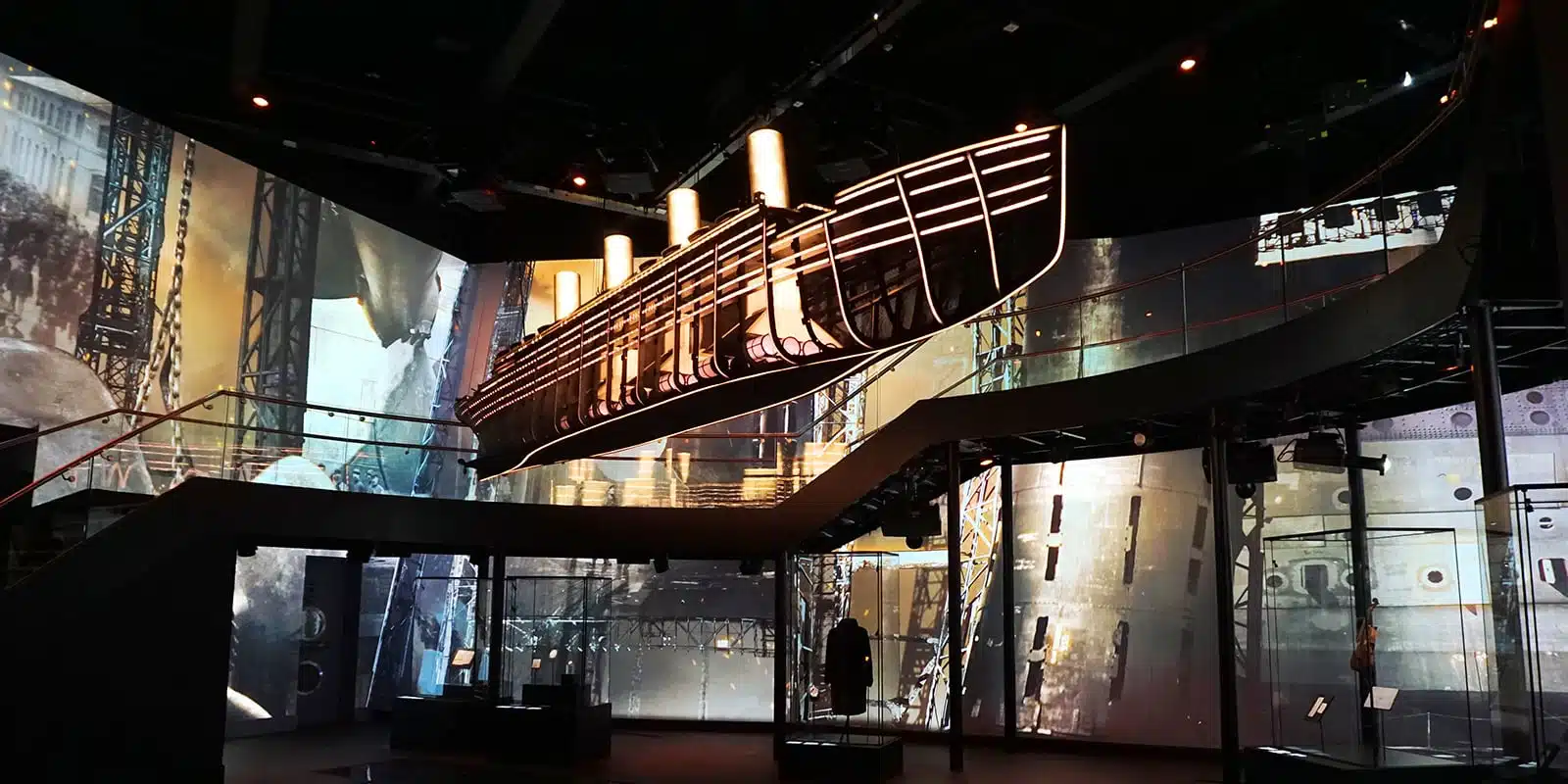
Walking through the entrance, the atrium opens to the full height of the building, with the nine galleries arranged around a central void that gives the space its sense of scale. The experience is self-guided, designed to take around two hours, and moves in sequence from the Belfast of the early 1900s through the construction of the ship, the launch, the voyage and the sinking, to the aftermath and the legacy that has accumulated in the century since.
The slipways where the Titanic was laid down in 1909 are directly outside the building. Everything inside is told from that position, on the ground where it happened.
Do Not Disturb is a luxury travel company specializing in carefully designed journeys and considered experiences. Each itinerary we build for our clients is informed by real destination knowledge, offering insight into places, cultures, and moments that shape how a trip comes together.
If this destination has sparked ideas, the itinerary can be developed into a private journey tailored to your interests and travel style, with hand-picked stays, thoughtful routing, and experiences curated around what matters most to you.
Belfast in the early 20th century was one of the most productive industrial cities in the world. The Harland and Wolff shipyard at Queen’s Island employed tens of thousands of workers and was producing some of the largest vessels ever built.
The Titanic was the most ambitious of these, laid down in March 1909 alongside her sister ship Olympic, the two hulls occupying adjacent slipways in a shipyard that had been expanded specifically to accommodate them.
The Titanic was 269 metres long, 53 metres tall from keel to funnel tip and 46,000 tonnes. She was the largest moving object ever built at the time of her launch in May 1911. Over 3,000 men worked on her construction. She was designed not merely as a fast ship but as the most luxurious afloat, with a first-class section that included a swimming pool, a squash court, a Turkish bath, a gymnasium and a dining saloon that could seat 550 passengers.
She departed Belfast for Southampton on April 2, 1912, and set out on her maiden voyage to New York on April 10. Four days later, around 11:40pm on April 14, she struck an iceberg in the North Atlantic. Around 2:20am on April 15, she was gone. Of the 2,208 people on board, 1,496 did not survive. The lifeboats carried enough capacity for 1,178. The ship had been certified to carry 3,547 passengers and crew.
10 days
|£6,915
10 days
|£5,865
10 days
|£7,365
Titanic Belfast draws over 800,000 visitors a year and is one of the most popular attractions in Ireland and the United Kingdom. The peak hours, from mid-morning through to mid-afternoon, bring significant crowds to the most popular galleries, particularly the Shipyard Ride and the sinking gallery on the fourth floor.
Arriving at opening time or in the late afternoon changes the experience considerably. The galleries are quieter, the interactive elements are more accessible and the pacing of the narrative is easier to follow without the pressure of a crowd moving through the same space.
The Shipyard Ride, is a dark ride through a full-scale recreation of the construction process with moving platforms, authentic sounds and period reconstructions, is the experience most affected by timing. In quieter periods, guests can linger at each stage rather than being moved through on a fixed cycle.
The SS Nomadic, moored outside, is consistently overlooked by visitors moving directly to the main building. She is the last remaining White Star Line vessel in the world, a tender ship that ferried first and second class passengers from Cherbourg to the Titanic on April 10, 1912. A self-guided tour of her decks takes around 40 minutes and adds a dimension to the visit that the galleries inside cannot replicate.
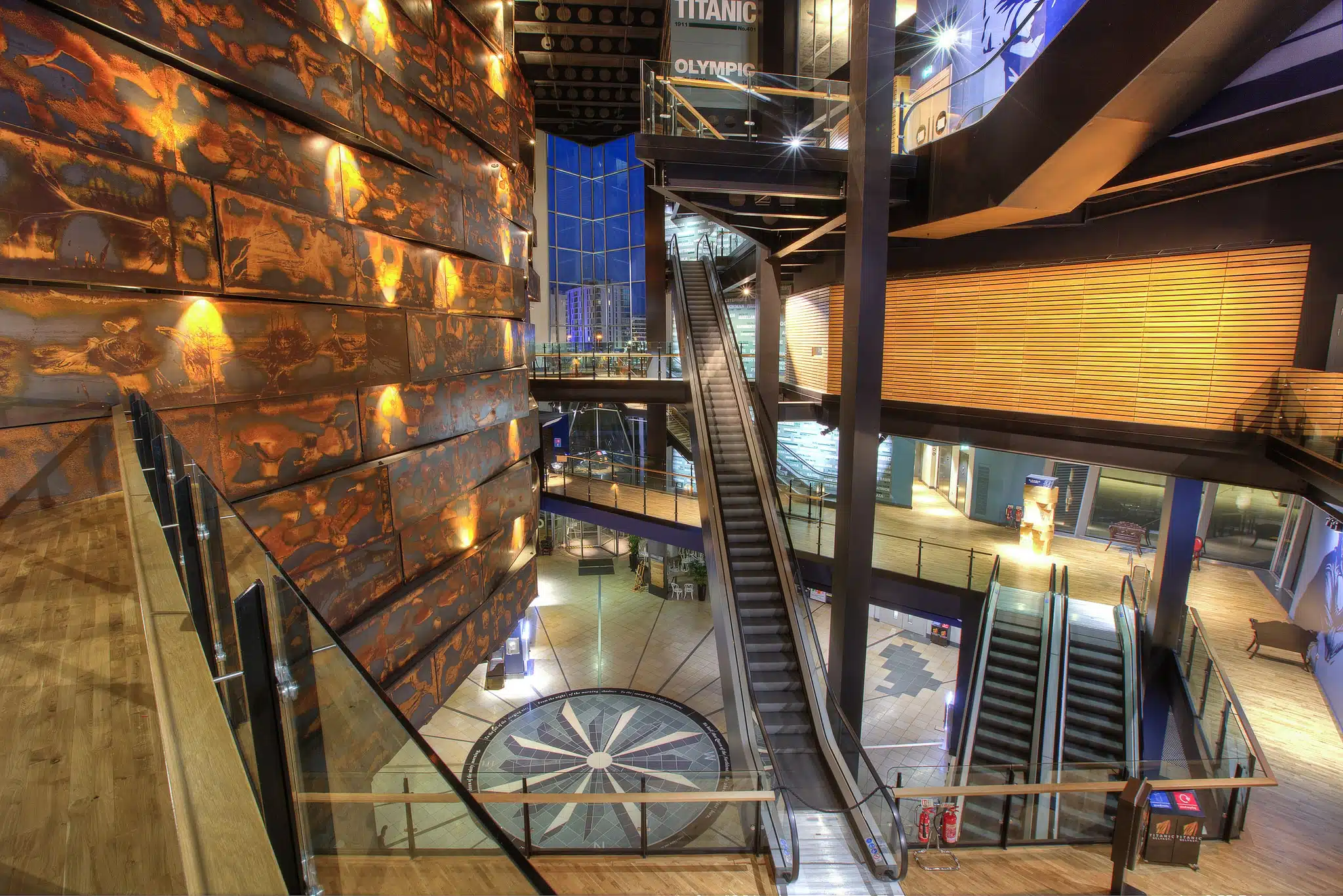
The nine galleries move in sequence from early 20th-century Belfast through the construction of the ship, with scale models, original photographs and engineering drawings covering the physical reality of building a vessel this size. The Shipyard Ride departs from this section, taking visitors through a dark ride recreation of the construction process with period-accurate sounds, smells and light effects.
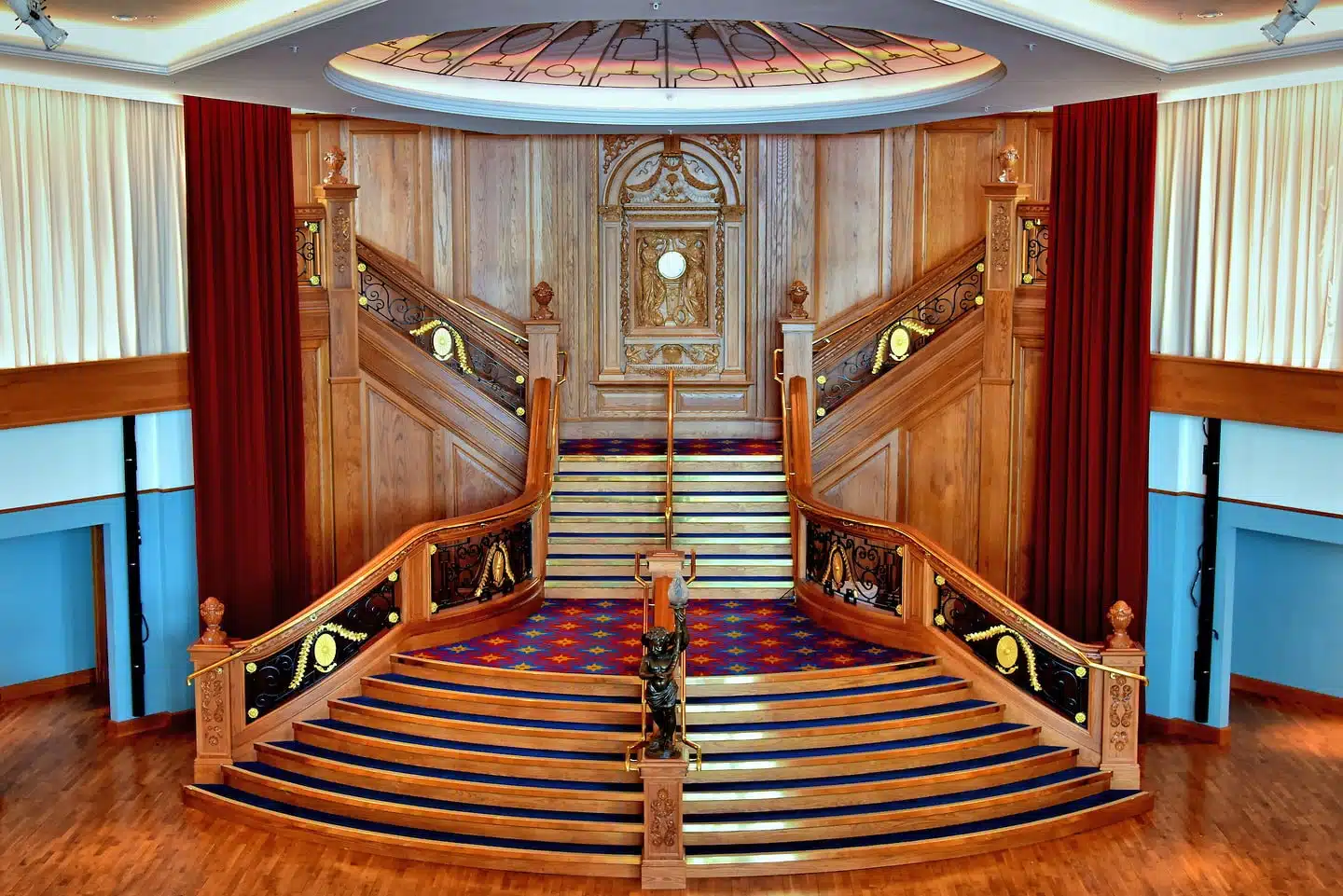
The fitting-out galleries cover the interior from the boiler rooms to the first-class staterooms, with full-scale recreations of both. The difference in material and scale between third-class cabins and first-class suites is one of the most telling details in the museum.
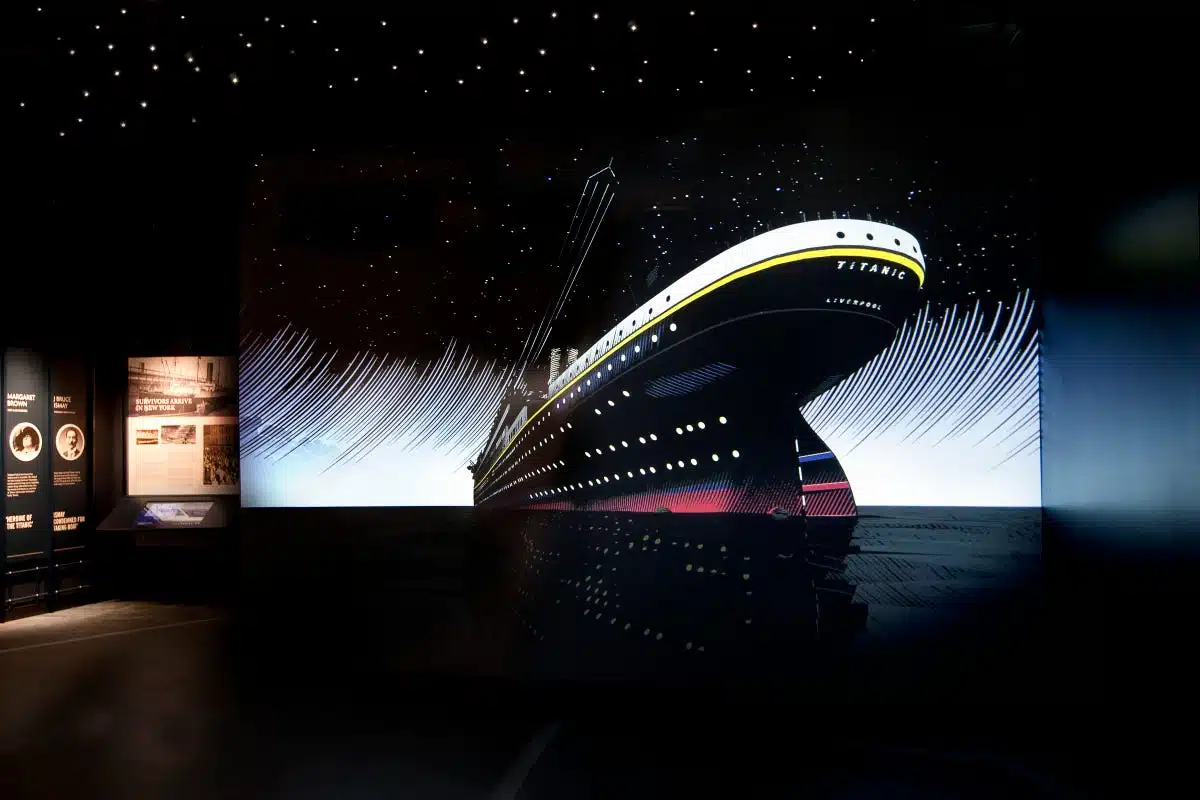
The collision gallery is a dark space where the sequence of events on the night of April 14 unfolds in real time: the iceberg sighting, the impact, the damage assessment, the lifeboats and the two hours and forty minutes of the sinking.
The aftermath galleries cover the rescue, the inquiries in the United States and the United Kingdom and the assignment of responsibility that satisfied almost no one.
The final gallery documents Robert Ballard’s discovery of the wreck in 1985, with footage from the ocean floor and artefacts recovered from the site including one of the few remaining life jackets and a pocket watch stopped at 1:37am.
Do Not Disturb arranges visits to Titanic Belfast with timing chosen around the quietest periods of the day and advance booking secured to avoid the queues that form at peak hours.
For guests wanting a guided experience rather than a self-guided one, a private local guide with specialist knowledge of Belfast’s shipbuilding history and the Titanic’s construction can be arranged to accompany the visit.
The SS Nomadic, the shipyard walking tour and any additional Belfast experiences are all coordinated as part of the same arrangement. Guests arrive at Titanic Quarter with the day already planned.
Ready to plan your visit to Titanic Belfast? Speak with Do Not Disturb to begin your journey.
Speak to Do Not Disturb’s luxury travel experts and turn this moment into something personal.
Related destinations
Suggested articles




Tell us how you want to feel, we’ll take it from there.
“Our trip was truly magical and full of core memories that will last us a lifetime.”
Michael • Bora Bora Honeymoon

“We just returned from an incredible journey through Ireland, and we couldn’t have had a better experience”
Brad • Ireland Adventure
“This was a flawless experience right from the beginning, we had so many thoughts and ideas flowing around and they took all of them and perfectly curated the most beautiful honeymoon for us.”
Kris • Sicily Honeymoon
 5 min read
Choosing a honeymoon destination as an LGBTQ+ couple requires more than a shortlist of scenic hotels: it demands a clear-eyed assessment of legal protections, local attitudes, and the kind of welcome that holds up beyond the lobby. This guide moves through six destinations with that standard in mind, weighing romance against reality so you can […]
 5 min read
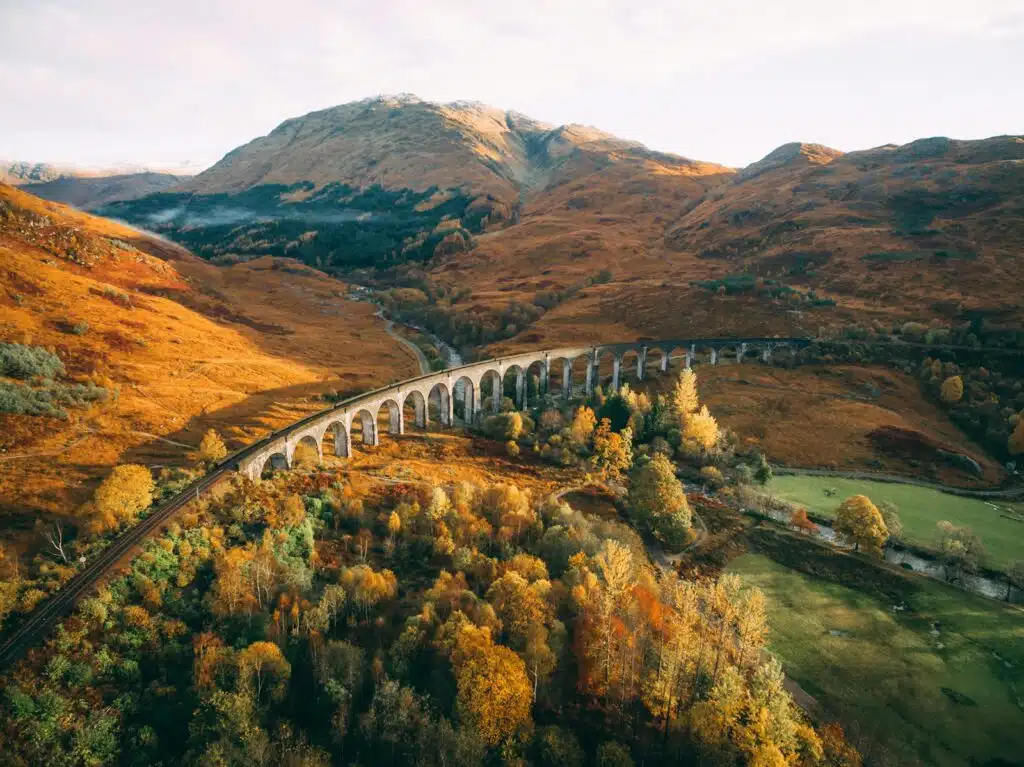
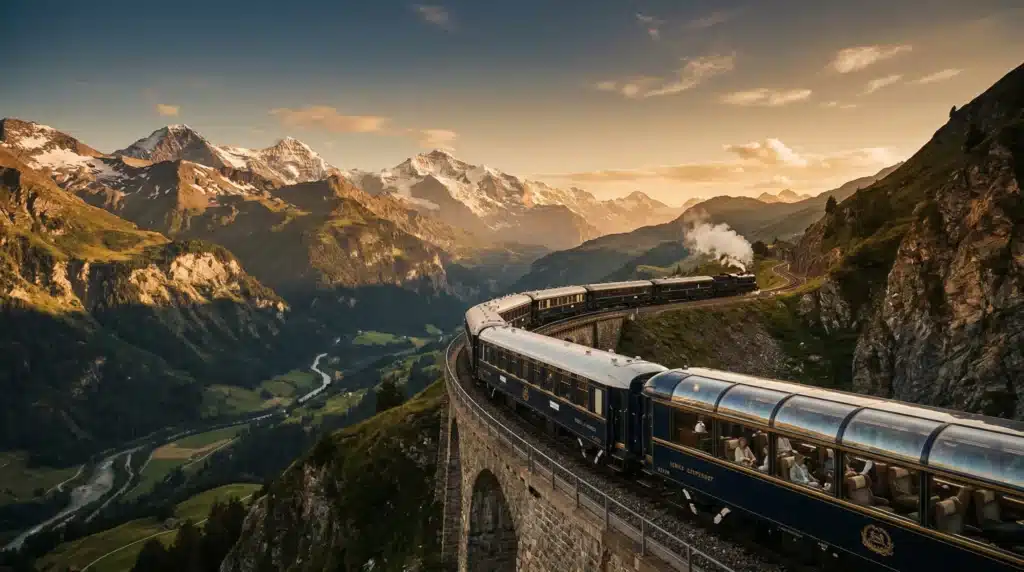
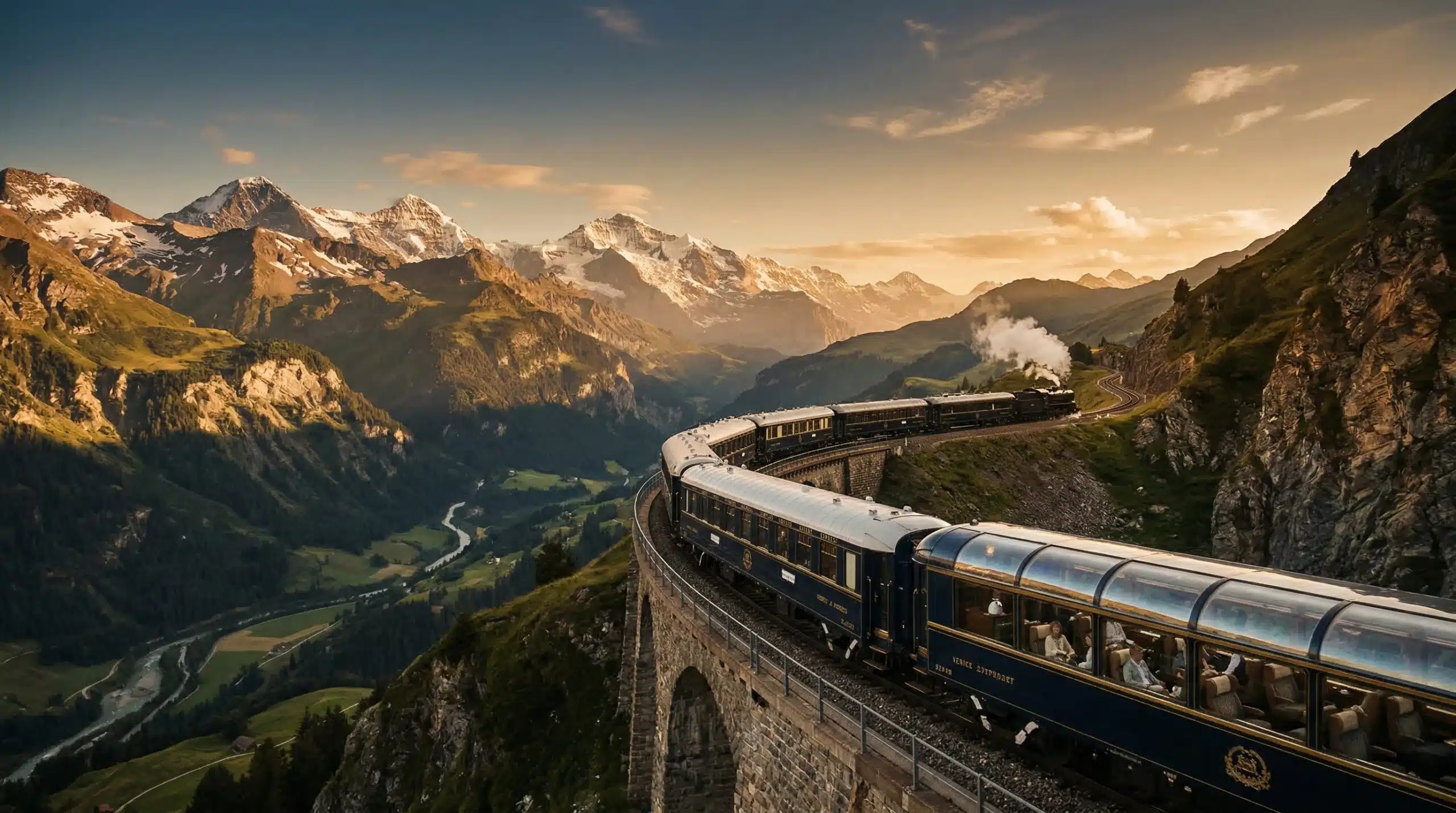
Rail travel offers honeymooners something that flights cannot: the journey itself as a destination, measured in landscapes rather than hours. These routes, spanning Scotland, Switzerland, South Africa, and Southeast Asia, are built around storied long-distance trains and hotel stays chosen to match the slower pace.
 5 min read
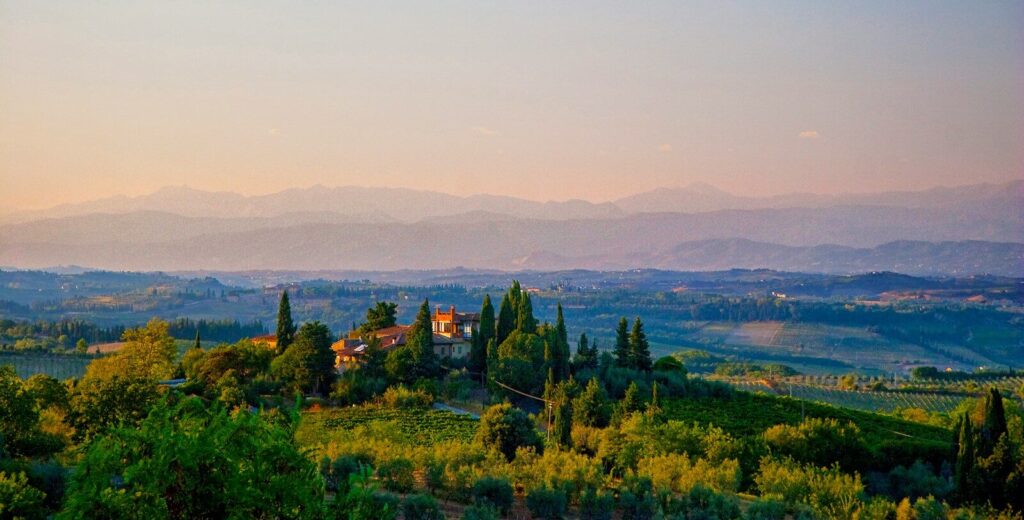
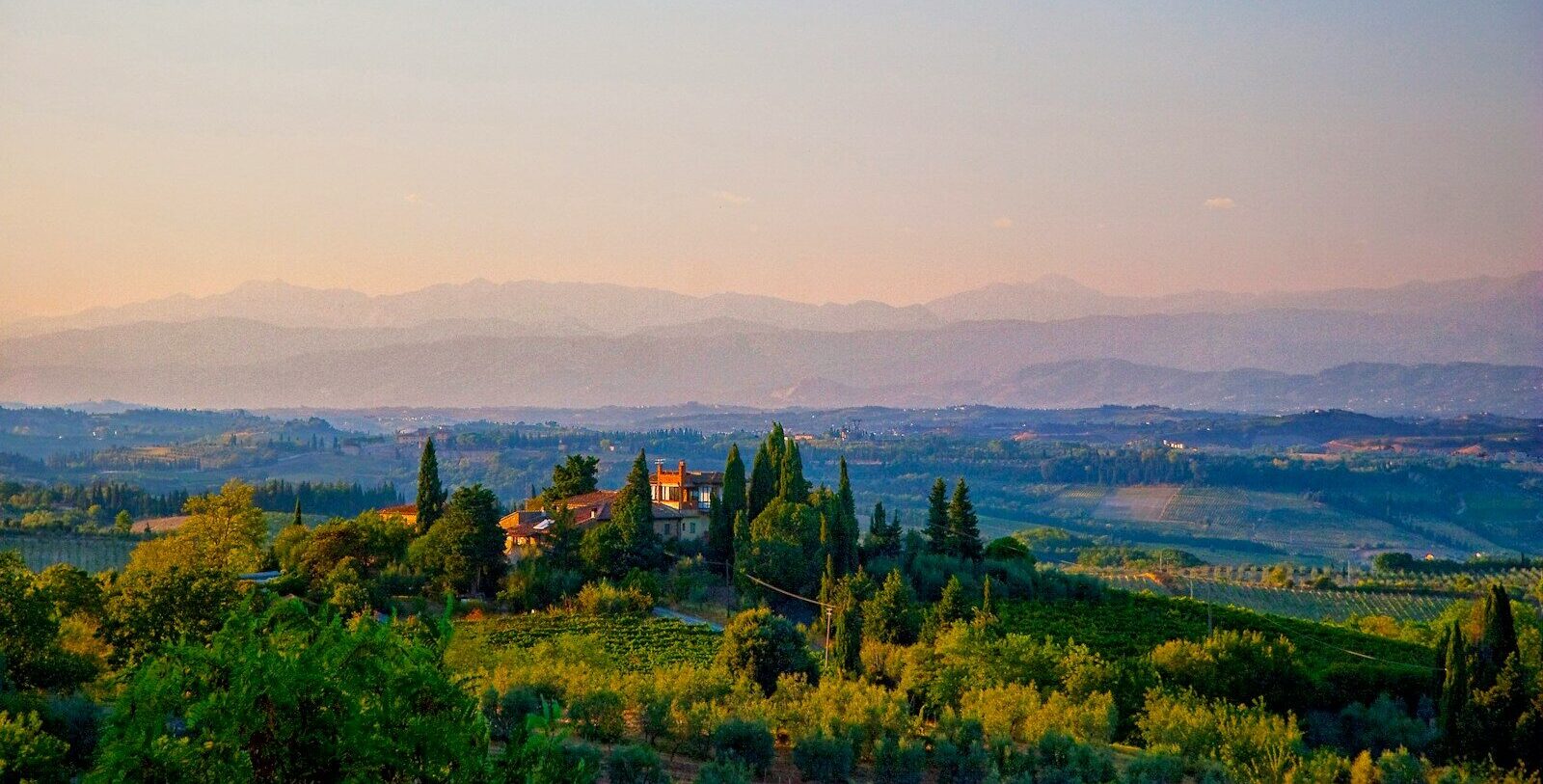
Chianti’s landscape of cypress-lined ridges, fortified wine estates, and medieval villages has long attracted travellers seeking something more considered than a hotel stay. Here, a villa is not an amenity but the destination itself.
 5 min read
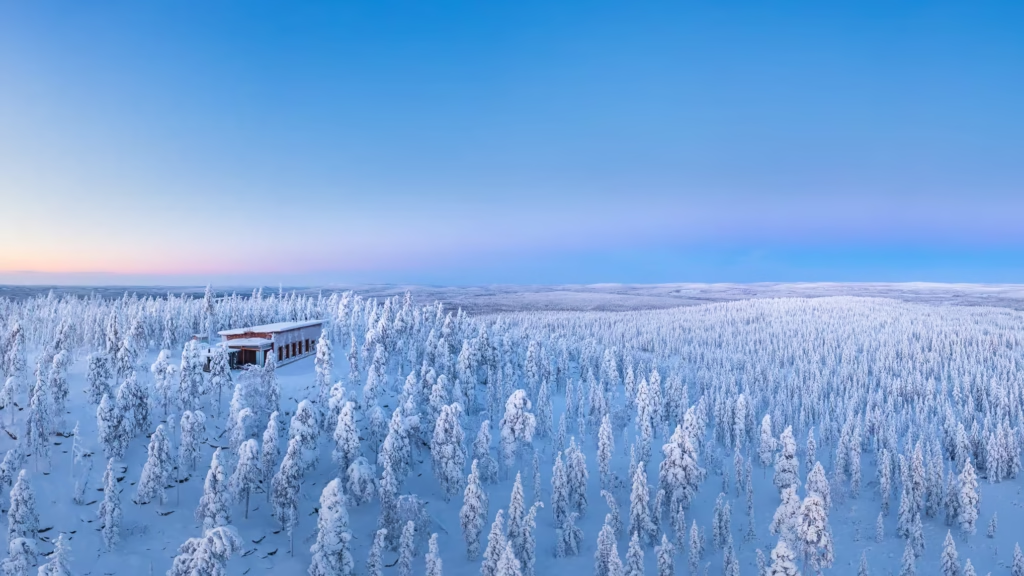
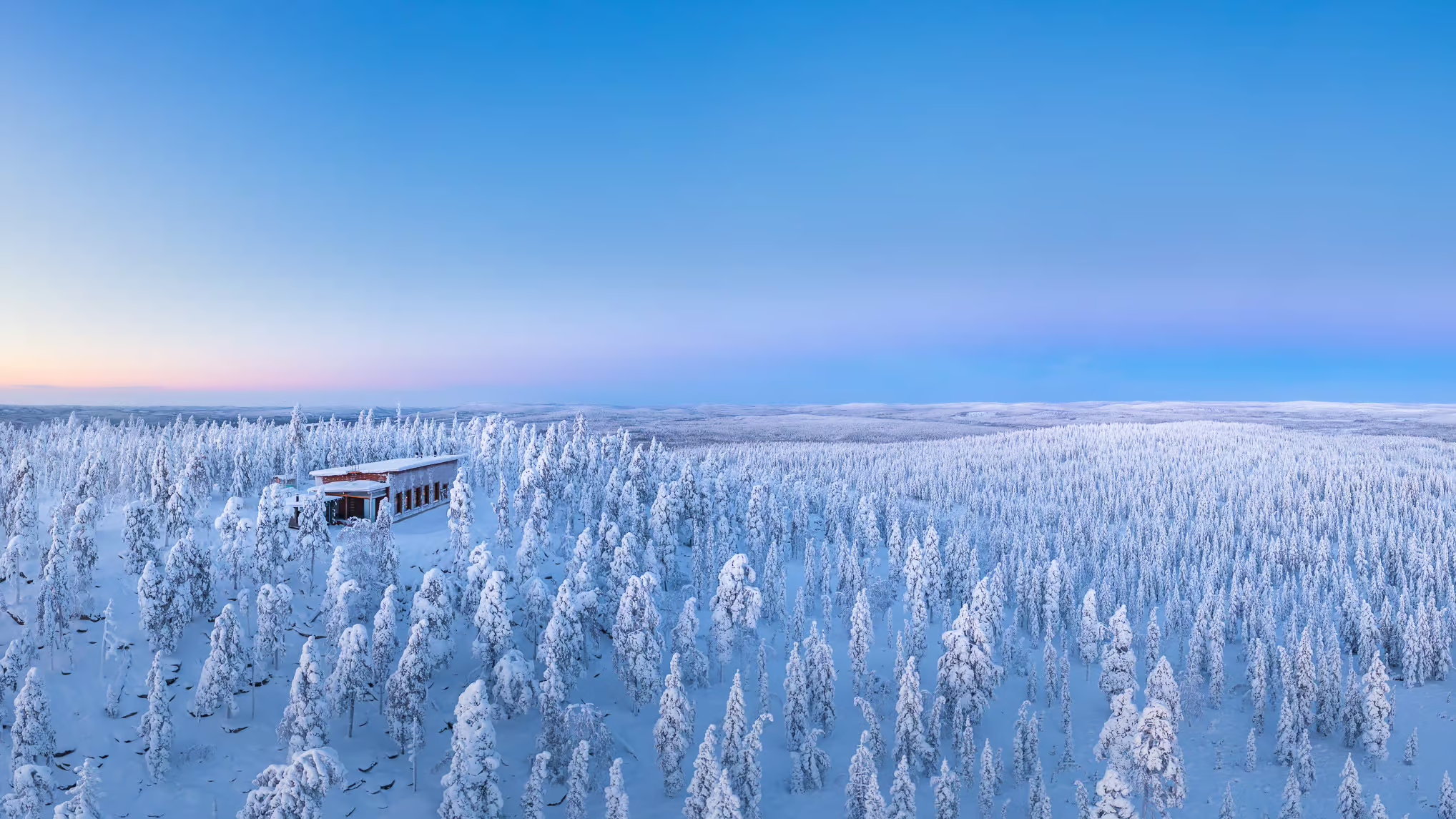
Finnish Lapland sits at the northern edge of Europe, where winter darkness settles across vast forests and frozen lakes, and the Northern Lights move across the sky, watched by those lucky enough to notice them. The region’s finest hotels have been designed around that reality, placing guests in direct contact with the landscape rather than […]
Planning your trip should feel effortless.
You share what matters, whether it’s a destination, a feeling, or a moment worth celebrating.
Your dedicated expert shapes a thoughtful, private itinerary tailored entirely around you.
Every detail handled. Every moment considered. Support before, during, and after your journey.

Answer a few quick questions and we’ll craft a journey as unique as your state of mind.
Ask us anything.
