


Discover the Louvre on a small group tour that goes beyond the basics. With skip-the-line access, expert commentary, and a curated route through the museum’s most iconic galleries, this experience offers clarity, insight, and a more thoughtful way to engage with one of the world’s greatest cultural institutions.
With more than 8 million visitors a year, the Louvre can be overwhelming—even for art lovers. Long queues, crowded galleries, and a vast layout often turn a highly anticipated visit into a rushed experience.
A small group tour brings focus. With an expert guide and a well-planned route, the visit becomes more engaging and less about simply finding your way. It is not about seeing everything. It is about seeing what matters, properly.

About Do Not Disturb
Do Not Disturb is a luxury travel company specializing in carefully designed journeys and considered experiences. Each itinerary we build for our clients is informed by real destination knowledge, offering insight into places, cultures, and moments that shape how a trip comes together.
If this destination has sparked ideas, the itinerary can be developed into a private journey tailored to your interests and travel style, with hand-picked stays, thoughtful routing, and experiences curated around what matters most to you.
Why Visit the Louvre with a Small Group Tour?
The Louvre is the most famous museum in the world. From the Mona Lisa to the Venus de Milo, its collection spans centuries and civilisations. But it is also enormous, and navigating it can be difficult without a plan.
A small group tour offers structure without feeling rigid. It includes skip-the-line entry, so more time is spent in the galleries and less at the door. Groups are limited in size to keep the experience personal and flexible. Guides are licensed experts, many with backgrounds in art history or archaeology, who bring context to the works and help you see beyond the surface.
This is not just about checking boxes. It is about slowing down in the right places and leaving with a deeper understanding of the art, the museum, and the stories behind both.
Highlights You Can Expect to See
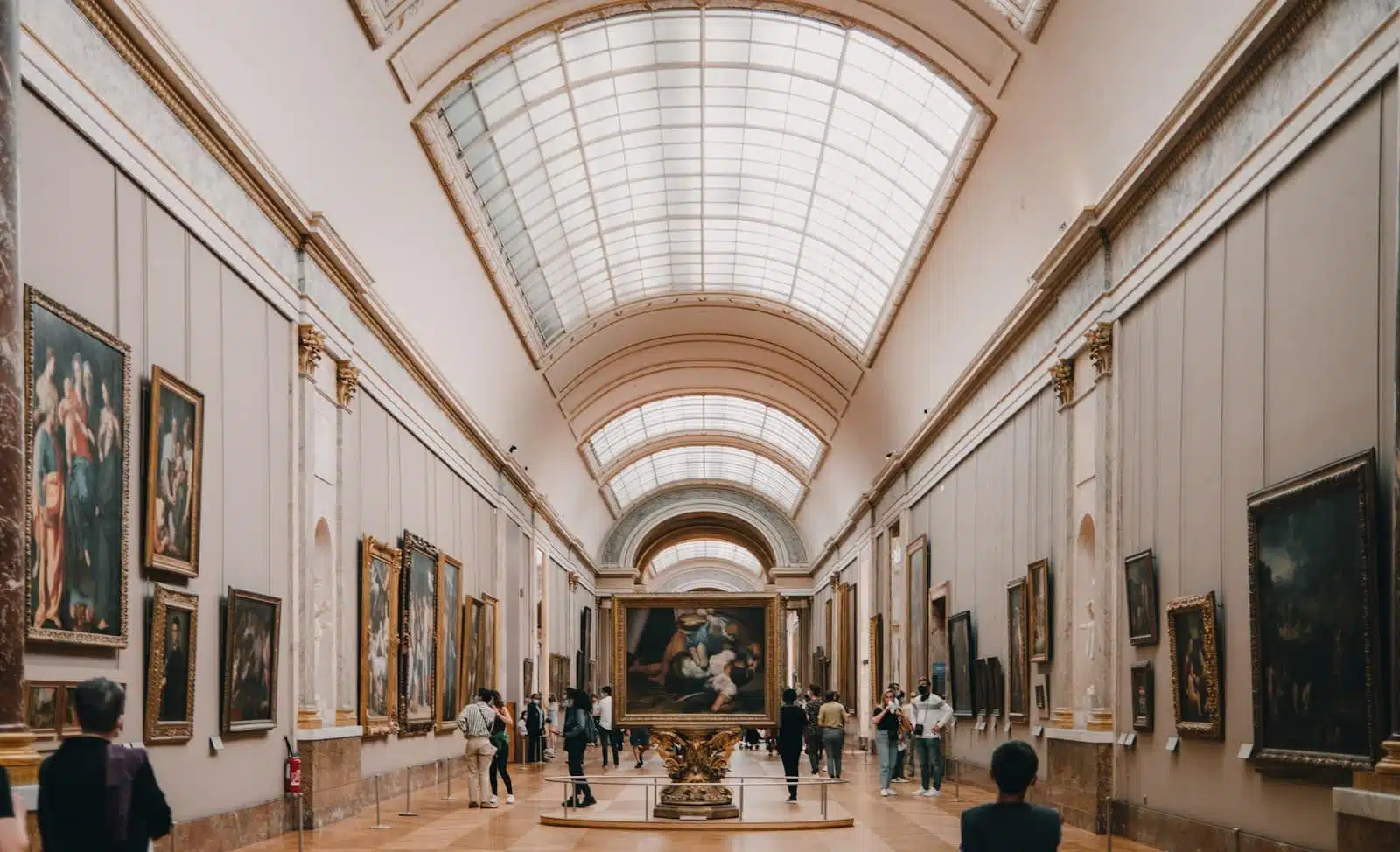
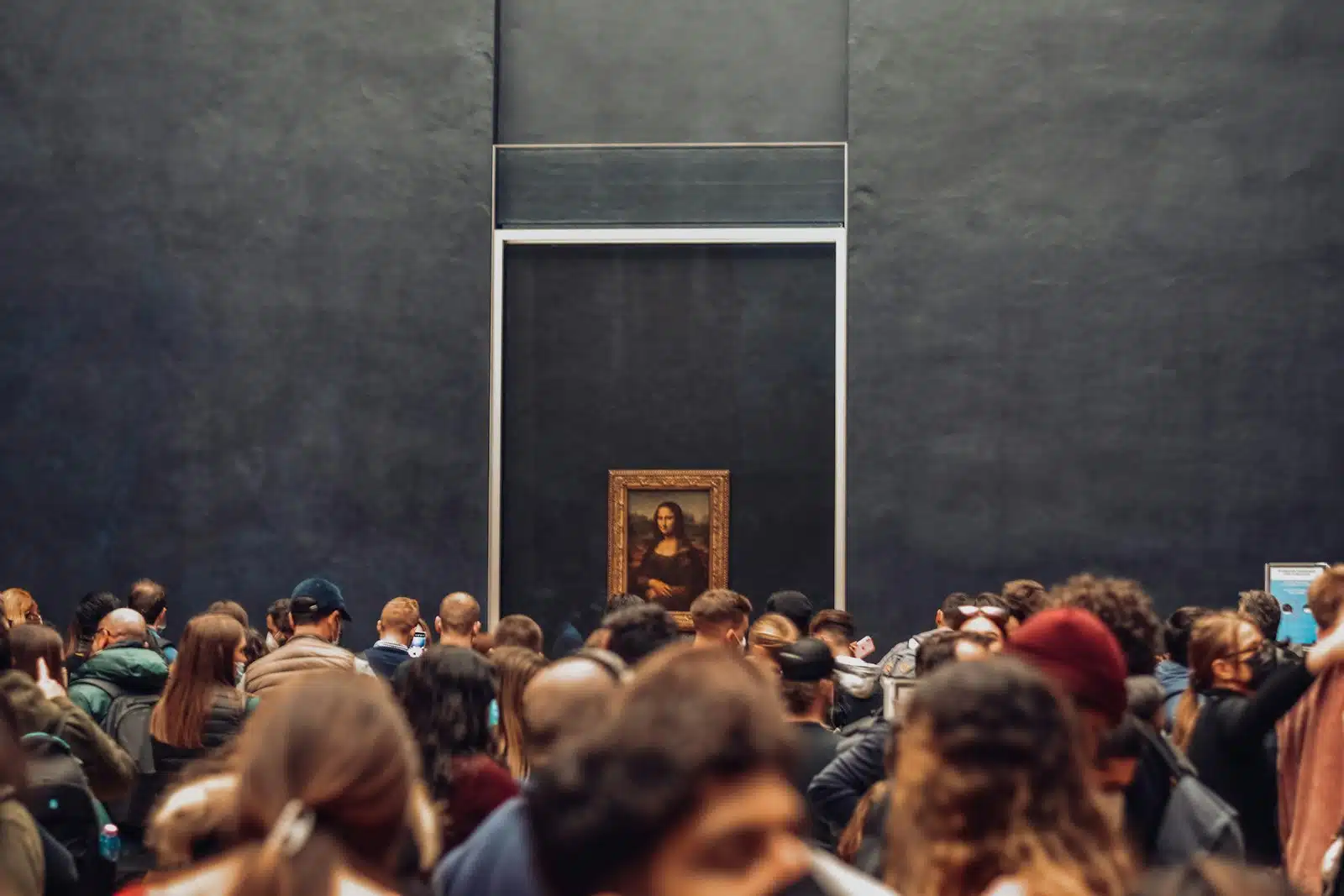
Most tours follow a route that covers the Louvre’s most visited masterpieces while offering insight into lesser-known but equally compelling works. In the Denon Wing, the Winged Victory of Samothrace stands dramatically at the top of the Daru staircase, one of the museum’s most striking introductions. Nearby, the Mona Lisa awaits in the Salle des États, often crowded but made more manageable with timed entry and an expert to explain what lies beneath the painting’s global fame.
The Venus de Milo, with its mysterious origins and timeless form, is often included, as are grand historical canvases like Jacques-Louis David’s Coronation of Napoleon or Delacroix’s Liberty Leading the People. Your guide may also bring you into quieter galleries, where Roman sculpture, medieval relics, or early Islamic art offer a different perspective on the museum’s depth.
No two tours are identical. Some lean toward French art, others toward antiquities. All provide a curated path through an otherwise overwhelming space.
The Benefits of a Curated Louvre Experience
Even with a map and audio guide, the Louvre can feel like a maze. A well-run small group tour changes that. You follow a logical route, skip the long lines, and hear clear, well-paced commentary that adds meaning without information overload.
This format also avoids some of the frustrations of both large group tours and unstructured self-guided visits. With fewer people, you are not jostling for space. With a guide, you are not missing important context. There is time to ask questions, focus on what interests you, and move at a natural rhythm.

A Better Way to See the World’s Most Visited Museum
The Louvre is vast. Even a full day is not enough to cover every wing and gallery. What makes a curated small group tour valuable is not how much ground it covers, but how thoughtfully it does so.
It is an efficient and enjoyable way to get the most out of a short visit, whether you are a returning traveller, exploring with family, or seeing it for the first time. The setting remains the same, but the experience is transformed. Less chaotic, more meaningful.

How Do Not Disturb Makes This Happen
Do Not Disturb partners with trusted local experts to offer curated small group Louvre tours that prioritise insight, comfort, and quality. Tours are led by licensed guides who tailor the experience to the group’s interests. Entry logistics are handled in advance, and group sizes are kept small to ensure ease throughout the visit.
Support does not end at the museum doors. From restaurant recommendations to pairing this experience with other Paris highlights, every detail can be seamlessly arranged. The focus is on making world-class cultural access feel effortless.

The Louvre is one of the most important cultural institutions in the world. Seeing it well takes more than just a ticket. It takes perspective. A small group tour offers a clearer, calmer, and more connected way to experience its art and history, turning a single visit into something far more lasting.
Ready to explore the Louvre with expert guidance and skip-the-line access? Speak with Do Not Disturb to plan your small group tour and make the most of your time in Paris.
Plan your own version of this journey
Speak to Do Not Disturb’s luxury travel experts and turn this moment into something personal.
Related destinations
Suggested articles

Inside Luminara: The Ritz-Carlton Yacht

Why the French Riviera Still Defines Luxury Travel

A Day in Marseille: Street Art, Bouillabaisse, and the Côte d’Azur

Nice or Marseille: Which Is Better?

What to Know Before Visiting Facteur Cheval’s Palace in France

How to Plan a Wine Tasting Trip in France

Plan Your Honeymoon in Saint-Tropez

Beyond the Maldives: Seven Islands for a Different Kind of Honeymoon

Multi-Destination Honeymoons: The Best Pairings for Two Distinct Locations

Where to Go On Honeymoon? A Guide to Help You Choose

Wilderness to Waves: Luxury Honeymoons in Kenya

Luxury Safaris: Why Laikipia Is Kenya’s Best-Kept Secret

Positano vs Ravello: Where to Stay on the Amalfi Coast