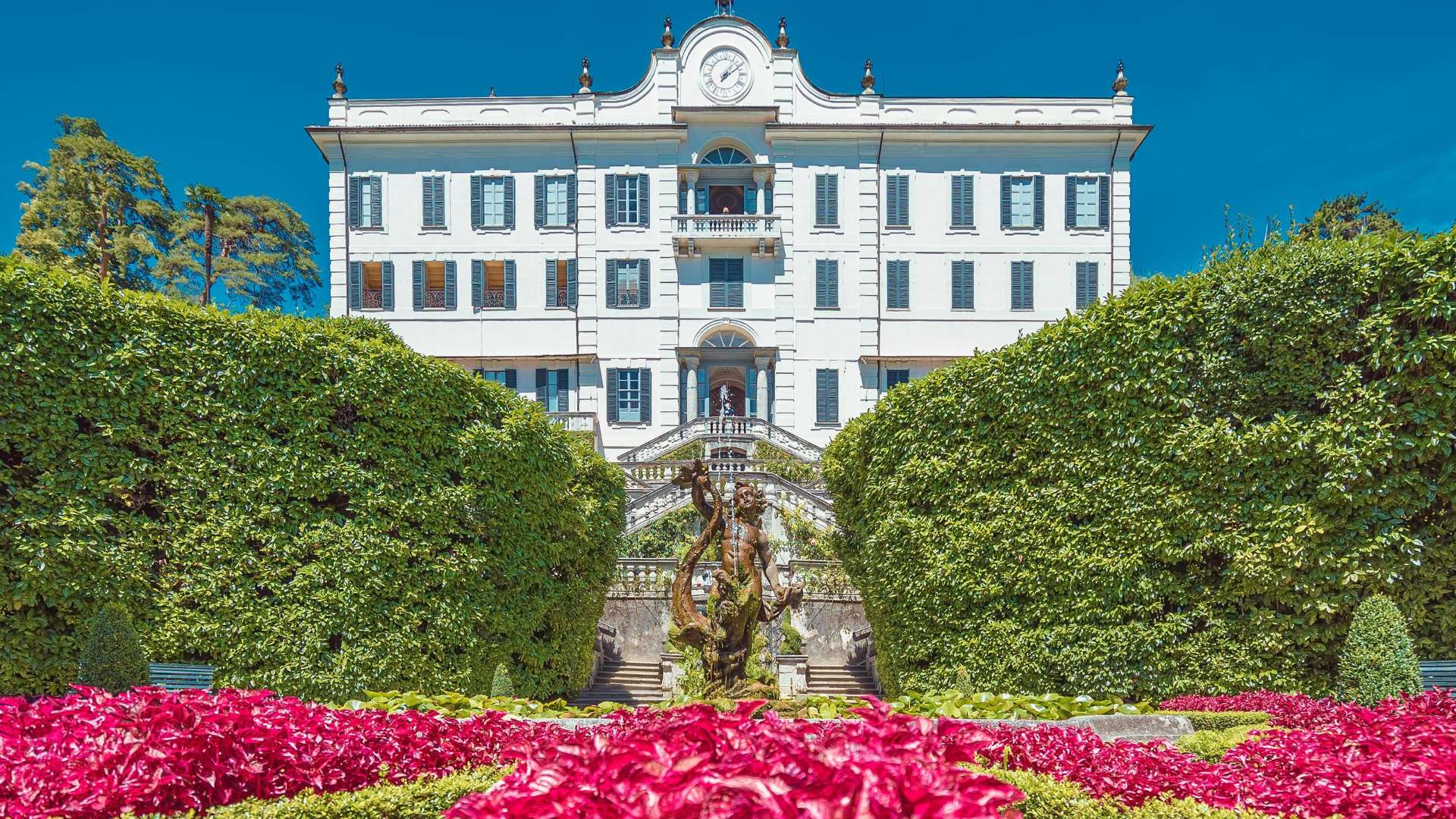

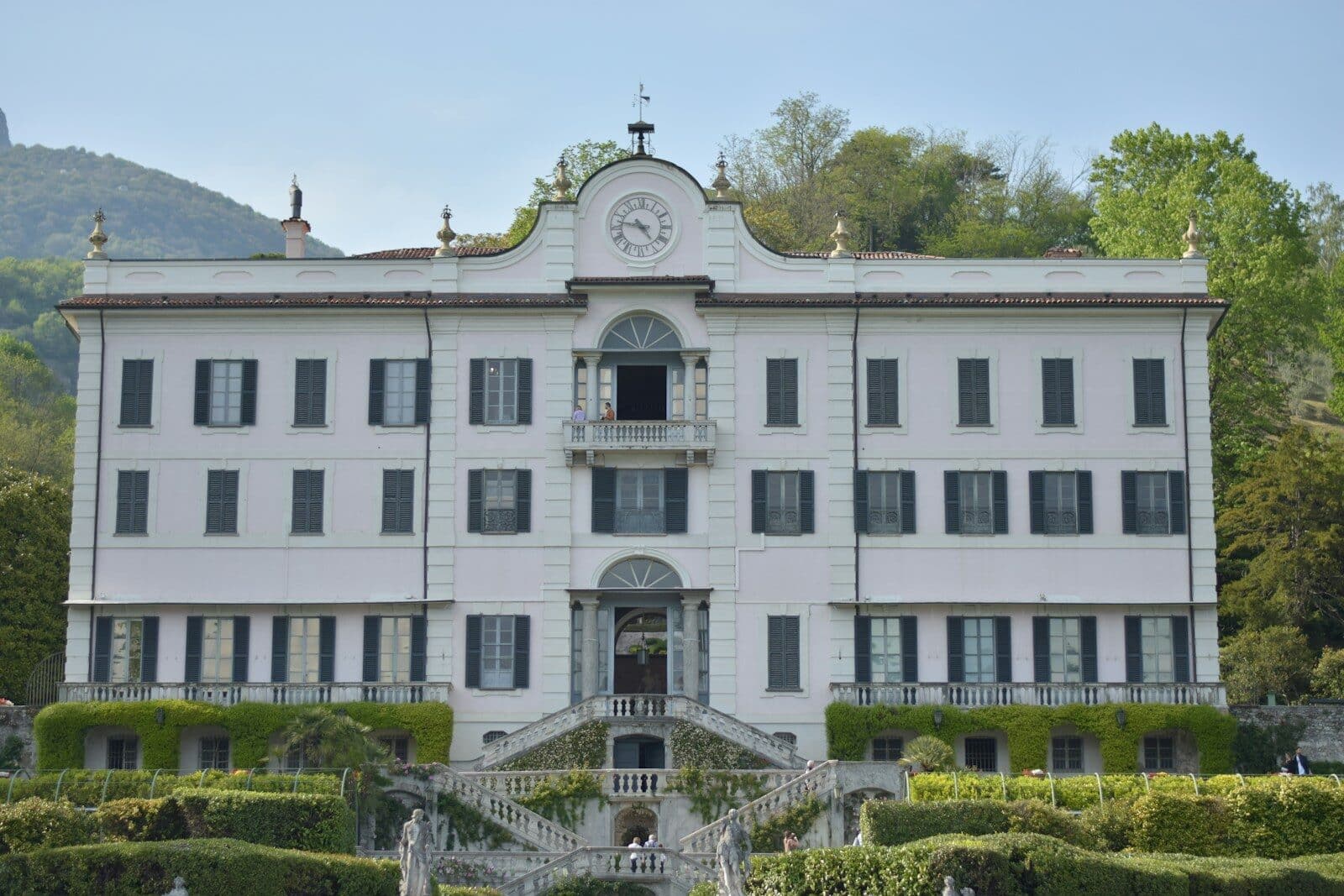
A private visit to Villa Carlotta in Tremezzina on the first entry of the day, with a specialist guide covering Thorvaldsen’s Alexander frieze, the rooms of original Prussian furnishings, and the botanical gardens before the ferry groups from Bellagio arrive.
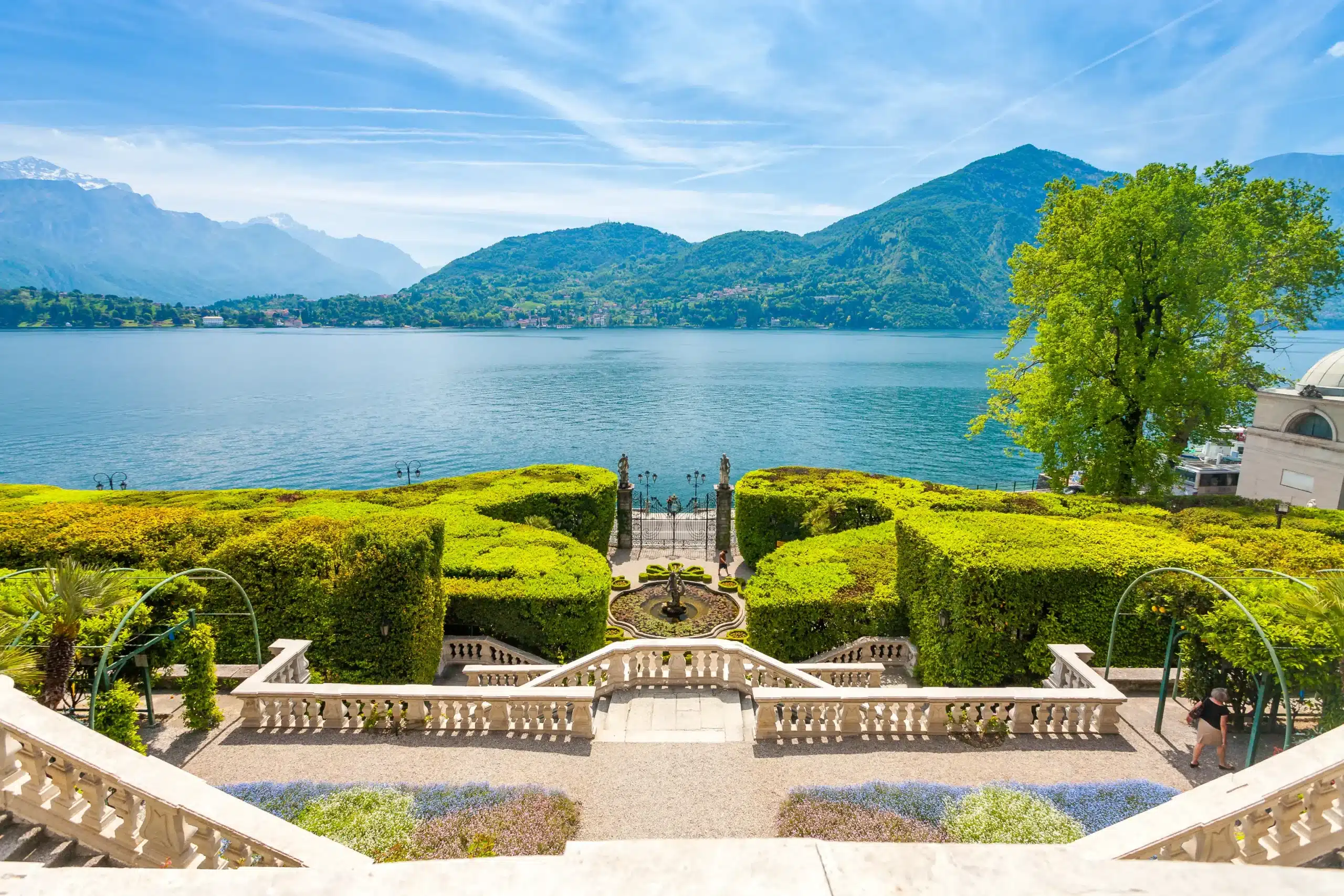
Villa Carlotta sits on the western shore of Lake Como in Tremezzina, directly on the waterfront, with the lake and the mountains visible from every level of the garden. The villa was built in the late 17th century by the Marquis Giorgio Clerici of Milan and changed hands several times before Giovanni Battista Sommariva acquired it in 1801, transforming it into one of the most significant stops on the Grand Tour.
In 1843 it passed to Princess Marianne of Prussia, who gave it to her daughter Charlotte as a wedding gift on her marriage to Georg II, Duke of Saxe-Meiningen. Georg continued to visit after Charlotte’s death in 1855, enriching the garden with rare botanical species and hosting Johannes Brahms, who came several times in the 1880s at the Duke’s invitation. The Ente Villa Carlotta was established by Royal Decree in 1927 and has managed the property as a public museum and botanical garden since.
It opens at 10am. The ferry from Bellagio takes 15 minutes and the first groups arrive between 10:30 and 11am. In the window between those two moments, the Marble Hall, the Thorvaldsen frieze, and the terraced garden above the lake belong to whoever arrived first.
About Do Not Disturb
Do Not Disturb is a luxury travel company specializing in carefully designed journeys and considered experiences. Each itinerary we build for our clients is informed by real destination knowledge, offering insight into places, cultures, and moments that shape how a trip comes together.
If this destination has sparked ideas, the itinerary can be developed into a private journey tailored to your interests and travel style, with hand-picked stays, thoughtful routing, and experiences curated around what matters most to you.
Cultural and Historical Context
Villa Carlotta’s character as a cultural site was shaped by two men. Giovanni Battista Sommariva acquired the property in 1801 during the Napoleonic era, when Milan was the capital of the Italian Republic and Sommariva was co-president of the Legislative Commission under Napoleon.
His programme of cultural patronage, commissioning works from Thorvaldsen and Canova rather than purchasing existing pieces, placed the villa at the centre of early 19th-century European artistic life. Grand Tour visitors in the 1820s and 1830s were encountering the collection as contemporary art, and the villa’s position on Lake Como, reachable from Milan in a day by boat, spread its reputation across Europe.
When Princess Marianne of Prussia purchased the villa in 1843, she was acquiring a property whose reputation was already established across the continent. Her decision to give it to her daughter Charlotte on her marriage to Georg II, Duke of Saxe-Meiningen, connected it to the network of Protestant German aristocracy that dominated northern European cultural life in the second half of the 19th century.
Georg was a patron of Johannes Brahms, who visited the villa several times in the 1880s, and a botanist whose decades of introducing rare species from across the world produced the botanical character the property holds today.
Why Private or Small-Group Access Matters
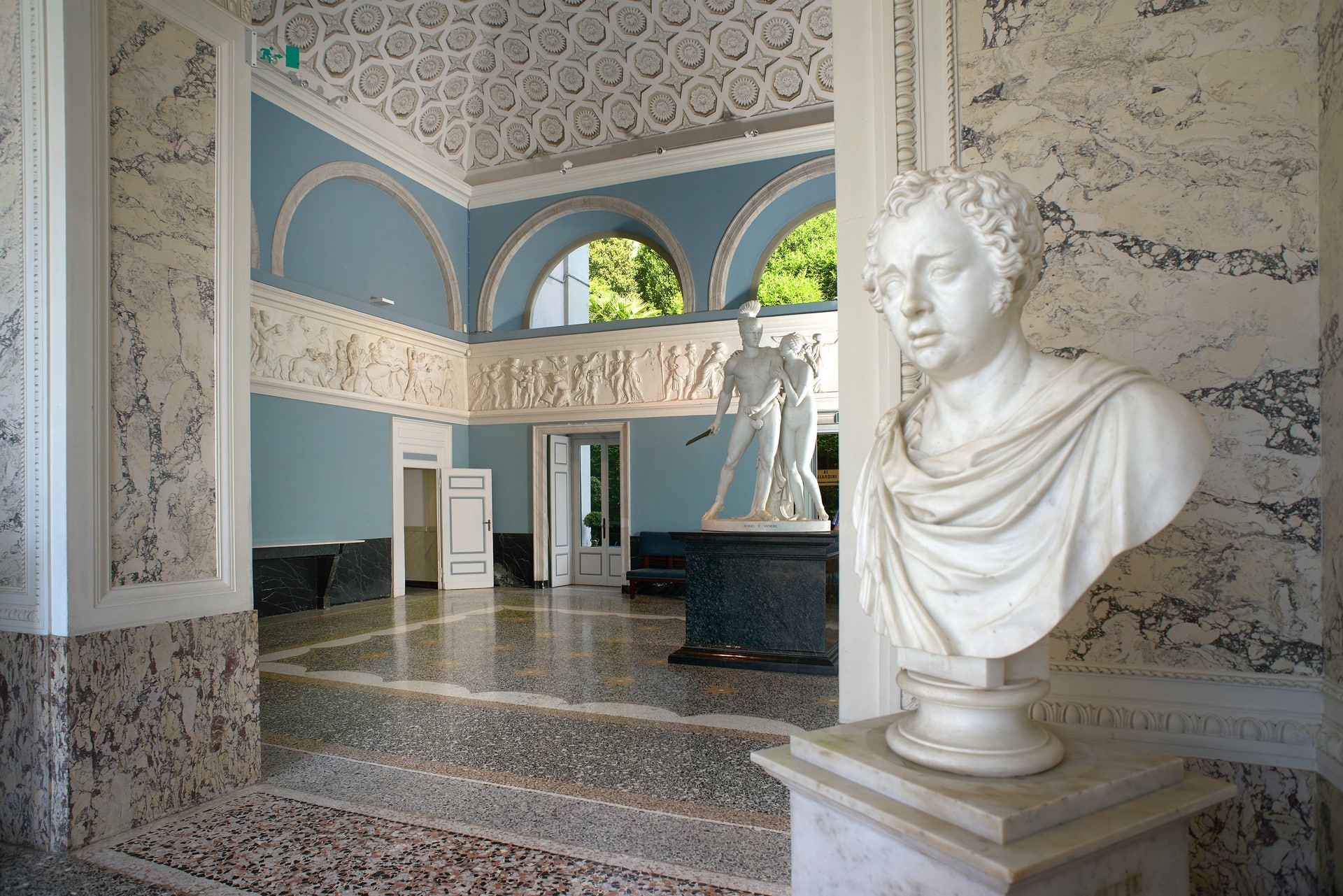
The Marble Hall in the first hour of the day holds a stillness that the rest of the visiting day does not produce. Standing in front of the Thorvaldsen frieze without a group moving through the room behind you, with a guide who can follow the full narrative of the 33 panels from one end to the other, covering the procession, the figures, and the two portraits at the end of the sequence, changes what the frieze communicates.
The terraced garden levels above the lake in the early morning, before the first ferry groups reach the upper sections, produce the rhododendrons, the citrus tunnel, and the Valley of Ferns in a way that the midday visit does not. A private guide also changes the character of Princess Charlotte’s rooms on the second floor.
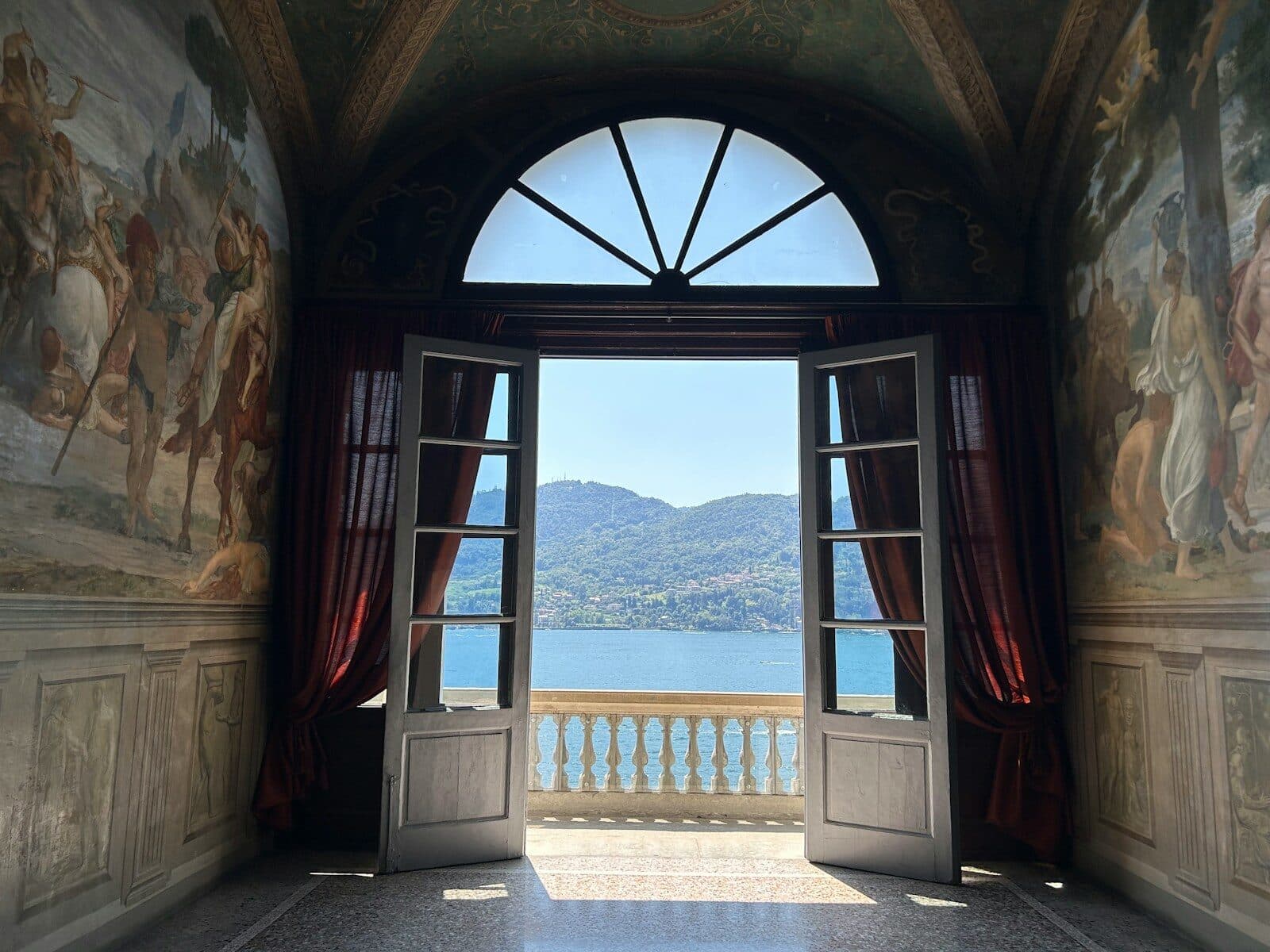
A guide who can explain what each piece of furniture reveals about Charlotte’s brief occupancy of the villa, and what Georg’s continued presence after her death in 1855 meant for the property’s development, produces a reading of the rooms that the labels do not provide.
What You See
The Marble Hall holds the Thorvaldsen frieze in 33 marble panels, running the full length of the room in a continuous depiction of Alexander’s entry into Babylon. The last two figures in the sequence are a self-portrait of Thorvaldsen and a portrait of Sommariva, a detail that only becomes visible when the room is quiet enough to follow the frieze from start to finish.
The Canova room holds the original plaster model of the Muse Terpsichore from 1811, one of the few surviving Canova plaster models still in context. The Hayez room holds The Last Kiss of Romeo and Juliet, commissioned by Sommariva in 1823. Princess Charlotte’s rooms on the second floor are preserved as a residence rather than a museum display.
The botanical garden covers approximately 8 hectares of terraced hillside above the waterfront, with rhododendron and azalea plantings, a citrus tunnel, a bamboo garden, and the Valley of Ferns, a narrow canyon that the view from the lower terrace does not suggest is there.
How Do Not Disturb Makes This Possible
Do Not Disturb works with specialist guides whose knowledge of Villa Carlotta extends to the full art historical and biographical context of the collection and the botanical history of the garden. The visit is timed for the first entry of the day, with tickets arranged in advance and the guide briefed on your specific interests before arrival.
Ready to plan your private early morning visit to Villa Carlotta and experience Lake Como’s most complete historic villa at the hour it deserves? Speak with Do Not Disturb to begin your journey.
Plan your own version of this journey
Speak to Do Not Disturb’s luxury travel experts and turn this moment into something personal.
Related destinations
Suggested articles
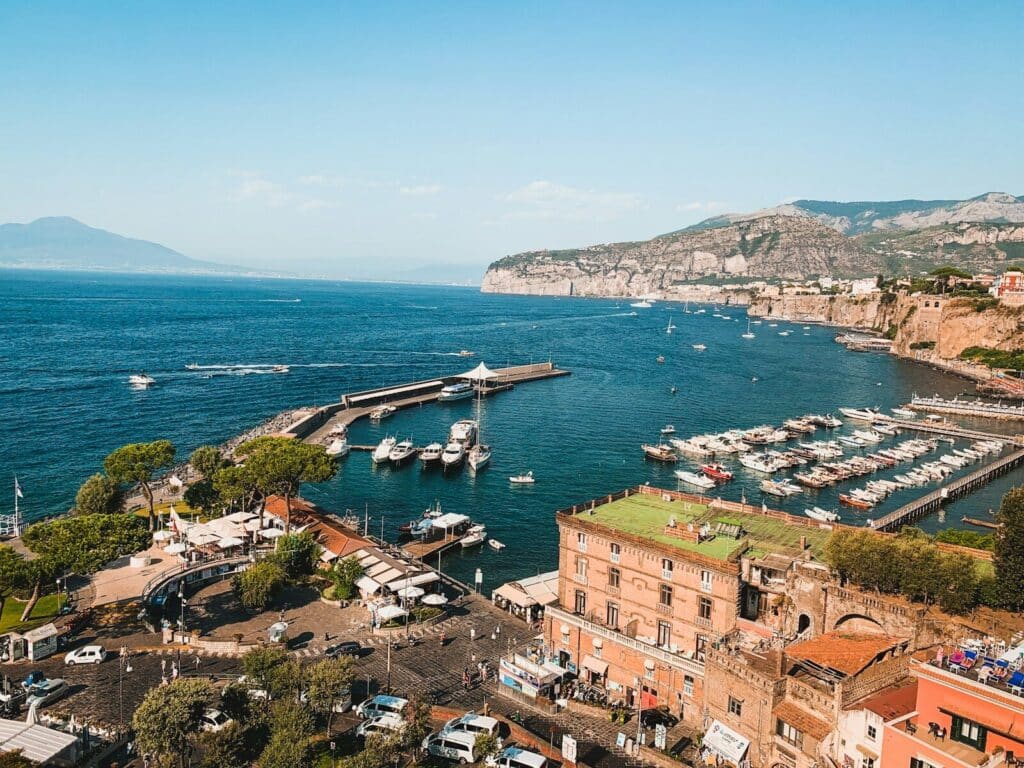
Beyond Amalfi: Contrasting Sorrento and Ravello
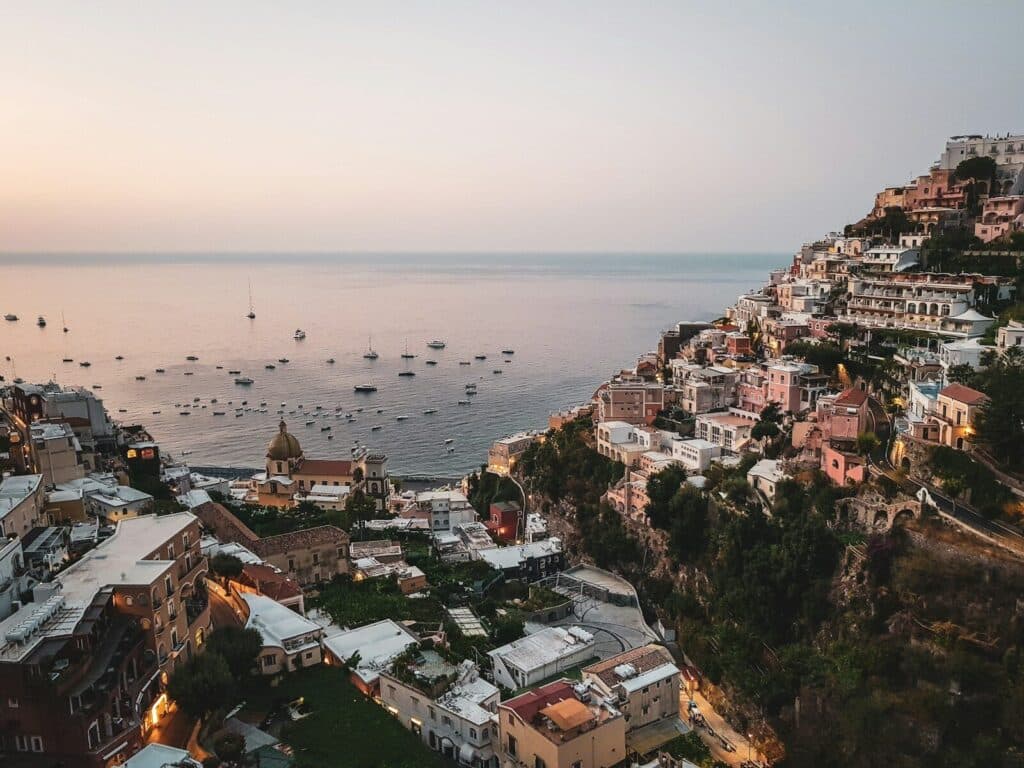
Positano vs Ravello: Where to Stay on the Amalfi Coast
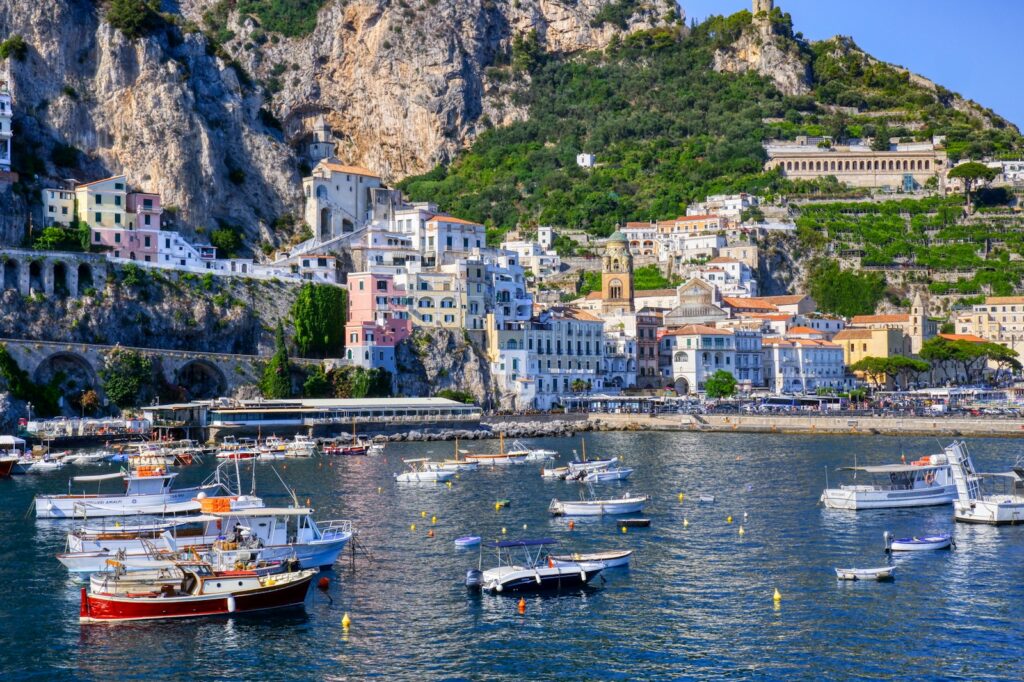
The Amalfi Coast Without the Crowds: Is It Possible?
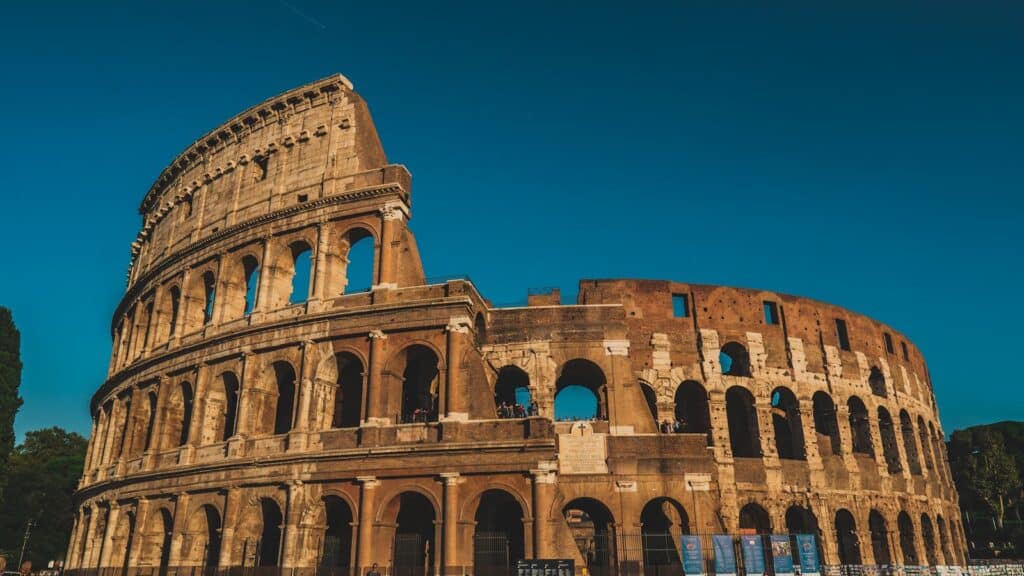
Can You Visit Rome Without the Crowds? The Honest Answer
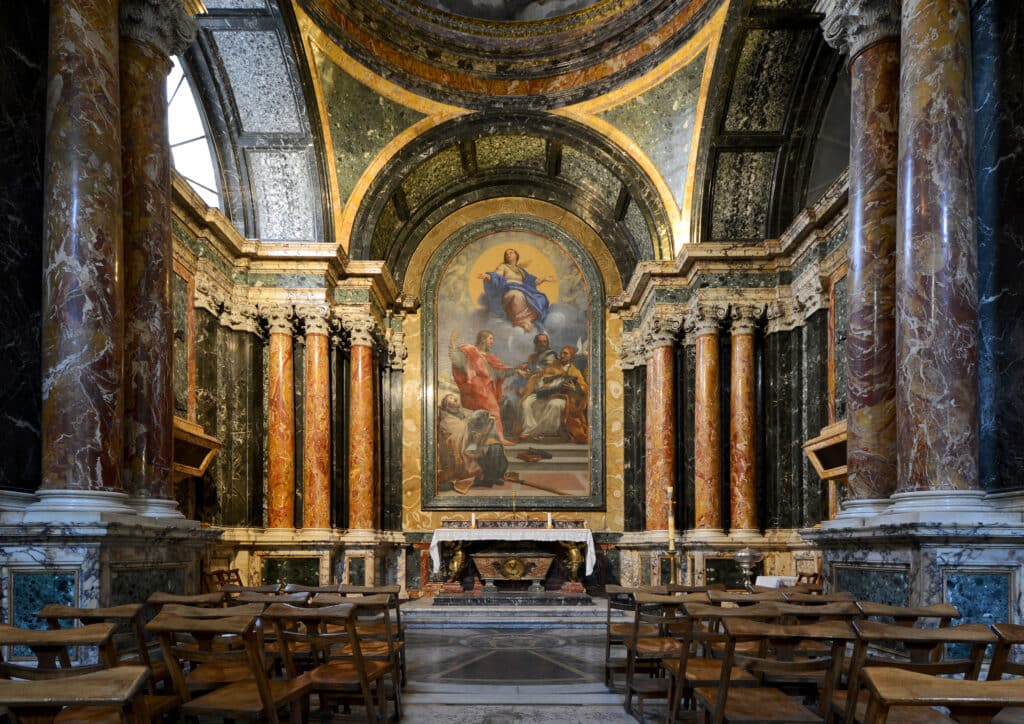
The Caravaggio Churches of Rome: An Insider’s Guide
How to Plan a Multi-Country Europe Honeymoon
Best Things to See in Milan for Art and Architecture Lovers
How to Spend a Day at Pompeii: A Practical Guide
24 Hours in Mantua: A Guide to Italy’s Hidden Renaissance City
24 Hours in Verona
Amalfi vs Positano: Where to Stay on the Amalfi Coast
Rome, without the rush

Serengeti to Shore: Honeymoons in Tanzania and Zanzibar