
A morning inside a Brunello estate outside Montalcino with the winemaker, covering five years of production and the decisions that separate a Brunello from the Rosso made from the same grapes.
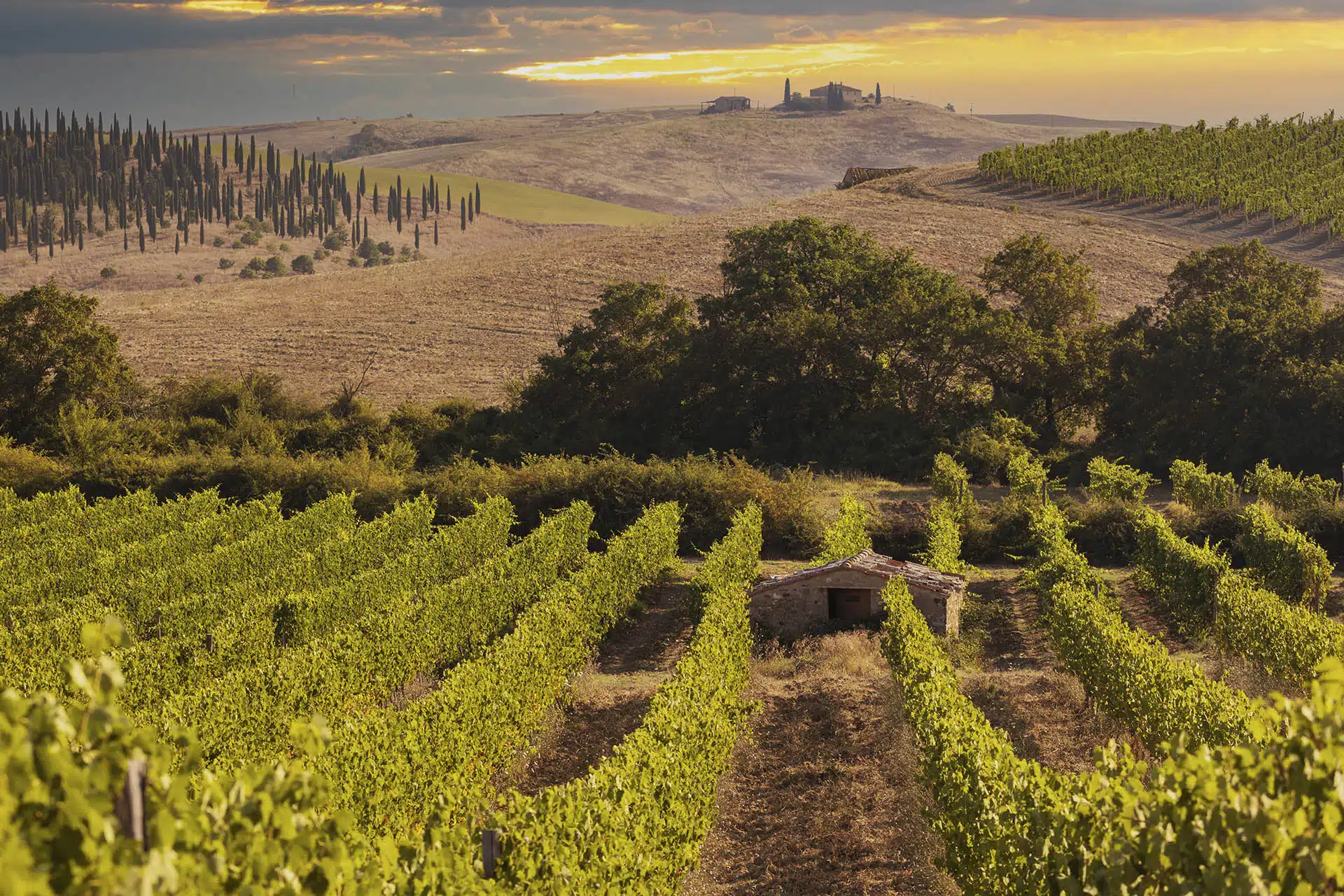
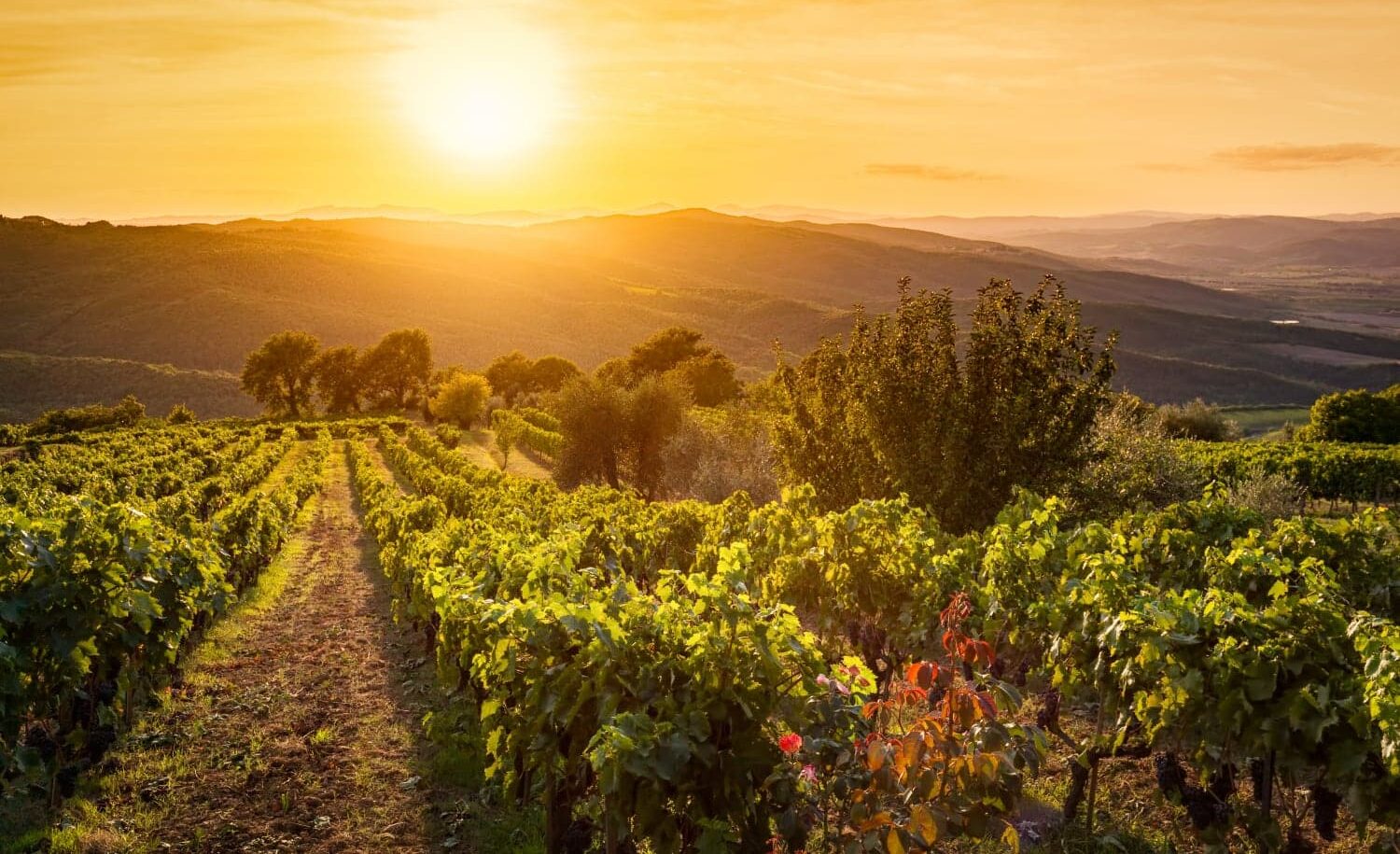
Montalcino is a medieval hill town in the southern Sienese hills, built on a ridge at 564 meters above sea level, surrounded by vineyards that produce one of Italy’s most significant wines. Brunello di Montalcino was among the first wines in Italy to be awarded DOCG status, in 1980, and its production regulations are among the strictest of any Italian denomination.
Every bottle is made from 100 percent Sangiovese, grown within the Montalcino DOCG zone, aged for a minimum of two years in oak and four months in bottle, and not released until January 1 of the fifth year after harvest. The wine that reaches the glass has spent five years in the same cellar where a morning’s visit begins.
A private cellar visit is not a tasting room experience. The tasting room presents the finished wine in a controlled setting designed for the visitor. The cellar presents the wine in the context of how it was made, who made it, and what the decisions made at each stage of production mean for what ends up in the bottle. The difference between the two is the difference between understanding what Brunello tastes like and understanding why it tastes the way it does.
About Do Not Disturb
Do Not Disturb is a luxury travel company specializing in carefully designed journeys and considered experiences. Each itinerary we build for our clients is informed by real destination knowledge, offering insight into places, cultures, and moments that shape how a trip comes together.
If this destination has sparked ideas, the itinerary can be developed into a private journey tailored to your interests and travel style, with hand-picked stays, thoughtful routing, and experiences curated around what matters most to you.
Cultural and Historical Context
The history of Brunello di Montalcino begins in 1865, when winemaker Ferruccio Biondi-Santi isolated the particular Sangiovese clone that produced the wines the area was becoming known for. By the end of World War II, his firm was the only commercial producer on record, having declared just four vintages since 1888.
By 1980 there were 53 producers, and today there are nearly 200, mostly small family estates. The growth from one producer to two hundred in little over a century is the story of how a wine moves from a local reputation to a global one.
Rosso di Montalcino DOC is made from the same Sangiovese as Brunello but released to market on September 1 of the year following harvest, representing a different set of decisions at the producer level.
In a strong year, a producer making both wines is deciding which barrels will carry the aging burden of the Brunello and which will be released early as Rosso. Tasting both from the same vintage with the winemaker who made those decisions is the most direct way to understand what the DOCG regulations mean in practice.
Why Private or Small-Group Access Matters
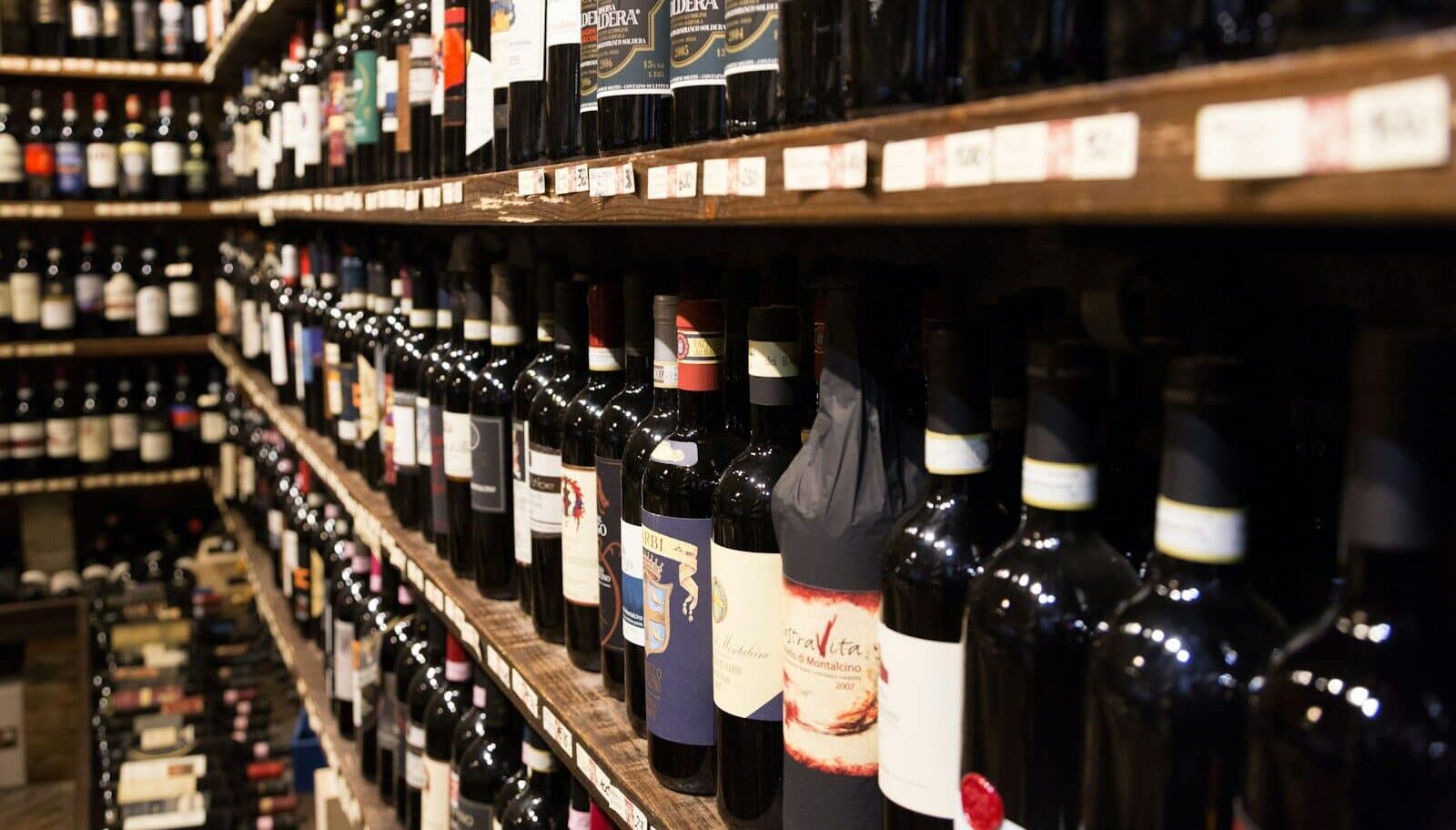
A private cellar visit with the winemaker removes the constraints of the standard tasting room format. Multiple vintages of the same wine can be opened alongside each other, which is the only way to understand how the wine changes across the years and what a strong vintage produces compared to a difficult one.
The winemaker explains the decisions made in a specific year, the choice between Slavonian oak and French barrique, the length of maceration, the time spent in barrel, and what each decision contributed to the character of that vintage.
The conversation also operates differently in a private setting. There is no group pace to manage and no ground that everyone needs to cover. The morning follows what the guest is most interested in, whether that is the technical production process, the estate’s history, the difference between individual vineyard plots, or the relationship between the Brunello and the Rosso made from the same fruit in the same year.

What You See
The cellar holds wine at multiple stages of its five-year journey from harvest to release. The barrels of the current vintage sit alongside those of previous years, each at a different point in the aging process. The mandatory two years in wood can be spent in large Slavonian oak casks, the traditional approach, or in smaller French barriques, which produce a different style.
Brunello can age for a minimum of ten years and in the best vintages for thirty years or more. Tasting a recently released vintage alongside a wine from a decade earlier is the most direct demonstration of that capacity, and the difference between the two in the same glass session is part of what the private format allows.
The vineyards that surround the cellar are part of the visit. North-facing slopes ripen more slowly and produce wines that are racier and more aromatic, while south and west-facing slopes produce more power and complexity. Walking the vineyard with the winemaker, who knows each plot and what it contributes, gives the tasting that follows a context that changes how the wines read.

How Do Not Disturb Makes This Possible
Do Not Disturb works with a small number of Brunello estates whose winemakers give genuine cellar access rather than the standard tasting room format. The estate is selected around the guest’s interest, whether that is a traditional producer working in Slavonian oak, a more contemporary estate using French barrique, or a family whose history within the denomination extends across multiple generations. The timing is planned around the estate’s own production calendar, with harvest in September and October offering the cellar in active use.
Ready to plan your private cellar visit in Montalcino and experience Brunello from the inside? Speak with Do Not Disturb to begin your journey.
Plan your own version of this journey
Speak to Do Not Disturb’s luxury travel experts and turn this moment into something personal.
Related destinations
Suggested articles
Chianti’s Luxury Villas: Stay Like a Renaissance Noble
Where to Go On Honeymoon? A Guide to Help You Choose

Lake Como vs Lake Garda: Which Italian Lake Is Right for You?
Positano vs Ravello: Where to Stay on the Amalfi Coast

Venice Without the Crowds: Is It Possible?

Sardinia vs Sicily: Which Italian Island Is Right for You?

Experiencing Florence Without the Crowds

Portofino and the Italian Riviera: Italy’s Most Stylish Coastline
Venice for Art Lovers: Palaces, Churches and Private Views

Romantic Florence: The Ideal Italian Honeymoon

Beyond Rome: Italy’s Most Beautiful Cities

Beyond Amalfi: Contrasting Sorrento and Ravello

Positano vs Ravello: Where to Stay on the Amalfi Coast