

Finland’s glass igloos have become one of the most recognizable symbols of Arctic luxury travel, and for good reason. Few experiences place you this close to the natural world while keeping you this comfortable. Knowing what to expect ahead of time will help you enjoy all the magic that makes a glass igloo stay so spectacular, from the engineering behind the glass to the wilderness waiting beyond it.
What is a Glass Igloo?
Few travel experiences offer such a direct relationship with the natural world. Glass igloos are designed around one idea: positioning you beneath the Arctic sky while keeping you warm, comfortable, and sheltered from conditions that regularly fall below -20°C.
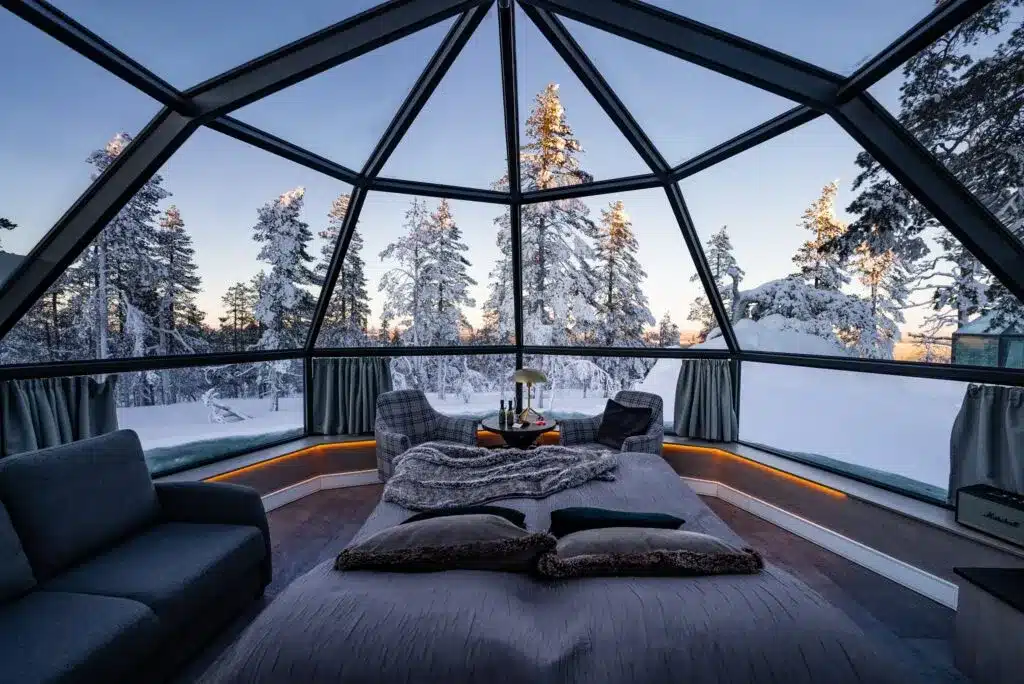
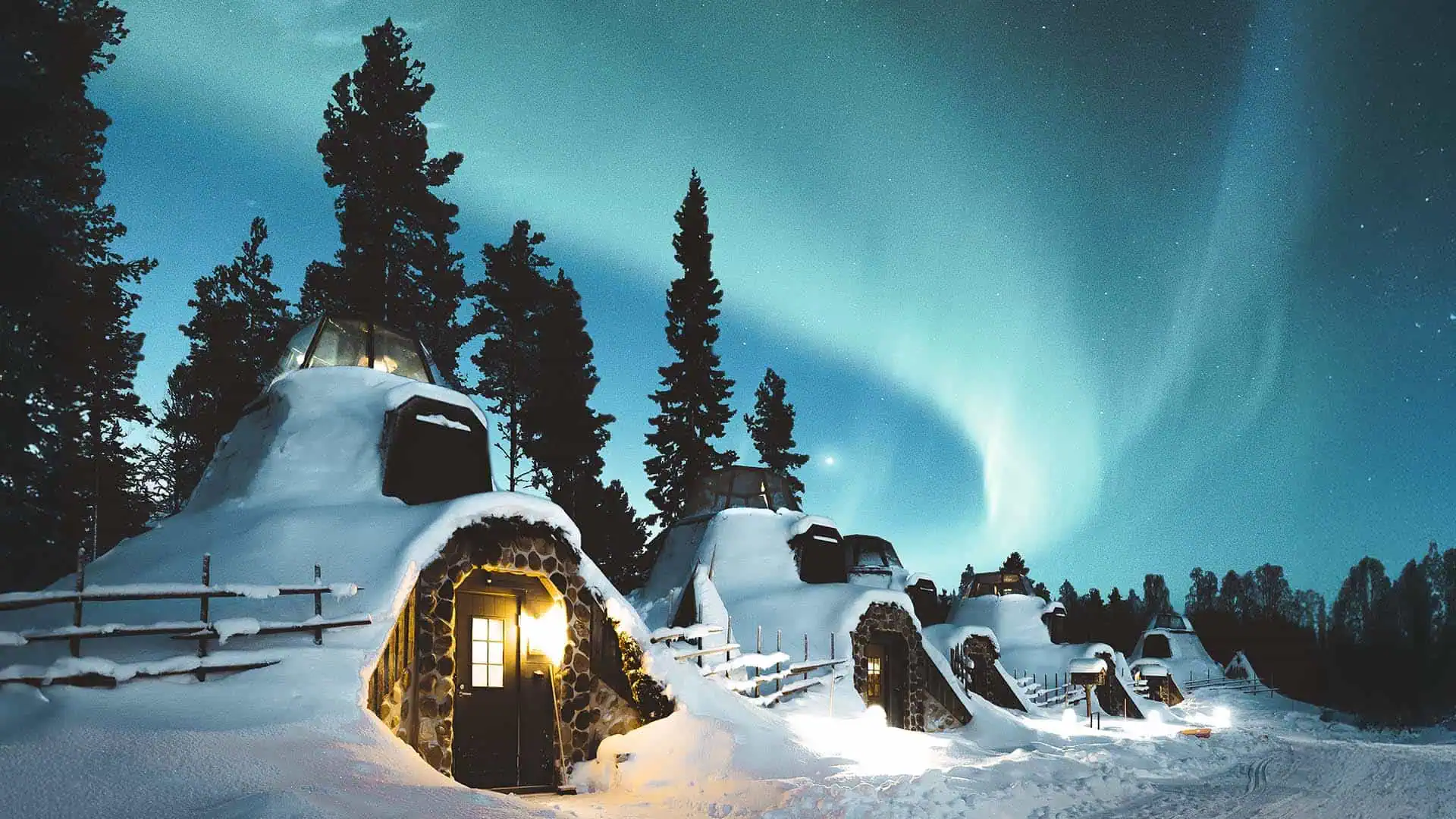
The structures are compact and deliberate. A bed facing upward, a private bathroom, and little else. The glazed ceiling is engineered to retain heat, resist condensation, and maintain full visibility through the coldest nights. What fills that view changes constantly: snowfall, stars, and on fortunate evenings, the Northern Lights.
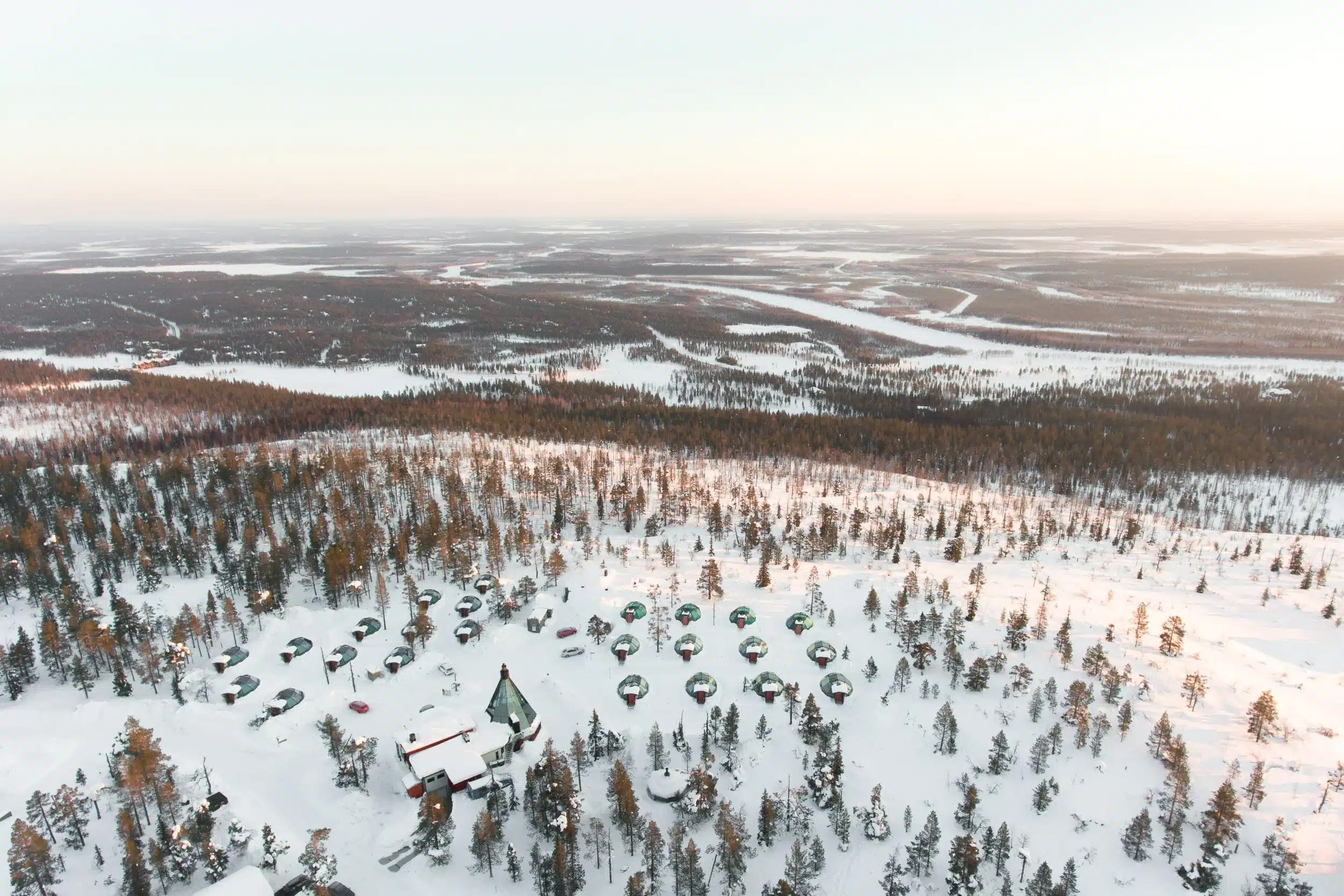
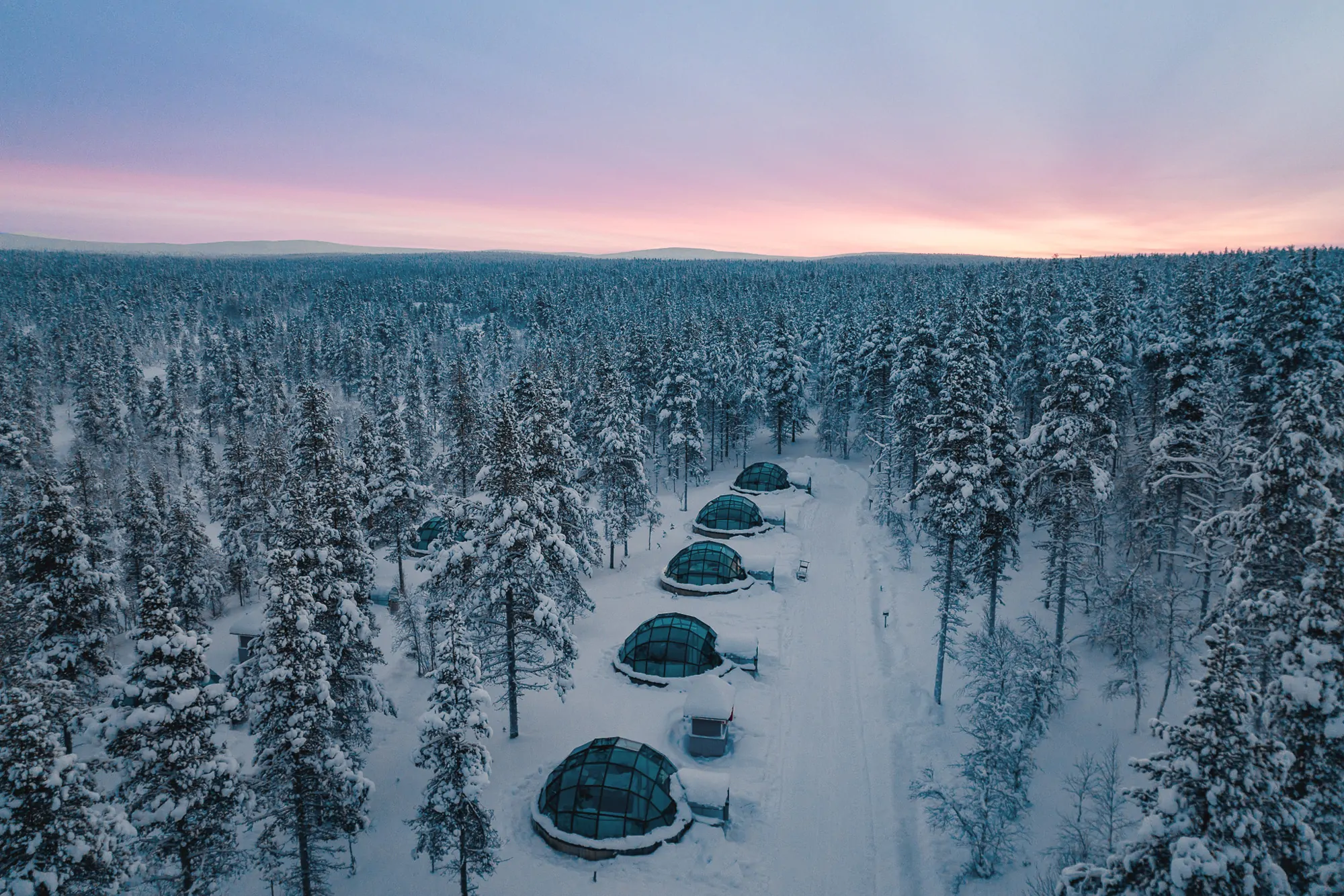
Each igloo stands independently across snow-covered grounds, with no shared lobbies or corridors between them. The result is a combination of privacy and openness that conventional hotels cannot replicate. Few places offer this level of connection with the world beyond the glass while keeping you entirely warm and sheltered.
About Do Not Disturb
Do Not Disturb is a luxury travel company specializing in carefully designed journeys and considered experiences. Each itinerary we build for our clients is informed by real destination knowledge, offering insight into places, cultures, and moments that shape how a trip comes together.
If this destination has sparked ideas, the itinerary can be developed into a private journey tailored to your interests and travel style, with hand-picked stays, thoughtful routing, and experiences curated around what matters most to you.
Why Location Matters
Most glass igloo operations are concentrated in two areas of Finnish Lapland: the Saariselkä region in the far north, where Kakslauttanen sits, and Rovaniemi to the south. Each sits above the Arctic Circle, but their differences in light pollution, landscape, and infrastructure are significant enough to affect what the experience actually delivers.
Kakslauttanen, located near Saariselkä in the far north, sits roughly 250 kilometers above the Arctic Circle and benefits from lower light pollution than more populated areas. This matters directly for aurora visibility. Rovaniemi, by contrast, is a regional city with an international airport and a well-developed tourism infrastructure. Its accessibility makes it the most convenient base, but urban light pollution reduces the likelihood of clear aurora viewing from the igloo itself.
Saariselkä occupies a middle position, with reasonable access to fell terrain and cross-country ski routes while remaining less urbanized than Rovaniemi. Travellers prioritising aurora conditions should weigh darkness and latitude heavily. Those combining the igloo stay with broader Lapland activities may find proximity to transport and guided services the more practical consideration.
The Northern Lights Question
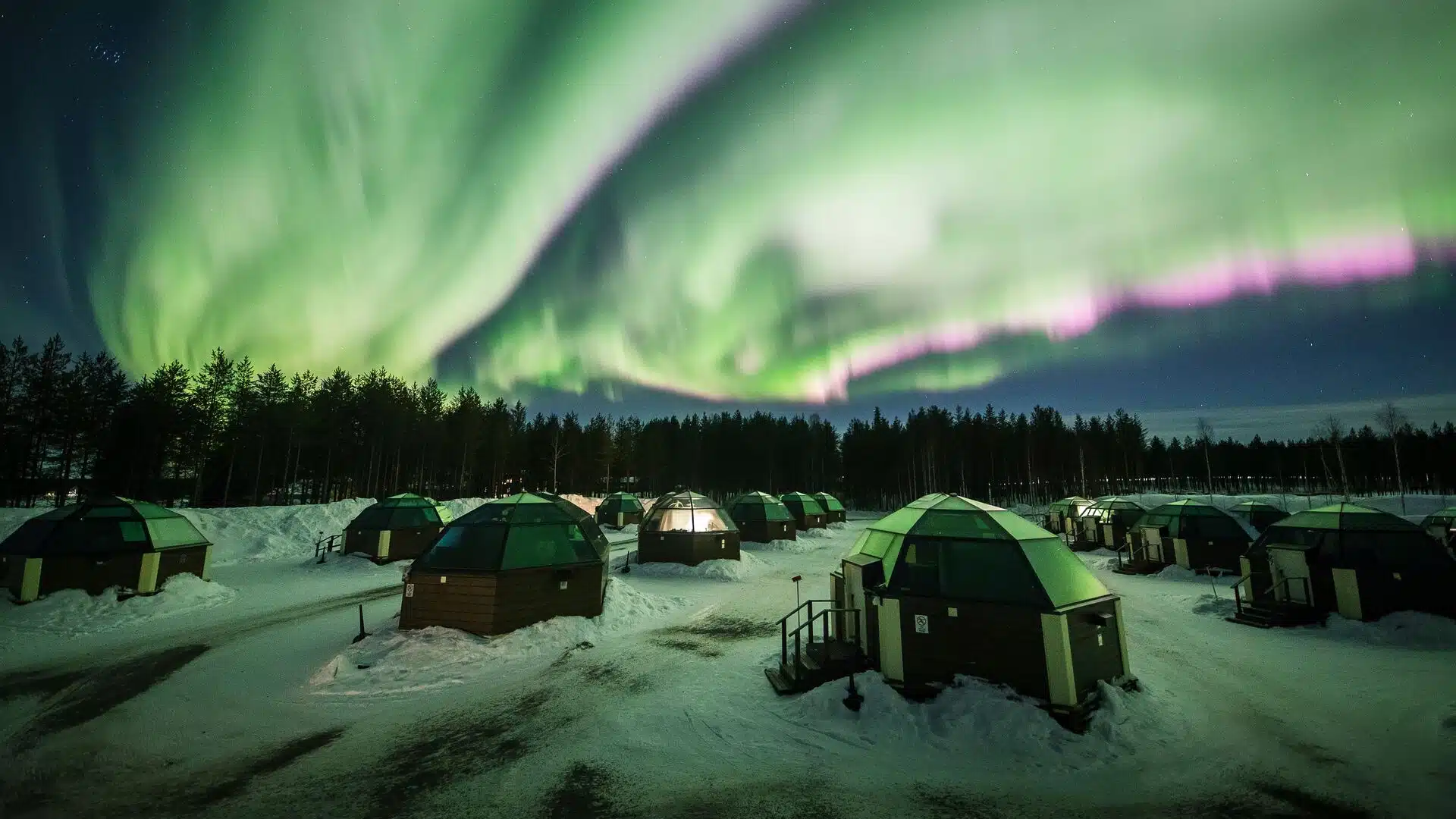
The aurora borealis requires three conditions to be visible: geomagnetic activity, clear skies, and sufficient darkness. In Finnish Lapland, the astronomical window runs from late August to mid-April, when nights are dark enough. Within that window, the strongest probability falls between November and February. September and March offer a secondary advantage: longer nights without the extreme cold that limits comfort and mobility.
Cloud cover is the most consistent obstacle. Finnish Lapland averages cloud cover on roughly 70 to 80 percent of winter nights, meaning a one-week stay carries a realistic chance of zero visible aurora. A three-night booking is statistically insufficient. Most travellers who witness a meaningful display have either stayed for seven or more nights or visited multiple times.
The Northern Lights are best understood as a possibility rather than a promise. The most rewarding stays tend to be those where the aurora is treated as one part of a broader Arctic experience. A clear night and a strong display may become the defining memory of the trip, but the appeal of a glass igloo extends beyond that single moment to the silence and true sense of immersion into the Finnish landscape that few other forms of accommodation can match.
Seasonality, Darkness, and the Polar Night
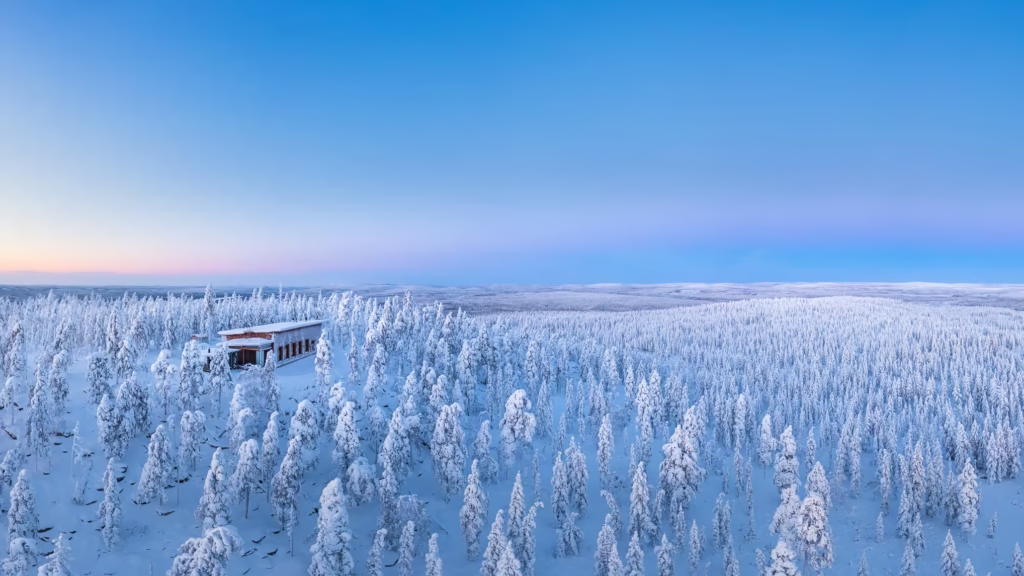
The Finnish Arctic operates across three distinct phases that shape what a glass igloo stay actually delivers. The polar night, known as kaamos, runs from late November through January in Lapland, during which the sun does not rise above the horizon for weeks at a time. This period offers the longest hours of darkness and, by extension, the highest statistical probability of aurora activity, but it also means daytime excursions take place in low, blue-toned light rather than full daylight.
Peak aurora season extends from late August through March, covering a wider window than most travellers assume. September and October offer a practical balance: darkness sufficient for aurora viewing, functional daylight hours, and generally milder temperatures than midwinter. February and March bring clearer skies on average, which improves visibility conditions, though cold is more sustained.
The shoulder months of November and April sit at opposite ends of the season. November transitions into polar darkness with unpredictable snow cover. April sees returning daylight that significantly reduces aurora hours, making it a weaker choice for travellers whose primary objective is the Northern Lights.
How Luxurious Can Glass Igloos Be?
The concept prioritises immersion in the landscape above almost everything else, which means many properties keep their structures compact and relatively simple. Space is limited, facilities are often minimal, and the focus remains firmly on the view beyond the glass. For some travellers, that simplicity is precisely the appeal.
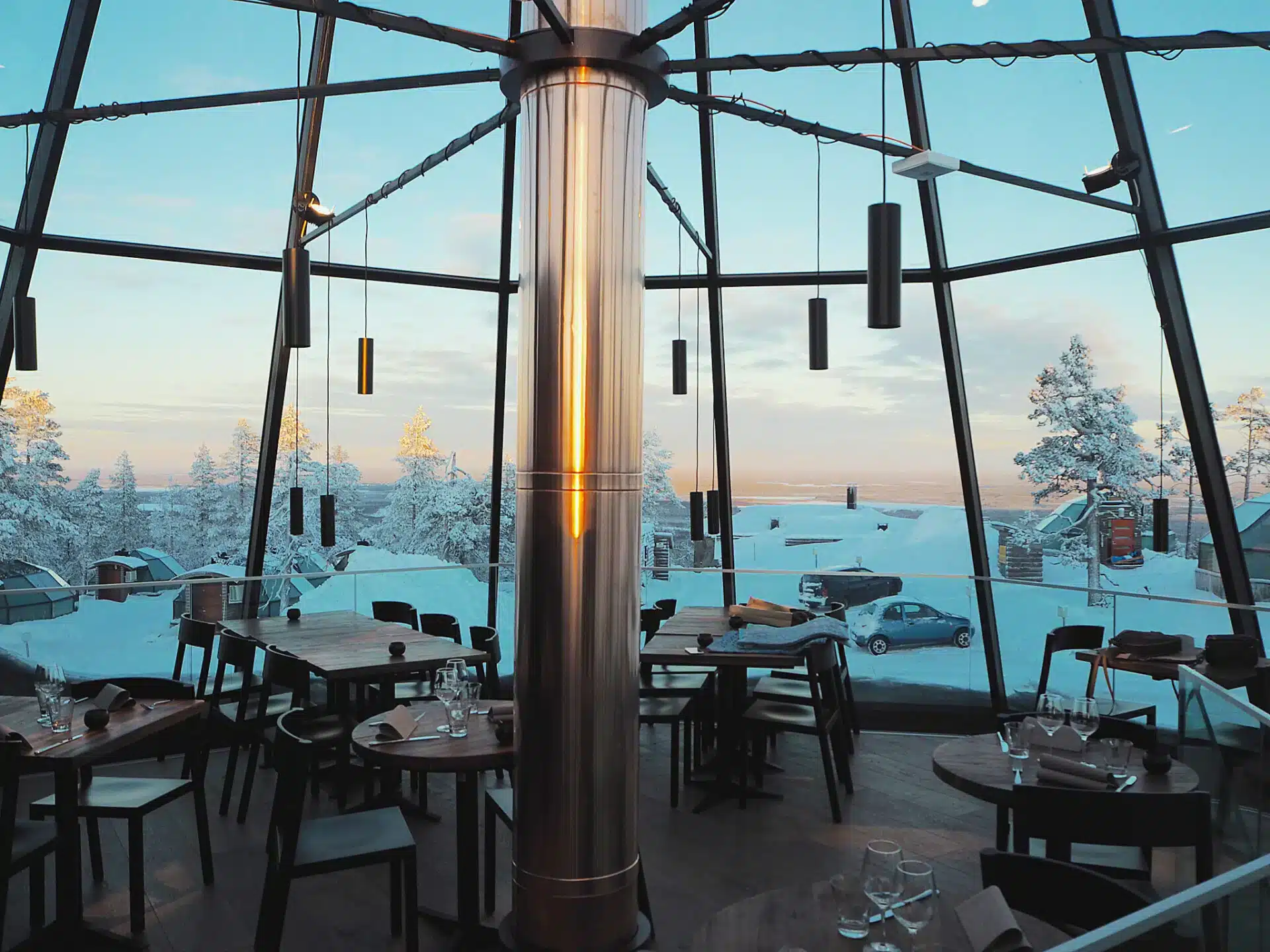
Others expect more, and the market has responded. Some resorts have pushed the concept considerably further: private outdoor hot tubs, premium suites, and glass-roofed dining rooms that extend the experience well beyond the igloo itself. Others combine panoramic glazing with significantly larger footprints, private saunas, and separate living areas, creating something much closer to a traditional luxury suite.
The distinction matters. Two glass igloos can look remarkably similar in photographs while delivering very different experiences on the ground. Knowing which property suits you and what to look for beyond the photographs is where the right advice makes a material difference. Do Not Disturb can tailor the experience to your desired level of luxury.
Are Glass Igloos Worth It?
The answer depends on what you expect them to be.
Glass igloos are often sold around a single moment: the Northern Lights appearing overhead in the middle of the night. The most rewarding stays, however, tend to be those where the aurora is treated as one part of a broader Arctic experience rather than the entire reason for the journey.
The strongest resorts understand this, pairing the landscape with thoughtful hospitality: private saunas, outdoor hot tubs, exceptional dining, and access to the wilderness beyond the door.
Approached in isolation, a glass igloo is simply an unusual room. Combined with the forests, frozen lakes, and long Arctic nights that surround it, it becomes the centrepiece of something far richer. Husky sledding through birch forest, reindeer herding with Sámi guides, snowmobile expeditions across open tundra, a traditional smoke sauna on the edge of a frozen lake: Finnish Lapland offers a depth of experience that few winter destinations can match.
That, ultimately, is the appeal. Not just the possibility of seeing the Northern Lights, but the opportunity to spend a few days immersed in one of Europe’s most distinctive winter environments, with a front-row seat to whatever the Arctic chooses to reveal.
Plan your own version of this journey
Speak to Do Not Disturb’s luxury travel experts and turn this moment into something personal.
Related destinations
Suggested articles
Best Luxury Hotels in Finnish Lapland
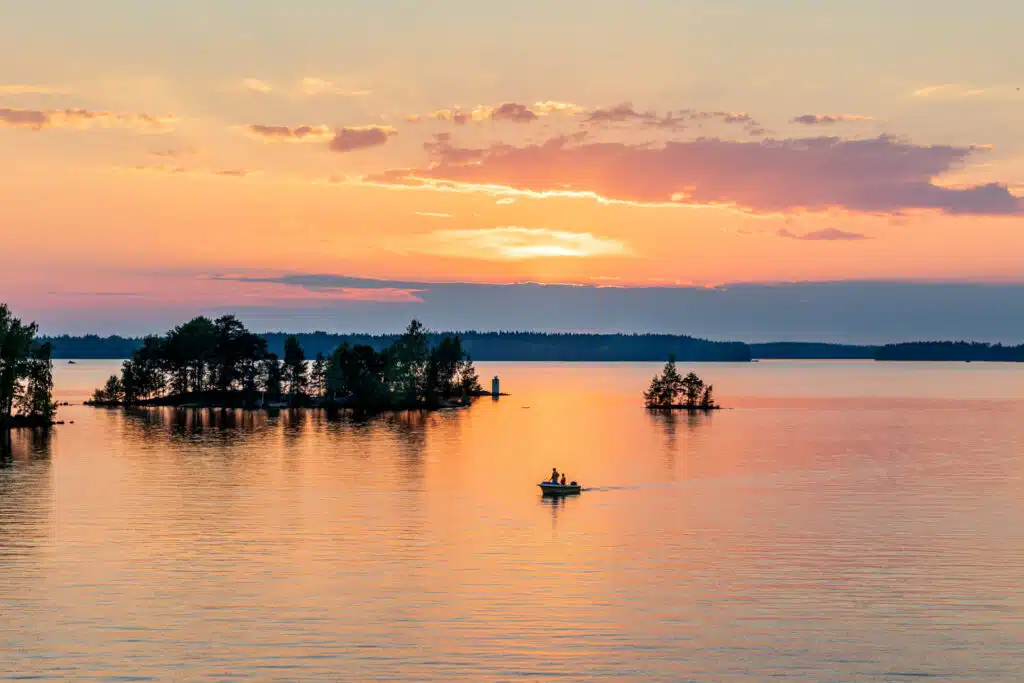
Plan Your Honeymoon in Finland

What Finland Gets Right About Wellness

48 Hours in Helsinki

Best Glass Igloo Hotels in Finland

Best Winter Sun Honeymoon Destinations in Europe

Portugal vs Spain for Your Honeymoon – Which Should You Choose?
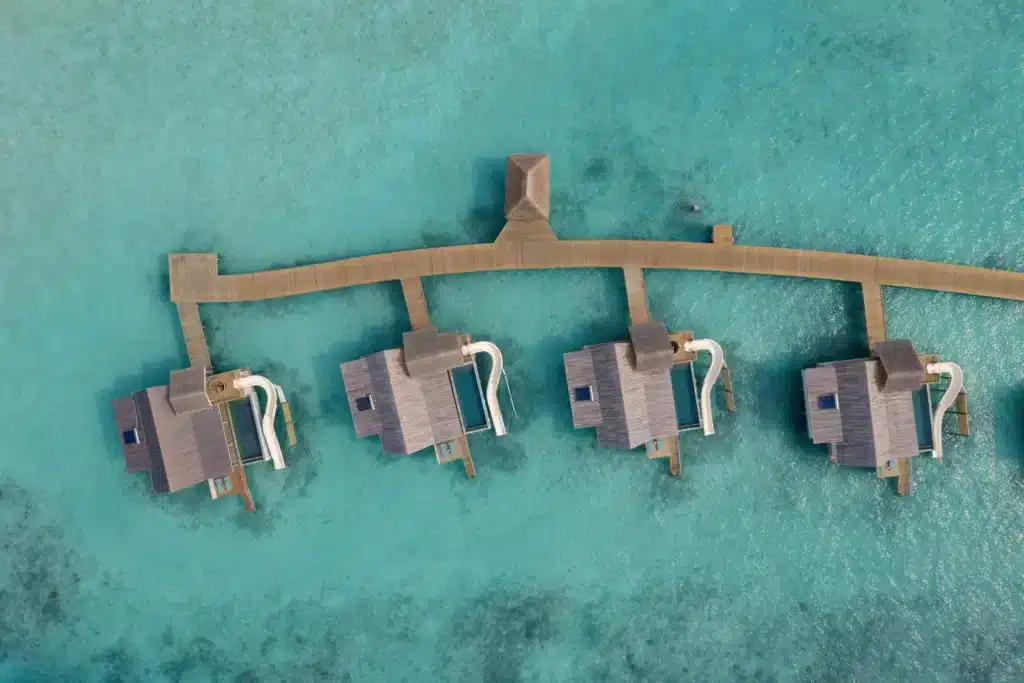
One Island or Two? Splitting Your Maldives Honeymoon Between Resorts

Best Honeymoon Destinations for Autumn

Italy vs Greece for Your Honeymoon – Which is Better?
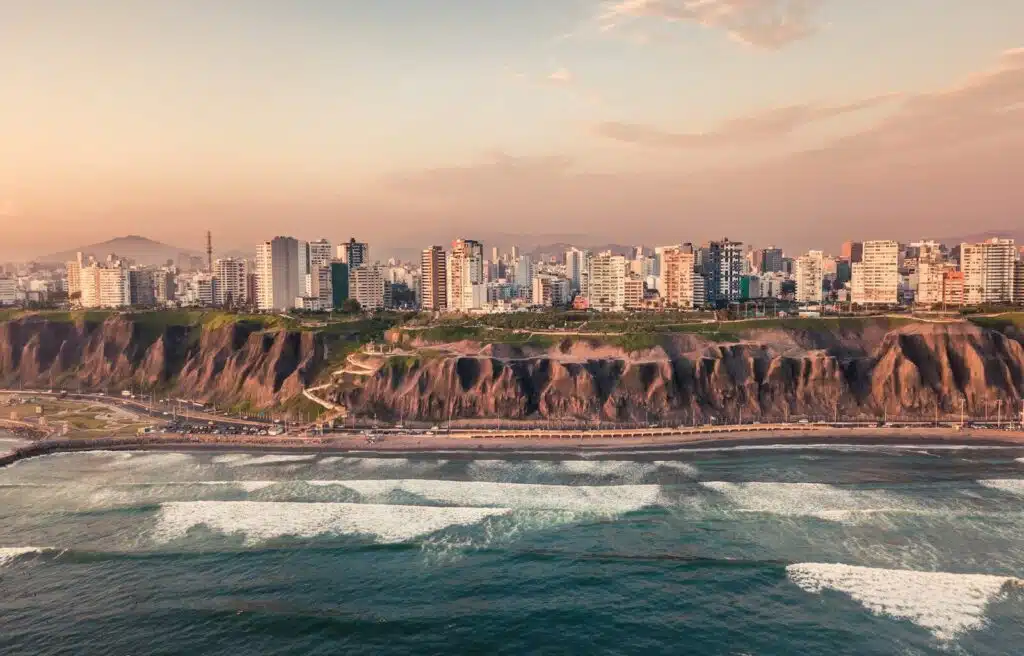
48 Hours in Lima: Where to Eat, Stay and Explore

A Cultural Honeymoon in Peru: Machu Picchu, Cusco, the Sacred Valley and the Amazon

Peru or Mexico: Which Ancient Civilisation Should You Visit First?