



7 days
|£5,740

Vatnajökull covers around eight percent of Iceland’s total surface and sits in the south-east of the country, with outlet glaciers reaching toward the coast. Each winter, meltwater tunnels that form through the glacier freeze over, producing ice caves available from October through March before collapsing each spring.
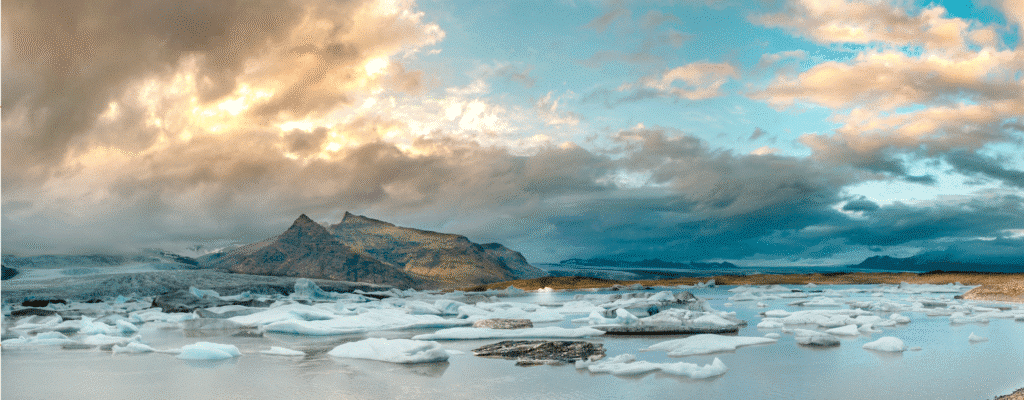
The tour begins at Jökulsárlón Glacier Lagoon on the south-east coast, where icebergs calved from Breiðamerkurjökull float across the surface before drifting into the Atlantic.
From the lagoon, a modified super jeep carries the group to the edge of the glacier in around 25 minutes. A short walk leads to the glacier surface, and a guided walk of around ten to fifteen minutes brings the group to the cave entrance.
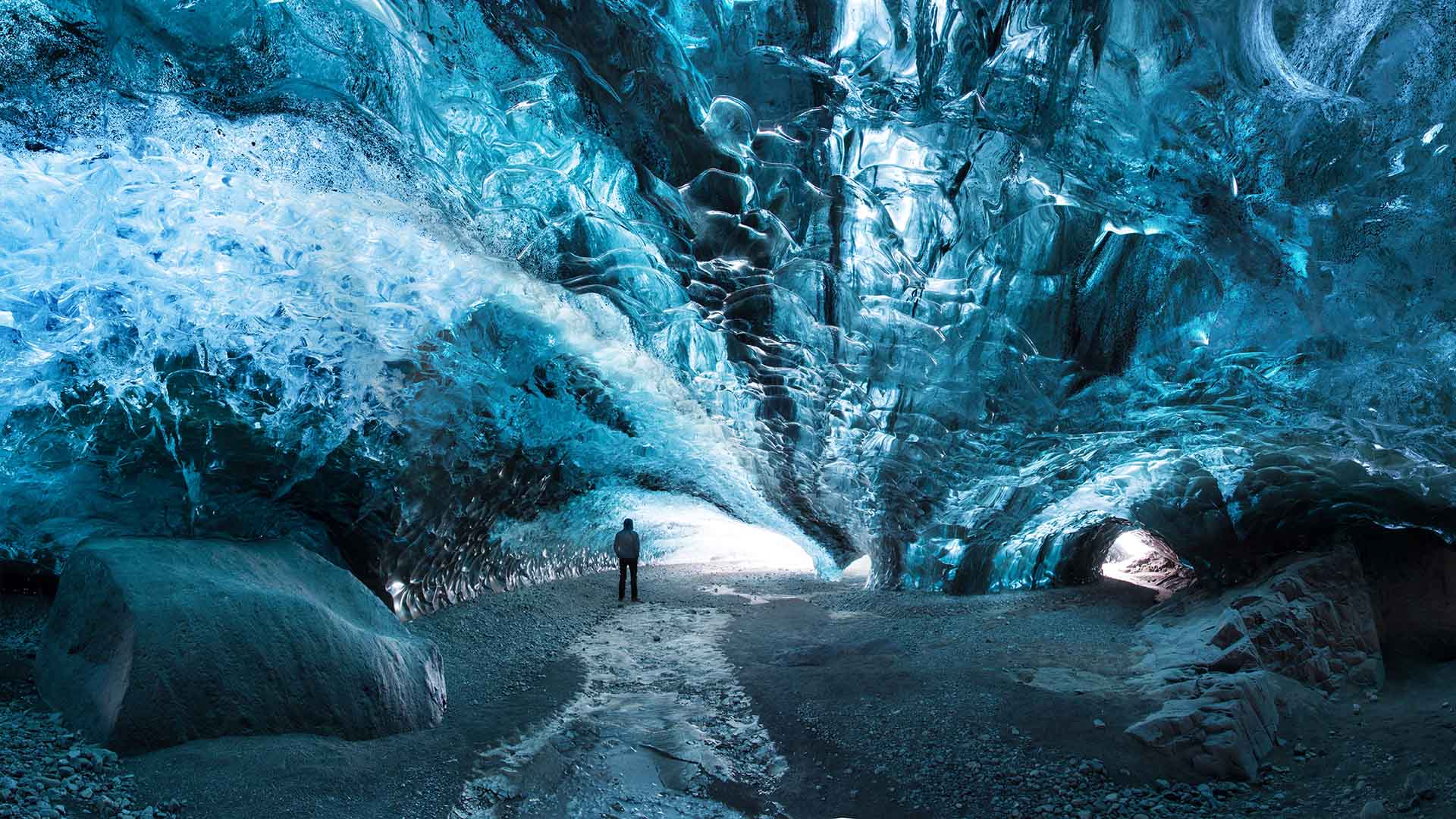
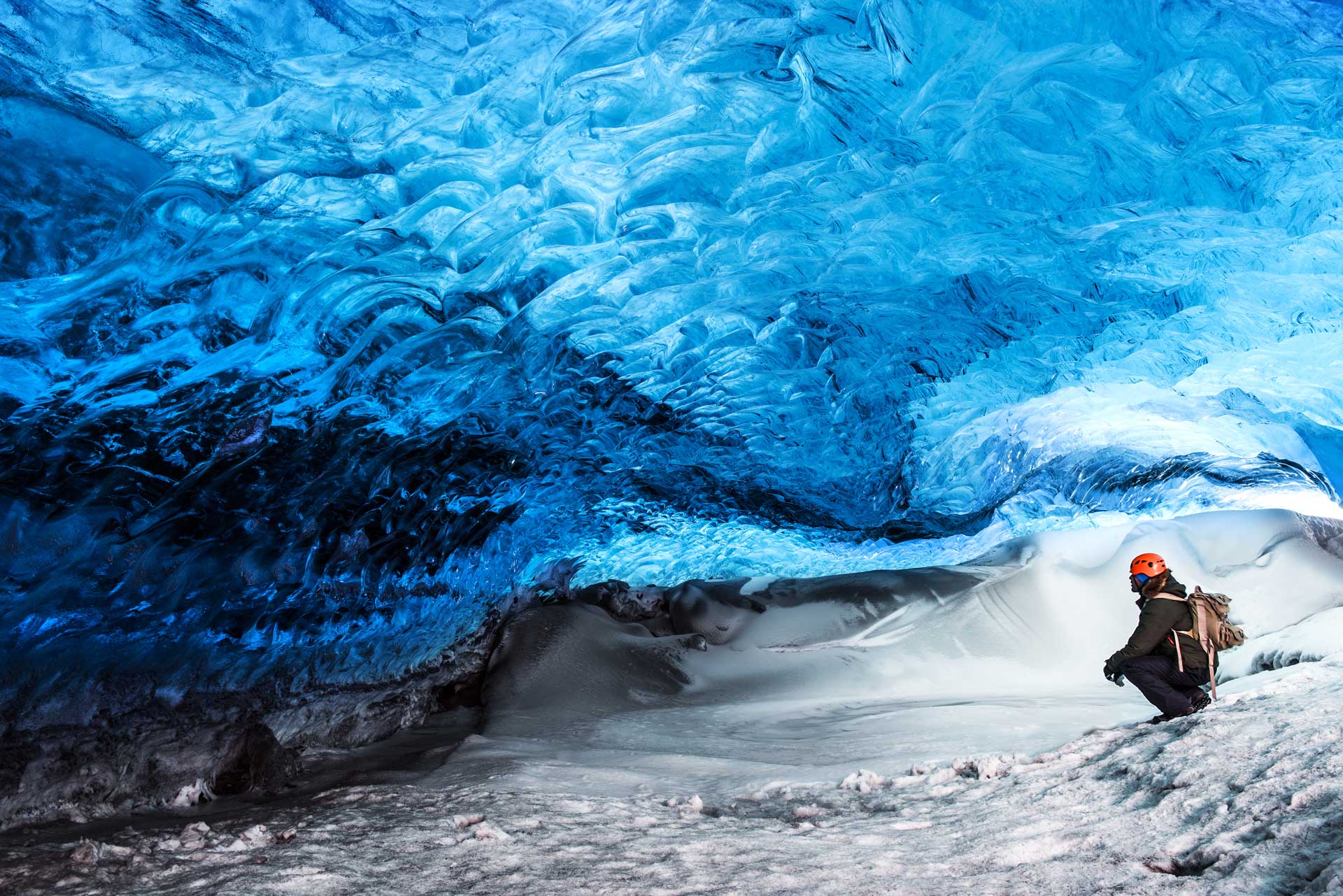
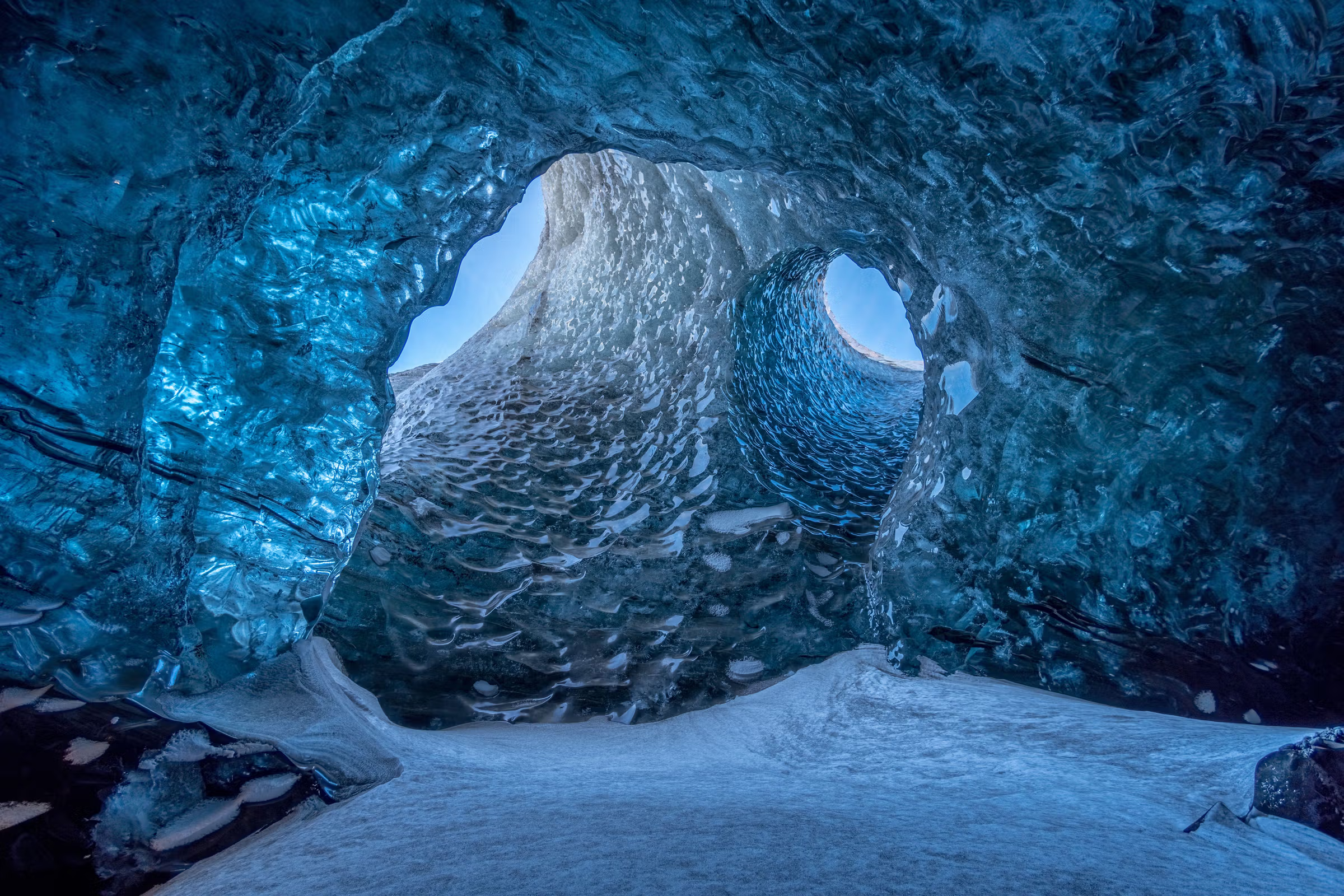
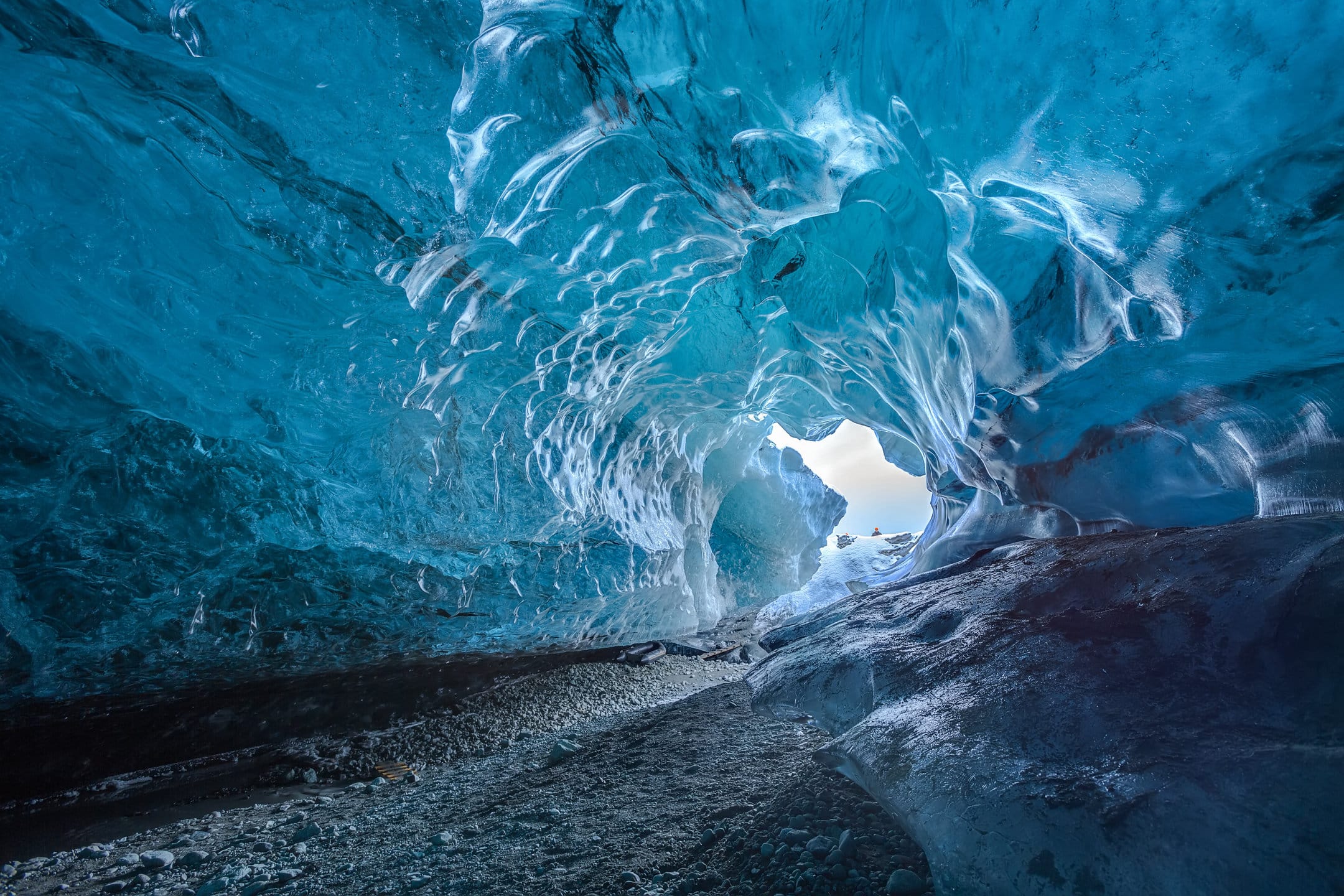
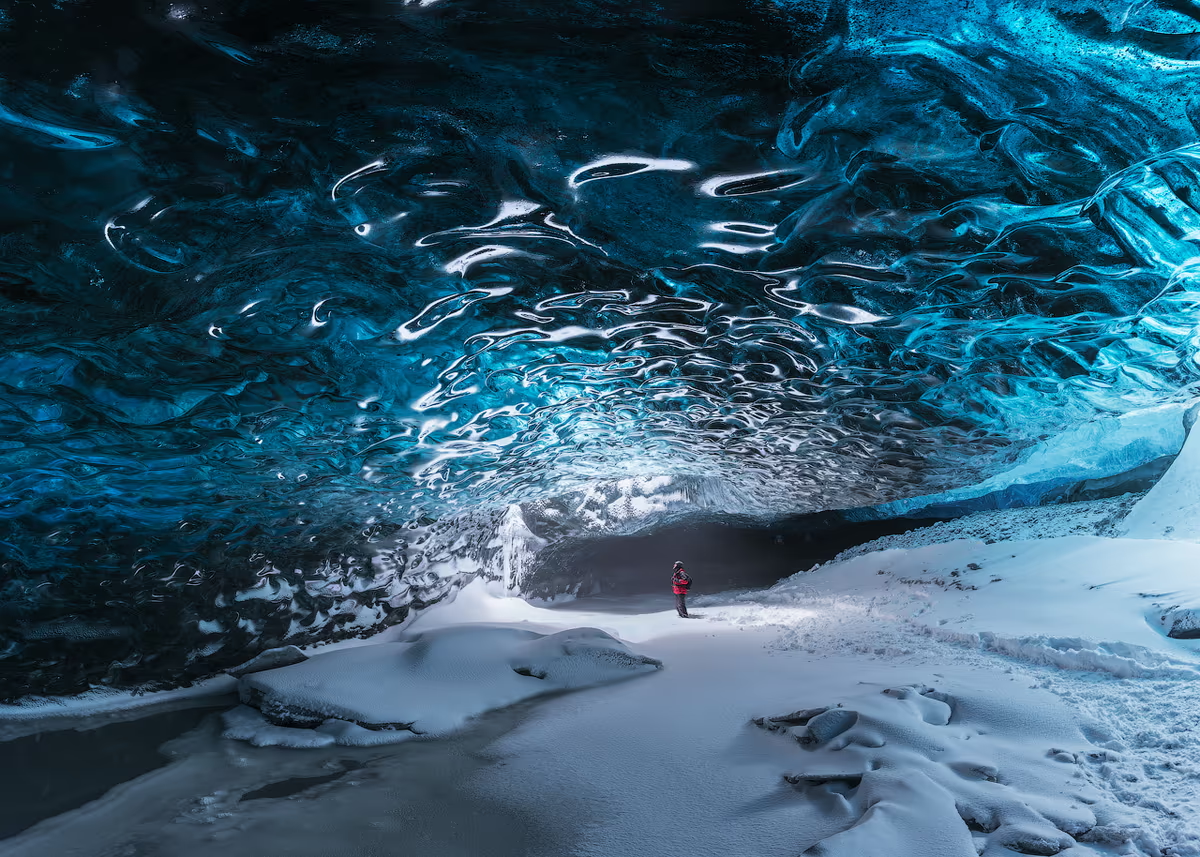
Inside, the walls run through blue and white, with streaks of volcanic ash moving through the ice in dark lines that mark eruptions from beneath the glacier. The light enters from the cave opening and refracts through the ice, changing across the day as the angle of the sun shifts.
By midday, as more tours move through, the conditions in the cave change with the volume of people and the heat they bring.
Do Not Disturb is a luxury travel company specializing in carefully designed journeys and considered experiences. Each itinerary we build for our clients is informed by real destination knowledge, offering insight into places, cultures, and moments that shape how a trip comes together.
If this destination has sparked ideas, the itinerary can be developed into a private journey tailored to your interests and travel style, with hand-picked stays, thoughtful routing, and experiences curated around what matters most to you.
Vatnajökull covers 7,900 square kilometres and reaches a depth of up to 1,000 metres in places. Beneath the ice, several active volcanoes produce the geothermal heat that drives the meltwater system responsible for the caves.
The Grímsvötn volcano, which erupted in 2011, sits beneath the central plateau of the glacier. Bárðarbunga, which erupted in 2014, sits nearby. The volcanic ash from both eruptions is visible in the ice walls of many caves as dark horizontal bands, a direct geological record compressed into the glacier over time.
The ice caves form when meltwater cuts tunnels through the glacier during summer. As autumn temperatures drop, the meltwater drains or freezes and the tunnels become accessible.The glacier moves up to two metres per day in some sections, meaning the structures inside change constantly.
The season runs from October through March, with November through February tending to produce the most stable formations. In March, as temperatures rise, the melt cycle resumes and the caves begin to close.
7 days
|£5,740
7 days
|£6,565
7 days
|£4,845
Shared ice cave tours from Jökulsárlón carry groups of varying sizes on fixed schedules through the day. The most popular departure times, mid-morning through early afternoon, move the largest number of people through the cave in the shortest window. A cave that holds 20 people is a different space from the same cave with 6.
A private departure is set around the conditions of the day and the guide’s assessment of where the best formations are. The morning departure produces the clearest ice colour and the fewest people on the glacier, with the guide able to spend as long as the cave warrants in each section rather than moving to a schedule. For guests who want to photograph the cave, the private format gives time and positioning that a shared tour cannot.
A certified glacier guide who has been entering these formations daily through the season knows which sections of the ice show the volcanic ash layers most clearly and how the light moves through the space at different times of day. That knowledge changes what the visit produces.
The approach to the cave begins at the glacier edge, where crampons are fitted and the guide explains the conditions for that day. The glacier surface is uneven, with crevasses visible at the sides of the walking route and the ice underfoot ranging from hard and clear to softer sections worked by wind and frost.
The cave entrance is low in some formations and requires crouching to enter. Inside, the walls are ice compressed to a density that removes most of the air bubbles, producing the deep blue colour that characterises the glacier’s interior.The volcanic ash bands run horizontally through the walls at varying intervals, each one marking a specific eruption. The floor is ice and rock, uneven and requiring care.
The cave is cold throughout, typically between minus five and minus ten degrees Celsius. The silence inside the glacier is broken only by the movement of the group and occasional sounds of the ice settling. The full experience from the lagoon and back runs around three to four hours on a private tour, depending on conditions and time spent in the cave.
The ice caves at Vatnajökull change day to day, and the guide’s knowledge of current conditions is the most important variable in the quality of the visit. Do Not Disturb works with certified glacier guides based in south-east Iceland who enter the caves daily through the season and know which formations are strongest at any given point in the winter.
Private tour timing, transfer from accommodation on the south coast or from Reykjavík, and any additional Iceland experiences are coordinated in advance. The cave is chosen on the morning of the visit based on conditions, and the day is built around whatever it offers.
Ready to plan your ice cave visit at Vatnajökull in Iceland? Speak with Do Not Disturb to begin your journey.
Speak to Do Not Disturb’s luxury travel experts and turn this moment into something personal.
Related destinations
Suggested articles
Tell us how you want to feel, we’ll take it from there.
“Our trip was truly magical and full of core memories that will last us a lifetime.”
Michael • Bora Bora Honeymoon

“We just returned from an incredible journey through Ireland, and we couldn’t have had a better experience”
Brad • Ireland Adventure
“This was a flawless experience right from the beginning, we had so many thoughts and ideas flowing around and they took all of them and perfectly curated the most beautiful honeymoon for us.”
Kris • Sicily Honeymoon
 5 min read
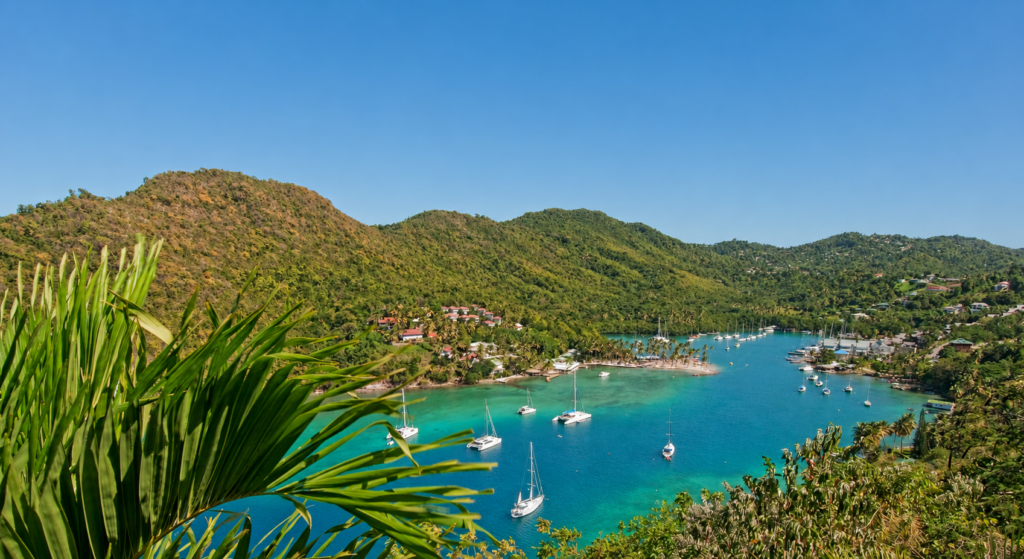
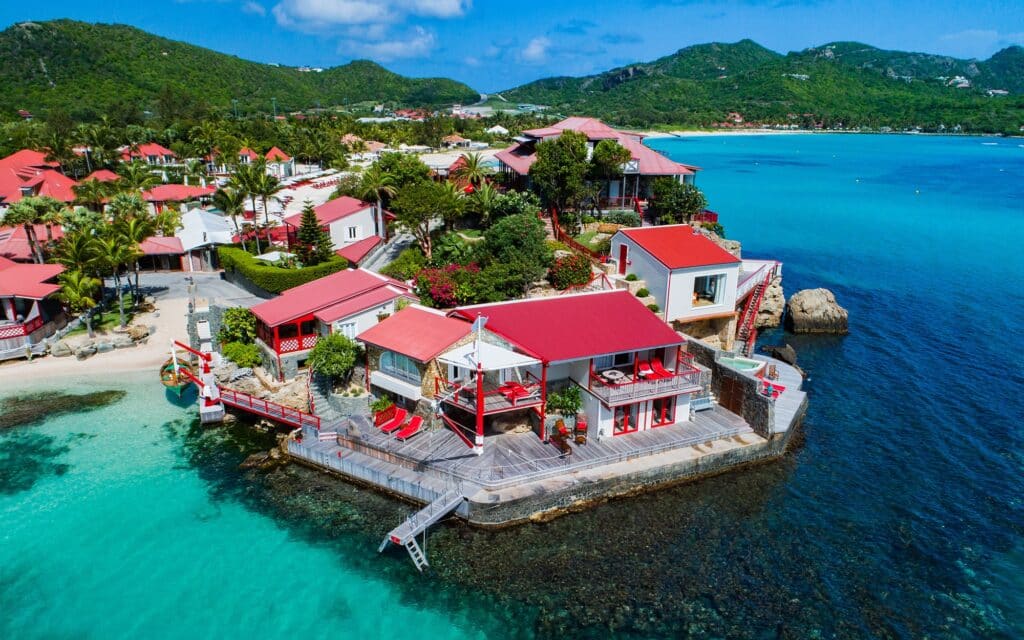
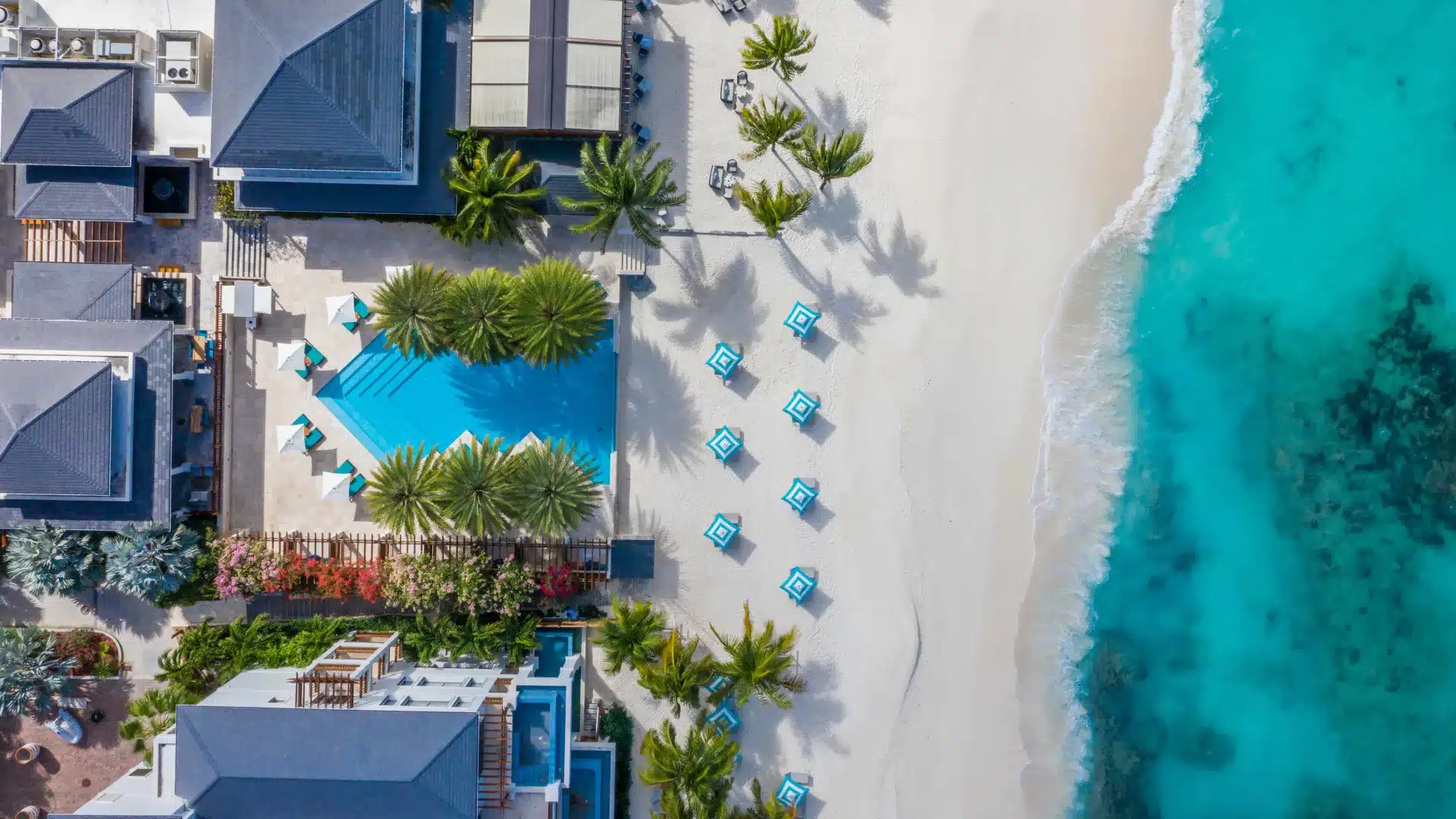
Discover Anguilla and St. Barths in one seamless journey. Pristine beaches, private villas, exceptional dining, and effortless island-hopping curated by Do Not Disturb.
 6 min read
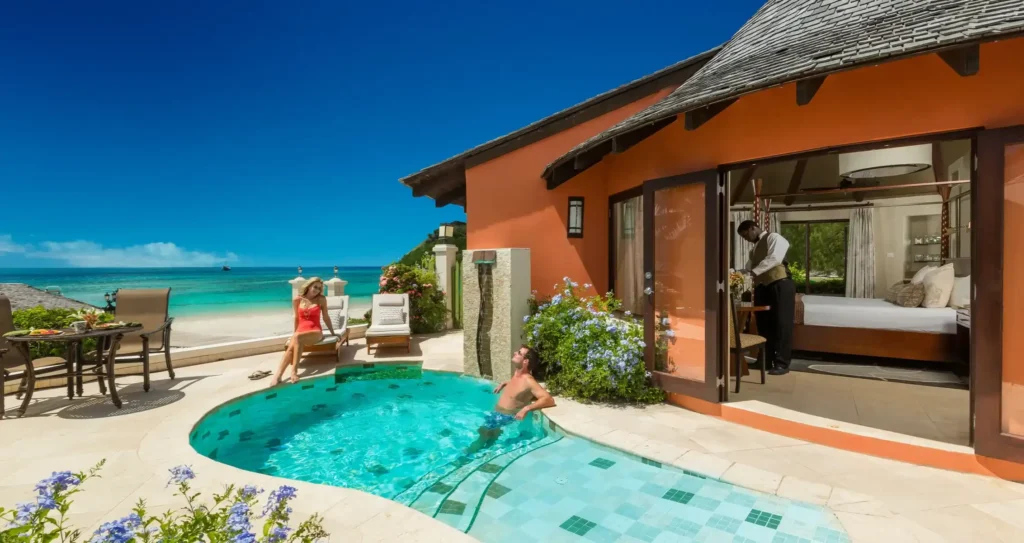
St Lucia has quietly become one of the Caribbean’s most compelling destinations for wellness travel, where volcanic terrain, dense rainforest, and a slower pace of island life create conditions that few other places can replicate. From luxury spa resorts anchored beneath the Pitons to thermal springs hidden in the interior, the island rewards travellers who […]
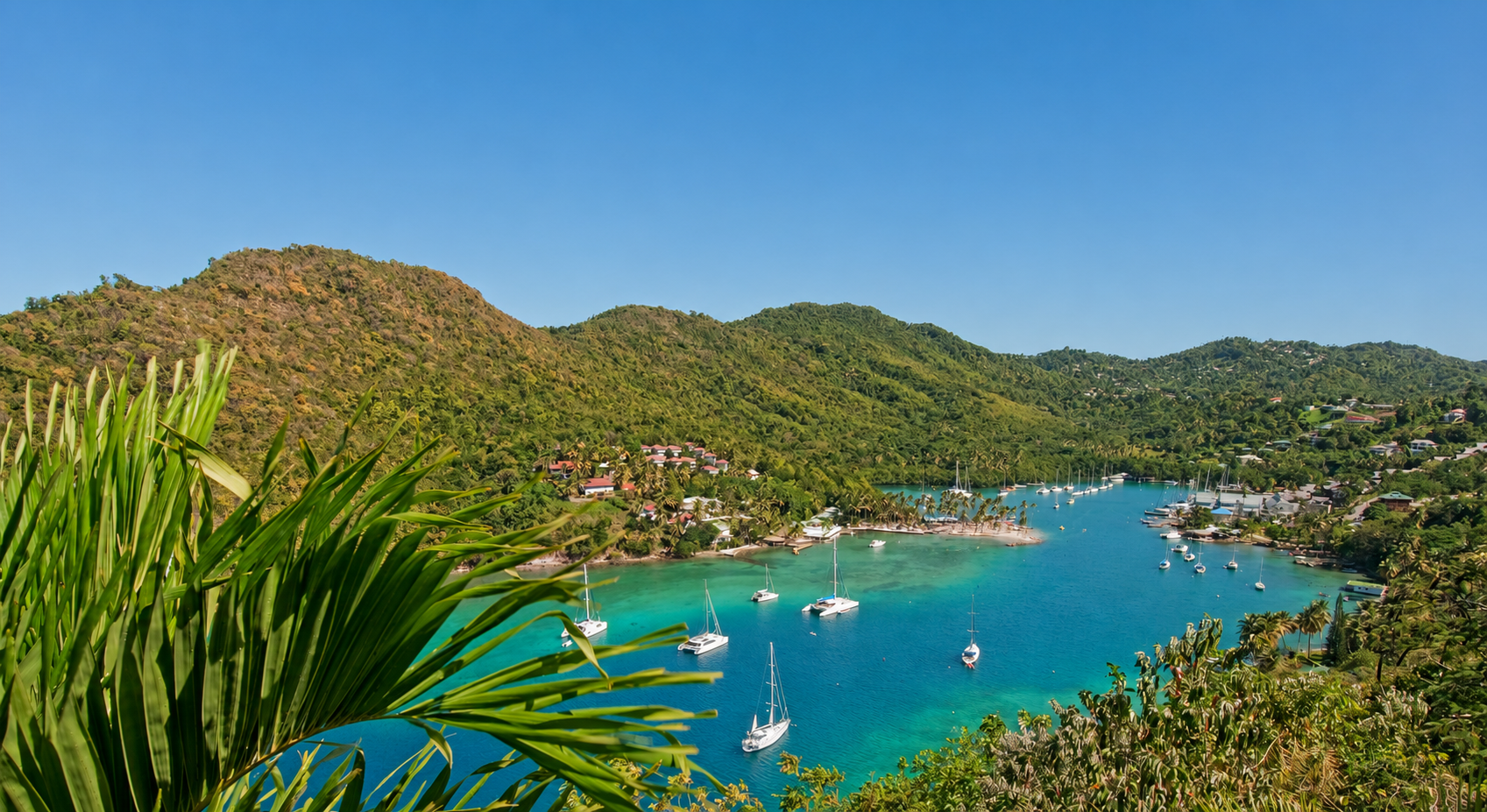 5 min read
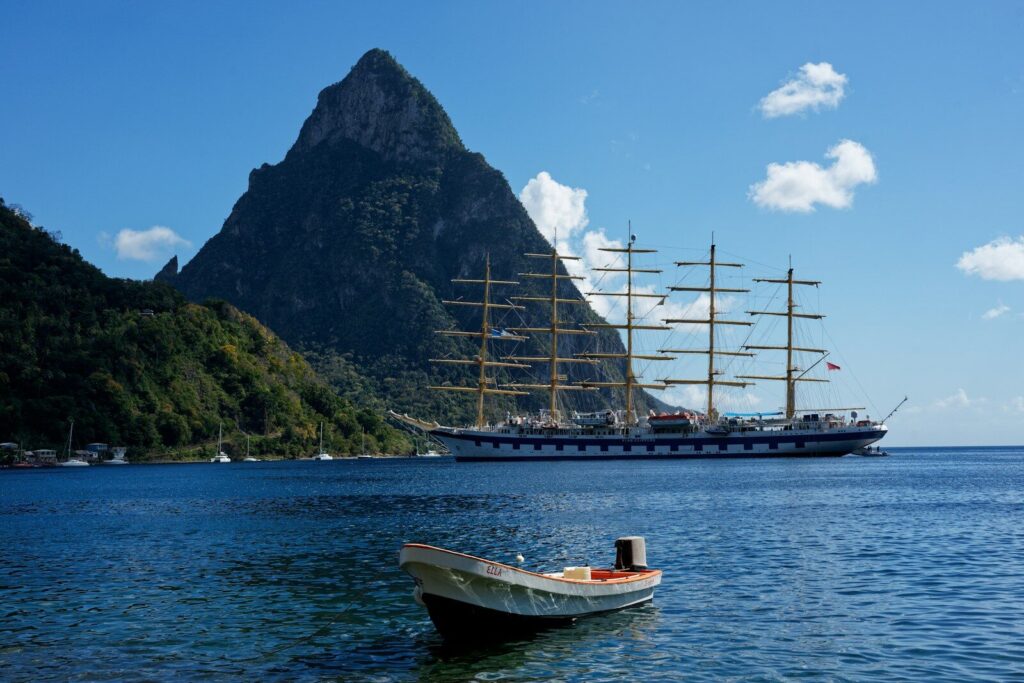
St Lucia packs more variety into a single island than almost anywhere else in the Caribbean. Over the course of a week, it is possible to move between yacht-filled bays, volcanic peaks, rainforest-covered mountains, hidden beaches, and some of the region’s most sought-after hotels, all without ever feeling rushed.
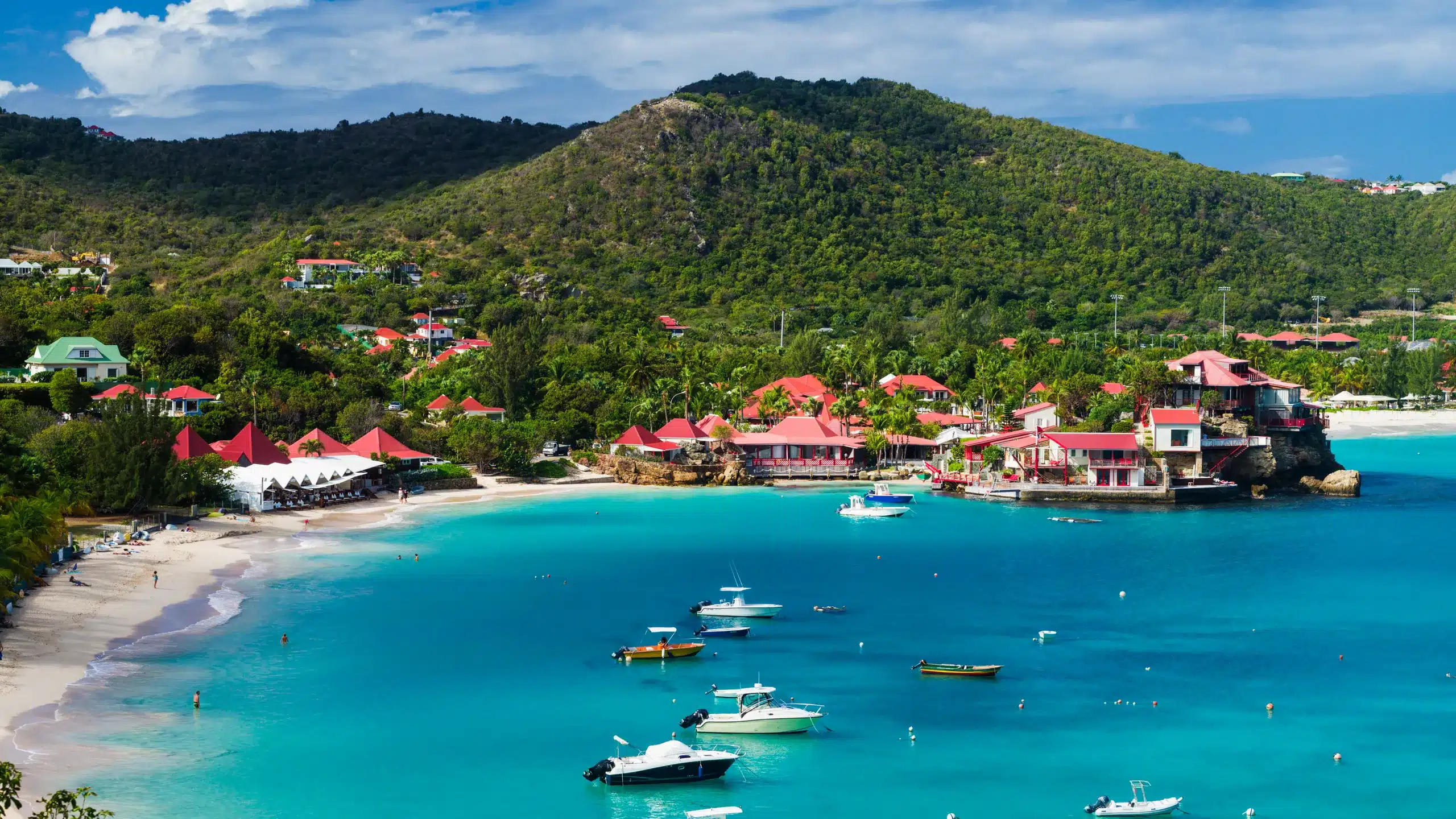 3 min read
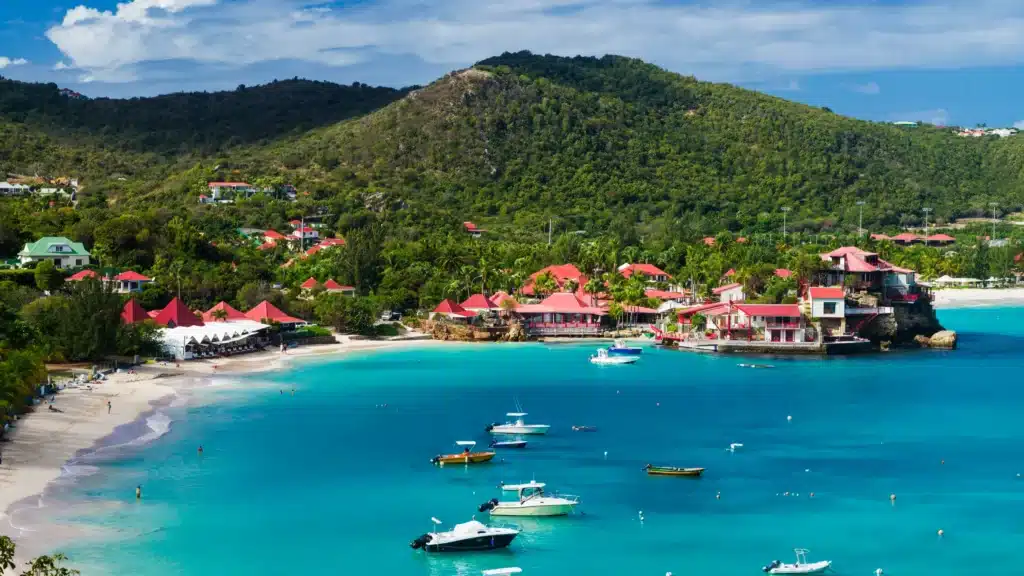
Although firmly Caribbean, St. Barts feels distinctly French. You’ll notice it in the bakeries, the restaurants, the wine lists and the attention to detail found throughout the island. It is this combination of French culture and Caribbean scenery that has helped establish St. Barts as one of the world’s most sought-after honeymoon destinations.
Planning your trip should feel effortless.
You share what matters, whether it’s a destination, a feeling, or a moment worth celebrating.
Your dedicated expert shapes a thoughtful, private itinerary tailored entirely around you.
Every detail handled. Every moment considered. Support before, during, and after your journey.

Answer a few quick questions and we’ll craft a journey as unique as your state of mind.
Ask us anything.
