





Rich Ryan
Luxury Travel Expert
Not sure yet? Talk to an expert · +1 888 931 0363
Not sure yet? Talk to an expert · +1 888 931 0363
Or talk to us +1 888 931 0363
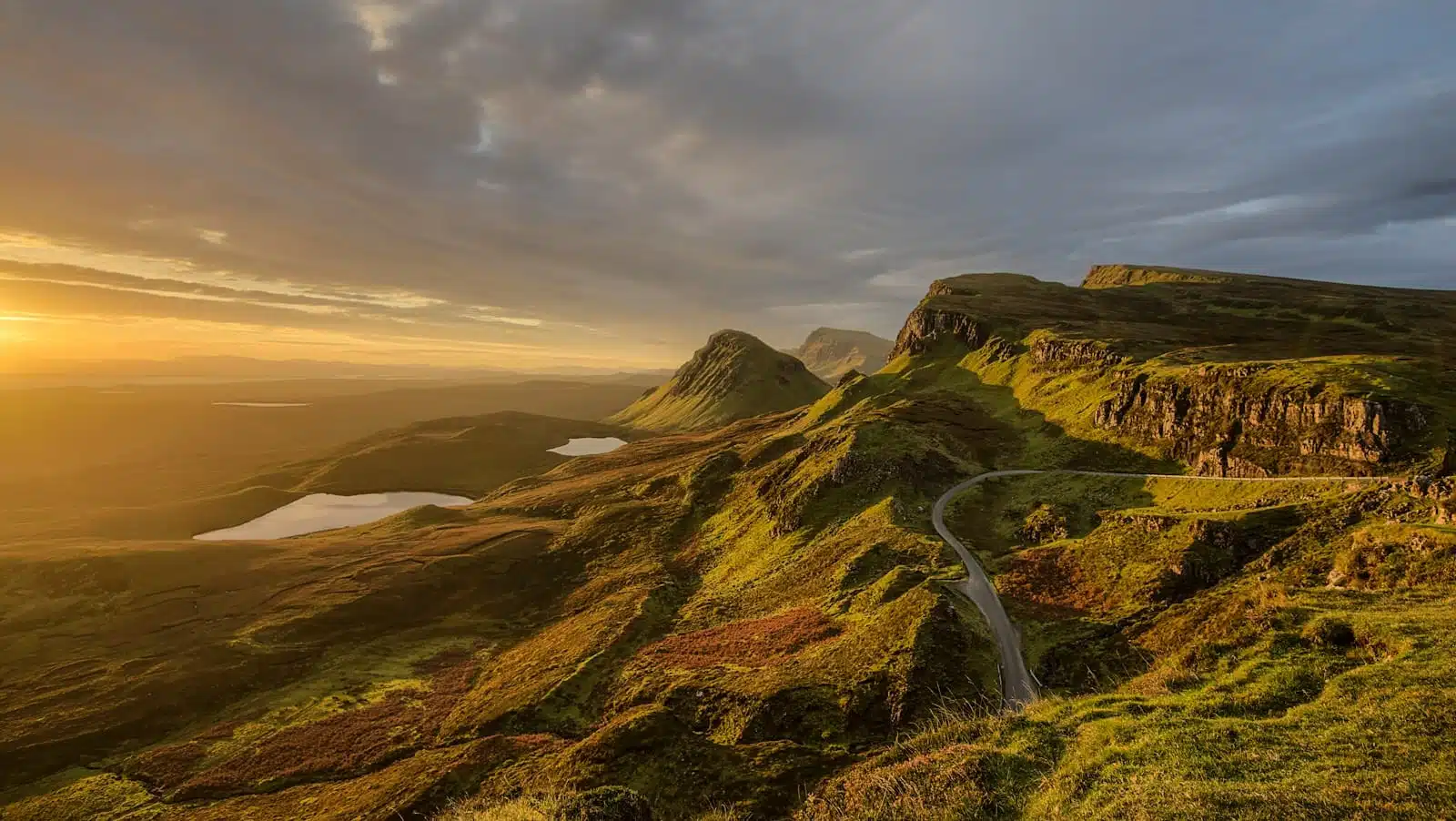
Tailor-made trips for 2027 & 2028
Private tours, bespoke itineraries and curated journeys across Scotland.
Tailor-made, always
Every itinerary shaped around your dates, pace and preferences.
One dedicated expert
The same person from the first conversation until you return.
Decades of experience
Over 35 years shaping bespoke journeys for discerning travelers.
Scotland covers roughly a third of Britain’s landmass but contains less than 10% of its population. The geography explains the appeal: Highlands where you’ll drive an hour between villages, islands accessible only by ferry with populations under 200, and coastline stretching thousands of miles. Edinburgh operates as a functional capital city with world-class museums and restaurants, but most travelers come for what lies beyond urban areas.
At Do Not Disturb, we match you with one of our dedicated Scotland luxury travel experts who designs a tailor-made itinerary around how you want your time away to feel. With deep destination knowledge and meticulous planning behind the scenes, we transform complex travel into something effortless and entirely your own.
The world without distraction.
Request a quoteScotland offers genuine remoteness within a small geography. You can stay in castle hotels where families still occupy private wings, drive for an hour between villages, take ferries to islands with populations under 200, and walk mountain routes without passing another person. The Highlands contain mountains over 3,000 feet, lochs stretching for miles, and coastline that runs thousands of miles without resort development. Edinburgh and Glasgow provide urban infrastructure, then you’re in landscapes where settlement stays sparse and nature dominates. Do Not Disturb is UK-based, which matters for Scotland because the country requires knowledge beyond what guidebooks provide.
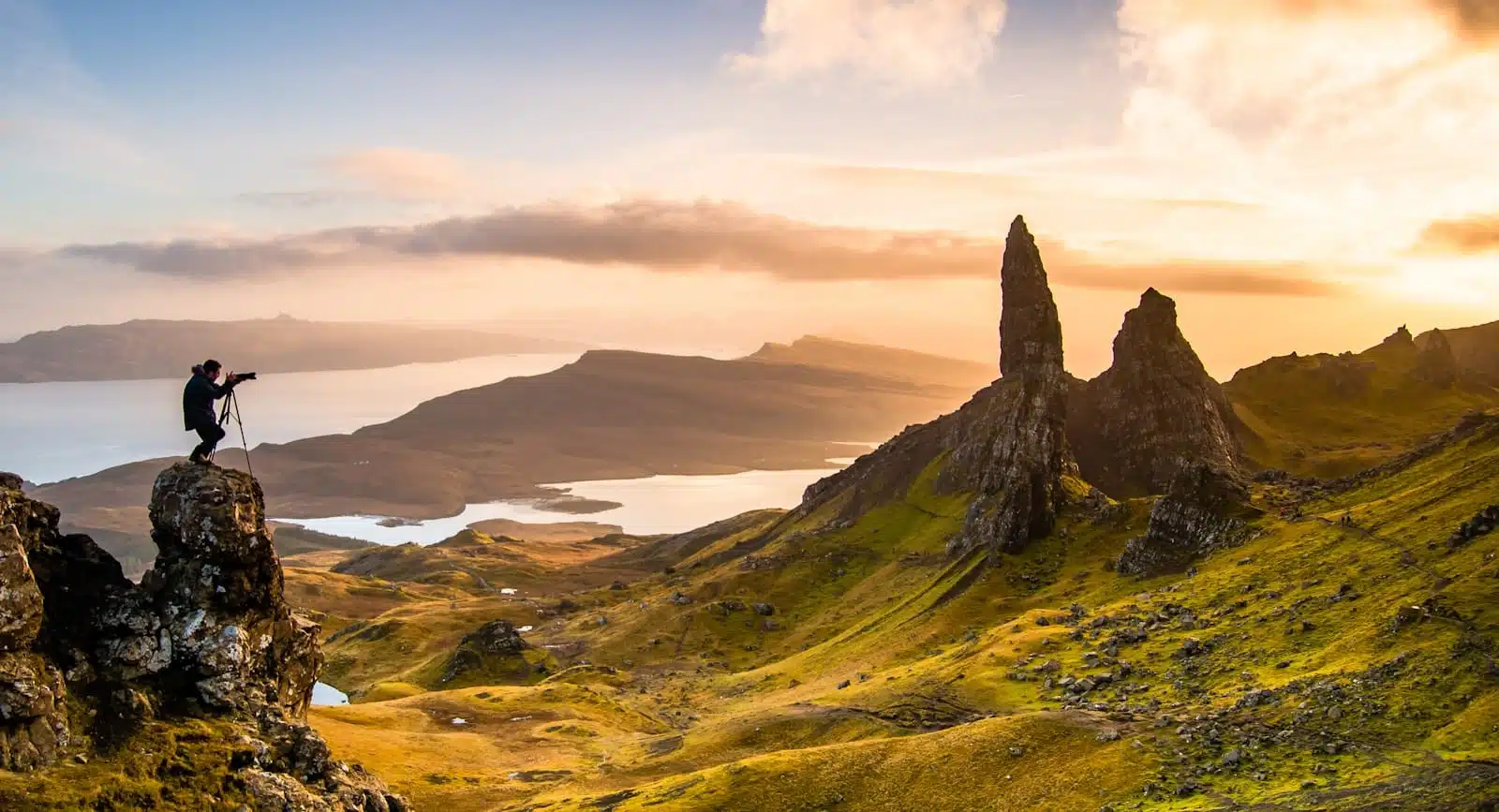

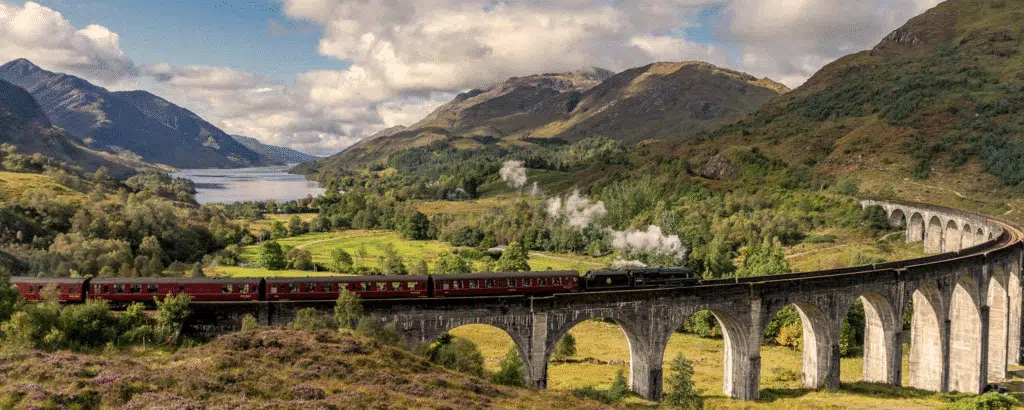


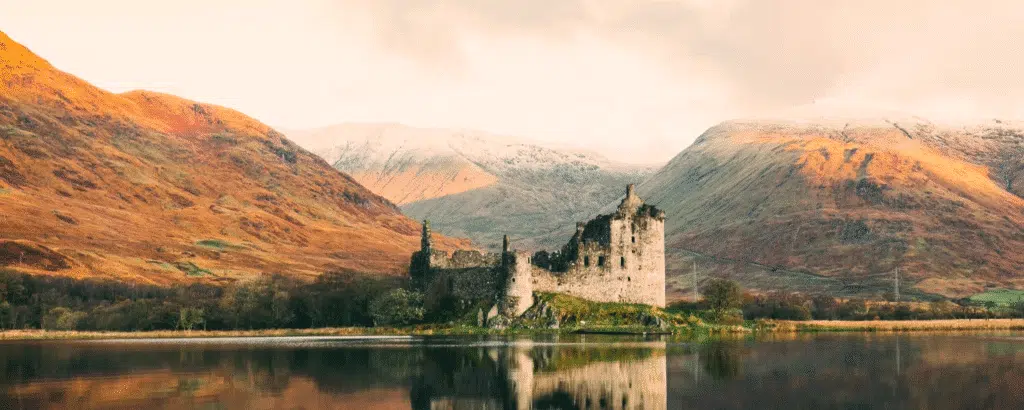
Every itinerary is a starting point. Your expert reshapes the places, hotels and pace around you.
Request a quote Edinburgh’s Whisky Heritage
A small-group whisky tasting in Edinburgh’s historic Old Town combines expert-led sampling with a journey through Scotland’s distilling past.
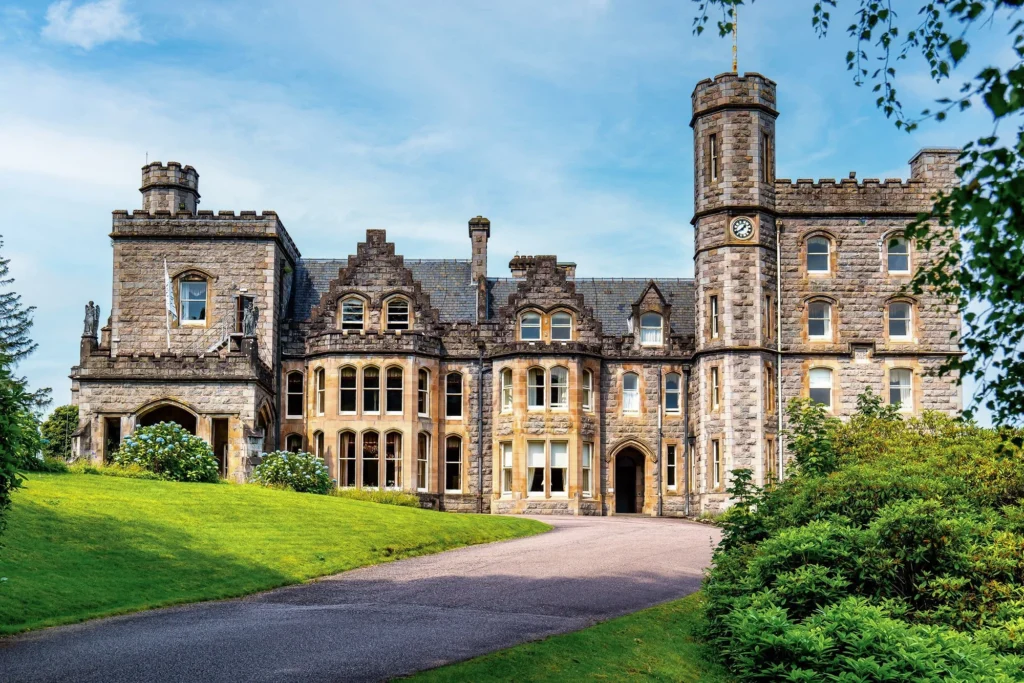
Inverlochy Castle by Candlelight
A privately arranged candlelit dinner inside Inverlochy Castle offers honeymoon couples rare after-hours access to one of Scotland’s most atmospheric Highland estates.
Edinburgh’s Whisky Heritage
A small-group whisky tasting in Edinburgh’s historic Old Town combines expert-led sampling with a journey through Scotland’s distilling past.
Inverlochy Castle by Candlelight
A privately arranged candlelit dinner inside Inverlochy Castle offers honeymoon couples rare after-hours access to one of Scotland’s most atmospheric Highland estates.
 Sunset Horse ride on Luskentyre
Explore sweeping sands, Atlantic views, and Hebridean heritage in a small-group, guided adventure.
Sunset Horse ride on Luskentyre
Explore sweeping sands, Atlantic views, and Hebridean heritage in a small-group, guided adventure.
 A Night in a Scottish Castle Entirely to Yourself
A private Highlands castle, staffed and lit for a single party, with no other guests, no shared corridors, and no fixed schedule. Set on the shore of a Highland loch, this is a night inside a castle that has been carefully renovated rather than simply preserved, from the loch-view yoga studio to the fire in the great hall.
A Night in a Scottish Castle Entirely to Yourself
A private Highlands castle, staffed and lit for a single party, with no other guests, no shared corridors, and no fixed schedule. Set on the shore of a Highland loch, this is a night inside a castle that has been carefully renovated rather than simply preserved, from the loch-view yoga studio to the fire in the great hall.
 Highland Hot Tubs
A privately reserved hot tub experience in the Scottish Highlands offers uninterrupted views across sea and sky toward the Isle of Skye.
Highland Hot Tubs
A privately reserved hot tub experience in the Scottish Highlands offers uninterrupted views across sea and sky toward the Isle of Skye.
 Sea Kayak Cave Exploration
A privately guided sea kayak journey along a rugged coastline reveals caves, arches, and hidden inlets inaccessible by land or larger boats.
Sea Kayak Cave Exploration
A privately guided sea kayak journey along a rugged coastline reveals caves, arches, and hidden inlets inaccessible by land or larger boats.
Travel guide
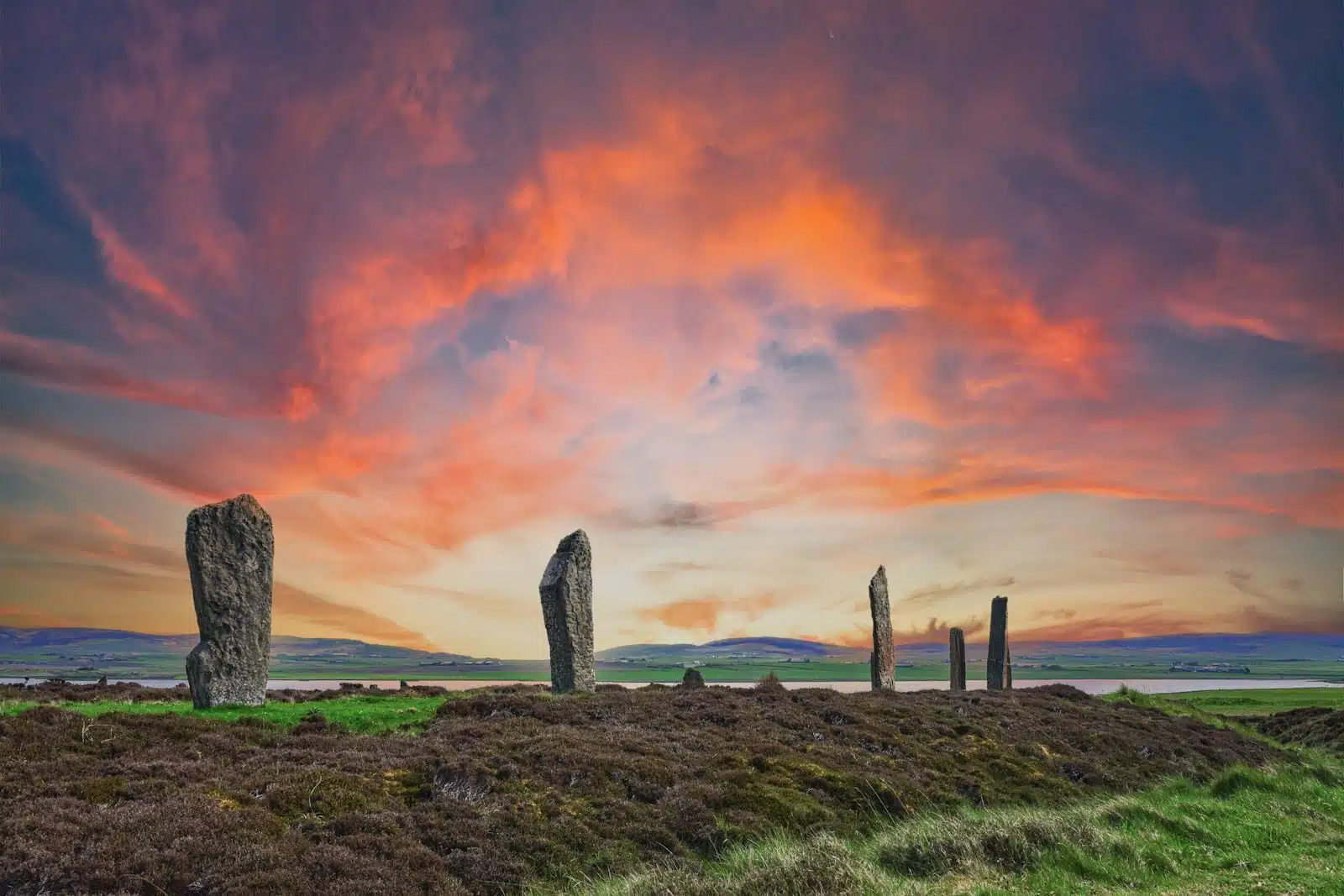
Scotland spans 30,000 square miles, divided into distinct regions shaped by geography and access. The Central Belt holds Edinburgh and Glasgow, where most of the population lives. North and west, the Highlands open into mountains, lochs, and widely spaced settlements. Offshore, the islands, from Skye and Mull to Lewis and Harris, Orkney, and Shetland, each carry a distinct character and require ferry planning.
Edinburgh sits around two hours from the edge of the Highlands. Fort William is a three-hour drive, Inverness four, and the far north closer to six. Beyond the main routes, roads narrow quickly. The A9 reaches Inverness as a dual carriageway, after which single-track roads and passing places slow the pace and extend journey times.
Remote areas operate deliberately at a gentler rhythm. Fuel stations, shops, and accommodations keep reduced hours, and mobile coverage fades for long stretches. For travelers seeking real remoteness, this is part of the appeal, provided the journey is planned with these conditions in mind.
Edinburgh is defined by its castle, set high on volcanic rock, with the Royal Mile linking it to Holyroodhouse Palace through the medieval Old Town. The Georgian New Town offers balance and space. Free-entry institutions like the National Museum of Scotland and the Scottish National Gallery anchor the cultural scene. Each August, the city hosts the Edinburgh Festival Fringe, when careful planning becomes essential.
Scotland’s single malts vary by region. Islay is known for peated, smoky whiskies, while Speyside concentrates lighter styles across dozens of distilleries. Highland and island producers vary widely. Experiences range from polished visitor centers to working distilleries offering private tastings, best chosen with intent rather than volume.
The Highlands combine mountains, deep lochs, and long glens shaped by weather and distance. Routes like the West Highland Way and the North Coast 500 reveal scale and solitude, while peaks such as Ben Nevis demand respect in poor conditions. Realistic pacing matters here.
Isle of Skye delivers dramatic scenery but fills quickly in summer. Mull and nearby Iona offer a quieter alternative. Islay draws distillery-focused travel, while the Outer Hebrides and Orkney reward those seeking space, history, and slower rhythms. Ferry schedules and weather shape every plan.
Often passed through en route to Edinburgh, the Borders reward those who slow down. Rolling hills frame ruined abbeys at Melrose Abbey, Dryburgh, and Jedburgh, all atmospheric and largely uncrowded. Near Kelso, Floors Castle remains Britain’s largest inhabited castle, while Abbotsford House preserves Sir Walter Scott’s library and collections. Country house hotels, riverside walks, and fishing on the River Tweed define a region that feels lived-in rather than staged.
While traffic concentrates on the North Coast 500, roads just beyond the circuit remain strikingly quiet. West of Durness, the coastal drive toward Tongue passes Balnakeil Beach and reaches Cape Wrath, accessible only by ferry and minibus. Further east, Strathy Point and the road to Melvich offer the same elemental coastline with minimal traffic. Villages such as Bettyhill and Helmsdale retain genuine community life rather than existing solely for visitors.
South of Skye, the Small Isles of Eigg, Rum, Muck, and Canna see only a fraction of the traffic. Eigg’s volcanic plateau, An Sgurr, rises above a population of around 100. Rum operates largely as a nature reserve, with limited accommodation near Kinloch Castle. Muck and Canna are smaller still. Ferry access and weather shape each stay, but the reward is island life experienced as it actually functions.
May, June and September often give Scotland its best balance of light and weather, with long days, quieter roads and fewer midges than high summer. July and August are the warmest months (54–64°F) and the busiest, especially on Skye and in Edinburgh during the August festivals, and rain is possible in any season.
Cold and changeable (41–54°F), with snow lingering in the Highlands through April. May is the most reliable month, though midges begin to appear late in the month, particularly in the Highlands and islands during warm, damp spells. Daylight increases rapidly, with sunset after 9pm by May. Edinburgh and the Central Belt warm sooner than northern regions. Spring suits travelers comfortable with weather uncertainty in exchange for quieter roads and better-value accommodations.
Temperatures average 54–64°F, with long daylight hours and sunset after 10pm in June. This is peak travel season, especially in the Highlands and on islands like Skye, where roads and accommodations fill quickly. Midges peak in July and August, most noticeable on still, damp days. August brings the Edinburgh Festival, increasing crowds and prices across the city. While summer is Scotland’s warmest and driest period, rain remains possible at any time.
Cooler temperatures (46–57°F) and rising rainfall mark the transition into winter. September offers the best balance, with fewer visitors and reasonable weather. October brings autumn color to glens and forests, though daylight shortens quickly. By November, snow often returns to the Highlands and many rural hotels begin seasonal closures. Cities remain active, making this a strong season for travelers who value space over predictability.
Cold and often wet (36–45°F), with snow common in the Highlands. Days are short, particularly in December, with limited daylight. Severe weather can affect Highland roads and island ferry schedules. Edinburgh stays lively with Hogmanay celebrations, museums, restaurants, and theater in full operation. The Highlands are striking under snow but demand flexibility and winter driving confidence. Winter appeals to travelers drawn to atmosphere and stillness rather than outdoor activity.
Edinburgh and Glasgow airports handle European routes and limited transatlantic services, with Glasgow offering broader international coverage. Most travelers arrive via London, then connect by a one-hour flight or a 4.5-hour train journey to Edinburgh. Seasonal direct flights operate from the US East Coast to Edinburgh, but connections through London, Dublin, or European hubs remain most common.
US citizens enter visa-free for up to six months. EU citizens now require passports rather than ID cards and also receive visa-free access for up to six months. Entry rules evolve, so requirements should be checked before travel.
Scotland’s rail network links major cities efficiently, with the West Highland Line offering one of Europe’s most scenic journeys. Driving is essential beyond the main routes. Roads narrow quickly in the Highlands and islands, often becoming single-track, and journey times increase significantly. Ferries connect the islands and shape itineraries, with vehicle space requiring advance booking in summer. Cities operate reliable local transport, while rural areas offer limited public options.
Planning a trip to Scotland? Speak to one of our experts, based here in the UK.
Plan your Scotland journey 9 min read
The Best Royal Experiences in Scotland: A Journey Through Royal History
From Balmoral to Edinburgh Castle, explore Scotland’s living royal heritage through private tours, castle stays, and centuries of regal history.
9 min read
The Best Royal Experiences in Scotland: A Journey Through Royal History
From Balmoral to Edinburgh Castle, explore Scotland’s living royal heritage through private tours, castle stays, and centuries of regal history.
 5 min read
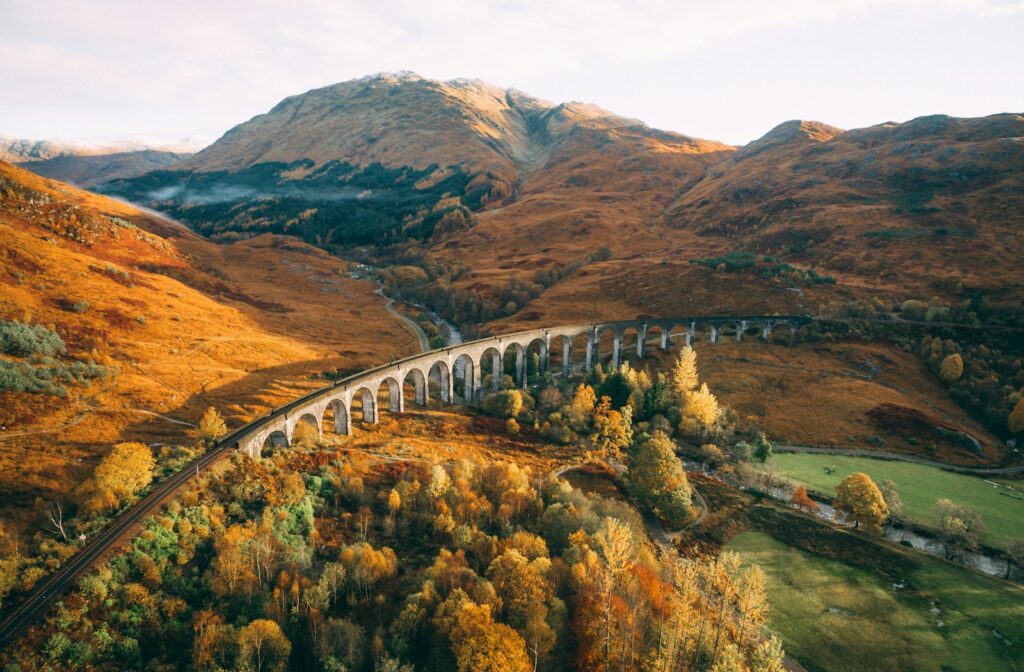
The Most Romantic Train Journeys for a Slow Honeymoon
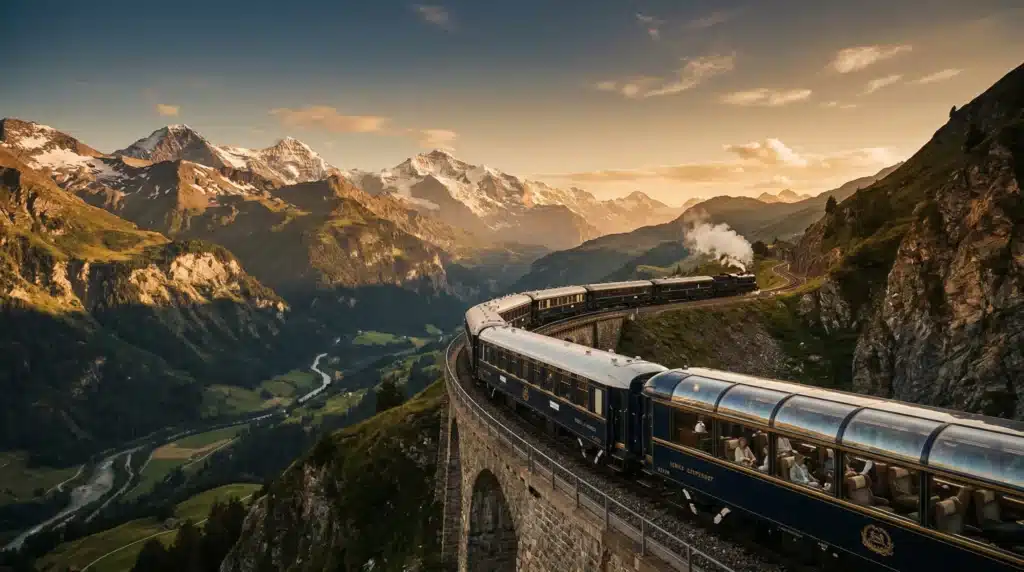
Rail travel offers honeymooners something that flights cannot: the journey itself as a destination, measured in landscapes rather than hours. These routes, spanning Scotland, Switzerland, South Africa, and Southeast Asia,…
5 min read
The Most Romantic Train Journeys for a Slow Honeymoon
Rail travel offers honeymooners something that flights cannot: the journey itself as a destination, measured in landscapes rather than hours. These routes, spanning Scotland, Switzerland, South Africa, and Southeast Asia,…
 6 min read
Ireland vs Scotland: Which Luxury Escape Fits Your Travel Style?
Ireland and Scotland occupy the same northern latitude and share a Celtic past, but they deliver fundamentally different experiences to the traveler who looks closely. This comparison moves through hotels,…
6 min read
Ireland vs Scotland: Which Luxury Escape Fits Your Travel Style?
Ireland and Scotland occupy the same northern latitude and share a Celtic past, but they deliver fundamentally different experiences to the traveler who looks closely. This comparison moves through hotels,…
 5 min read
The Do Not Disturb Guide to Luxury Travel in the UK
Locally based. Exceptionally connected. This is the UK done properly.
5 min read
The Do Not Disturb Guide to Luxury Travel in the UK
Locally based. Exceptionally connected. This is the UK done properly.
You are matched with an expert who knows Scotland, and the same expert looks after you from the first conversation until you return.
Luxury Travel Expert

Luxury Travel Expert

Luxury Travel Expert
Our team brings over 35 years of experience in luxury travel, shaping bespoke journeys for discerning clients worldwide.
See more reviews on TrustpilotOur trip was truly magical and full of core memories that will last us a lifetime.
“We just returned from an incredible journey through Ireland, and we couldn’t have had a better experience”
“This was a flawless experience. They took all our thoughts and perfectly curated the most beautiful honeymoon.”
Yes. Every Scotland itinerary is a starting point: your Scotland travel expert shapes each journey around your dates, pace and preferences.
May, June and September often give Scotland its best balance of light and weather, with long days, quieter roads and fewer midges than high summer. July and August are the warmest months (54–64°F) and the busiest, especially on Skye and in Edinburgh during the August festivals, and rain is possible in any season.
Our Scotland itineraries run from 8 to 12 days, and most are 8 days. Your expert can shorten or extend any of them around your plans.
Among the hotels our experts recommend most are Gleneagles, The Fife Arms and Inverlochy Castle. See all our hotels in Scotland.
Highlights include Edinburgh’s Whisky Heritage, Inverlochy Castle by Candlelight and Sunset Horse ride on Luskentyre, and your expert will build the experiences that matter most to you into your itinerary.
Yes. Our journeys pair Scotland with United Kingdom or England, and your expert can link it with almost anywhere we travel.
We design tailor-made luxury journeys. You tell us what you have in mind, whether a destination, a feeling or a celebration, and a dedicated travel expert shapes a private itinerary around you, then takes care of every detail before, during and after your trip.
Yes. Every itinerary on our site is a starting point. Your expert shapes the places, hotels, pace and length around your dates and preferences, or begins with a blank page.
In three steps. We listen: you share your dates, ideas and budget by phone or through our inquiry form. We curate: your expert designs a private itinerary and refines it with you until it feels right. You travel: every detail is handled, with support throughout your journey.
Our team brings over 35 years of experience in luxury travel. You are matched with an expert who knows your destination, and the same expert looks after you from the first conversation until you return.
It depends on your dates, hotels and length of stay. Each suggested itinerary shows a "from" price per person, and your expert prepares a detailed proposal for the journey you have in mind.
Tell us how you want to feel, we’ll take it from there.
Or talk to us +1 888 931 0363
Planning your trip should feel effortless.
You share what matters, whether it is a destination, a feeling, or a moment worth celebrating.
Your dedicated expert shapes a thoughtful, private itinerary tailored entirely around you.
Every detail handled. Every moment considered. Support before, during, and after your journey.
Begin your journey
Tell us how you want your time away to feel. Your dedicated expert will be in touch to begin shaping it around you.
Or speak with us
+1 888 931 0363




Your enquiry goes straight to one of our travel experts, who will reply to you personally.
Rich, Delwyn, Jemima and the team