On this page
After the last ferry has returned across the Derwent and the public galleries have fallen silent, MONA opens its subterranean corridors to a different kind of visitor entirely. This is after-hours access to one of the world’s most provocative private museums, an exclusive experience guided by the people who know it best.
The Museum After Dark
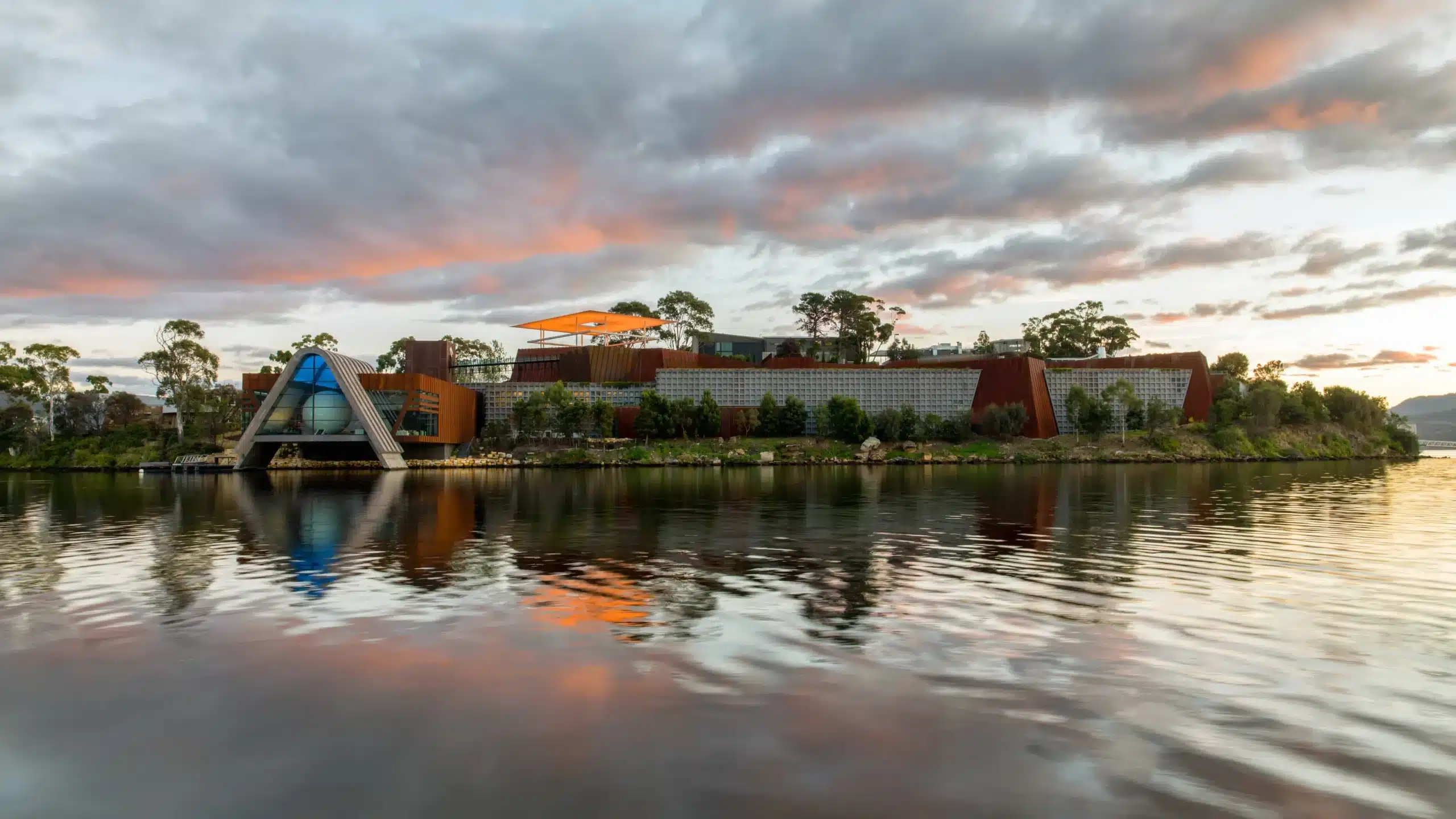
MONA’s architecture is designed to disorient. Built into a sandstone cliff on the Moorilla peninsula, the museum descends three levels underground, with no natural light and a circulation system that offers no prescribed route. During public hours, that disorientation is shared with up to several thousand visitors a day. After hours, it is not.
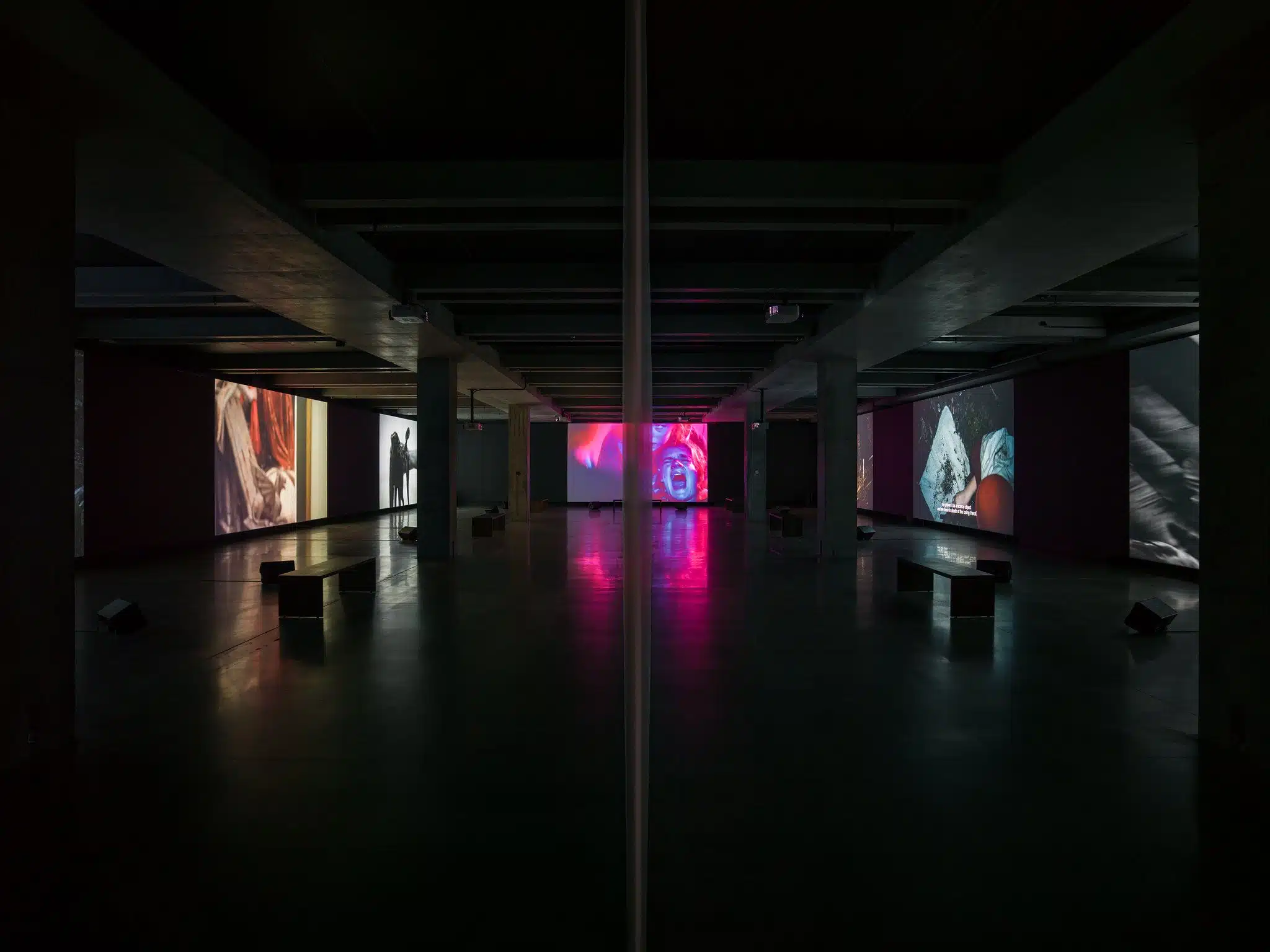
The collection itself does not change; the same works by Wim Delvoye, Sidney Nolan, and Julius Popp occupy the same spaces, but the conditions of engagement shift considerably. Without crowd movement and ambient noise, the scale and spatial logic of individual works become more legible. Pieces that reward sustained attention, and many at MONA explicitly do, can be approached on different terms.
After-hours access also changes what is possible in terms of conversation. MONA’s curatorial and interpretive staff hold detailed knowledge of David Walsh’s acquisition rationale and the conceptual frameworks behind the collection. That knowledge is most usefully transmitted without time pressure or interruption.
A Collection Built to Provoke
MONA is the private collection of David Walsh, a professional gambler who used his winnings to build a museum explicitly designed to confront its audience. Walsh has described his intent as using art to explore sex and death, not as provocation for its own sake, but as a framework for examining the ideas that most institutions avoid. The result is a collection that includes works by Ai Weiwei, Sidney Nolan, and Julius Popp alongside pieces that have drawn censorship debates and public controversy in equal measure.
The museum occupies a series of underground galleries carved into a sandstone peninsula at Moorilla Estate. The layout is deliberately non-linear, with no prescribed route and no wall text by default. Navigation relies on a custom app, and the relationship between works is associative rather than chronological or thematic in any conventional sense.
This structure rewards time and attention that a standard visit rarely allows. After-hours access removes the constraints of ferry schedules and visitor volume, making it possible to engage with the collection on the terms Walsh intended.
The Curator's Eye
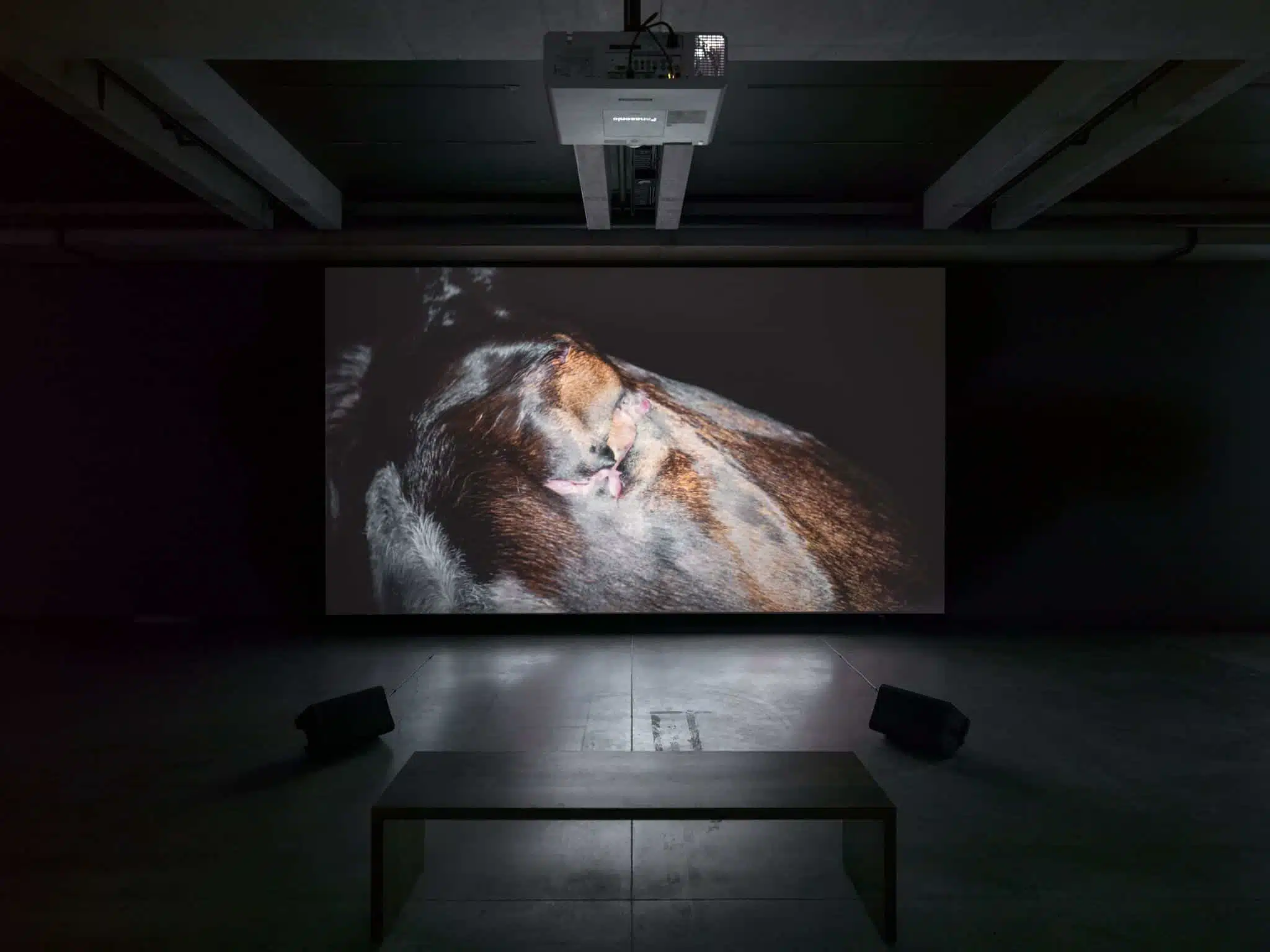
MONA’s permanent collection includes works by artists such as Wim Delvoye, Sidney Nolan, and James Turrell, pieces that operate on multiple registers simultaneously. A senior resident curator brings institutional context that fundamentally changes how individual works are read: acquisition history, the reasoning behind spatial placement, and the specific arguments Walsh made in commissioning or selecting a piece. This is not an interpretation layered over the work; it is the framework within which the work was conceived.
The curatorial staff at MONA is embedded in the collection in ways that external guides are not. They have direct knowledge of how works have been repositioned, recontextualised, or contested over time. In a museum where the relationship between objects is as deliberate as the objects themselves, that knowledge is material to understanding what you are looking at.
After-hours access removes the variables that compress a standard visit. The pace is determined by the conversation, not the crowd, and the depth of engagement with any single work is unconstrained by time pressure or competing attention.
Works That Deserve an Extra Minute
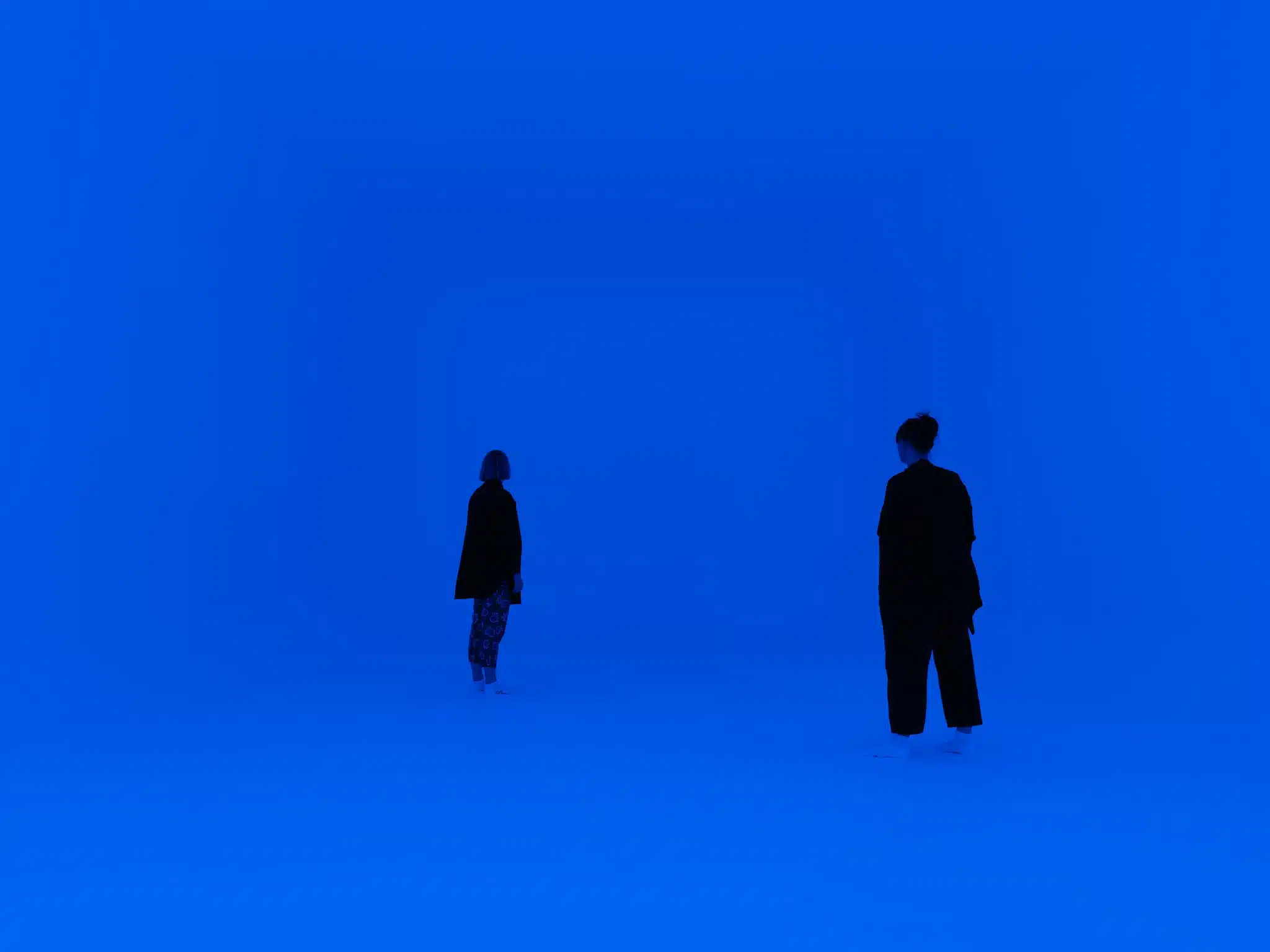
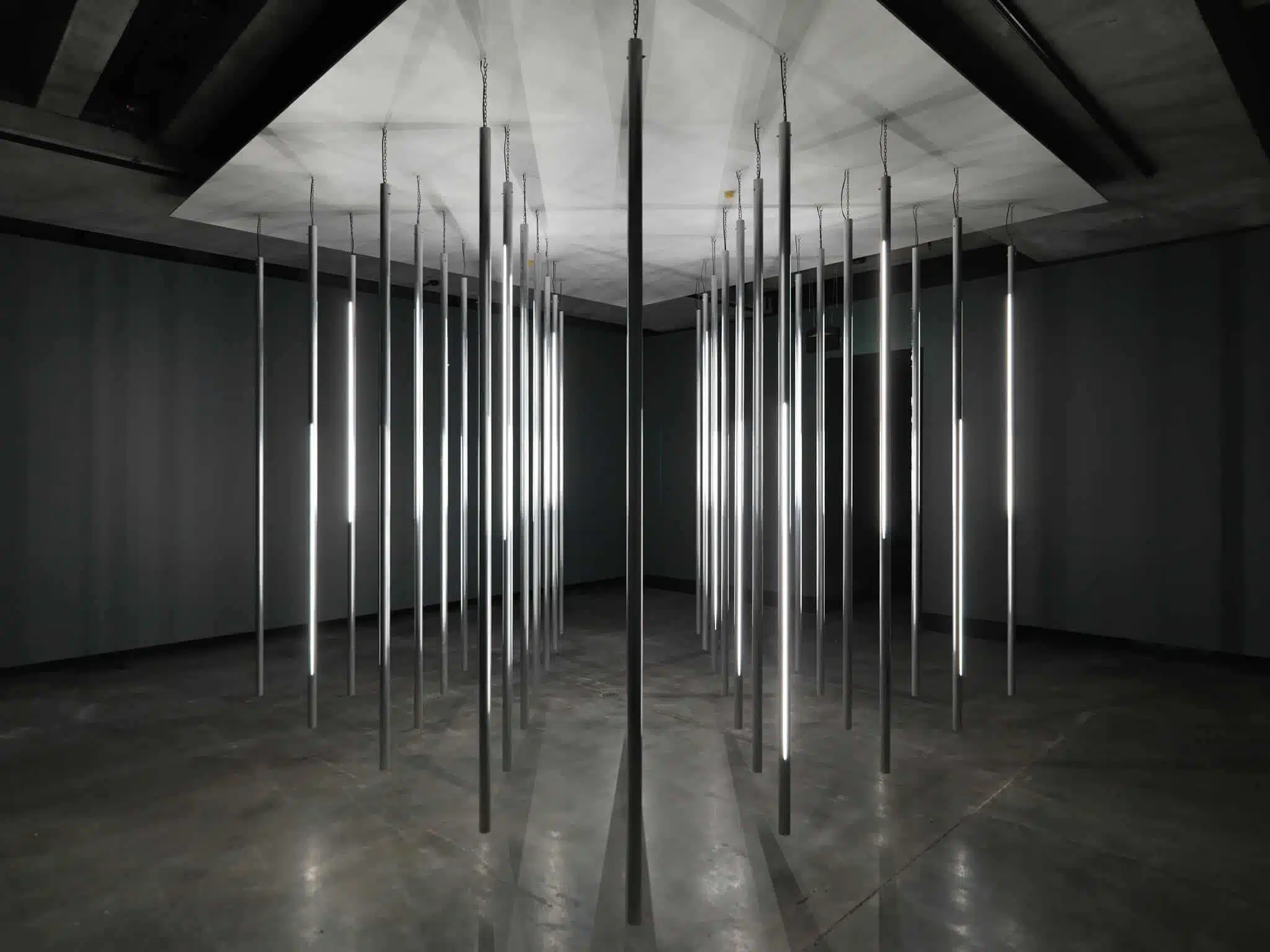
Several of MONA’s most significant works are, by design, resistant to casual viewing. Julius Popp’s bit, fall, a curtain of water droplets that forms and dissolves words in freefall, operates on its own temporal logic. James Turrell’s Unseen Seen, a ganzfeld piece that manipulates perception through sustained exposure to undifferentiated light, requires a minimum of several minutes before its full effect registers. In a crowded daytime gallery, that kind of attention is rarely available.
The private tour format changes the terms of engagement. Without queues or competing noise, guides can hold extended time at works that repay it, explaining the conceptual framework, the acquisition history, or the technical construction in ways that shift how the work is understood rather than simply seen. This is particularly relevant at MONA, where context is often inseparable from meaning.
The collection includes works that most visitors move past too quickly to fully process. After-hours access removes that constraint, and the difference in comprehension is substantive.
The Hidden Vault
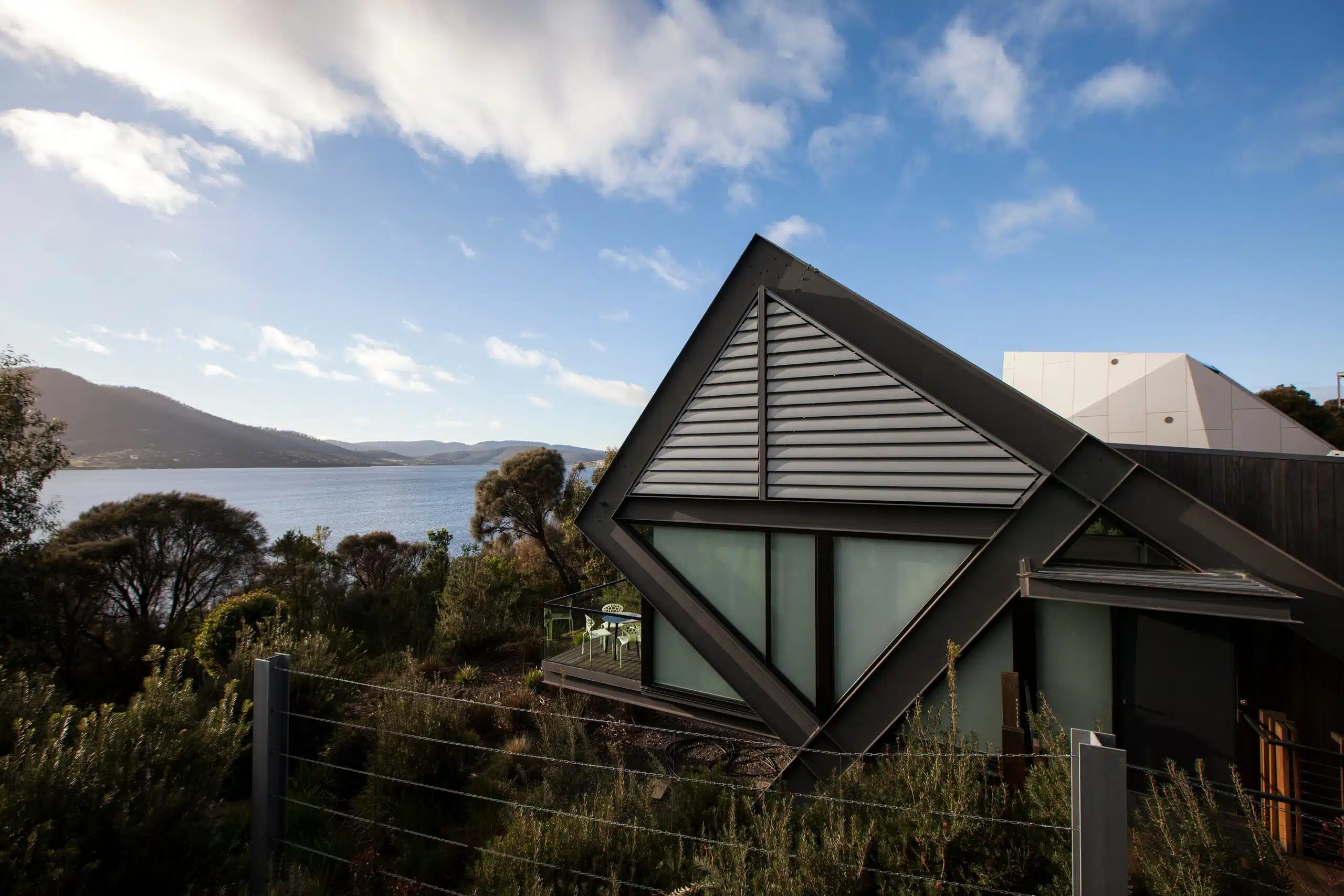
The evening concludes in a concealed space within the museum’s lower levels, a vault-like room set apart from the main circulation routes and used selectively for private gatherings. The space sits within the sandstone bedrock that defines MONA’s subterranean architecture, physically embedded in the same geological layer as the collection surrounding it.
Drinks are served here after the tour, with no public access and no fixed programme. The format is deliberately unstructured, allowing conversation to develop around what has been seen rather than directing it towards a predetermined conclusion.
The location matters because it is not a reception room appended to the experience; it is part of the same built environment as the works themselves. Guests remain inside the museum’s logic rather than stepping outside it. For a collection that resists passive consumption, this closing arrangement reflects the same curatorial intent: the experience does not resolve neatly, and the setting does not pretend otherwise.
Arranging the Access
After-hours access at MONA is not a standard ticketed offering. Private evening entry operates outside the museum’s public schedule and is structured around small groups, with the format, duration, and curatorial focus determined in advance. A dedicated guide, typically drawn from MONA’s own staff, leads the session, with the itinerary shaped around specific works, collections, or themes rather than a fixed route.
The level of personalisation available is meaningful. Visits can be oriented around particular artists, acquisitions, or conceptual threads within the collection, and the absence of other visitors allows for extended engagement with individual works. Access to areas not included in the standard public experience can be incorporated depending on the occasion.
This is an experience where the quality of the outcome is directly tied to how it is arranged. The museum’s relationship-based access model means that what is possible and what is included varies considerably depending on the context in which the visit is organised.
Book Now With Do Not Disturb
This is not a booking you make online. A private evening at MONA depends on the museum’s calendar, the right curator being available, and a crew who knows how to keep the experience quiet and unhurried. A Do Not Disturb travel designer handles all of it, then folds the night into a longer run through Tasmania’s cellar doors, restaurants, and southern wilderness.
Get in touch to start planning.