Iceland Vacations

Iceland is where the earth is still being made. The Vikings settled here in the ninth century and built a civilization on volcanic rock and ice, which means every Icelandic person carries that frontier mentality forward. The landscape hasn’t softened in a thousand years. The Vikings chose this place because they understood wildness. Modern travelers come back for the same reason: the landscape feels alive in a way that’s become rare.

Why Iceland?

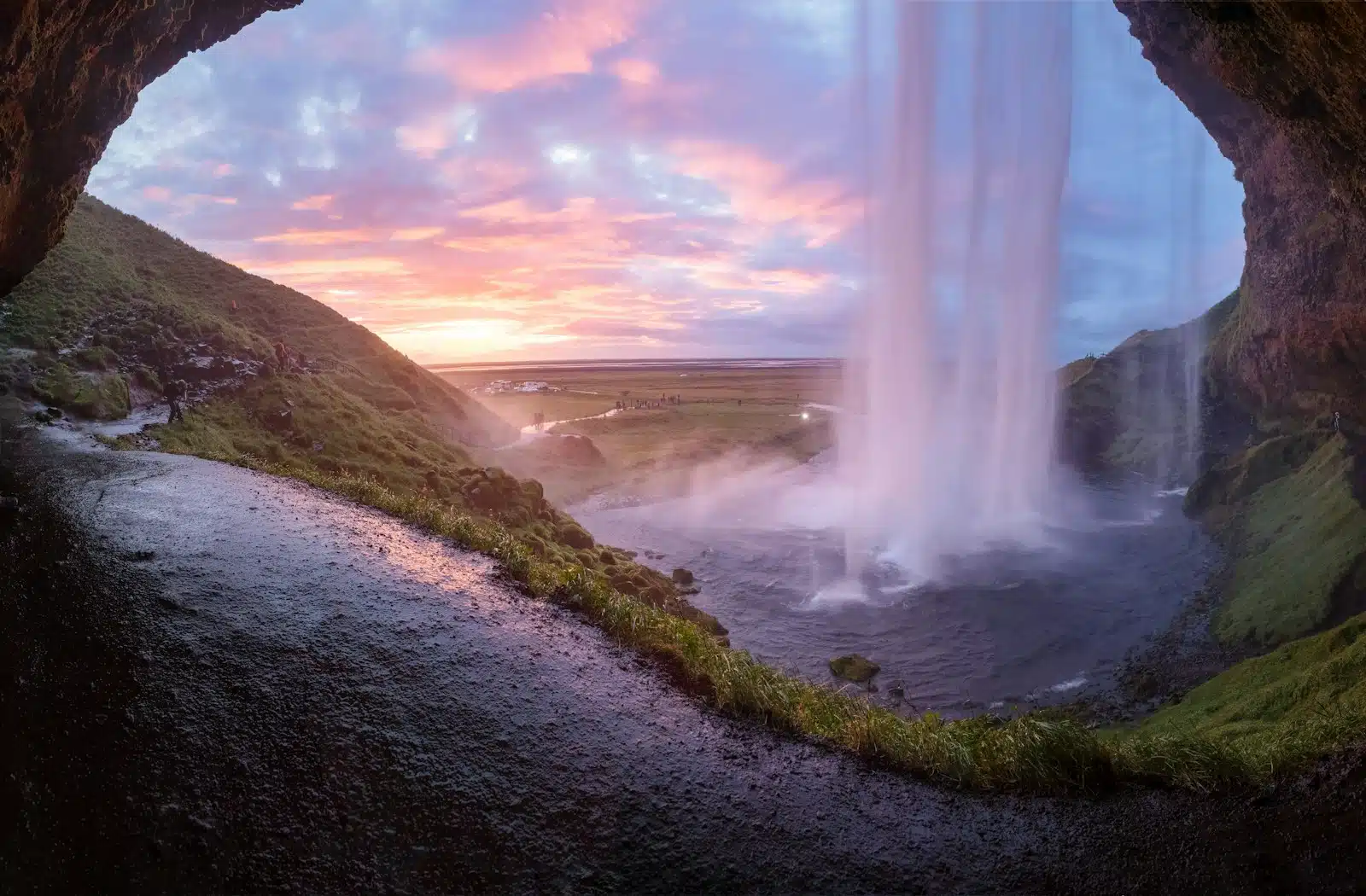
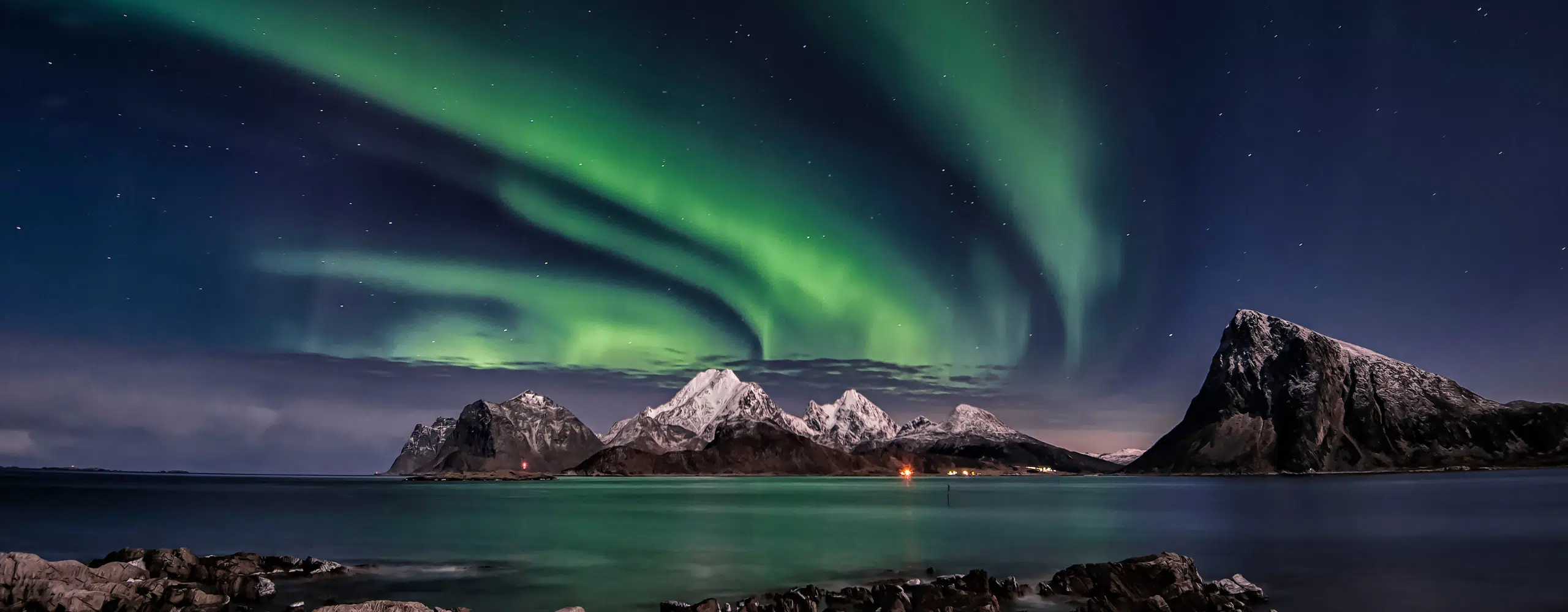
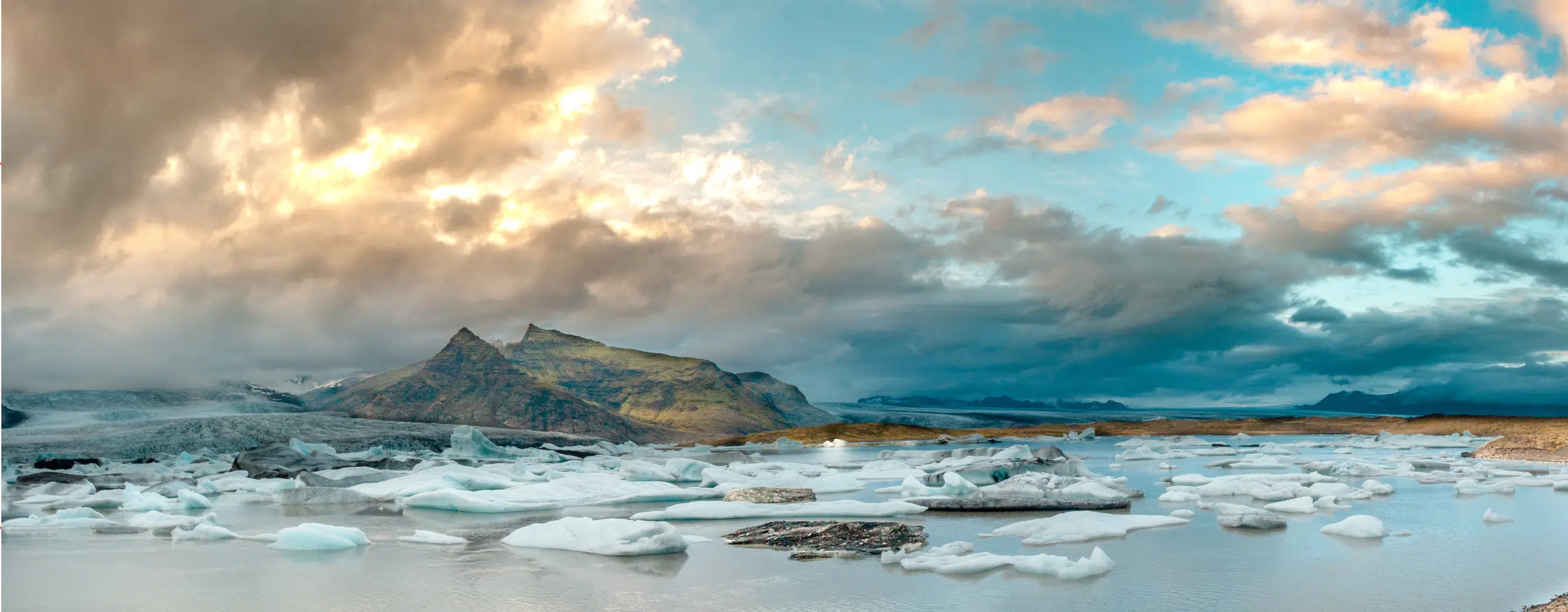
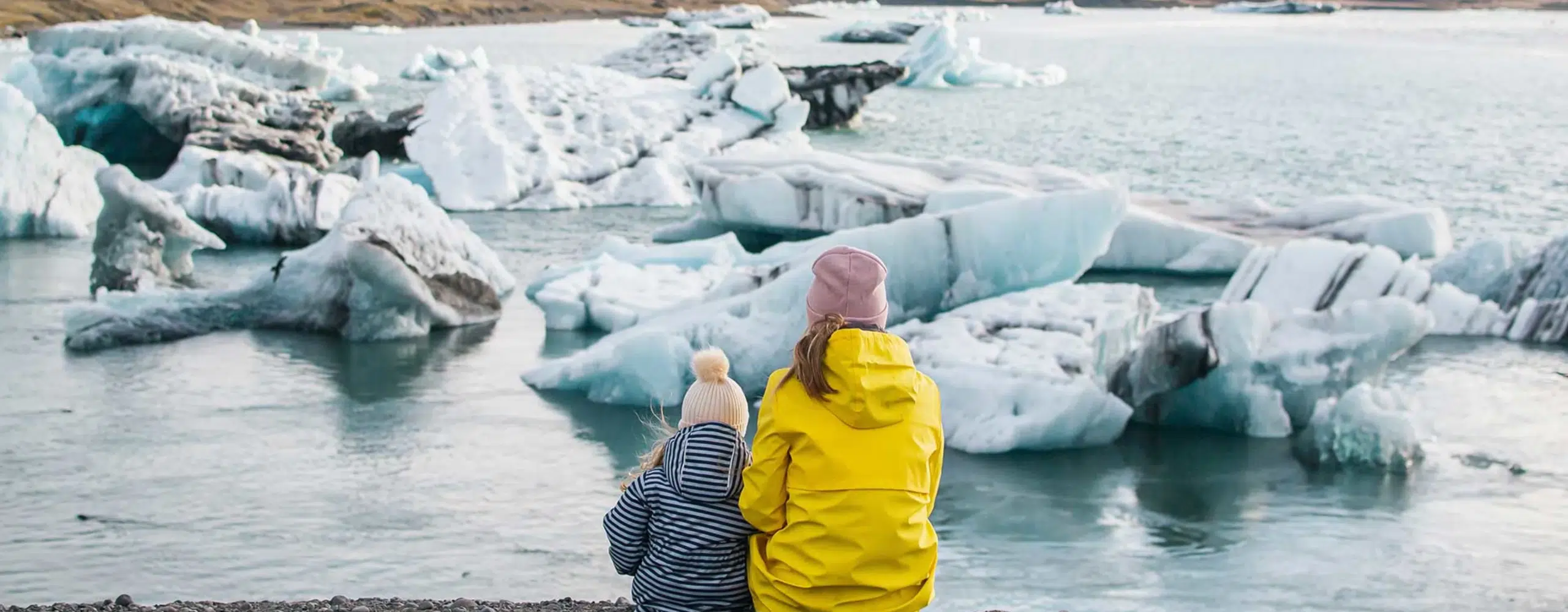
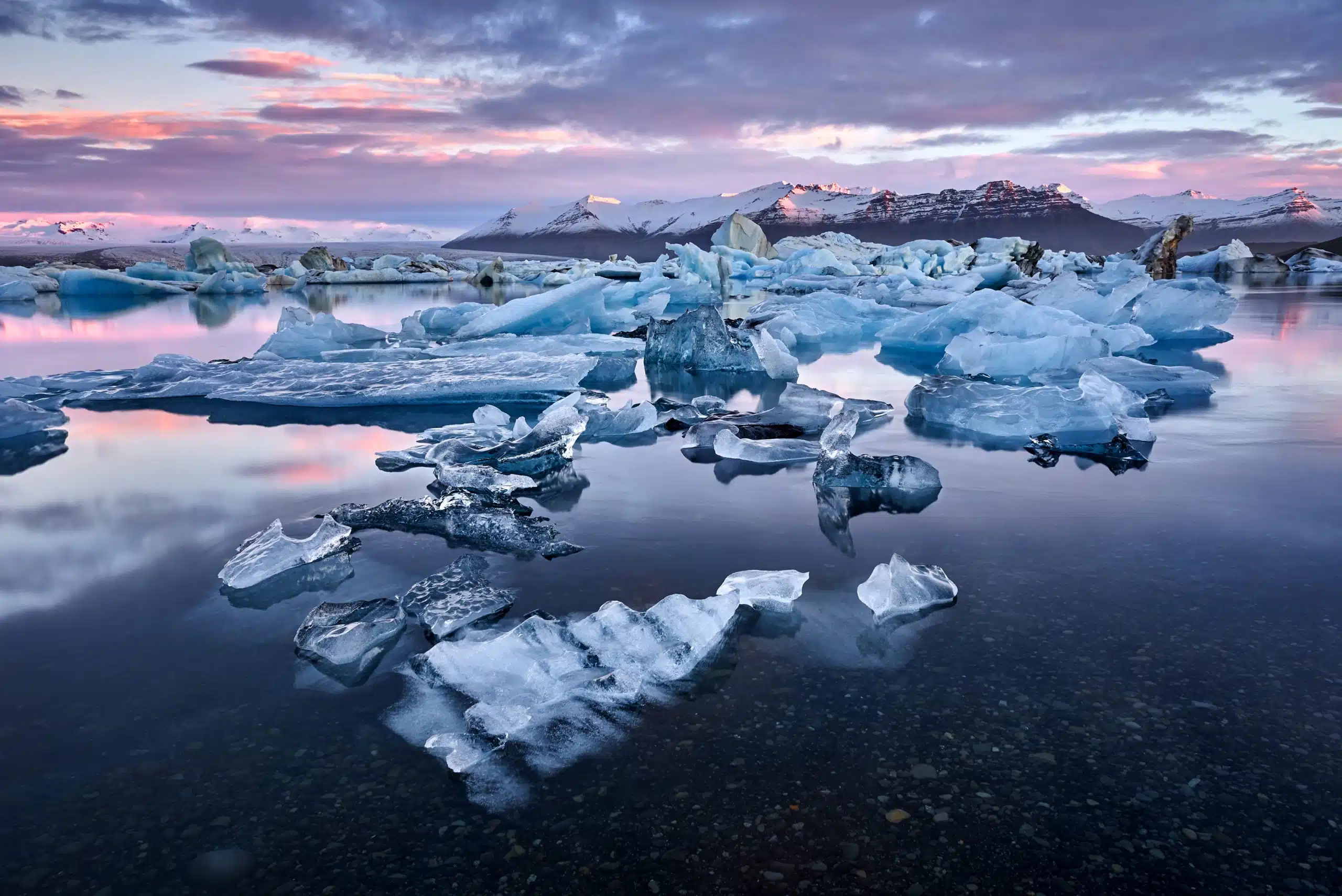
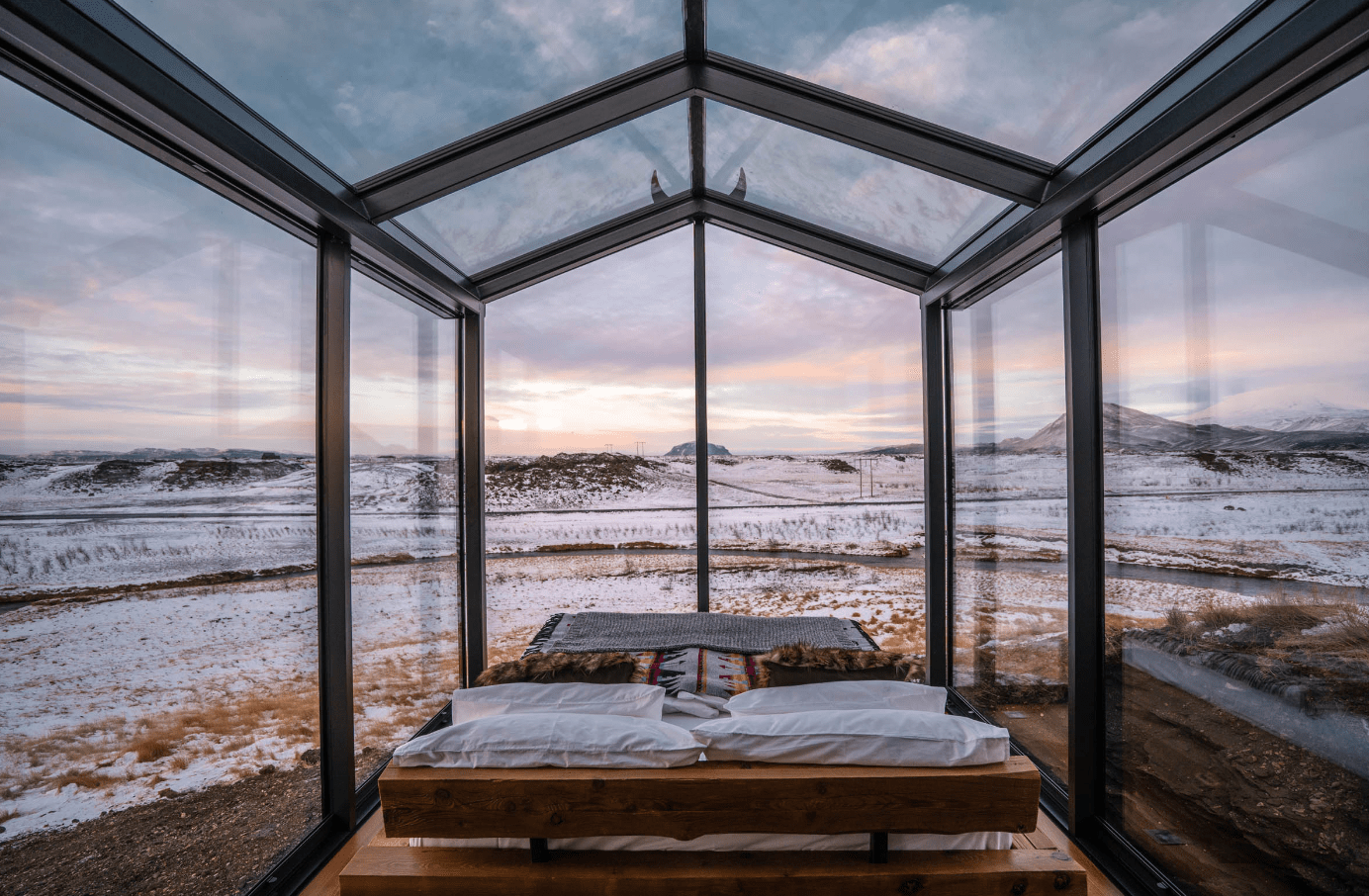
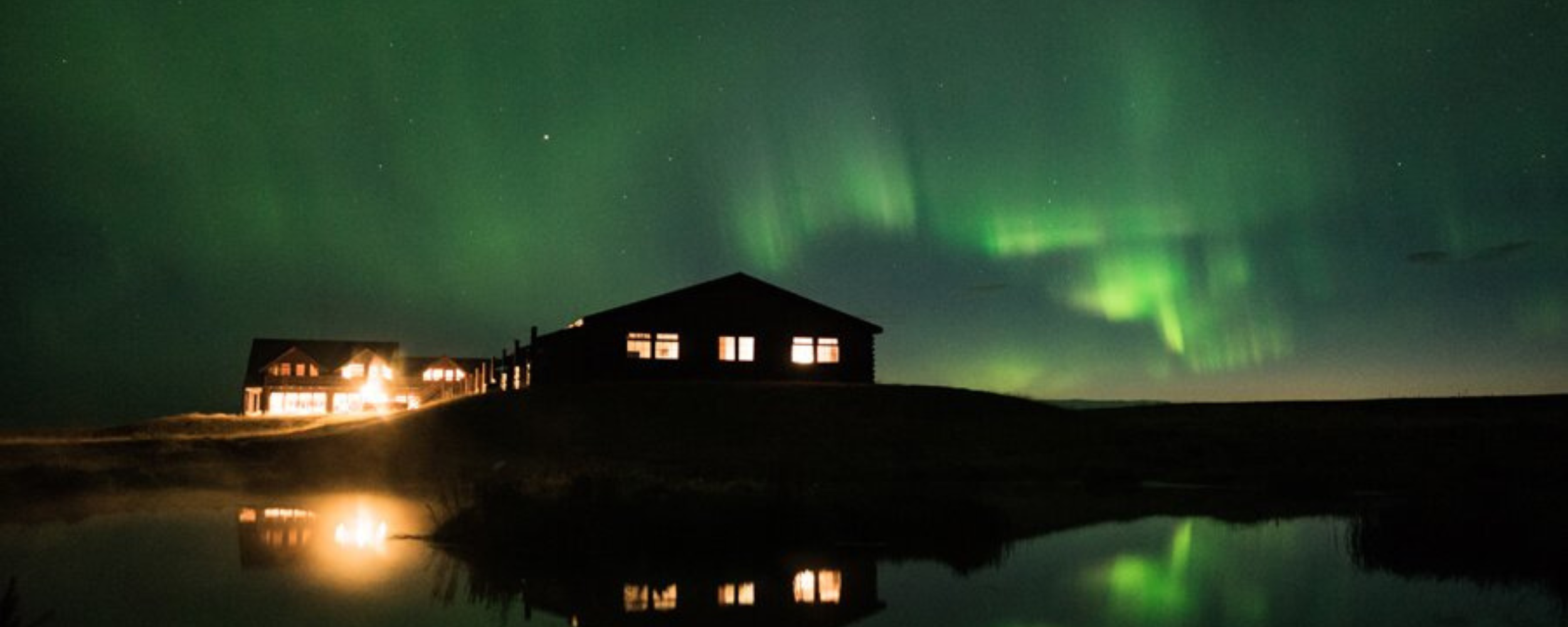
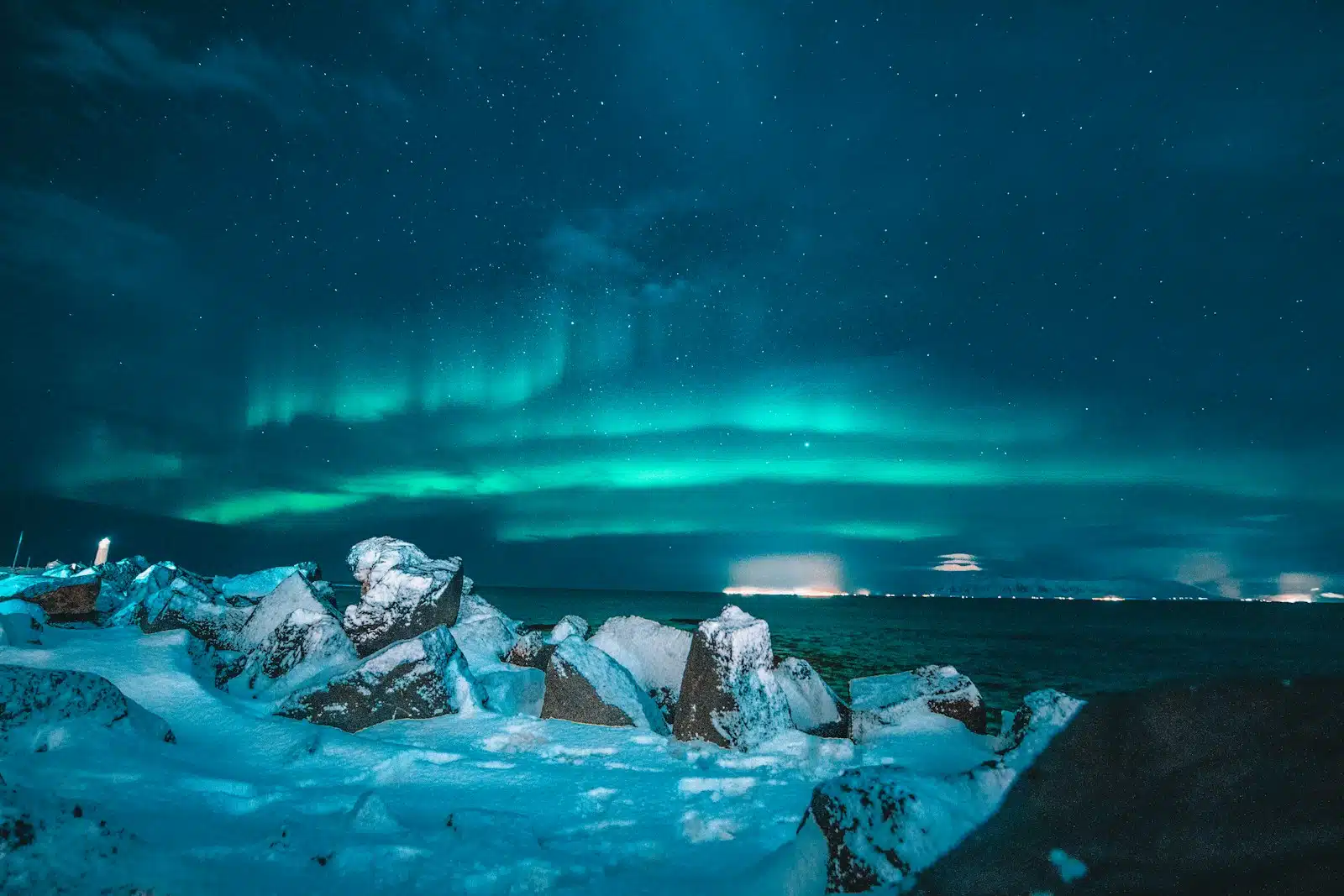
The primary draw is the landscape itself. Black sand beaches, waterfalls that appear suddenly off cliffs, glaciers that are visibly retreating year to year, and geothermal hot springs create an experience that feels genuinely alive. You’re watching the planet reshape itself in real time. The Aurora is a secondary but powerful draw, particularly for winter travelers. The aurora isn’t guaranteed (clear skies are required), but when it appears, it genuinely justifies the effort.

Why Iceland

Escape to Iceland

Add your Do Not Disturb moment

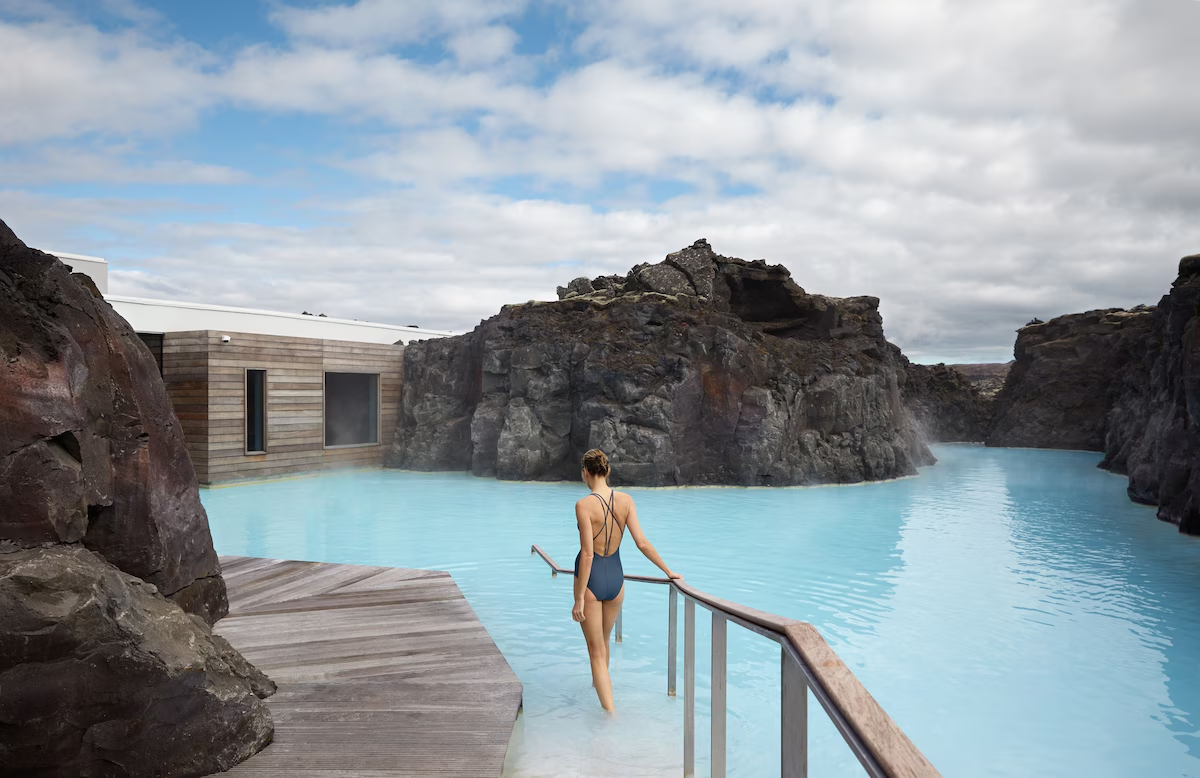
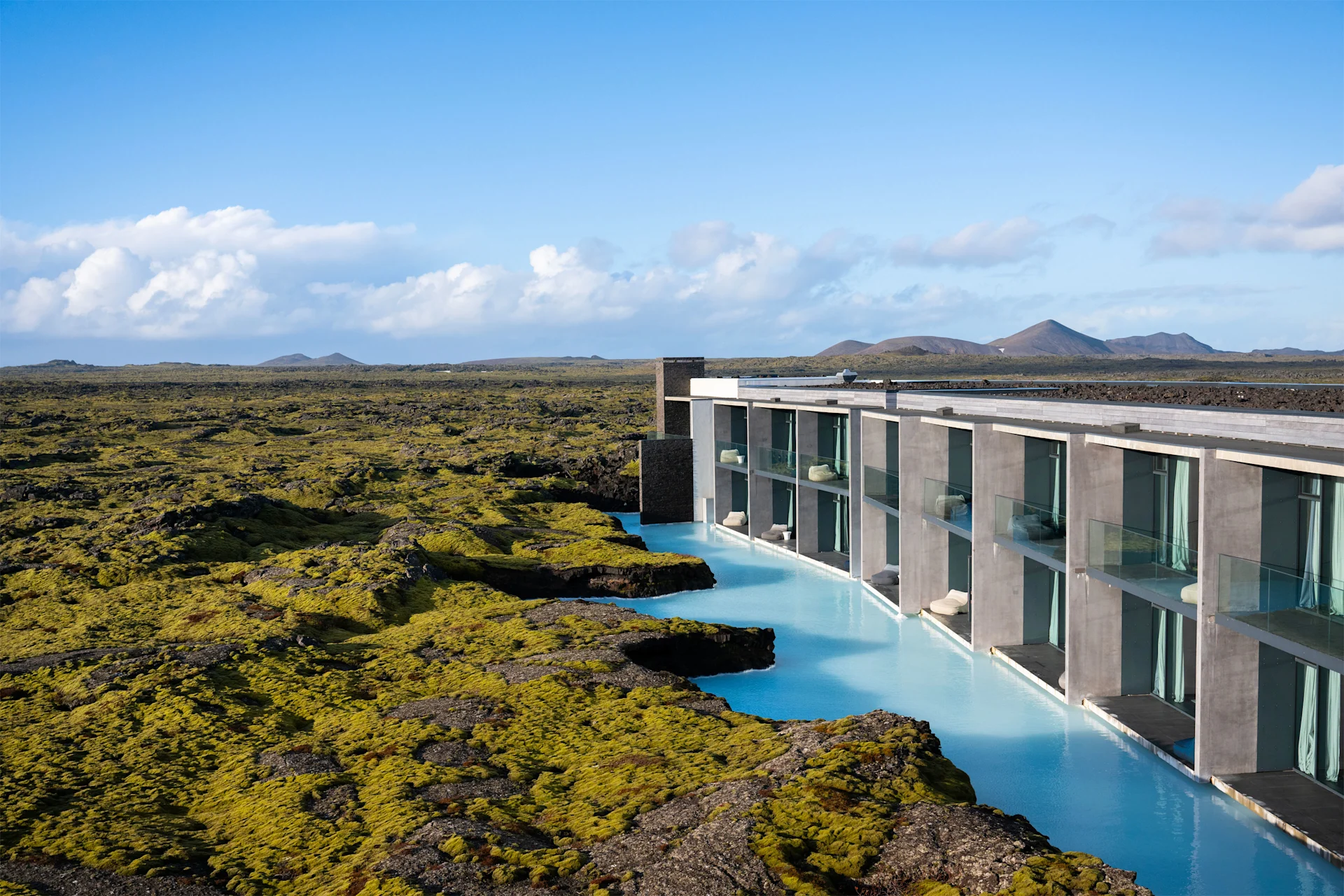
  • An after-hours immersion at the Retreat Spa transforms Iceland’s most famous geothermal site into a private, science-led wellness experience. With exclusive lagoon access and in-water treatments, this visit explores the mineral composition, geothermal engineering, and modern Icelandic approach to restoration beyond the daytime crowds.

Travel Guides

  • Iceland Overview

    Reykjavík sets the baseline. The city is small enough to walk in an afternoon, with a genuine creative culture concentrated in a few neighborhoods around the harbor.

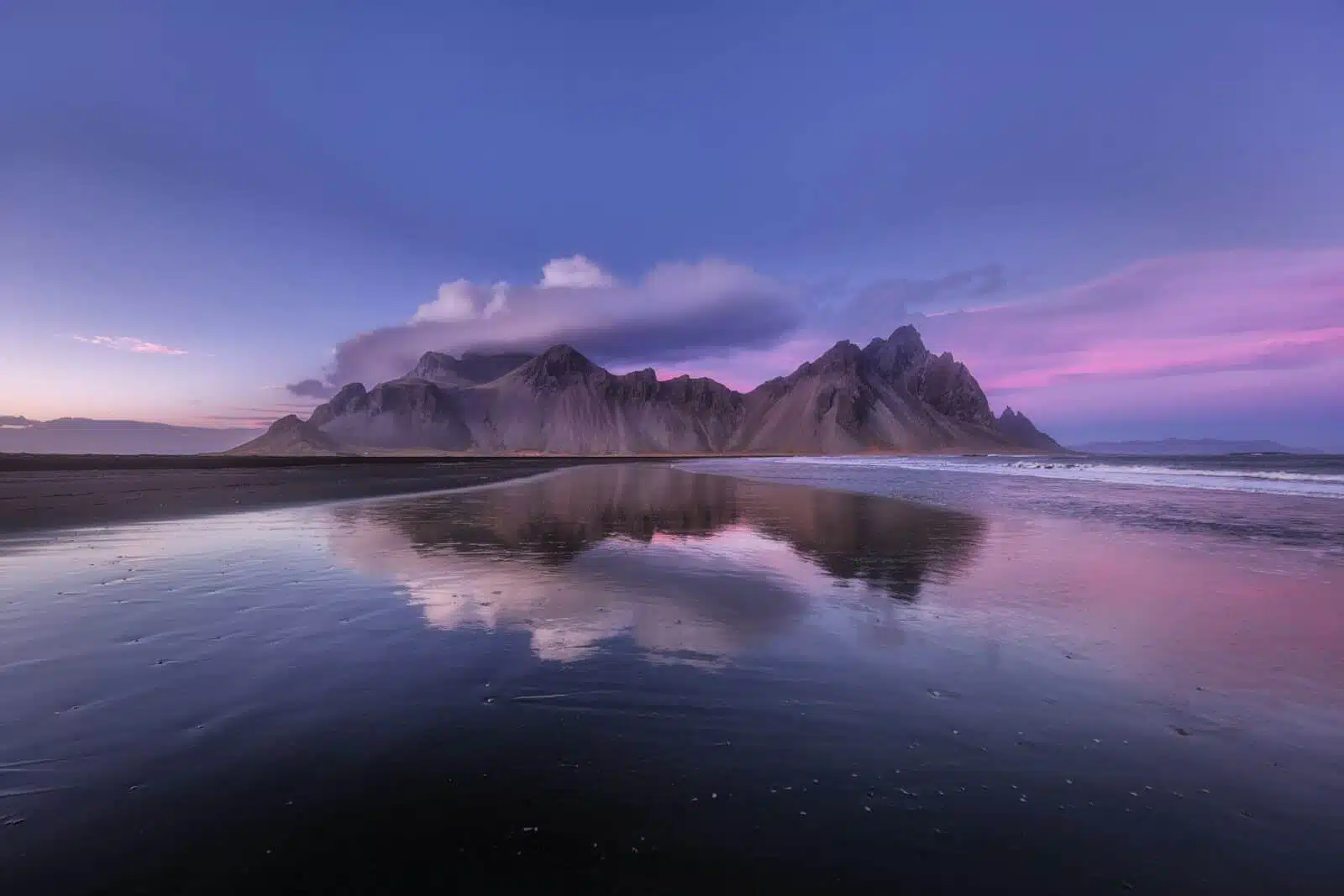
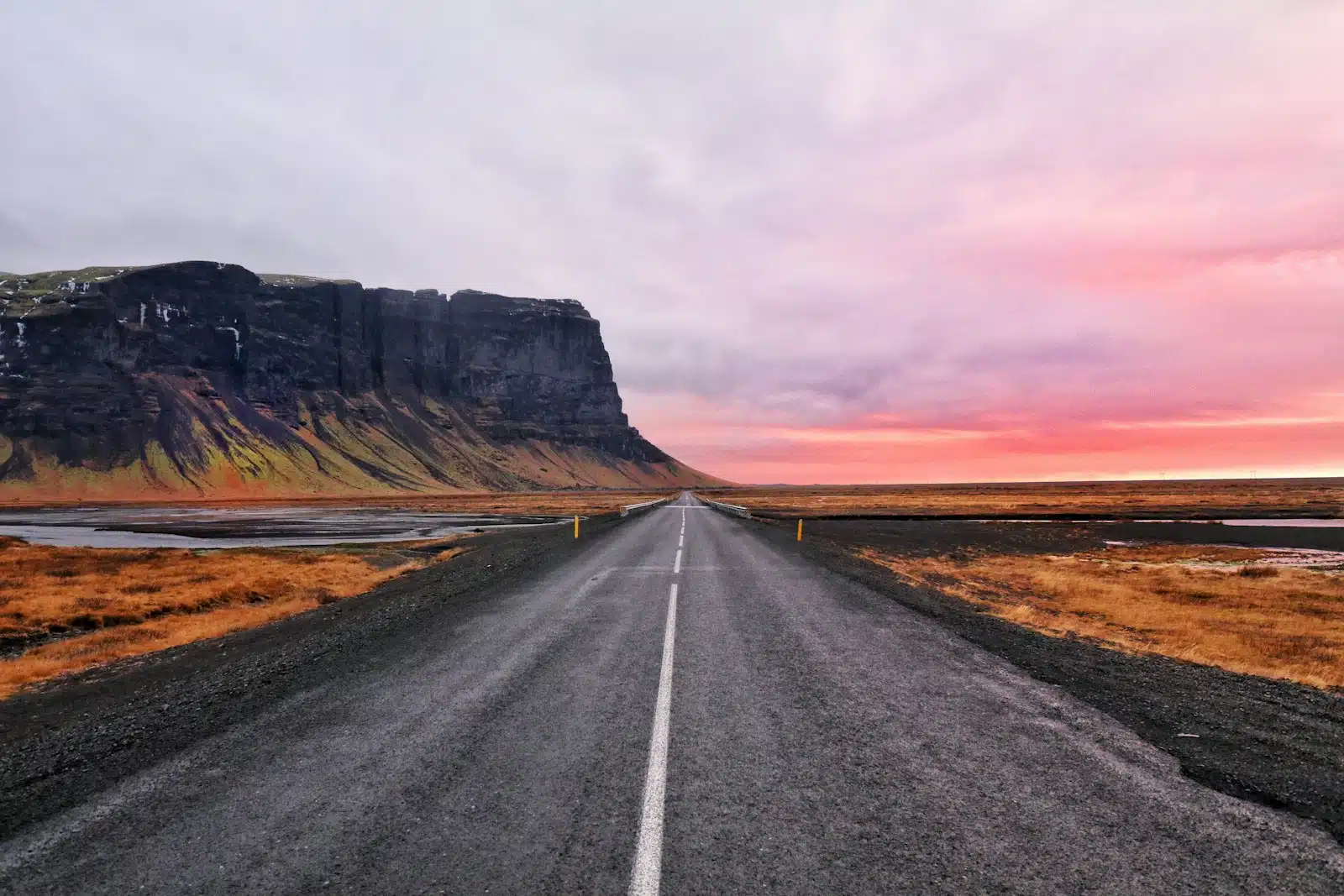
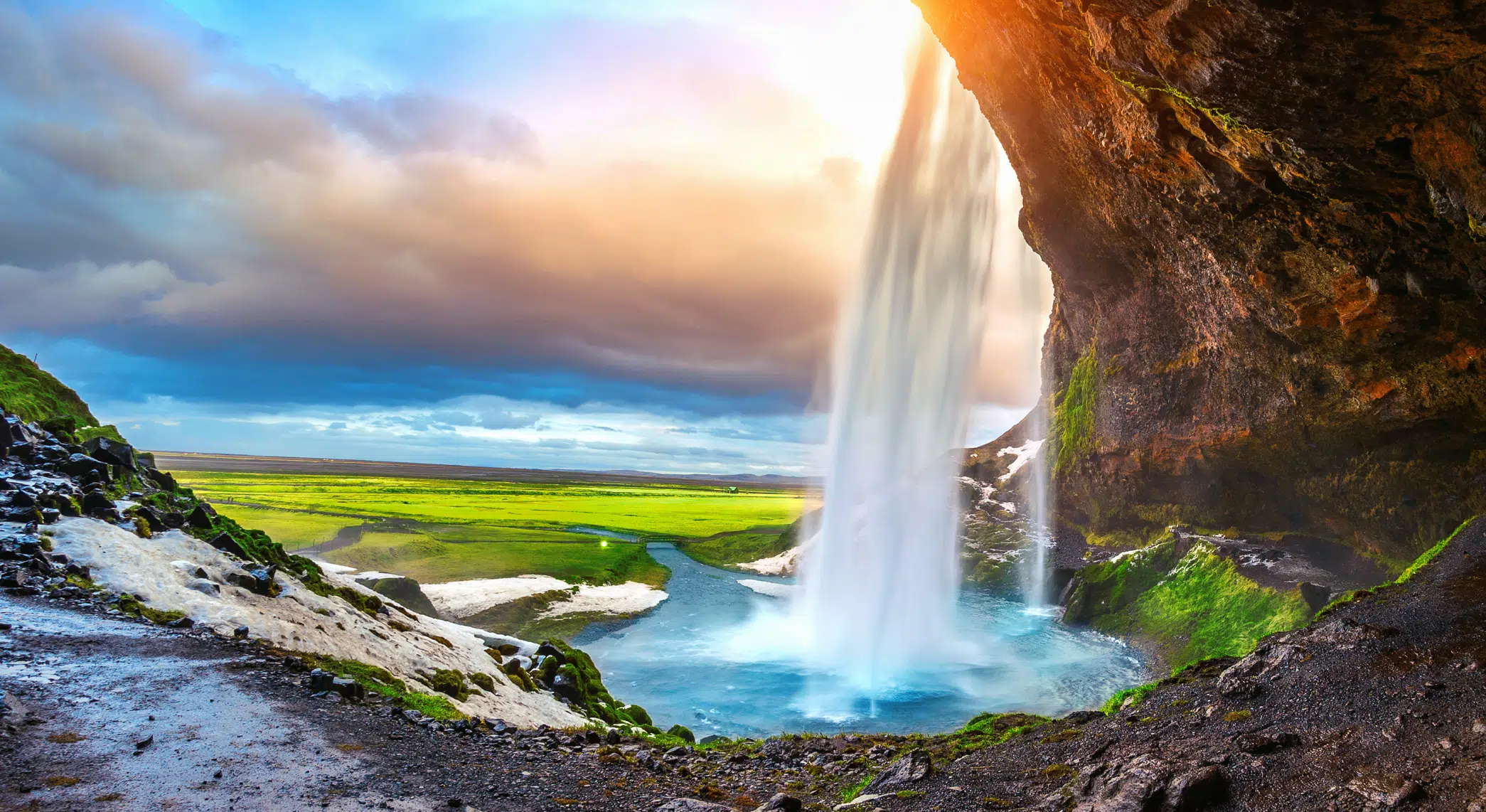
    Beyond the city, the South Coast stretches east from Reykjavík with black sand beaches, waterfalls that appear suddenly off cliffs, and glaciers that have retreated significantly in the last twenty years. The drive is genuinely scenic and dramatic.

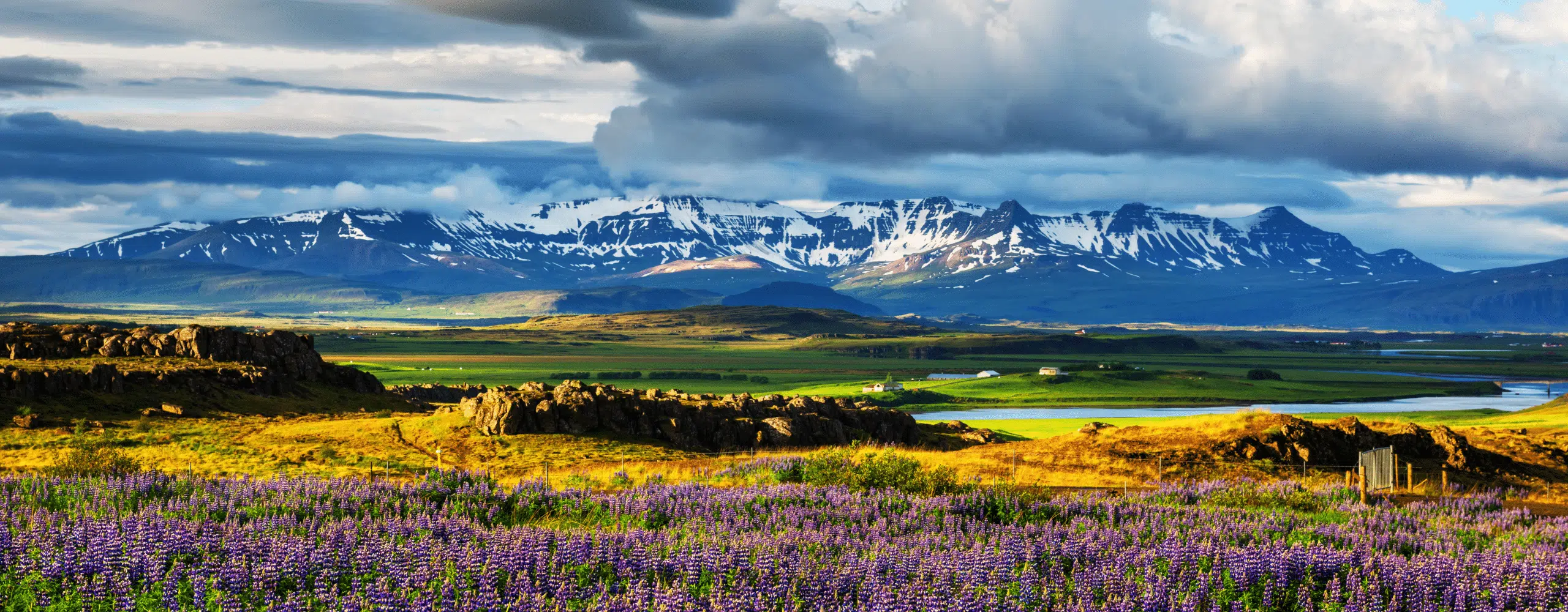
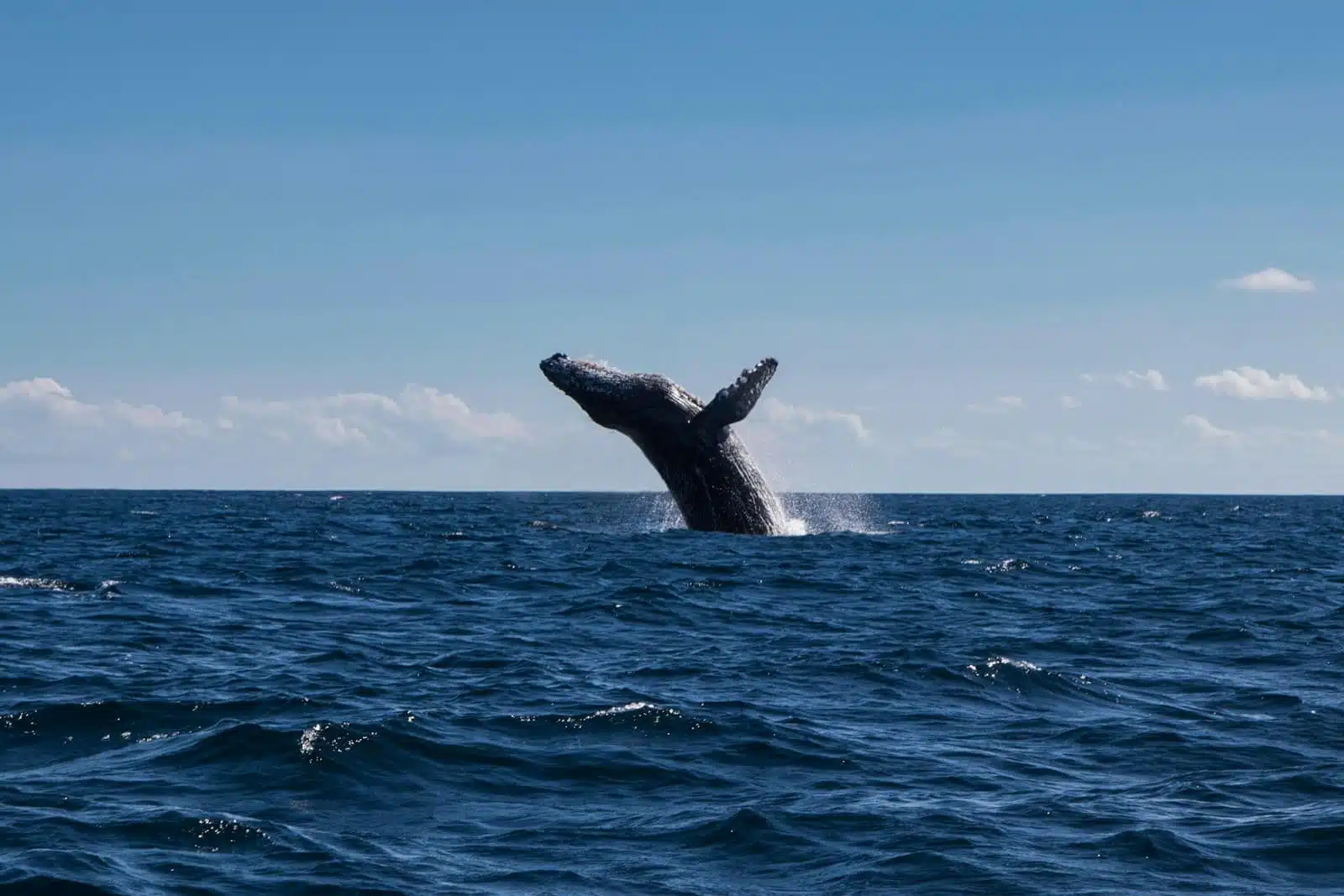
    To the north, Akureyri and Húsavík offer calm water, whale watching that actually works, and access to fjords that feel genuinely remote. The Highlands are Iceland at its most elemental: vast spaces, minimal development, and the kind of silence that actually feels rare.

    The Snæfellsnes Peninsula captures multiple Iceland versions in a single landscape: lava fields, fishing villages, mountain passes, and hidden coves. The Westfjords remain genuinely frontier territory, where roads narrow to single tracks and hot springs bubble beside cliffs.

  • Iceland things to do

    Culture and Heritage

    Iceland’s history is visible in its landscape rather than in architecture. The Viking heritage is real (Iceland was settled by Norse in the ninth century), but most physical remnants are small. The geology is the actual story: you see how the island was built by volcanic activity, shaped by glaciation, and is still changing. Reykjavík’s museums (particularly the National Museum and Settlement Exhibition) provide context if you want background, but the landscape itself is the most compelling historical narrative.

    Cuisine and Wine

    Icelandic food has become genuinely interesting, partly because the isolation means chefs can’t import everything and partly because there’s a real commitment to working with what’s locally available.

    Wine is limited (Iceland doesn’t produce wine commercially), but restaurants have thoughtful lists focusing on natural wines and interesting producers. The beer culture is strong, with local breweries producing serious work.

    Nature and Adventure

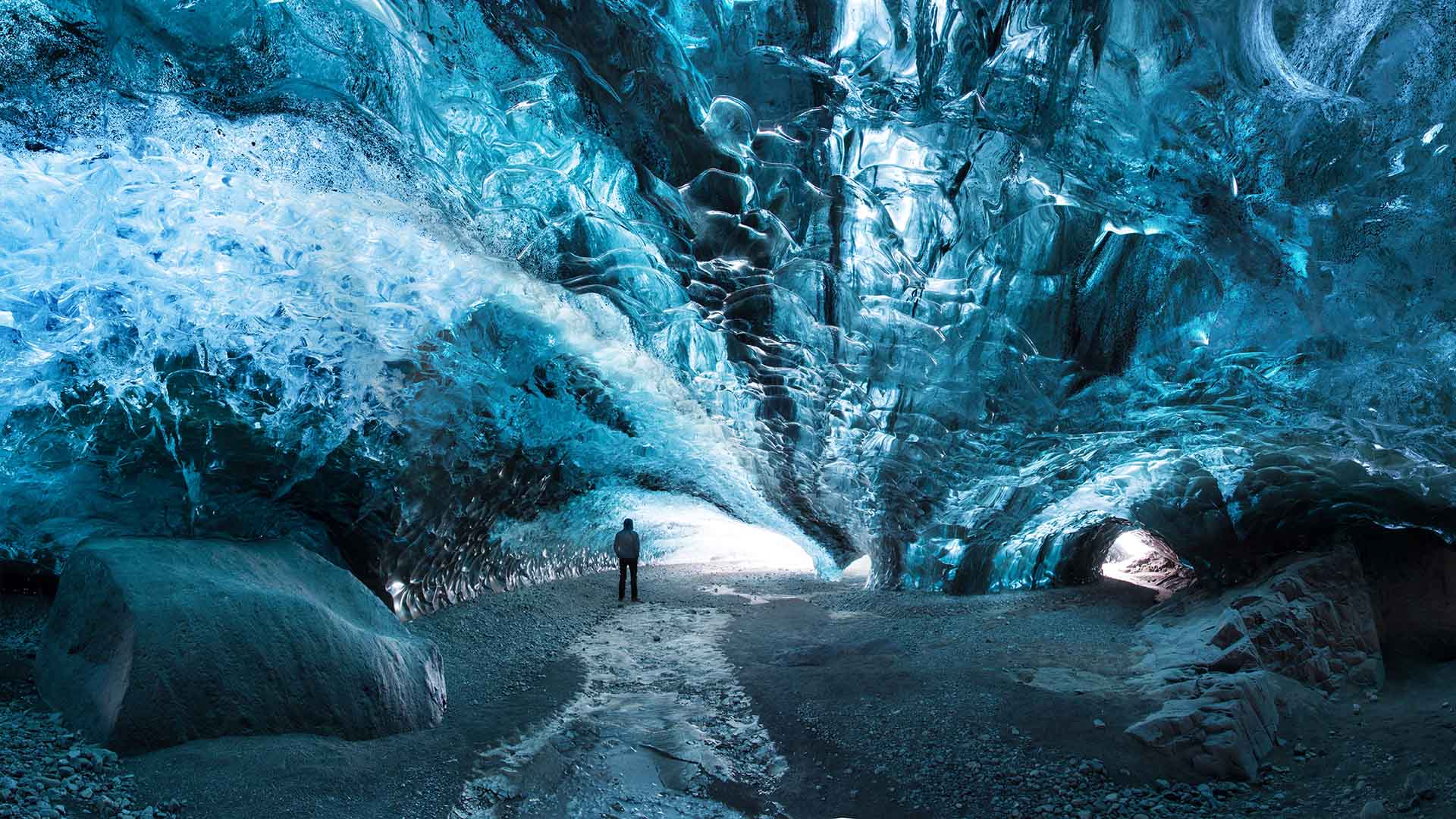
    Luxury in Iceland means access to extremes with added comfort. You can charter a helicopter to land beside a glacier, which sounds like expensive tourism but actually provides perspective on scale that you can’t get from driving. Private guides for ice cave exploration or glacier hiking let you move at your own pace and explore areas that bus groups don’t reach. Sailing into hidden fjords, particularly in the north and west, genuinely feels like exploration.

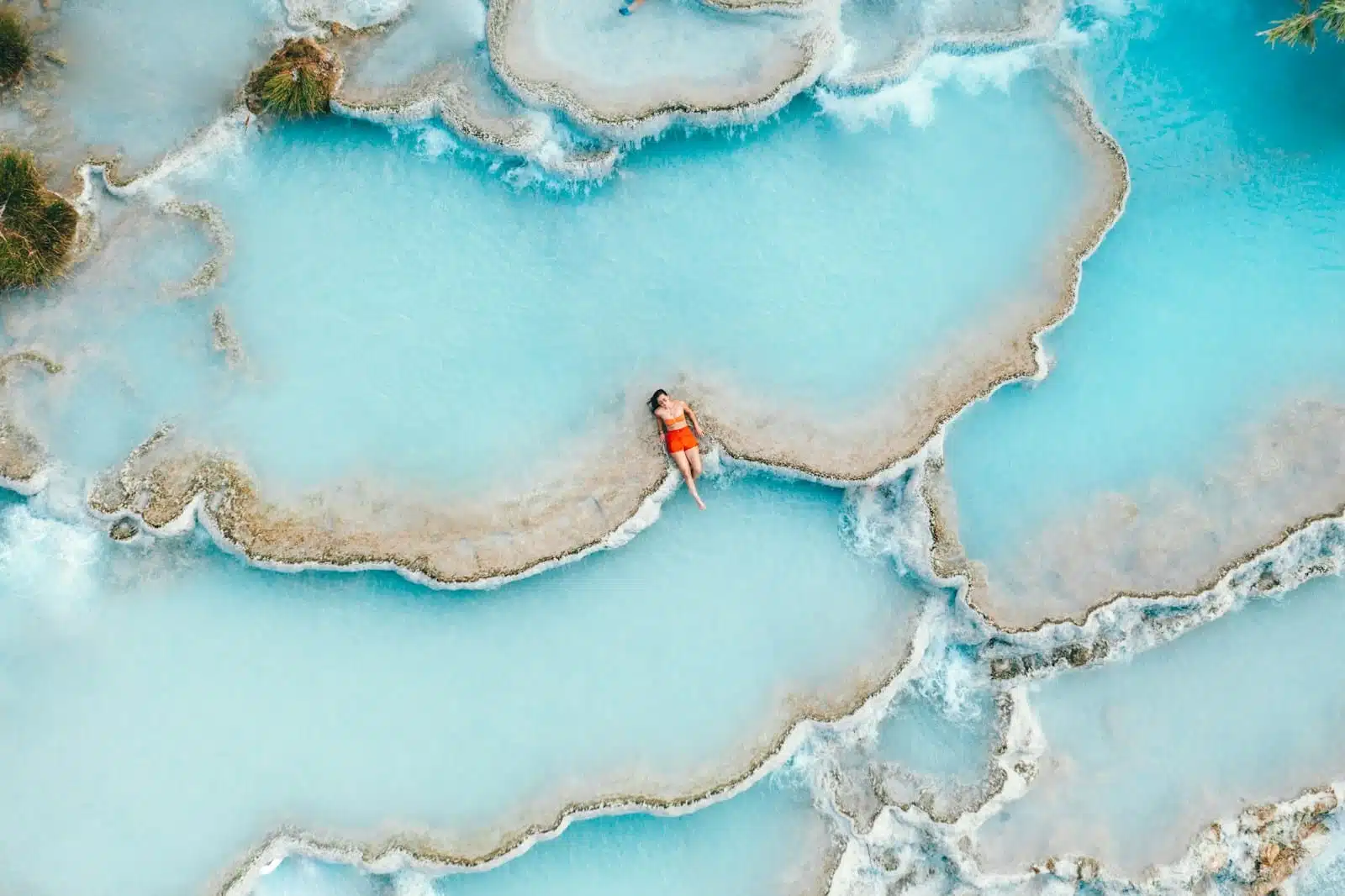
    The Blue Lagoon is undeniably the iconic Icelandic experience, and it’s actually good despite the tourism. The water is genuinely warm (around 38-40 degrees Celsius), the mineral content is real, and sitting in steaming water while the landscape is dramatic is a legitimate experience. The issue is crowds, which is why private access times and smaller competing hot springs (like Sky Lagoon, which has ocean views) matter.


  • Iceland hidden gems

    Vík í Mýrdal

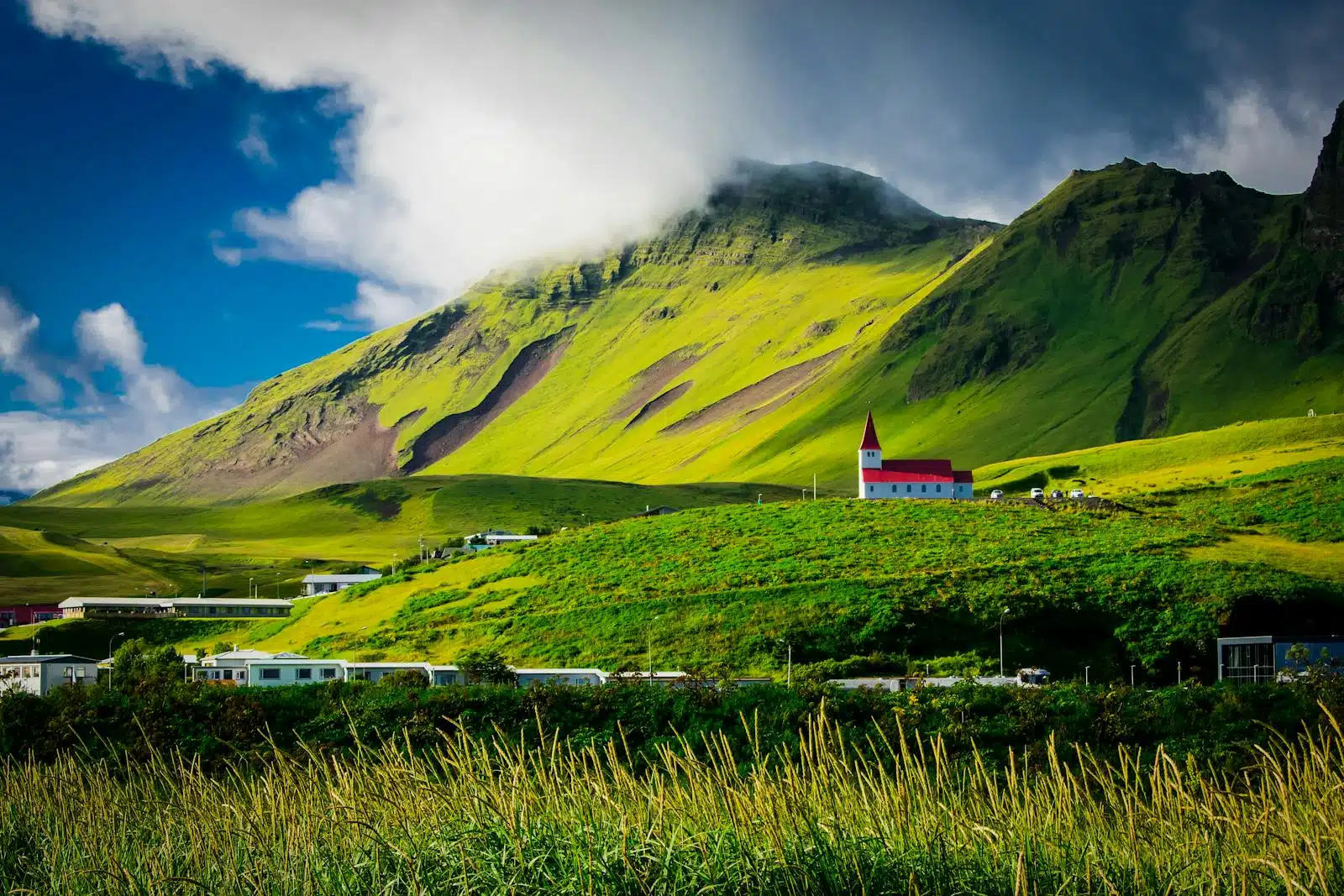
    A village on the south coast positioned between black sand beaches and dramatic sea cliffs. It remains quiet even during summer tourist season because most people don’t stop here. The landscape is genuinely striking (the beaches are black volcanic sand, the cliffs rise straight up from the water), and the village has a handful of good restaurants and guesthouses. It’s the kind of place that rewards staying overnight rather than passing through.

    Siglufjörður

    A former herring fishing town in the north that’s been carefully developed into an elegant retreat. Surrounded by fjords and snowfields, it has excellent restaurants, small hotels with genuine character, and feels like a place where people actually live rather than a destination engineered for tourists. The drive there winds through mountains, which adds to the sense of remoteness.

    Westfjords Peninsula

    Iceland’s most remote region, where roads narrow to single tracks, hot springs bubble beside cliffs, and the landscape feels genuinely untouched. The drive is serious (requires a capable vehicle and careful planning), but the reward is landscapes and silence that feel genuinely rare. Látrabjarg at the peninsula’s edge is one of the world’s largest seabird cliffs, with puffins nesting in the rocks during summer. This region is for travelers who want genuine remoteness rather than comfortable accessibility.
  • Iceland Overview weather

    Spring (April to May)

    Days lengthen and snow begins to melt. Waterfalls are at their peak and temperatures hover around 5–10°C.

    Summer (June to August)

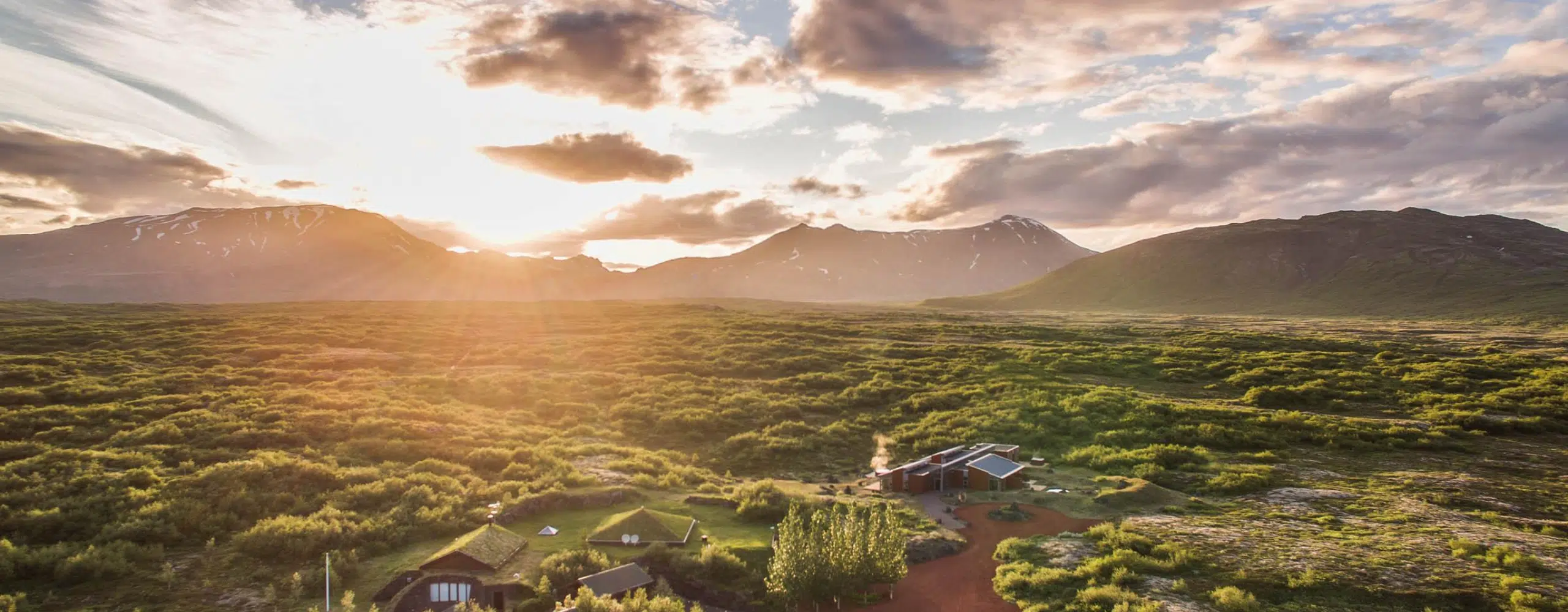
    Endless daylight, mild air, and landscapes in full colour. Best for hiking, driving, and open-air bathing.

    Autumn (September to October)

    Crisp air, golden moss, and fewer visitors. A quiet time to see the northern lights without deep cold.

    Winter (November to March)

    Short days, long nights, and bright auroras. Ideal for hot springs, comfort, and a slower rhythm.

  • Iceland getting there

    Keflavík International Airport (roughly 50 kilometers southwest of Reykjavík) is served by direct flights from London (roughly three hours), New York (five to six hours), Boston (five to six hours), and most European hubs. The drive from the airport to Reykjavík takes 45 to 60 minutes depending on traffic.

    Private transfers are easily arranged through hotels and tour operators. Rental cars work well if you’re comfortable driving in variable conditions. Icelandic roads are generally good but weather can change rapidly, and some routes require capable vehicles and winter tires in colder months. Driver-guides are available and worthwhile if you want local knowledge and someone managing navigation.

    Helicopter charters are available for glacier landings, remote area access, and scenic flights. They’re expensive (roughly USD 1,500 to 3,000 per person depending on length and destination) but genuinely offer perspective and access that ground-based travel doesn’t provide.

    The best approach balances structure with flexibility: arrange a general route and driver or rental, then allow room for detours and unplanned stops. Iceland rewards this kind of pacing.

Your journey doesn’t start with a booking. It starts with a conversation.

Tell us how you want to feel, we’ll take it from there.

See more reviews on Trustpilot

Editorials

Iceland 9 min read

Iceland sits on one of the world’s most geothermally active zones, a land where the earth literally steams beneath your feet. But beyond the dramatic geology lies a centuries-old wellness culture that harnesses these natural forces to restore body and mind.

28 October 2025
landscape photo of Aurora lights 15 min read

From Lapland to Iceland, these remote Arctic lodges deliver the Northern Lights with all the luxuries you desire.

28 October 2025

Your next steps

Complete Our Form

You tell us your dream trip. We begin planning by using our extensive contacts and property relationships.

Travel Expert Connects

We reach out to learn your preferences and style and make recommendations.

Tailored Itinerary Sent To You

You receive a bespoke proposal, curated with care by your expert.

We Refine Together

You share feedback and we finalize the itinerary until it is perfect.

Confirm & Prepare To Travel

When you are ready, we book your personalized trip and send your final itinerary.

Travel With Confidence

We’re with you every step - before, during, and after your incredible journey.

Swipe to see all 6 steps →

Tell us about your journey