




Rich Ryan
Luxury Travel Expert
Not sure yet? Talk to an expert · +1 888 931 0363
Not sure yet? Talk to an expert · +1 888 931 0363
Or talk to us +1 888 931 0363
Tailor-made trips for 2027 & 2028
Private tours, bespoke itineraries and curated journeys across Portugal.
Tailor-made, always
Every itinerary shaped around your dates, pace and preferences.
One dedicated expert
The same person from the first conversation until you return.
Decades of experience
Over 35 years shaping bespoke journeys for discerning travelers.
Portugal blends historic cities, long coastlines, and an unhurried way of life, shaped by food that is simple, regional, and deeply tied to the sea.
At Do Not Disturb, we match you with one of our dedicated Portugal luxury travel experts who designs a tailor-made itinerary around how you want your time away to feel. With deep destination knowledge and meticulous planning behind the scenes, we transform complex travel into something effortless and entirely your own.
The world without distraction.
Request a quotePortugal has serious foodie credentials, a lived-in aesthetic that feels nothing like a design showroom, and the kind of hospitality that doesn’t perform. Lisbon has become Europe’s most interesting emerging city. Young chefs, galleries, and designers are moving here because there’s still room to work, real estate doesn’t cost London prices, and the city refuses to perform for tourists. The Douro Valley produces wines that rank with anywhere in Europe but costs a fraction of Napa or Burgundy, and the Algarve remains a perennial favorite for a relaxing vacation.
Every itinerary is a starting point. Your expert reshapes the places, hotels and pace around you.
Request a quote A Private City tour of Lisbon
Discover Lisbon through a private city tour that explores history, architecture, and neighborhoods with expert guidance and seamless pacing, curated by Do Not Disturb.
A Private City tour of Lisbon
Discover Lisbon through a private city tour that explores history, architecture, and neighborhoods with expert guidance and seamless pacing, curated by Do Not Disturb.
 Carriage Ride through Sintra
Experience a private horse-drawn carriage ride through the Sintra Mountains, a romantic honeymoon moment curated by Do Not Disturb for seamless, intimate travel in Portugal.
Carriage Ride through Sintra
Experience a private horse-drawn carriage ride through the Sintra Mountains, a romantic honeymoon moment curated by Do Not Disturb for seamless, intimate travel in Portugal.
 Off-Road Buggy Expeditions in Sintra or Algarve
Discover private off road buggy and quad expeditions in Sintra and the Algarve, exploring forests and mountain villages with high performance vehicles curated by Do Not Disturb.
Off-Road Buggy Expeditions in Sintra or Algarve
Discover private off road buggy and quad expeditions in Sintra and the Algarve, exploring forests and mountain villages with high performance vehicles curated by Do Not Disturb.
 Visit the caves Grutas de Mira de Aire
Explore the Grutas de Mira de Aire on a private guided visit, discovering Portugal’s largest cave system with seamless transport and expert insight curated by Do Not Disturb.
Visit the caves Grutas de Mira de Aire
Explore the Grutas de Mira de Aire on a private guided visit, discovering Portugal’s largest cave system with seamless transport and expert insight curated by Do Not Disturb.
 Private Access of the Vila Vita Spa
Enjoy private access to the Vila Vita Spa by Sisley Paris, from secluded Spa Suites to bespoke wellness programs, curated by Do Not Disturb in the Algarve.
Private Access of the Vila Vita Spa
Enjoy private access to the Vila Vita Spa by Sisley Paris, from secluded Spa Suites to bespoke wellness programs, curated by Do Not Disturb in the Algarve.
 Private Surf lessons in Sagres
Experience private surf lessons in Sagres with mobile coaching, premium equipment, and crowd free beaches, curated by Do Not Disturb for focused surfing on Portugal’s Atlantic coast.
Private Surf lessons in Sagres
Experience private surf lessons in Sagres with mobile coaching, premium equipment, and crowd free beaches, curated by Do Not Disturb for focused surfing on Portugal’s Atlantic coast.
Travel guide
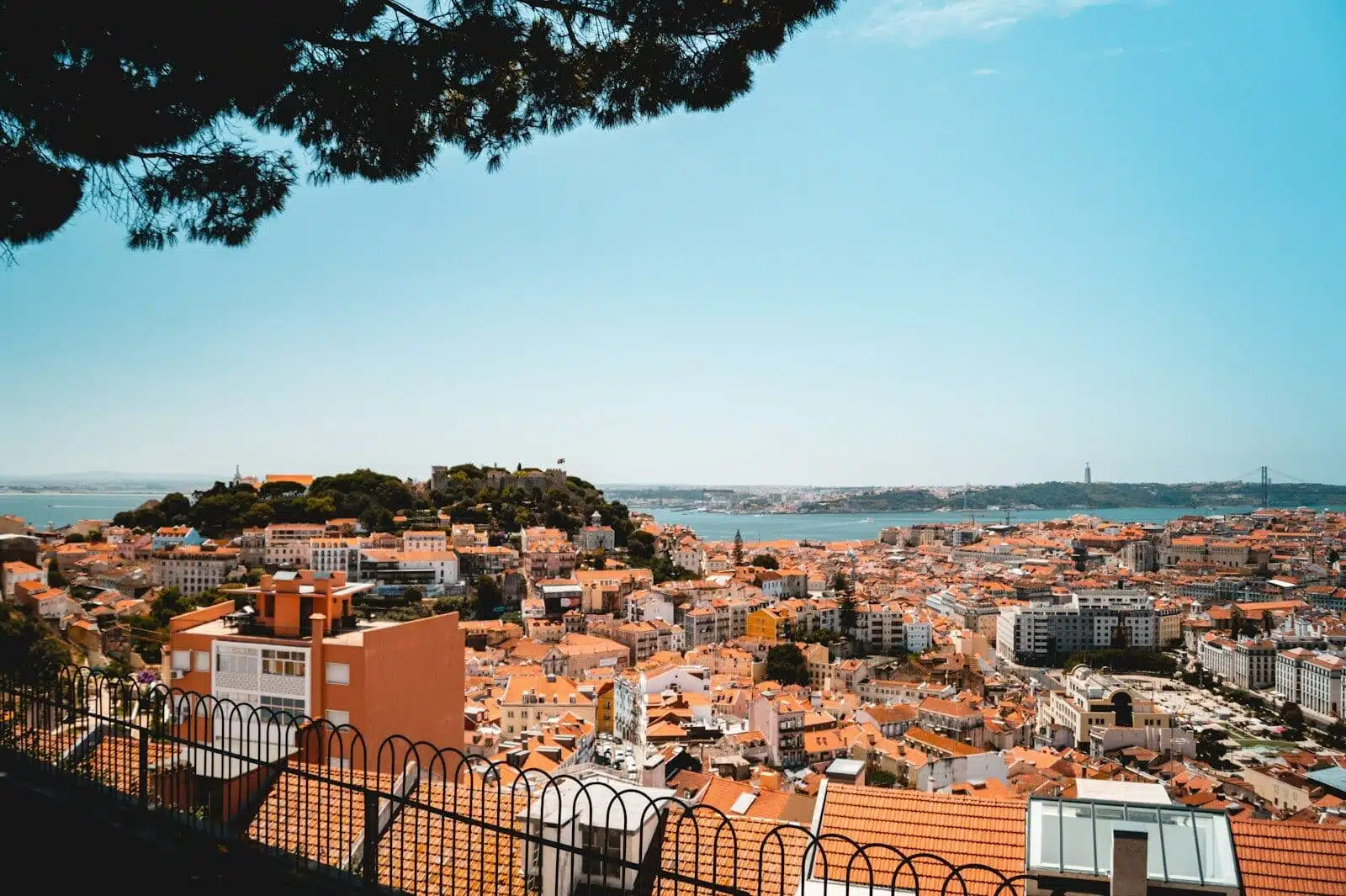
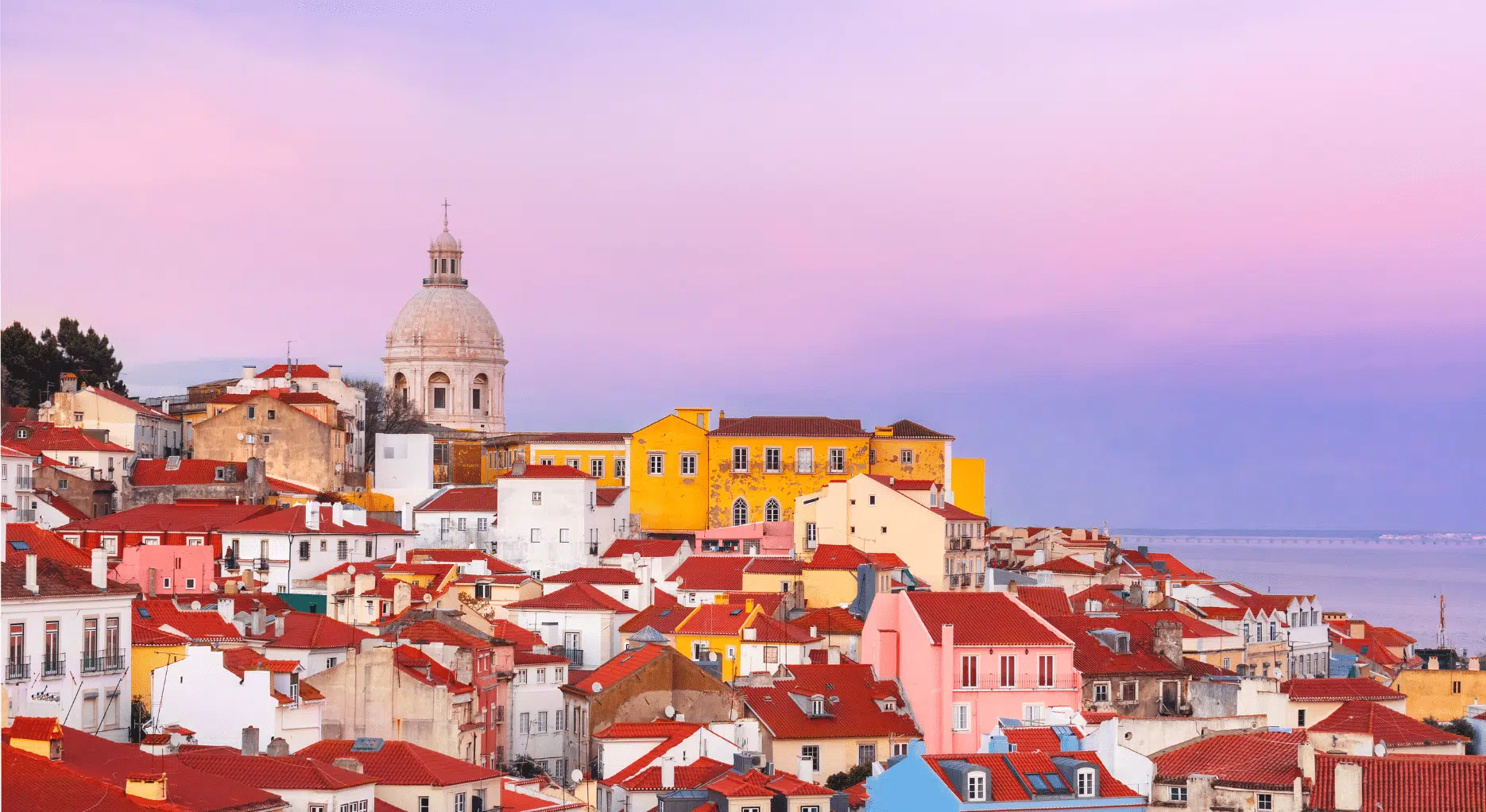
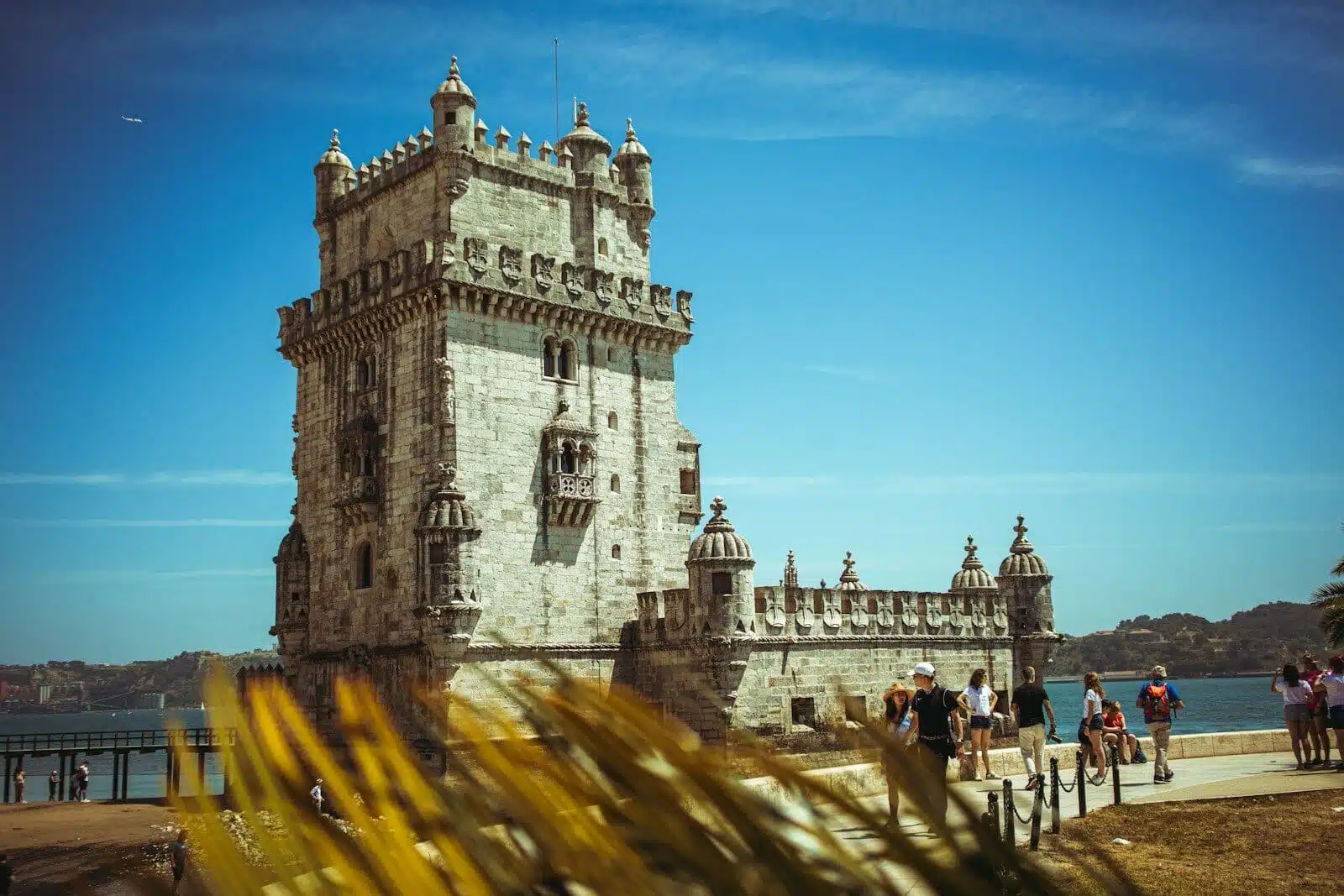
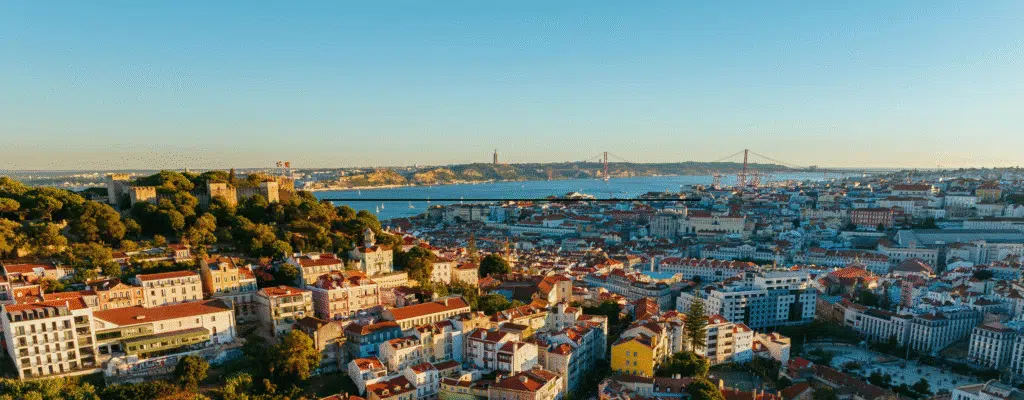
Portugal is small enough to cross in a few hours but varied enough to feel like three countries. Lisbon sits on the Tagus estuary and mixes Moorish architecture with contemporary galleries, street art, and restaurants where chefs are quietly redefining Portuguese cuisine.
Porto, two hours north, is grittier and more vertically compressed- the Ribeira district stacks medieval buildings down to the Douro River, where lodges age port wine in the cool stone cellars below street level.
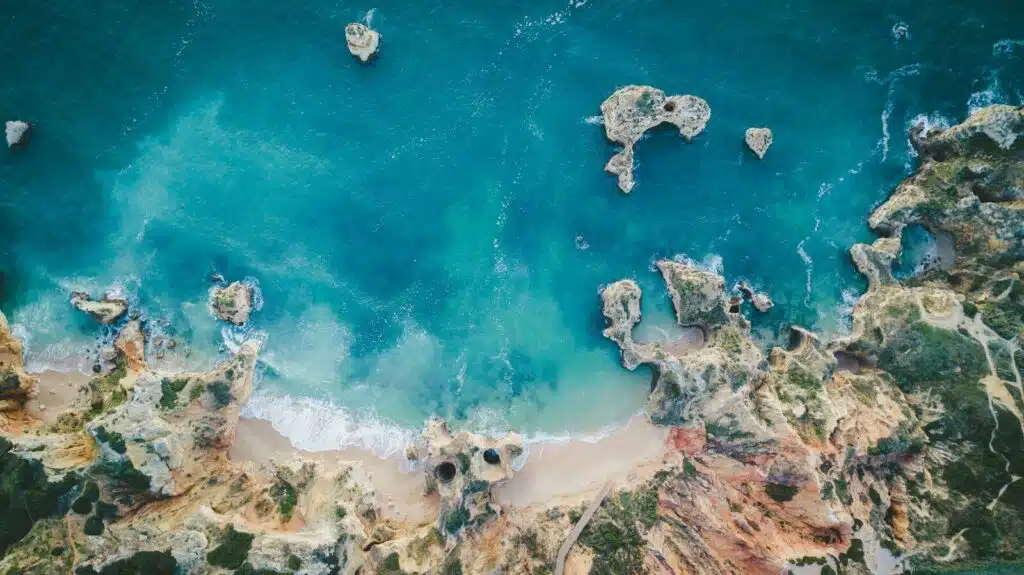
Away from the cities, the Alentejo rolls in cork oak and olive groves with almost no development. The Algarve has become a study in restraint: dramatic rust-colored cliffs, quiet coves, and a new generation of hotels designed by architects who understand that a building should recede into its surroundings.
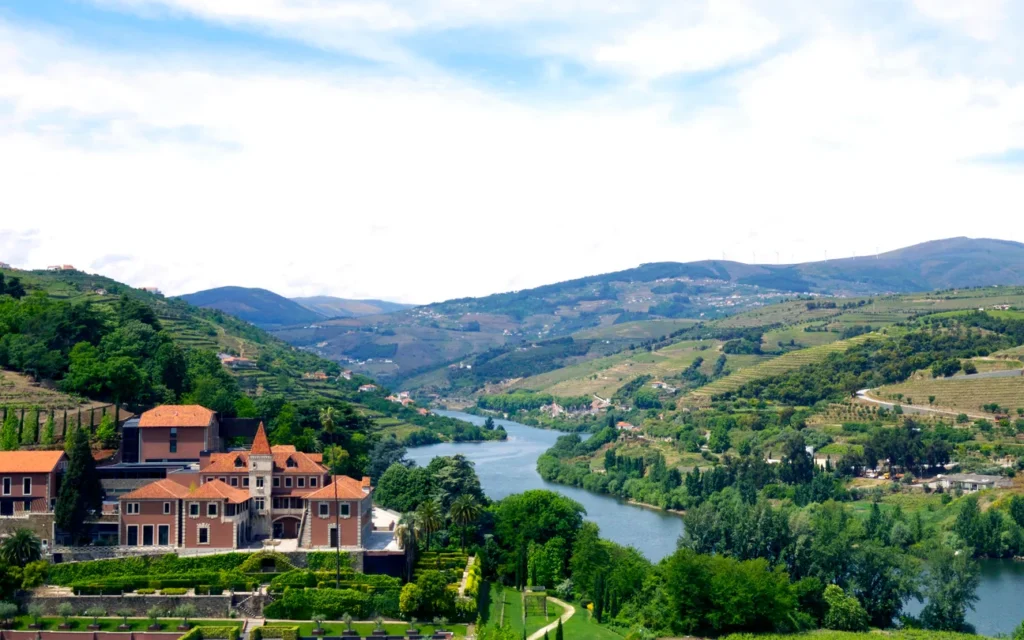
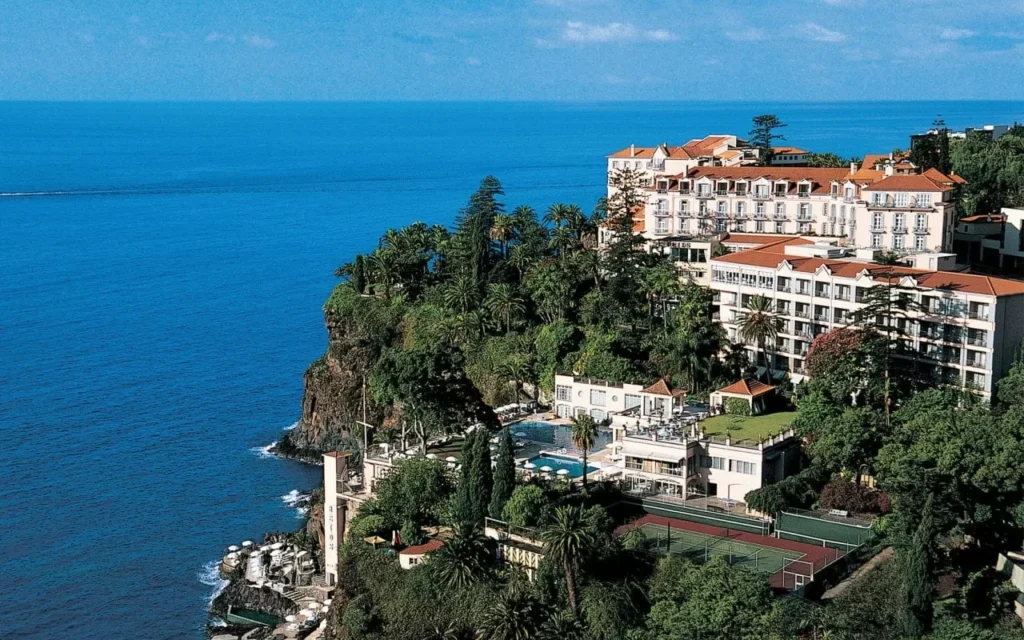
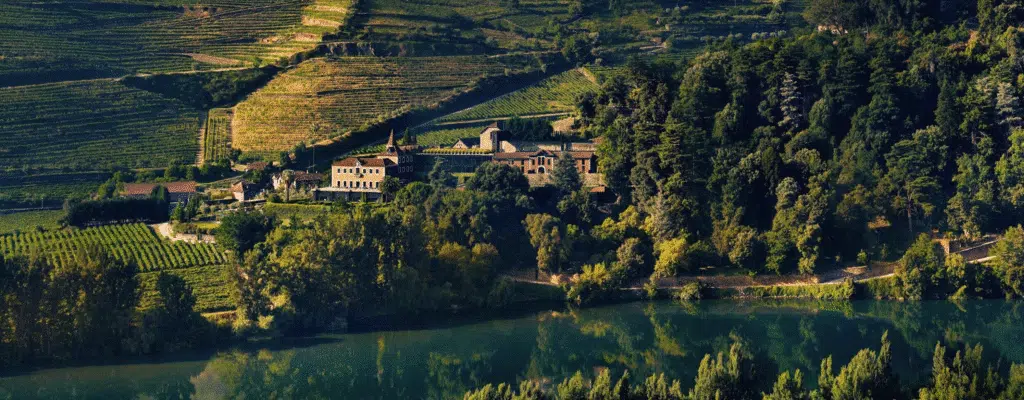
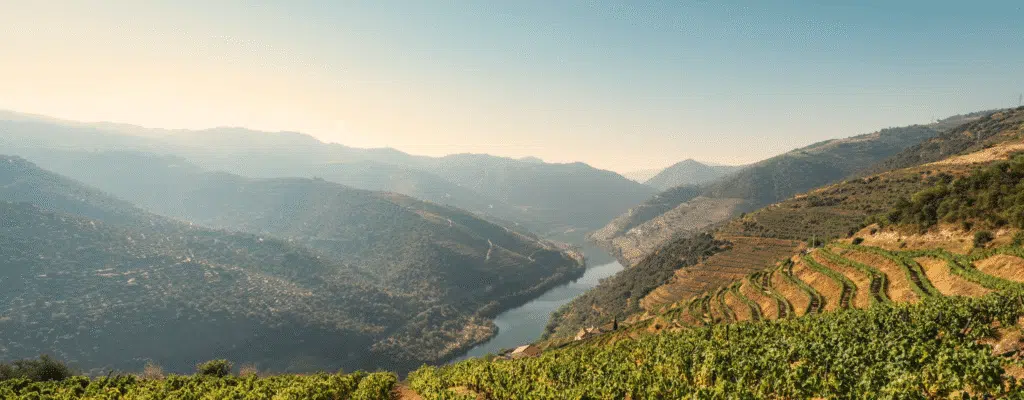
The Douro Valley, inland from Porto, terraces vineyards onto near-vertical hillsides. And then there are the islands: Madeira volcanic and subtropical; the Azores remote and windswept, the kind of place that still feels genuinely undiscovered.
Lisbon’s earthquake of 1755 rebuilt the city on a grid, which means neighborhoods actually make sense. The tile work (azulejos) is a 500-year design tradition visible on everything from palace walls to bathroom floors in fishing villages.
Porto’s Torre dos Clérigos and the São Bento train station are standard stops, but the real architecture lives in the quintas (estates) scattered through wine country. There are Moorish castles in the hill towns around Sintra, and if you want the contemporary art scene, Lisbon’s MAAT and the converted warehouses in Porto’s Ribeira are doing interesting work.
The seafood is legitimately exceptional because Portugal’s coast is 800 kilometers of Atlantic, which means the fish rotation changes weekly. Grilled sea bass and octopus are straightforward. The clams from the Algarve (ameijoas à Bulhão Pato) are standard in good restaurants.
Salt cod, which you’d think would be boring, appears in dozens of preparations – it’s been the backbone of Portuguese cooking since the Age of Discovery.
This destination doesn’t require wellness retreats to feel restorative. The Alentejo’s rural estates, coastal walks in the morning, long lunches, and actual quiet do the work. There are spas (particularly around Sintra and the Algarve), but honestly the best “wellness” is pace – everything moves slower here.
A fortified village perched on a hilltop in the Alentejo with essentially one main street, whitewashed buildings, and unobstructed views across the Alqueva Lake.
The place is genuinely quiet year-round because there’s nothing commercial about it; locals outnumber tourists by a significant margin. You come here to eat lunch at one of two proper restaurants (both good, both simple), walk the medieval walls, and sit in the late afternoon watching the light change across the water.
An hour south of Lisbon, a dune-backed beach stretch along the Sado estuary where the entire vibe is built on discretion. The design-forward hotels (Sublime Comporta, Comporta Natures Club, and several smaller properties) are understated.
There are a few restaurants worth the drive (Museu de Comporta for seafood, Henrique Lapa for wine), a handful of concept shops, and an unmarked beach bar or two.
A working fishing village in the eastern Algarve with tiled houses (many dating back centuries), an actual seafood market where locals buy their dinner, and ferry connections to the barrier islands, specifically Culatra and Farol, which have maybe a few hundred residents combined and almost no tourism infrastructure.
Tavira itself has a handful of good seafood restaurants (O Armazém do Sal, a converted warehouse turned restaurant) and a couple of small guesthouses, but most people use it as a base for day trips. The real draw is that it hasn’t been resorted or gentrified; it’s fifteen minutes from the Algarve’s main beaches but feels like a different region entirely.
Autumn is Portugal's finest touring season: from September to November the Douro is in harvest, the days are sunny and the Atlantic is still warm enough for a swim. Spring is green and mild (61–72°F), summer is hot inland (82–91°F) with the Algarve and the islands at their liveliest, and winter is quiet and gentle, with Lisbon and Madeira especially inviting.
61–72°F, still green from winter rains, wildflowers in the Alentejo. Good for cities and coastal walks without summer crowds.
82–91°F inland, cooler at the coast. Islands and the Algarve at their best, but expect tourists. The Douro can be brutally hot.
Harvest season in the Douro, water still swimmable, days sunny, nights cooling down. Genuinely the best time for touring.
Mild and quiet. Lisbon remains pleasant; Madeira especially good. Fine for culture, food, and not dealing with crowds.
Most travelers arrive through Humberto Delgado Lisbon Airport (LIS) or Francisco Sá Carneiro Porto Airport (OPO), both served by direct flights from London (roughly 2.5 hours), New York (7–8 hours), and Boston (7.5 hours). Lisbon handles more frequency and cheaper options; Porto is better if you’re heading straight to the Douro Valley or northern coast.
From Lisbon, you’re ninety minutes to the Algarve by car, two hours to Comporta, three hours to the Douro Valley. From Porto, it’s three hours to the Douro and four hours to Lisbon if you’re planning to work south.
For the islands, Madeira and the Azores are reached via short connecting flights from Lisbon or Porto (roughly 90 minutes to Madeira, 2.5 hours to the Azores). Direct flights from some European hubs exist but aren’t frequent. Faro Airport in the south serves the Algarve specifically and has some direct UK flights, but limited US connections.
Ground transportation is straightforward. Rental cars work well if you’re comfortable with European driving; roads are good but Portuguese drivers move fast on highways and villages can be maze-like. For a first-time visitor, the sweet spot is usually flying into Lisbon, renting a car or booking transfers, and working your way north or south depending on how much time you have.
Planning a trip to Portugal? Speak to one of our Europe-based experts.
Plan your Portugal journey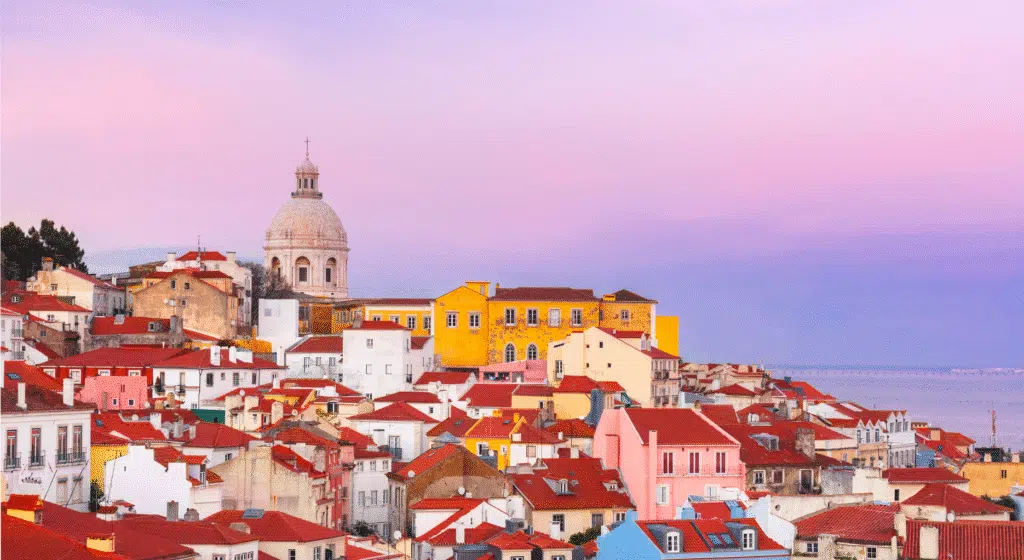 9 min read
24 Hours in Lisbon: Best Things to Do, Eat & See
Lisbon balances old-world charm with easy modern rhythm. Draped across seven hills, it’s a city shaped by light and resilience. Moorish alleys, tiled facades, and tramlines tracing the past into…
9 min read
24 Hours in Lisbon: Best Things to Do, Eat & See
Lisbon balances old-world charm with easy modern rhythm. Draped across seven hills, it’s a city shaped by light and resilience. Moorish alleys, tiled facades, and tramlines tracing the past into…
 5 min read
Beyond Lisbon: 5 Charming Cities to Visit in Portugal
Portugal's most visited cities tend to absorb all the attention, leaving a string of historically significant, culturally layered destinations largely undisturbed by mass tourism.
5 min read
Beyond Lisbon: 5 Charming Cities to Visit in Portugal
Portugal's most visited cities tend to absorb all the attention, leaving a string of historically significant, culturally layered destinations largely undisturbed by mass tourism.
 6 min read
How to Plan a Multi-Country Europe Honeymoon
From Paris and the Amalfi Coast to Spain and Portugal, our guide to planning the perfect multi-country European honeymoon. Ten to fourteen days, expert curation, and the combinations that actually…
6 min read
How to Plan a Multi-Country Europe Honeymoon
From Paris and the Amalfi Coast to Spain and Portugal, our guide to planning the perfect multi-country European honeymoon. Ten to fourteen days, expert curation, and the combinations that actually…
 7 min read
Portugal vs Spain for Your Honeymoon – Which Should You Choose?
Spain and Portugal can both make exceptional honeymoon destinations, but they deliver luxury very differently. Spain offers greater variety and a more developed high-end hotel scene, while Portugal is more…
7 min read
Portugal vs Spain for Your Honeymoon – Which Should You Choose?
Spain and Portugal can both make exceptional honeymoon destinations, but they deliver luxury very differently. Spain offers greater variety and a more developed high-end hotel scene, while Portugal is more…
 6 min read
How to Travel Through a European Summer Heatwave
By eleven in the morning, the shutters are already closed and the tables have moved under the awning, earlier than they used to. Southern Europe has always paused for the…
6 min read
How to Travel Through a European Summer Heatwave
By eleven in the morning, the shutters are already closed and the tables have moved under the awning, earlier than they used to. Southern Europe has always paused for the…
You are matched with an expert who knows Portugal, and the same expert looks after you from the first conversation until you return.
Luxury Travel Expert

Luxury Travel Expert

Luxury Travel Expert
Our team brings over 35 years of experience in luxury travel, shaping bespoke journeys for discerning clients worldwide.
See more reviews on TrustpilotOur trip was truly magical and full of core memories that will last us a lifetime.
“We just returned from an incredible journey through Ireland, and we couldn’t have had a better experience”
“This was a flawless experience. They took all our thoughts and perfectly curated the most beautiful honeymoon.”
Yes. Every Portugal itinerary is a starting point: your Portugal travel expert shapes each journey around your dates, pace and preferences.
Autumn is Portugal's finest touring season: from September to November the Douro is in harvest, the days are sunny and the Atlantic is still warm enough for a swim. Spring is green and mild (61–72°F), summer is hot inland (82–91°F) with the Algarve and the islands at their liveliest, and winter is quiet and gentle, with Lisbon and Madeira especially inviting.
Our Portugal itineraries run from 7 to 12 days. Your expert can shorten or extend any of them around your plans.
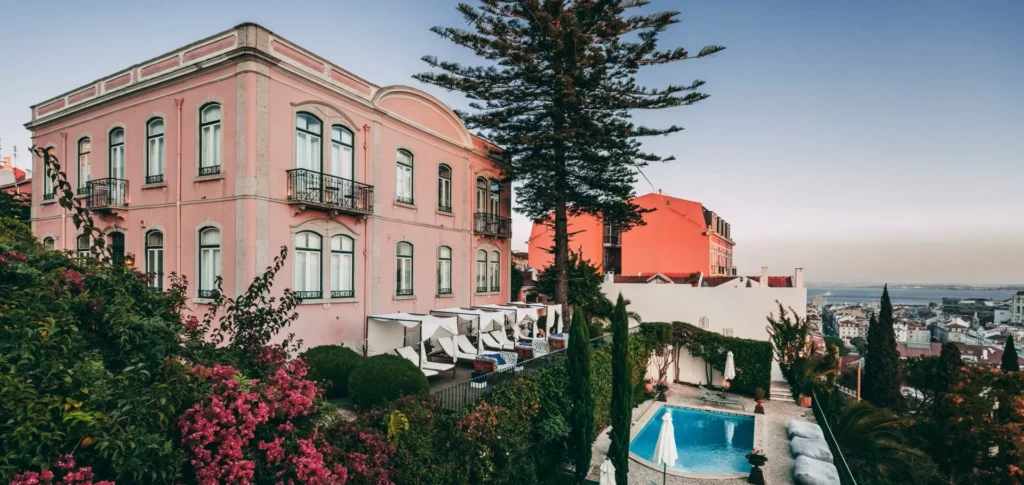
Among the hotels our experts recommend most are Torel Palace Porto, Six Senses Douro Valley and Torel Palace Lisbon. See all our hotels in Portugal.
Highlights include A Private City tour of Lisbon, Carriage Ride through Sintra and Off-Road Buggy Expeditions in Sintra or Algarve, and your expert will build the experiences that matter most to you into your itinerary.
We design tailor-made luxury journeys. You tell us what you have in mind, whether a destination, a feeling or a celebration, and a dedicated travel expert shapes a private itinerary around you, then takes care of every detail before, during and after your trip.
Yes. Every itinerary on our site is a starting point. Your expert shapes the places, hotels, pace and length around your dates and preferences, or begins with a blank page.
In three steps. We listen: you share your dates, ideas and budget by phone or through our inquiry form. We curate: your expert designs a private itinerary and refines it with you until it feels right. You travel: every detail is handled, with support throughout your journey.
Our team brings over 35 years of experience in luxury travel. You are matched with an expert who knows your destination, and the same expert looks after you from the first conversation until you return.
It depends on your dates, hotels and length of stay. Each suggested itinerary shows a "from" price per person, and your expert prepares a detailed proposal for the journey you have in mind.
Tell us how you want to feel, we’ll take it from there.
Or talk to us +1 888 931 0363
Planning your trip should feel effortless.
You share what matters, whether it is a destination, a feeling, or a moment worth celebrating.
Your dedicated expert shapes a thoughtful, private itinerary tailored entirely around you.
Every detail handled. Every moment considered. Support before, during, and after your journey.
Begin your journey
Tell us how you want your time away to feel. Your dedicated expert will be in touch to begin shaping it around you.
Or speak with us
+1 888 931 0363




Your enquiry goes straight to one of our travel experts, who will reply to you personally.
Rich, Delwyn, Jemima and the team