A physician-led Ayurvedic programme in Kerala combines classical diagnostics, tailored treatments, and daily routines within a heritage wellness retreat set along the region’s backwaters. This is a structured reset grounded in medical tradition, guided by licensed practitioners, and shaped by place.
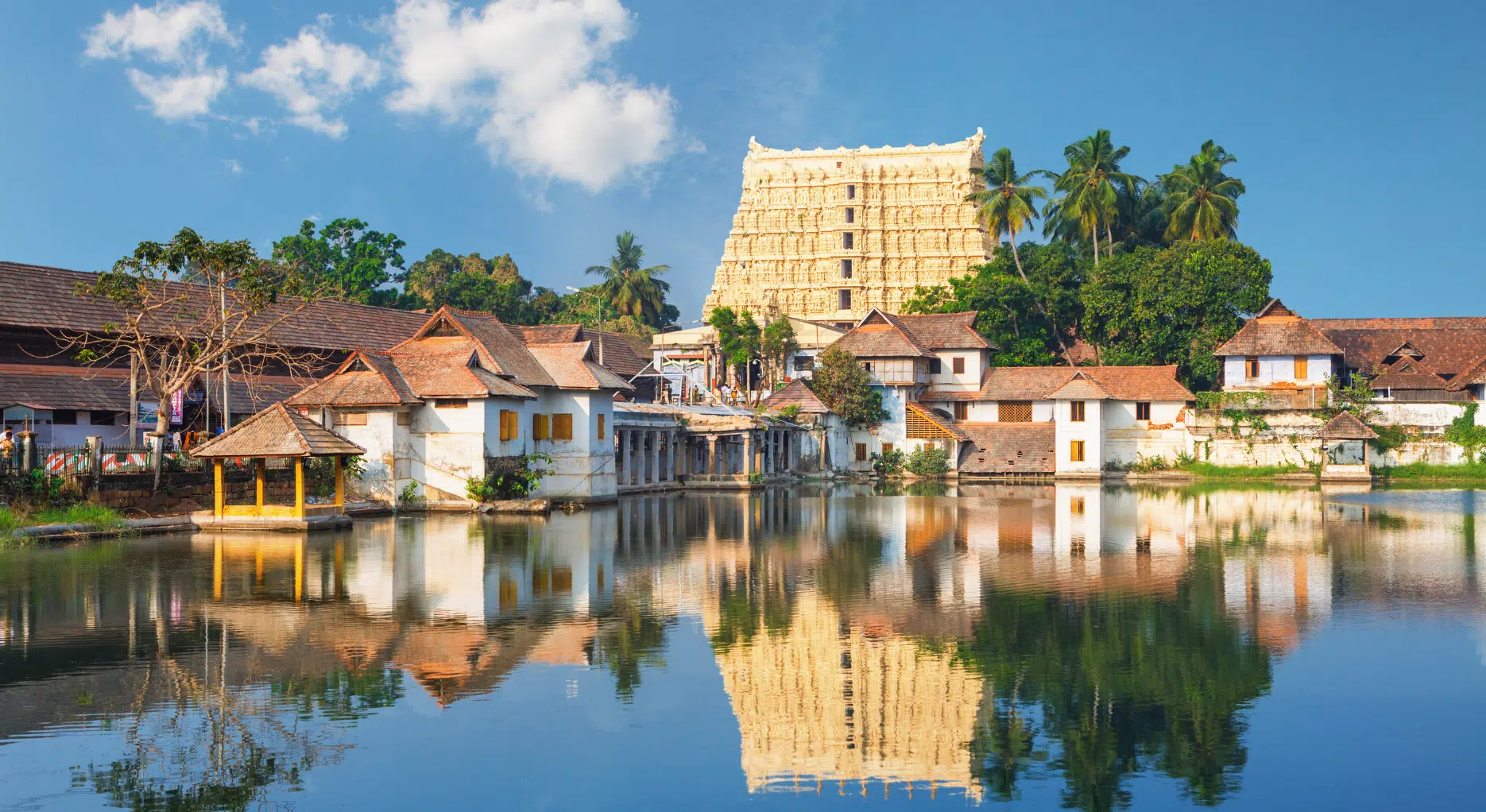
Kerala sits along India’s southwestern coast, where rivers slow into palm-lined canals before reaching the Arabian Sea. Away from the cities, life follows the logic of water. Days are organised around tides, monsoon seasons, and agricultural cycles that have changed little over centuries. It is here, along the backwaters, that Ayurveda is practiced not as a trend but as a working medical system.
Arrival at a heritage wellness retreat in this region is deliberately unhurried. The setting is quiet, often reached by a narrow road or boat crossing, with buildings arranged around courtyards and gardens rather than corridors. There is no sense of a spa schedule or menu of indulgences. The focus is clinical from the start.
The experience begins not with treatment, but with consultation. Before oils are prepared or routines set, the body is assessed according to Ayurvedic principles that have guided physicians in Kerala for generations.

About Do Not Disturb
Do Not Disturb is a luxury travel company specializing in carefully designed journeys and considered experiences. Each itinerary we build for our clients is informed by real destination knowledge, offering insight into places, cultures, and moments that shape how a trip comes together.
If this destination has sparked ideas, the itinerary can be developed into a private journey tailored to your interests and travel style, with hand-picked stays, thoughtful routing, and experiences curated around what matters most to you.
Cultural and Historical Context
Ayurveda is one of the world’s oldest systems of medicine, developed in India more than 3,000 years ago. In Kerala, it has remained continuously practiced, supported by formal education, government regulation, and family lineages of physicians. Unlike wellness adaptations found elsewhere, Kerala’s approach is medical rather than recreational.
The system is based on the balance of three doshas: Vata, Pitta, and Kapha. These govern movement, metabolism, and structure within the body. Imbalance is believed to lead to illness, fatigue, and chronic discomfort. Treatment focuses on restoring equilibrium through diet, routine, herbal preparations, and external therapies.
Kerala’s climate and biodiversity play a critical role. Many of the medicinal plants used in treatments grow locally, supported by humid air and fertile soil. The backwaters themselves contribute to the environment of care, creating a slower rhythm that supports the therapeutic process.
Visitors often encounter Ayurveda elsewhere as massage or detox. In Kerala, it remains a full medical framework, overseen by licensed doctors trained in both classical texts and modern diagnostics.

Why Physician-Led Care Matters
At the centre of this experience is a daily relationship with an Ayurvedic physician. The initial consultation typically lasts over an hour and includes pulse diagnosis, observation, medical history, and lifestyle assessment. This determines not only treatments, but diet, wake-up times, rest periods, and activity levels.
Unlike generalized wellness retreats, nothing is standardized. Two guests arriving together may follow entirely different programmes. Treatments are adjusted daily based on response, digestion, sleep quality, and energy levels.
Physician oversight also defines boundaries. Certain therapies are postponed or modified if the body is not ready. Progress is measured conservatively, with emphasis on stability rather than rapid results.

What the Programme Includes
Days follow a consistent rhythm. Early mornings begin with herbal infusions and light movement or breathing exercises prescribed by the physician. Meals are taken at set times, prepared specifically for the individual’s dosha balance and current condition.
Treatments may include synchronized oil massage, steam therapy, medicated poultices, or cleansing procedures depending on the programme’s goals. Oils are warmed, blended on site, and applied methodically rather than theatrically. Sessions are quiet, with minimal conversation.
Between treatments, rest is encouraged. Reading, walking along the water, or sitting in shaded courtyards replaces stimulation. Digital use is limited, often discouraged entirely, to support neurological reset.
Evenings are calm. Consultations may be revisited briefly to assess progress. Lights dim early. Sleep becomes part of the treatment, not an afterthought.

How the Setting Shapes the Experience
The backwaters are not just aesthetically pleasing. Their presence shapes sound, temperature, and pace. Boats pass slowly. Birds mark time. Humidity softens movement and encourages rest.
Heritage architecture reinforces this atmosphere. Buildings are designed for airflow and shade, using wood, tile, and open verandas. Interiors remain cool without artificial intervention.
Isolation is intentional. There are no nearby distractions or excursions. The focus remains internal, supported by surroundings that do not compete for attention.
How Do Not Disturb Makes This Possible
Do Not Disturb works directly with heritage Ayurvedic retreats that operate under licensed medical supervision. Properties are selected for the credibility of their physicians, the integrity of their practices, and the consistency of their programmes.
Each journey is shaped around readiness. Timing, length of stay, and treatment intensity are matched carefully to the traveller’s needs. Preparatory guidance is provided in advance, including dietary adjustments and expectations.
Leaving the retreat, what stays with most travellers is not a single treatment but a recalibrated sense of rhythm. The body remembers routine. The nervous system recognizes quiet. The reset continues long after departure from Kerala.
Ready to plan a physician-led Ayurvedic reset in Kerala’s backwaters? Speak with Do Not Disturb to begin your journey.
Plan your own version of this journey
Speak to Do Not Disturb’s luxury travel experts and turn this moment into something personal.
Related destinations
Suggested articles
Rajasthan Luxury City Guide: Jaipur, Jodhpur, Udaipur

Kerala Luxury Travel Guide: Backwaters, Ayurveda, Beaches

India’s Most Beautiful Palace Hotels and How to Experience Them
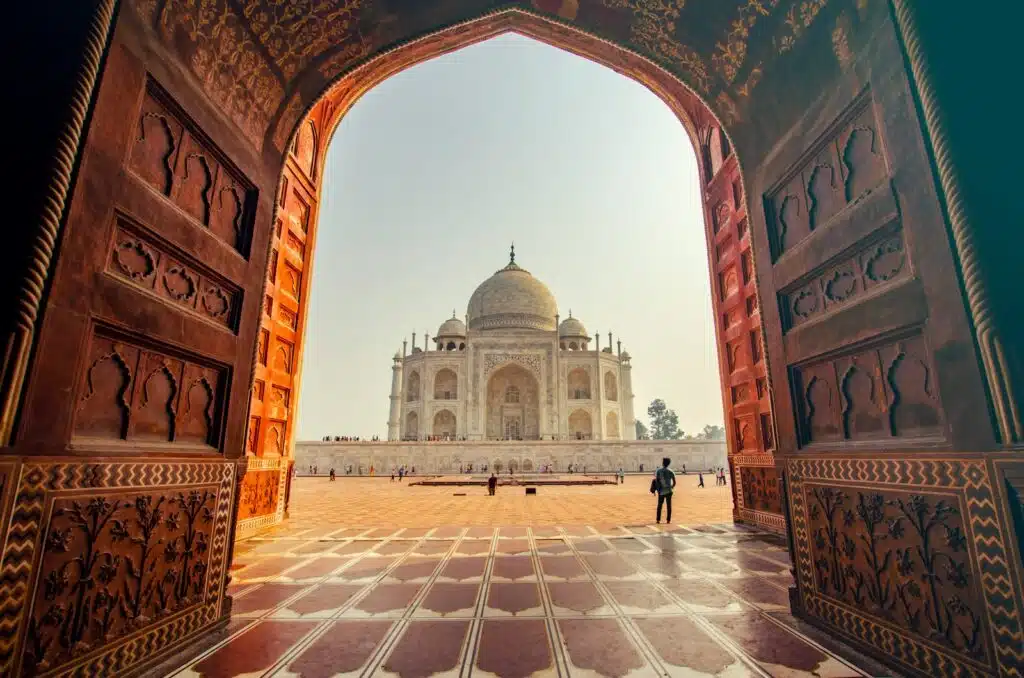
The Best Luxury Places to Visit in India for First-Time Travellers

One Island or Two? Splitting Your Maldives Honeymoon Between Resorts

Best Honeymoon Destinations for Autumn

Italy vs Greece for Your Honeymoon – Which is Better?

48 Hours in Lima: Where to Eat, Stay and Explore

A Cultural Honeymoon in Peru: Machu Picchu, Cusco, the Sacred Valley and the Amazon

Peru or Mexico: Which Ancient Civilisation Should You Visit First?
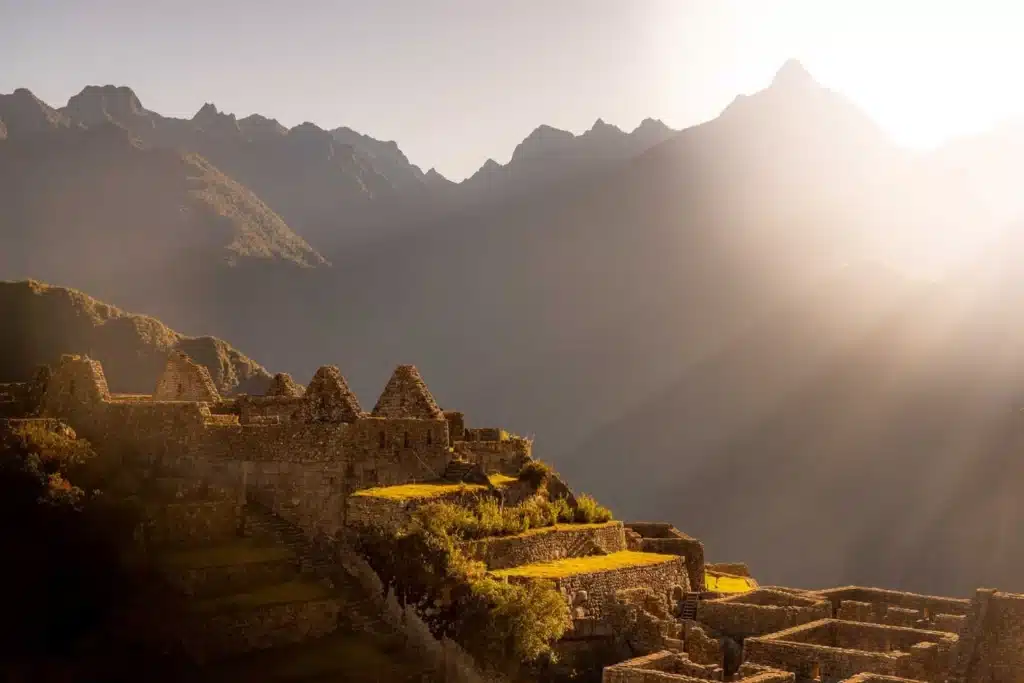
The Best Time to Visit Machu Picchu for Fewer Crowds

Why So Many Travellers Fall for Kanazawa
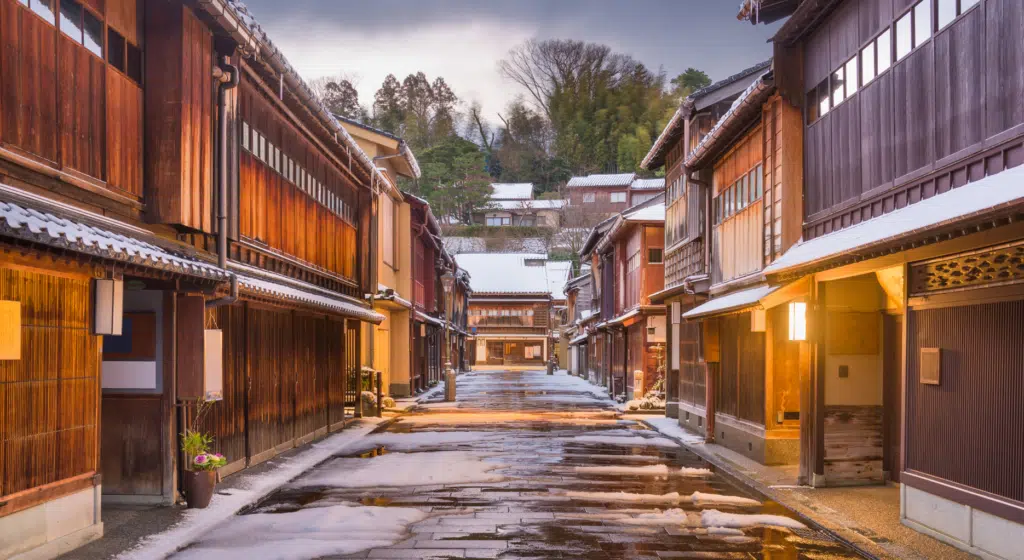
Kyoto or Kanazawa – Which Is Better for Traditional Japan?