

On this page
A privately guided visit to the Musée d’Orsay before opening gives rare clarity to one of Paris’s most celebrated collections. Entering at 8:30 a.m., an hour before the public, offers an unhurried encounter with Impressionist and Post-Impressionist masterworks in near silence.
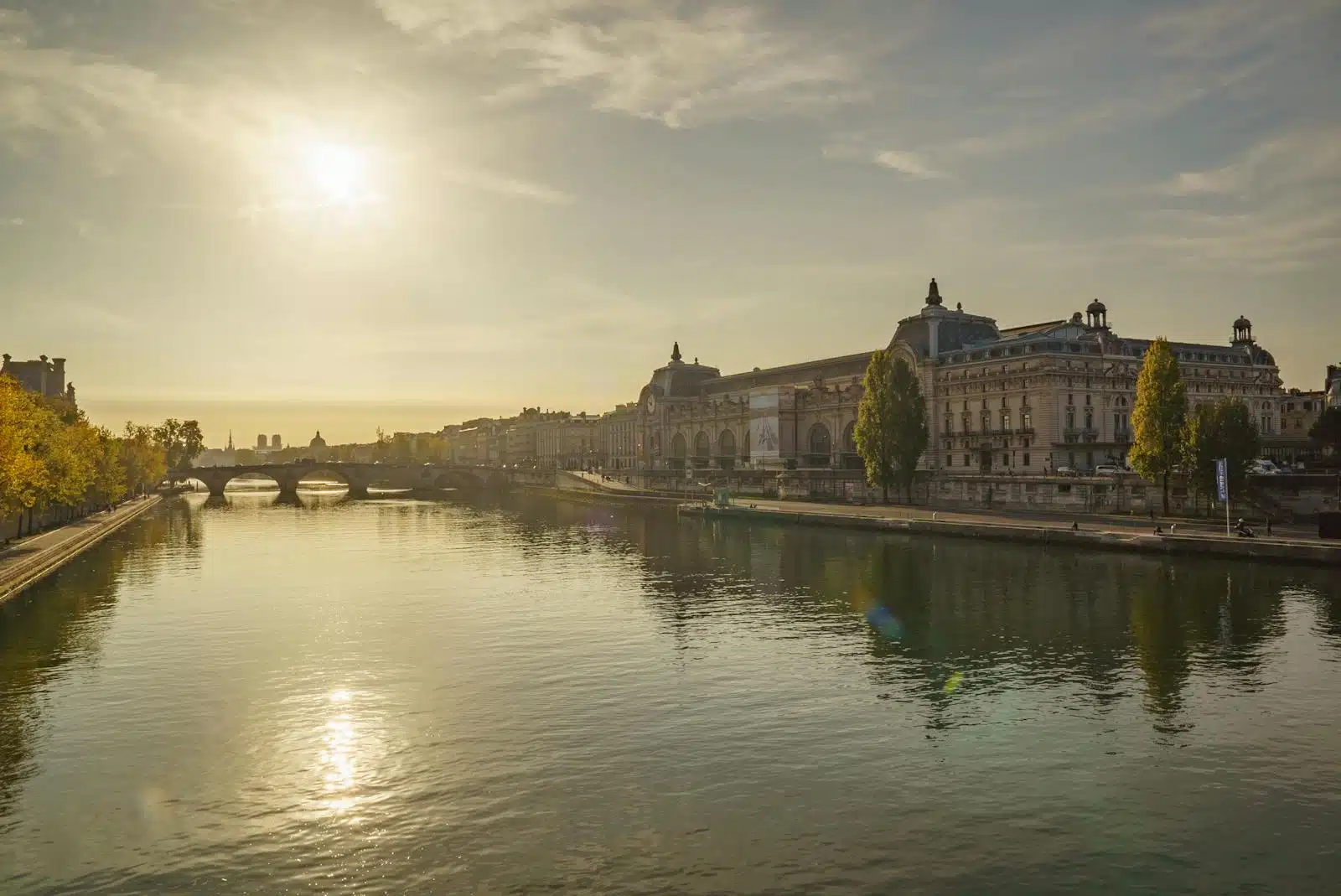
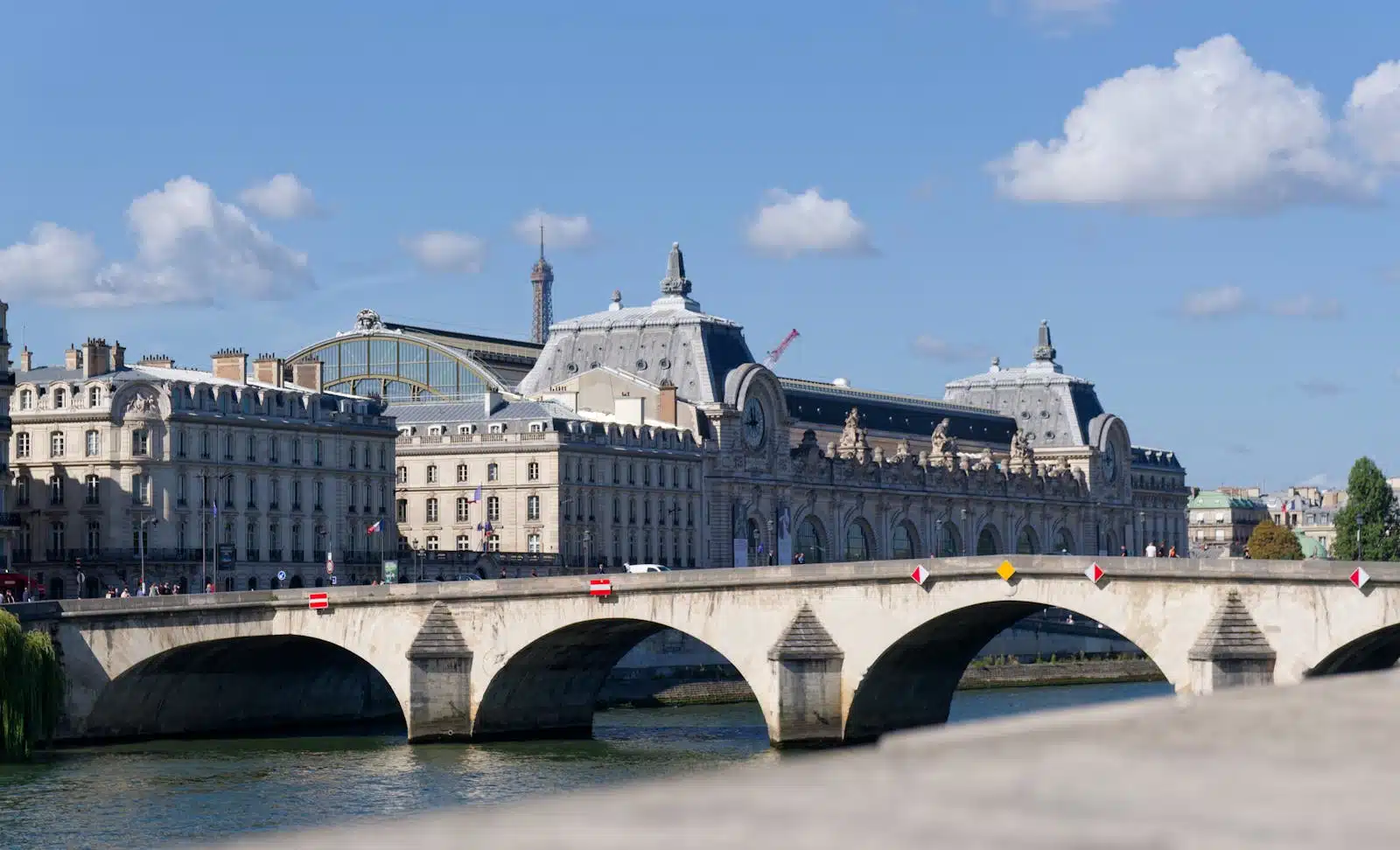
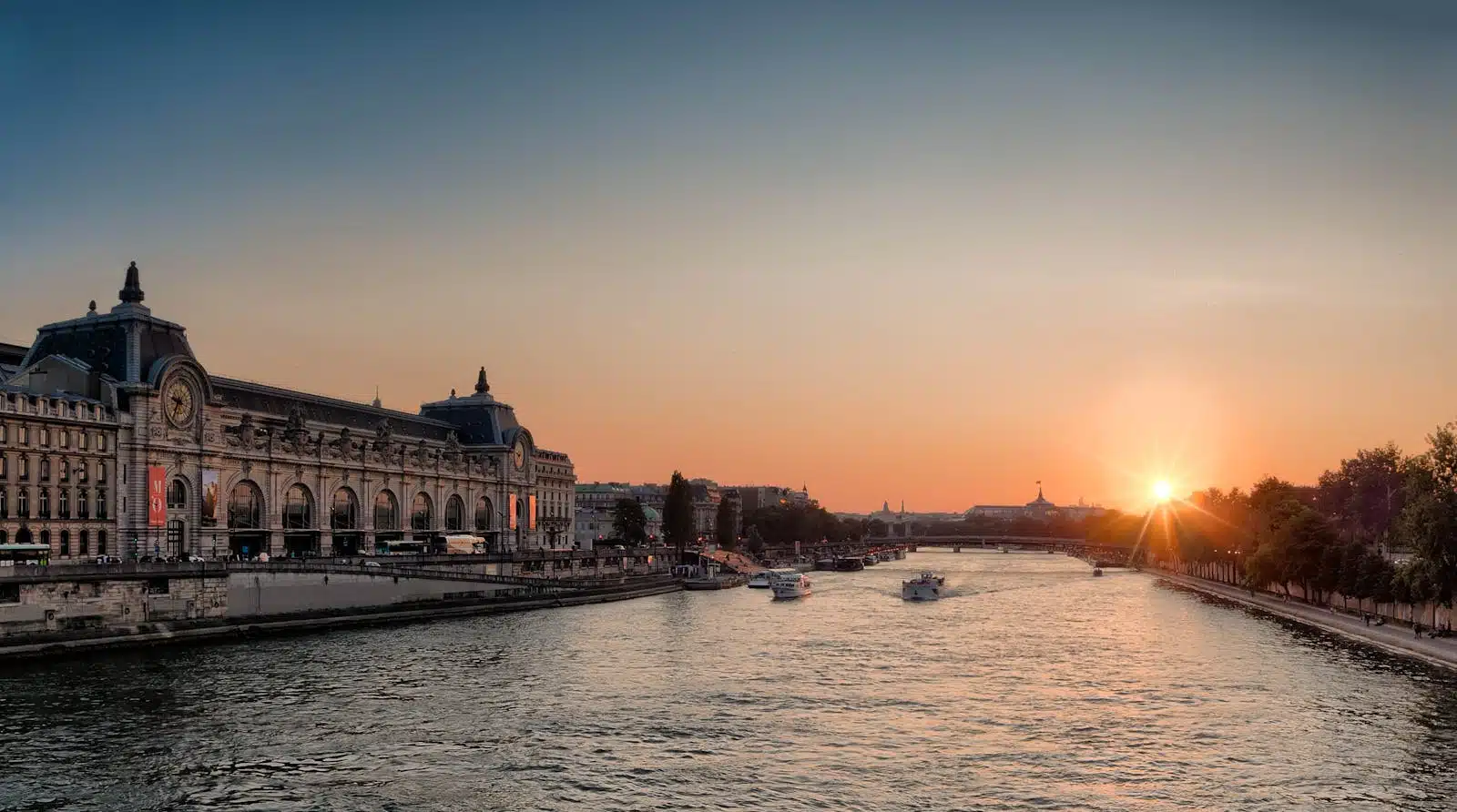
The Seine is still quiet when you arrive at the former Gare d’Orsay, its great Beaux-Arts façade catching the first colour of the morning. The museum has not yet opened. Paris moves gently outside, but the doors here remain closed to all but a few. A guide meets you at the entrance and ushers you past the threshold while the city is still stretching awake.
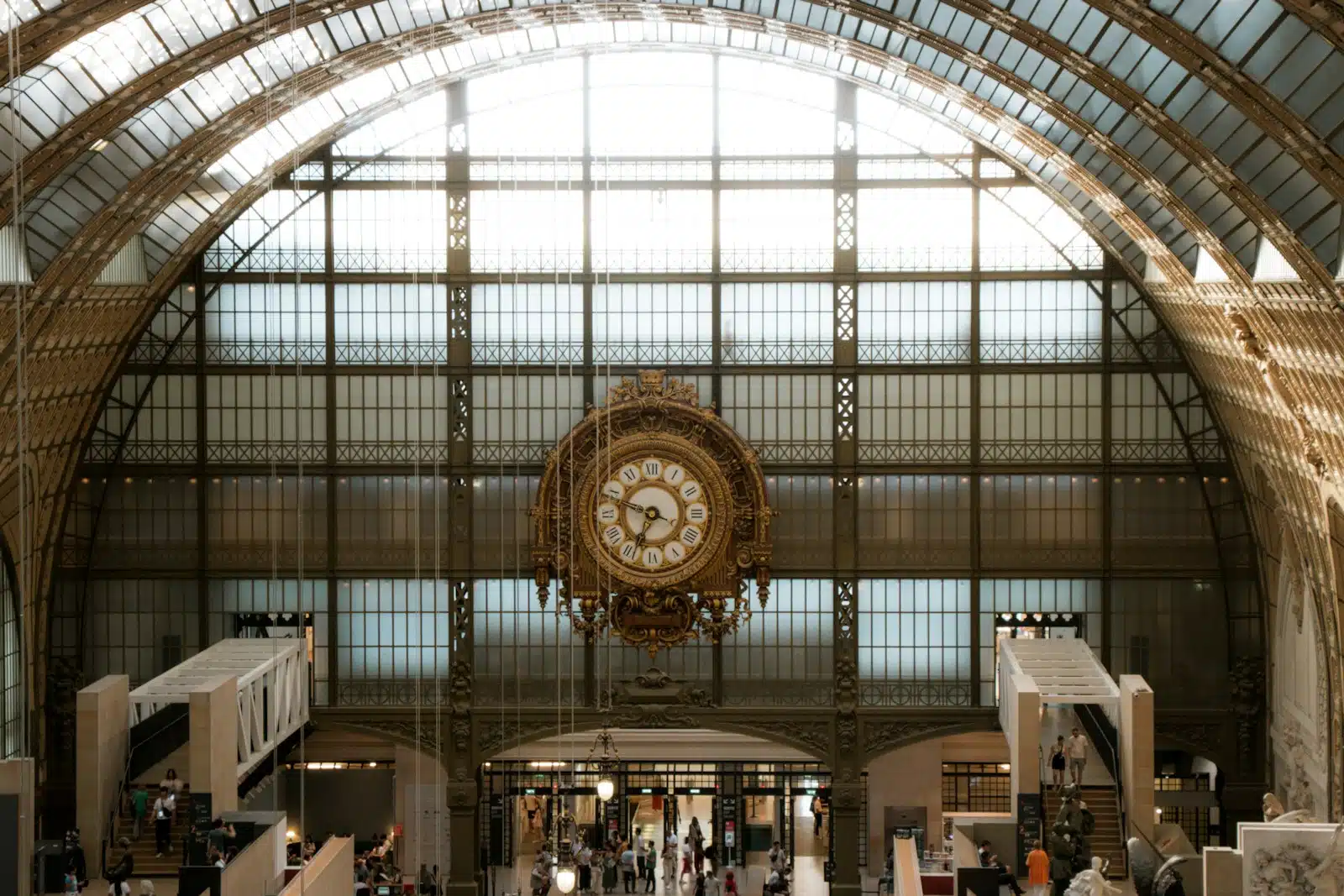
Inside, the concourse feels almost unfamiliar without its usual flow of visitors. The clock above the central hall, typically watched from below by hundreds, keeps steady time in a room that is largely empty. This rare stillness sharpens your sense of anticipation. The art is the same, yet the environment is much more relaxing.
You are led through the wide central nave towards the upper galleries, the building’s history and its collections unfolding gradually in the quiet. What waits upstairs is among the most important ensembles of nineteenth century art in the world.
Cultural and Historical Context
The Musée d’Orsay’s collection charts a pivotal period in French and European art. The museum became the natural home for Impressionism and Post-Impressionism after the city’s earlier institutions reached their limits. Today it houses signature works by Monet, Manet, Degas, Renoir, Cézanne, Van Gogh and Gauguin, along with key pieces of academic painting, sculpture, objets d’art and early photography.
Most travellers encounter these works shoulder to shoulder with large crowds. The museum is one of the most visited in Paris, and the galleries that hold the iconic paintings often draw the densest footfall. For many, the experience becomes a procession rather than a moment of connection.
What You See
The route typically begins on the upper level, where the museum’s most celebrated canvases are displayed. Morning light filters through the glass canopy and across the pale floors, giving the impression that the works are illuminated from within.
You may find yourself alone in front of Van Gogh’s self-portraits, able to notice subtle shifts in colour and texture that are harder to observe when the room is full. Cézanne’s portraits and landscapes reveal a patient balance of structure and motion. Gauguin’s bold palette, often crowded with viewers, becomes much more enjoyable in the calm.
Moving into the Impressionist galleries, the early quiet allows fresh attention to Monet’s cathedral studies and Degas’s rehearsals and race scenes. The sense of movement in these works becomes more vivid when the space around them is still. Details such as the surface of the paint, the contrast of colour, or the traces of restoration become more visible and the ability to take it in becomes more enjoyable.
How Private Access Elevates the Experience
During regular hours, the museum fills quickly. Lines form before opening, entry times bottleneck, and the most famous galleries can feel compressed. Visitors often move with limited control over pace, and the experience becomes shaped by the flow of the crowd rather than personal interest.
The private visit removes these constraints. Without queues or timed pressure, you can linger where the art draws you, or step back to view a painting at a distance that aligns with its intended scale. Conversations with the guide unfold naturally. There is room to consider how the works relate to their moment in history and to one another.
How Do Not Disturb Makes This Possible
Do Not Disturb arranges early entry with trusted partners who hold the necessary permissions to enter the museum before public hours. Your visit is tailored around your interests, whether focused on Impressionism, the evolution of Paris in the nineteenth century, or the individual stories of the artists represented. Transport, timing and personal preferences are coordinated so the morning unfolds with quiet continuity.
Your guide is selected for both expertise and the ability to shape the experience with calm authority. This careful matching ensures that the pacing, the level of detail and the atmosphere of the visit align with what you value most in cultural travel. Every logistical element, from the meeting point to the handling of security checks, is designed to reduce distraction and allow full attention on the art.
Ready to plan your private before-hours visit to the Musée d’Orsay and experience Paris with calm and intention? Speak with Do Not Disturb to begin your journey.