
On this page
Angkor Wat is one of the world’s most extraordinary temple complexes, but experiencing it well comes down to timing, pacing and where you choose to stay. This is how to plan the perfect luxury trip.
Visiting Angkor Wat is one of the world’s great travel experiences, a place where temples rise out of the Cambodian jungle and the first light of morning turns ancient stone into gold. It is an extraordinary destination, but planning it well is what determines whether your trip feels inspiring or overwhelming.
Angkor Wat sprawls across more than 400 square kilometers of northwestern Cambodia. A luxury approach to Angkor isn’t about staying at the fanciest hotel, though that helps. It’s about moving through the temples at your own pace, hiring knowledgeable guides who provide context rather than crowd management, and positioning yourself for the genuine architectural and spiritual experience rather than the Instagram moment everyone else is chasing.
Below is everything you need to create a luxury trip that does justice to both the temples and the experience around them.
Start With the Right Season
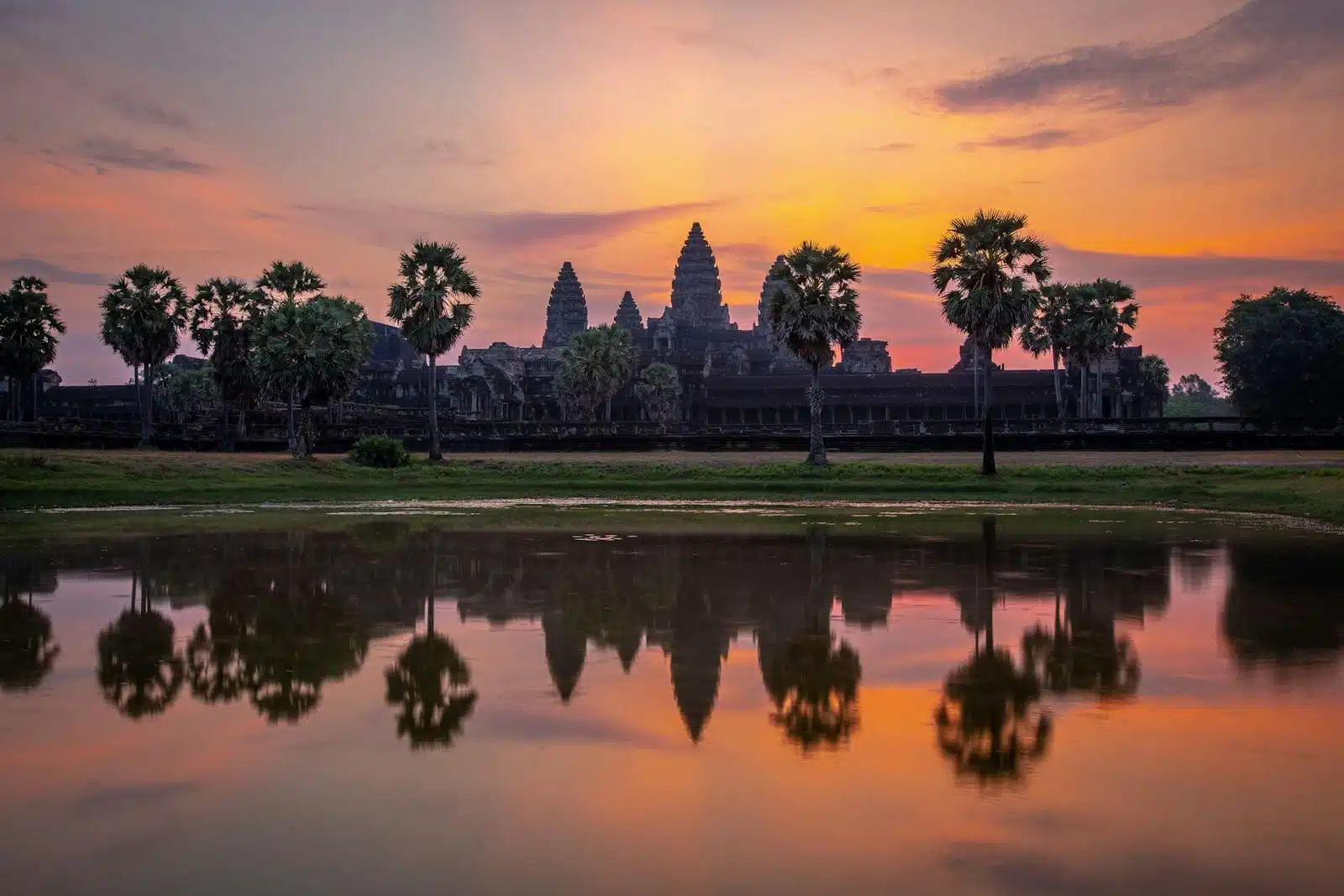
Siem Reap is beautiful throughout the year, but the experience varies considerably depending on when you go. December to February brings dry, cooler mornings and clearer skies, which makes sunrise at Angkor Wat feel crisp rather than heavy with humidity. March to May is hotter, though the crowds thin slightly. June to October is monsoon season, and while rain can be intense, the landscapes turn vivid green and the moats surrounding the temples fill, creating a dramatic atmosphere for photography.
If your priority is comfort, choose the dry season. If you want atmosphere and fewer people, go during the rains and embrace the slower rhythm.
Tours we recommend
Choose a Luxury Base That Creates Breathing Room
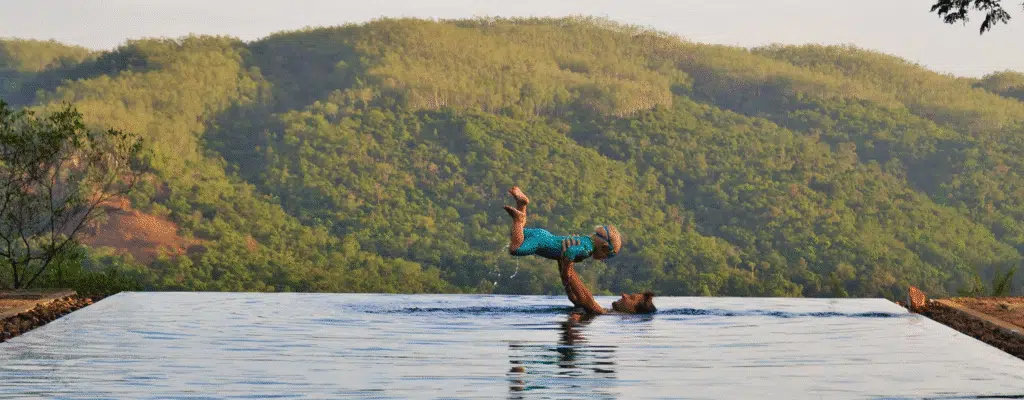
Siem Reap has evolved into one of Southeast Asia’s most polished luxury destinations. What separates the best hotels is not simply design, but the sense of calm they create between temple visits.
Amansara is distinguished by mid-century minimalism, oversized pool suites and private access to certain archaeological zones. It is refined without being showy. Phum Baitang, set among rice paddies just outside town, gives you a countryside escape with stilted villas, warm wood interiors and one of the most atmospheric bars in Cambodia. Zannier Hotels Phum Baitang and Shinta Mani Wild are also popular choices, combining curated experiences with impeccable service.
Where you stay matters because Angkor days are long. A quiet retreat, a shaded pool and a calm morning breakfast before you step into the heat elevate the entire trip.
Plan Your Angkor Strategy Before You Arrive
Angkor is not one temple. It is a vast complex that stretches for miles and represents multiple eras of Khmer history. How you explore it affects how you feel at the end of each day.
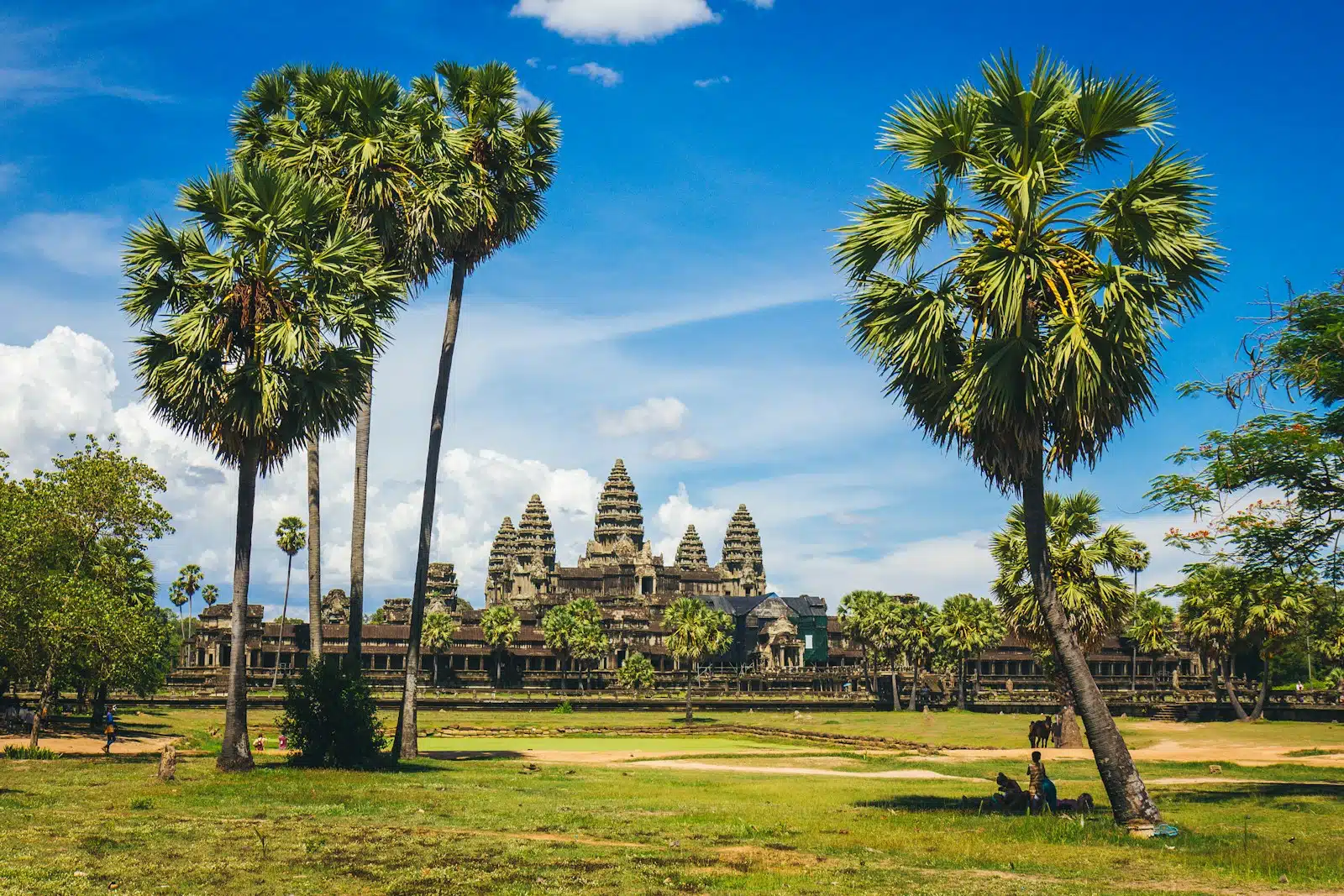
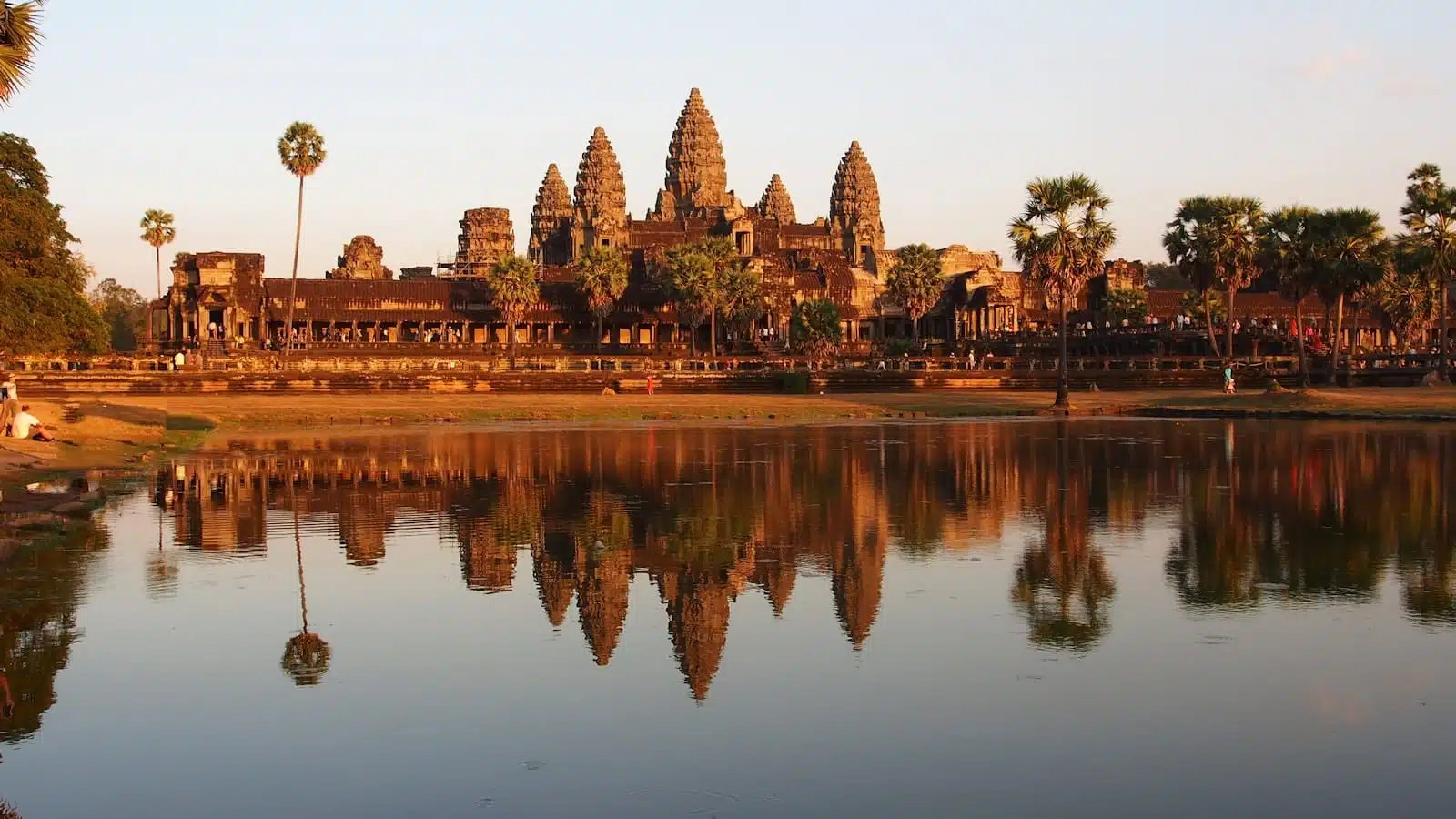
Day one typically begins with Angkor Wat at sunrise. It is busy, but worth seeing once with the sky turning pink behind the towers. After sunrise, move directly into the galleries before the largest waves of tour groups arrive.
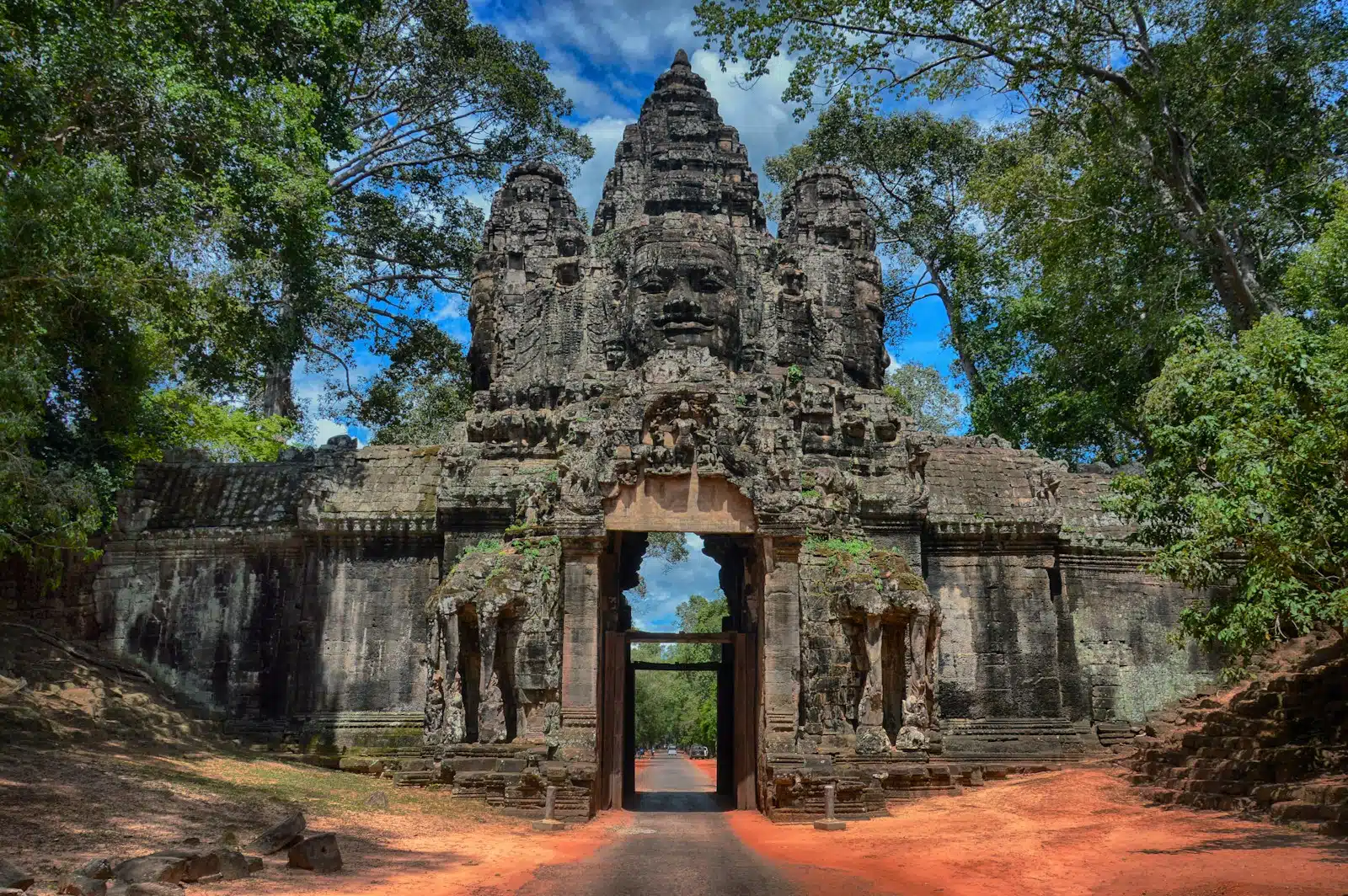
Day two is best reserved for Angkor Thom and the Bayon. The faces carved into the stone towers feel almost alive in the shifting light. From there, wander through the Terrace of the Elephants and the quiet enclaves beyond the main gates.
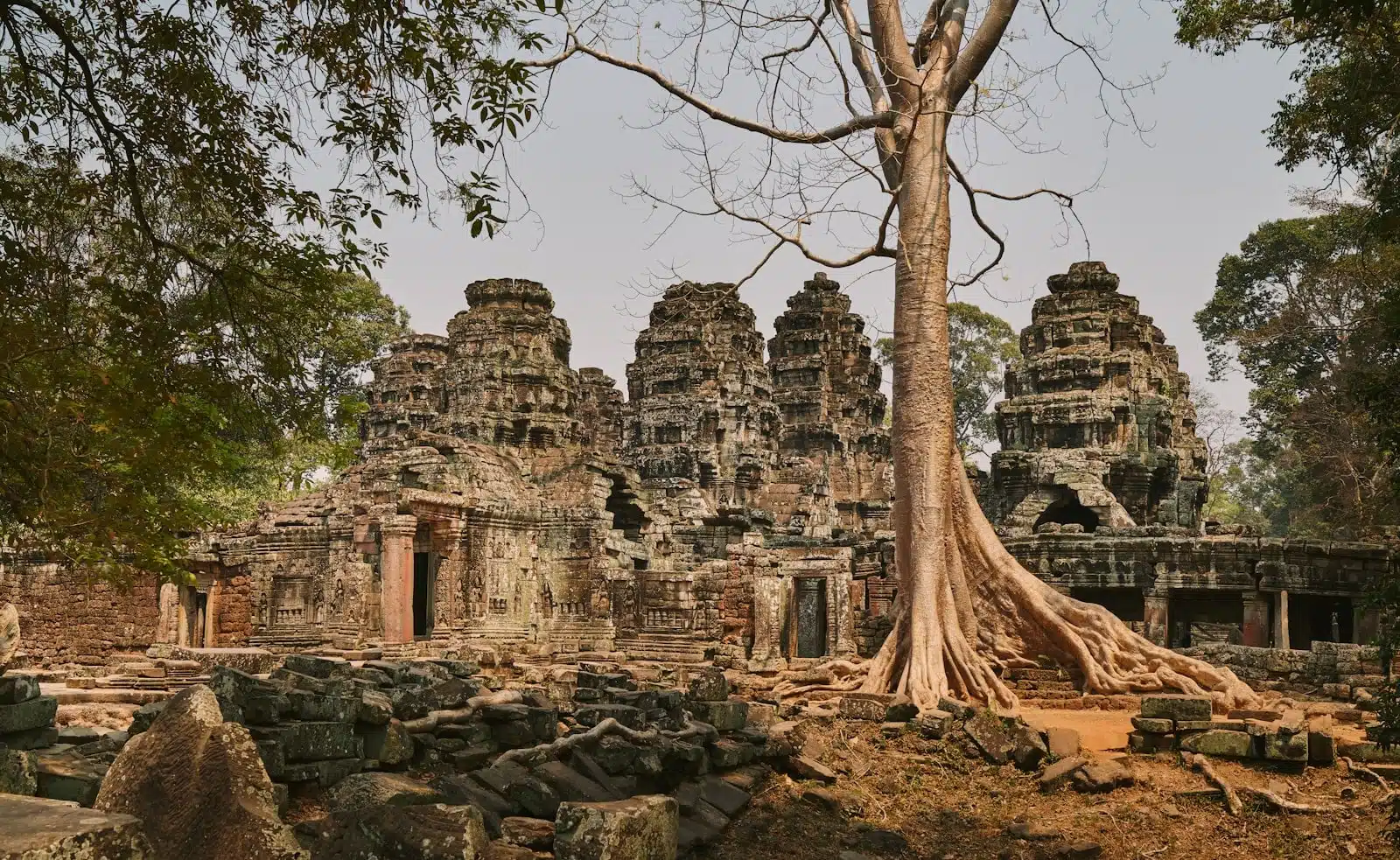
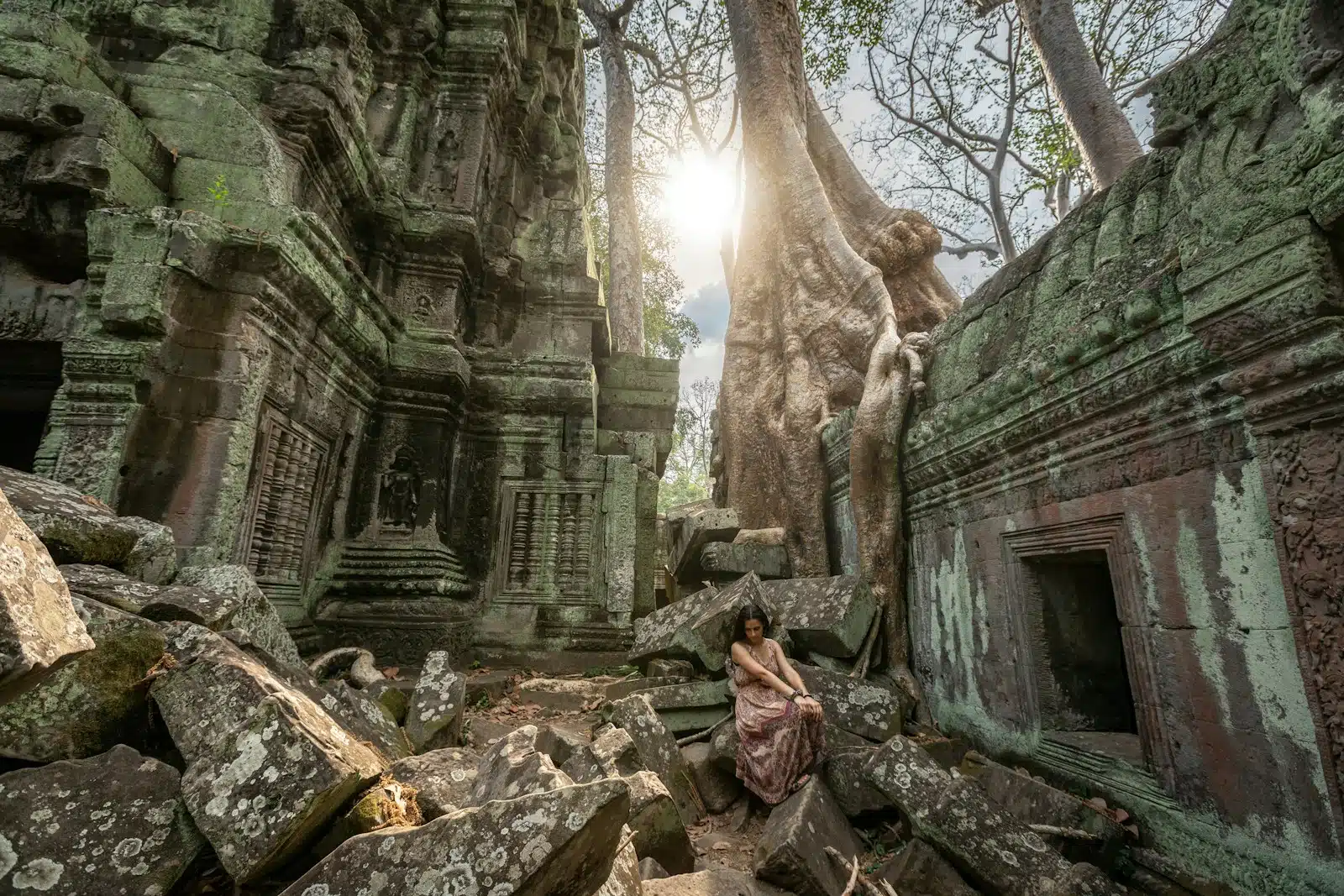
Day three is for Ta Prohm, Banteay Srei or one of the more remote temples. Ta Prohm, with its trees growing through walls, is striking early in the morning when it is cooler and the light is softer. Banteay Srei, a smaller temple carved in pink sandstone, sits about an hour away and repays the journey with some of the finest detailing in the entire complex.
Picking the Right Guide
For guiding, consider hiring a guide for the first full day of temple exploration. A knowledgeable local guide provides context about Khmer architecture, Hindu and Buddhist symbolism, and the historical layering of the site. After that first day, you’ll understand the layout and can explore more independently on subsequent days.
The best guides reveal the stories behind the bas-reliefs, the hydrological engineering, the religious history and the royal politics that shaped the Khmer Empire. They turn the visit from a walk through ruins into an encounter with a civilization. We can elevate your experience by connecting you with the best guides.
Timing Your Days
The best time to visit the Angkor Archaeological Park in a day is from 5:00 am to 10:00 am in the morning and from 3:00 pm to 5:30 pm in the afternoon. Avoid peak midday heat from 11 AM to 2 PM when temperatures reach maximum intensity and lighting turns harsh.
This means your rhythm is: sunrise at Angkor Wat, explore until 9 or 10 AM, return to your hotel for a long breakfast and rest, then head back out for afternoon temple exploration and sunset at an elevated temple like Phnom Bakheng or Pre Rup. It’s a gentler pace than rushing through everything in one day.
Add Experiences That Deepen the Journey
Angkor Wat is the anchor, but the region has more to offer.
A sunrise hot air balloon or helicopter ride over the temples gives you a sense of scale that ground level cannot. A countryside cycling tour takes you through rice fields, stilted villages and quiet backroads where the rhythm of daily life has barely changed. Cooking classes led by local chefs introduce you to Cambodian herbs and dishes you will not see outside the region.
For a slower afternoon, visit the Angkor National Museum or the ceramics studios that keep traditional Khmer craftsmanship alive.
History and Context
Angkor Wat was built at the behest of the Khmer king Suryavarman II in the early 12th century as his state temple and eventual mausoleum, with construction beginning in 1122 CE and completed in 1150 CE. From the time the first stone was laid, it took some 50,000 workers, many of whom were slaves, nearly 30 years to make Suryavarman’s vision a reality.
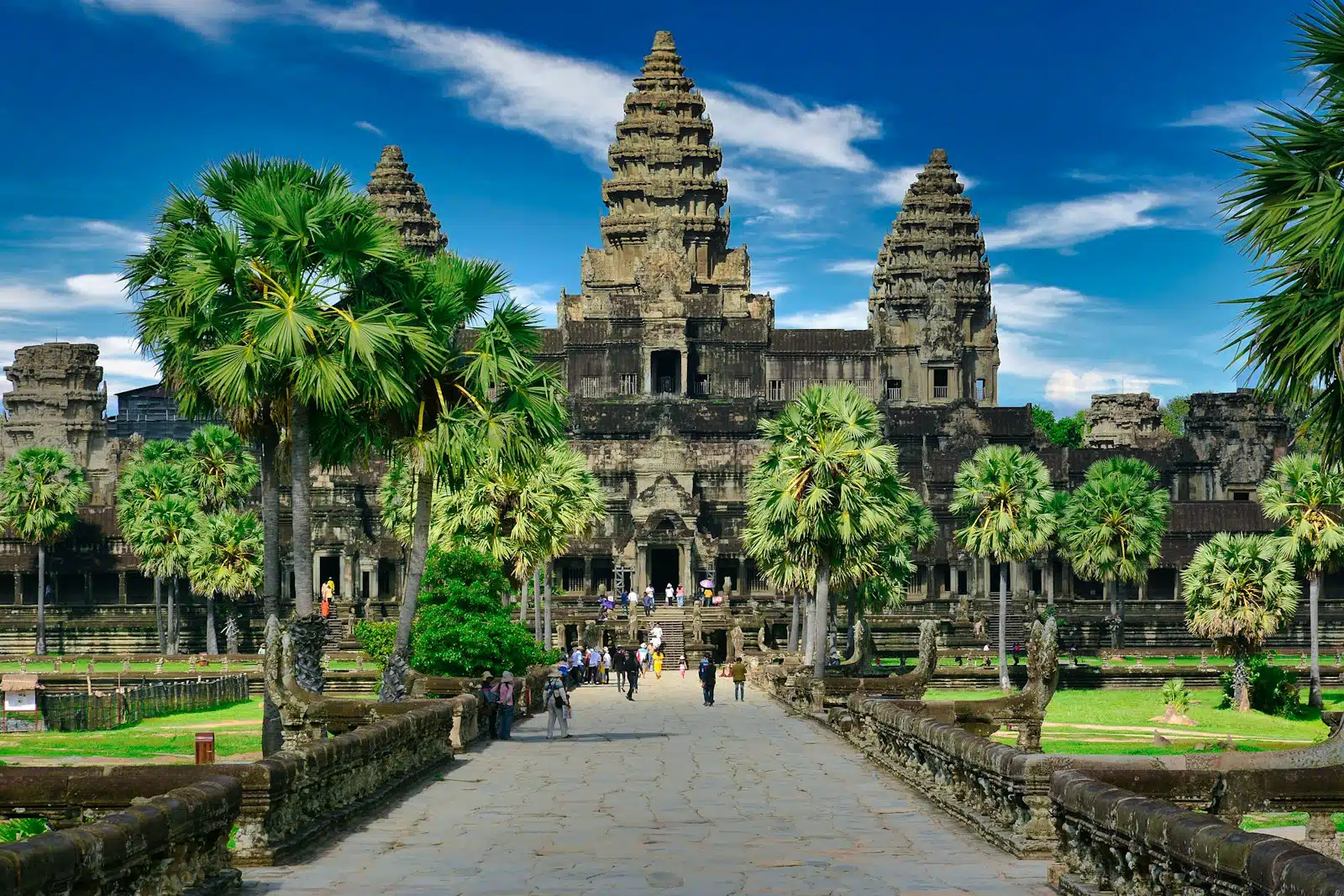
Suryavarman II was unusual among Khmer kings in making Vishnu rather than Shiva the focus of court religious life, and the reasons for this decision are not known. The temple housed a now-lost gold statue of Vishnu installed in July 1131, which may have commemorated Suryavarman II’s thirty-third birthday. Sandstone was quarried from the Kulen Hills about 50 kilometers away and transported along canals to the site, with craftsmen carving the blocks and assembling them without mortar. The temple’s five towers were designed to represent Mount Meru, the mythical home of the gods in both Hindu and Buddhist cosmology, and its westward orientation connected it symbolically to death and the setting sun, suggesting Suryavarman intended the temple as his cosmic gateway to the afterlife.
By the end of the 12th century, Angkor Wat had been sacked by a rival tribe to the Khmer, and was then converted to a Buddhist site as Buddhism gradually replaced Hinduism as the dominant religion in the region. After the Cham people sacked Angkor in 1177, King Jayavarman VII decided that the Hindu gods had failed him, and when he built a new capital at Angkor Thom, he dedicated it to Buddhism, with Angkor Wat becoming a Buddhist shrine and many of its carvings and statues of Hindu deities replaced by Buddhist art.
Although it is no longer an active temple, Angkor Wat was never truly abandoned, rather it fell gradually into disuse and disrepair, and remained an architectural marvel unlike anything else. The site was “rediscovered” in the 1840s by the French explorer Henri Mouhot, who wrote that the site was “grander than anything left to us by Greece or Rome”.
When you are ready to experience Angkor Wat without the rush, we can shape a journey that brings the temples into focus. Begin your trip planning.