

On this page
Beyond Tokyo’s neon and bullet trains, Japan’s Edo towns preserve a slower, older world where samurai walked, geisha performed, and tradition endures in everyday life.
The Edo period (1603–1868) represents one of the most fascinating eras in Japanese history: over 250 years of relative peace, cultural flourishing, and isolation from the outside world. This was the age of samurai strolling through castle towns, geisha entertaining in teahouses, kabuki theater captivating audiences, and ukiyo-e woodblock prints capturing the “floating world” of pleasure and art. While modern Japan reemerged after World War II as a high-tech powerhouse, pockets of Edo-era atmosphere survive remarkably intact.
But here’s what makes these Edo towns special: they’re not dusty museums or sterile recreations. People actually live in these historic districts, running family businesses that have operated for generations, maintaining traditional crafts, and preserving an architectural and cultural aesthetic that elsewhere has been bulldozed for modernity. Visiting them feels less like tourism and more like discovering a secret Japan that somehow survived the rush to modernization.
Takayama: The Most Beautiful Survivor
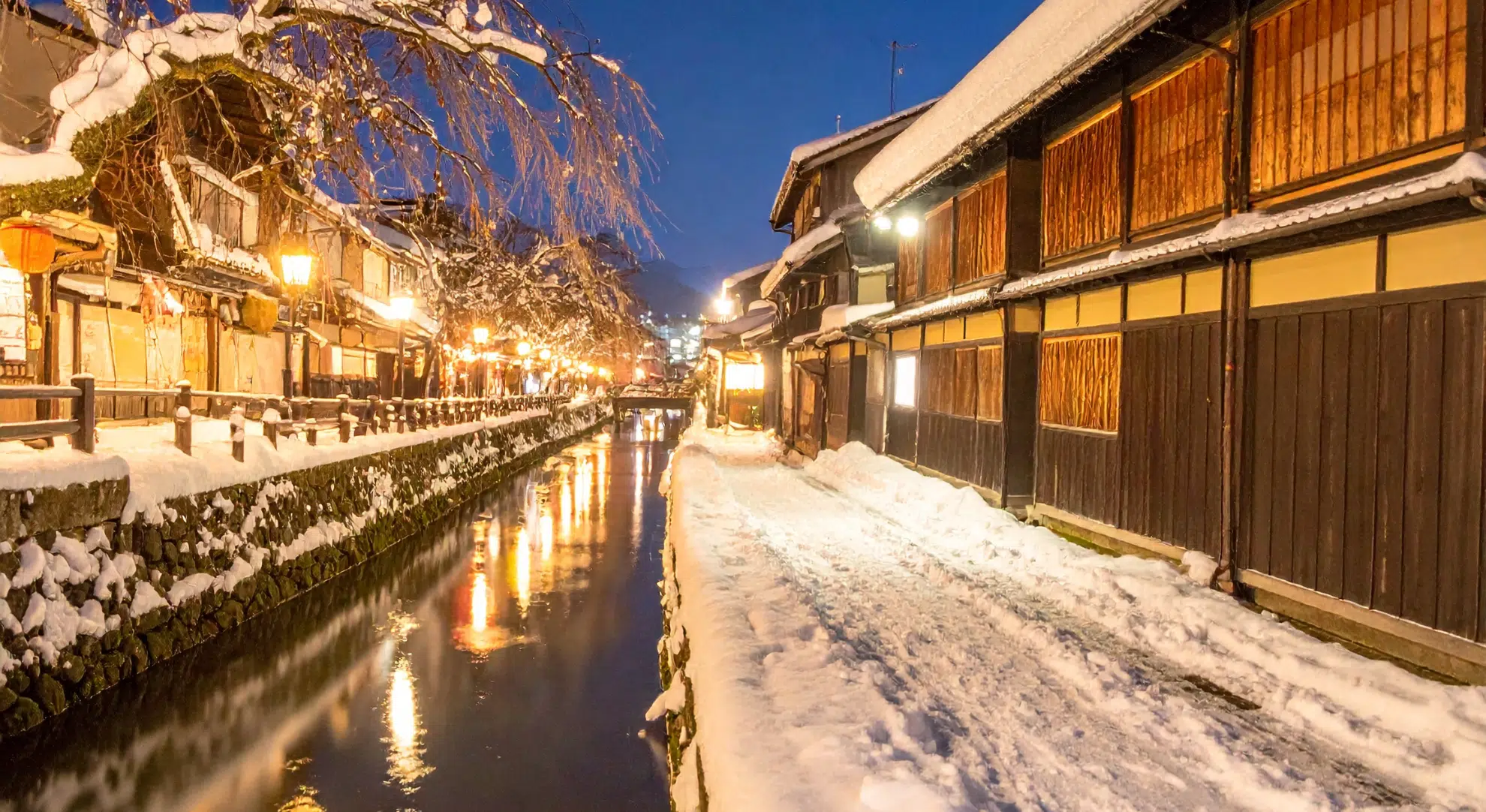
Located in the Japanese Alps of Gifu Prefecture, Takayama preserved its Edo-era merchant district so perfectly that wandering its streets feels like stepping through a time portal. The Sanmachi Suji district features rows of dark wooden buildings with overhanging eaves, latticed windows, and sake breweries marked by sugidama (cedar balls) hanging outside.
What makes it special: Unlike some preserved districts that feel frozen in amber, Takayama thrives as a living town. Those merchant houses are now craft shops, sake breweries you can tour, and restaurants serving Hida beef. The morning markets have operated in the same locations since the Edo period, and twice a year (spring and fall), the town erupts with the Takayama Festival, where elaborate floats from the 1600s parade through the streets, accompanied by traditional music.
Why visit: Takayama offers the complete package — stunning preservation, mountain scenery, incredible local food, and authentic cultural experiences without feeling touristy. It’s far enough from Tokyo (about 4.5 hours) that it never gets overwhelmed, and the surrounding area offers onsen towns, traditional farmhouses, and access to the Northern Alps.
Tours we recommend
Kawagoe: “Little Edo” in Tokyo’s Backyard
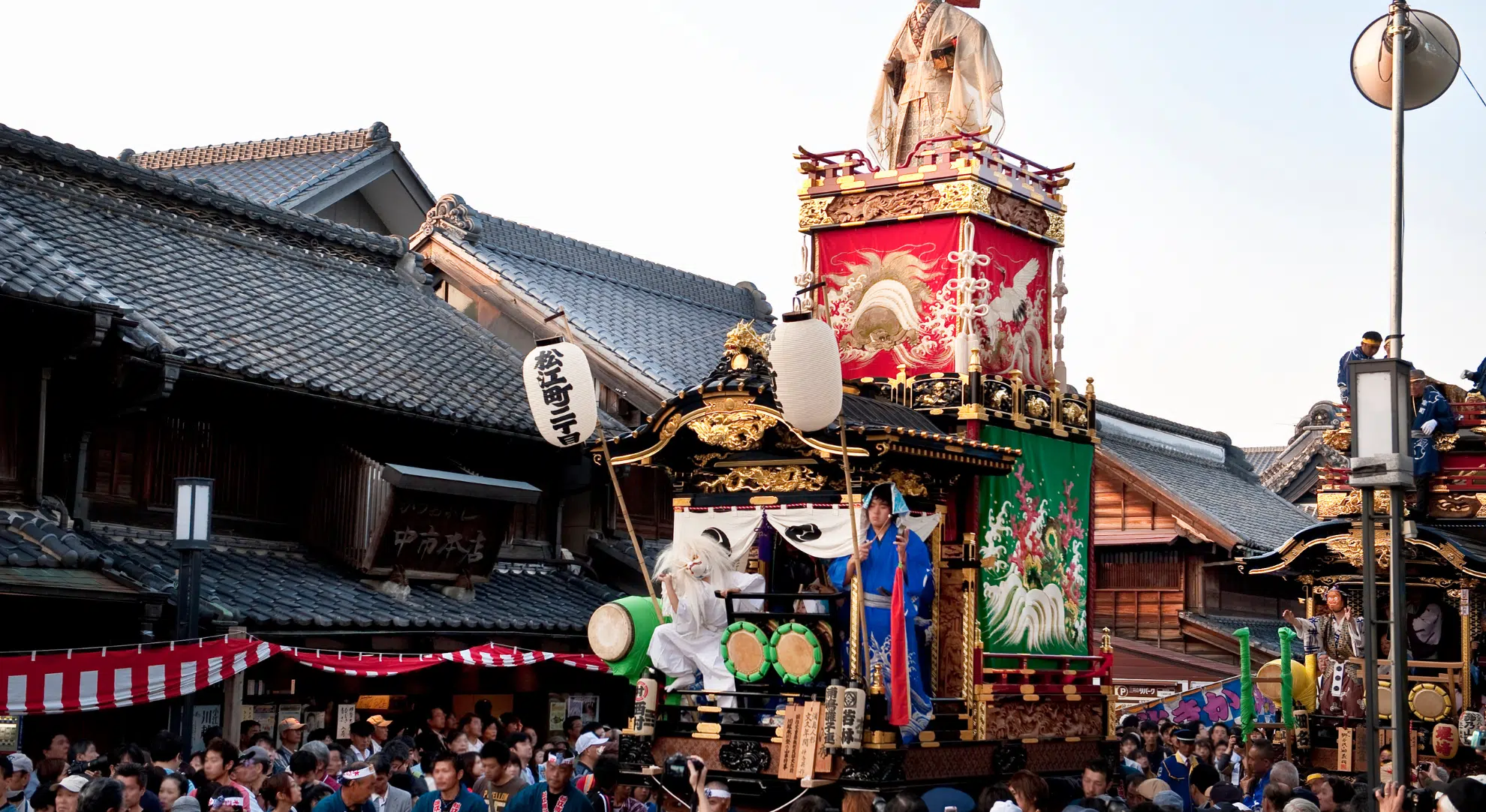
Just 30 minutes from central Tokyo, Kawagoe earned its nickname “Little Edo” (Koedo) by preserving a merchant district that escaped the fires and wars that destroyed most of Tokyo’s Edo-era architecture. Kurazukuri Street showcases distinctive clay-walled warehouse buildings with heavy doors and thick walls designed to protect against fire — a crucial concern in wooden Edo-era cities.
What makes it special: The bell tower (Toki no Kane) has marked time for the town since the 1600s, ringing four times daily just as it did centuries ago. The Kashiya Yokocho (Penny Candy Lane) transports visitors to childhood with traditional sweets sold from old-fashioned shops. Kawagoe also preserves multiple temples and the Honmaru Palace, rare remnants of a feudal lord’s residence.
Why visit: Accessibility is key. This makes a perfect day trip from Tokyo for travelers wanting an Edo experience without the journey. The town comes alive during festivals, particularly the Kawagoe Festival in October, when massive floats parade through the streets.
Kanazawa: Where Samurai and Geisha Districts Endure
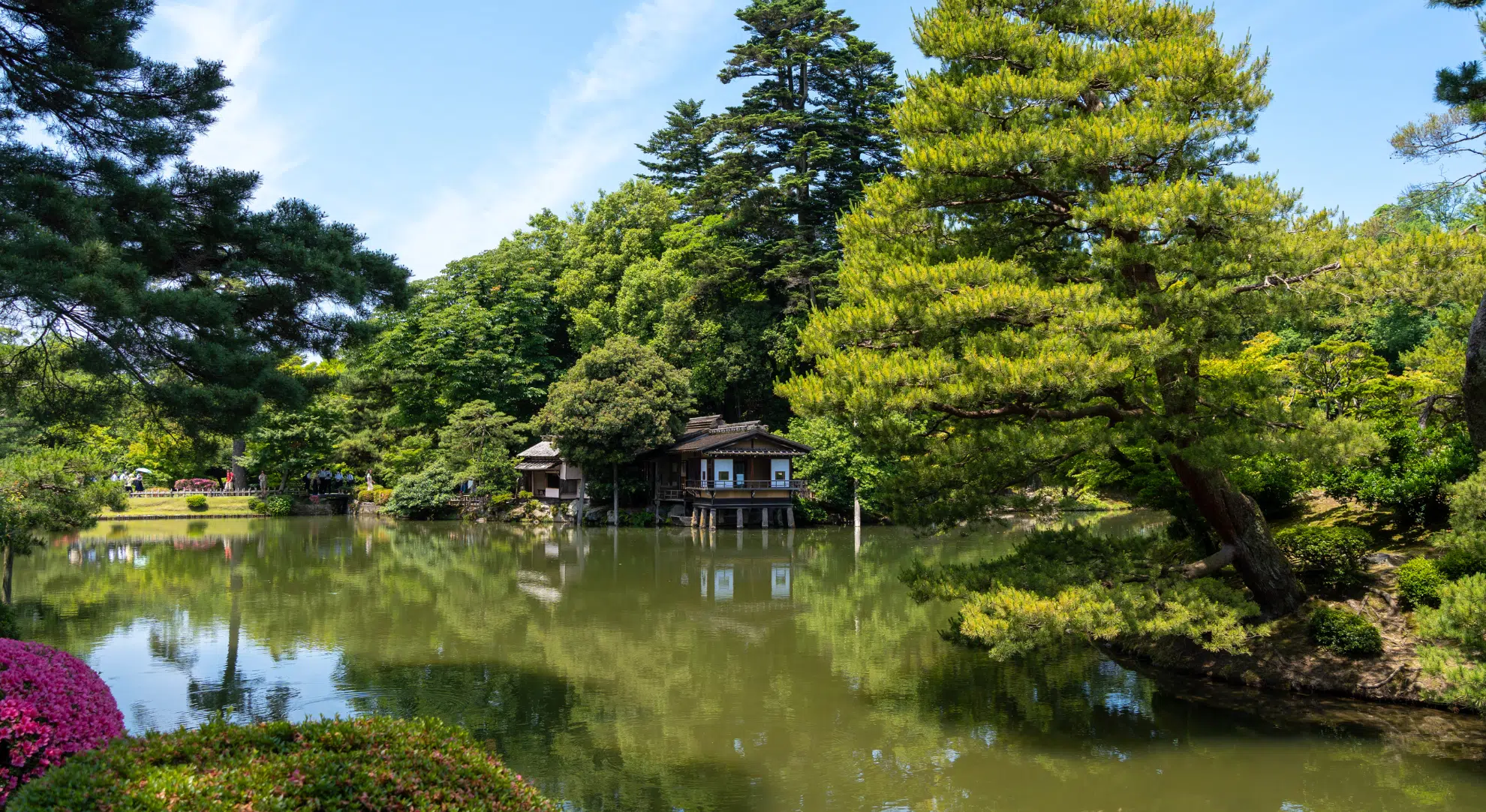
Kanazawa escaped bombing during World War II, leaving its Edo-era districts remarkably intact. The Nagamachi samurai district preserves the earthen walls, wooden gates, and narrow lanes where warrior families once lived, while the Higashi Chaya geisha district showcases two-story wooden teahouses with distinctive latticed facades.
What makes it special: This isn’t just preserved architecture — Kanazawa maintains living traditions. The geisha districts still function, with geisha performances available for visitors. The samurai houses, like the Nomura residence, retain original interiors complete with beautiful gardens. Kanazawa also excelled in crafts during the Edo period (lacquerware, gold leaf, silk), and these workshops still operate, offering demonstrations and hands-on experiences.
Why visit: Kanazawa combines Edo preservation with world-class attractions like Kenrokuen Garden (one of Japan’s three most beautiful gardens) and the 21st Century Museum of Contemporary Art. The juxtaposition of old and new here feels particularly striking. It’s also famous for exceptional seafood and its own distinct food culture.
Tsumago and Magome: Post Towns on the Ancient Highway
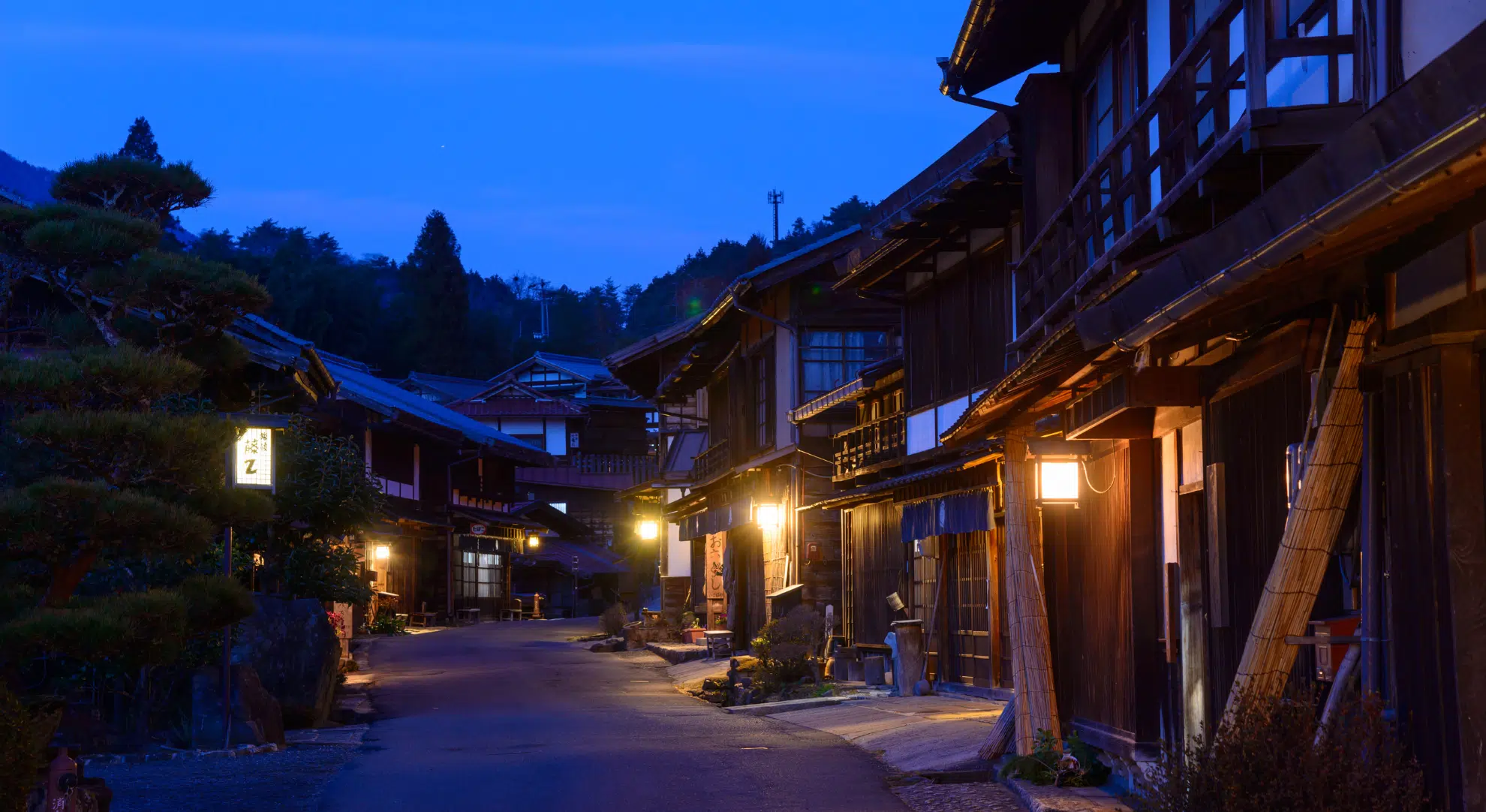
These neighboring villages in the Kiso Valley preserve the atmosphere of Edo-period post towns along the Nakasendo, one of the five routes connecting Edo (Tokyo) to Kyoto. Tsumago takes preservation seriously — power lines run underground, cars are banned from the main street during the day, and modern alterations are strictly controlled. The entire village looks like an Edo-era painting brought to life.
What makes it special: You can walk the original stone-paved path between Tsumago and Magome (about 8 kilometers through mountain forests), staying in traditional inns where travelers rested 400 years ago. The experience of hiking this historic route, surrounded by mountains and forests, then arriving at these perfectly preserved villages creates a powerful connection to the past. Many buildings function as minshuku (guest houses), allowing you to sleep in authentic Edo-era architecture.
Why visit: This offers the most immersive Edo experience available. Staying overnight means you’ll experience the villages after day-trippers leave, when locals emerge and the towns feel genuinely lived-in rather than performative. The Nakasendo trail itself is gorgeous, especially during autumn colors or when mist hangs in the valleys.
Kurashiki: The Merchant Town That Time Forgot
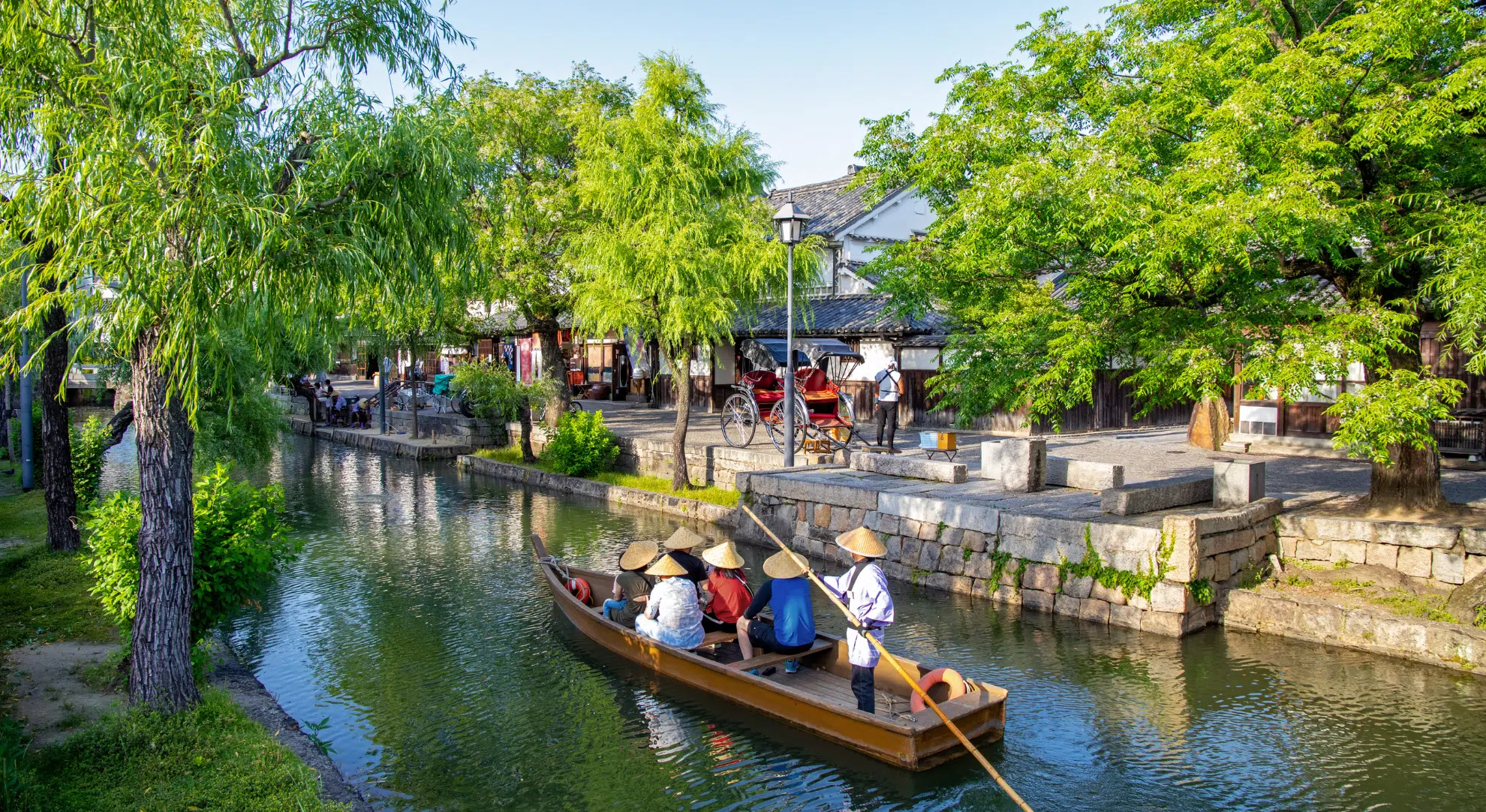
The Bikan Historical Quarter in Kurashiki (Okayama Prefecture) centers on a canal lined with willow trees and Edo-era warehouses. These distinctive white-walled, black-tiled storehouses once held rice and goods for wealthy merchants. Today they house museums, galleries, cafes, and boutiques, but the streetscape remains wonderfully intact.
What makes it special: The canal setting gives Kurashiki a unique atmosphere — you can take boat rides along the willow-lined waterway, photographing the reflections of 300-year-old buildings. The town also houses exceptional museums, including the Ohara Museum of Art (Japan’s first museum of Western art) and several museums dedicated to Edo-period crafts and lifestyle.
Why visit: Kurashiki offers a different flavor of Edo preservation — this was merchant culture rather than samurai, showing how the wealthy merchant class lived. It’s less visited by international tourists than Takayama or Kanazawa, meaning you can explore without crowds. The town is also compact and walkable, perfect for a relaxed day of wandering.
Beyond the Towns: Other Edo Experiences
Original Edo Castles
While many Japanese castles are modern reconstructions, several original Edo-period castles survive. Himeji Castle stands out as the most spectacular, with its brilliant white exterior earning it the nickname “White Heron Castle.” Matsumoto Castle presents a stunning black facade set dramatically against the Japanese Alps, while Hikone Castle remains beautifully preserved on the shores of Lake Biwa.
Edo Museums and Theme Parks
Near Tokyo, the Edo-Tokyo Open Air Architectural Museum relocates and preserves actual Edo and Meiji-era buildings, offering an authentic outdoor experience. For something more theatrical, Edo Wonderland Nikko Edomura is a theme park where staff dress in period costume, ninja shows entertain visitors, and the entire complex recreates an Edo-period town — more Disney than authentic, but genuinely fun.
Kyoto’s Edo Remnants
While Kyoto is famous for earlier periods, several districts preserve Edo-era atmosphere. The geisha districts of Gion and Pontocho showcase wooden machiya townhouses, while Nishijin maintains its identity as the traditional weaving district. Fushimi operates as a sake-brewing district where Edo-era breweries continue their craft.
Why Bother With Edo Towns?
You might wonder: Japan has high-speed trains, neon-lit cities, and cutting-edge technology — why spend time in old towns that represent a bygone era?
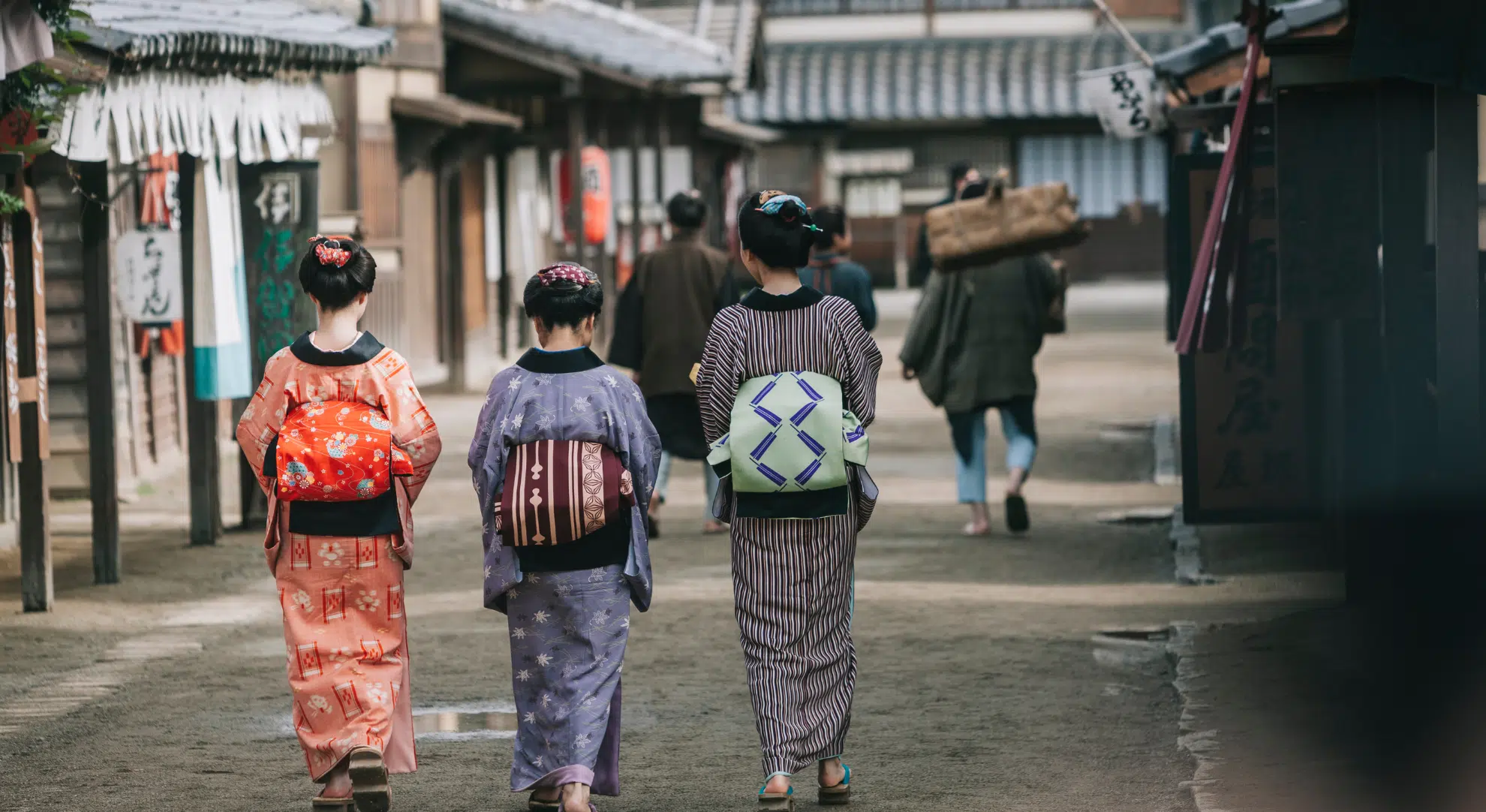
Here’s why these Edo towns matter. First, they show you Japan before it opened to the world. The Edo period’s isolation created a distinctly Japanese aesthetic and culture without Western influence, and these towns capture that unique moment in history in a way modern cities simply cannot.
After the intensity of modern Japanese cities, these quieter towns offer something invaluable: a chance to breathe, slow down, and appreciate craftsmanship, natural materials, and human-scaled architecture. They’re the perfect antidote to Tokyo sensory overload, providing a counterbalance that makes your Japan trip feel more complete.
Beyond their aesthetic appeal, these towns preserve arts and crafts that are rapidly disappearing elsewhere. Traditional ceramics, lacquerware, textiles, sake brewing, and other crafts continue in workshops that have operated since the Edo period. When you visit, you’re not just seeing history — you’re actively supporting its survival by patronizing these traditional businesses.
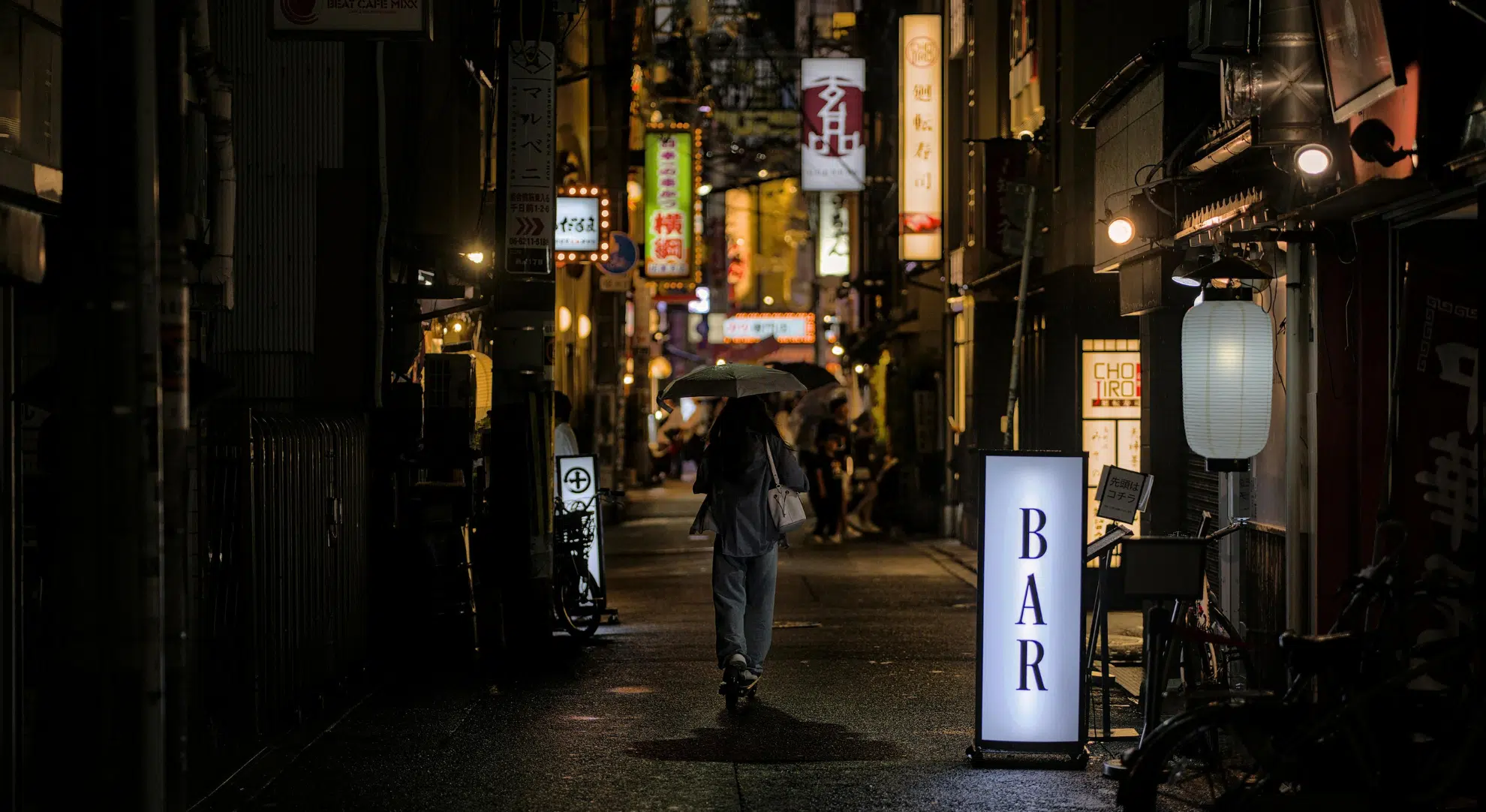
The experience these towns offer contrasts sharply with anime, bullet trains, and robot restaurants. They reveal a side of Japan that proves the country isn’t just about the cutting edge — it’s equally committed to preserving and honoring its past. This balance between hypermodern and traditional is what makes Japan so fascinating.
And let’s not forget the food. Regional specialties that developed during the Edo period flourish in these towns, from Takayama’s Hida beef to Kanazawa’s exceptional seafood, local sake varieties, and traditional sweets. The food culture tends to be more authentic and less touristy than what you’ll find in major cities, offering genuine tastes of regional Japan.
Planning Your Edo Journey
The best approach is combining Edo towns with other experiences rather than doing a pure historical tour. For example, you might pair Takayama with Shirakawa-go and the Alpine route, combining Edo atmosphere with UNESCO World Heritage gassho-style farmhouses and mountain scenery. Another excellent route runs from Kanazawa through Shirakawa-go to Kyoto, creating a cultural corridor from the Japan Sea. The Tsumago and Magome post towns work beautifully with Matsumoto Castle and the Japanese Alps, blending history with mountain activities. Even from Tokyo, you can easily add depth with Kawagoe and Nikko as extensions that layer historical experiences onto your trip.
Most Edo towns work best as one- or two-night stays rather than day trips. They reveal their magic in the evening when day-trippers leave and you can wander quiet streets, dine at local restaurants, and experience the towns as living communities rather than open-air museums.
The Edo period may have ended over 150 years ago, but in these carefully preserved towns, its spirit endures. Walking their streets at dusk, when lanterns illuminate wooden facades and you can hear the clip-clop of geta sandals on stone paths, you’ll understand why travelers seek out these time capsules. They offer something rare in our modern world: a chance to slow down, step back, and experience a Japan that somehow survived the relentless march of progress.
Enquire today to begin your adventure in Japan. We’ll connect the Edo towns, mountain stays, and modern cities that reveal Japan’s past and present in equal measure.