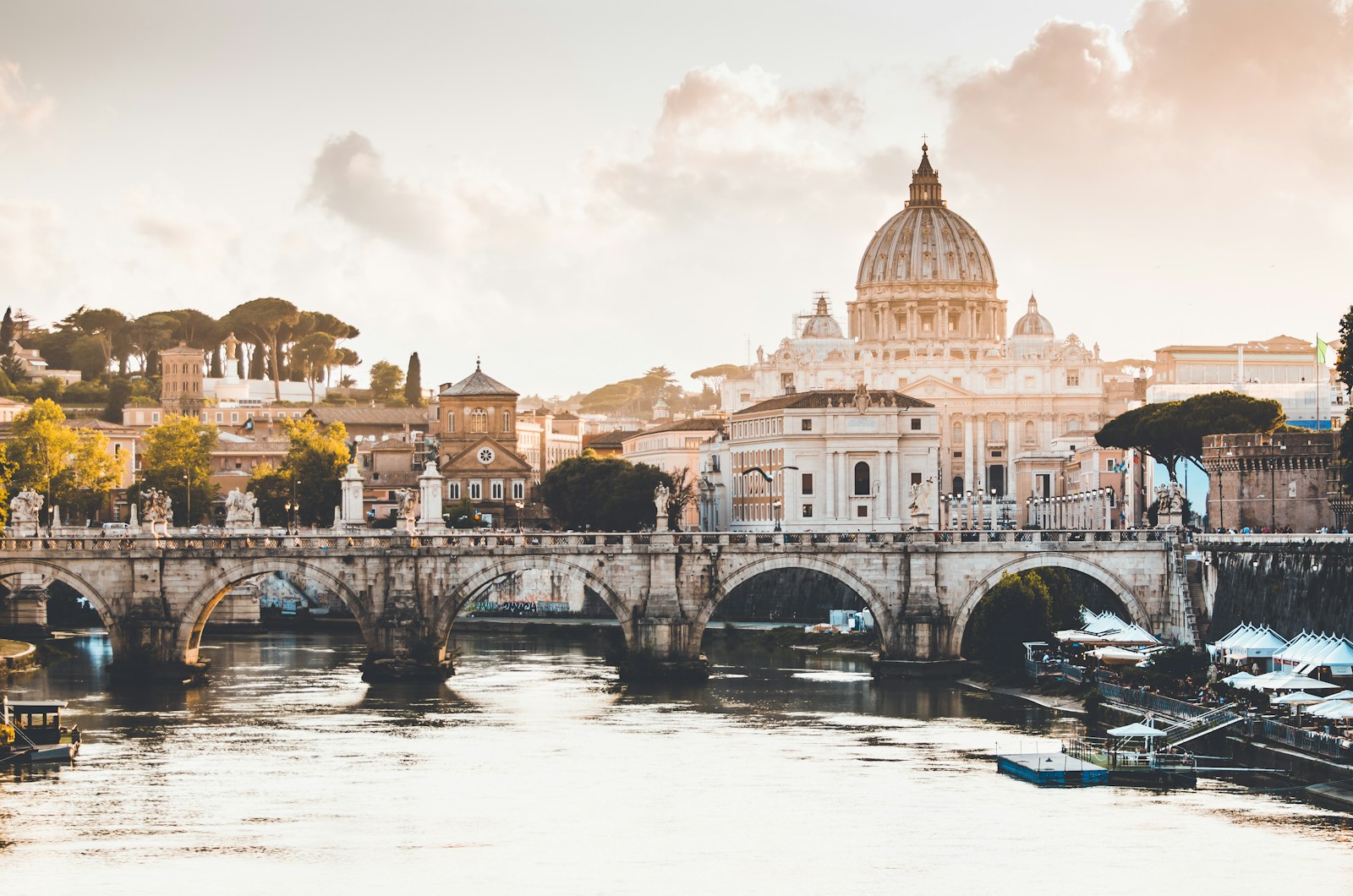
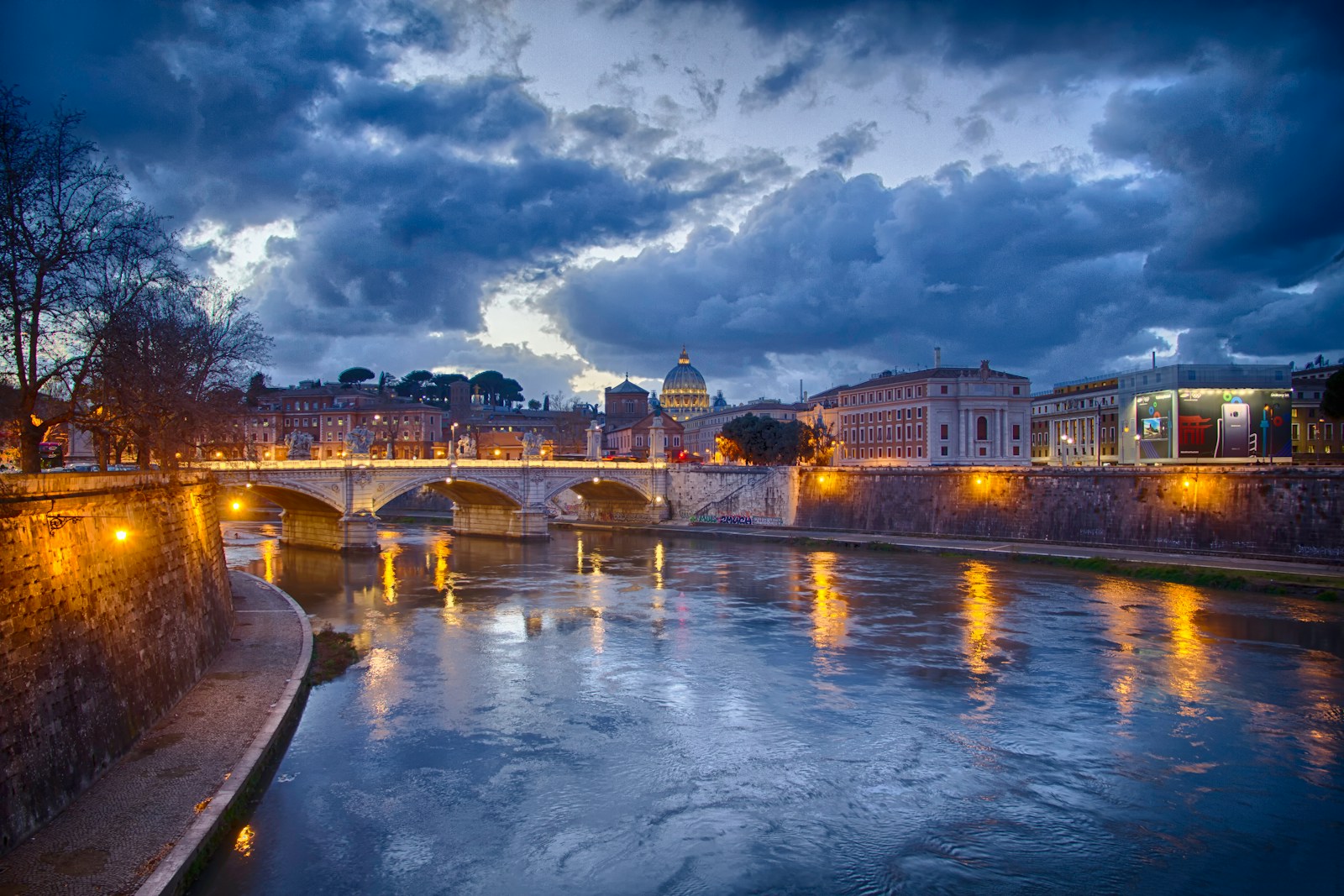
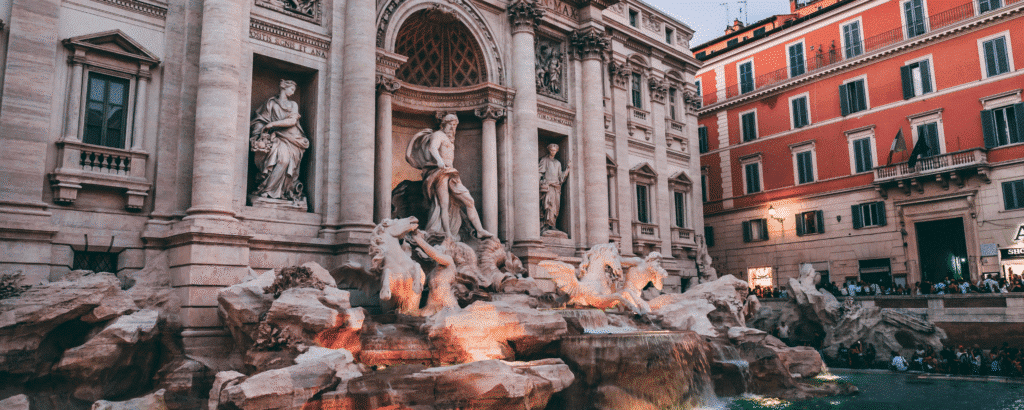
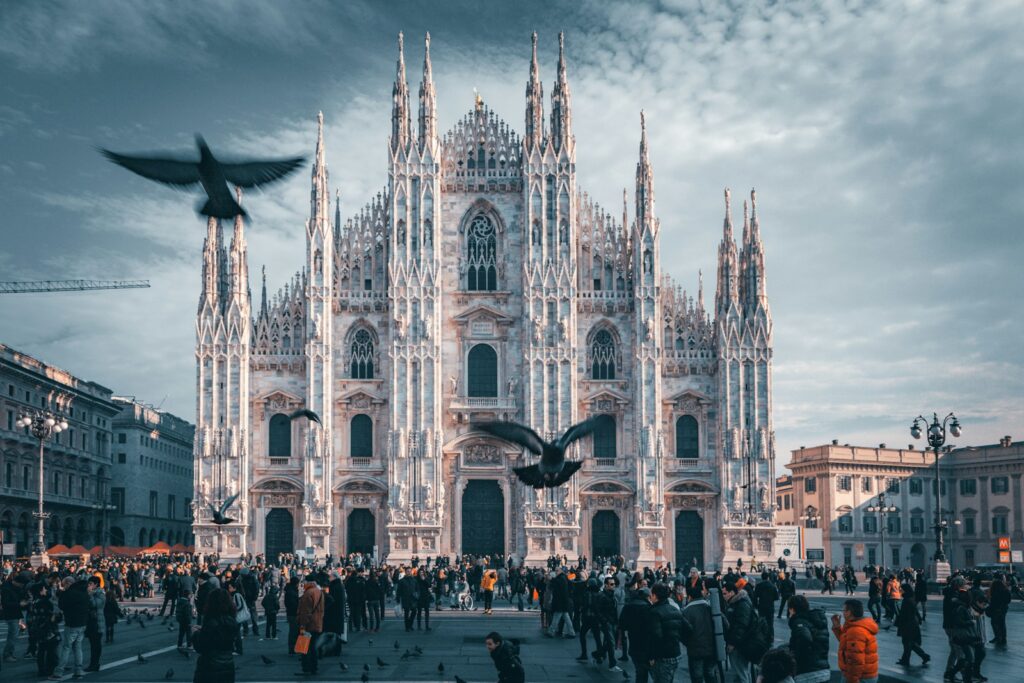
By now, you’ve seen Rome differently — not as a checklist, but as a conversation between light, space, and soul. The city’s beauty reveals itself most clearly when you slow down enough to listen.
Each experience here — from private visits to the Vatican to the stillness of hidden gardens — has its own rhythm. But beyond those curated moments lies another layer, one that can only be felt through presence.
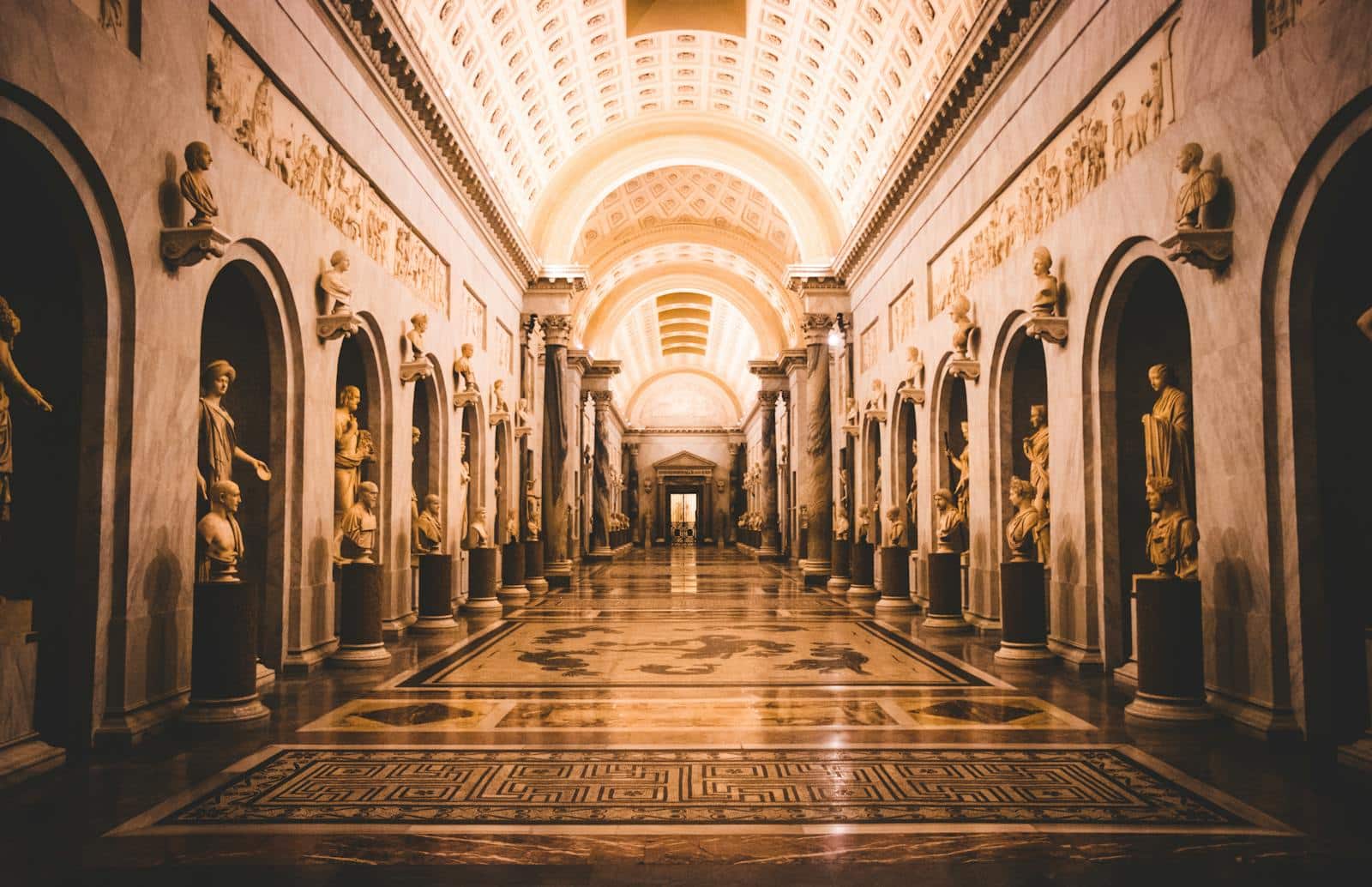
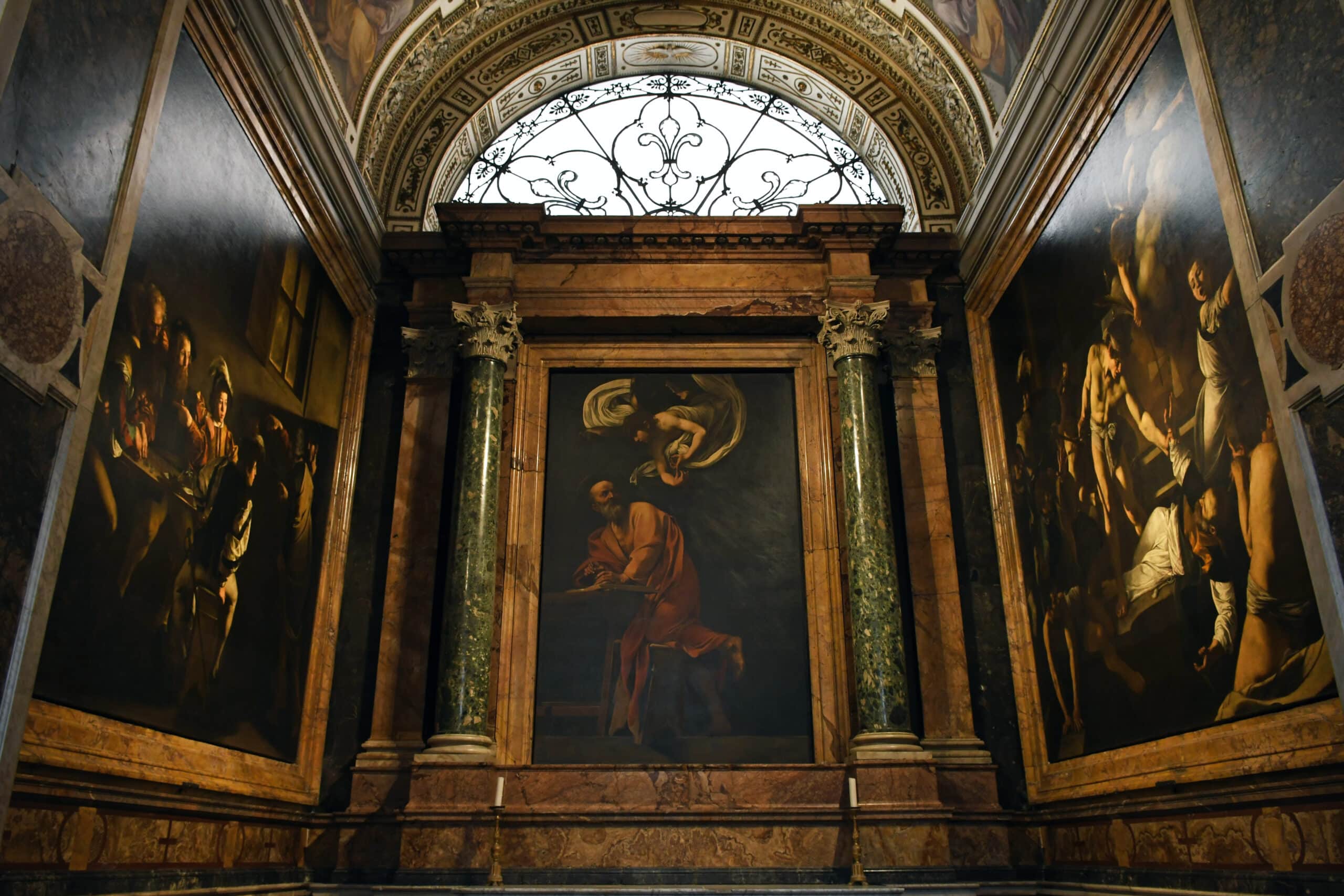
In the quiet halls of lesser-known galleries, a curator unlocks the door just for you. A single spotlight warms a painting few others notice, its colors deepening in the hush. You learn that Rome’s art doesn’t live only in its masterpieces, but in the intimacy of discovery — a fresco glimpsed in a forgotten chapel, a sculptor’s studio open for one evening, a collection of modern works displayed in a palazzo where the scent of wood polish lingers in the air.
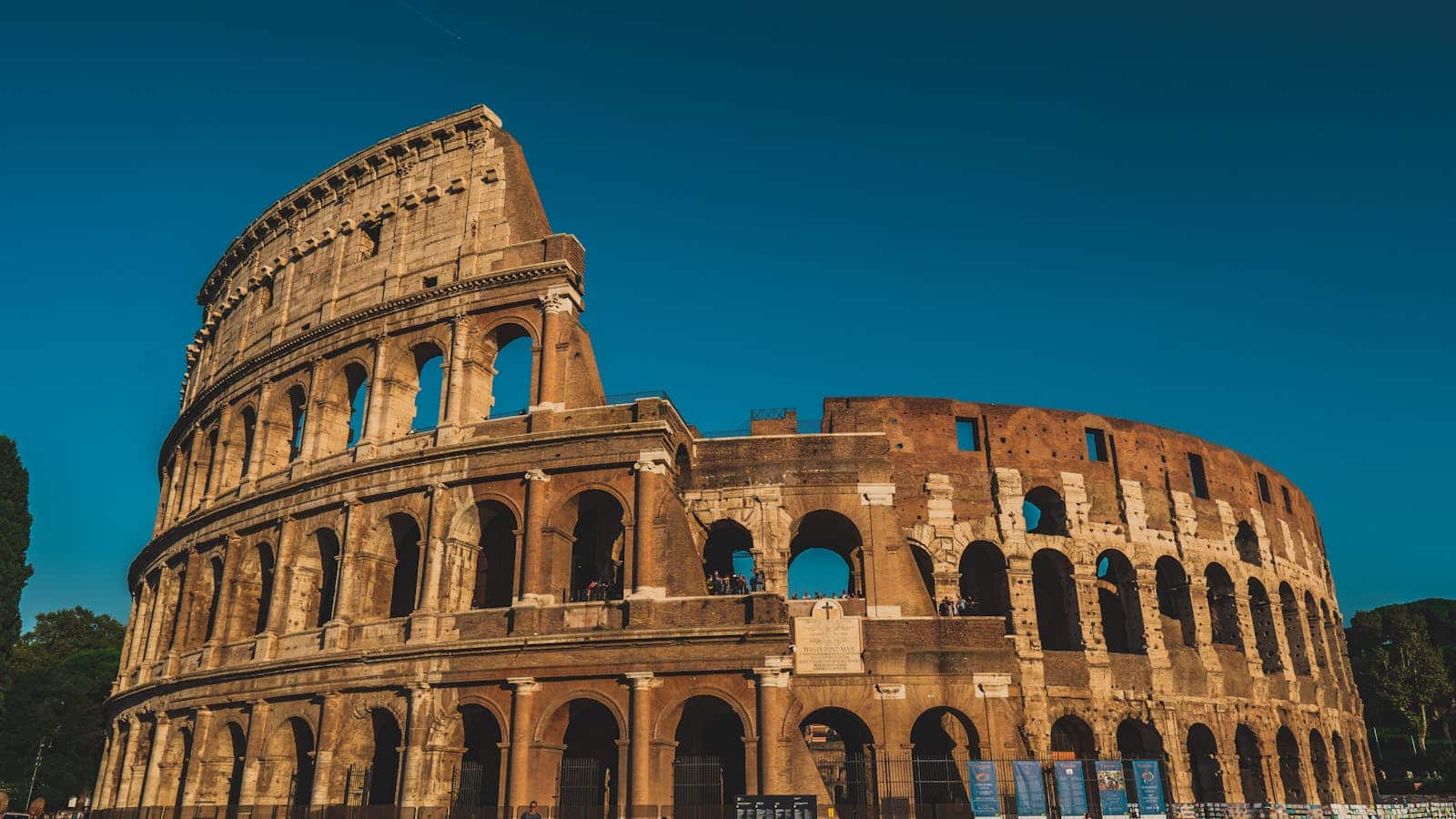
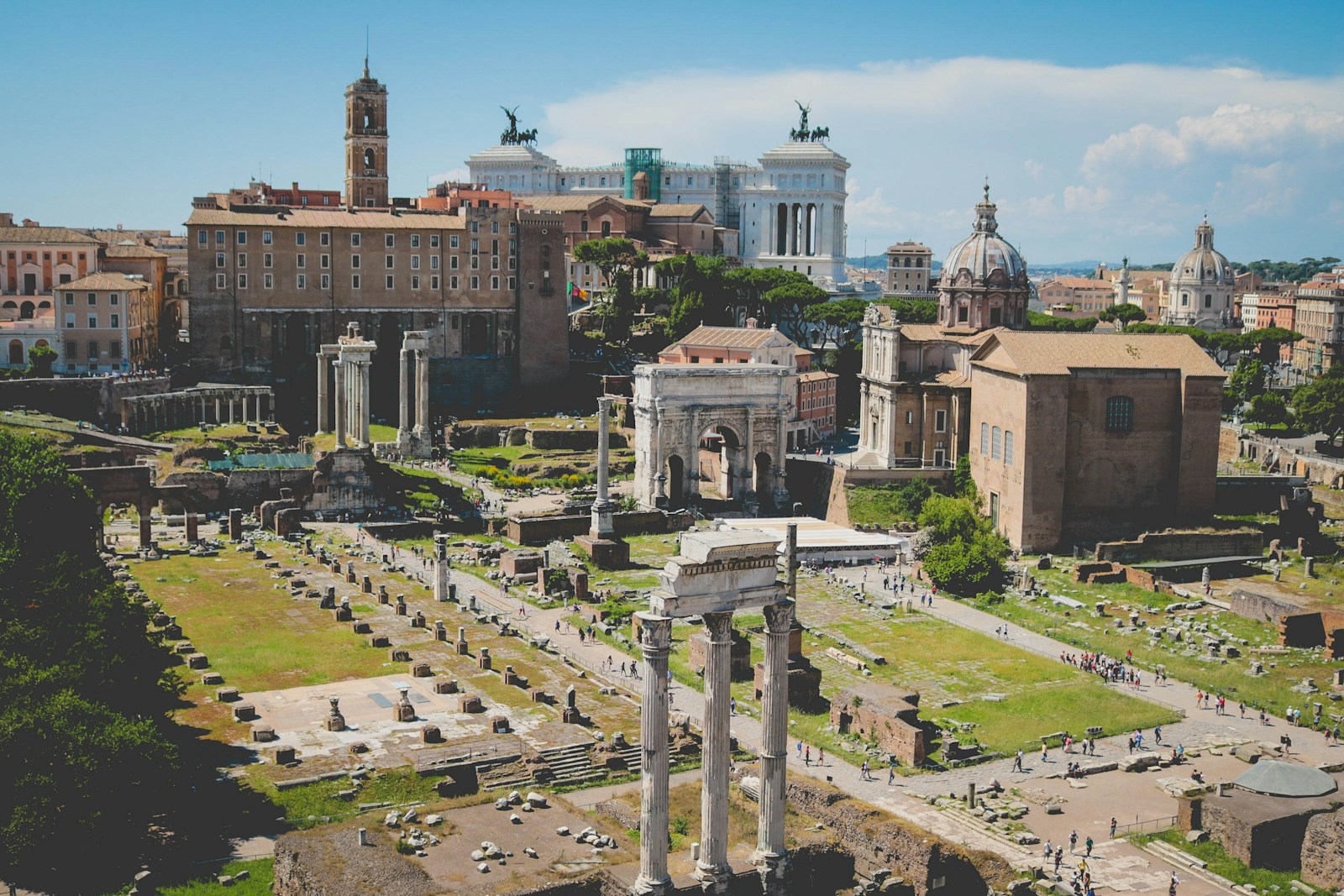
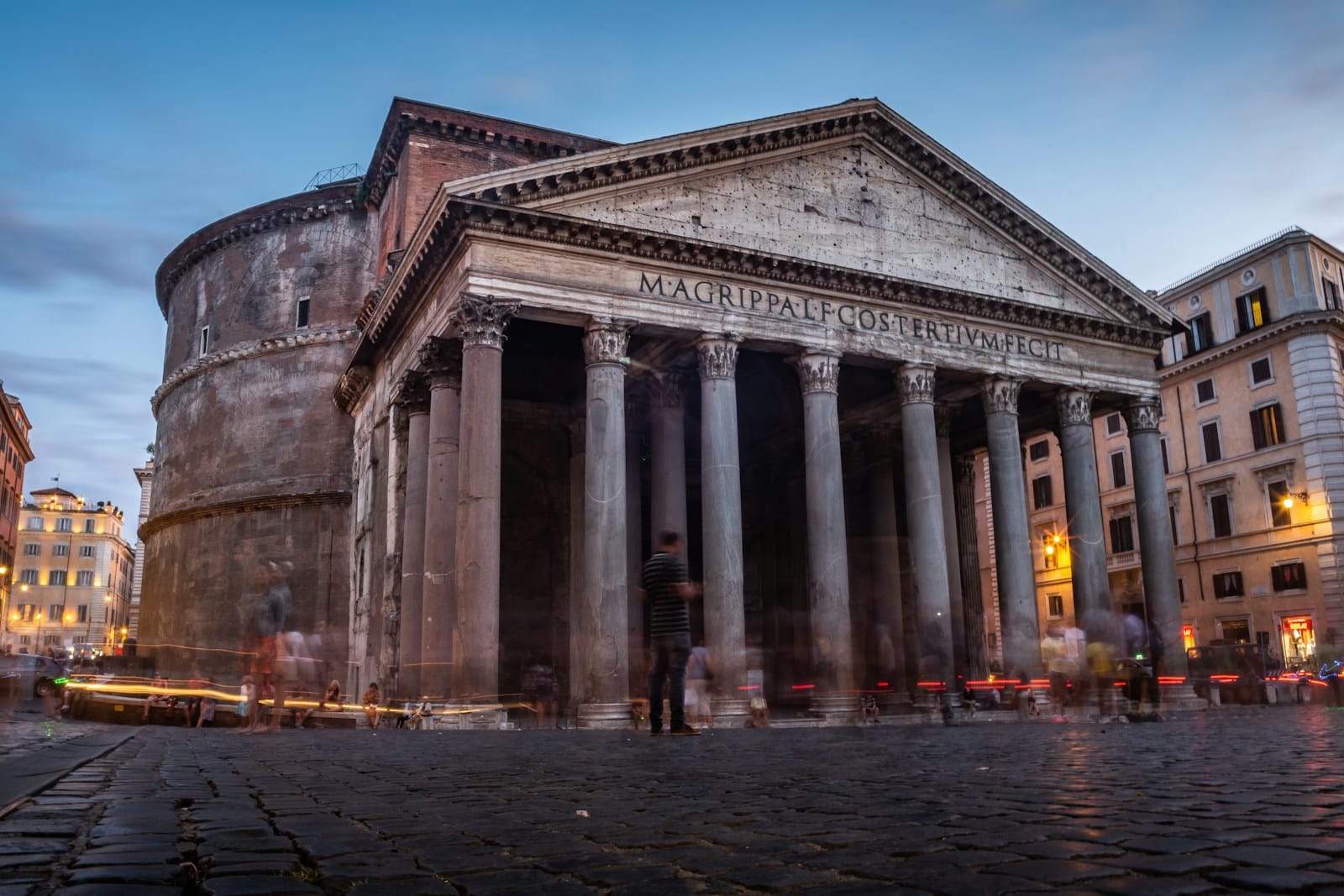
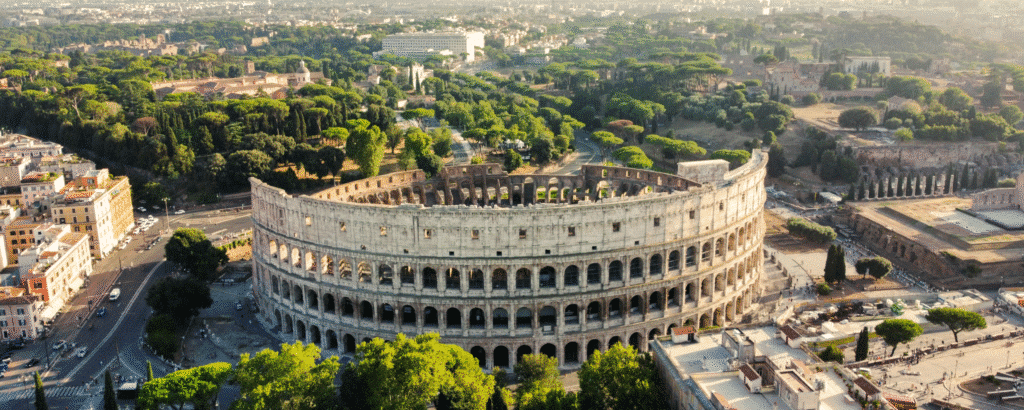
This is how Do Not Disturb reimagines even Rome’s most famous landmarks. The Colosseum visited at dawn, the Pantheon seen by candlelight, the Forum walked in silence with a scholar who tells its story as if remembering rather than teaching. Nothing staged, nothing rushed. Just space to experience meaning instead of movement.
And between those grander moments, there are smaller ones that feel just as vital. A morning espresso taken standing among locals who read the same paper every day. A conversation with a jeweler in the back room of a shop that has no sign. A drive through the Janiculum Hill at sunset, when the city glows and the air smells faintly of pine.
These are the scenes that define Rome without the rush — moments too delicate for itineraries, too personal to reproduce. They are what happen when travel becomes observation, when luxury means freedom from hurry.
Each Do Not Disturb journey through Rome is designed with that same intention: to give travelers not only access, but understanding. The kind of connection that lingers — through texture, through taste, through the quiet knowledge that you’ve experienced a city not by seeing it all, but by feeling it fully.
To experience Rome without the rush is to remember why we travel at all: not to collect, but to connect. Not to escape the world, but to return to it changed — calmer, fuller, more present.