

A private tour of the Tokyo National Museum offers a calm, focused way to explore Japan’s oldest and largest museum, guided through sixteen thousand years of art with clarity and intention.
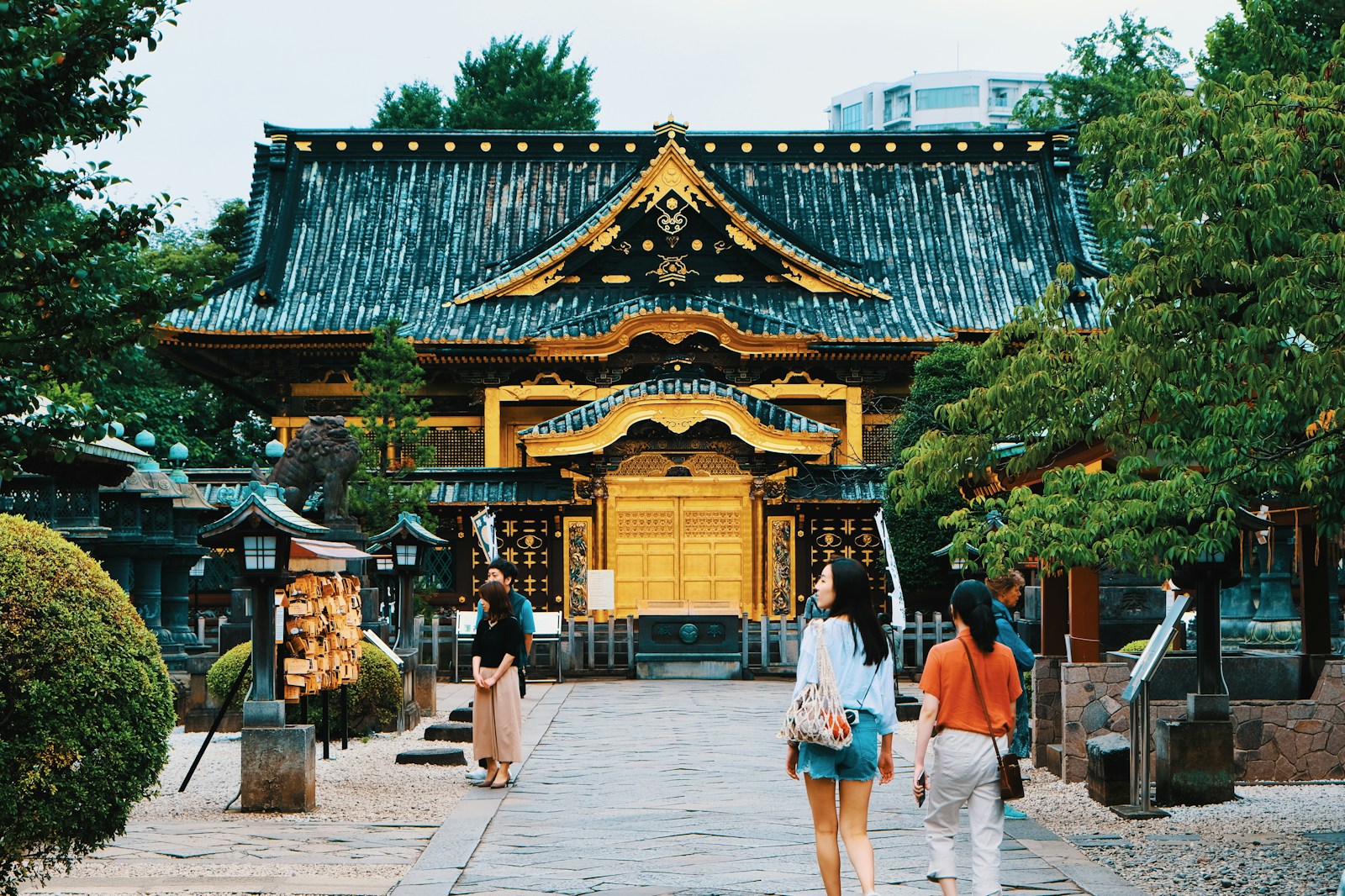
Ueno Park is one of Tokyo’s busiest cultural districts, yet the approach to the Tokyo National Museum feels surprisingly measured in the early hours. The main building rises above the trees with quiet authority, its Imperial Crown style reflecting a period when Japan sought to blend new architectural ideas with established tradition. Entering with a guide sets a different rhythm from the start. You move through security and across the courtyard without the stops and starts that shape independent visits.
Only a private tour provides the focus needed to take in the museum’s full breadth.

Cultural and Historical Context
The Tokyo National Museum is the oldest institution of its kind in Japan. Its origins trace back to a public exposition in 1872 at the Yushima Seido Confucian shrine. The collection moved to its current location in Ueno Park ten years later, solidifying the museum’s position as a national center for art, archaeology and cultural scholarship. The original main building was lost in the Great Kanto Earthquake of 1923, leading to the construction of the present Honkan in 1938. The building itself is now an Important Cultural Property, symbolizing a decisive chapter in Japan’s modern architectural history.
Today, the museum oversees more than 120,000 objects, including National Treasures and Important Cultural Properties. Around 3,000 works are displayed at any given time, arranged across several buildings that each reflect a distinct facet of East Asian cultural heritage. Visitors are drawn to the museum for its depth and breadth. The Japanese Gallery in the Honkan presents an uninterrupted timeline of artistic development from the Jomon period to the late nineteenth century. The Toyokan houses the museum’s Asian collections, ranging from ancient Chinese bronzes to Central Asian sculptures. The Heiseikan pairs archaeology with large-scale special exhibitions, while the Gallery of Horyuji Treasures displays Buddhist works that predate much of Japan’s recorded history. The surrounding garden and teahouses extend the narrative outdoors, linking art, landscape and architectural heritage in a way that supports slower, more contemplative exploration.

What You See
The journey typically begins in the Honkan. Early Jomon pottery establishes the museum’s deep chronological range. The vessels display cord-marked patterns that feel both ancient and surprisingly modern in their abstraction. Nearby, Haniwa terracotta figures from the Kofun period introduce a shift toward ritual expression. Their forms are simple yet unmistakably human, offering a distinct counterpoint to the refined courtly objects that follow.
The progression into Buddhist sculpture creates a natural change in tone. Gilt-bronze statues from the Asuka and Nara periods reveal the increasing influence of continental Asia, while the scroll paintings and mandalas deepen the spiritual dimension of the gallery. Samurai armor and swords present a different kind of artistry, combining metallurgical skill with symbolic design. The armor’s lacquered surfaces and layered construction demonstrate both function and aesthetic sensibility.
Ukiyo e prints offer a lighter register, highlighting the urban culture of the Edo period. Their lines are sharp, the colors restrained, and the scenes quietly humorous or deeply atmospheric depending on the artist. Kimono and other textile works show the intricacy of dyeing and weaving techniques, each pattern carrying regional and historical significance.
In the Toyokan, the material broadens. Ancient Chinese bronzes show technical mastery that influenced early Japanese metalwork. Korean celadon wares reveal a delicate palette and precision that shaped regional ceramics. Sculptures from the Gandhara region introduce a fusion of Greek and Buddhist artistic traditions, linking distant cultures through shared iconography.
The Gallery of Horyuji Treasures is often the most meditative part of the visit. The building’s clean architectural lines and controlled lighting create a space where seventh and eighth century Buddhist works appear almost suspended in time. The scale is intimate. You can notice the softness of a statue’s features or the finely engraved patterns on ritual objects without interruption.
If the garden is open, the route may conclude outdoors. The teahouses and pathways invite a slower pace, and the contrast between gallery and garden helps consolidate the experience. The museum’s narrative continues in the landscape, where architecture, nature and cultural memory intersect.

How Private Access Elevates the Experience
With a private guide, the museum becomes easier to read. You are not navigating based on foot traffic but on the integrity of the story being told. If a gallery becomes busy, the guide shifts direction, returning when the space clears. This creates natural pauses that support concentration. You spend time where it matters, not where the crowd dictates.
The quiet around individual objects becomes more consistent. You can stand directly in front of a sculpture, follow the line of a calligraphic stroke or examine the grain of lacquerware without adjusting your position for others. The absence of noise around you heightens the details. Materials, scale and technique become more apparent.
The guide’s role is not simply informational. They create rhythm. They adjust the pace to prevent fatigue and ensure that each transition between galleries feels intentional. Exhibits that often go unnoticed gain relevance because they are placed within a coherent narrative arc. This structure gives the experience a sense of calm progression rather than accumulation.

The Surrounding Museums
The museum is part of a wider network of institutions within Ueno Park. The National Museum of Western Art holds a significant European collection within a building designed by Le Corbusier. The Tokyo Metropolitan Art Museum presents rotating exhibitions that connect international and domestic artists. Together, these institutions form a cultural corridor that reflects Japan’s continuing engagement with global artistic movements. For visitors, the proximity creates a sense of immersion that extends beyond a single collection.

How Do Not Disturb Makes This Possible
Do Not Disturb works with trusted third party specialists who hold the appropriate guiding licenses for the Tokyo National Museum. These guides understand the nuances of the collection and the quieter moments within the building. They select the route based on your interests, whether that means focusing on early Buddhist sculpture, the evolution of samurai craftsmanship or a cross cultural study of East Asian ceramics.
Timing is handled with care. Visits are often planned for the first entry of the day or late afternoon when the museum is naturally calmer. Transfers, entry tickets and logistical details are coordinated in advance, ensuring that movement through the museum is smooth and unobtrusive. The goal is to create an experience that feels personal, informed and quietly paced.
Ready to explore the Tokyo National Museum with a private guide and experience Ueno’s cultural heart with calm and intention? Speak with Do Not Disturb to begin planning your visit.
Related destinations
Suggested articles

Koh Samui Luxury Guide: From Fishing Village to Five-Star Island
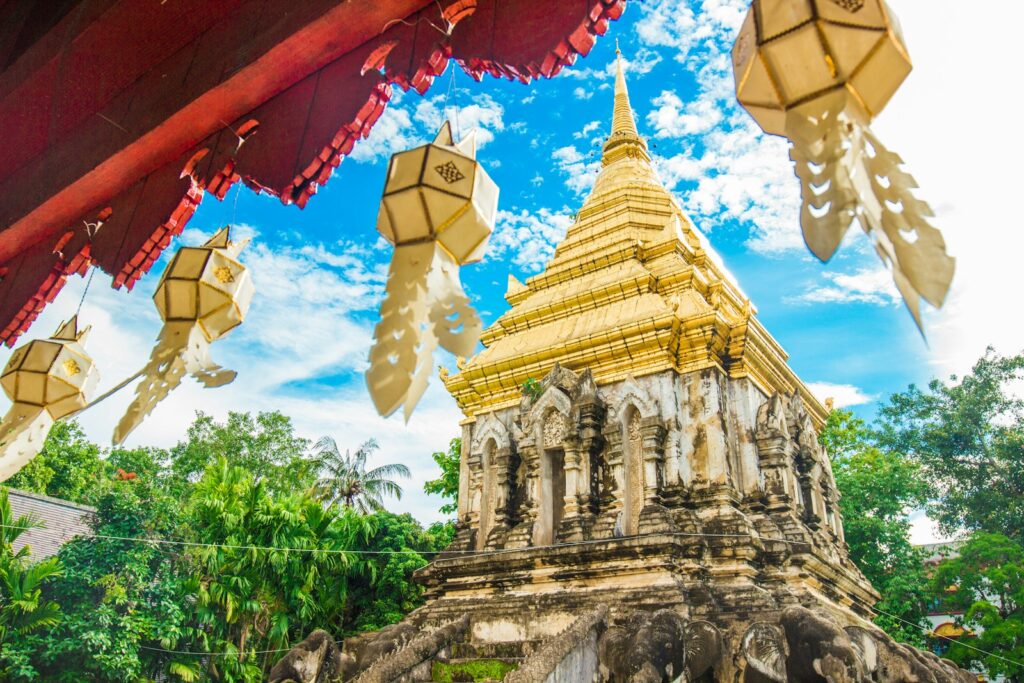
Exploring Thailand’s Chiang Mai Temple Circuit

Visiting the Ruins of Ayutthaya: Thailand’s Former Capital
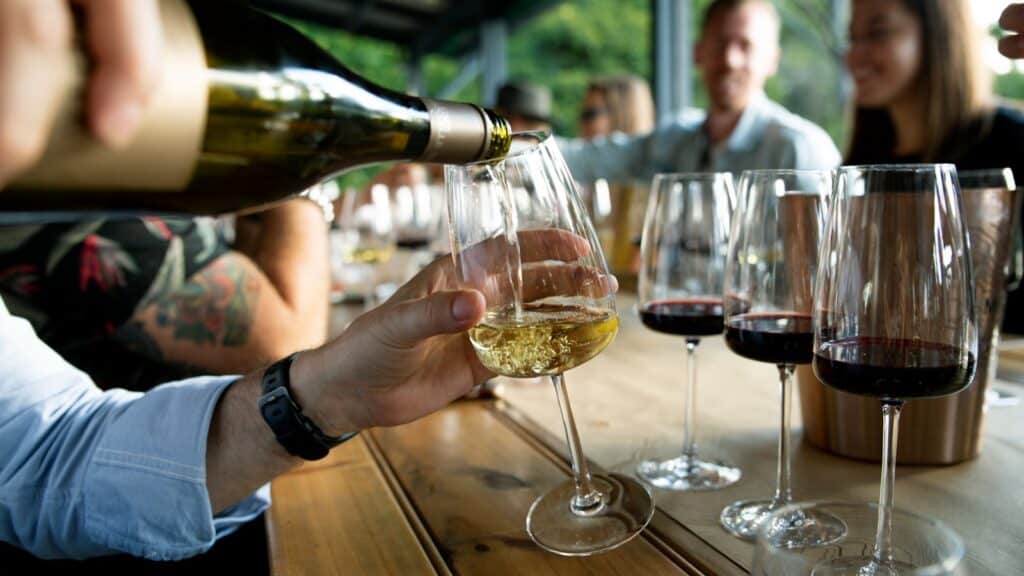
How to Experience Spanish Wine Tours in Rioja
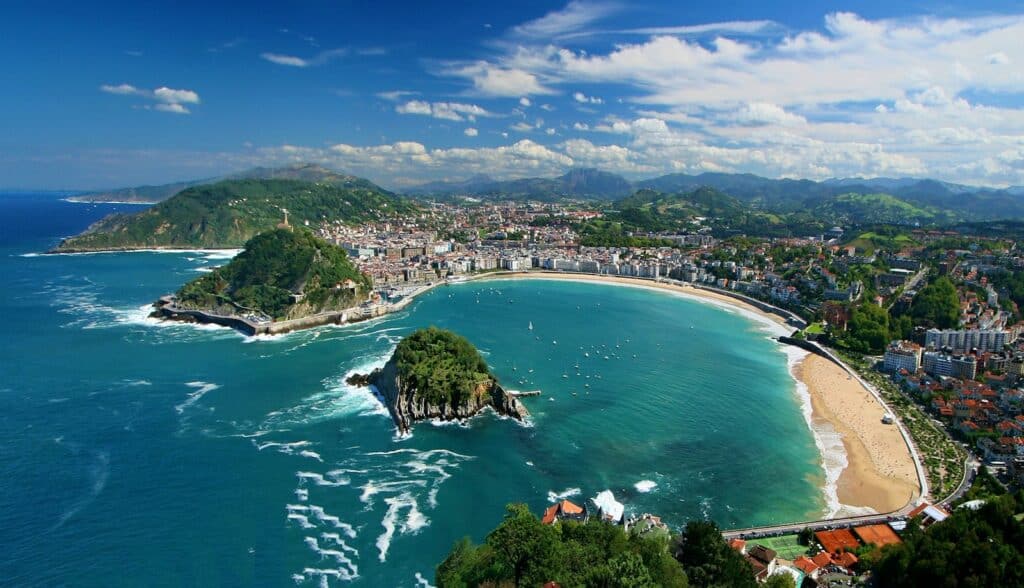
A Luxury Guide to Spain’s Basque Country
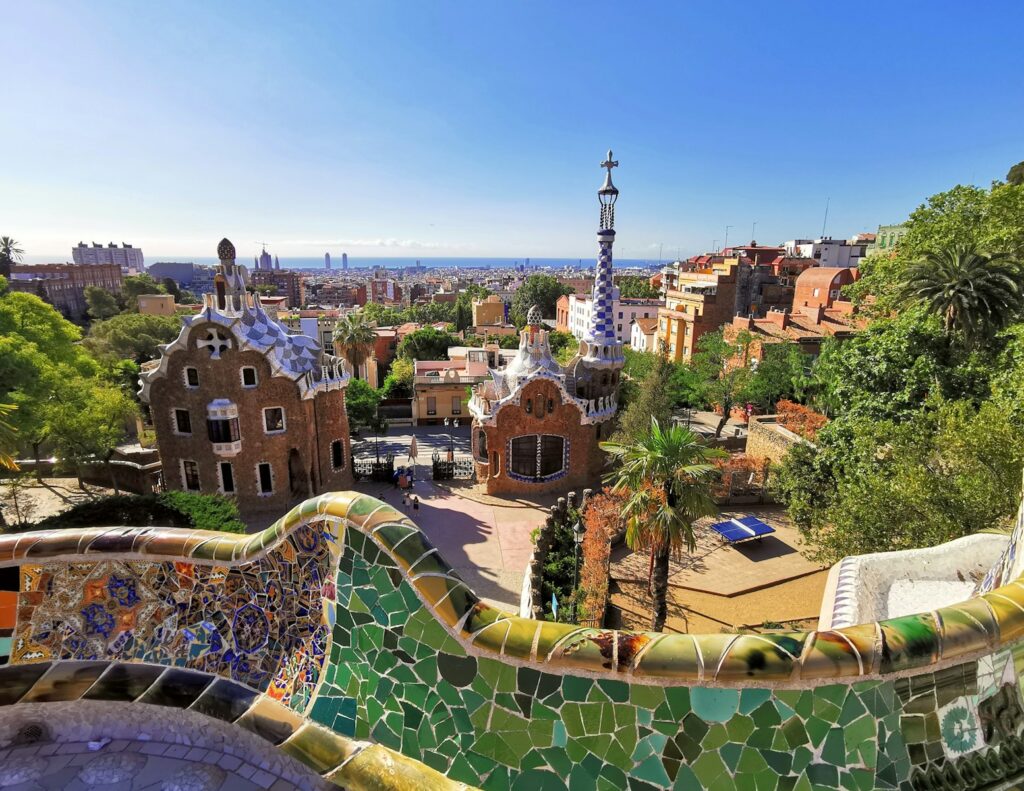
Gaudí’s Barcelona: How to Understand and Visit His Work
How to Plan the Perfect Luxury Trip to Angkor Wat
A Guide to Sri Lanka’s Tea Plantations

The Maldives Fixed Its Arrival Problem: Inside the New Velana Airport
The Best Islands in Australia for a Luxury Beach Vacation
How to Plan a Luxury Australian Outback Experience
A Luxury Guide to Australia’s Wine Regions

How to Plan a Luxury Trip to Australia’s Great Barrier Reef