



9 days days
|$4995

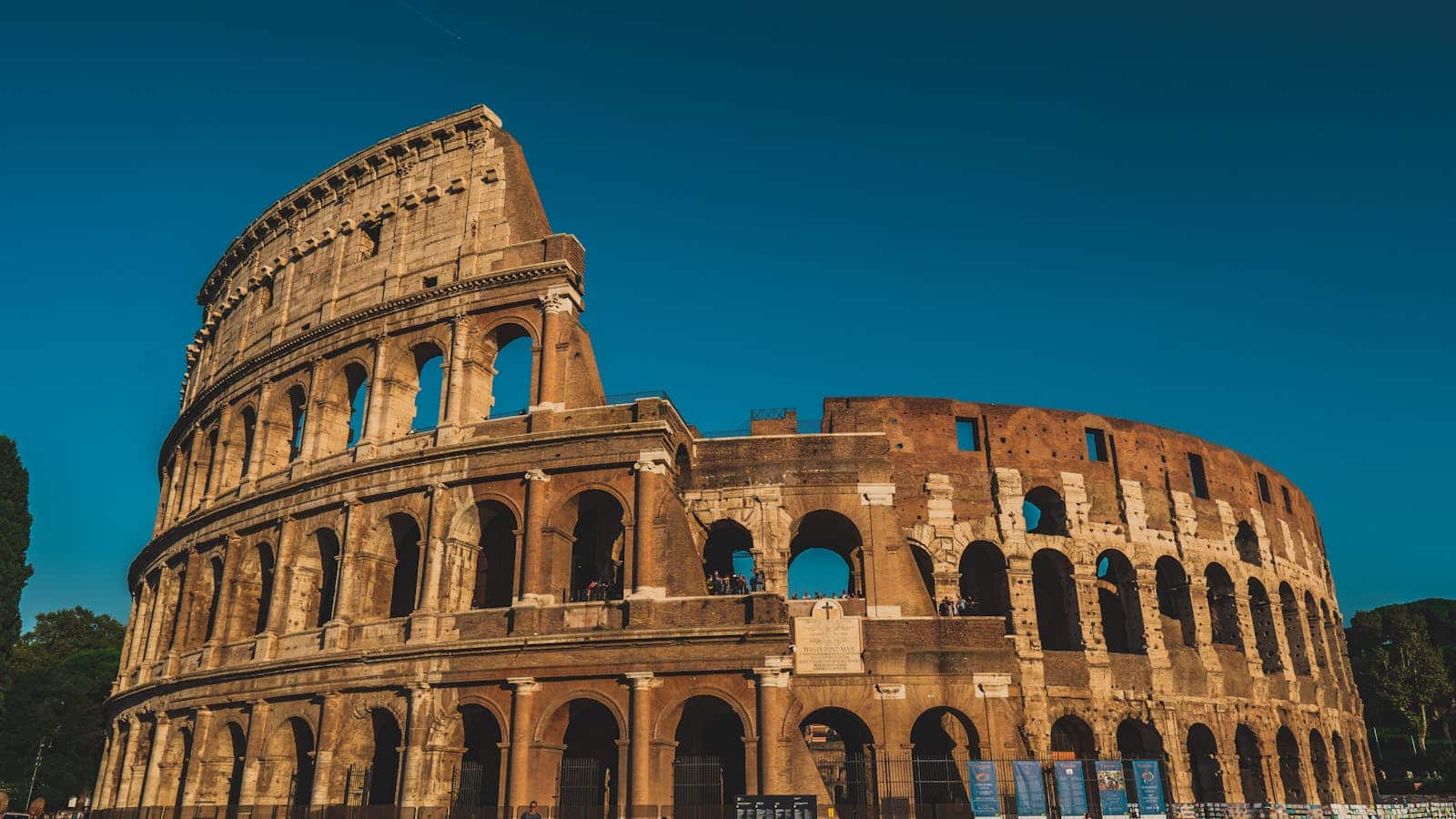
Where power once roared, silence now tells the story.
At first glance, the Colosseum feels eternal — its arches worn smooth, its shadows familiar from a thousand images. But step inside when the crowds have gone, and the place changes. The air cools. Light moves slowly across the stone. And you begin to hear what isn’t there: the sound of 50,000 voices that once filled this space.
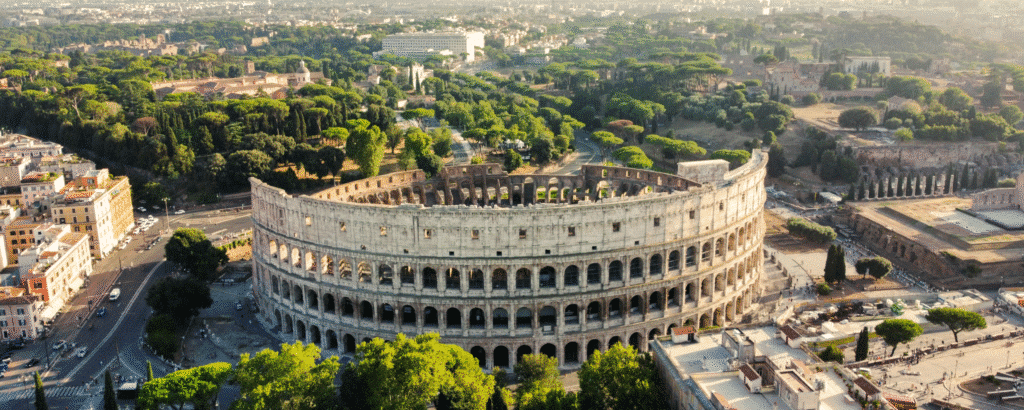
It’s hard to reconcile the calm with what this arena once was. The Colosseum — built in just eight years under Emperor Vespasian and completed by his son Titus — was Rome’s grandest stage, where triumph and terror played out as spectacle. Yet today, in the quiet of early morning or late evening, the same structure becomes something else entirely: a place of reflection, mastery, and extraordinary human craft.
The Colosseum, Unveiled is a Do Not Disturb experience that reveals this duality — guided by those who understand not just the history, but the heartbeat that once echoed here.
You enter through a private gate, long before the city wakes or after it winds down. Your guide — an archaeologist who has spent years studying these stones — moves at an unhurried pace, drawing your attention to the details others miss: the precision of the travertine blocks, the symmetry of the corridors, the faint markings carved by stonemasons nearly two millennia ago.
It’s impossible not to be awed by the sheer scale. At its peak, the Colosseum held as many spectators as a modern football stadium — seated, shaded, and expertly organized by class and status. There were elevators, pulleys, and trapdoors that brought animals from below the arena floor to sudden daylight. Engineering not for war or water, but for drama.
Your guide pauses near one of the entrances once reserved for senators. “It was designed for efficiency,” they explain. “Fifty thousand people could enter or leave in less than fifteen minutes.” You can still feel that intent — the architecture of movement, built for spectacle.
And yet, standing here alone, it feels less like a ruin and more like a revelation. Every stone carries both purpose and poetry.
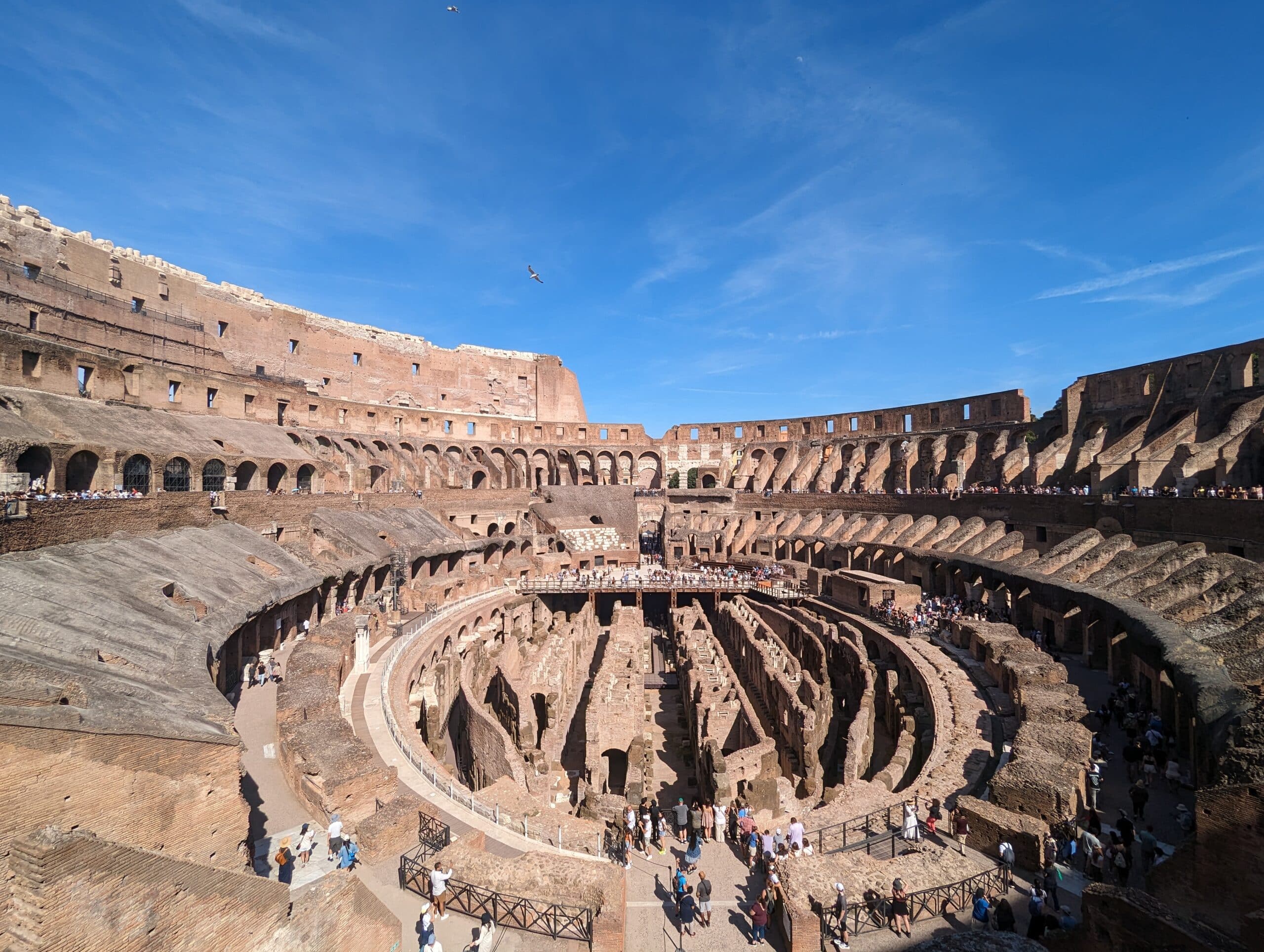
Descending into the underground chambers, you enter another world. This is where the noise once began — the gladiators waiting for their turn, the cages holding lions, tigers, and elephants brought from Africa and Asia, the scent of oil and dust thick in the air.
Your guide points to grooves cut into the stone where winches once turned, lifting platforms that sent fighters and animals suddenly into the light. “It was organized chaos,” they say, “a perfect illusion of danger and control.”
Here, in the dim corridors beneath the arena, it’s easy to imagine the rhythm of it all — the creak of wood, the shouts above, the brief flash of sunlight before battle. And then, silence.
The experience of being here privately is profound. With Do Not Disturb’s access, you’re not swept along with crowds or commentary. You have time to absorb it: the craftsmanship, the courage, the contradiction. It’s both haunting and magnificent — a monument to what humanity can create, and what it must learn from.
Back above ground, the arena opens into a circle of light. The floor is partly reconstructed, allowing you to stand at its center.
Your guide explains how the amphitheater’s acoustics amplified every sound: the cheer of the crowd, the ring of steel, the gasp of expectation. This was theater on a scale no civilization had attempted before — where the boundaries between entertainment and survival blurred.
Yet even in its most violent hours, the Colosseum was an expression of something universal: Rome’s need to be seen, to leave a mark, to tell stories through spectacle.
Looking up, you notice how the arches frame the sky — geometry turned into grace. The same design that once contained chaos now seems to hold peace.
One of the archaeologists who works here often says the Colosseum is “a mirror.” In its walls, you see everything — ambition, cruelty, innovation, endurance.
You might stop before a section of marble where faint Latin inscriptions record the names of freed slaves who became gladiators. Or a fragment of red paint that once decorated the corridors. These small traces tell the human story behind the monument: the workers, artists, and engineers whose craft has survived empires.
Do Not Disturb’s curators weave these details into the experience with care. The aim isn’t to overwhelm with dates or data, but to build intimacy with a structure so vast it usually defies it.
It’s that intimacy that transforms this from a historical visit into a moment of quiet understanding.
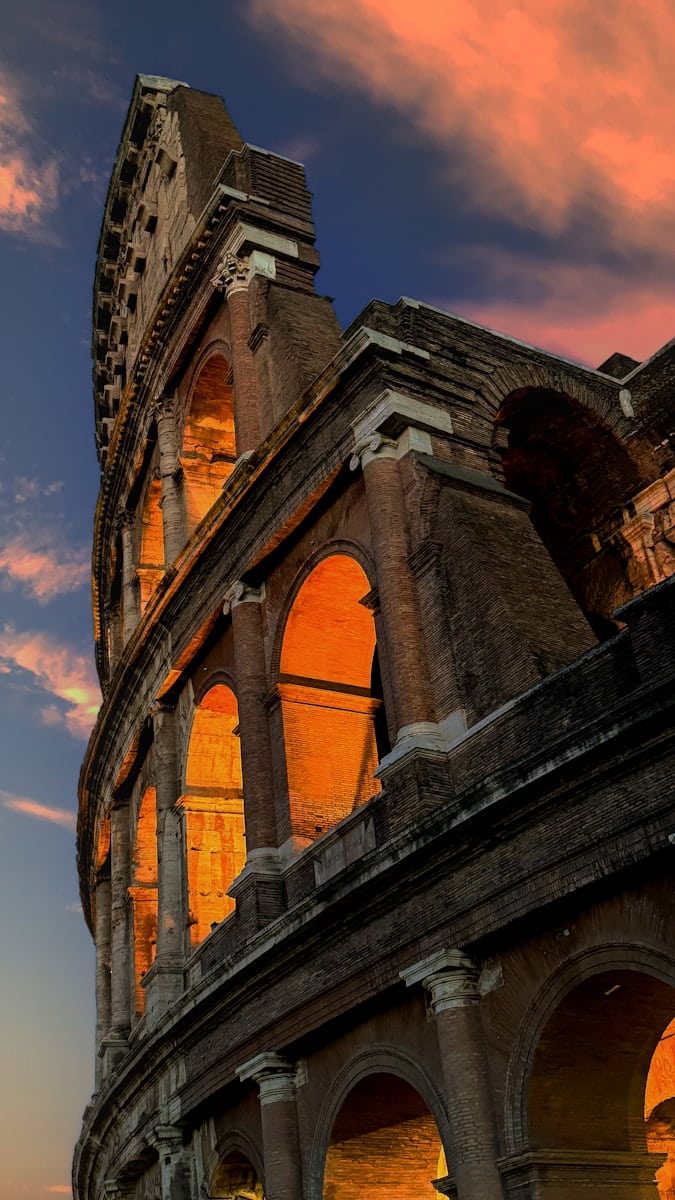
As the sun moves across the arches, the Colosseum becomes a study in chiaroscuro — light and dark in motion.
Photographers often chase this hour, but in private, you can stand still and simply watch. The way the stone absorbs warmth, the way each arch frames the changing sky — it feels almost painterly.
Your guide may mention that artists from Turner to Piranesi once tried to capture this same light, this same balance of ruin and beauty. Few succeeded, because the essence of it isn’t visual; it’s emotional. The Colosseum isn’t frozen in time. It’s breathing, changing, reflecting whoever walks through it.
9 days days
|$4995
14 days days
|$3995
The experience can extend beyond the amphitheater itself. With Do Not Disturb, guests often walk the short distance to the Ludus Magnus, the remains of the gladiators’ training school, accessible by private appointment. It offers another layer to the story — a glimpse of discipline and resilience behind the spectacle.
From there, a driver might take you to a quiet rooftop nearby for an aperitivo — a view of the monument glowing in evening light, the hum of the city below. You see it differently now: not as a relic, but as a reminder of human ambition, both its brilliance and its cost.
Visiting the Colosseum is easy. Understanding it takes more care.
In a place built for noise, Do Not Disturb creates space for reflection. The access, the pacing, the expertise — all work together to turn spectacle into substance.
This is what the brand does best: reinterpreting the world’s most famous landmarks into experiences that feel personal, private, and purposeful. You come here expecting to see history. You leave feeling its echo.
For some, the Colosseum becomes a symbol of power. For others, it’s a lesson in endurance. But for everyone who sees it this way — unveiled, unhurried — it’s a reminder that true presence is its own kind of legacy.
The Colosseum, Unveiled is part of Do Not Disturb’s curated collection of Roman experiences — each designed to slow the world’s most storied places into moments of genuine connection and insight.
Speak with one of our travel experts to arrange private, archaeologist-led access to the Colosseum and its hidden chambers — where the echoes of history meet the calm of the present.
Related destinations
Suggested articles





Tell us how you want to feel, we’ll take it from there.
“Our trip was truly magical and full of core memories that will last us a lifetime.”
Michael • Bora Bora Honeymoon

“We just returned from an incredible journey through Ireland, and we couldn’t have had a better experience”
Brad • Ireland Adventure
“This was a flawless experience right from the beginning, we had so many thoughts and ideas flowing around and they took all of them and perfectly curated the most beautiful honeymoon for us.”
Kris • Sicily Honeymoon
See more reviews on Trustpilot
 11 min read
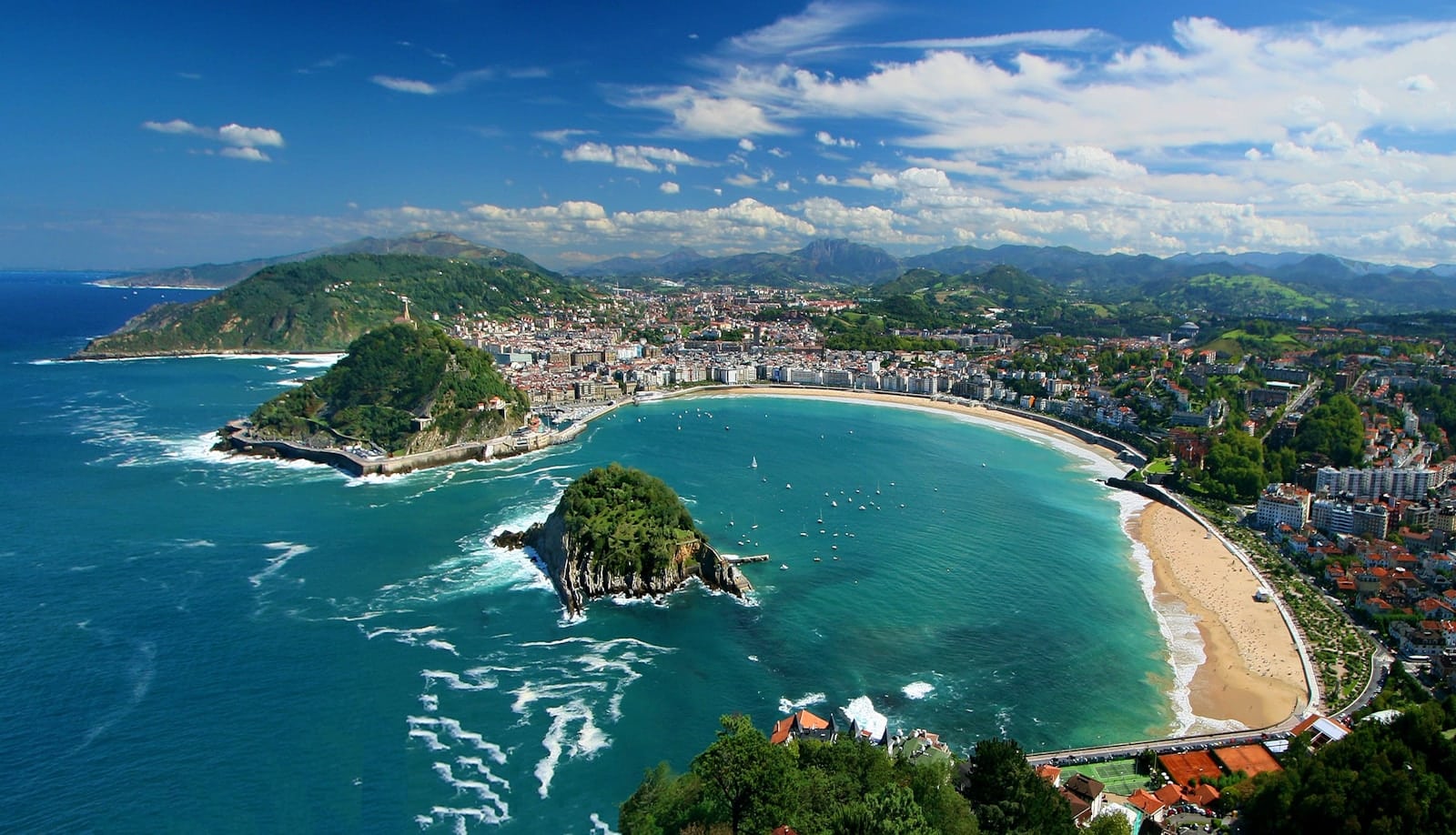
The Basque Country exists in the margins of most visitors’ Spanish itineraries, which is precisely why it deserves to be the center of yours. While Barcelona and Madrid command the guidebook attention, northern Spain’s autonomous region has quietly become one of Europe’s most compelling destinations.
 16 min read
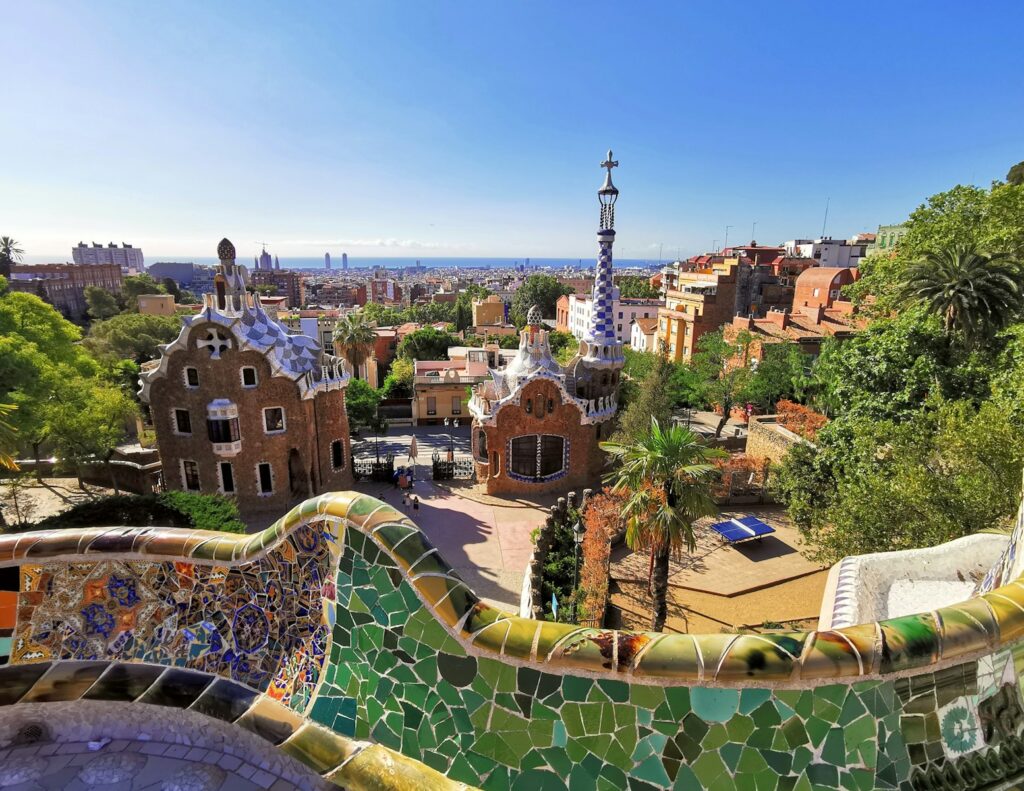
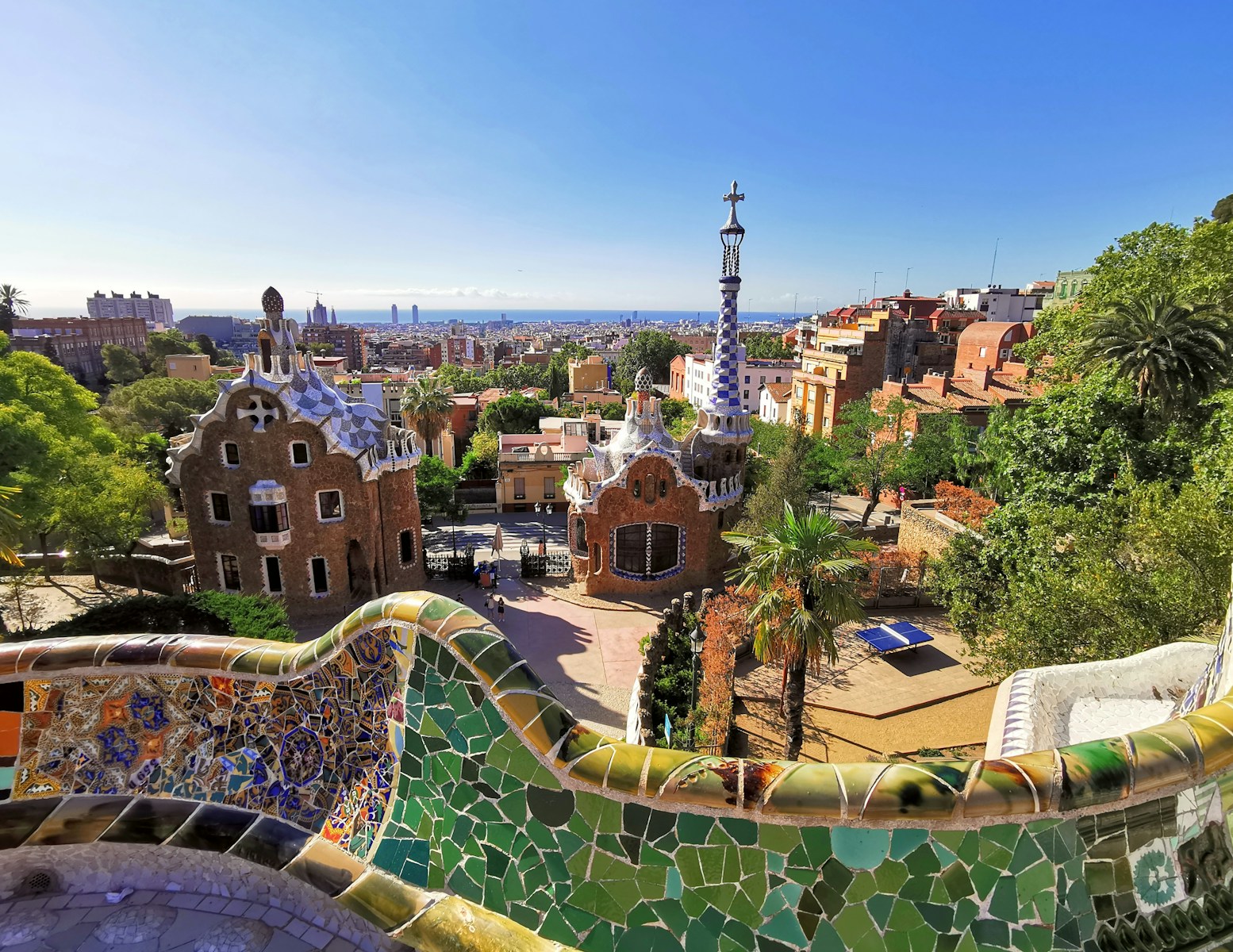
Gaudí’s buildings are immediately recognizable, but what makes them distinctive is not stylistic quirk. It is a coherent philosophy applied with obsessive precision. To understand Gaudí requires learning how he thought about architecture, materials, and the relationship between form and function. The buildings make far more sense once you grasp his underlying principles.
 12 min read
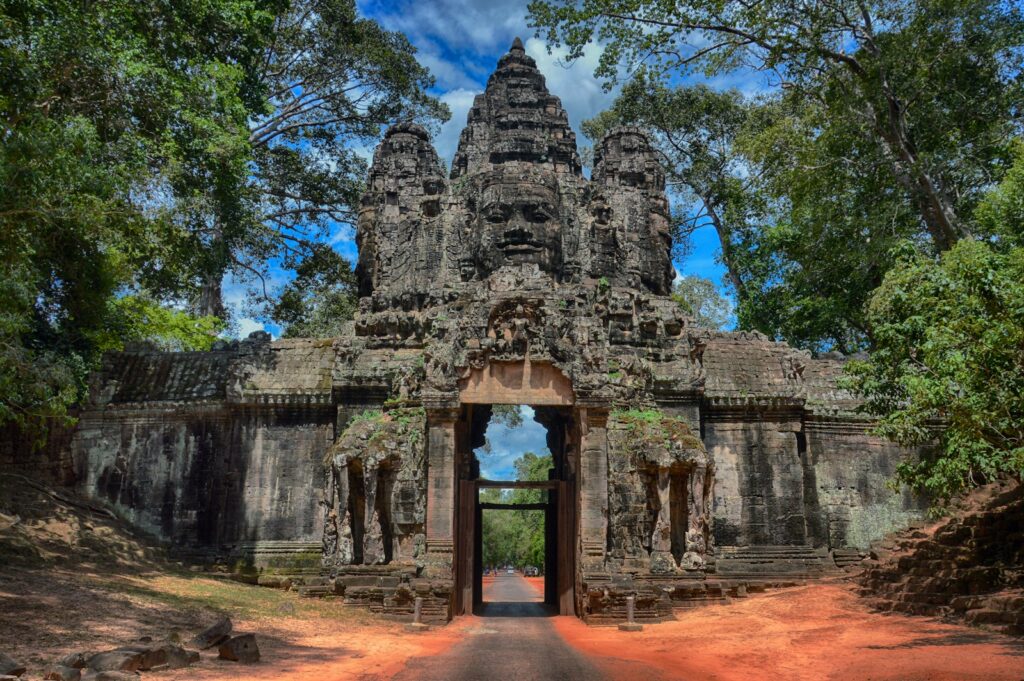
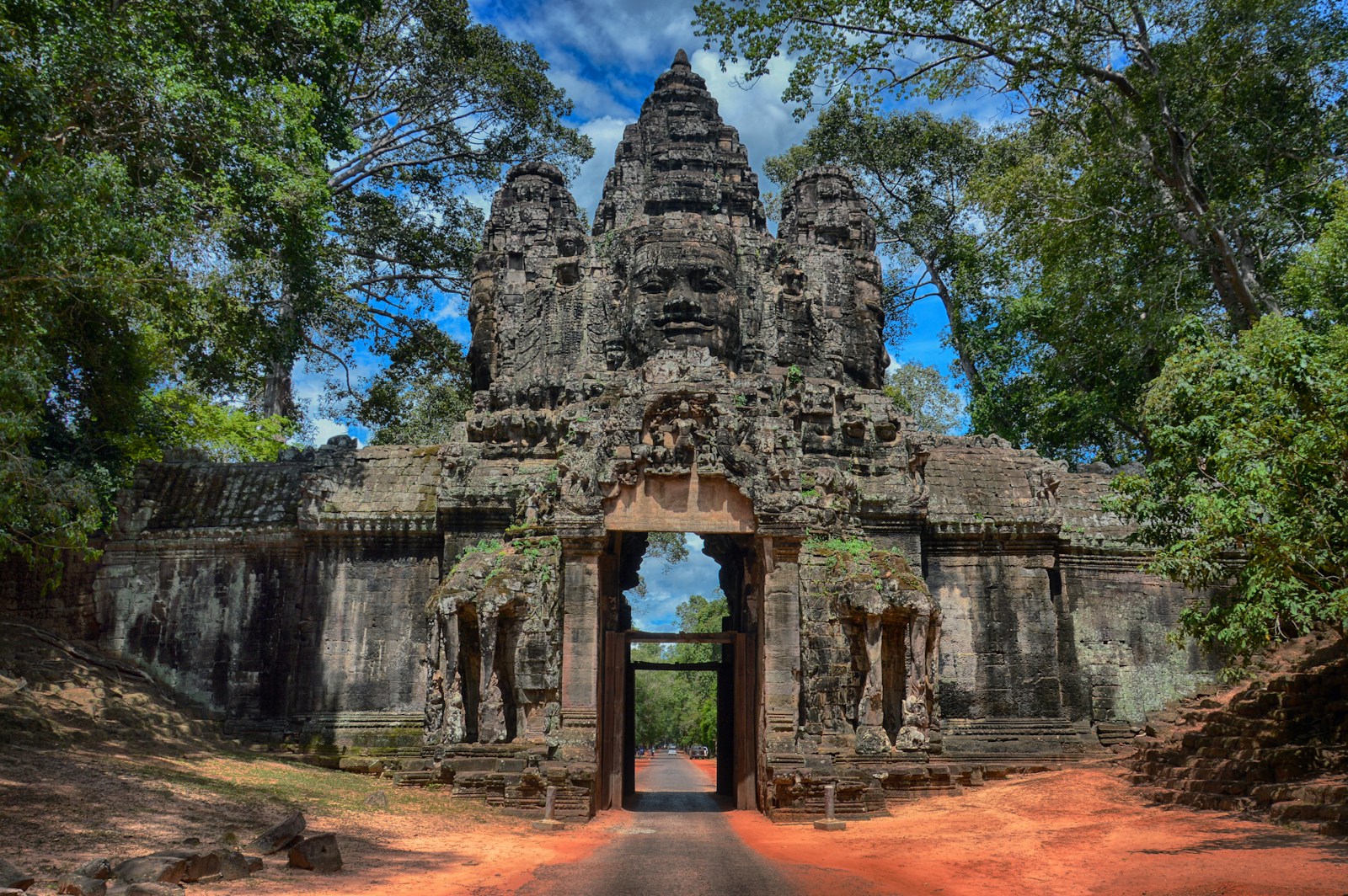
Angkor Wat is one of the world’s most extraordinary temple complexes, but experiencing it well comes down to timing, pacing and where you choose to stay. This is how to plan the perfect luxury trip.
 11 min read
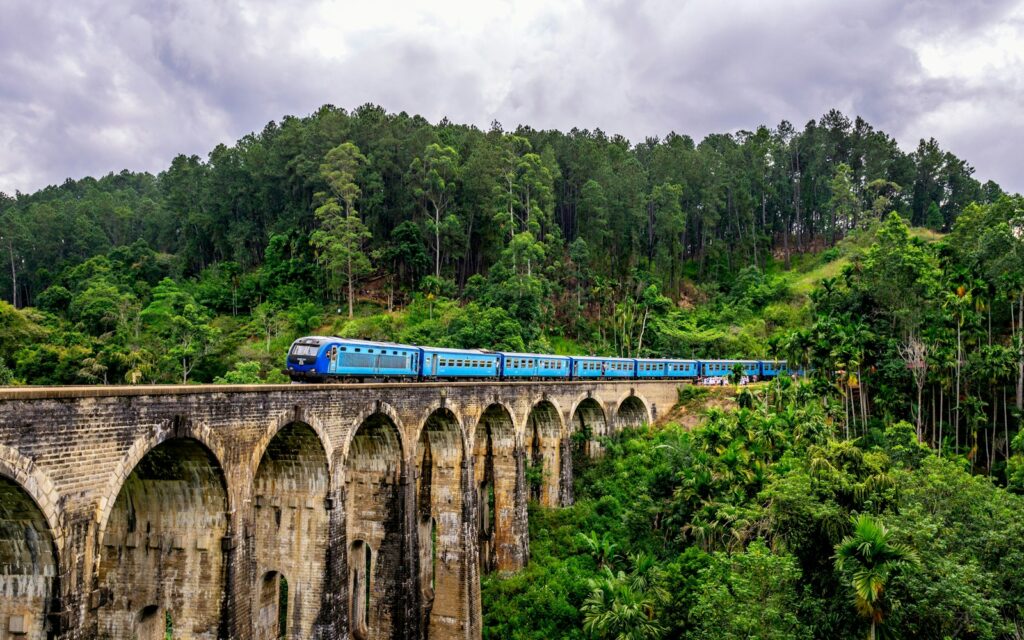
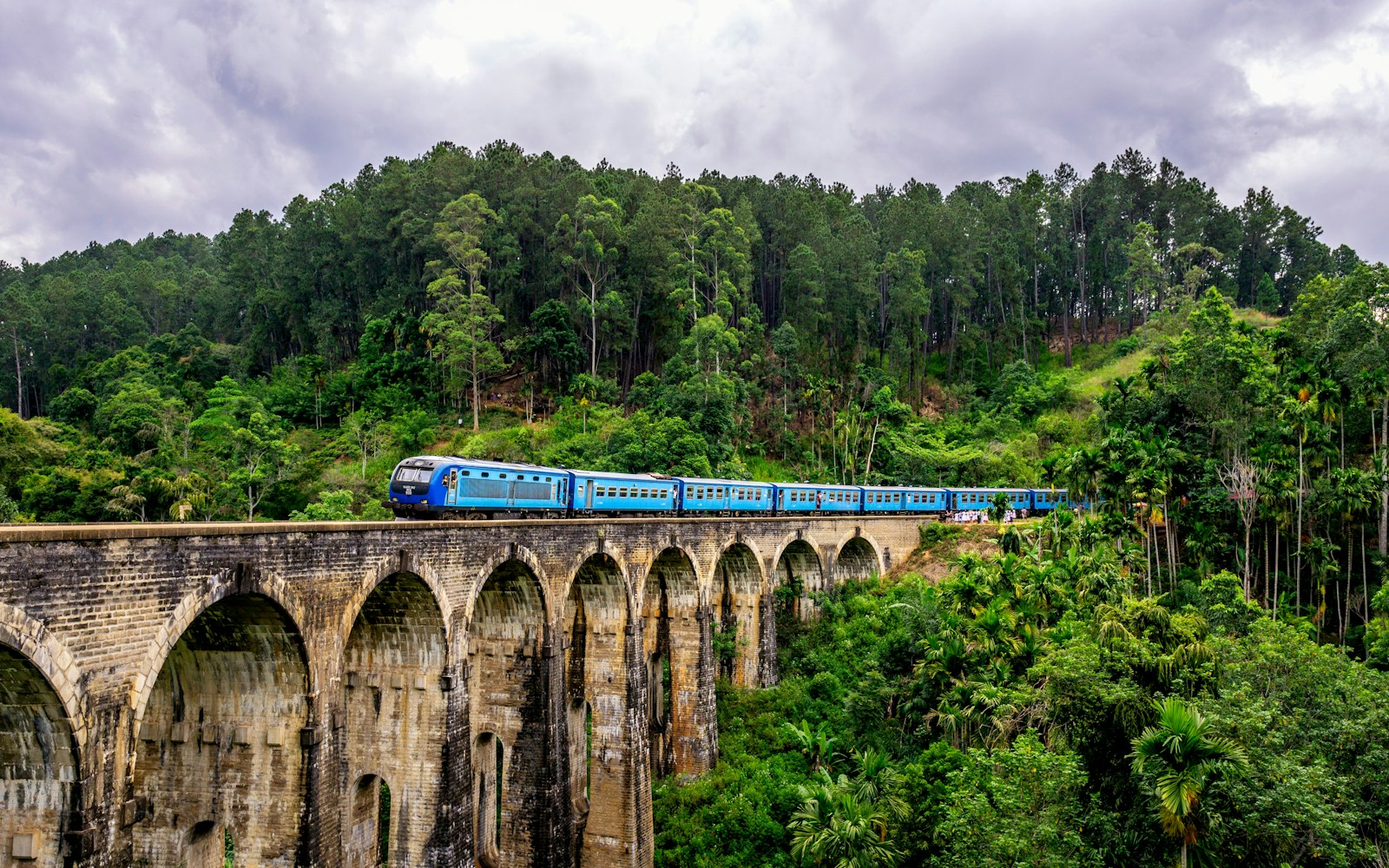
Sri Lanka’s tea country is a place where production and landscape are inseparable. From hand-plucked leaves to historic bungalows, this guide walks you through how the region looks, works and feels.

Ask us anything.
