
A private tour to Jigokudani offers a quieter, more considered encounter with Japan’s snow monkeys, allowing time to understand their behavior and the history that shaped this remarkable valley.
The journey to Jigokudani begins in the foothills of the Joshinetsu Kogen National Park, where narrow roads lead toward a valley known for its geothermal vents and long winters. Your guide meets you at your hotel or transport hub, then continues by private vehicle toward the trailhead. Much of the drive passes through a rural landscape of orchards, small towns and forested hills, giving a sense of the region that surrounds the park.
The walk from the parking area is part of the experience. A forest trail curves along the hillside, sometimes wide, sometimes narrowing between trees. In winter, the ground can be icy or uneven, though your guide sets a steady pace and chooses the clearest path. Steam becomes visible in the valley below as you approach, rising from the hot spring sources that gave the area its name, Jigokudani, meaning “Hell Valley.”
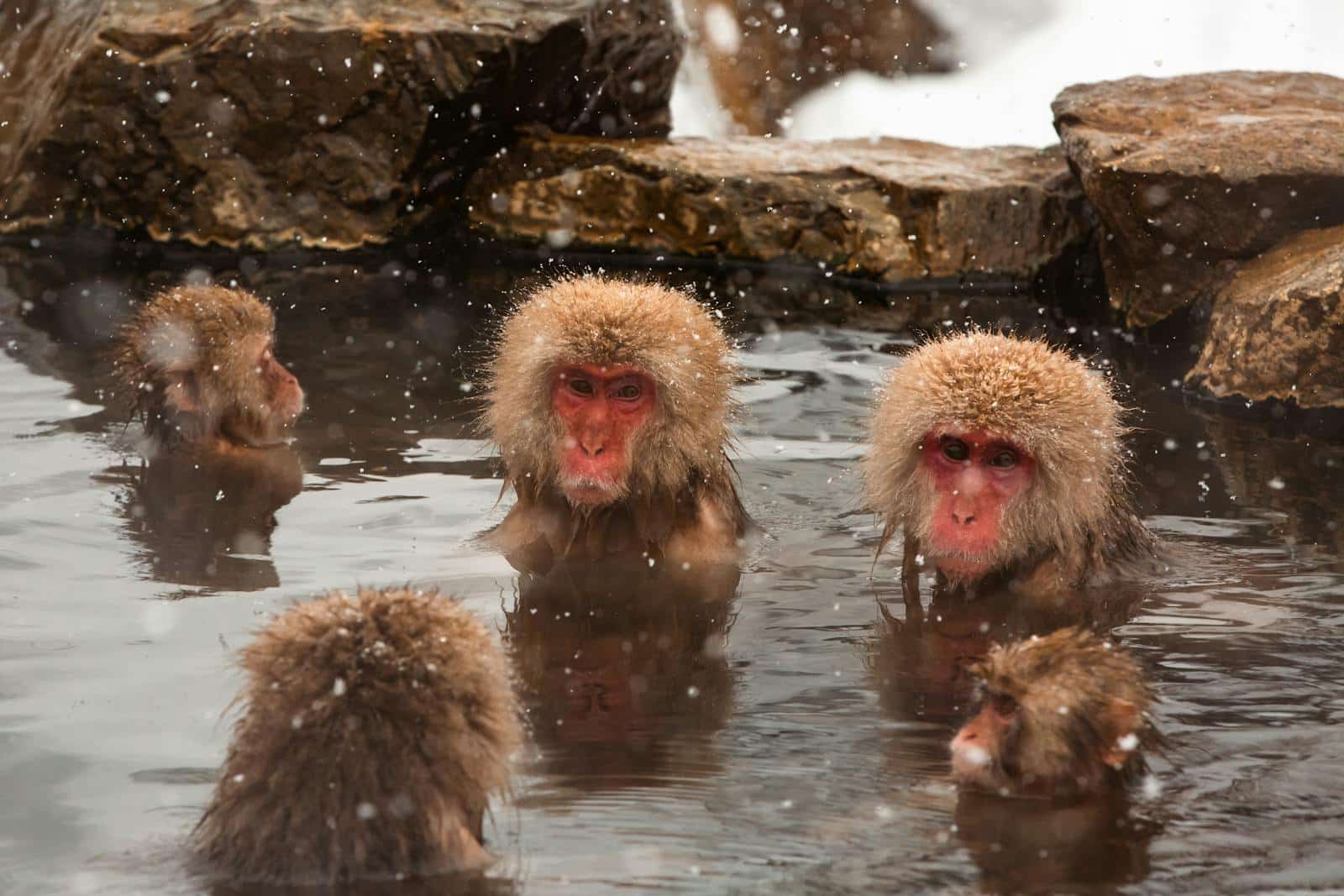
At the end of the trail, the landscape opens to a rocky slope where a natural hot spring feeds a man-made pool. This is the site where Japanese macaques gather, especially in the coldest months. The first sight of them is usually simple and understated: a few monkeys perched on stones, others grooming, some moving toward the water. The scene is calm, with behavior that feels entirely their own rather than shaped for visitors.

Cultural and Historical Context
Jigokudani Monkey Park was established in 1964 as a response to increasing conflict between macaques and local communities. As ski resorts and farmland expanded, the monkeys began entering cultivated areas in search of food. Sogo Hara, a local conservationist, and the owner of a nearby ryokan sought a way to protect both the animals and the residents. Their solution was to create a refuge deeper in the mountains and encourage the monkeys to remain there by offering supplemental food.
During these early years of observation, the macaques displayed an unexpected behavior. They began imitating human guests who used the outdoor baths at the ryokan. Photographs of the monkeys soaking in hot springs gained international attention, including a 1970 Life magazine cover that brought global interest to the site. To protect the ryokan and manage visitor access, a dedicated pool was constructed within the park. Researchers gained a secure environment to study macaque behavior without cages or barriers, making Jigokudani one of the few places in the world where wild primates can be observed at close range.
The hot springs offer more than aesthetic novelty. Scientific studies have shown that bathing helps the macaques maintain body temperature during harsh winters and can lower their stress levels. The behavior is voluntary and varies throughout the year, giving researchers insight into the social patterns and environmental adaptations of the species.

Why Private or Small-Group Access Matters
Jigokudani receives steady visitation, especially in winter when snow contrasts with the steam rising from the pool. Standard visits often involve groups moving in clusters along the trail and gathering at the viewing area. This can make it difficult to observe subtle interactions between the monkeys or to spend extended time in a single spot without being moved along by the flow of visitors.
A private tour changes the rhythm. Your guide adjusts the timing of your arrival to avoid peak hours and selects vantage points that suit the light, weather and current activity of the troop. You can pause without interruption and remain for longer periods to watch grooming sessions, dominance displays or young macaques learning to navigate the rocks. Questions can be answered in detail, whether about troop structure, seasonal changes or the ethical management of a site where wild animals and human activity intersect.
This flexibility is particularly valuable given the monkeys’ natural behavior. They move unpredictably, and patience is often rewarded. A private tour allows that patience to shape the experience.

What You See
The viewing area is straightforward: a rocky slope, a single hot spring pool and the forest rising steeply behind. Yet the details change constantly. In winter, snow settles on the monkeys’ fur, melting at the edges as they approach the water. Individuals slip into the pool cautiously or with practiced ease, often closing their eyes as they settle into the warmth. Others sit on nearby stones, grooming companions or watching new arrivals.
Juveniles move with quick, restless energy. They jump across rocks, test boundaries and attempt small games of balance on icy surfaces. Older macaques tend to remain in clusters, reinforcing social bonds through grooming. The pool becomes a focal point for interaction, though many monkeys remain on the surrounding terrain, foraging or resting.
Your guide helps identify key behaviors. You may notice hierarchies reflected in how monkeys position themselves near the water or how disputes are resolved with short, decisive gestures. You may observe periods of stillness when the troop becomes quiet and the sounds of the valley become more prominent: running water, shifting snow, wind through the trees.
The environment is not a staged setting but a natural habitat where the monkeys choose how to engage with the hot spring and with each other. This lack of control is part of the appeal. Each visit is shaped by weather, season and the mood of the troop.

How Private Access Elevates the Experience
In regular visits, the narrow walkways near the viewing area can become crowded, especially when the troop is active near the pool. Photography can be challenging, and guides often speak in general terms to accommodate mixed groups.
A private experience removes these constraints. Your guide selects quieter pockets of time and helps you position yourself where angles are clear and backgrounds unobstructed. If snow is falling or temperatures shift, plans can adjust without affecting others. The absence of group pressure means you can linger at the edge of the pool, step back for wider perspectives or move to higher ground for different viewpoints.
The additional time also provides a clearer understanding of the park’s conservation efforts. Your guide explains how the monkeys’ access to the hot spring is managed, how feeding practices support ecological study without domestication and how the site balances wildlife protection with visitor access. The visit becomes less about obtaining a single photograph and more about understanding the landscape and the species that inhabit it.

How Do Not Disturb Makes This Possible
Do Not Disturb coordinates private transport, guides and scheduling to create a calm and efficient journey to Jigokudani. We arrange vehicles suitable for winter conditions, confirm trail accessibility and secure a guide with expertise in primate behavior and the history of the park. Additional stops, such as Zenko-ji Temple or nearby hot spring towns, can be incorporated without adding complexity to the day.
Our aim is to remove the logistical challenges of reaching a remote site, particularly in winter. You travel knowing that timing, safety and comfort have been considered and that the experience will unfold with clarity and ease.
Ready to plan your private visit to Jigokudani and experience Japan’s snow monkeys with clarity and calm? Speak with Do Not Disturb to begin your journey.
Related destinations
Suggested articles
Costa Rica for Adventure Lovers: Luxury Edition
Full Moon Parties in Thailand: The History, the Hype, and the Reality
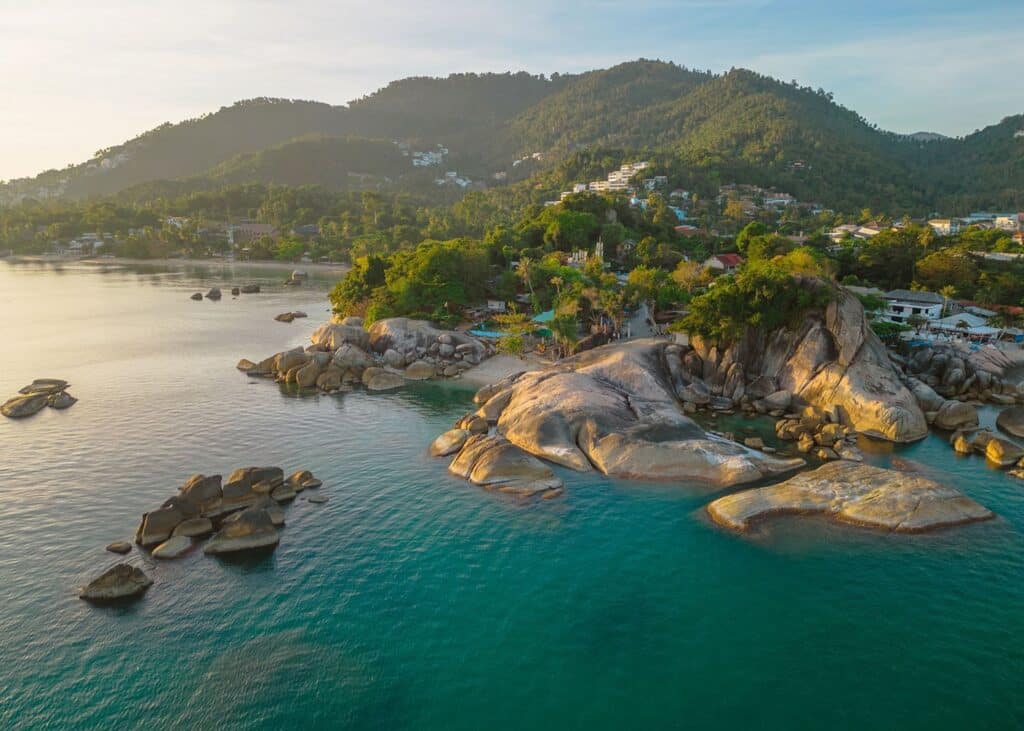
Koh Samui Luxury Guide: From Fishing Village to Five-Star Island
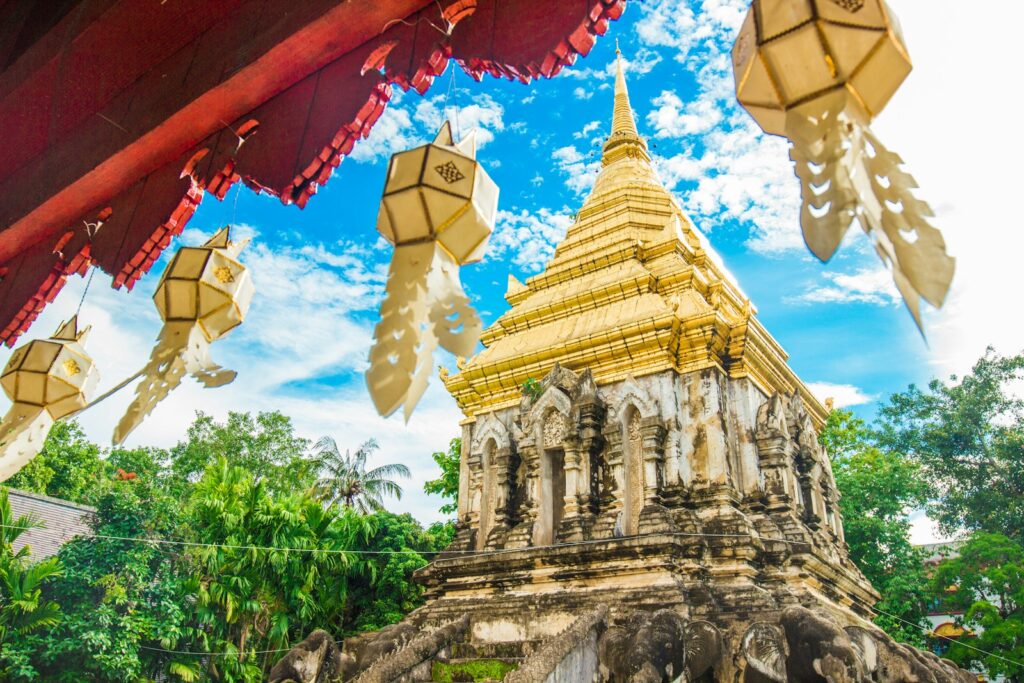
Exploring Thailand’s Chiang Mai Temple Circuit

Visiting the Ruins of Ayutthaya: Thailand’s Former Capital
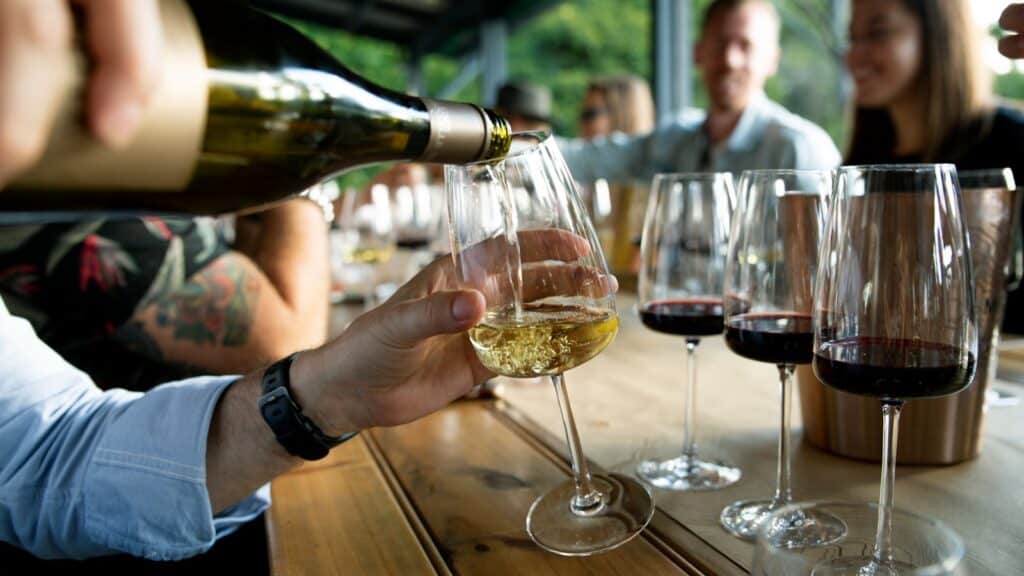
How to Experience Spanish Wine Tours in Rioja
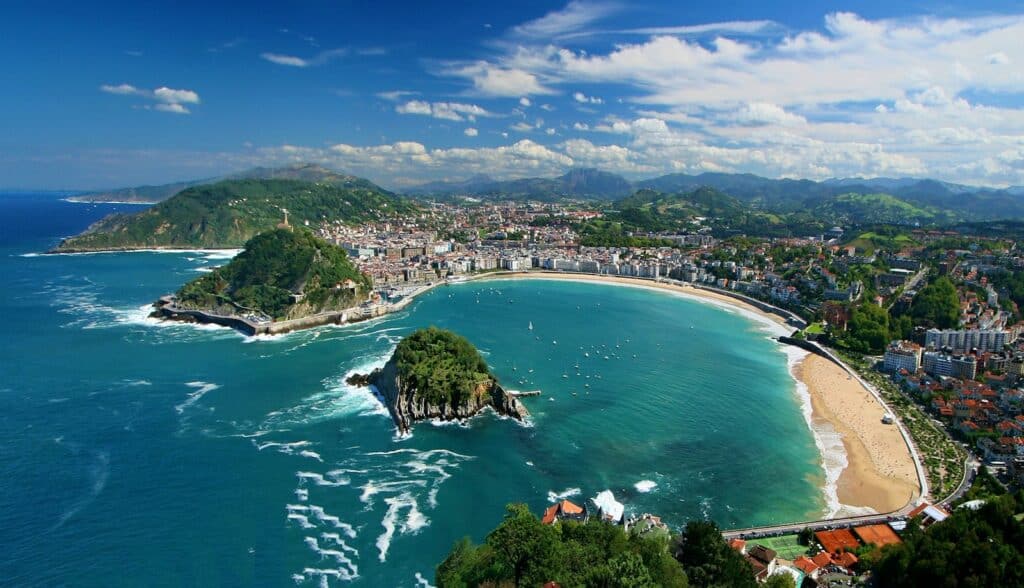
A Luxury Guide to Spain’s Basque Country
Gaudí’s Barcelona: How to Understand and Visit His Work
How to Plan the Perfect Luxury Trip to Angkor Wat
A Guide to Sri Lanka’s Tea Plantations

The Maldives Fixed Its Arrival Problem: Inside the New Velana Airport
The Best Islands in Australia for a Luxury Beach Vacation
How to Plan a Luxury Australian Outback Experience