



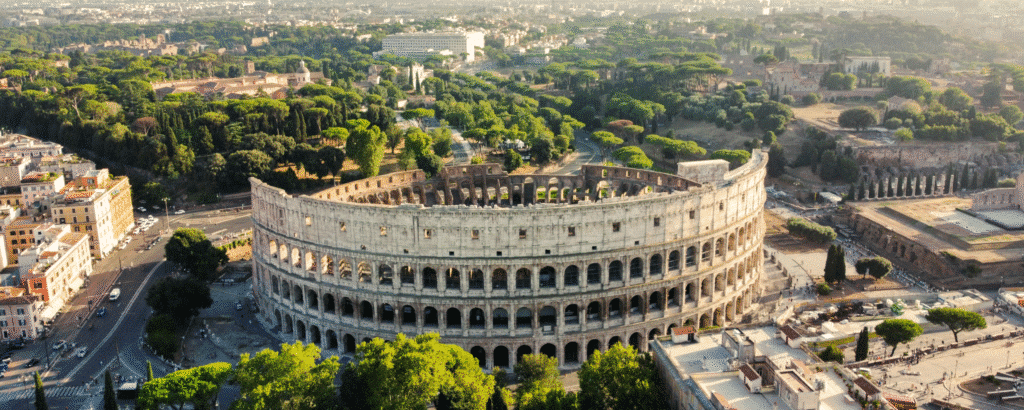
9 days days
|$4995

Where history breathes, time slows, and the city opens its quietest doors.
Rome is a city defined by rhythm. The hum of conversation in cafés, the movement of scooters down cobbled streets, the flow of people tracing history at every turn. But step a little off its main avenues, and that rhythm changes. The sound softens, the light shifts, and the air begins to carry the scent of pine and citrus.
This is the Rome that few visitors see — a city of gardens, courtyards, and walled sanctuaries that have offered serenity for centuries. The Roman Garden Escape, curated by Do Not Disturb, reveals these hidden worlds through private access and expert storytelling, turning what might be a quiet walk into an experience of genuine restoration.
It’s not an itinerary. It’s a pause — one that unfolds effortlessly, tailored to whoever you choose to share it with.
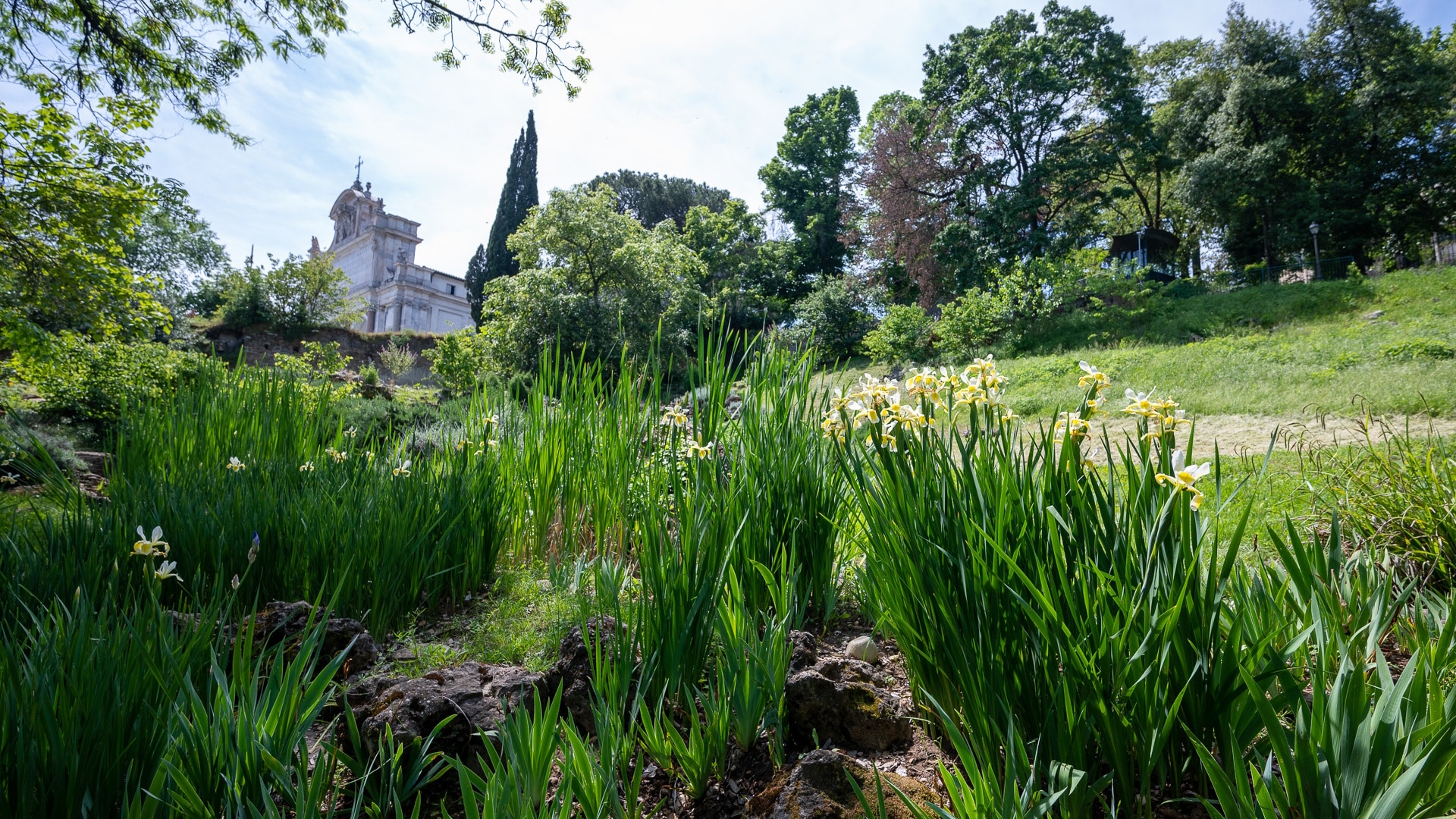
Tucked behind the bustle of Trastevere lies one of Rome’s oldest living collections — the Orto Botanico, the city’s botanical garden. Spread across twelve hectares of sloping green, it’s home to more than 3,000 species: palms, orchids, medicinal herbs, and ancient oaks that have stood since the 17th century.
Through Do Not Disturb, guests can enter before or after public hours, guided by one of the garden’s own botanists. You follow paths once walked by scholars of the Papal University, past bamboo groves that whisper in the morning air, to a fountain designed by architect Giovanni Fuga.
The guide points out details most miss — the geometry of Renaissance garden planning, the way water was used to mirror order and contemplation. You begin to see why gardens here were never purely decorative. They were spaces for thought, for conversation, for quiet joy.
There’s a small terrace at the top, overlooking the city’s skyline — a moment suspended between nature and history. Someone offers you a coffee or a chilled drink; the morning unfolds without schedule.
9 days days
|$4995
14 days days
|$3995
In the heart of Rome, Villa Borghese spreads like an emerald ocean — elegant, expansive, and alive with the echoes of centuries. Commissioned by Cardinal Scipione Borghese in the early 1600s, it was designed as both playground and gallery, where art and landscape were meant to speak the same language.
For those who visit with Do Not Disturb, the experience begins before the gates even open. A garden historian — perhaps from one of Rome’s cultural academies — leads a private walk through shaded lanes, past fountains and classical sculptures dappled with early light.
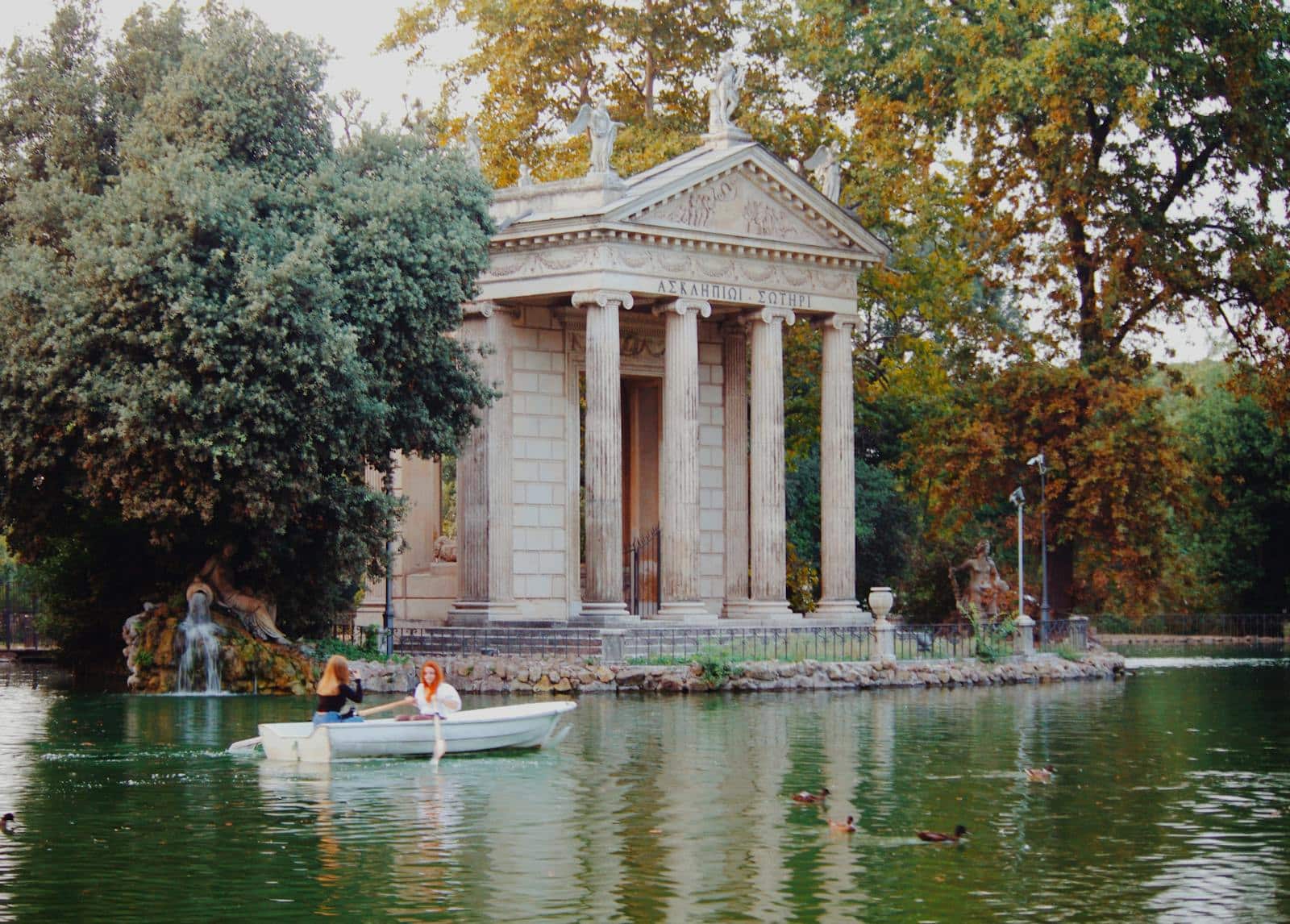
At the edge of the lake, a small rowboat awaits. You drift quietly beneath the Temple of Aesculapius, the water reflecting sky and marble. Later, a picnic appears under the pines — prepared by a private chef who has taken cues from the Borghese kitchen’s own 17th-century records.
It’s not just a garden visit. It’s a reimagining of how Romans once experienced leisure: with grace, appetite, and time to look around.
Some of Rome’s most extraordinary gardens are hidden in plain sight — concealed behind façades that millions pass without knowing what lies beyond.
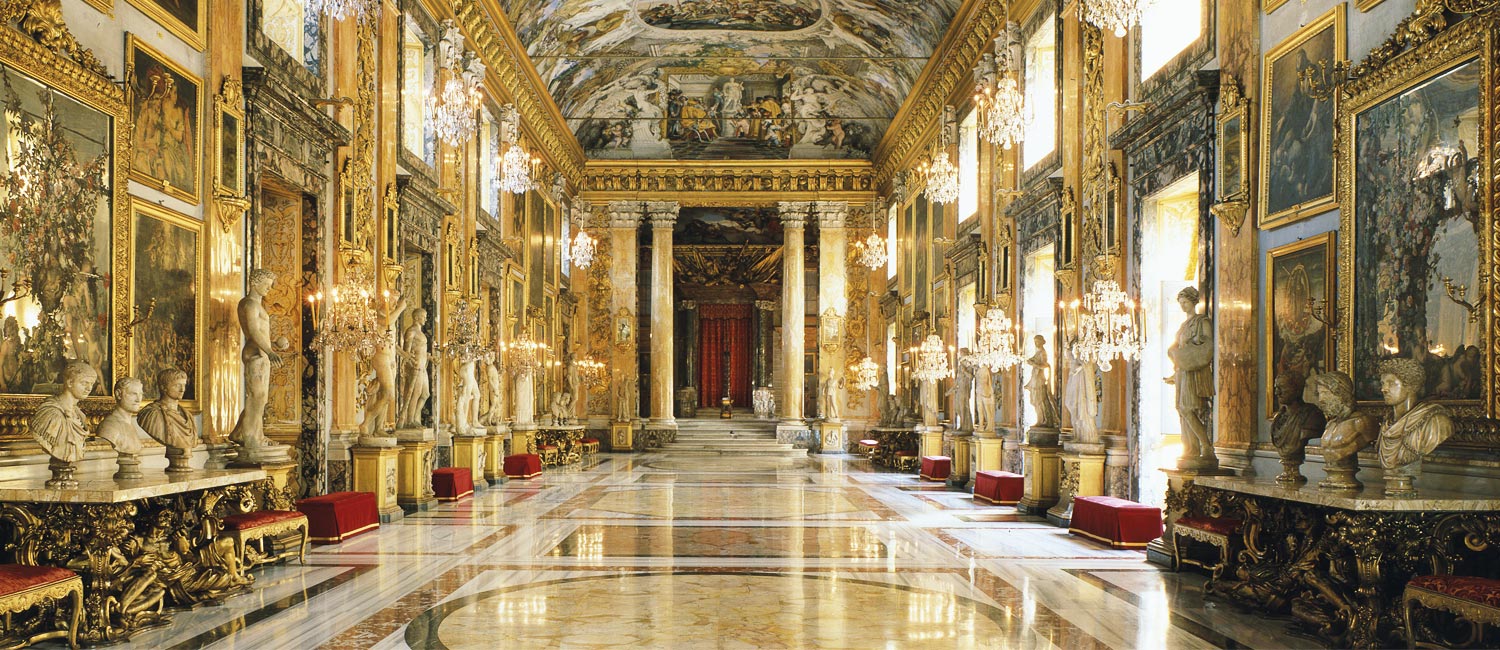
One of the most beautiful belongs to Palazzo Colonna, a family estate whose lineage stretches back to the 13th century. Its formal garden — normally closed to visitors — sits like a secret chapter behind a Baroque masterpiece.
Through Do Not Disturb’s private access, the gates open for an hour or two of quiet exploration. A curator from the Colonna family archive might join, offering insight into how the garden’s design evolved alongside the palace’s architecture. Terraced lawns overlook the ruins of the Forum; orange trees cast soft light on centuries-old statues.
It’s not simply about privilege, but perspective — the sense of being inside a living lineage of Roman taste.
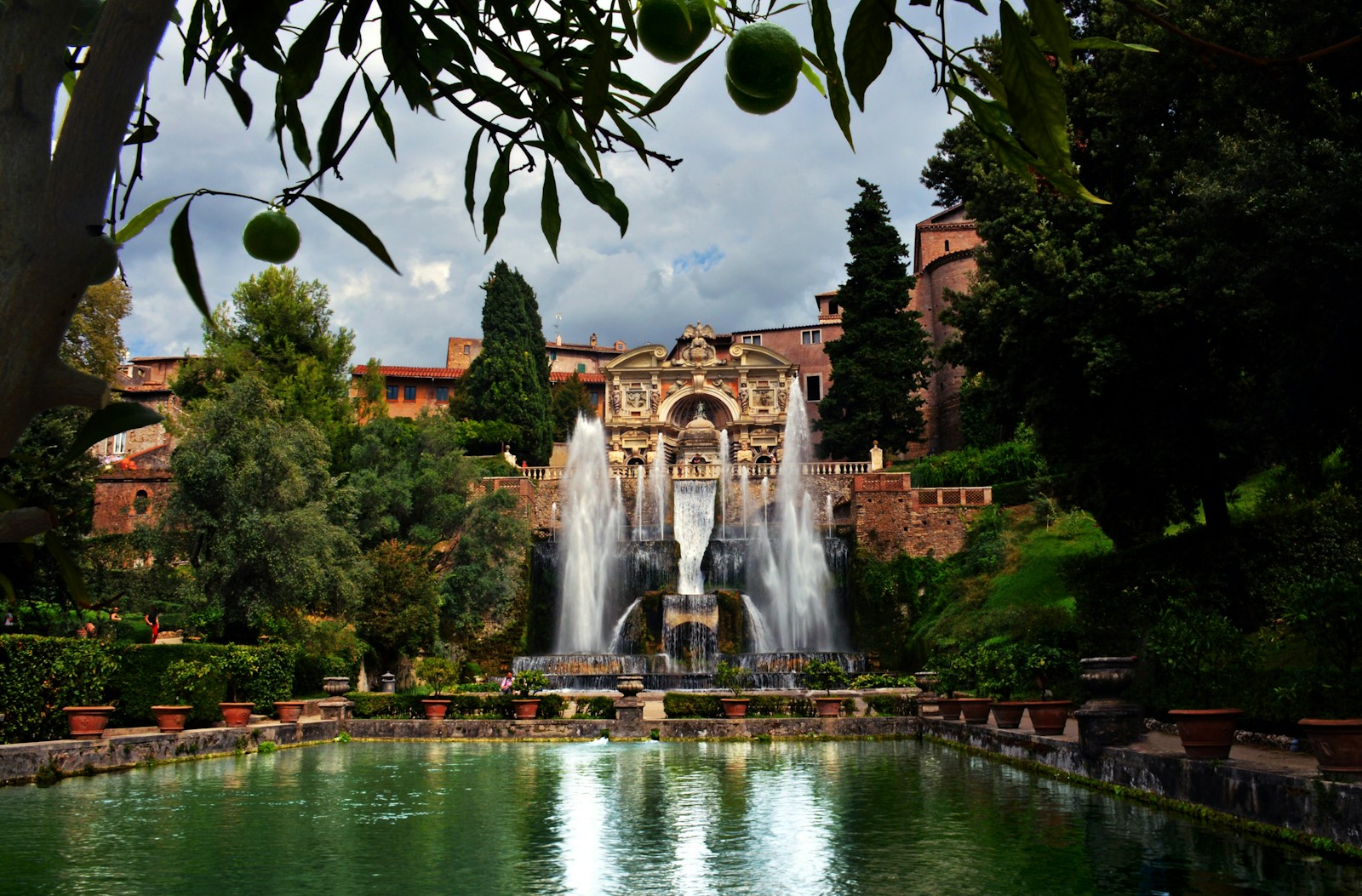
For those with a little more time, the Roman Garden Escape extends beyond the city walls to Tivoli, about forty minutes east of Rome. Here, the grandeur of Villa d’Este and the legacy of Hadrian’s Villa offer two of Italy’s most remarkable outdoor experiences.
Villa d’Este, with its cascading fountains and terraces, is a Renaissance dream made real — the sound of water surrounding you in endless rhythm. Through Do Not Disturb, you might explore the grounds with an art historian from the Accademia di San Luca, gaining insight into how each fountain was engineered to echo music.
Nearby, Villa Adriana tells a different story — one of scale and solitude. Built by Emperor Hadrian as his retreat from the pressures of rule, it remains a study in proportion and peace. Standing by its reflecting pools, you understand how gardens here were never escape for escape’s sake. They were acts of imagination — Rome’s earliest expressions of what we now call “balance.”
Whether in Trastevere or Tivoli, these gardens share a common intention: to slow time.
A Roman garden isn’t about wilderness; it’s about harmony. Geometry meets spontaneity, history meets renewal. Cypress and laurel frame paths where art and architecture coexist with birdsong and breeze.
What Do Not Disturb brings is the ability to experience this balance without the noise of logistics. The route, the timing, the people who open the gates — everything is curated quietly, so you can move through the city’s calmest spaces as if they were made for you.
You might stop for a private picnic under the pines, or end the morning with an alfresco lunch in a courtyard where frescoes fade gently on the walls. Every detail is designed to disappear, leaving only presence in its place.
You’ll see the sunlight filtering through centuries-old canopies, marble statues worn smooth by weather, and fountains glinting with reflections of sky. You’ll hear the trickle of water, the hum of cicadas, the distant bells that mark the hour.
And you’ll feel something deeper — the quiet recalibration that comes when the world slows just enough for you to notice its rhythm again.
This isn’t sightseeing. It’s seeing differently.
The Roman Garden Escape embodies what Do Not Disturb stands for: luxury without distraction. It’s not about detachment from the city, but connection to its gentler layers — the private, cultivated Rome that locals keep to themselves.
For couples, families, or friends, it offers a shared kind of solitude — time together, yet unhurried. It’s an invitation to trade spectacle for subtlety, to find beauty not in what demands attention but in what restores it.
In a world where we rush through the extraordinary, this moment redefines what it means to travel well.
The Roman Garden Escape is part of Do Not Disturb’s collection of curated Roman experiences — designed for travelers who seek ease, meaning, and calm connection.
Speak with one of our travel experts to plan your personalized Roman escape — whether among the fountains of Villa d’Este, the courtyards of Trastevere, or the pine-framed gardens above the city.
Related destinations
Suggested articles




Tell us how you want to feel, we’ll take it from there.
“Our trip was truly magical and full of core memories that will last us a lifetime.”
Michael • Bora Bora Honeymoon

“We just returned from an incredible journey through Ireland, and we couldn’t have had a better experience”
Brad • Ireland Adventure
“This was a flawless experience right from the beginning, we had so many thoughts and ideas flowing around and they took all of them and perfectly curated the most beautiful honeymoon for us.”
Kris • Sicily Honeymoon
See more reviews on Trustpilot
 12 min read
Angkor Wat is one of the world’s most extraordinary temple complexes, but experiencing it well comes down to timing, pacing and where you choose to stay. This is how to plan the perfect luxury trip.
 11 min read
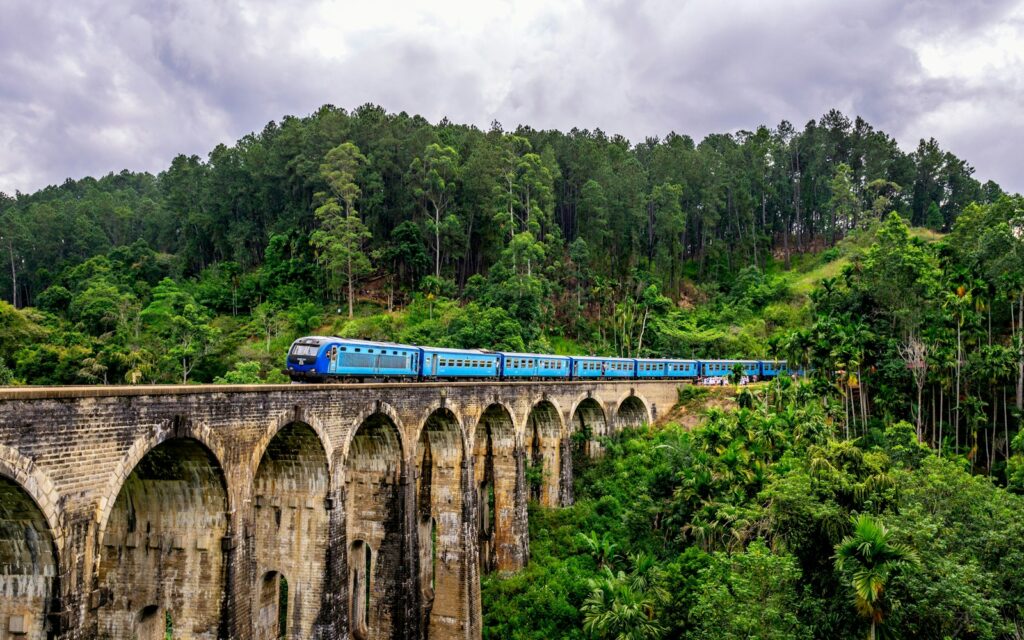
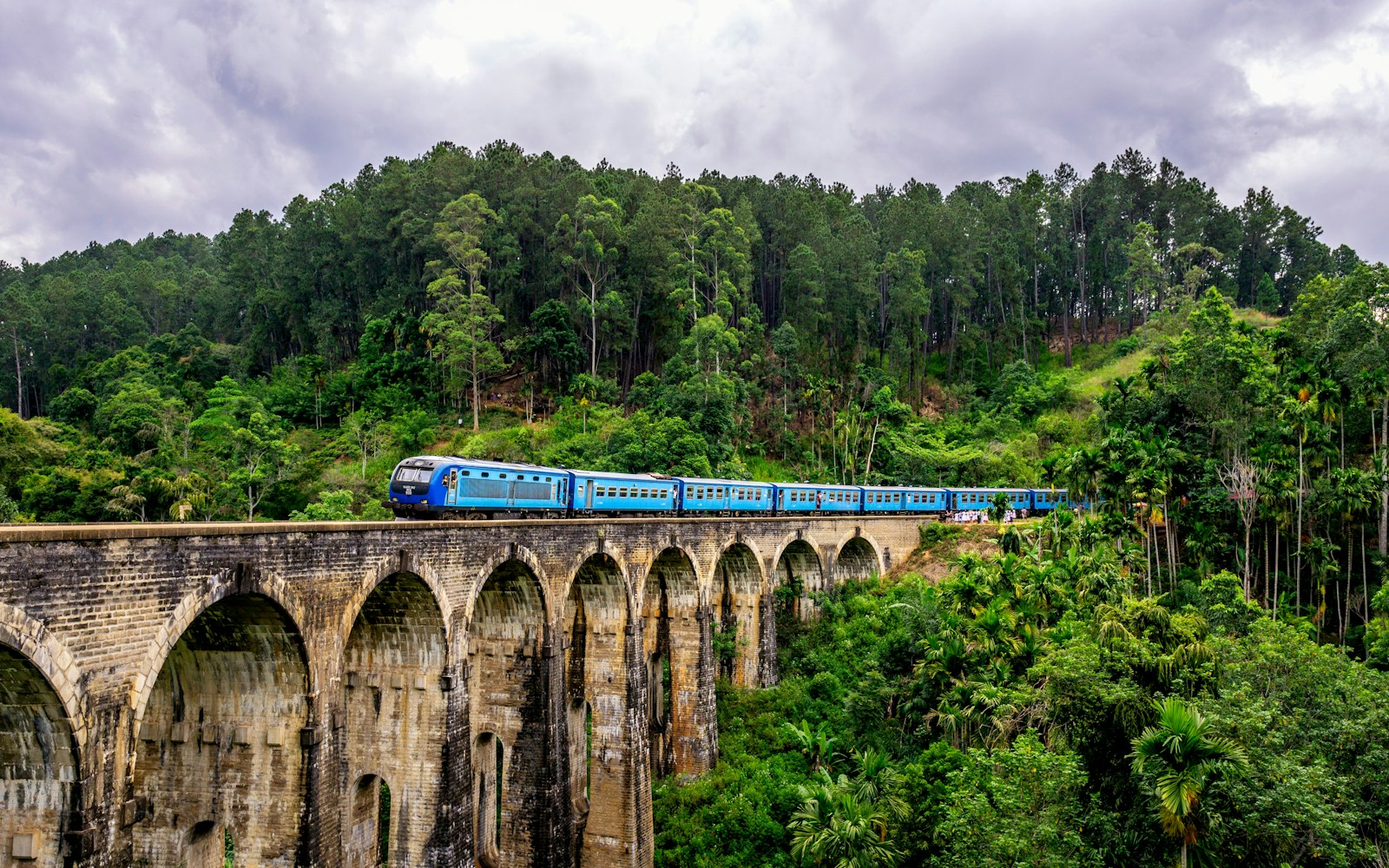
Sri Lanka’s tea country is a place where production and landscape are inseparable. From hand-plucked leaves to historic bungalows, this guide walks you through how the region looks, works and feels.
 10 min read
The Maldives has quietly solved its biggest travel flaw. With the new Velana International Airport, the long, chaotic arrival is replaced by speed, space and a seaplane transfer that finally feels worthy of the destination.
 13 min read
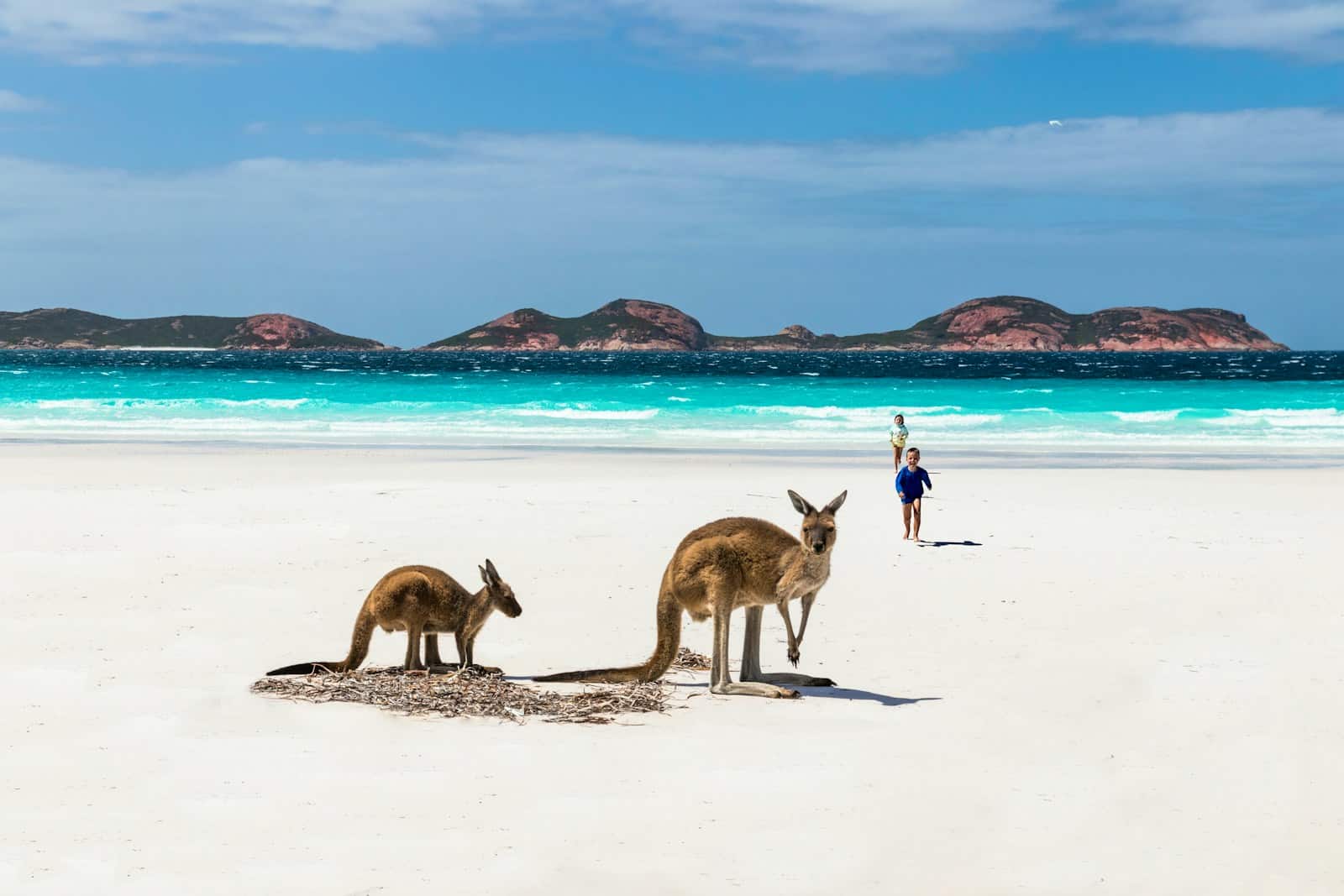
Australia’s coastline stretches for 34,000 kilometers, and scattered along its length lie islands that range from tropical reef cays to temperate wilderness sanctuaries. The country has been slower than the Maldives or French Polynesia to develop its island luxury potential, but that’s changing.

Ask us anything.
