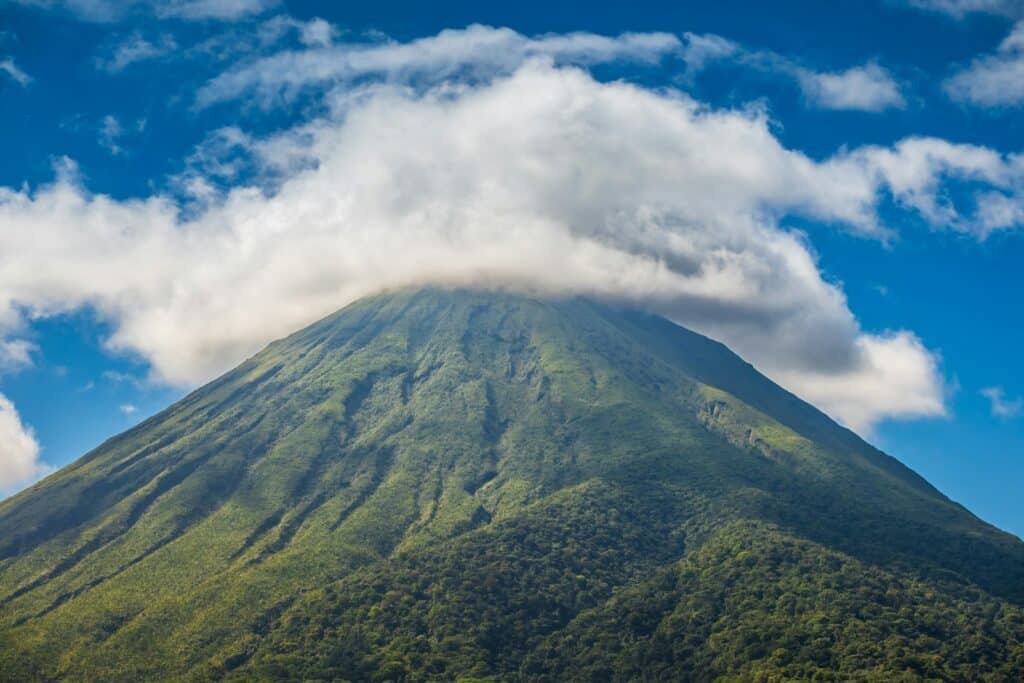
A guided Shinrin-yoku experience on Yakushima Island gives you forest therapy led by a certified practitioner, grounded in scientific research and Japanese environmental philosophy. Set within ancient cedar forests, this is a traditional Japanese-style forest bathing experience.
Off Kyushu’s southern coast, Yakushima rises steeply from the sea, receiving substantial rainfall year-round that feeds river systems cutting through primary forest. The 503-square-mile island is roughly 30 percent protected as part of Yakushima National Park, with large sections deliberately restricted from development and vehicle access. Roads serve only the coastal periphery. The interior remains accessible only by foot.
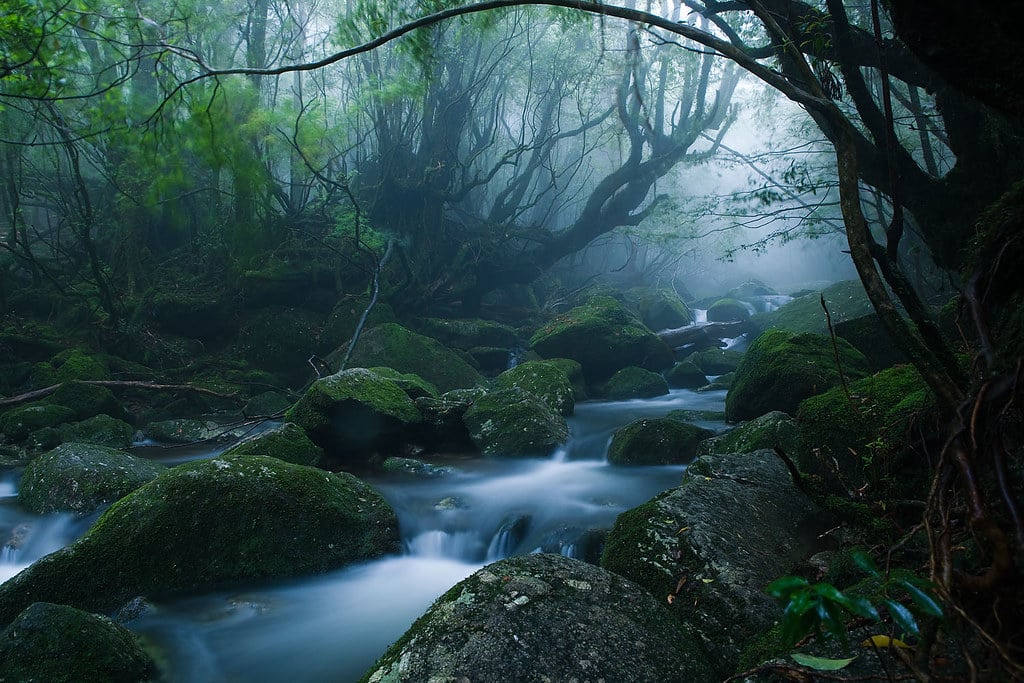
The forest composition shifts continuously. Ancient Yakusugi cedars, some over 1,000 years old, anchor the tallest canopy layer. Beneath them sit mixed broadleaf species, their roots exposed across the forest floor, with moss covering most surfaces.
Granite outcrops emerge unpredictably. The dense canopy darkens the forest floor significantly, which affects both temperature and acoustics.
Guided forest walks here are structured around pacing and observation rather than fitness or distance targets. A guide establishes the day’s route based on weather and forest conditions, controlling speed to allow extended periods of stillness and attention. There is no summit to reach or completion point. The framework of guidance creates space for sustained engagement without the pressure of progression that characterizes most organized hiking experiences.
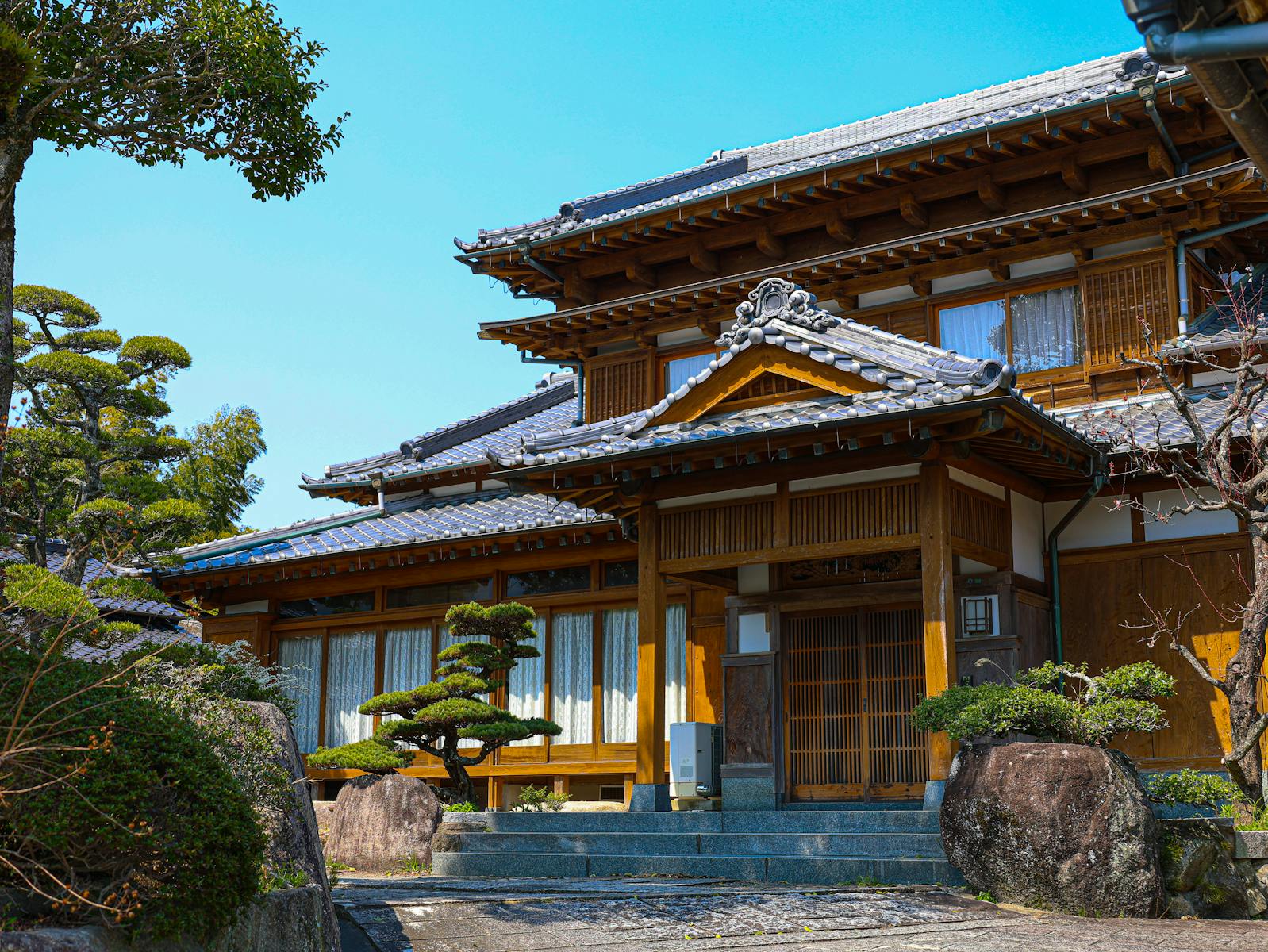
Cultural and Scientific Context
Shinrin-yoku, translated as forest bathing, was formalized in Japan in the 1980s as a public health initiative. It emerged in response to rising stress-related illness in urban populations and was developed in parallel with scientific research into the physiological effects of time spent in forest environments.
Studies conducted by Japanese universities and government agencies identified measurable outcomes. Reduced cortisol levels. Lower blood pressure. Improved immune response linked to phytoncides, organic compounds released by trees. Shinrin-yoku was framed not as spirituality, but as preventative medicine.
Yakushima holds particular significance within this framework. The island is home to some of Japan’s oldest living trees, including yakusugi cedars estimated to be more than 1,000 years old. Growth here is slow due to altitude, rainfall, and terrain. Trees develop dense grain and longevity rather than height alone.
Culturally, forests in Japan have long been regarded as sites of respect rather than conquest. Mountains and old-growth woods are associated with kami, or spirits, in Shinto belief. This does not translate to ritual during Shinrin-yoku, but it informs the ethic of restraint and observation that underpins the practice.
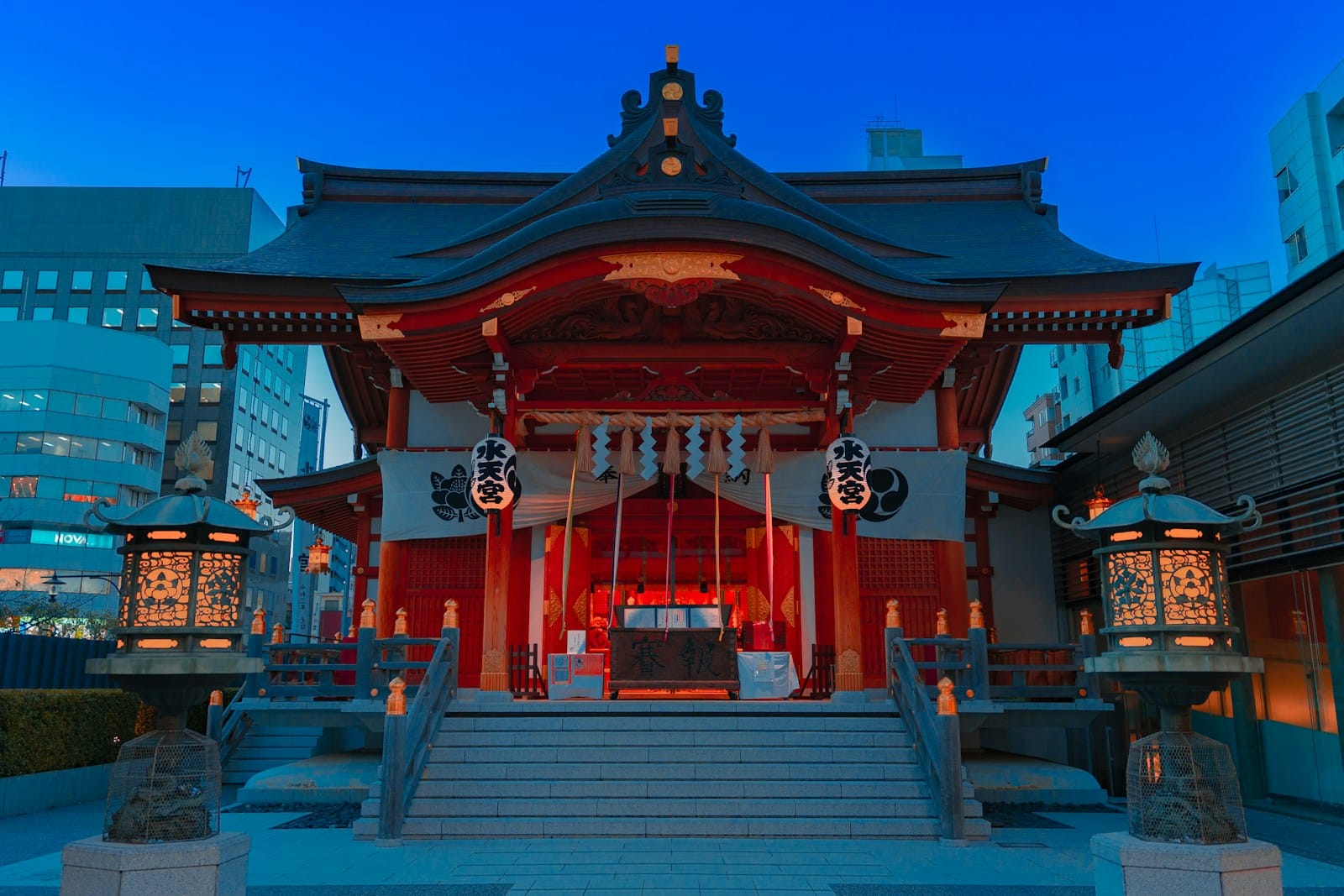
Why Guided Forest Bathing Matters
Without structure, forest bathing can easily slip into either hiking or meditation. A certified Shinrin-yoku guide prevents both. The role of the guide is not to interpret the forest, but to regulate interaction with it.
Pacing is central. Movement is slow, with frequent pauses. Attention is directed toward sensory input that is often ignored. The feel of bark texture. Variations in temperature. The way light shifts across moss and leaf.
Guides are trained to recognize signs of overstimulation or fatigue and adjust accordingly. Routes are chosen for terrain, canopy density, and sound profile rather than scenery. Silence is used deliberately, but conversation is not prohibited.
This guidance allows participants to remain engaged without needing to self-direct, removing the pressure to achieve a particular state of mind.
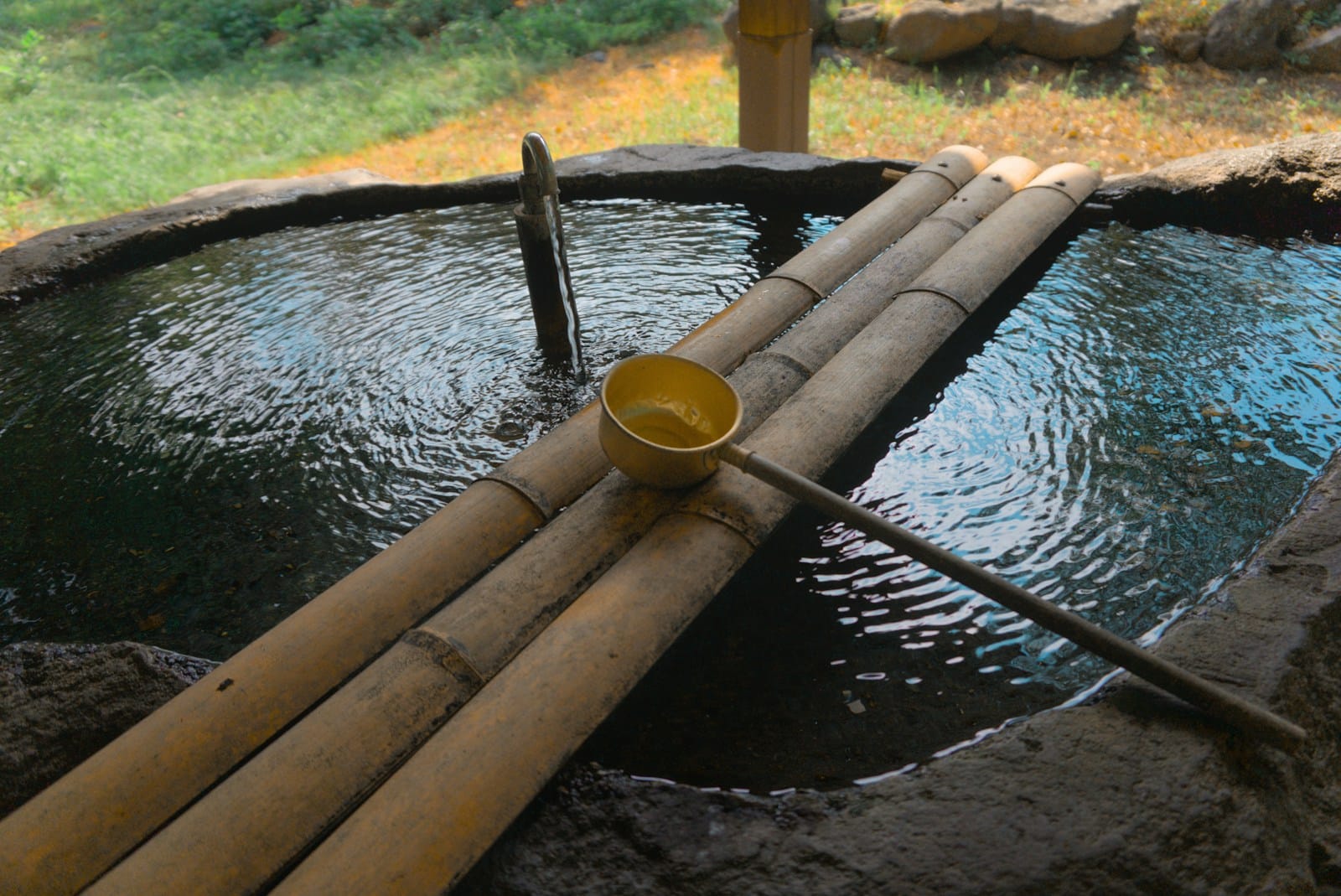
What the Experience Involves
Before entering the forest, guides lead brief physical preparation: regulated breathing synchronized with movement, posture checks, and gentle stretching to reduce tension. This establishes baseline awareness without introducing meditation language or visualization.
Walking sessions include multiple pauses, typically five to ten minutes each. Participants sit on logs, stand beneath ancient cedars, or kneel beside streams. These stops reset attention through change in position rather than deepen emotional response.
The guide controls their frequency and duration based on group condition.
Sensory instruction is concrete and specific. Guides direct listening toward the distinct layers of sound in the forest rather than pursuing quietude. They point out greens: the color differences between moss, foliage, and lichen. Touch is introduced selectively – feeling bark texture, noting the temperature difference between shaded and exposed ground. There is no prompting to interpret or reflect on these observations.
The session ends without ritual or closing remarks. The return to normal pace is gradual, with groups typically walking at a natural speed rather than rushing back to the trailhead. This allows the physiological effects of extended stillness to settle into the body without sudden disruption.
The Setting of Yakushima’s Forests
Yakushima receives 100 to 150 inches of rainfall annually, among the highest in Japan. Constant moisture creates conditions where moss colonizes nearly every surface: rock, fallen wood, exposed root systems, and lower tree trunks. This continuous moss cover absorbs sound effectively, reducing echo and reverberation through the forest. Light also filters differently through moss-covered canopy, creating consistently dim conditions beneath the upper story.
The canopy consists primarily of Yakusugi cedar, a endemic subspecies that can exceed 1,000 years in age. Their trunks frequently reach 20 feet in diameter. Beneath them grow mixed broadleaf species including camellia, fern species, and dense understory vegetation. The forest floor is uneven throughout, with exposed granite, fallen logs in various stages of decomposition, and root systems creating natural obstacles that require attention while walking.
Temperature beneath the dense canopy remains between 50 and 65 degrees Fahrenheit year-round, substantially cooler than the coast. Humidity levels remain consistently high due to rainfall and limited air circulation. This stability means the physical stress of temperature fluctuation is minimal.
Roughly 30 percent of Yakushima is designated as national parkland with strict protection measures. Road infrastructure is limited to the coastal perimeter. Trails that penetrate the interior follow natural ridge lines and watershed contours rather than engineered switchbacks or graded surfaces.
Ready to plan a guided Shinrin-yoku experience in Yakushima’s ancient forests? Speak with Do Not Disturb to begin your journey.
Related destinations
Suggested articles
Costa Rica for Adventure Lovers: Luxury Edition
Full Moon Parties in Thailand: The History, the Hype, and the Reality
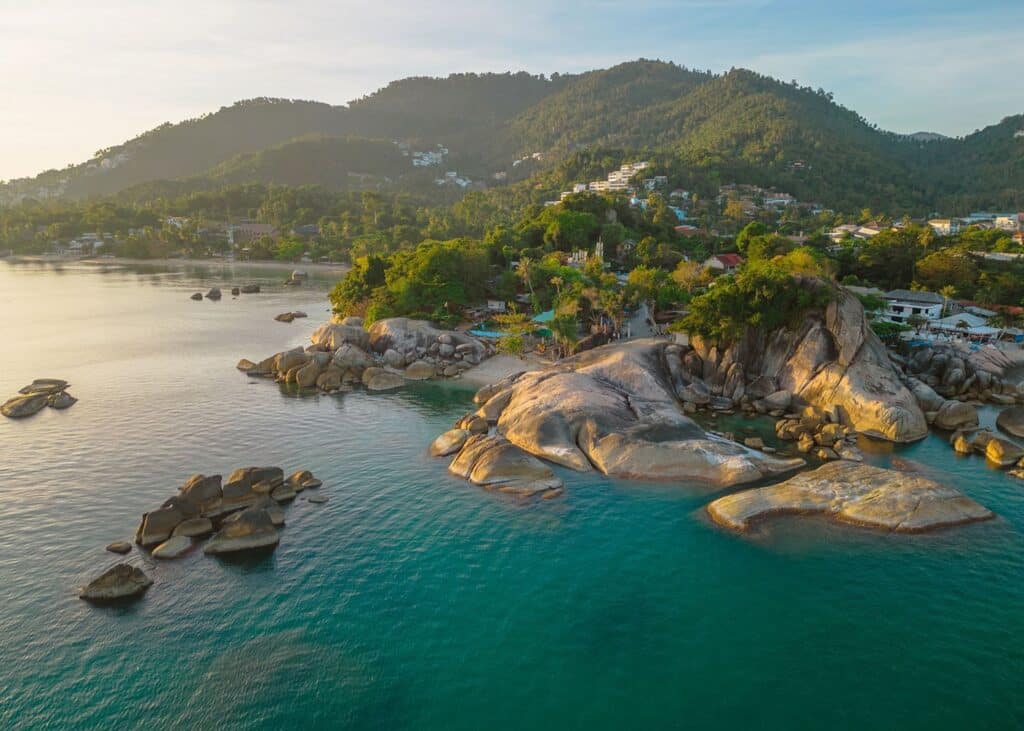
Koh Samui Luxury Guide: From Fishing Village to Five-Star Island
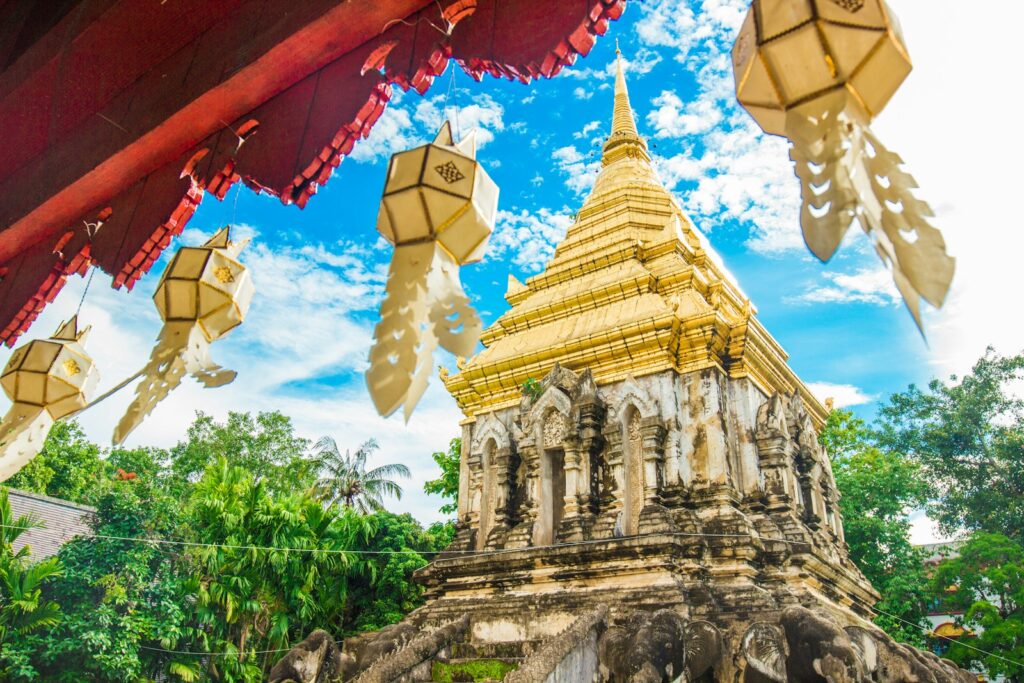
Exploring Thailand’s Chiang Mai Temple Circuit

Visiting the Ruins of Ayutthaya: Thailand’s Former Capital

How to Experience Spanish Wine Tours in Rioja

A Luxury Guide to Spain’s Basque Country

Gaudí’s Barcelona: How to Understand and Visit His Work
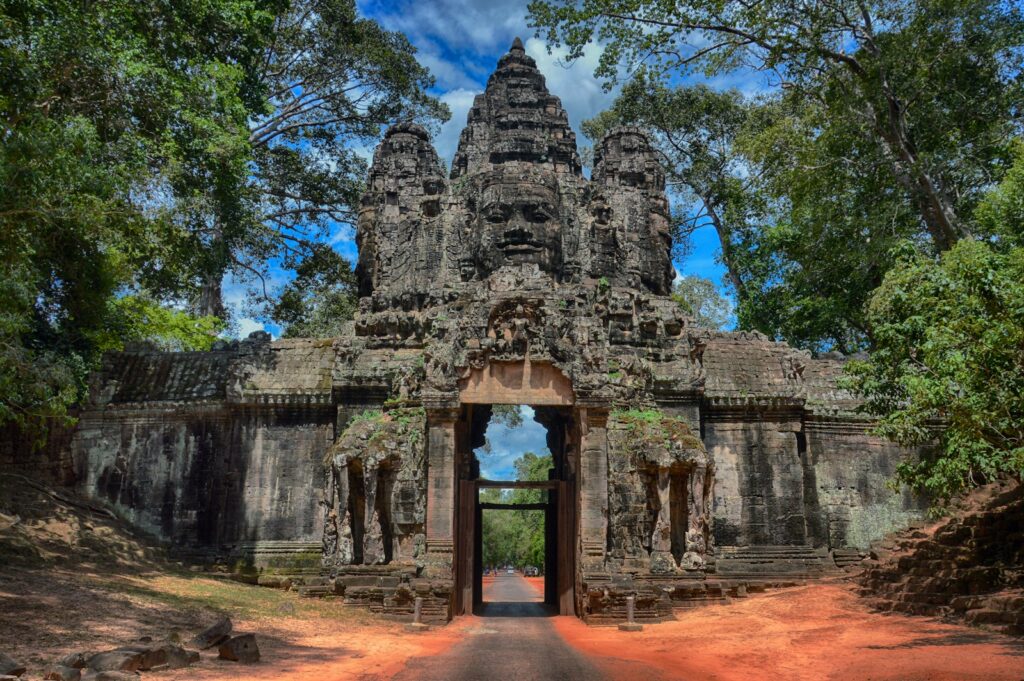
How to Plan the Perfect Luxury Trip to Angkor Wat
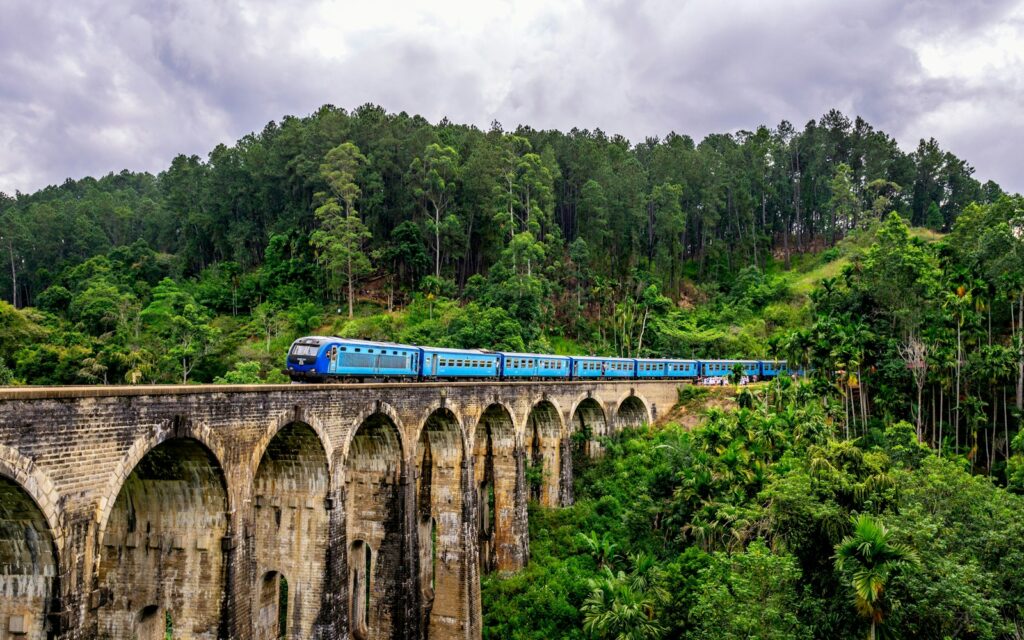
A Guide to Sri Lanka’s Tea Plantations

The Maldives Fixed Its Arrival Problem: Inside the New Velana Airport
The Best Islands in Australia for a Luxury Beach Vacation
How to Plan a Luxury Australian Outback Experience