A curated 48-hour guide to Jaipur, covering palaces, bazaars, dining and luxury hotels in India’s cinematic Pink City.
Jaipur shouldn’t work. It’s a city of contradictions that somehow resolve into something compelling. The streets are chaotic, gridlocked with auto-rickshaws and cows and motorcycles operated with apparent disregard for traffic laws. The air smells like spices and exhaust and cooking fires. The noise is constant and overlapping. And yet, after the initial sensory shock, the city reveals layers that justify the chaos. The architecture is remarkable. The food is exceptional. And the pink that defines the city (every building painted the same specific shade of terracotta pink) creates visual cohesion that feels cinematic.
For luxury travelers, Jaipur offers something most Indian cities don’t: sophistication without requiring you to abandon the actual experience of India. The infrastructure supports comfort. The restaurants are impressive. The luxury hotels are world-class. But you’re still moving through a functioning Indian city rather than a sanitized tourism version.
Forty-eight hours is tight but workable. You can understand the city’s character, experience the sensory intensity, eat well, and move through neighborhoods at your own pace.
Why Jaipur Matters
Jaipur was founded in 1727 by Maharaja Sawai Jai Singh II and built according to principles outlined in ancient Sanskrit texts on city planning. The resulting grid structure is unusual for Indian cities. Every street runs straight. Blocks are uniform. The planning is visible in how the city actually functions. It’s easier to navigate than Delhi or other major Indian cities, which makes it more accessible without being less authentic.
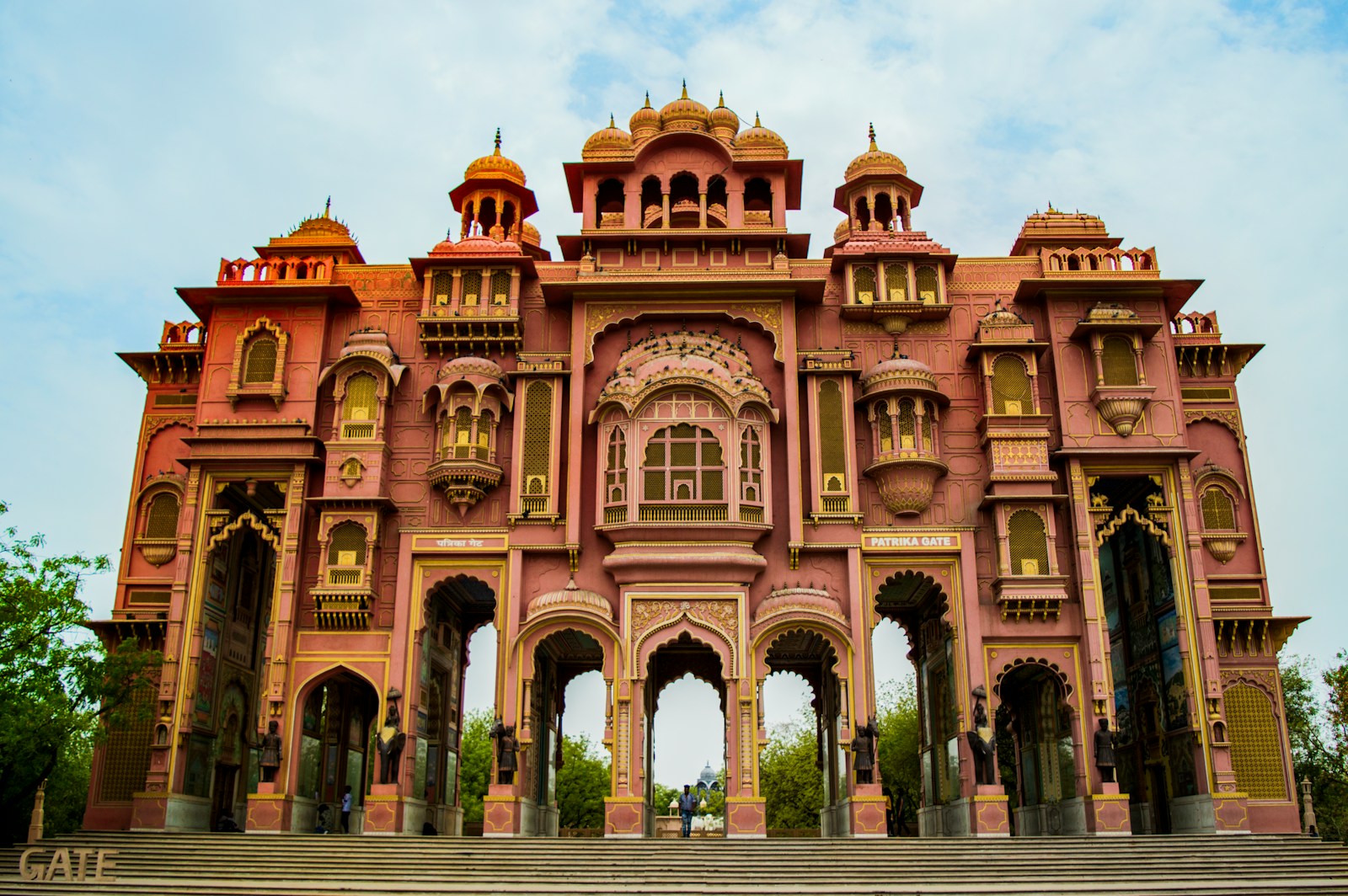
The pink color dates to 1876 when the city was painted to welcome the visiting Prince of Wales. The color became traditional and is now enforced by municipal law. Every building in the old city must maintain the pink. Walk through the streets at different times of day and the color shifts from nearly orange in morning light to deep terracotta in evening. The consistency creates visual harmony rare in Indian cities.
Jaipur is historically the seat of Rajasthani royal power. The palaces, forts, and architectural heritage reflect centuries of Rajasthani kings making deliberate choices about power, design, and cultural expression. The City Palace still functions partly as royal residence and partly as museum. The forts visible from the city center anchored military and administrative power. The bazaars developed as centers of trade and remain functioning markets rather than tourist attractions.
The city sits on a semiarid plateau with views of distant mountains. The landscape is visually dramatic in ways most Indian cities aren’t. Water is visible as precious rather than abundant. The light is sharp and clear.
Day One: Morning
Arrive in Jaipur (most travelers fly from Delhi, roughly two hours) and transfer to your hotel. The drive from the airport reveals the city’s character immediately: traffic chaos, street commerce, vendors selling everything from vegetables to phone chargers, multiple layers of activity happening simultaneously.
Check in and rest through the early afternoon if jet lag requires. The point of day one isn’t efficiency but settling into the city’s rhythm.
Late Afternoon
Move into the late afternoon when light begins shifting. City Palace is Jaipur’s landmark: a complex combining Mughal and Rajasthani architecture, still partly occupied by the royal family and partly open to the public. The exterior courtyards are genuinely impressive. The interior palace portions (open to visitors with purchased tickets) reveal rooms with intricate decoration, furniture, and historical positioning.
Walk slowly through the palace complex. Understand how space moves from ceremonial to intimate. Notice how the architecture creates specific sightlines. The museum portions contain weapons, textiles, and historical artifacts providing context for understanding Rajasthani royal culture.
Spend an hour minimum here. The palace isn’t rush-through material. It requires time to take it in.
Exit as evening light hits. The pale pink of the palace walls and surrounding buildings shifts toward deeper terracotta. The light is beautiful at this hour.
Evening
Immediately adjacent to City Palace is the old city with its grid of bazaars and commercial streets. Spend your evening walking through these neighborhoods. This isn’t tourist shopping but actual city commerce. Vendors sell textiles, spices, jewelry, metalwork, religious items, and countless other goods to local buyers.
Move slowly. The bazaars are crowded but not aggressively touristy. The streets are narrow. The storefronts open directly to sidewalks. The noise is constant: vendors calling, traffic, haggling, music from shops.
Stop in specific areas based on interest. Johari Bazaar focuses on jewelry and gemstones. Bapu Bazaar offers textiles and fabrics. Governador Street has metalwork and handicrafts. The distinction matters less than understanding that these aren’t zones created for tourism but functioning markets where locals buy what they need.
Stop for street food as you move through. Samosas from specific vendors are genuinely excellent. Street noodles are warming and complex. The vendors know their reputation and take quality seriously. Street food here is safe and rewarding.
Dinner
Day Two: Morning
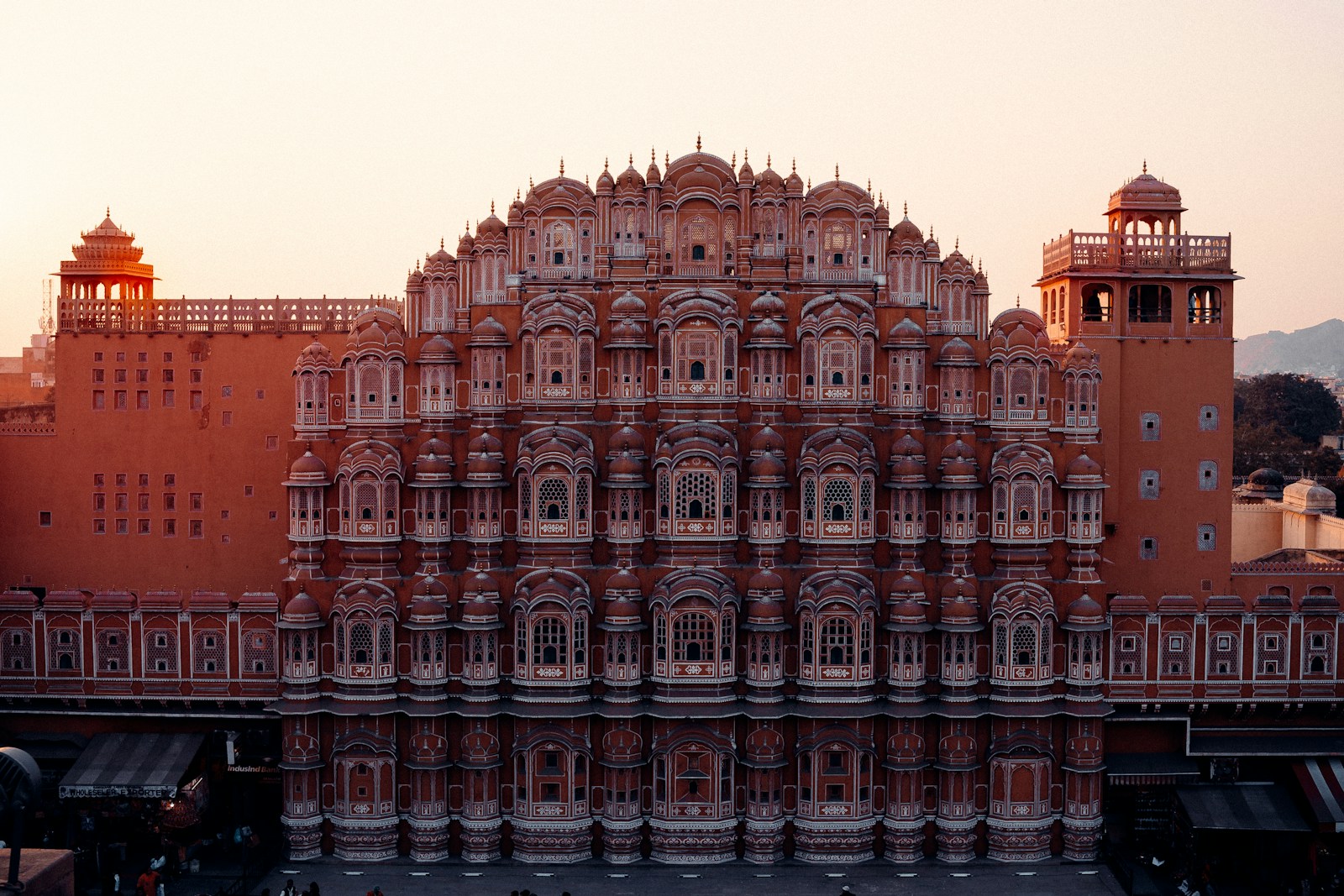
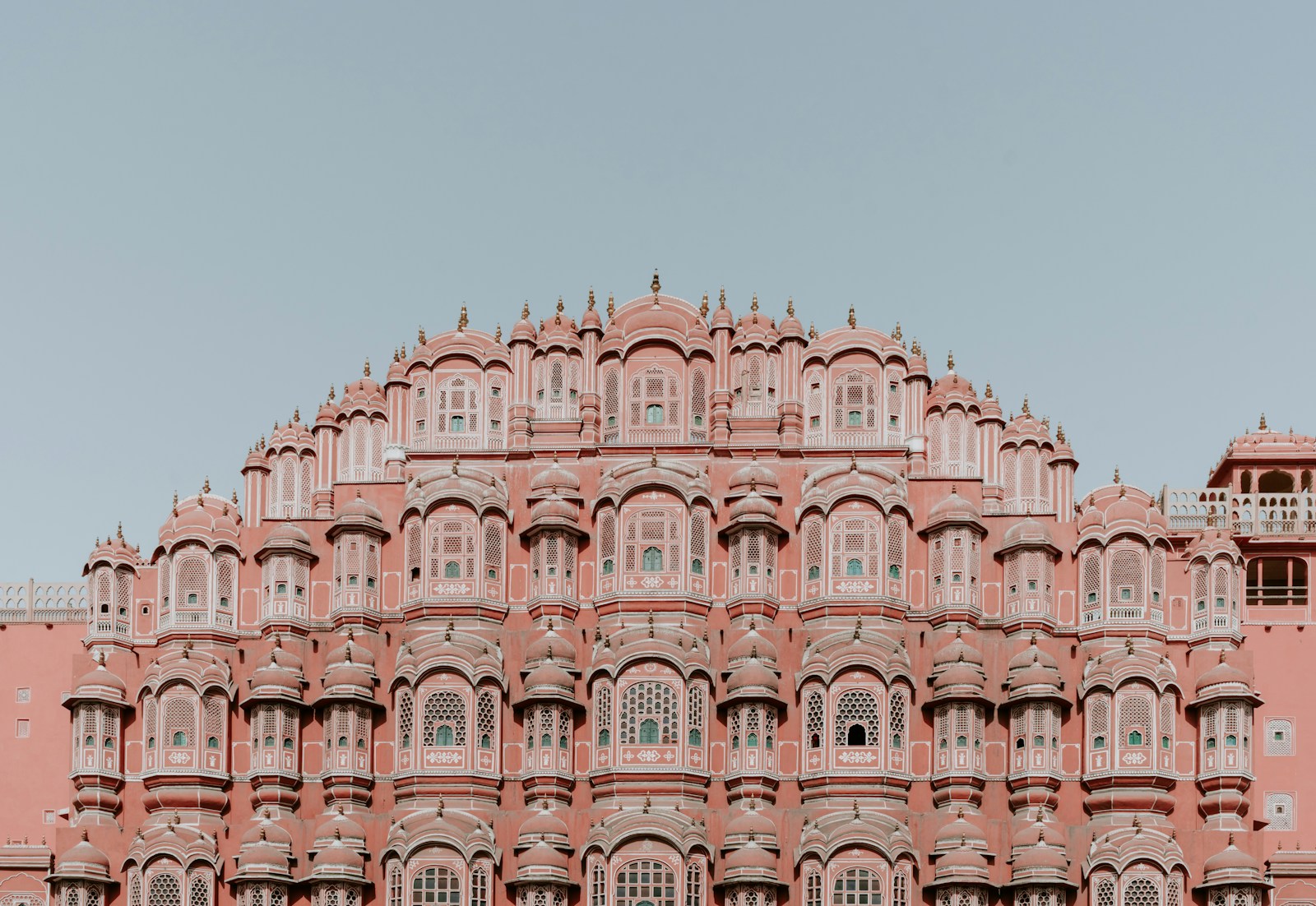
Hawa Mahal (Palace of Winds) is Jaipur’s iconic structure. The pink stone building with 953 small windows is instantly recognizable. It’s heavily touristed, which can feel off-putting, but the architecture is worth experiencing despite crowds.
Arrive early morning (around 7:00 AM) before crowds concentrate. The light at this hour is soft and golden. The building appears less aggressively pink and more subtly textured.
Hawa Mahal was built for royal women to observe city activity without being seen (the windows allow vision outward but not inward). The architecture reflects both security and voyeurism. The building is ornamental rather than functional (it has minimal interior space). It’s pure facade, which is precisely what makes it interesting architecturally.
Walk around the building rather than just viewing it from the main angle. The side and rear views reveal how the decoration shifts and how the building transitions to surrounding structures.
Mid-Morning
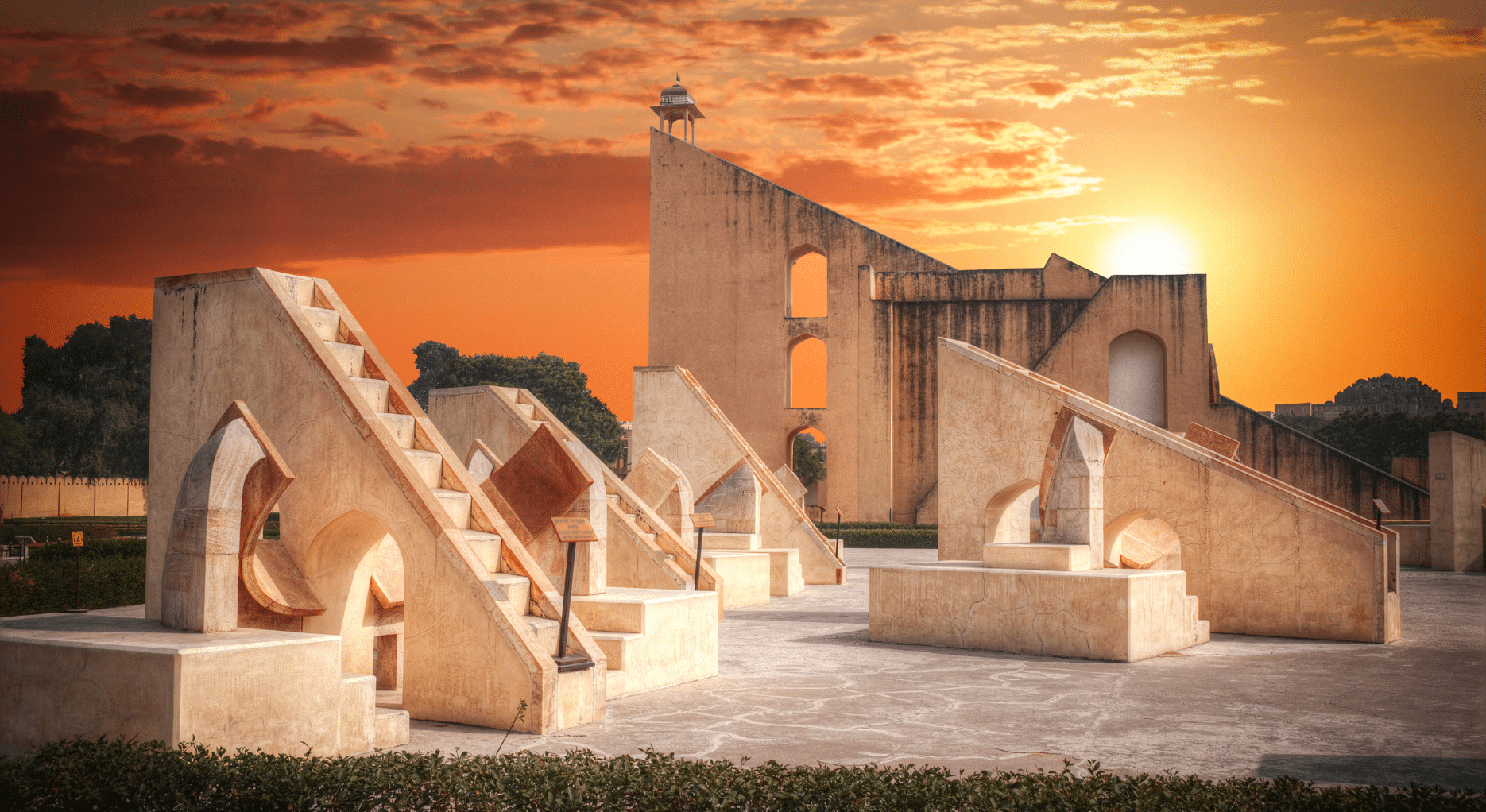
Jantar Mantar is a collection of astronomical observation instruments built by Maharaja Sawai Jai Singh II in the 1700s. The site contains massive stone structures designed to measure celestial movements with naked-eye observation.
This is genuinely interesting if you approach it without expecting immediate comprehension. The instruments look like abstract sculpture. A guide provides context about what each instrument measured and how the observational system worked. The precision is genuinely impressive. Rajasthani astronomers were conducting sophisticated observation centuries before modern telescopes.
Walk through the site slowly. The instruments cast dramatic shadows at different times of day. The geometric relationships between structures become visible with time.
Lunch
Have lunch at a restaurant combining traditional Rajasthani cuisine with contemporary presentation. Many excellent options exist in the newer city areas (away from the grid of the old city but still within Jaipur).
Rajasthani food emphasizes lentils, grains, and spices, with meat preparation playing secondary role historically. Contemporary restaurants reinterpret these traditions using quality ingredients and refined technique.
Afternoon
Two options for afternoon: Amber Fort (thirty minutes outside Jaipur) or a deeper Jaipur neighborhood exploration.
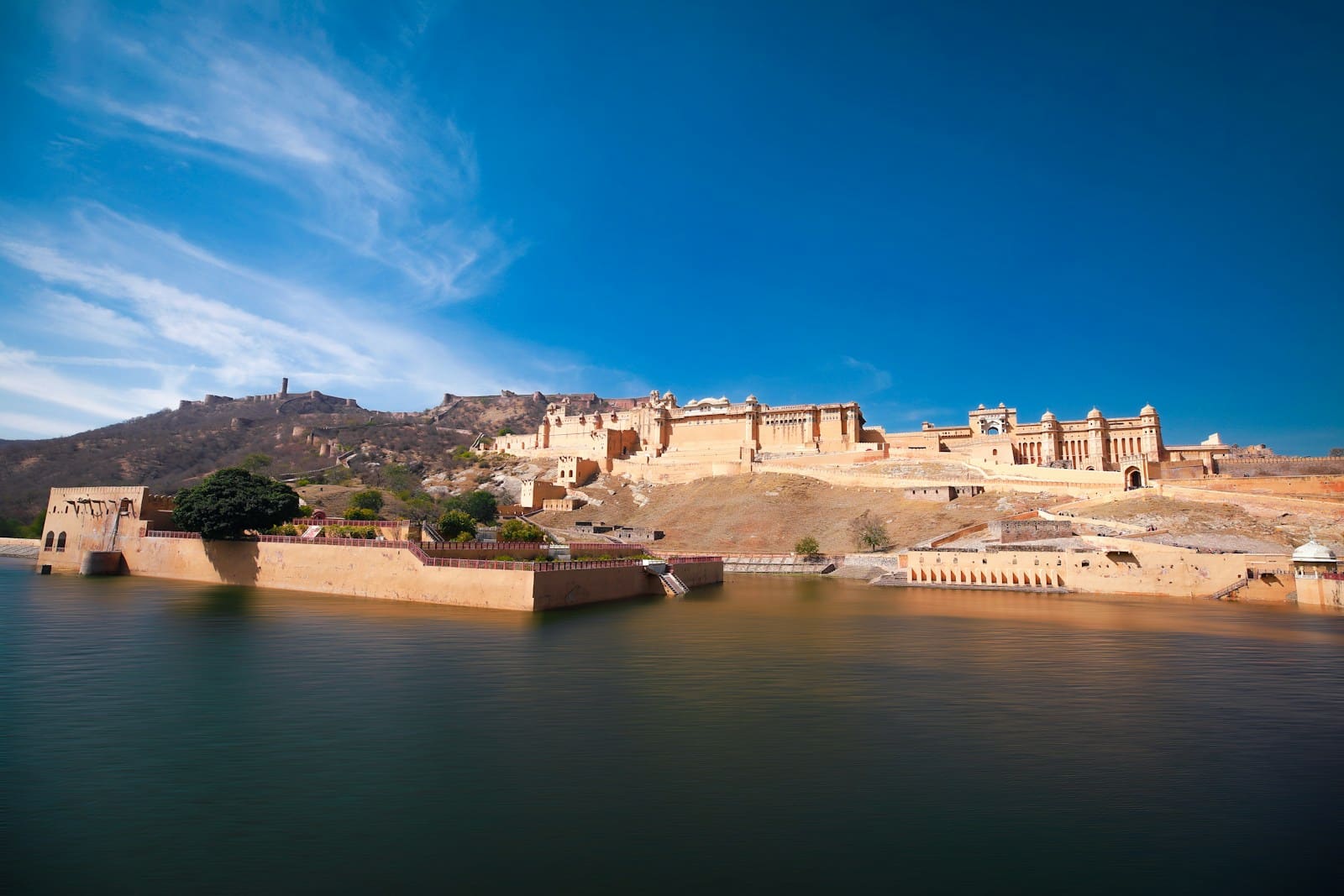
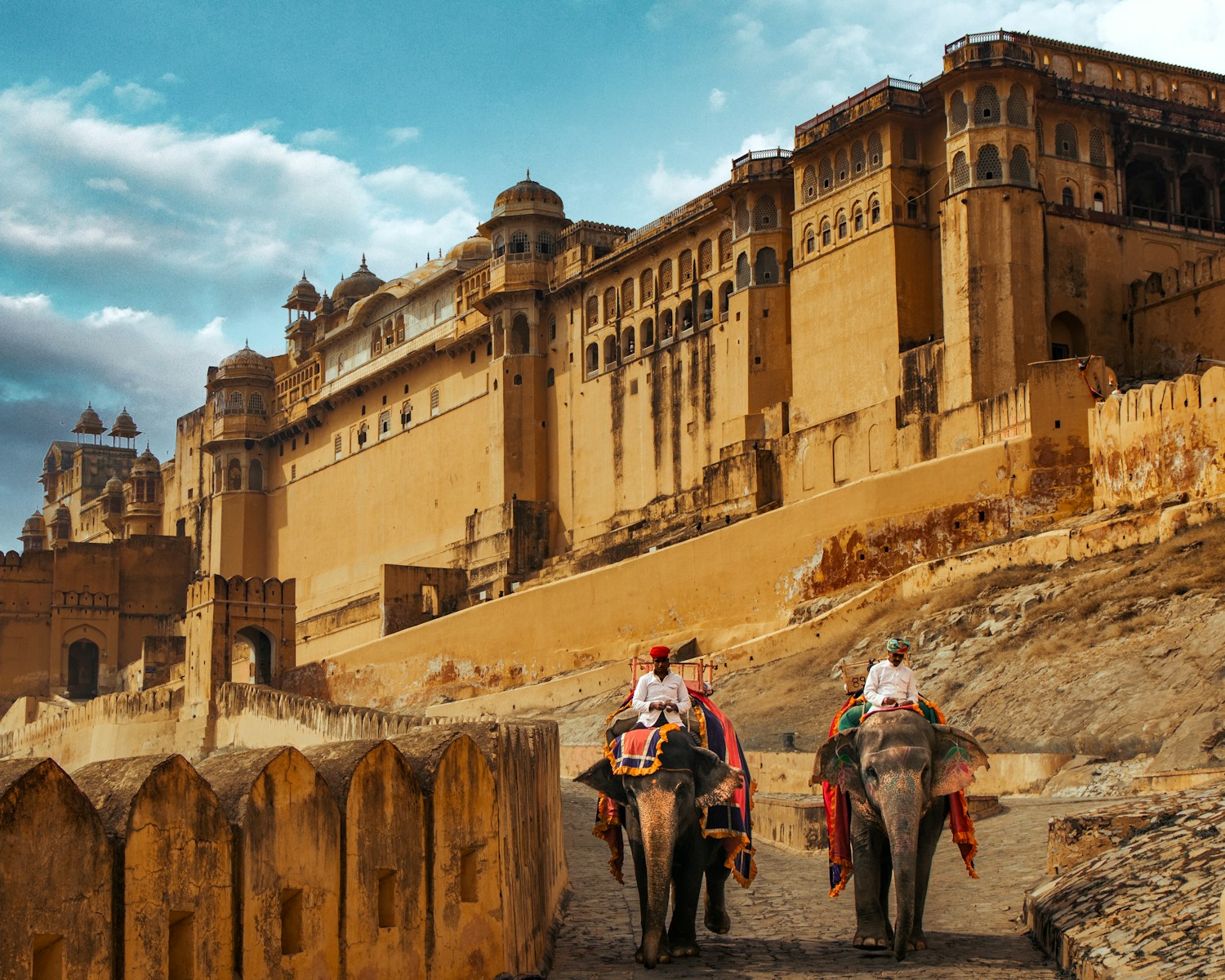
Amber Fort is genuinely worth seeing. The palace complex sits dramatically on a hillside. The architecture is palace rather than military fortress, combining residential and administrative spaces with ornamental decoration. The views across landscape are exceptional. Arriving early morning (departing Jaipur by 8:00 AM, before tour groups concentrate) allows genuine exploration.
Alternatively, spend the afternoon exploring neighborhoods like Chandpol, the bazaar area north of Hawa Mahal, or contemporary areas like C-Scheme where modern Jaipur expresses itself. The neighborhoods reveal how the city actually functions beyond tourism zones.
Evening
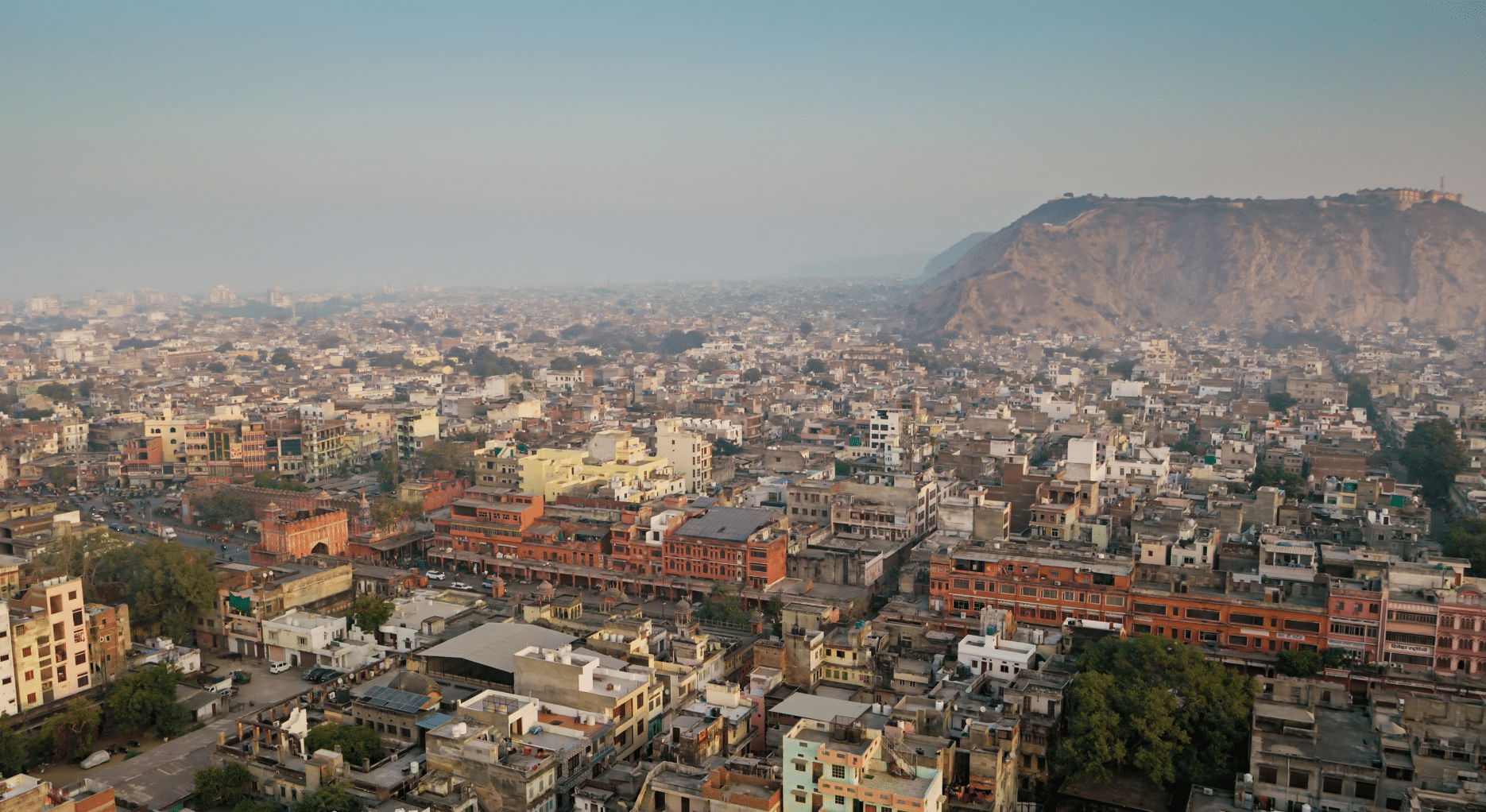
End the afternoon positioned somewhere allowing city views as light changes. This might be from Govind Dev Ji Temple area (positioned overlooking part of the city), or simply by finding elevated positioning while walking neighborhoods.
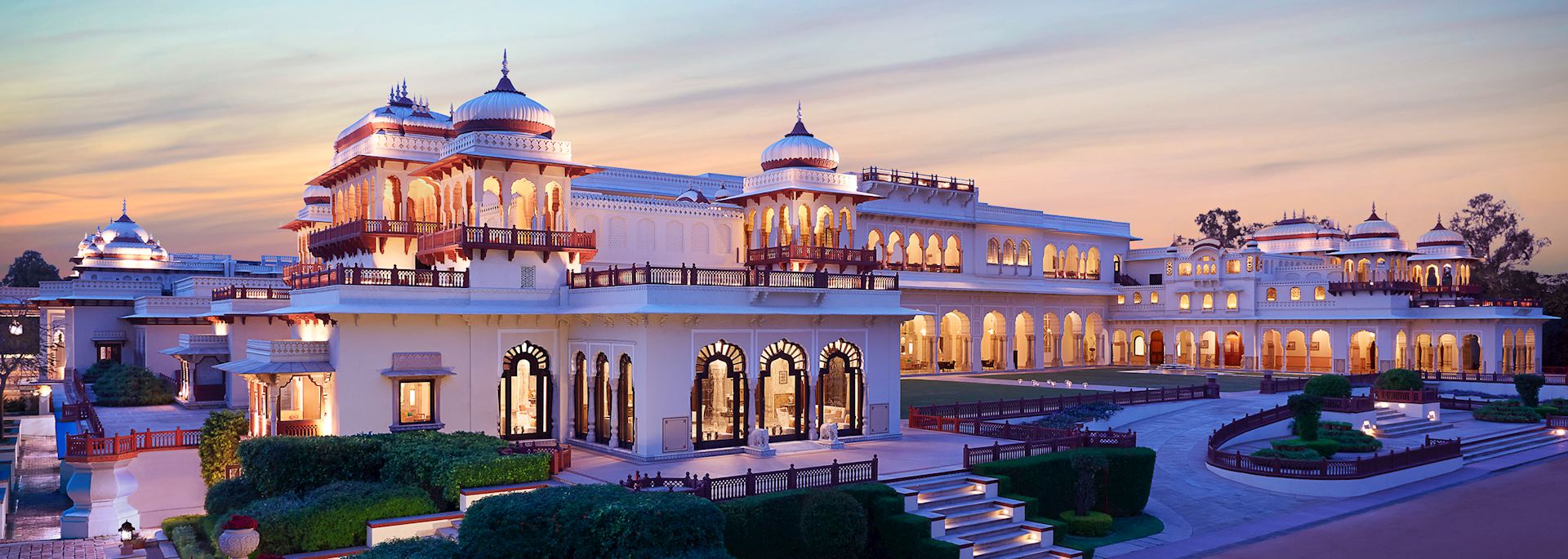
Have a final dinner exploring another restaurant or returning to a place that impressed you on day one. There are excellent dining options at Jaipur’s luxury hotels, such as Rambagh Palace.
Food Worth Finding
Rajasthani food emphasizes bajra (millet), ghee, and spices. Dal-baati-churma is the traditional dish (lentil preparation, baked wheat balls, sweet crumbly mixture). Gatte ki sabzi (gram flour dumplings in yogurt sauce) is specific to the region. Laal maas (lamb in spiced sauce) is rich and complex. Ker sangri (desert plant preparation with beans) reflects the landscape.
Street food includes samosas from specific vendors, jalebis (fried sweets), and regional noodle dishes.
Where to Stay
The positioning matters for experience quality. Hotels positioned in the old city neighborhood put you within the functioning city. Hotels in newer areas (C-Scheme, Raja Park) offer quieter positioning but less immersive experience.
The best hotels combine genuine design with service standards, often housed in heritage buildings or properties thoughtfully designed around Rajasthani aesthetics.
Taj Amer, Chimanpura is a fantastic luxury option. Some of Jaipur’s hotels are positively palatial in their sheer decadence.
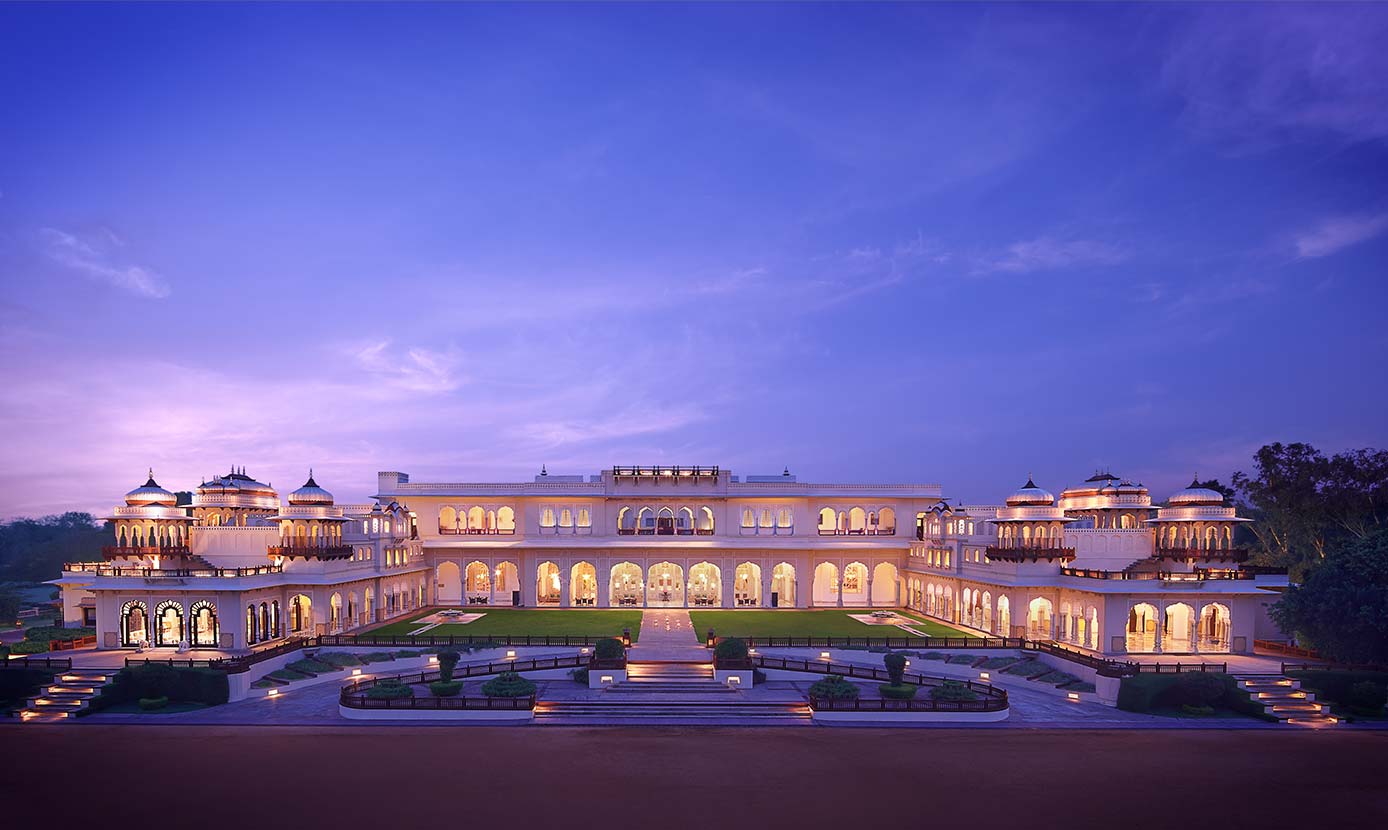
Ready to Experience Jaipur?
Jaipur offers India that’s sophisticated and accessible without being sanitized. The architecture is remarkable. The culture is visibly alive and the food is excellent and specific to place.
At Do Not Disturb, we position you in hotels with character, arrange private guides for architecture and history understanding, coordinate dining at restaurants doing serious work, and structure pacing that allows absorption rather than rushing through sights.
Whether you want focused city experience or are combining Jaipur with broader Rajasthan travel, we build itineraries that reward intentional engagement.
Enquire with us to discuss your Jaipur journey and how we can position it within your India experience.
Suggested articles
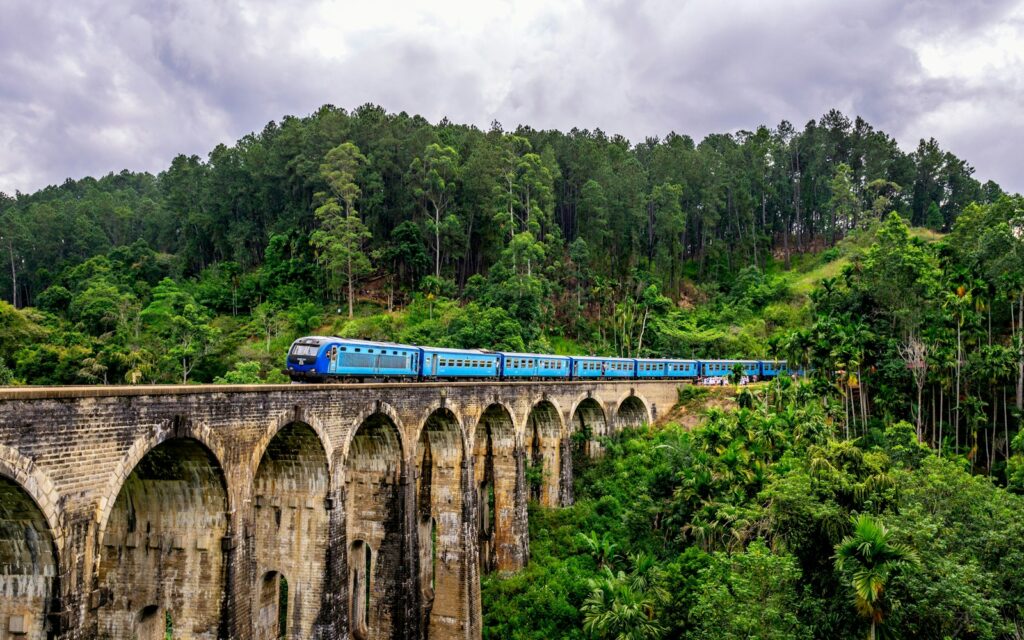
A Guide to Sri Lanka’s Tea Plantations
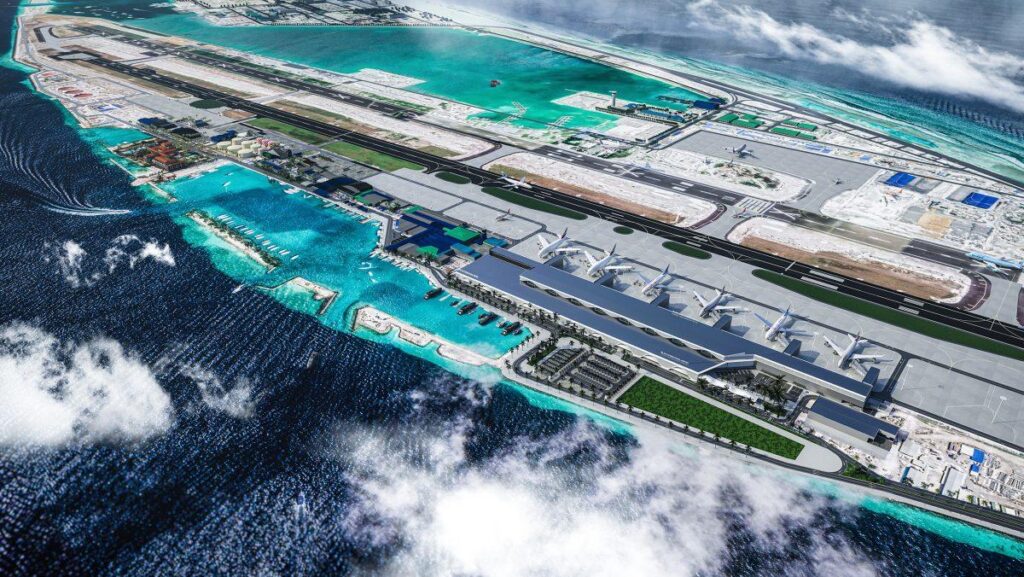
The Maldives Fixed Its Arrival Problem: Inside the New Velana Airport
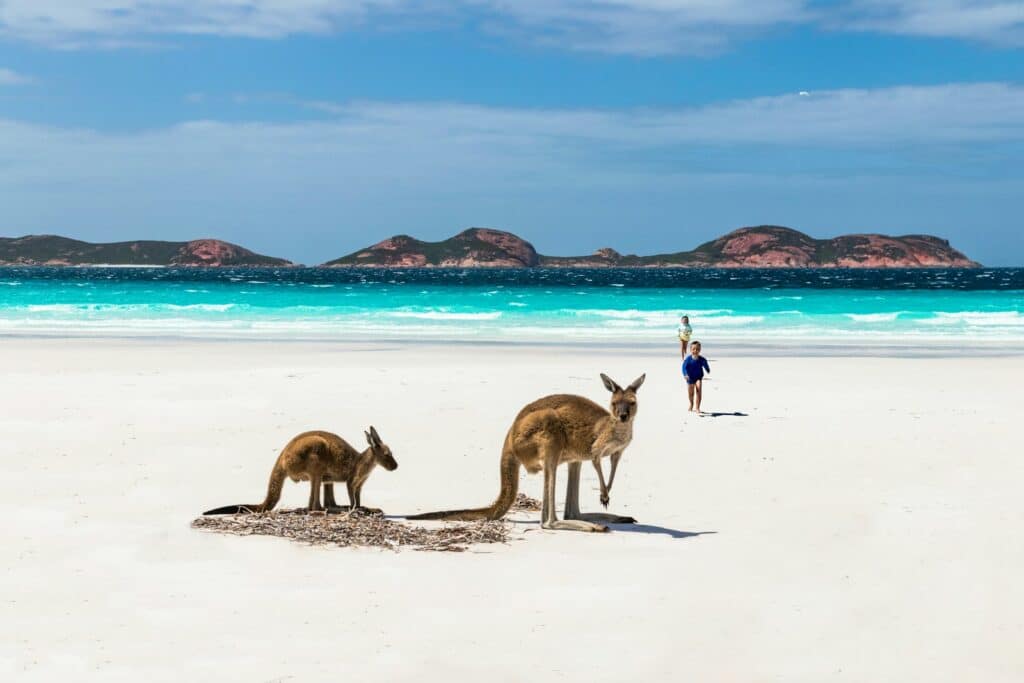
The Best Islands in Australia for a Luxury Beach Vacation
How to Plan a Luxury Australian Outback Experience
A Luxury Guide to Australia’s Wine Regions

How to Plan a Luxury Trip to Australia’s Great Barrier Reef
The Best Luxury Hotels in Seychelles

Best Caribbean Islands for Private Jet Travelers
Island-Hopping in the Caribbean: The Best Routes for a Luxury Trip
Santorini or Mykonos: How to Choose the Best Greek Island for You
The Athens Riviera: Greece’s Glamorous Coastline Beyond the Islands
Paros: The Greek Island Stealing Attention from Mykonos and Santorini
The Best Greek Islands for Luxury Travel: How to Choose the Right One