England: Jane Austen and the Social World of Bath
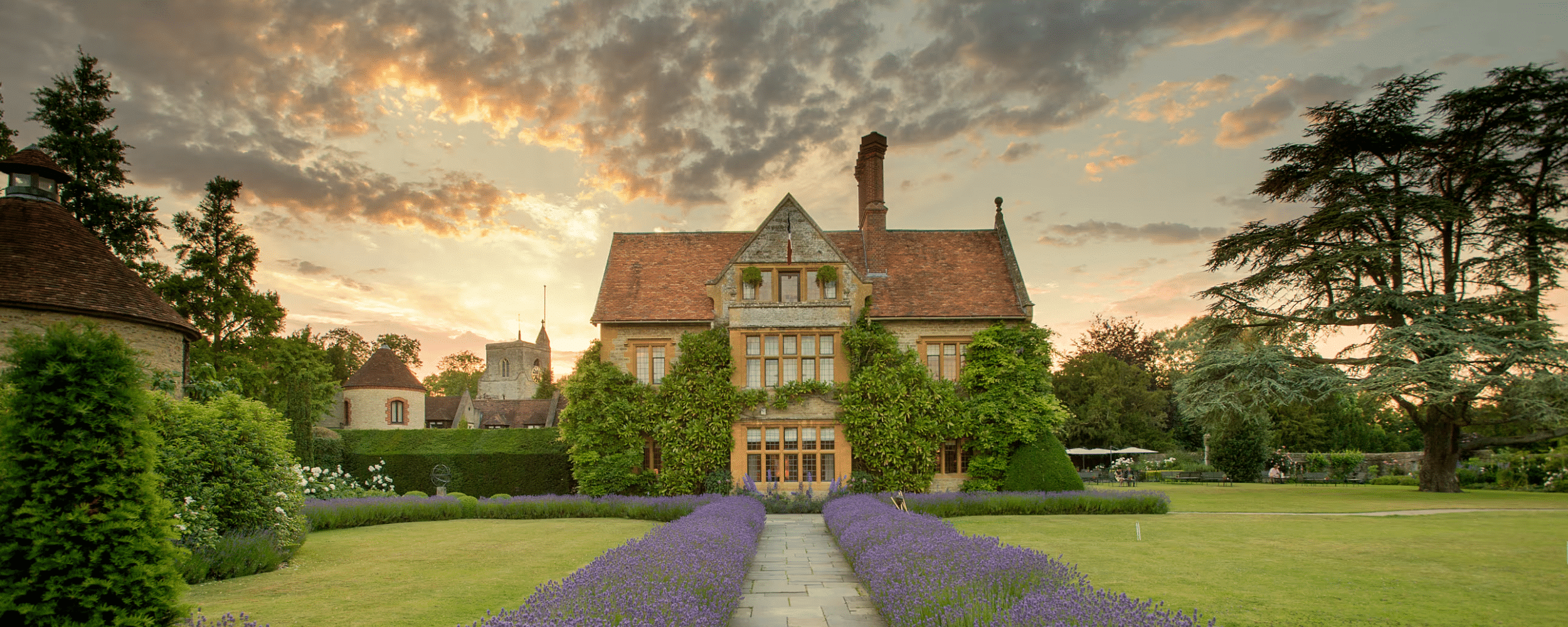
Bath is inseparable from Jane Austen. Though she lived here only intermittently, the city’s rhythms, rules, and social rituals deeply informed novels such as Northanger Abbey and Persuasion.
Walking through the Royal Crescent, Assembly Rooms, and Georgian streets reveals the controlled environment that shaped Austen’s sharp observations of class, marriage, and mobility. Bath is not a backdrop. It is a character in itself, and understanding it brings Austen’s work into sharper focus.
Ireland: James Joyce’s Dublin
Dublin is mapped almost line by line in the work of James Joyce. Ulysses alone charts a single day across the city with extraordinary precision.
A literary journey here follows real streets, pubs, schools, and coastal suburbs, showing how Joyce transformed ordinary urban life into modernist experimentation. Dublin rewards close attention, revealing how language, politics, and place collide in Joyce’s writing.
France: Writers of Paris
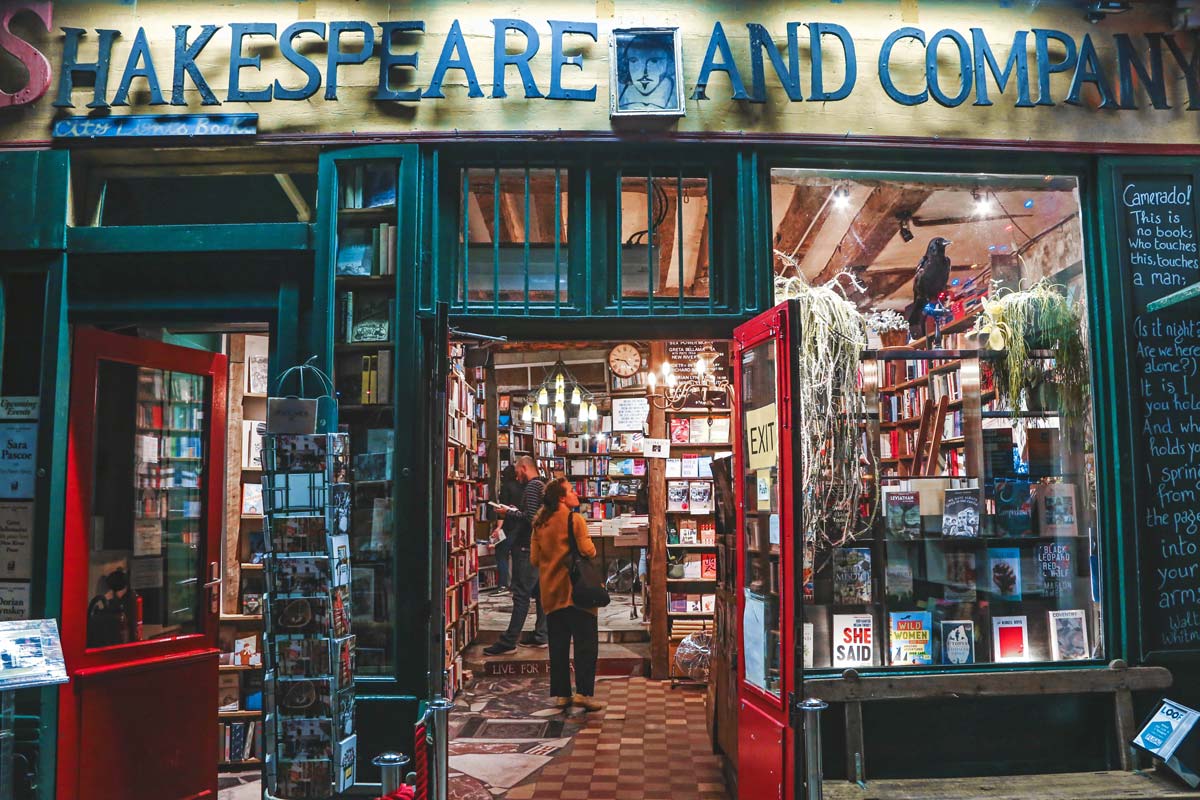
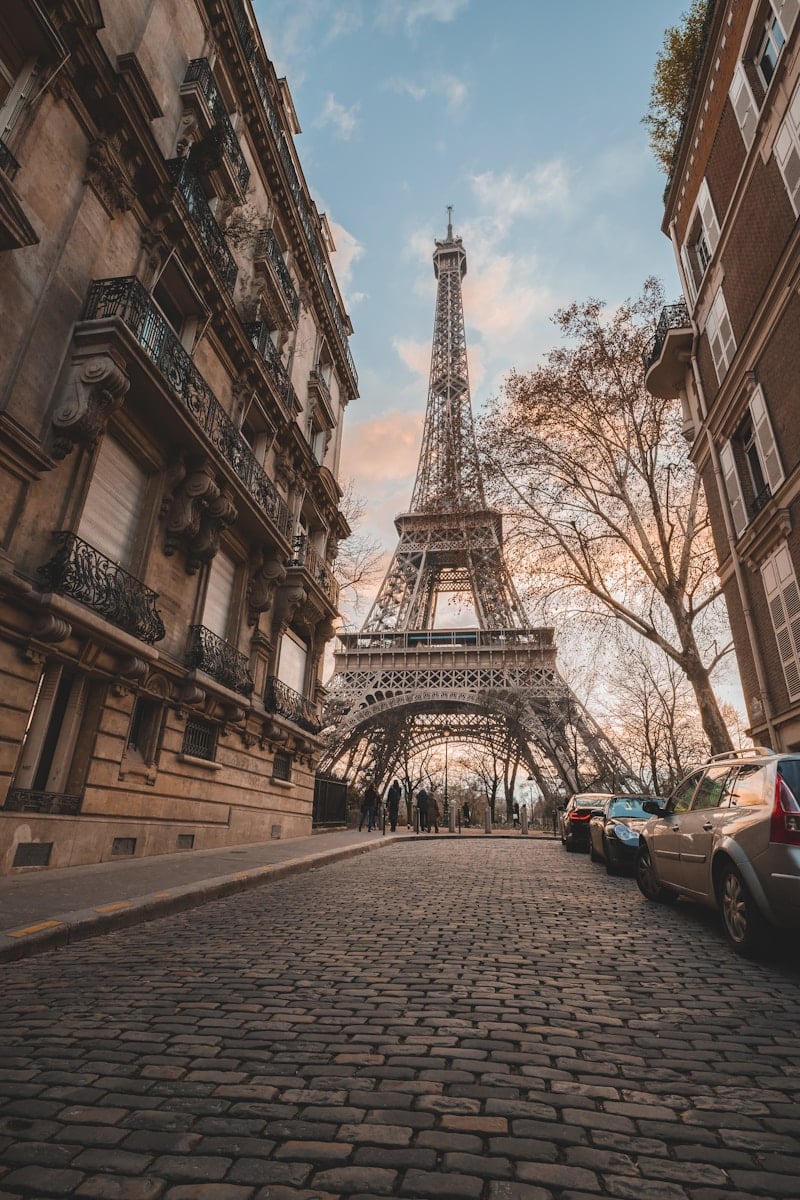
Paris has long attracted writers drawn to its intellectual and artistic energy. From 19th-century salons to Left Bank cafés, the city fostered communities where literature, philosophy, and politics overlapped.
Literary Paris is best understood through neighborhoods rather than monuments. Time spent in Saint-Germain or Montparnasse reveals how routine, conversation, and proximity shaped creative output. Paris shows how literature often emerges from social exchange as much as solitude.
Italy: Dante and the Birth of the Italian Language
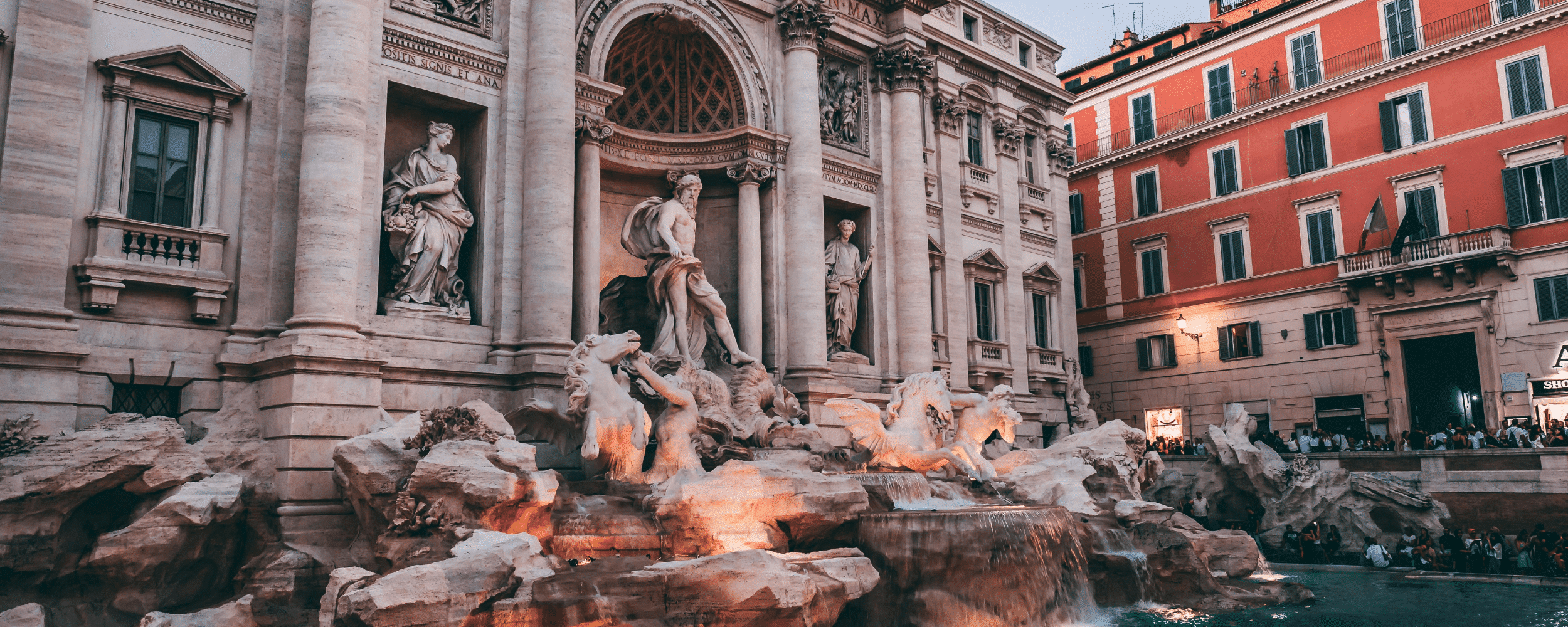
Florence is inseparable from Dante Alighieri. His Divine Comedy did more than define medieval cosmology, it helped establish the Italian language itself.
Florence’s political divisions, exile culture, and civic identity are essential to understanding Dante’s worldview. Visiting the city with this context reveals how literature can act as both personal expression and national foundation.