



8 days days
|$3895

Pompeii’s ancient streets still echo with Roman life. Here’s how to explore the ruins with purpose, avoid the crowds, and experience history at the right pace.
Pompeii is overwhelming in the best and worst sense. Two thousand years ago, Mount Vesuvius buried an entire Roman city under volcanic ash, preserving it so completely that you can still see the ruts worn into stone streets by chariot wheels. It’s one of the most visited archaeological sites in the world, and it deserves every bit of the attention.
But here’s the problem: Pompeii is enormous. Over 160 acres of ruins, most of it exposed to the sun, with minimal shade and even less signage. Without a plan, you’ll wander aimlessly, miss the best parts, and leave exhausted and vaguely disappointed.
A good day at Pompeii isn’t about seeing everything. It’s about seeing the right things, at the right pace, with enough context to understand what you’re looking at. Here’s how to do it properly.

Pompeii sits around 25 kilometers south of Naples and an hour’s drive from the Amalfi Coast. From Positano or Ravello, it’s an easy day trip with a private driver or guided tour. You can also take the Circumvesuviana train from Naples to Pompeii Scavi-Villa dei Misteri station, which drops you at the site’s main entrance.
If you’re coming from the coast, leave early. Morning light is cooler and the crowds thinner. Bring a hat, sunscreen, and water; the site is mostly exposed, and even in spring, the volcanic plain can feel hot.
Tickets can be booked online to skip the line. A private guide is well worth it; they’ll know which routes avoid tour groups and can bring the city’s details to life. If you prefer to wander, download the official Pompeii app. It offers maps, routes, and short audio notes.
8 days days
|$3895
9 days days
|$4995
14 days days
|$5995
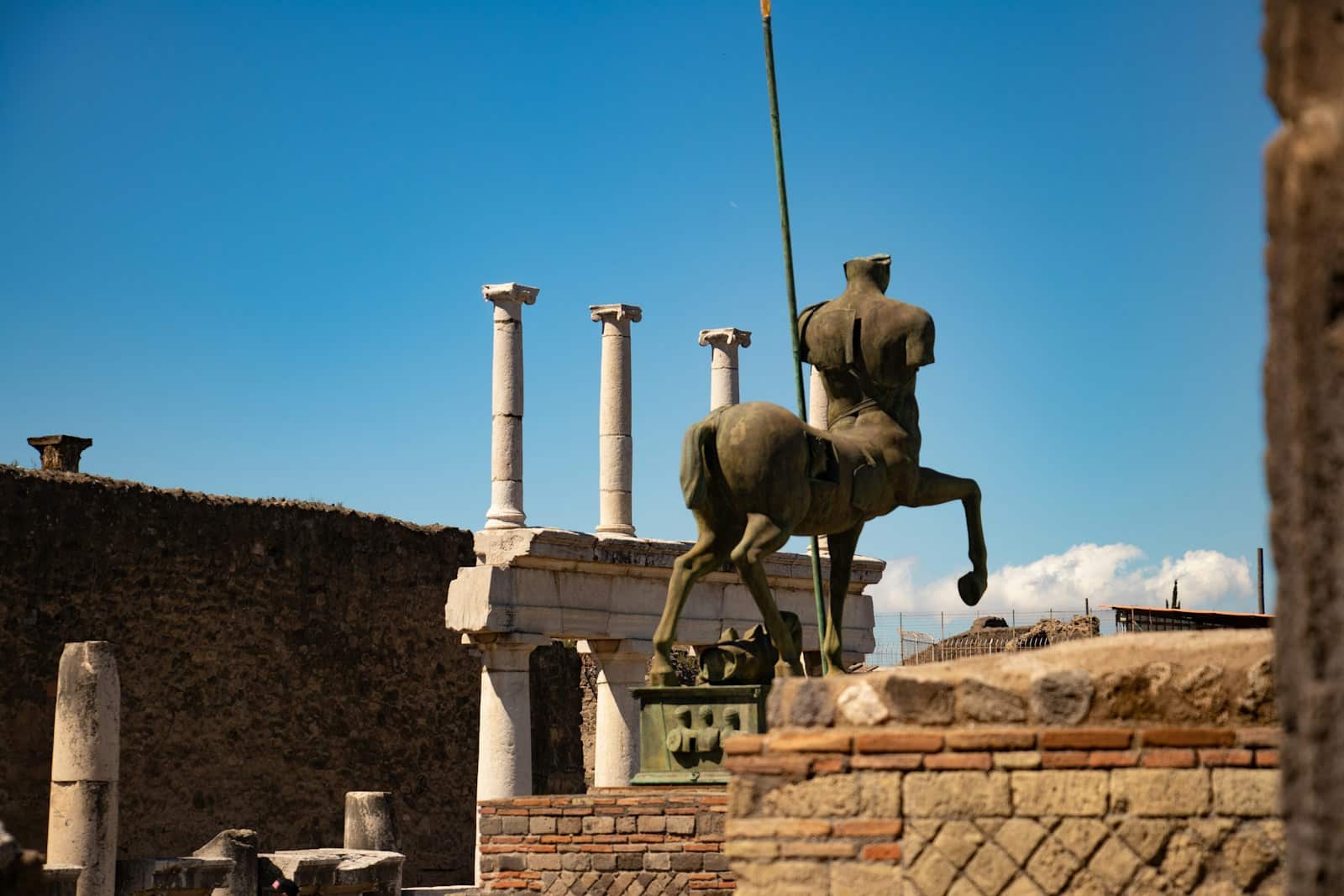
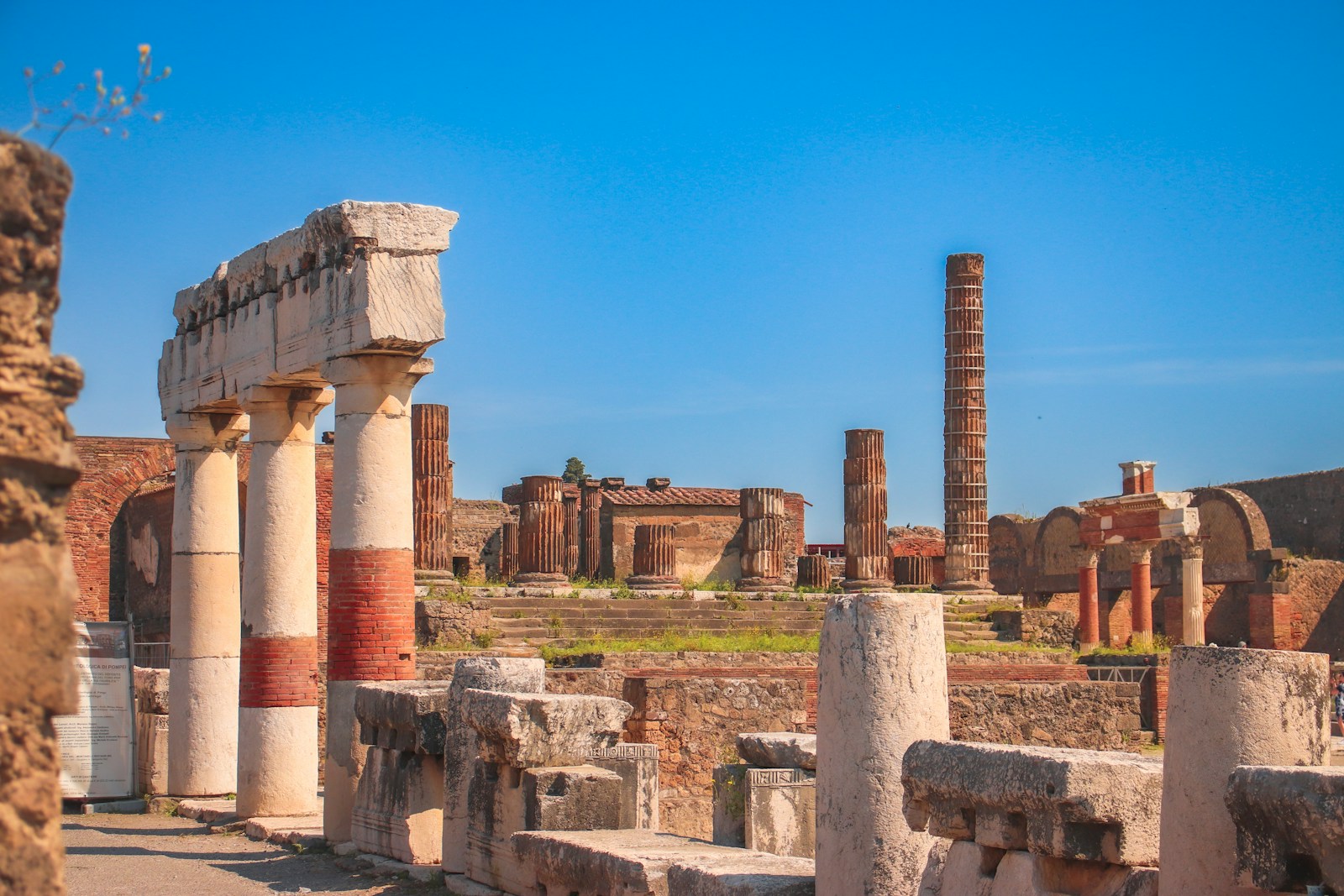
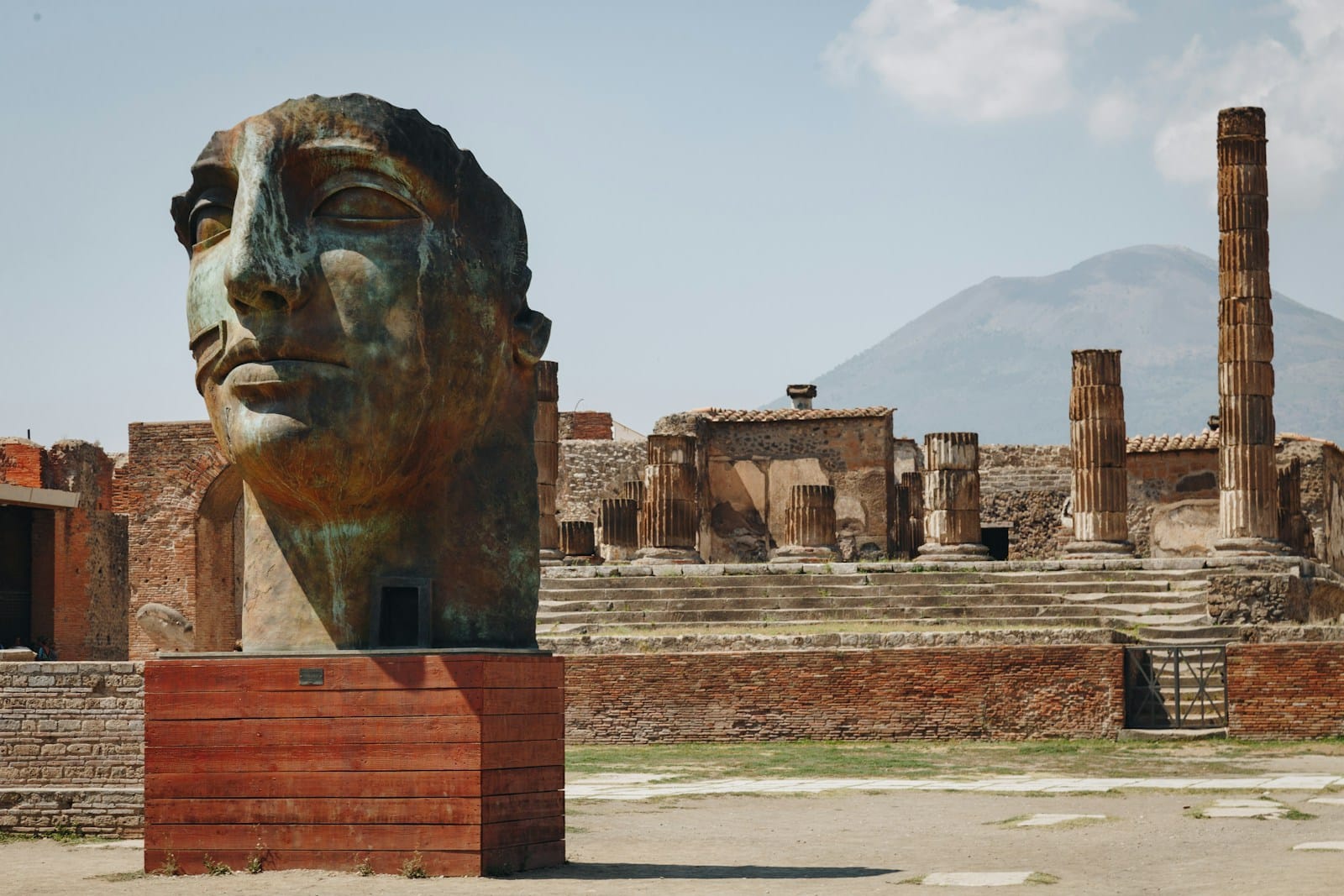
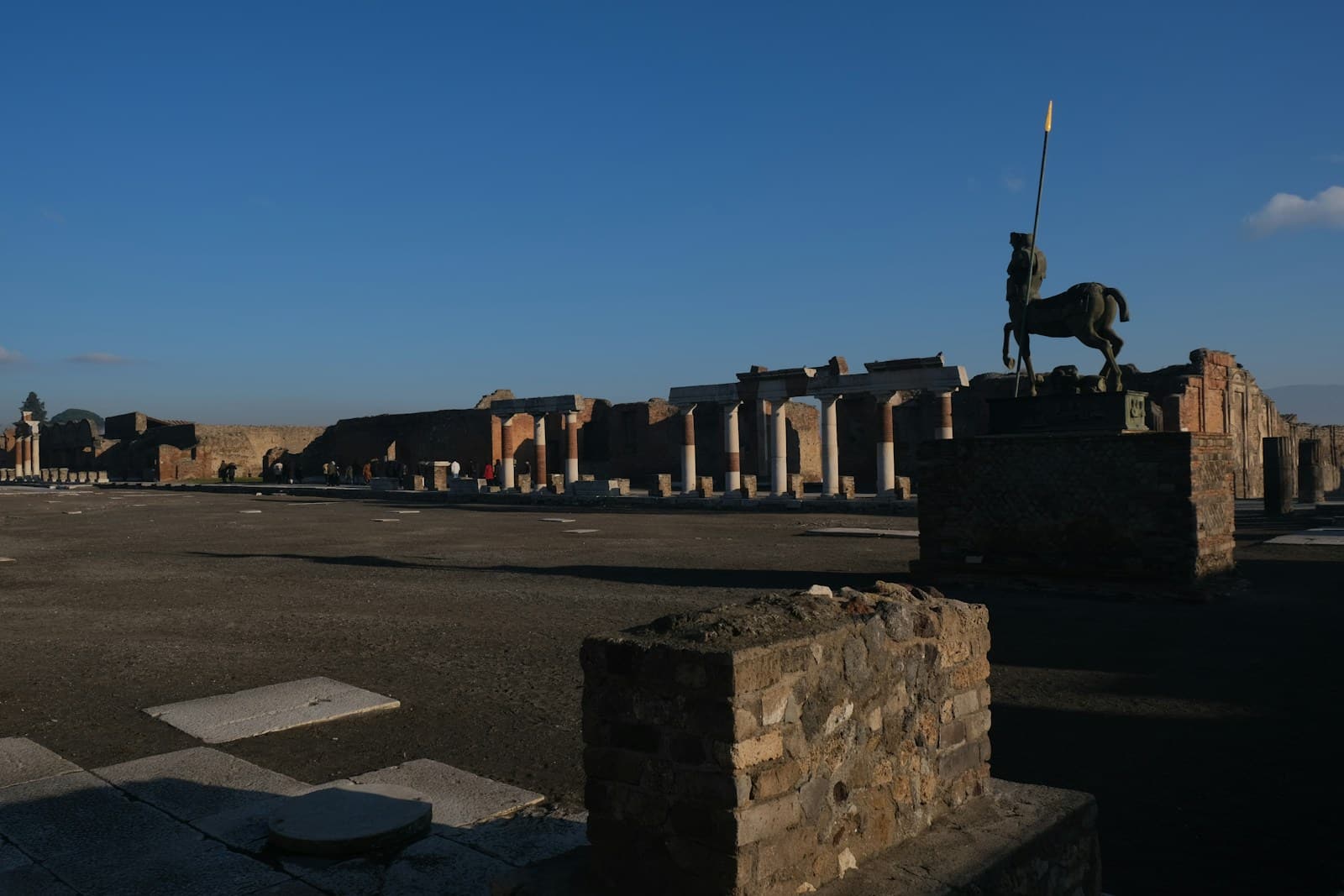
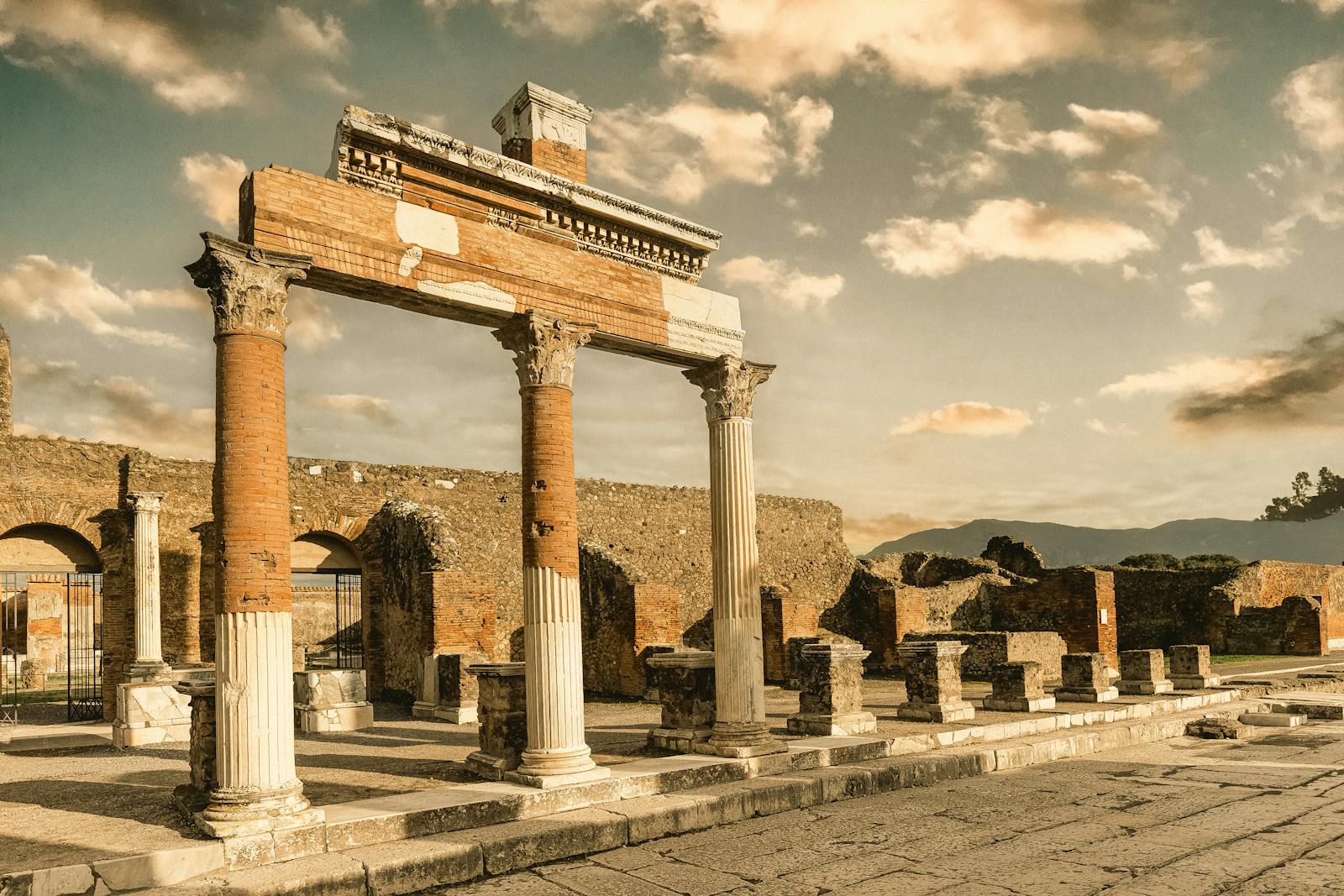
Start at the Porta Marina, once the main gate for travelers arriving by sea. The first view of the Forum is unforgettable: a vast open square lined with marble columns, the shadow of Vesuvius rising in the distance. This was the civic heart of Pompeii, where citizens gathered to trade, debate, and pray. The ruins of temples, government buildings, and markets still outline the rhythm of daily life.
Walk slowly. Imagine the voices, the footsteps, the sound of hammers from nearby workshops. The stones of the street are grooved with chariot tracks. Even after all these centuries, they hold the wear of the same routine repeated countless times.
From the Forum, follow the Via dell’Abbondanza, Pompeii’s main street. You’ll pass bakeries with blackened ovens still intact, and the remains of painted advertisements on the walls. Some shops have marble counters where amphorae once held wine or grain.
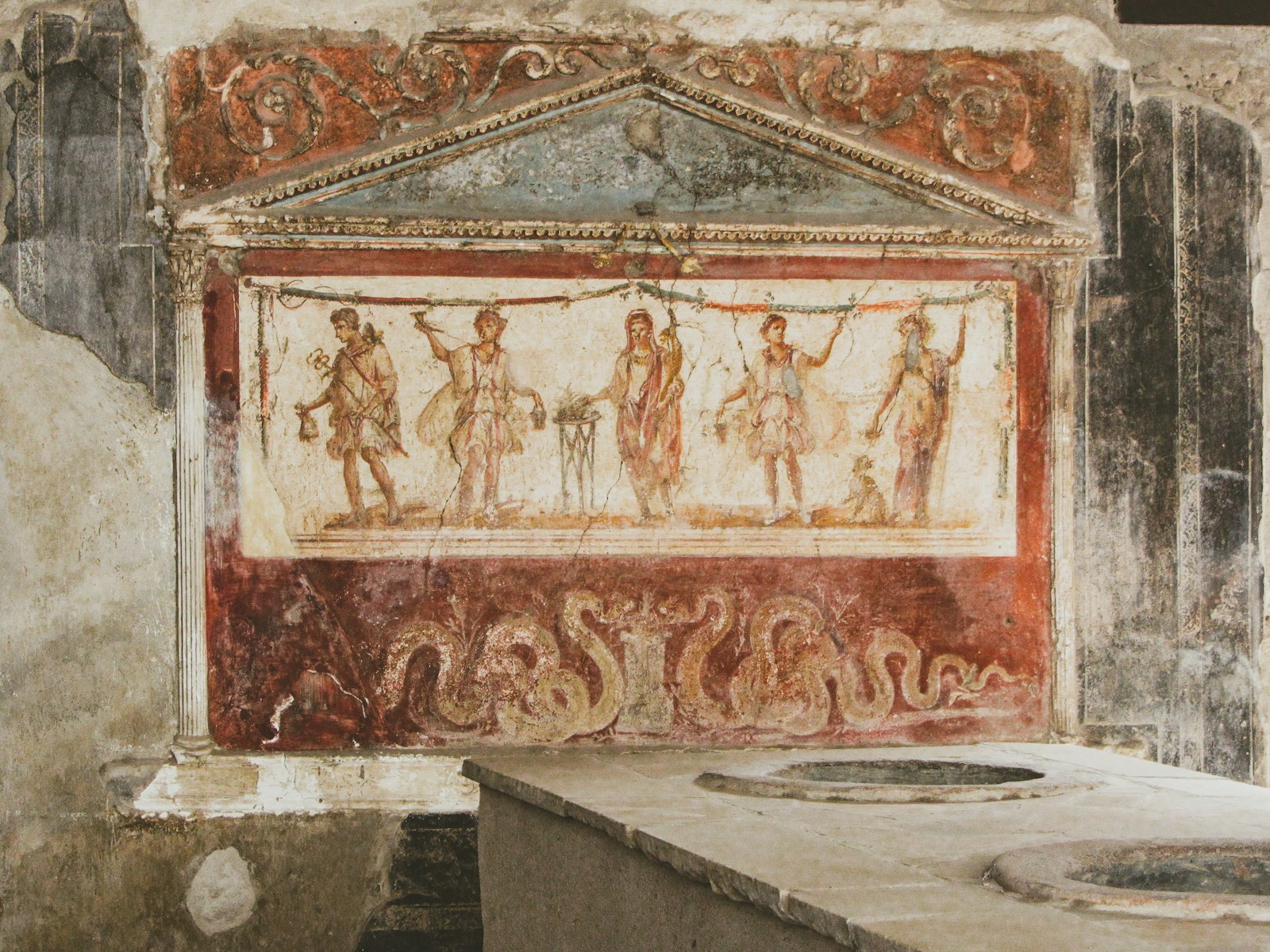
The private homes of Pompeii are among its most moving sights. Wealthy citizens decorated their villas with mosaics and frescoes that remain startlingly vivid. The House of the Faun is one of the largest and most impressive, named for the small bronze statue at its entrance. Its floors are covered with intricate mosaics, including a famous depiction of Alexander the Great in battle.
Nearby, the House of the Vettii shows the height of Roman taste in the first century. The frescoes are intimate, filled with mythological scenes and domestic life. Red and gold pigments still glow under the sunlight. These were not museum pieces but decoration for a lived space.
For something smaller and more personal, visit the House of the Tragic Poet, known for its mosaic of a chained dog with the inscription “Cave Canem” — Beware of the Dog. It’s a detail so ordinary it feels almost modern.
Pompeii demands time and energy. After a few hours, you’ll be grateful for a break.
If you want to stay inside the site, the Cafeteria di Pompei Scavi near the Forum offers simple sandwiches, salads, and espresso. It’s touristy but convenient, with shaded tables and restrooms.
For something more refined, exit the site briefly and walk or drive to Ristorante President, just outside the main gate. It’s a Michelin-starred restaurant where the menu reimagines ancient Roman recipes with local produce, such as slow-cooked pork with honey, grilled fish with Amalfi lemon, or homemade pasta with Vesuvian tomatoes. It’s an experience that pairs beautifully with the morning’s sense of immersion.
After lunch, the crowds begin to thin. The light turns golden and the atmosphere softens. This is the perfect time to explore the quieter corners.
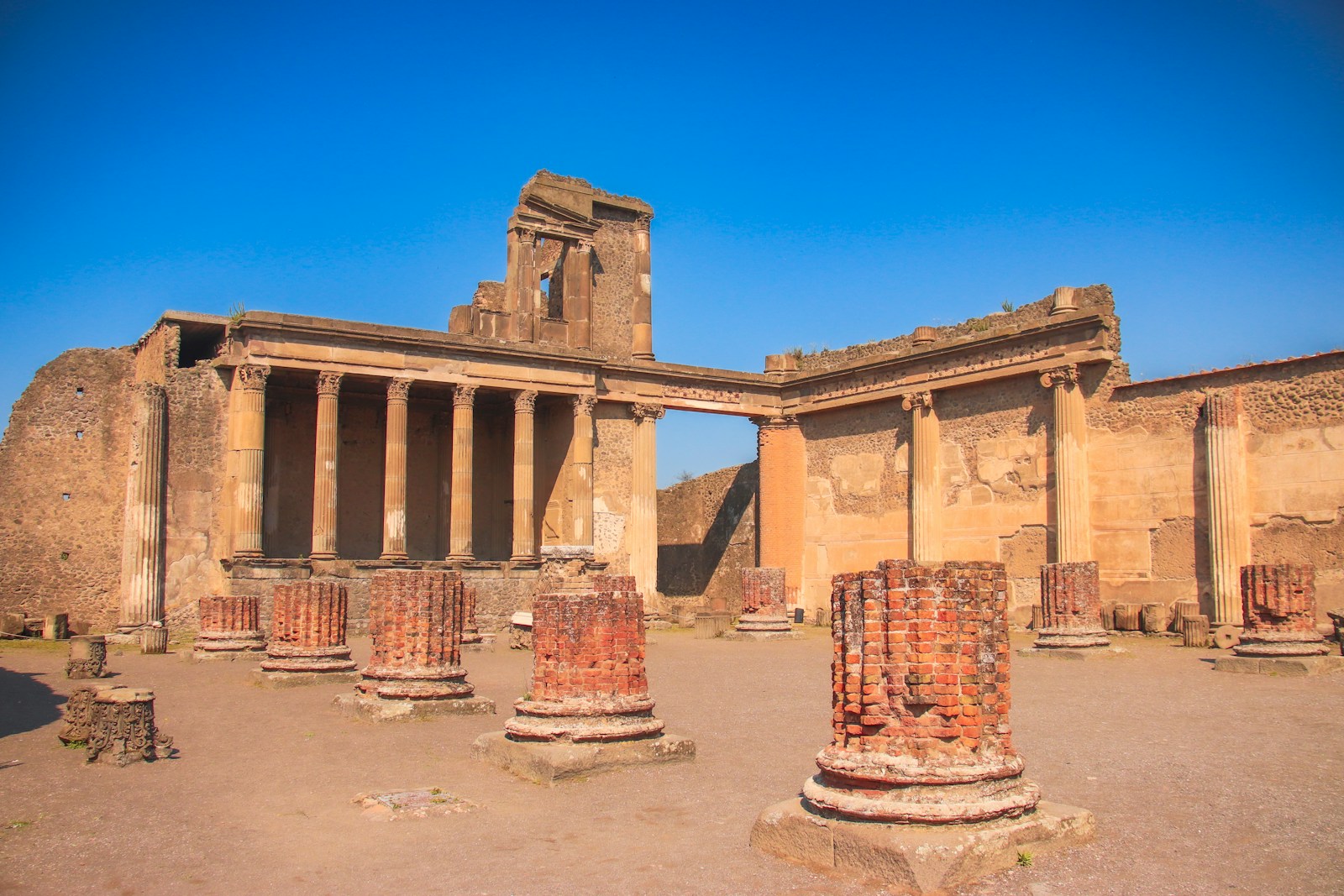
Head to the Large Theater and Odeon, where performances once drew hundreds of spectators. Sit for a moment on the stone seats and imagine the sound of voices echoing across the stage.
The nearby Stabian Baths reveal how advanced Roman engineering was. The rooms are arranged around a central courtyard, with cold, warm, and hot baths, saunas, and gymnasiums. You can still see the hollow floors where hot air circulated — an early form of central heating. Frescoes and stuccoed ceilings show the artistry that accompanied even the most functional spaces.
Before you leave, spend a few quiet minutes at the Garden of the Fugitives. It’s one of the most haunting areas in Pompeii, where casts of the eruption’s victims lie as they were found — men, women, even children frozen in their final moments.
The technique was developed in the 19th century: archaeologists poured plaster into cavities left in the ash where bodies had decomposed. What emerged were shapes, gestures, and expressions, giving a snapshot of human emotion from nearly two millennia ago.
It’s a somber experience but an essential one. It reminds you that Pompeii was not simply destroyed; it was paused mid-life, its people caught between routine and catastrophe.
If you still have energy, take the short drive to the Villa dei Misteri, just beyond the main site. It’s one of Pompeii’s most remarkable villas, preserved almost intact. The frescoes in its triclinium (dining room) depict a mysterious initiation ritual, possibly related to the cult of Dionysus. The reds are deep and luminous, the figures graceful and enigmatic.
From the villa’s terrace, you can see the coastline and the curve of the Bay of Naples. It’s a reminder of how close the sea once came and how connected this city was to the wider Roman world.
By the time you leave, the sun will be low and the crowds mostly gone. The air cools quickly as the shadows lengthen over Vesuvius.
If you’re returning to the Amalfi Coast, consider stopping at Cantina del Vesuvio for a short wine tasting before heading back. The volcanic soil produces wines with a mineral depth found nowhere else. The experience feels circular, as you’re tasting the landscape that both gave life to and destroyed Pompeii.
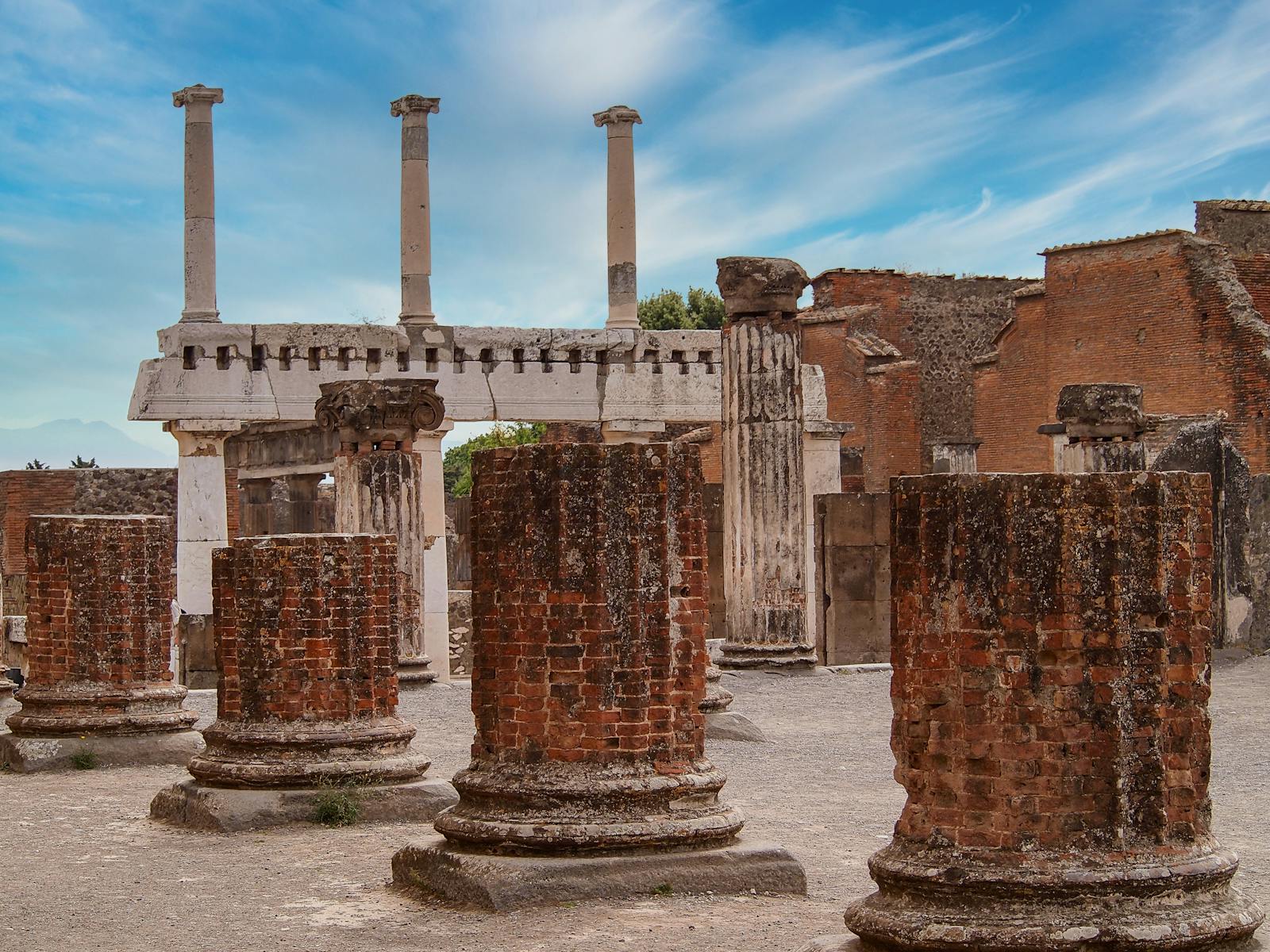
Pompeii fatigue is real. A guide can show you the highlights in a manageable way. Pompeii was a real city, and it’s surprisingly large.
The tragedy that buried Pompeii also protected it, and walking its streets today feels less like visiting the past and more like touching something enduring. The details stay with you long after you leave: the warmth of the stones, the colors of the walls, the silence between the arches. It’s the closest you’ll get to going back in time and experiencing life in the days of antiquity.
Enquire now to begin your Amalfi Coast adventure. We’ll arrange the guides, transfers, and private access that bring Pompeii and the coast to life.
Related destinations
Suggested articles






Tell us how you want to feel, we’ll take it from there.
“Our trip was truly magical and full of core memories that will last us a lifetime.”
Michael • Bora Bora Honeymoon

“We just returned from an incredible journey through Ireland, and we couldn’t have had a better experience”
Brad • Ireland Adventure
“This was a flawless experience right from the beginning, we had so many thoughts and ideas flowing around and they took all of them and perfectly curated the most beautiful honeymoon for us.”
Kris • Sicily Honeymoon
See more reviews on Trustpilot
 12 min read
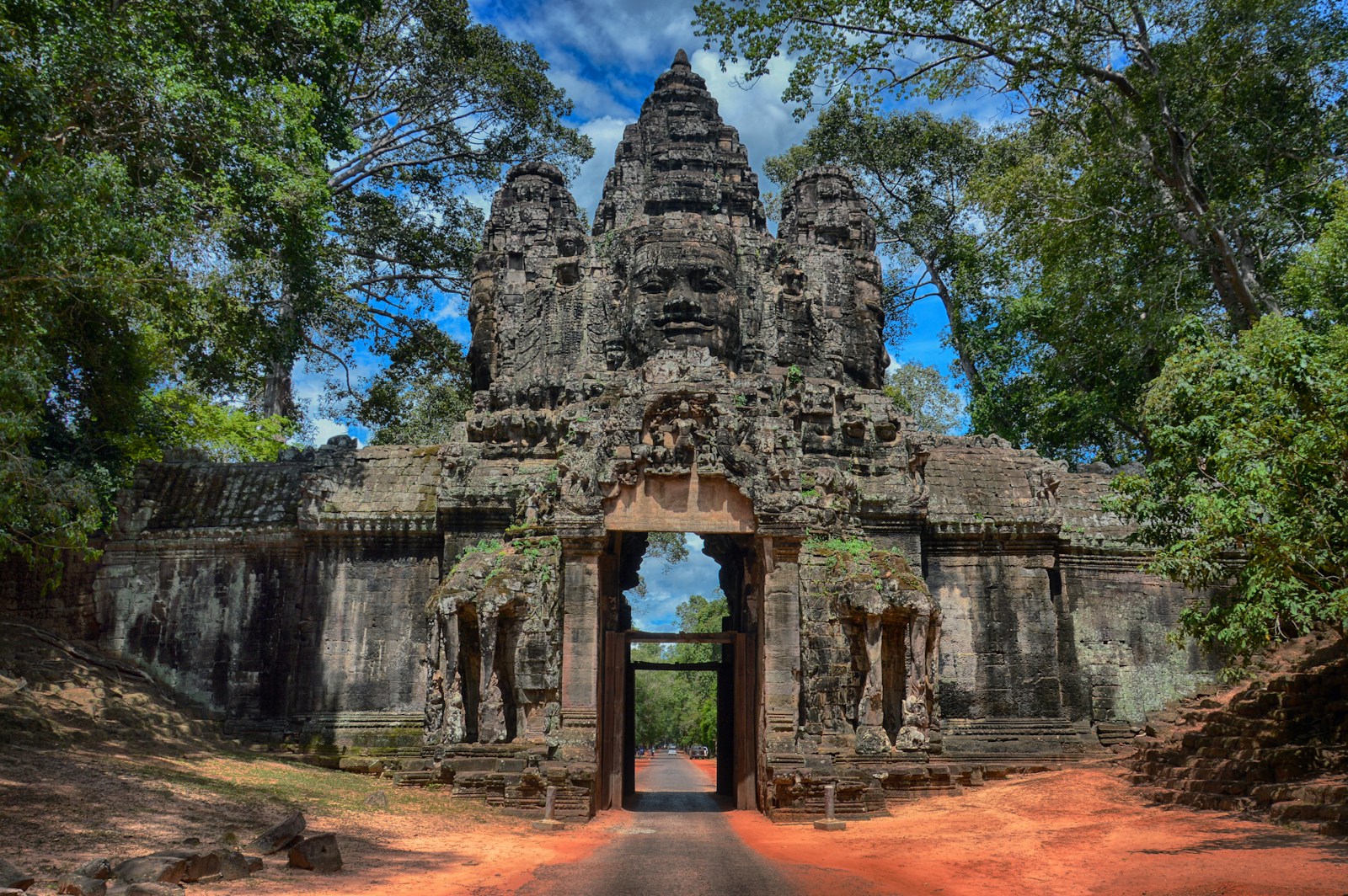
Angkor Wat is one of the world’s most extraordinary temple complexes, but experiencing it well comes down to timing, pacing and where you choose to stay. This is how to plan the perfect luxury trip.
 11 min read
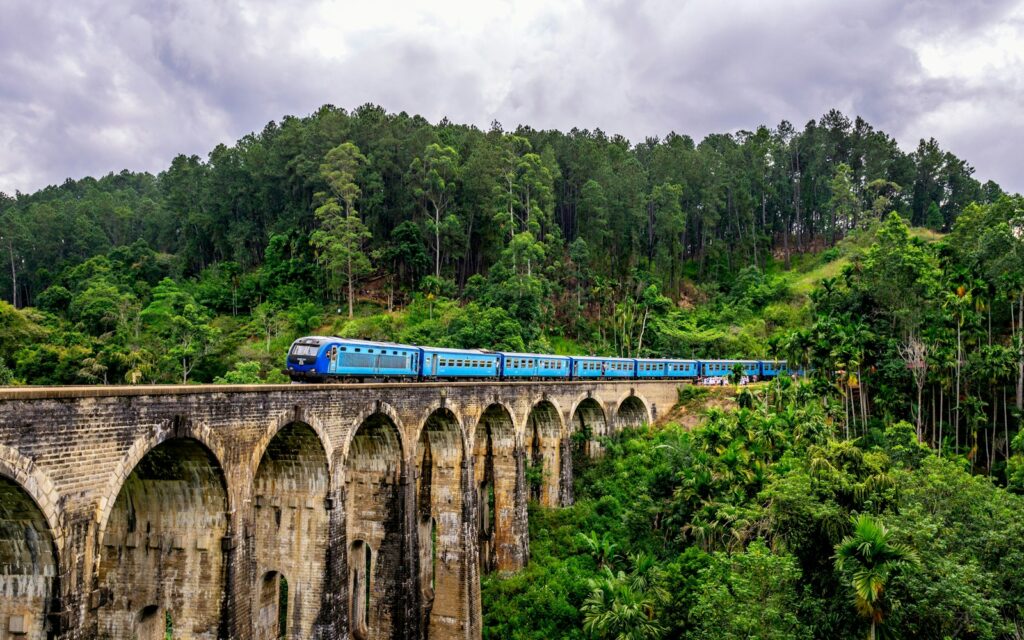
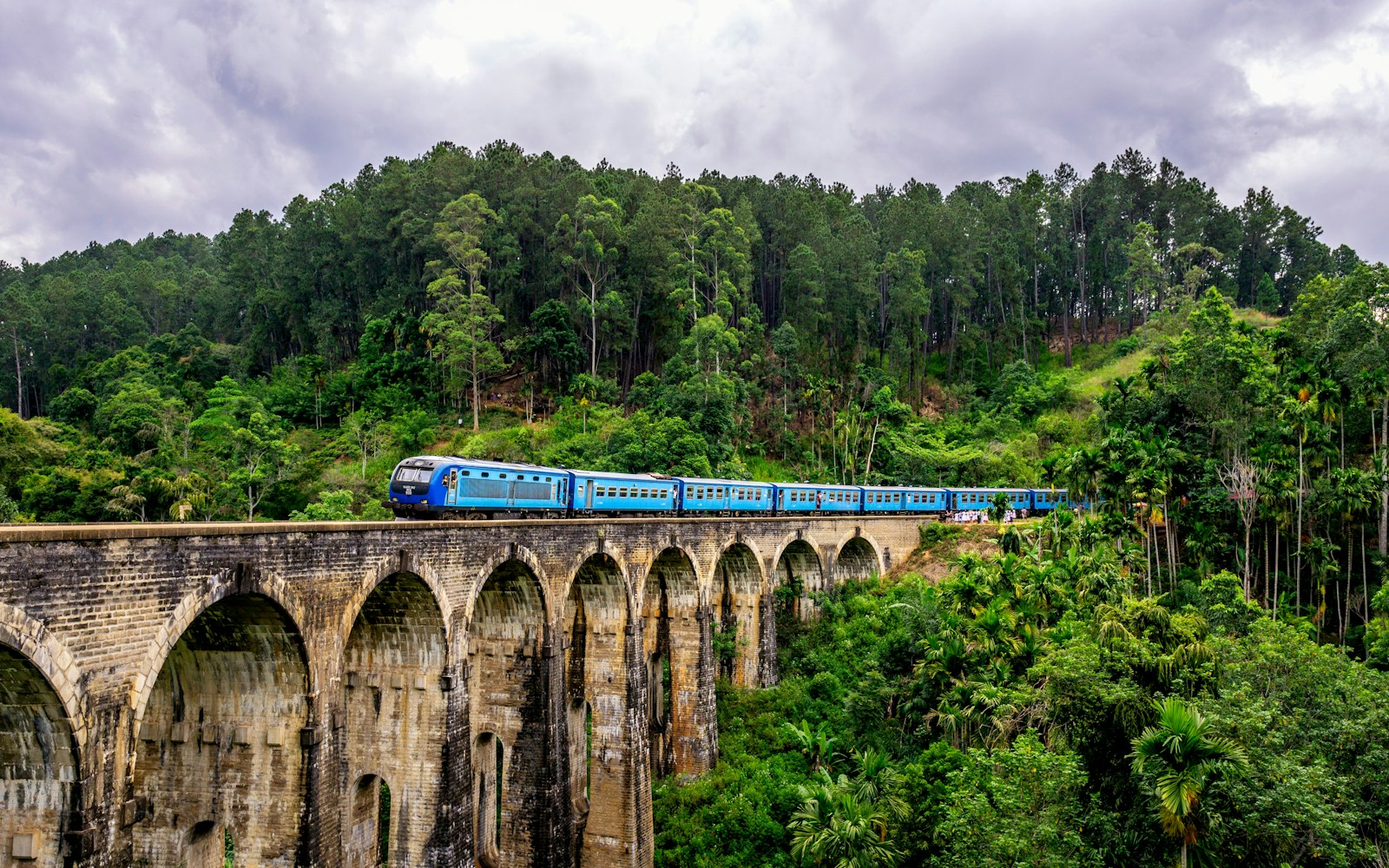
Sri Lanka’s tea country is a place where production and landscape are inseparable. From hand-plucked leaves to historic bungalows, this guide walks you through how the region looks, works and feels.
 10 min read
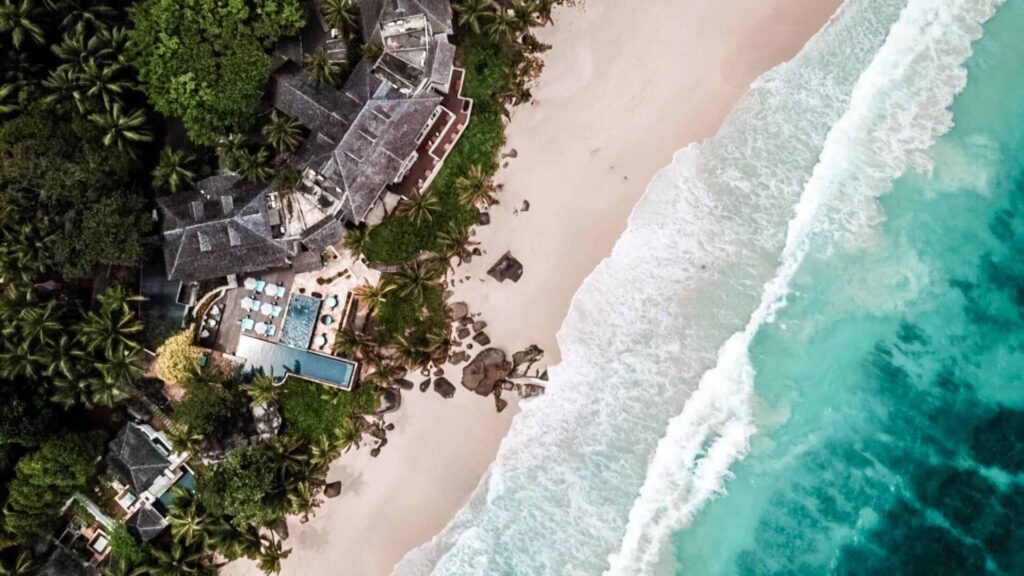
The Maldives has quietly solved its biggest travel flaw. With the new Velana International Airport, the long, chaotic arrival is replaced by speed, space and a seaplane transfer that finally feels worthy of the destination.
 13 min read
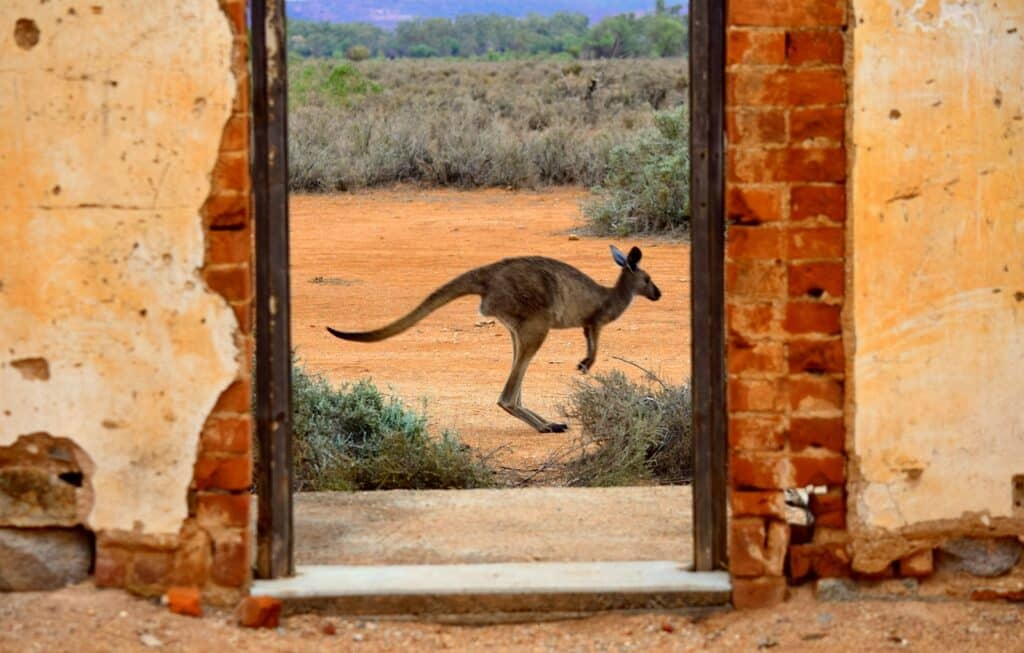
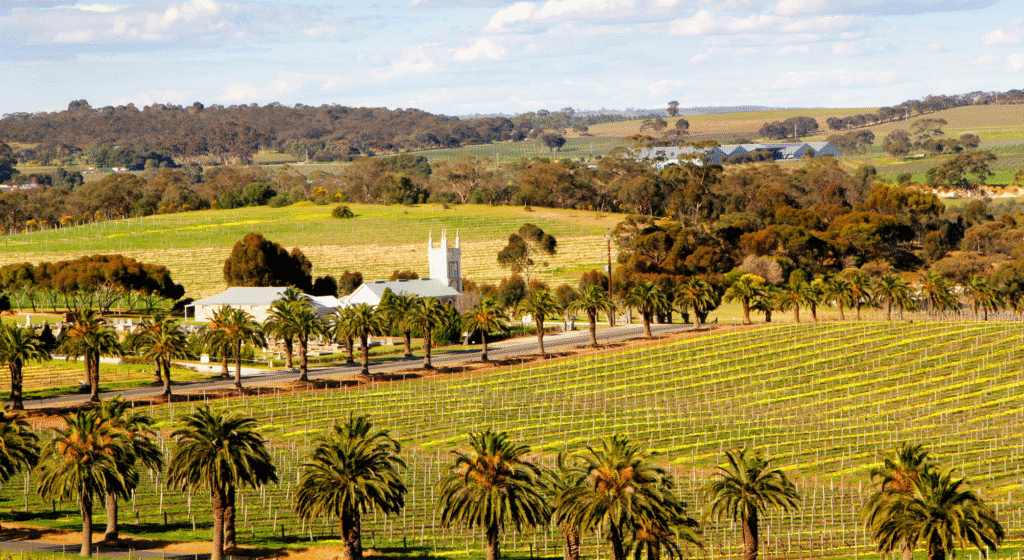
Australia’s coastline stretches for 34,000 kilometers, and scattered along its length lie islands that range from tropical reef cays to temperate wilderness sanctuaries. The country has been slower than the Maldives or French Polynesia to develop its island luxury potential, but that’s changing.

Ask us anything.
