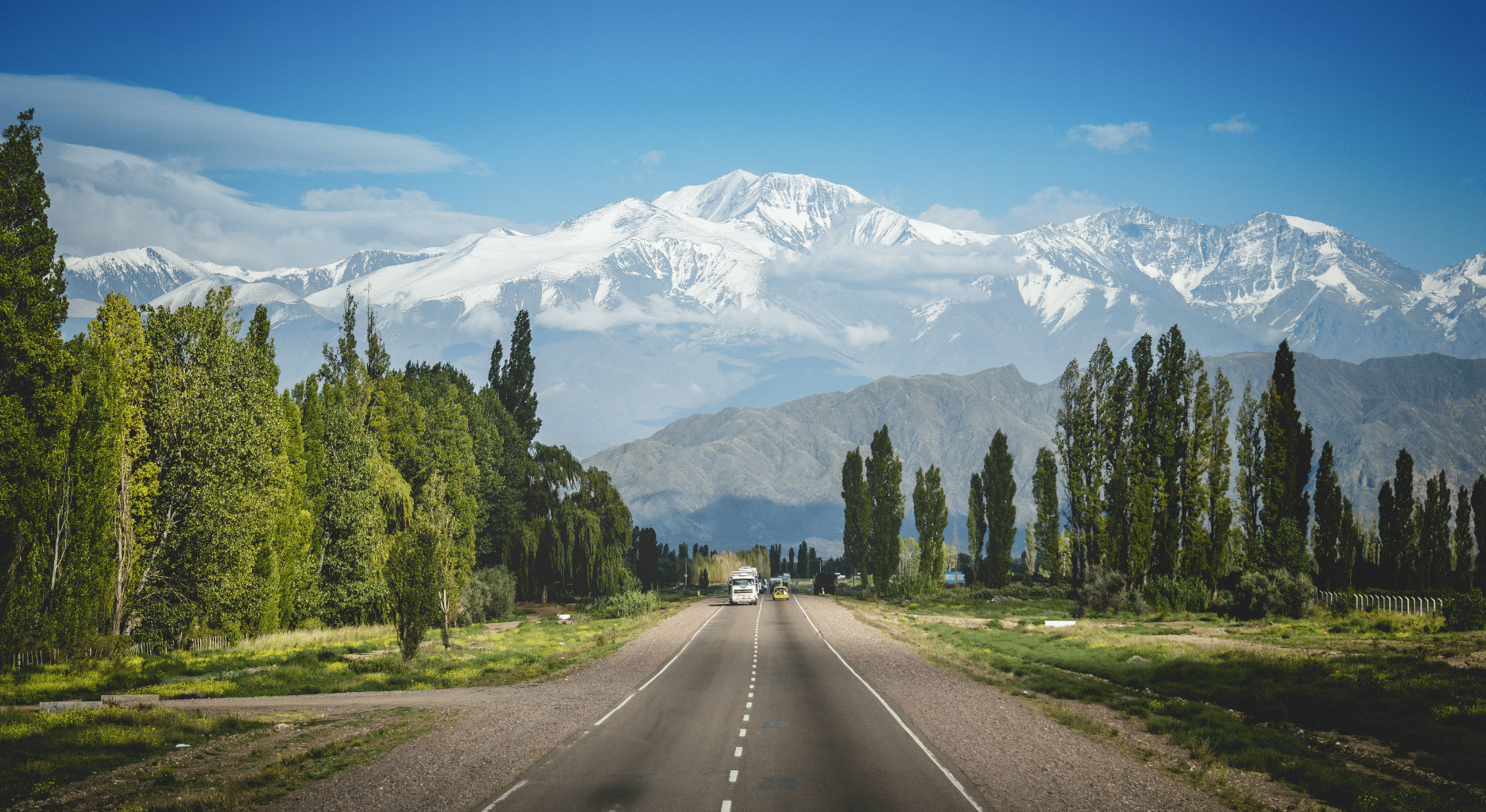

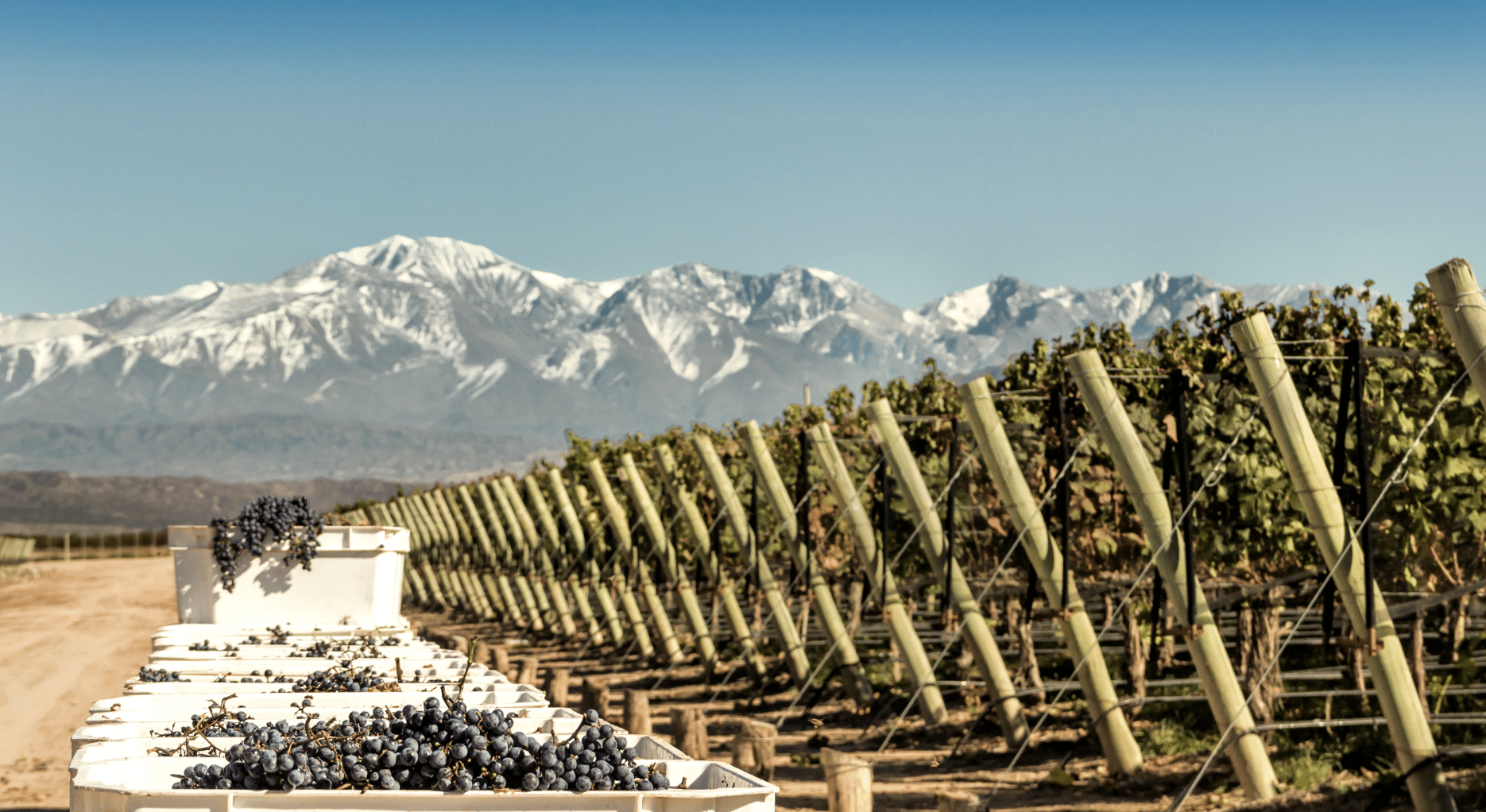
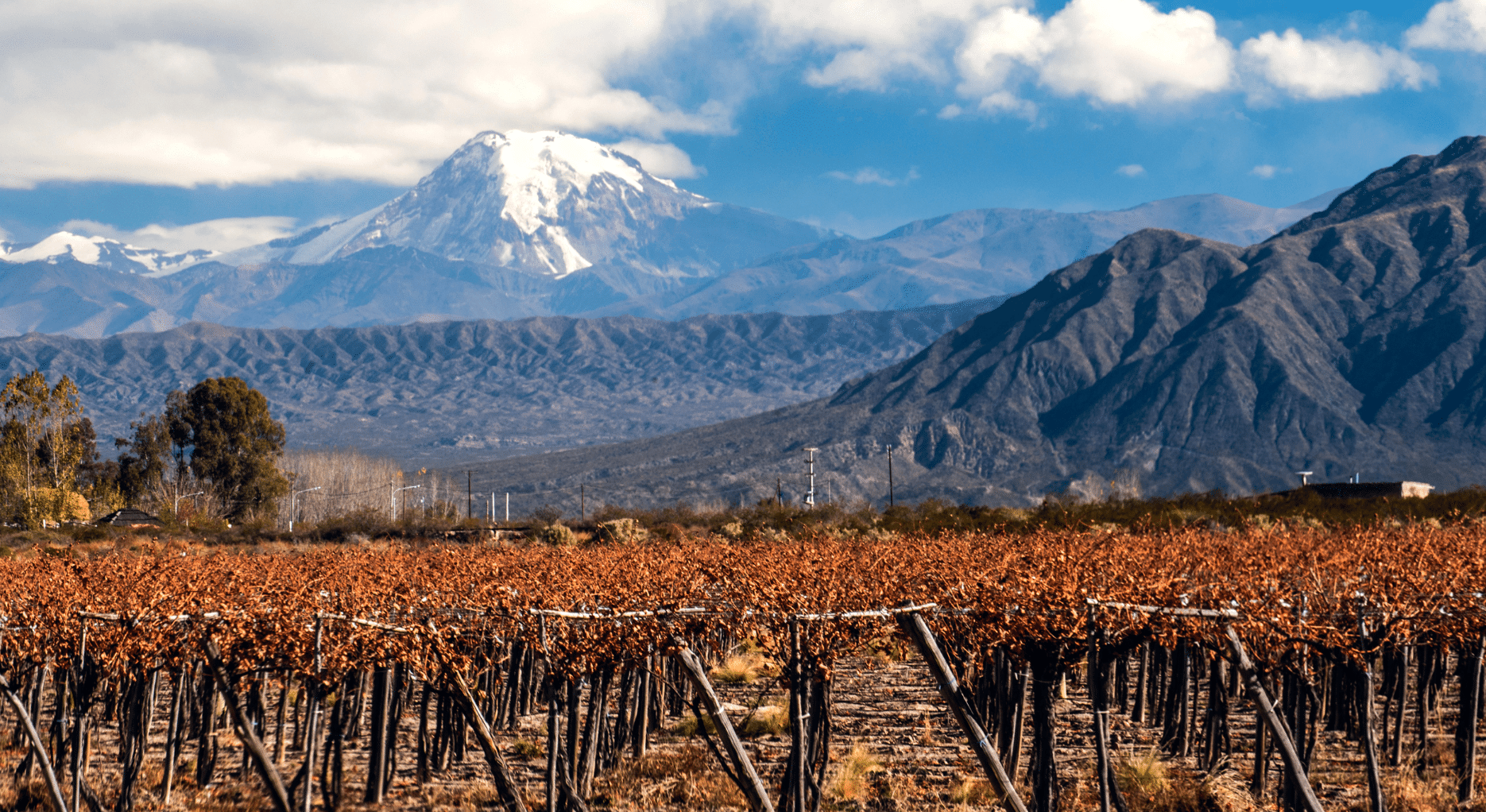
Mendoza is Argentina’s primary wine region and has become one of South America’s most compelling destinations for serious wine travelers. The region sits in the foothills of the Andes, which means the landscape is visually dramatic: mountains rising directly from vineyards, the wine region literally framed by peaks.
Mendoza produces roughly 70 percent of Argentina’s wine and dominates the country’s wine identity. The region developed around Malbec, a French varietal that had struggled in its native Bordeaux but found ideal expression in Mendoza’s terroir. The climate is high altitude (roughly 2,500 to 3,500 feet above sea level), semi-arid, with significant temperature variation between day and night. These conditions create wine with concentrated fruit, balanced acidity, and complexity that rewards serious attention.
Malbec is the definitive Mendoza expression, but the region also produces excellent Cabernet Sauvignon, Syrah, and increasing amounts of white wines (particularly Torrontés, an indigenous Argentine varietal). The diversity of microclimates means different areas within Mendoza produce distinctly different wine expressions.
The wine culture here is less pretentious than European regions. Producers are ambitious about quality but relaxed about formality.

The Regions Within Mendoza
Mendoza encompasses several distinct wine-producing areas, each with different character and terroir.
Maipú and Luján de Cuyo
These adjacent regions closer to the city are the oldest and most established. Maipú focuses on Malbec and produces wines with fruit-forward character. Luján de Cuyo sits closer to the mountains and produces more elegant, mineral-driven expressions.
The infrastructure for wine tourism is most developed here. Most wineries have tasting rooms and restaurant facilities. The landscape combines vineyard with emerging urban development from the nearby city.
Uco Valley (Tupungato, San Carlos, Tunuyán)
South of the main city, higher altitude and more remote. The landscape is more dramatic and less touched by urban proximity. The wines reflect the higher altitude and cooler nights: more elegance, more structure, less fruit-forward expression.
Producers here are often more focused on serious winemaking than tourism experience. The infrastructure is less developed but rapidly expanding. Many luxury properties have been built here in recent years.
East Bank
Newer region with emerging producers. Less established tourism infrastructure. Fewer visitors, which appeals to travelers seeking discovery over famous names.
Understanding Mendoza Wine Properly
The best wine experiences involve tasting with context rather than collecting tasting room stamps. This means:
• Visiting fewer wineries per day (three maximum, ideally two if doing serious tastings).
• Spending 90 minutes to two hours per visit rather than rushed 30-minute tours.
• Engaging with actual winemakers or trained staff who can discuss production decisions, not just flavor notes.
• Tasting wine in context of food rather than in isolation.
• Understanding the terroir (landscape, climate, soil) that produces the wine.
Most travelers do Mendoza wrong by trying to visit six to eight wineries per day. This exhausts your palate, prevents genuine engagement, and reduces wine to tourism checkbox rather than learning opportunity.
High-End Wineries Worth Visiting
The distinction between famous wineries (which can be touristy) and serious producers (which may be less famous but more rewarding) matters significantly.
Maipú Area
Established producers with serious reputation and excellent infrastructure. These wineries balance tourism access with genuine commitment to winemaking. Expect professional tasting rooms, excellent restaurants, and knowledgeable staff.
Luján de Cuyo
Mix of established and emerging producers. The terroir here emphasizes elegance and mineral expression. Many top Malbec producers are based here. Some wineries are visibly tourist-focused; others remain primarily production-focused with limited tourism infrastructure.
Uco Valley Producers
Increasingly serious producers focusing on high-altitude terroir. Many were planted in recent decades with deliberate quality focus. Wineries here range from small family operations to newer luxury properties. The landscape is more dramatic than lower-altitude vineyards.
The wines often express more mineral character and less fruit-forward character than lower-altitude versions. Visiting these requires slightly more planning but rewards with discovery and genuine engagement with producers.
Small Family Producers
Many of Mendoza’s most interesting producers are small operations where the owner/winemaker conducts tastings. These typically require advance arrangement. The experience is more personal. The wines are often distinctive rather than commercially focused. Finding these requires either local connections or working with specialists rather than standard tourism booking.
The Wine Education Approach
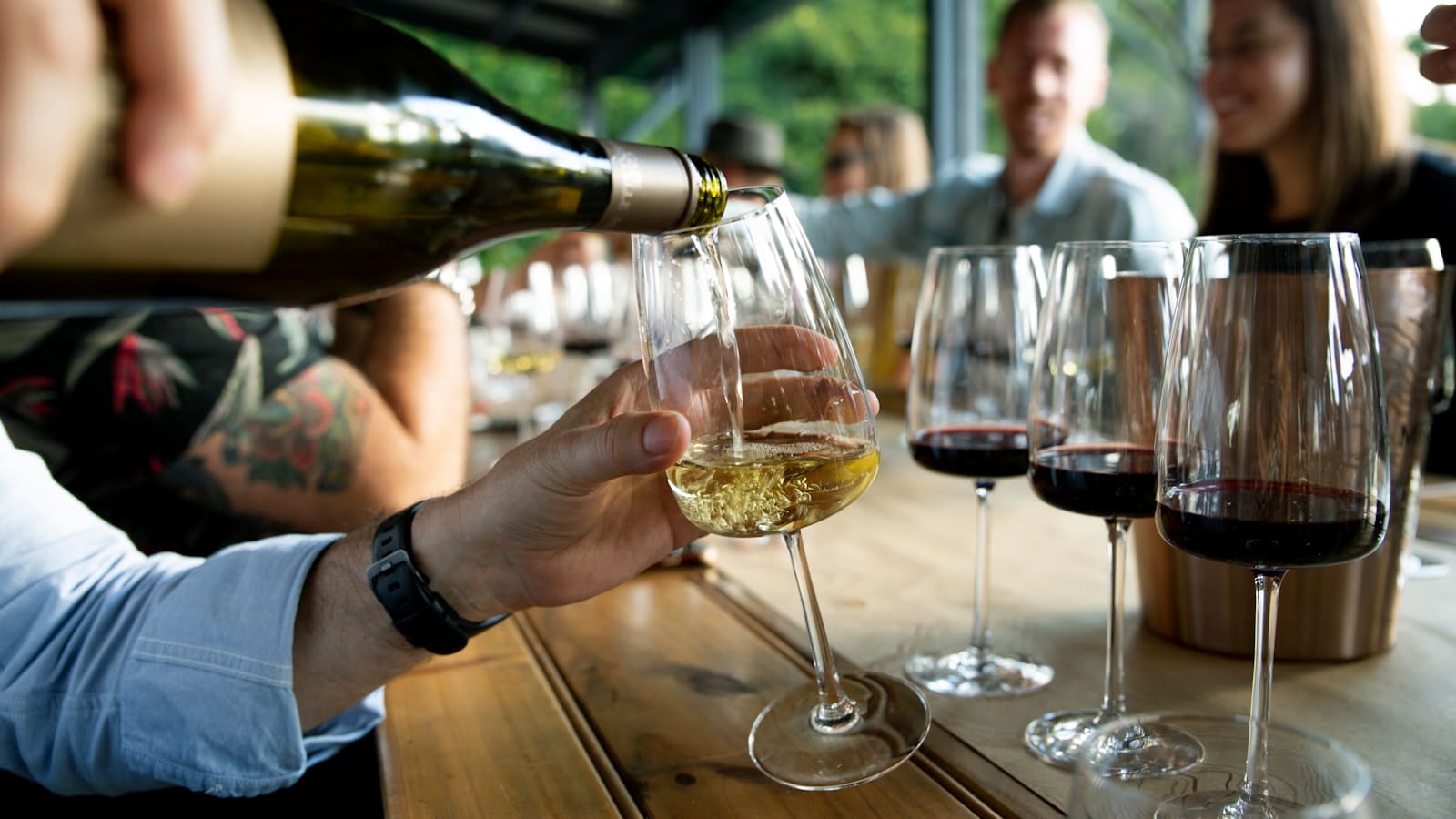
Rather than rushing through wineries, structure your visit around actual wine understanding:
- Day One: Orientation and Baseline
Visit one established winery. Taste broadly (several varietals and styles). Understand how Mendoza expresses different grapes. Ask about terroir differences between regions. End with food pairing understanding. - Day Two: Depth in One Region
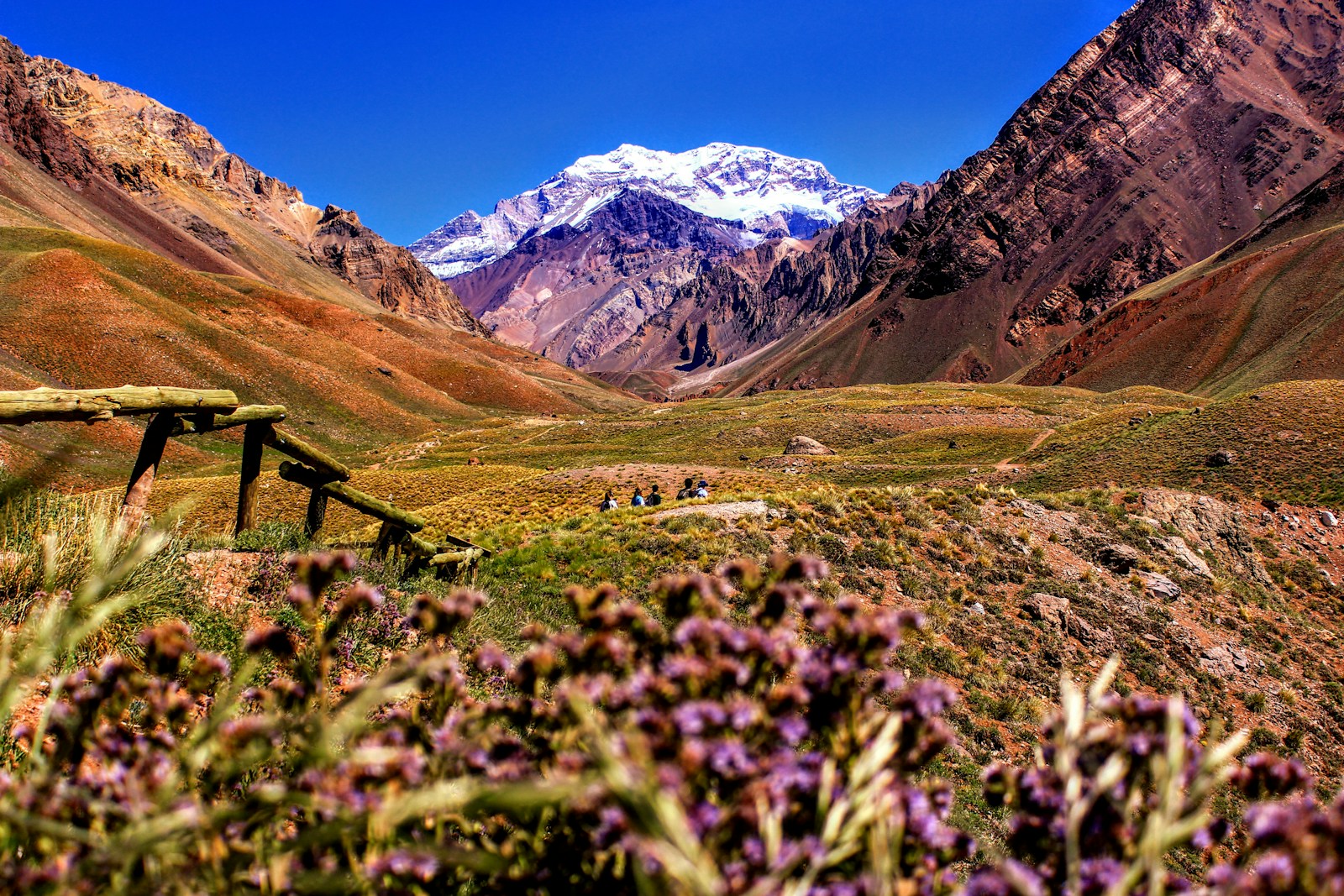
Focus on either Maipú, Luján de Cuyo, or start toward Uco. Visit two wineries in the same region. Compare wines produced from similar grapes but different terroir. Understand how landscape creates wine differences. Engage with staff or winemakers about production decisions. - Day Three: Uco Valley or Alternative Focus
If interested in high-altitude terroir, drive to Uco Valley (90 minutes to two hours). Visit producers here. Taste wines expressing different altitude positioning. Understand how cool nights and intense sun create specific characteristics. - Day Four: Producer Choice or Deeper Engagement
Based on what’s emerged from earlier tastings, revisit a producer you want to understand more deeply, or focus on a specific varietal or style.
Where to Stay
Mendoza City
The primary city offers urban positioning, excellent restaurants, museums, and galleries. Hotels range from corporate to design-focused properties. Staying in the city allows evening exploration of neighborhoods, restaurant culture, and contemporary Mendoza. You drive to wineries during the day and return to urban amenities in evening.
The city itself is worth time. The plaza system (the city has multiple central plazas) provides gathering spaces. Parks offer green space and relief from urban intensity. The city has cultural institutions, particularly focused on wine history and regional identity.
Luján de Cuyo or Maipú
Positioning directly in wine country allows shorter drive times to wineries and positioning within agricultural landscape. Many luxury properties have been built here in recent years. These range from design-forward lodges to converted estancias (traditional ranches) to contemporary luxury properties. Staying here positions you directly in wine region but reduces city exploration.
Uco Valley
High-altitude wine country with dramatic landscape. Several luxury properties have been built here recently. Positioning here requires committing to the region and accepting more remote positioning. The landscape is more dramatic. Producer access is good because fewer tourists concentrate here. The sensory experience is more intense.
When to Visit
March to May (Autumn)
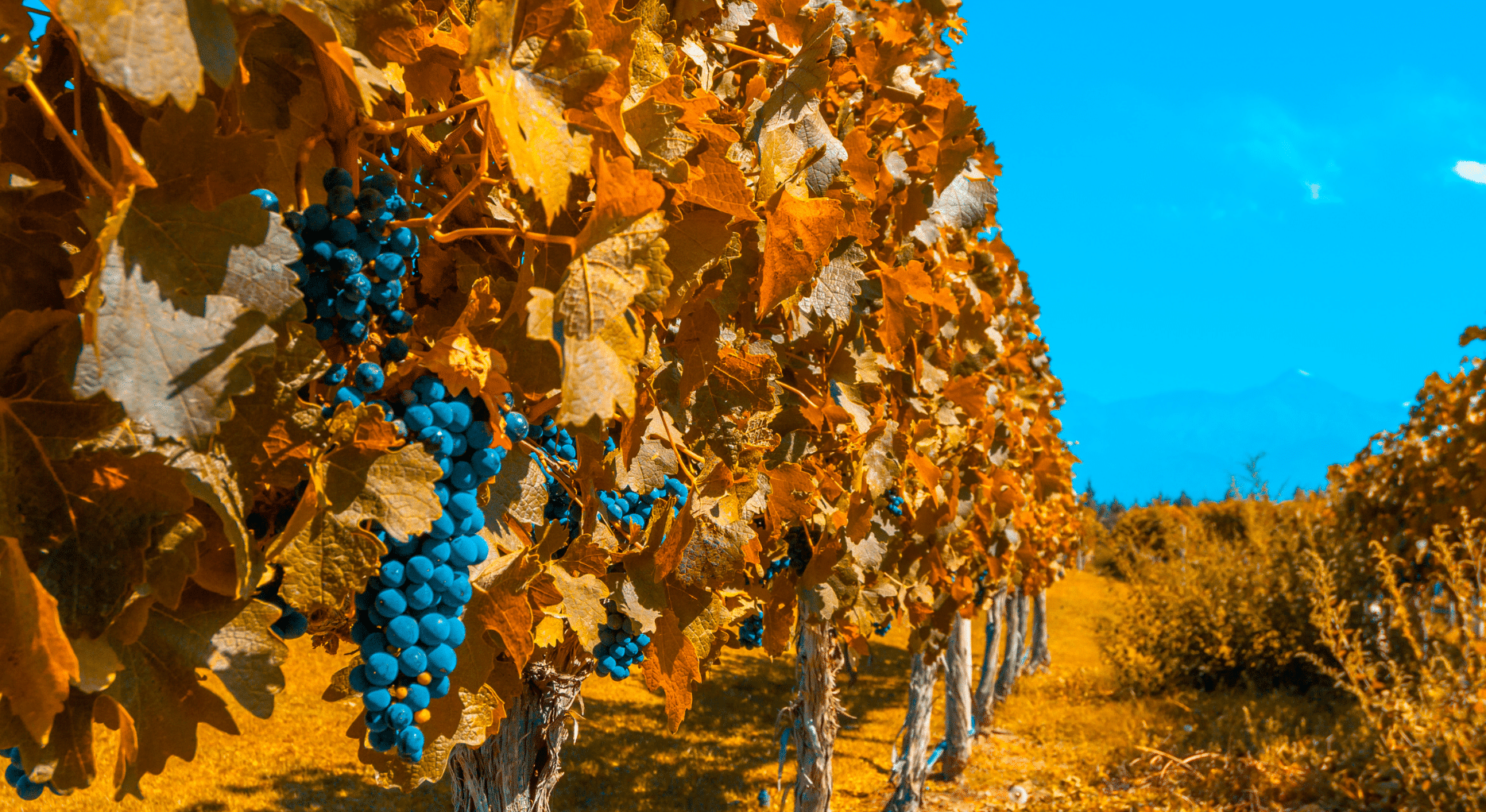
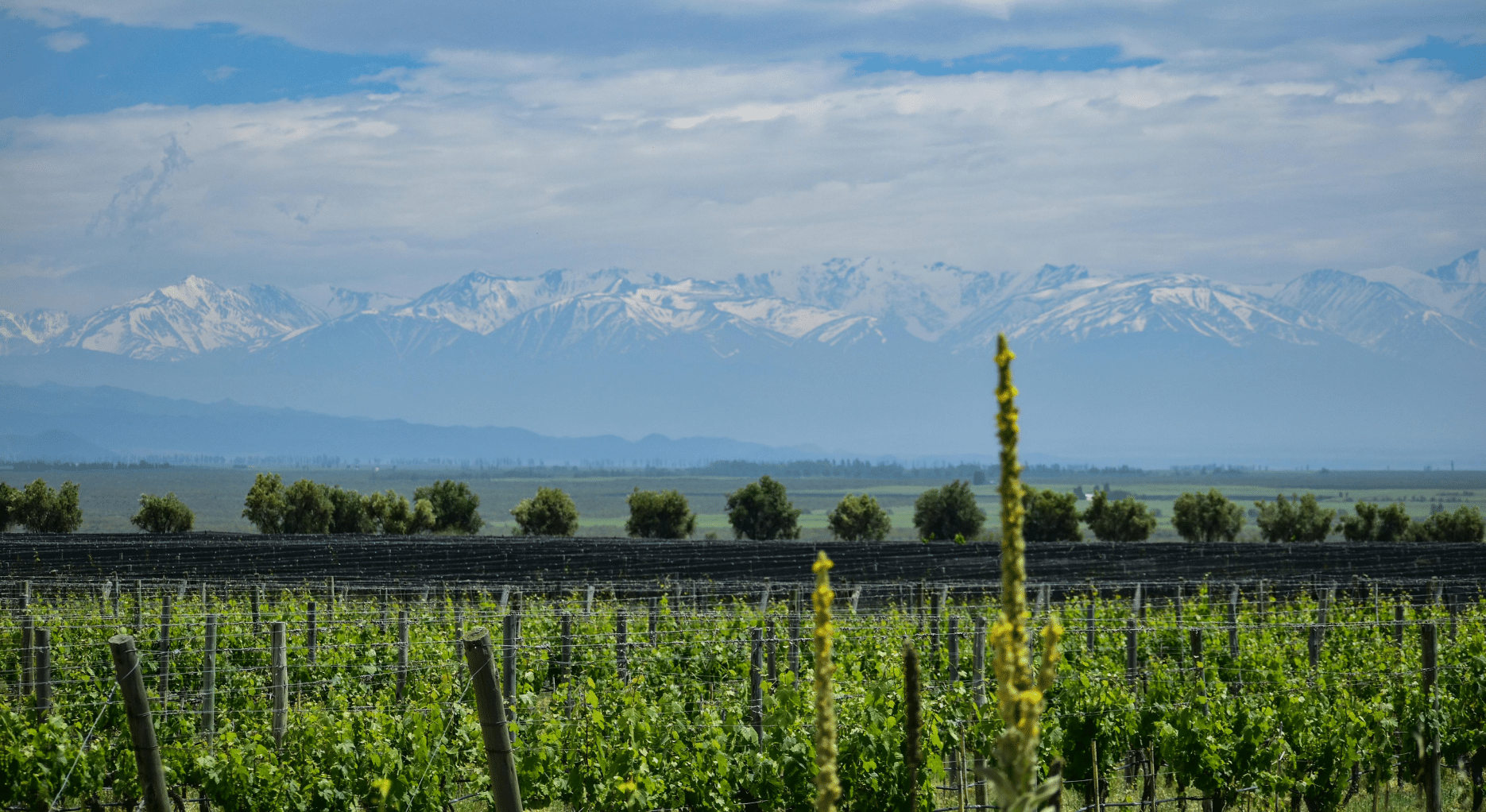
Optimal window. Harvest happens during this period, which means producers are active, the energy in wineries is high, and you catch winemaking in progress. Temperatures are comfortable (70 to 80 degrees Fahrenheit). The landscape is visually compelling as vegetation shifts. Tourist season hasn’t peaked, so wineries are less crowded.
September to November (Spring)
Pleasant temperatures, emerging growth, flowers blooming. Wineries are quiet (post-harvest production period), which allows focused tastings. Tourist season begins building. Good for wine appreciation, less compelling for experience of harvest activity.
December to February (Summer)
Hot (85 to 95 degrees Fahrenheit regularly, sometimes hotter). Tasting rooms are comfortable, but exterior experience is challenging. Tourist season peaks, which means crowds at popular wineries. The landscape is fully green. Not ideal unless you specifically want to avoid cold.
June to August (Winter)
Cool to cold (50 to 65 degrees Fahrenheit), occasionally freezing at night. Low tourist season. Wineries are operating but quieter. The landscape appears dormant. Not ideal for comfort but offers authentic experience without tourism crowds.
March to May is optimal for balance of weather, activity, and landscape interest.

Logistics and Transportation
We can arrange a driver or private guide who knows the region, understands specific producers, and can share local knowledge. This is a better option than driving yourself — it can be daunting if you’re unfamiliar with the region.
Flying into and out of Mendoza is straightforward (direct flights from Buenos Aires, roughly two hours).

Wine Purchasing and Shipping
Mendoza wine is reasonable relative to quality (USD 15-40 for solid bottles, USD 40-100 for serious producers, USD 100 plus for premium releases). Most travelers purchase wine while visiting.
Shipping from Argentina to the United States is complicated by regulations. Options include shipping through wine retailers with import capabilities or carrying bottles in checked luggage (limit varies by airline). Clarify shipping logistics before purchasing aggressively.
Beyond Wine
Mendoza offers experiences beyond winemaking. The Andes provide hiking and outdoor experiences. The city has museums, particularly the Museo del Vino (Wine Museum) and Museo Cornelio Saavedra (regional history). Small towns throughout the region (San Martín, Tunuyán) provide local culture and food experiences.
Many travelers combine wine focus with day hikes, local market visits, or cultural experiences rather than doing wine exclusively.
Ready to Plan Your Mendoza Wine Journey?
Mendoza wine experiences are shaped entirely by pacing, producer selection, and genuine engagement rather than rushing through quantity. The region offers excellent wine, dramatic landscape, sophisticated accommodation, and food culture that justifies extended meal times.
At Do Not Disturb, we arrange Mendoza experiences through direct producer relationships, coordinate private guides with genuine wine knowledge, book accommodations with character and positioning, and structure itineraries that prioritize depth and learning over tourism performance.
Whether you want focused five-day wine immersion, comprehensive eight-day journey exploring multiple regions, or extended stays combining wine with landscape experience, we build itineraries that match your wine knowledge level and learning interests.
Enquire with us to discuss your Mendoza wine journey and how we can position it properly.
Suggested articles
A Guide to Sri Lanka’s Tea Plantations
The Maldives Fixed Its Arrival Problem: Inside the New Velana Airport
The Best Islands in Australia for a Luxury Beach Vacation

How to Plan a Luxury Australian Outback Experience
A Luxury Guide to Australia’s Wine Regions

How to Plan a Luxury Trip to Australia’s Great Barrier Reef
The Best Luxury Hotels in Seychelles

Best Caribbean Islands for Private Jet Travelers
Island-Hopping in the Caribbean: The Best Routes for a Luxury Trip
Santorini or Mykonos: How to Choose the Best Greek Island for You
The Athens Riviera: Greece’s Glamorous Coastline Beyond the Islands
Paros: The Greek Island Stealing Attention from Mykonos and Santorini
The Best Greek Islands for Luxury Travel: How to Choose the Right One