Rioja is not a single wine region; it’s a confederation of three distinct territories, each with its own climate, soil, winemaking philosophy, and unmistakable personality.
Rioja Alta: Birthplace of Modern Spanish Wine
Haro is the undisputed capital of Rioja Alta, and walking into the Barrio de la Estación (the Station Quarter) is like entering a museum that pours wine. This compact neighborhood holds the highest concentration of prestigious century-old wineries anywhere in Spain: CVNE (founded 1879), La Rioja Alta (1890), Bodegas Muga (moved here in 1970), Lopez de Heredia (1877), Bodegas Bilbainas (1901), Gomez Cruzado (1886), and Roda (1989).
These wineries developed in the 1870s and 1880s partly because of proximity to the railway station, but also because Rioja became a refuge when French phylloxera devastated Bordeaux vineyards. French merchants fled here, bringing techniques that would permanently shape how Rioja is made.
What makes Rioja Alta wines distinctive is the combination of cooler Atlantic climate and soils rich in iron-clay and limestone. The higher elevation in this western zone means grapes ripen more slowly, developing bright acidity and structure rather than the riper, fruit-forward profiles found in warmer areas. Tempranillo from Rioja Alta ages beautifully in oak, developing elegant complexity over years or decades. The traditional style here emphasizes oak influence, often using American oak, which imparts vanilla and spice notes that have become synonymous with classic Rioja.
The Barrio de la Estación hosts La Cata del Barrio de la Estación, typically held in June and September, where all six major wineries open their cellars for tastings accompanied by tapas from acclaimed chefs. Outside festival season, we can arrange a Barrio de la Estación Passport, which grants access to six wine bars within the historic district where you can sample different producers across a full year.
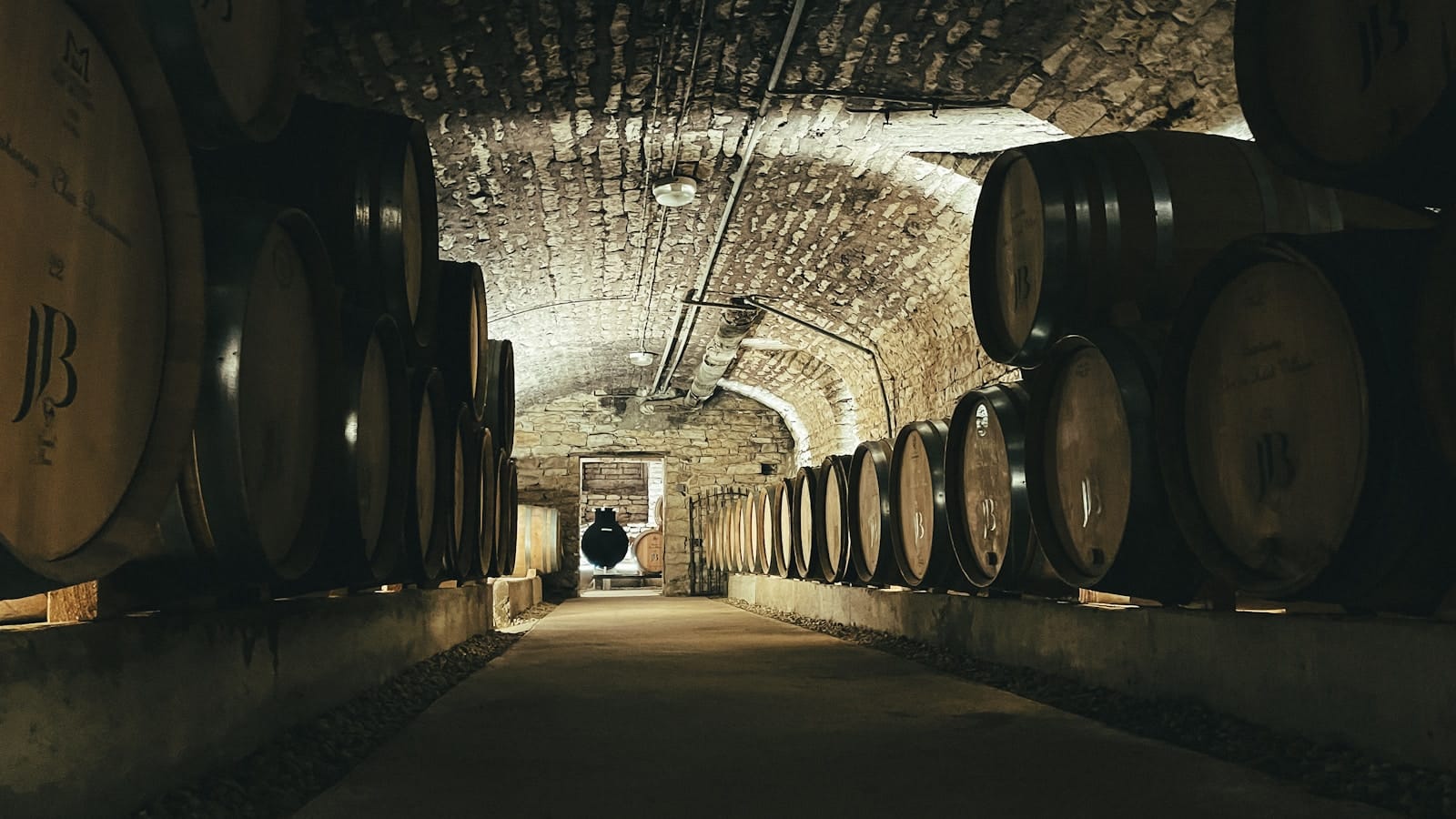
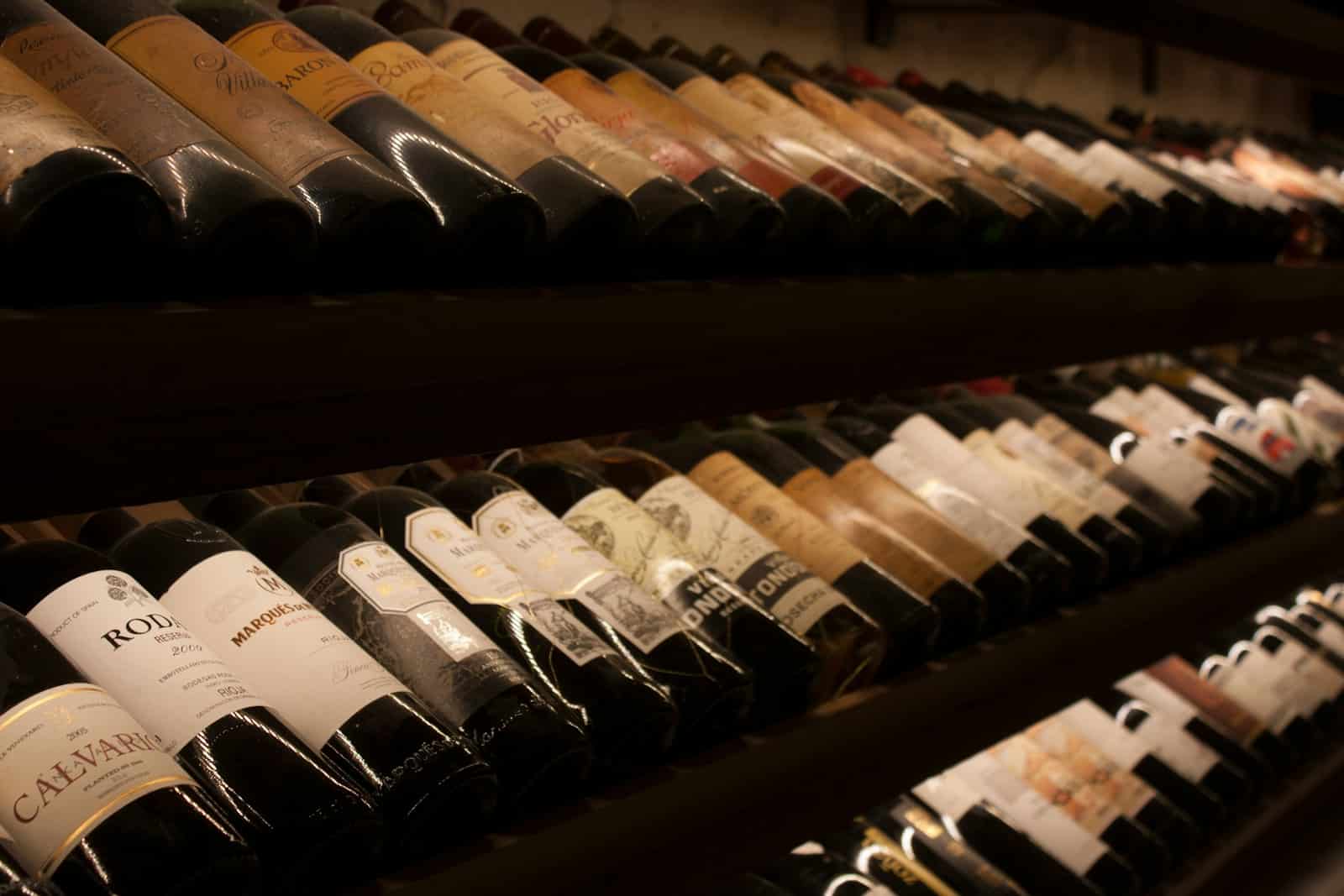
Individual winery visits are straightforward: most offer tours through aging cellars containing barrels stacked from floor to near-ceiling, and vintage libraries where bottles dating back to 1862 (the first vintage ever bottled in Rioja) sit in climate-controlled repositories.
Haro’s architecture mixes belle-epoque stone buildings with contemporary interventions. The Church of Santo Tomás has a plateresque entrance by Felipe Vigarny from the 16th century. The town itself is walkable, with restaurants and tapas bars concentrated near the plaza. Logroño, the administrative capital of La Rioja, lies 45 minutes south and offers broader accommodation and dining options.
For luxury accommodation, the Hotel Los Agustinos in Haro occupies a converted 19th-century convent and military assembly building. Its cloister, renovated with a glass dome ceiling and contemporary design, serves as the hotel’s centerpiece. You can walk to the Barrio de la Estación from here in under 15 minutes.
Rioja Alavesa
Cross the Ebro River northward, and you’re technically in the Basque Country, though administratively still part of Rioja. Rioja Alavesa is smaller than Rioja Alta, cooler (the northernmost sub-region, influenced by Atlantic winds), and culturally distinct. The landscape shifts from the rolling vineyards of the west to terrain framed by the Sierra de Cantabria mountains. This is boutique winery country, where innovation meets tradition in unexpected ways.
Laguardia is the regional capital, a medieval hilltop town founded in the 10th century as a defensive fortress for the Kingdom of Navarre. The name means “The Guardian.” Today it guards wine rather than borders. Medieval walls still enclose the town, with five gates providing access to narrow cobblestone streets where cars are banned from the historic center.
Underground, Laguardia sits atop centuries-old wine cellars; some date to the Middle Ages, when monks produced wine in subterranean chambers. Casa Primicia is the oldest civil building in town (11th century) and has been a winery since the 15th century, now run by the local church to produce wines under its name. Bodega El Fabulista sits seven meters below a 17th-century palace, in rooms once inhabited by Félix María Samaniego, whose fables made him Spain’s earliest known poet.
What defines Rioja Alavesa’s character is how its producers have embraced modernism without abandoning tradition. Yes, there are underground medieval cellars, but Rioja Alavesa is also home to the Frank Gehry-designed Hotel Marqués de Riscal, with its titanium-ribboned roof meant to evoke a wine cup and bottle cap.
The winery that built this hotel, Marqués de Riscal, was founded in 1858 and remains one of the region’s most significant producers. The hotel features 61 rooms with avant-garde interiors designed by Gehry himself, employing asymmetric floor-to-ceiling windows, design-driven furnishings, and views across vineyards toward the Sierra de Cantabria.
There are two Michelin-starred restaurants under the direction of chef Francis Paniego, a vinotherapy spa using Caudalie treatments, and daily tours of the winery that pass through a bottle cellar (the “Cathedral”) containing eight million bottles, including the entire Marqués de Riscal vintage collection dating to 1862.
The Rioja Alavesa vibe is more youthful and experimental than Rioja Alta, without sacrificing quality. Many producers here have rejected the heaviest oak aging in favor of French oak and extended skin contact for more tannic, terroir-focused wines.
The wine styles are often fuller-bodied than Rioja Alta due to slightly warmer microclimates despite the higher elevation. The towns are less about grand historic patina and more about literary and cultural history. Laguardia itself is worth exploring beyond wine: the Church of Santa María de los Reyes has a stunning Gothic portico polychromed by Juan Francisco de Rivera in the 17th century. The view from Paseo del Collado, a promenade along the old walls, stretches across vineyards to the mountains. The town’s restaurants focus on Basque-influenced cuisine rather than broader Spanish gastronomy.
For luxury hotels in the immediate area, the Hotel Marqués de Riscal in Elciego (5 kilometers from Laguardia) is the unequivocal choice if you want to stay on a working historic estate. Suites range widely in price; the property offers complimentary wine upon arrival and access to all winery facilities, spa, and restaurants.
Rioja Oriental
Travel east from Logroño toward Alfaro, and the landscape flattens. The Sierra de Cantabria recedes into the distance. The climate becomes more Mediterranean: hotter days, lower rainfall, more consistent sunshine. This is Rioja Oriental (formerly called Rioja Baja, renamed in 2018 to shed its historical reputation as the “lesser” region).
For decades, Rioja Oriental was the workhorse of the denomination. It produces 40 percent of Rioja’s total wine despite occupying less than a third of the region’s vineyard acreage because of higher yields in the warmer climate.
Historically, winemakers from Rioja Alta and Alavesa would buy Garnacha from Oriental growers to blend into their own wines, adding depth and spice to Tempranillo-based blends. Garnacha thrives in heat and produces wines that are high in alcohol, full-bodied, and intensely fruit-forward. The soil here is alluvial, more limestone-rich at higher elevations but less structured overall than the chalky-clay soils of Alavesa or the iron-clay of Alta.
The turning point came when younger producers began making single-varietal Garnacha and seeking recognition for wines based on regional expression rather than what Rioja Alta deemed suitable.
Now Rioja Oriental is experiencing something resembling a cultural shift. More organic and sustainable producers are setting up because the dry climate eliminates many disease pressures. Wineries like Bodegas Palacios Remondo and Bodegas Ontañón are producing wines of genuine complexity and ambition.
Ramón Bilbao released a collection of single-vineyard Garnacha wines from Oriental that garnered serious critical attention. The region is also becoming known for excellent rosé, made using the saignée technique (limited maceration before fermentation) that yields deep salmon color and intense red-fruit flavors without the weight of full red wine.
How to Actually Experience Rioja: Beyond the Tasting Room
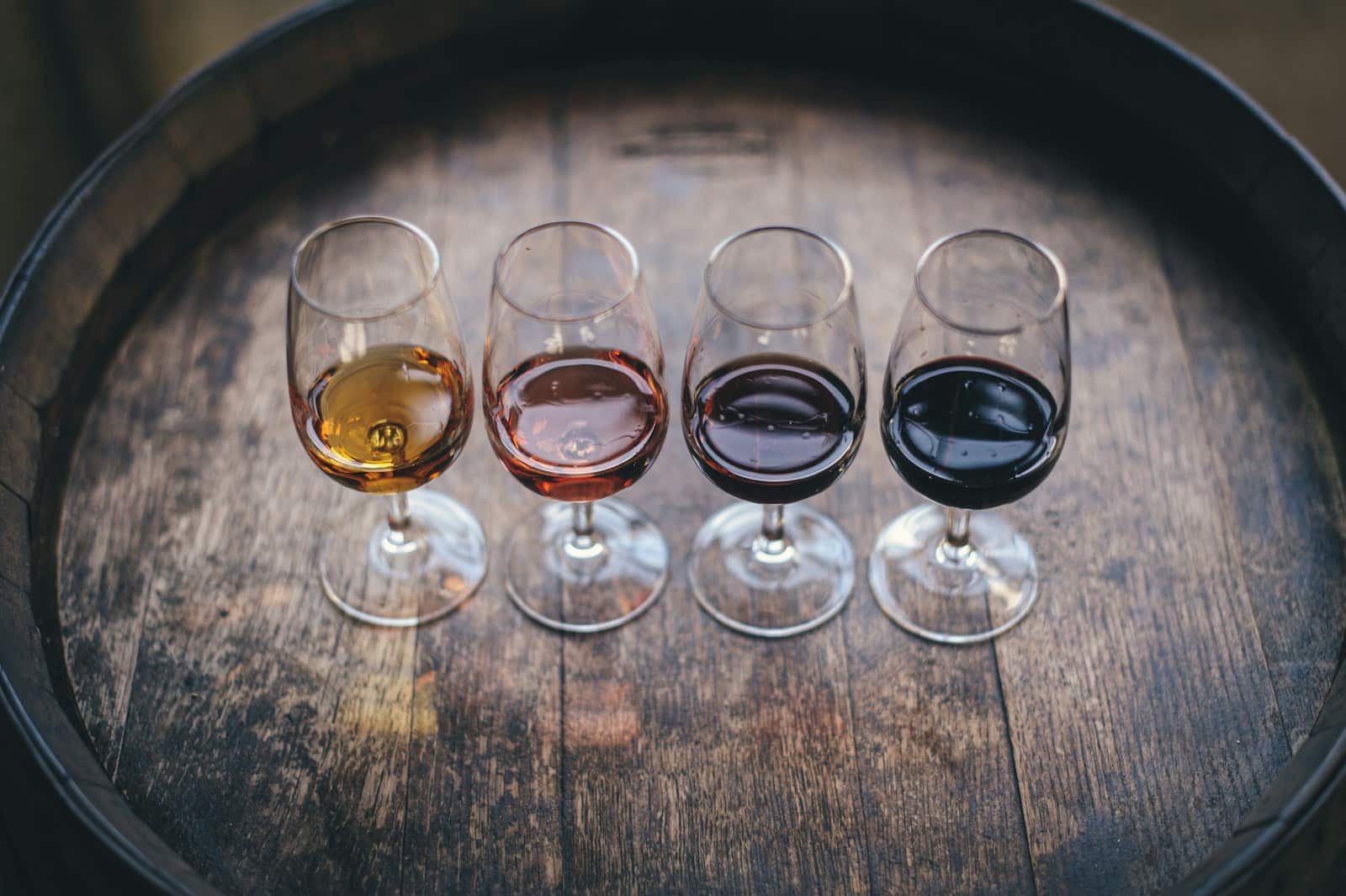
The most sophisticated wine tour in Rioja doesn’t start in a barrel room. It starts with understanding the region’s classification system, which reflects aging, not quality. Joven wines (unoaked or very lightly oaked) are meant for immediate drinking. Crianza must age for at least two years, with one year in oak. Reserva requires at least three years with one year in oak. Gran Reserva demands at least five years with 18 months in oak. These designations appear as colored bands on the bottle neck. A Gran Reserva from Rioja Alta in a good vintage can age for decades, but a Crianza from Rioja Oriental might drink beautifully now at superior value.
Visiting wineries requires advance booking at most properties. The experience ranges from professional tours (large producers like CVNE offer structured 90-minute visits with barrel rooms, bottle cellars, and formal tastings) to intimate sessions (family-owned bodegas in Laguardia where the owner might pour for you directly).
Expect to taste three or four wines per visit. The better wineries conclude with cheese and iberian ham. Plan two to three wineries per day; more feels rushed, and wine touring is about the experience, not a collecting competition.
The Food Dimension
Rioja wine touring cannot be separated from food. The region’s traditional cuisine centers on simple, high-quality ingredients: lamb grilled over vine prunings (cordero al sarmiento), potatoes with chorizo and peppers (patatas a la riojana), and piquillo peppers.
San Sebastian in nearby Basque Country has become synonymous with high-end cuisine, but Rioja itself offers excellent restaurants at lower price points. In Haro, restaurants near the plaza serve regional specialties with wine lists focused on local producers. In Laguardia, several modest restaurants serve lunch after winery visits.
The Michelin-starred restaurants at Hotel Marqués de Riscal in Elciego (led by chef Francis Paniego) represent the highest-end dining experience in the region, though without the formality of restaurant-only fine dining.
Most wineries include regional cheese, cured meats, and sometimes full meals with restaurant partners. Asking about lunch options when booking tasting visits ensures you’re not searching for food options in the afternoon.
Ready to explore Rioja through its three distinct wine regions with clarity and ease? Speak with Do Not Disturb to curate a journey across Alta, Alavesa and Oriental.
Related destinations
Suggested articles
Gaudí’s Barcelona: How to Understand and Visit His Work
Full Moon Parties in Thailand: The History, the Hype, and the Reality
Koh Samui Luxury Guide: From Fishing Village to Five-Star Island

Exploring Thailand’s Chiang Mai Temple Circuit

Visiting the Ruins of Ayutthaya: Thailand’s Former Capital

How to Plan the Perfect Luxury Trip to Angkor Wat
A Guide to Sri Lanka’s Tea Plantations

The Maldives Fixed Its Arrival Problem: Inside the New Velana Airport
The Best Islands in Australia for a Luxury Beach Vacation
How to Plan a Luxury Australian Outback Experience
A Luxury Guide to Australia’s Wine Regions

How to Plan a Luxury Trip to Australia’s Great Barrier Reef
The Best Luxury Hotels in Seychelles