A quiet journey into the living world of Mayan culture, from iconic ruins to hidden cenotes and contemporary communities. A guide to experiencing the Riviera Maya with context, connection, and considered pace.
The Riviera Maya’s relationship with Mayan culture is layered. Ancient cities sit beside resorts, cenotes are framed as attractions, and archaeological sites can feel like backdrops rather than living history. Yet with a little intention, the region becomes something very different.
Move slowly. Remember that Mayan civilization did not vanish in the 9th century, it evolved and endures. Approach the region this way and the Riviera Maya shifts from sightseeing to something quietly profound. With Do Not Disturb, this is exactly how we design your time here, curating pace and access so the fascinating story of the Mayans comes to life.
Chichen Itza
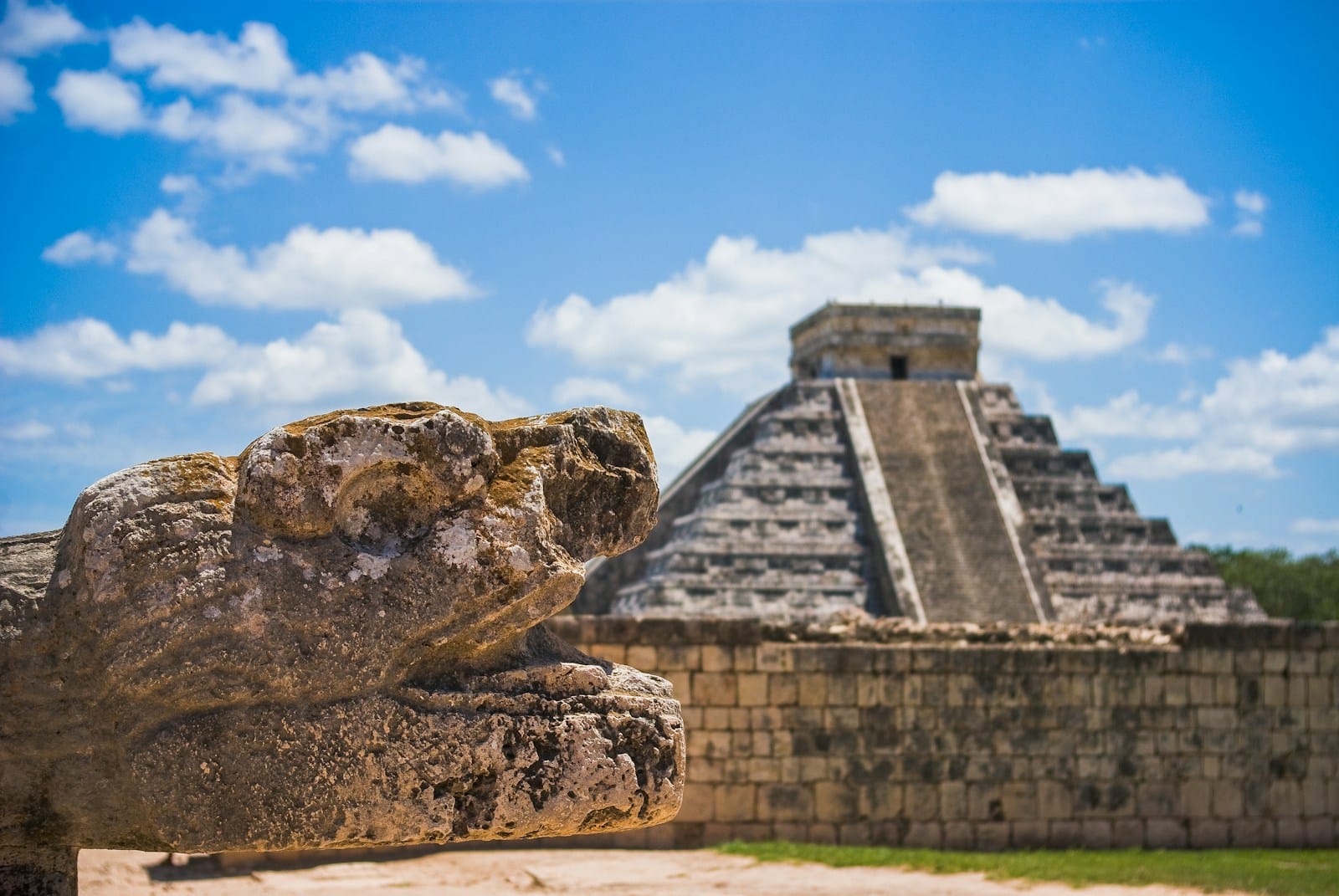
Chichen Itza is inescapable. That is its challenge and its strength. The site stretches across more than 500 acres and holds structures from different periods of Mayan civilization. It is not a single snapshot in time, but a layered record of centuries of habitation and reinvention.
El Castillo, the central pyramid, is visually striking. The real interest lies in understanding what you are looking at. The visible pyramid sits over earlier constructions, each phase representing shifts in power, belief, and engineering. The change in stonework, the variety of architectural styles, the orientation of platforms and stairways, all carry meaning if someone is there to interpret it.
Crowds build quickly here, which can make the site feel rushed. Arrive close to opening and the energy is entirely different. The light is softer on the stone, the soundscape is birds and footsteps rather than loudspeakers and groups. We plan Chichen Itza as an early start with a carefully chosen guide, often pairing it with a quieter nearby stop or a long lunch so you have recovery time rather than a checklist of monuments.
The right guide matters. Not a performer with memorized anecdotes, but someone who has studied Mayan culture and is attentive to your pace. They can show how the pyramid tracks equinox light, explain how the builders worked with limestone and limited tools, and read the social hierarchy embedded in plazas and platforms. At the northern end, they can help you understand the cenote as part of a wider water system and ritual landscape, not just a setting for sacrifice stories that oversimplify both belief and evidence.
The great ball court deserves time. It is the largest in Mesoamerica, and the acoustics are engineered with startling precision. A quiet clap can travel across the space, a whisper can carry in ways that feel almost unreal. Your guide can explain how the game bridged politics, ritual, and sport, and how different interpretations sit side by side in current scholarship.
We typically allow at least three hours for Chichen Itza, including a pause in the small but worthwhile on-site museum. Instead of rushing straight out, we can arrange lunch at a nearby restaurant, or a private transfer onward to a quieter cenote or village visit.
Tulum
Tulum was a port city, a place of connection and exchange. As you walk along its paths, you see fortification walls facing inland, temples oriented toward the sea, structures that speak of trade routes and maritime navigation. Where inland sites often center on ceremonial plazas, here you feel the pull of coastline and currents.
Heat and light shape the experience. At midday the sun is hard and the crowds are dense. Late afternoon, the light softens, the stone turns warmer, and the site slowly empties. Arriving a little before closing, then lingering as the day cools, allows space to notice details in carvings and alignments. We design Tulum visits around these quieter windows and pair them with guides who understand both symbolism and practicality, from iconography in the frescoes to how storms shaped coastal engineering.
There is a beach below the cliffs, and while access is carefully managed, the perspective from sea level is different and powerful. Looking back at the fortified coastline, you feel the city as mariners once did, a landmark of stone above the turquoise water. Where conditions and regulations allow, we can arrange boat-based views of the site or combine your visit with a nearby beach club or private villa.
Coba
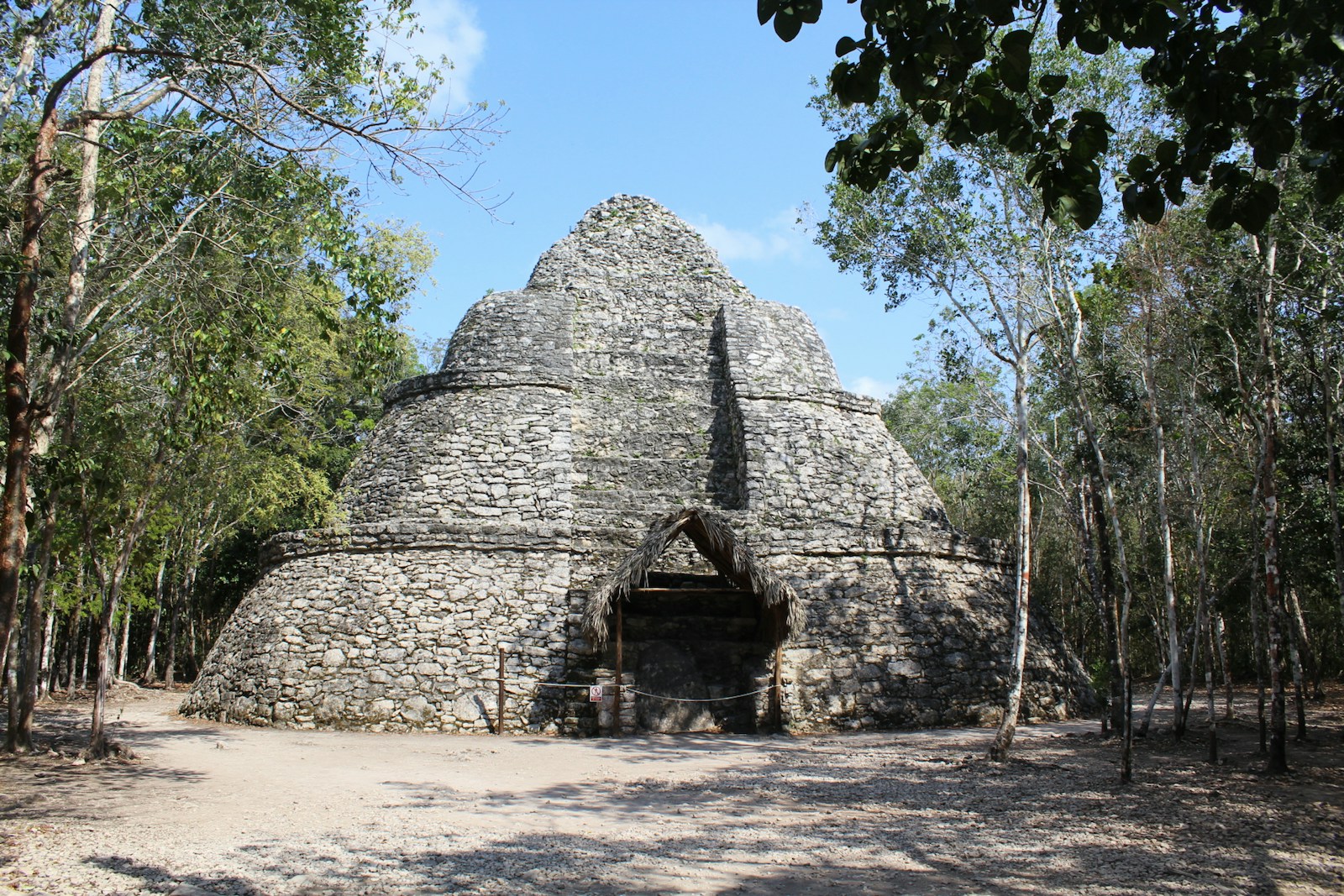
Coba sits within the jungle rather than in a cleared landscape. Paths run through shaded green, with trees, birds, and insects forming as much of the experience as stone. It is a site that still feels embedded in its environment, closer to how it may have felt when people lived here.
The main pyramid, Nohoch Mul, rises above the canopy. Where other major pyramids are now closed to climbing, Coba still offers a high vantage point when safety regulations permit. The climb is steep and physical. At the top the view is dense forest broken by glints of water, a cenote here, a lagoon there. The landscape suddenly makes sense: water sources, raised causeways, and defensive advantages come into focus.
Infrastructure here is lighter. Paths are longer, shade can be humid, and services are more limited than at Chichen Itza or Tulum. This is part of its appeal. It feels less staged, more like exploration than performance. We plan Coba with that in mind, choosing cooler parts of the day, arranging bicycles or simple tuk-tuks where appropriate, and ensuring there is plenty of water, good footwear, and time.
Coba holds ball courts, temples, and stelae carved with historical records. With a skilled guide, these carved stones stop being abstract patterns and become stories of rulers, alliances, and dates that connect to other sites across the Mayan world. We work with guides who know the less-visited paths and can adjust the route to your comfort level.
Cenotes
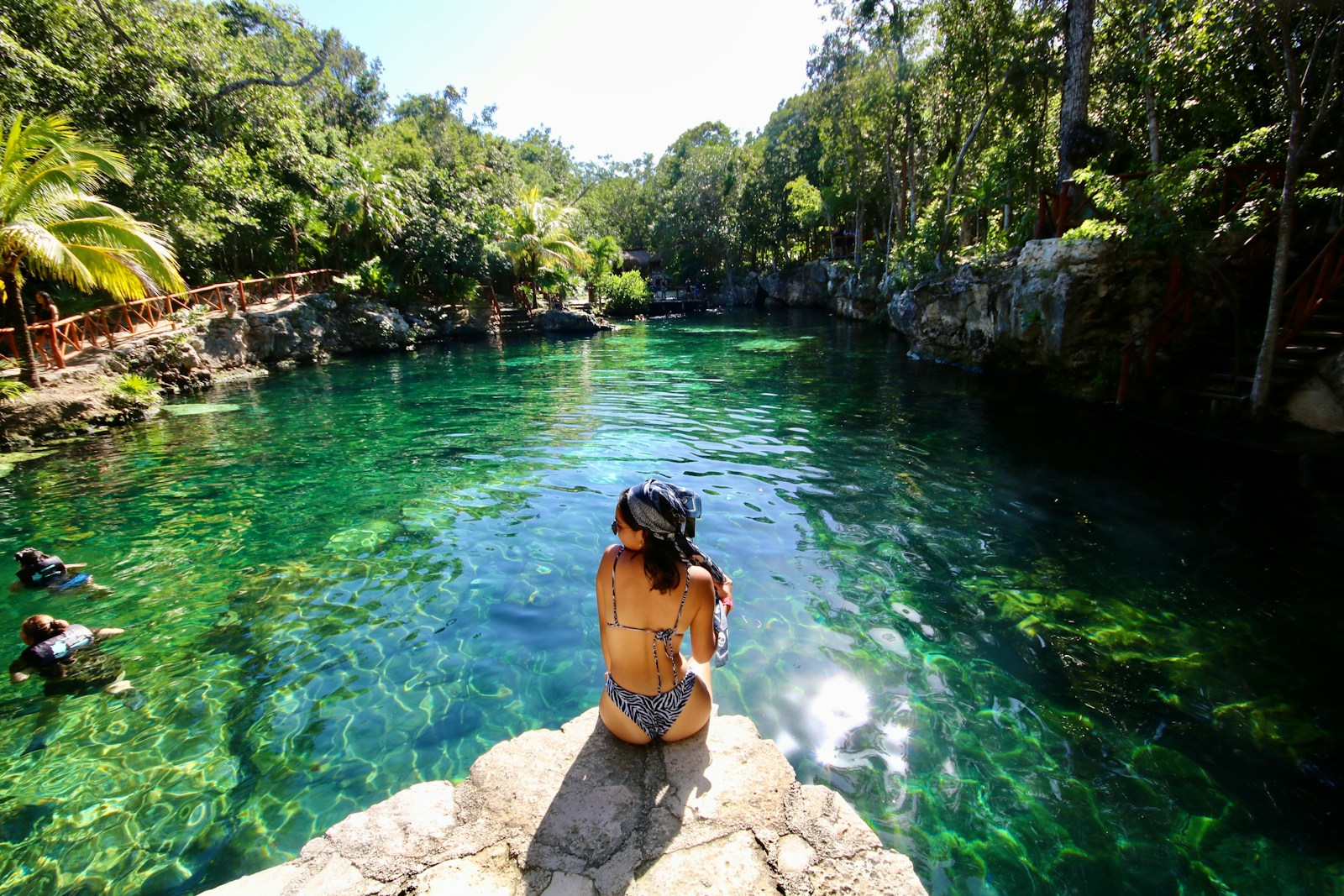
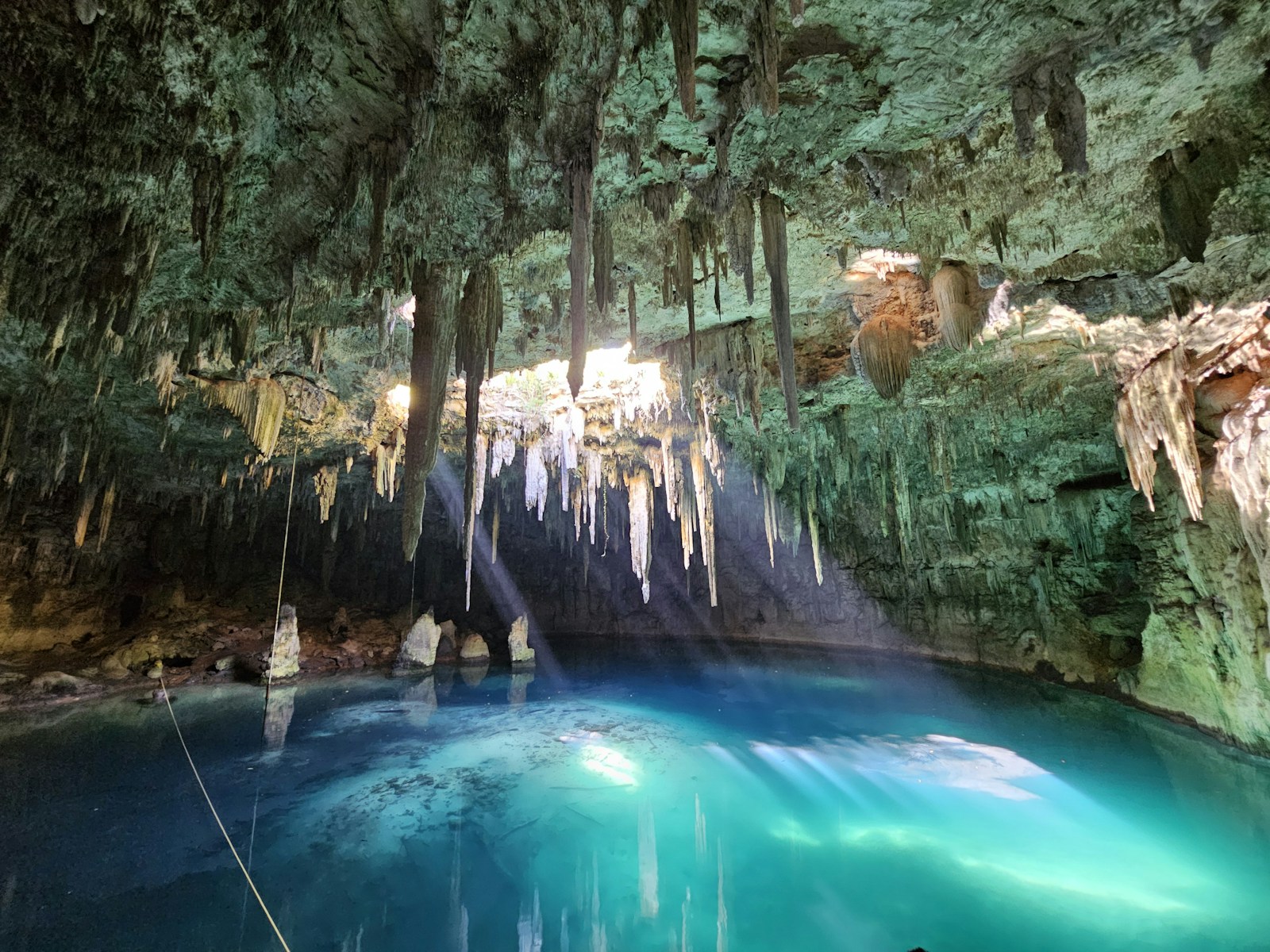
Cenotes are both beautiful and essential. In a landscape without rivers, these sinkholes reveal the freshwater running below the limestone. For the Maya, they were lifelines and sacred spaces, points where the visible and the subterranean met.
Swimming in a cenote is more than a refreshing pause. The water is cool and impossibly clear. Light falls in from above, catching on limestone and leaves. The echo is soft. You feel the rock hold you, the temperature shift on your skin, the sense of enclosure and release.
Around Tulum and throughout the Riviera Maya, some cenotes are heavily commercialized while others remain quieter, often known through local networks rather than signs on the main road. We help you navigate this range, choosing cenotes that align with how you want to feel: contemplative and almost silent, playful and family friendly, or adventurous with gentle floating or snorkeling. We also work with guides who speak to their cultural and ritual significance with care, avoiding simplistic narratives that reduce complex practices to spectacle.
In a few locations you will find modest archaeological remains near the water, evidence of how settlements grew around these natural wells. Understanding how people positioned homes, paths, and ceremonial structures in relation to cenotes gives you a more grounded sense of how life functioned here. We can pair cenote visits with site stops so you see this relationship clearly, rather than treating them as separate experiences.
Contemporary Mayan Culture
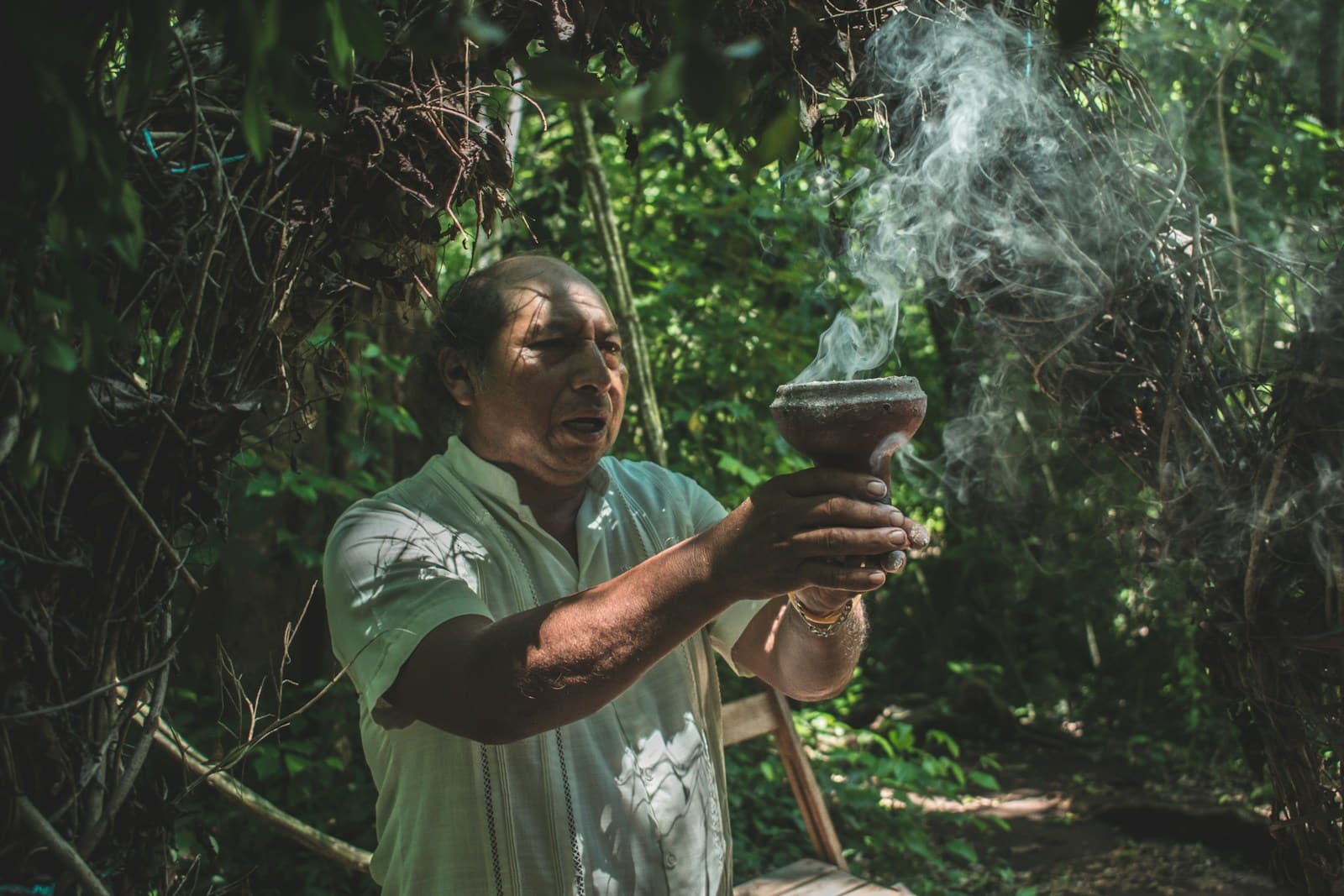
Mayan culture is not a relic. Communities throughout the Yucatán Peninsula live their language, beliefs, and traditions today, often in ways that are quiet and unadvertised. Around the Riviera Maya, you will still hear Mayan spoken, see traditional dress at markets, and find ceremonies that blend long-standing practices with contemporary life.
Villages such as Felipe Carrillo Puerto, away from the main resort corridors, offer glimpses of this living continuity. Visiting requires sensitivity and the right kind of arrangement. This is not about observation from a distance, it is about respectful exchange, supporting local initiatives, and acknowledging that you are a guest in someone’s community.
We work with partners who have long-term relationships in these villages, so visits are requested, welcomed, and fair. That can mean shared meals in family-run spaces, guided walks with local experts, or learning about crafts and agricultural traditions directly from the people who hold them. Our role is to create conditions where curiosity is welcome and boundaries are clear, keeping the experience personal rather than performative.
Even in larger, more structured environments like Xel-Ha, you will find interpretive elements around cenotes and daily life that can add context, especially for families. We help you balance these curated experiences with more intimate encounters, so your understanding of Mayan culture feels more respectful and nuanced.
Ready to explore the Mayan world?
The Mayan sites of the Riviera Maya matter because they hold the record of a sophisticated civilization that adapted to a demanding landscape, developed complex social and political systems, and expressed belief through architecture, art, and astronomy. They also matter because engaging with them thoughtfully challenges easy narratives about collapse and disappearance.
Understanding this requires more than a quick visit. It needs time in the sites, time in the landscape, and time with the people who live with this heritage today. Our role at Do Not Disturb is to protect that time for you, to remove logistical noise, to match you with the right guides and the right rhythm, so you can focus on what is in front of you.
You leave not only with photographs, but with a sense of how stone, water, light, and language come together in this part of the world. And that is where travel in the Riviera Maya becomes something lasting.
Suggested articles
A Guide to Sri Lanka’s Tea Plantations
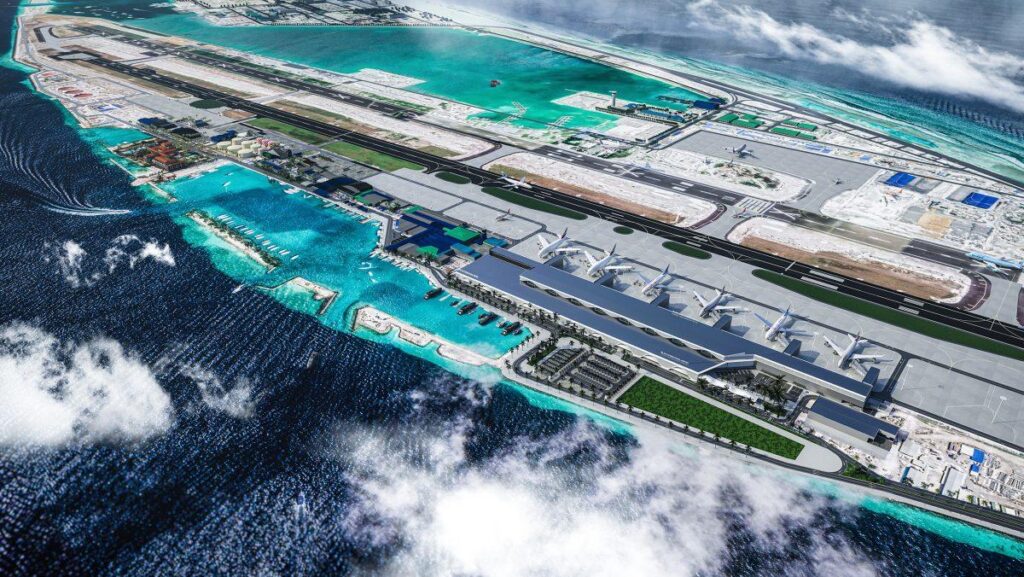
The Maldives Fixed Its Arrival Problem: Inside the New Velana Airport
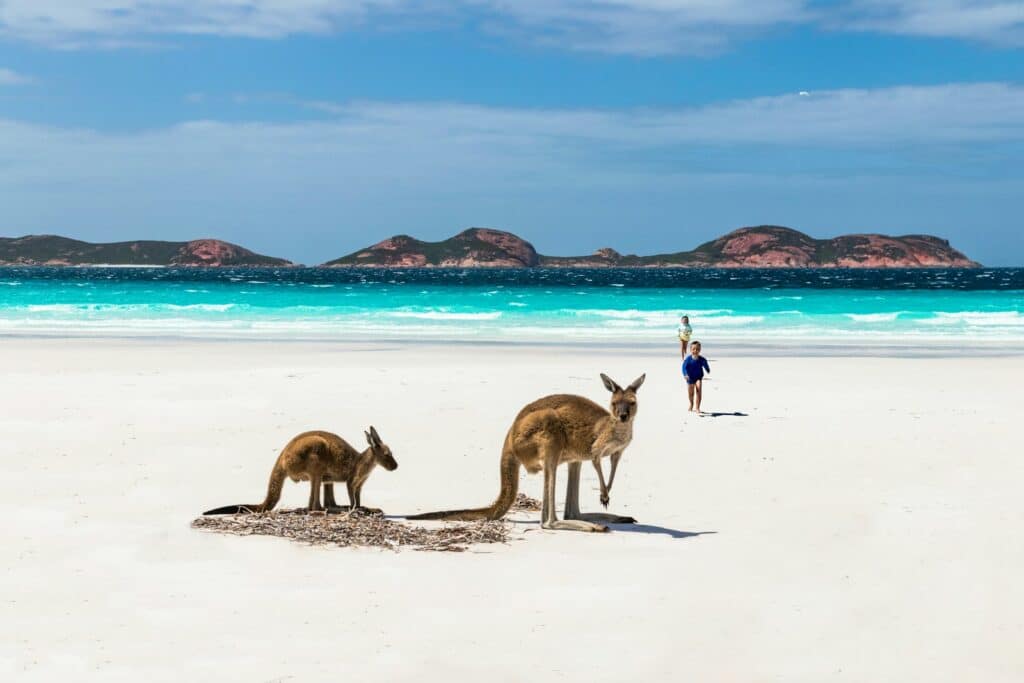
The Best Islands in Australia for a Luxury Beach Vacation
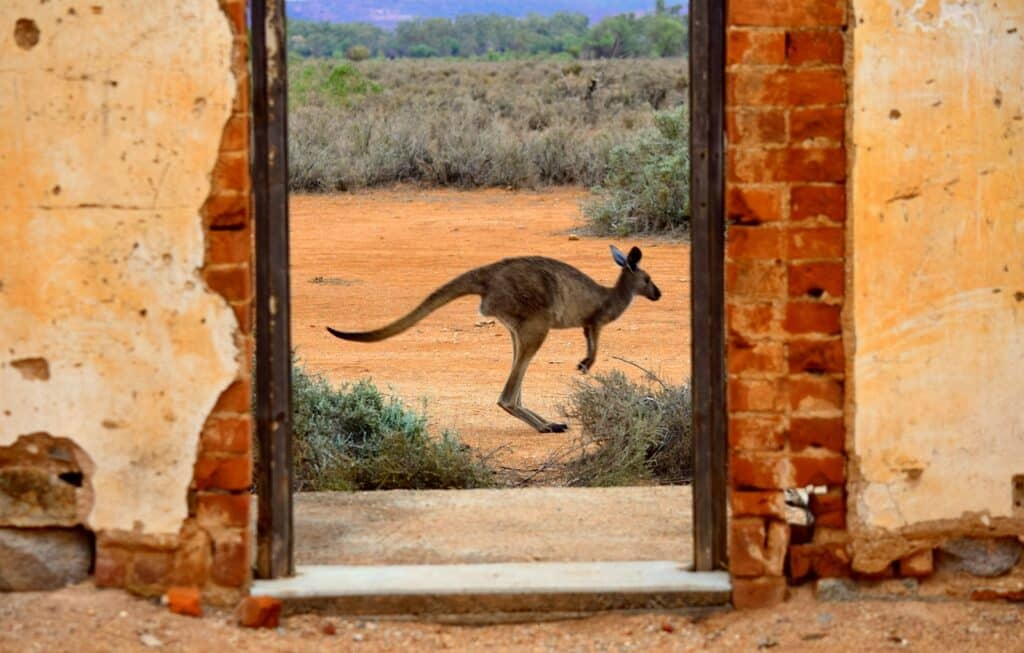
How to Plan a Luxury Australian Outback Experience
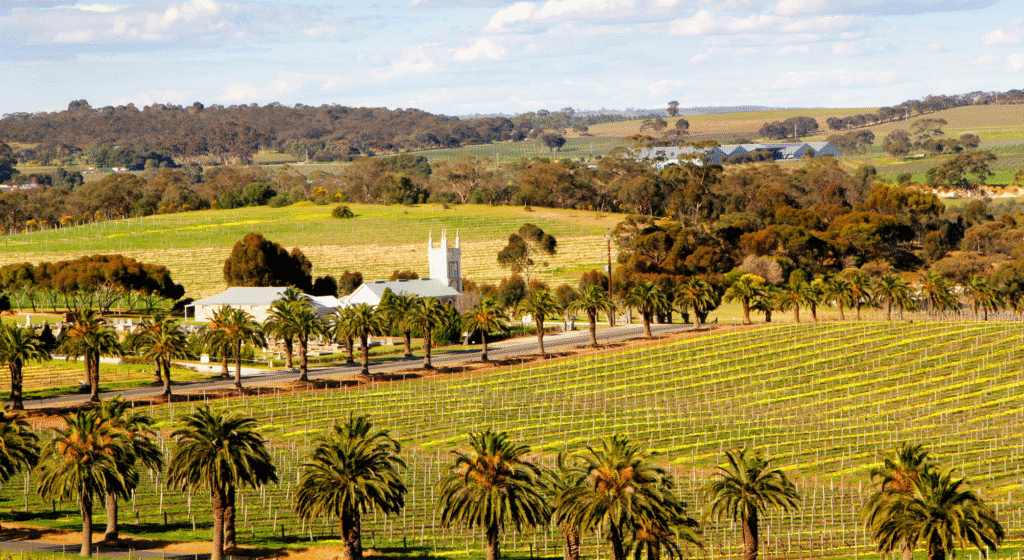
A Luxury Guide to Australia’s Wine Regions
How to Plan a Luxury Trip to Australia’s Great Barrier Reef
The Best Luxury Hotels in Seychelles

Best Caribbean Islands for Private Jet Travelers
Island-Hopping in the Caribbean: The Best Routes for a Luxury Trip
Santorini or Mykonos: How to Choose the Best Greek Island for You
The Athens Riviera: Greece’s Glamorous Coastline Beyond the Islands
Paros: The Greek Island Stealing Attention from Mykonos and Santorini
The Best Greek Islands for Luxury Travel: How to Choose the Right One