
Ayutthaya is Thailand’s former capital. Established in 1351 and destroyed in 1767, functioned as one of Southeast Asia’s most sophisticated urban centers during its four-century reign.
The History Behind the Ruins
King Ramathibodi I founded Ayutthaya at the confluence of three rivers specifically chosen for strategic advantage. The location offered natural defense, access to maritime trade routes, and agricultural abundance. The city expanded rapidly, eventually housing over one million inhabitants at its peak during the 17th century, rivaling London in population and dwarfing most European cities of the era. Ayutthaya functioned as a cosmopolitan center where Chinese merchants, Japanese samurai, Dutch traders, and Persian diplomats coexisted within the city walls.
The city’s decline came swiftly. In 1767, the Burmese Kingdom of Ava, under King Alaungpaya, besieged and destroyed Ayutthaya after a fourteen-month assault. The destruction was systematic and thorough: temples were ransacked, monuments toppled, and the city abandoned.
Thai forces eventually regrouped and established a new capital at Thonburi (later Bangkok), and Ayutthaya remained largely uninhabited for centuries. Archaeological restoration and preservation efforts accelerated during the 20th century, and the site earned UNESCO World Heritage designation in 1991.
What You'll Actually See
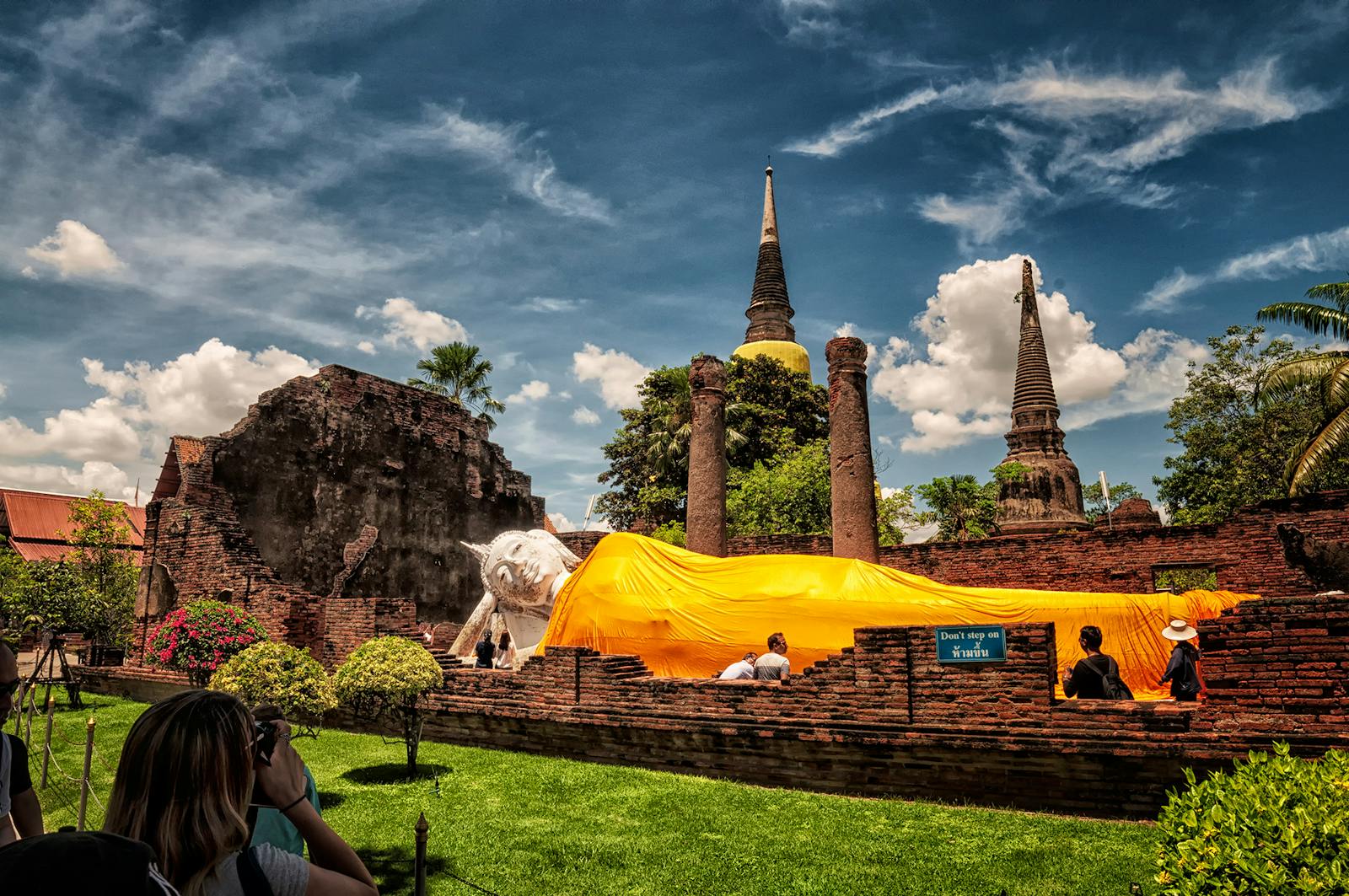
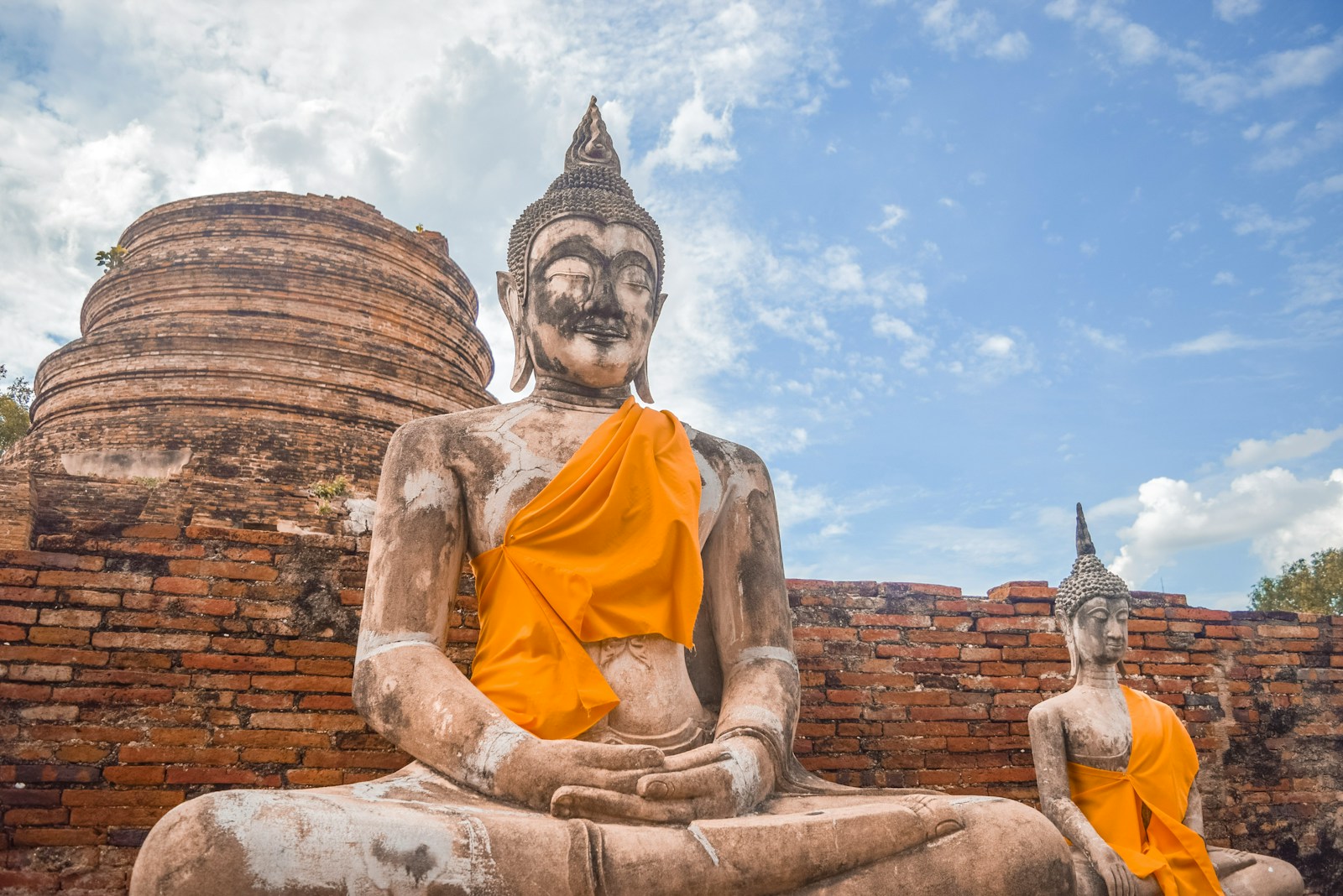
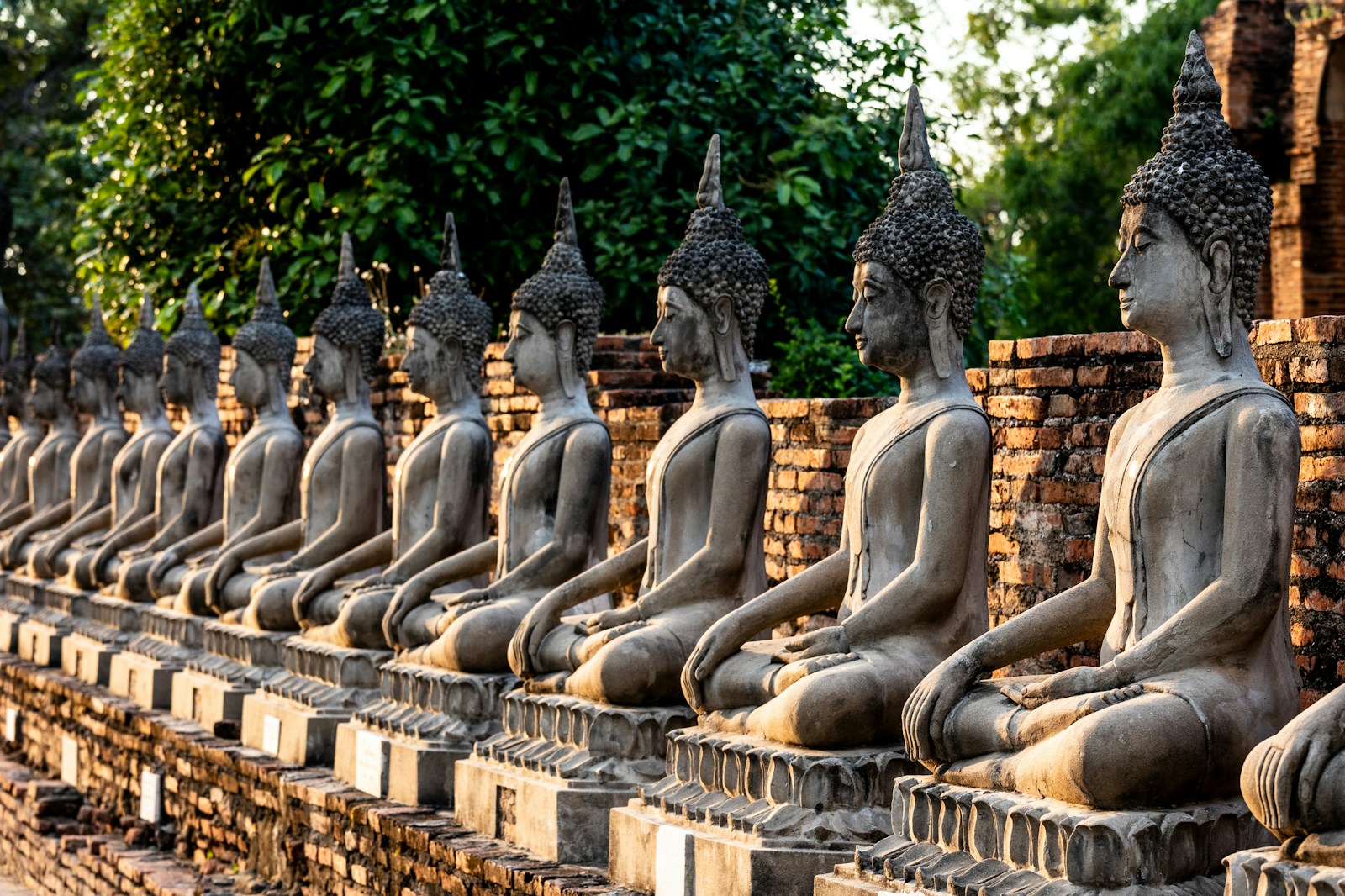
Wat Mahathat stands as the most compelling ruin and the most photographed structure in Ayutthaya. This temple complex originally rose over 150 feet and functioned as the spiritual center of the kingdom. The primary prang (pointed spire) has collapsed, creating a haunting silhouette. The famous image of a Buddha head entwined in tree roots comes from Wat Mahathat, capturing the tension between spiritual permanence and natural reclamation. Walking through the grounds, you encounter scattered Buddha statues, many decapitated or damaged, offering unromanticized testimony to the destruction.
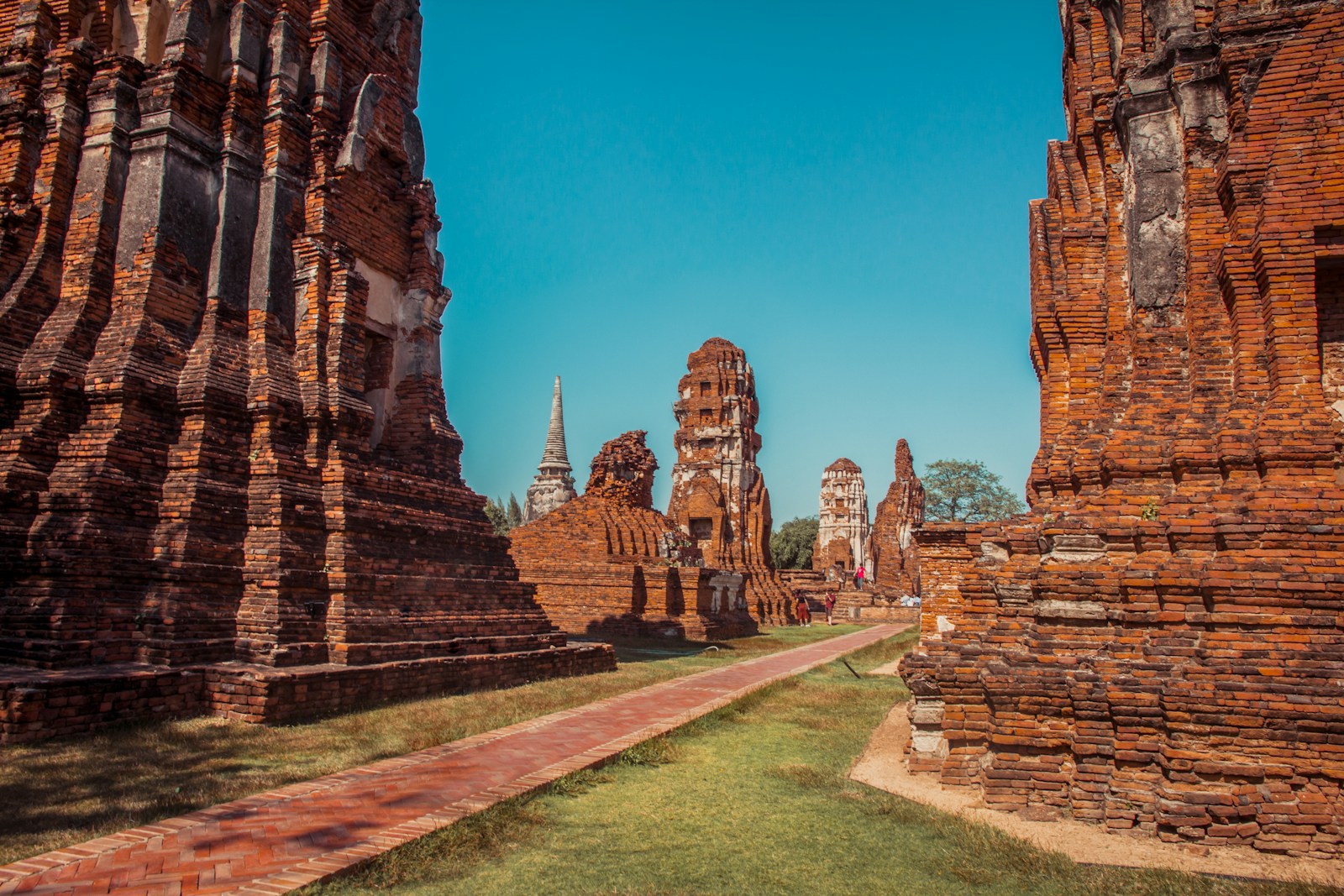
Wat Phra Si Sanphet served as the royal temple where Thai kings worshipped. Three distinctive chedis (domed structures) remain intact, arranged in a row and rising approximately 40 meters. These three stupas are among the best-preserved structures in Ayutthaya and convey the architectural sophistication of the period.
Wat Chaiwatthanaram occupies a riverside position and showcases Khmer architectural influence. The central prang features intricate stucco work despite centuries of exposure. The temple’s layout remains largely decipherable, allowing visitors to trace the original religious and administrative spaces. This site feels less crowded than the two primary temples and offers more contemplative experience.
Wat Phu Khao Thong, called the Golden Mount, sits outside the main historical park on higher ground. A 80-meter chedi visible from across the valley offers vantage point for understanding Ayutthaya’s geography and scale. The site requires more effort to access but provides perspective unavailable from central ruins.
The Royal Palace grounds contain scattered foundations and walls but fewer dramatic structures. The remaining prang and chedis offer insight into palatial organization rather than monumental impact.
Getting There and Time Required
Ayutthaya sits 85 kilometers north of Bangkok and functions as a straightforward day trip or overnight destination. The train journey from Bangkok’s Hua Lamphong station takes approximately 2.5 hours on the State Railway, arriving directly in town. Buses from the Northern Terminal (Mochit) require 1.5 to 2 hours.
The town itself sits on an island surrounded by rivers, making bicycle the most logical exploration method once you arrive. You can rent bikes for 40 to 60 baht daily. Walking distances between primary temples exceed practical limits; bicycles eliminate transport friction while maintaining pace control unavailable in taxis.
Budget minimum four hours for primary sites if you’re rushing. Six to eight hours allows genuine engagement with major temples, site reading, and photography without exhaustion. Overnight stays make sense if you want to explore secondary temples, visit the Ayutthaya Historical Study Centre (which provides necessary context), or simply decompress without Bangkok traffic urgency.
Combining Ayutthaya with Other Experiences
Lopburi, 150 kilometers northeast, represents logical pairing if you have two full days available. The former capital contains significant temples and the famous Phra Prang Sam Yot temple with its resident macaque population. Train service connects the two cities directly. This creates a two-destination historical arc showing Thai capitals across different eras.
Sukhothai, Thailand’s first capital, lies 450 kilometers north and functions as the more deliberate historical pilgrimage. This requires overnight commitment but offers the most comprehensive understanding of Thai architectural and cultural development. Many travellers pursue the Bangkok-Ayutthaya-Sukhothai route to trace Thai history chronologically.
Local river tours departing Ayutthaya town proper offer five to six hour trips along the surrounding waterways and nearby temples less frequented by tourist masses. These work well as afternoon counterpoint to morning ruin exploration.
Bang Pa-In Summer Palace, situated 15 kilometers south between Ayutthaya and Bangkok, represents 19th century Thai architecture and landscape design. The palace is active rather than ruined, providing contemporary comparison to Ayutthaya’s destruction. You can easily stop here when traveling between Bangkok and Ayutthaya, adding roughly one to two hours to your journey.
Most travellers incorporate Ayutthaya into longer Thailand itineraries rather than visiting in isolation. The combination of Bangkok-Ayutthaya-northern Thailand creates comprehensive understanding of Thai history, culture, and contemporary life. Ayutthaya functions best as a deliberate pilgrimage rather than casual checkbox tourism.
Ready to explore Ayutthaya? Speak with Do Not Disturb to shape a journey that flows from Bangkok to Lopburi, Sukhothai and the Chao Phraya waterways.
Related destinations
Suggested articles
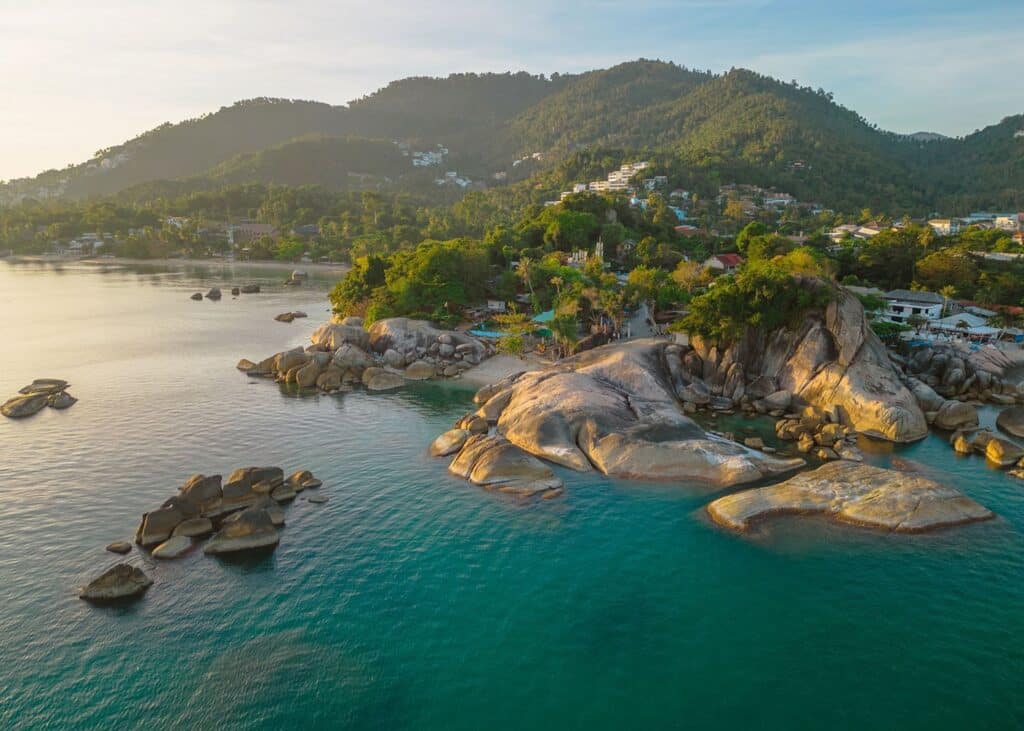
Koh Samui Luxury Guide: From Fishing Village to Five-Star Island
Exploring Thailand’s Chiang Mai Temple Circuit
How to Experience Spanish Wine Tours in Rioja
A Luxury Guide to Spain’s Basque Country
Gaudí’s Barcelona: How to Understand and Visit His Work
How to Plan the Perfect Luxury Trip to Angkor Wat
A Guide to Sri Lanka’s Tea Plantations
The Maldives Fixed Its Arrival Problem: Inside the New Velana Airport
The Best Islands in Australia for a Luxury Beach Holiday
How to Plan a Luxury Australian Outback Experience
A Luxury Guide to Australia’s Wine Regions
How to Plan a Luxury Trip to Australia’s Great Barrier Reef
The Best Luxury Hotels in Seychelles