

A private tour of the Reina Sofía grants calm, uninterrupted access to its masterpieces, from Guernica to Miró and Dalí, with a guide shaping the experience just for you.
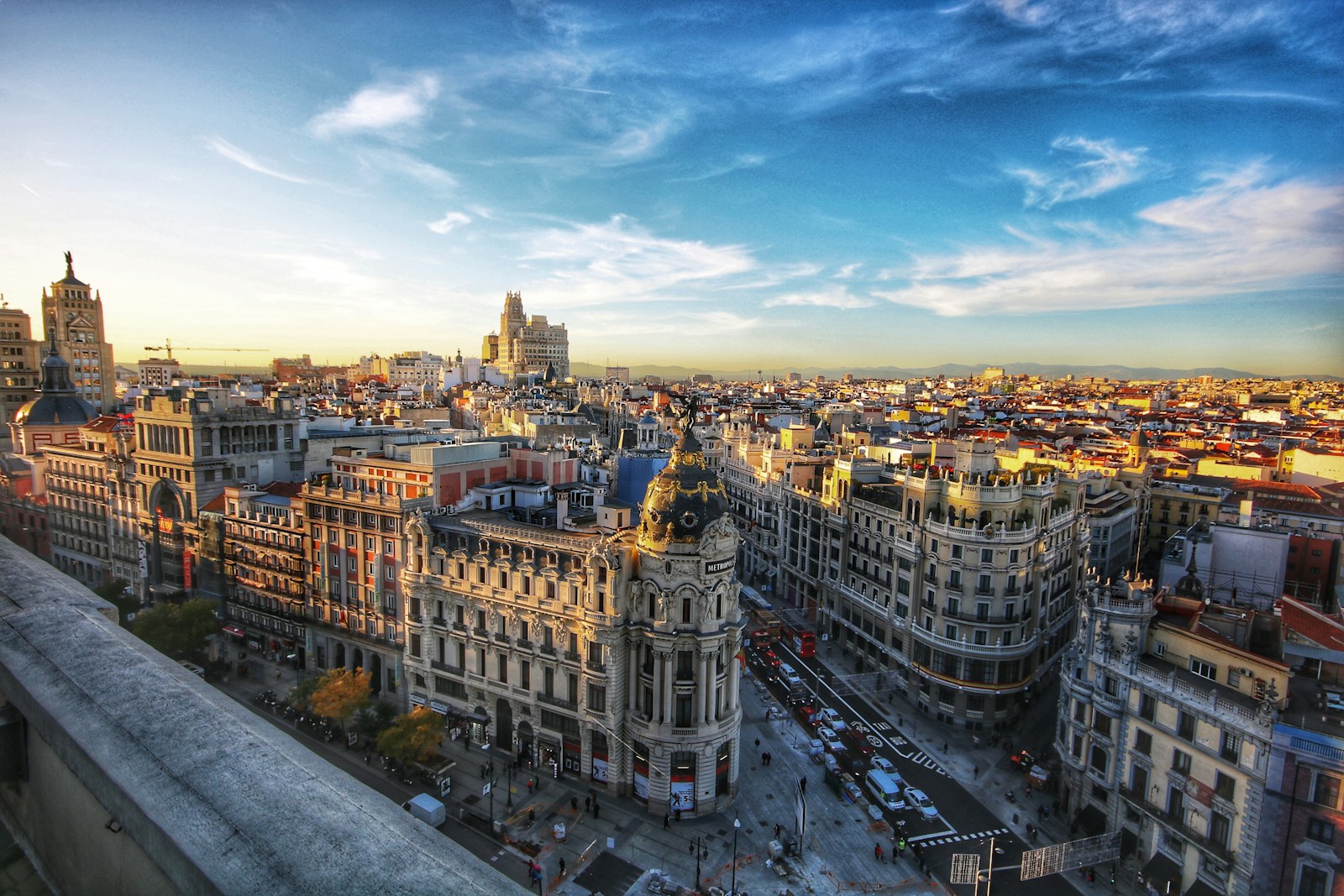
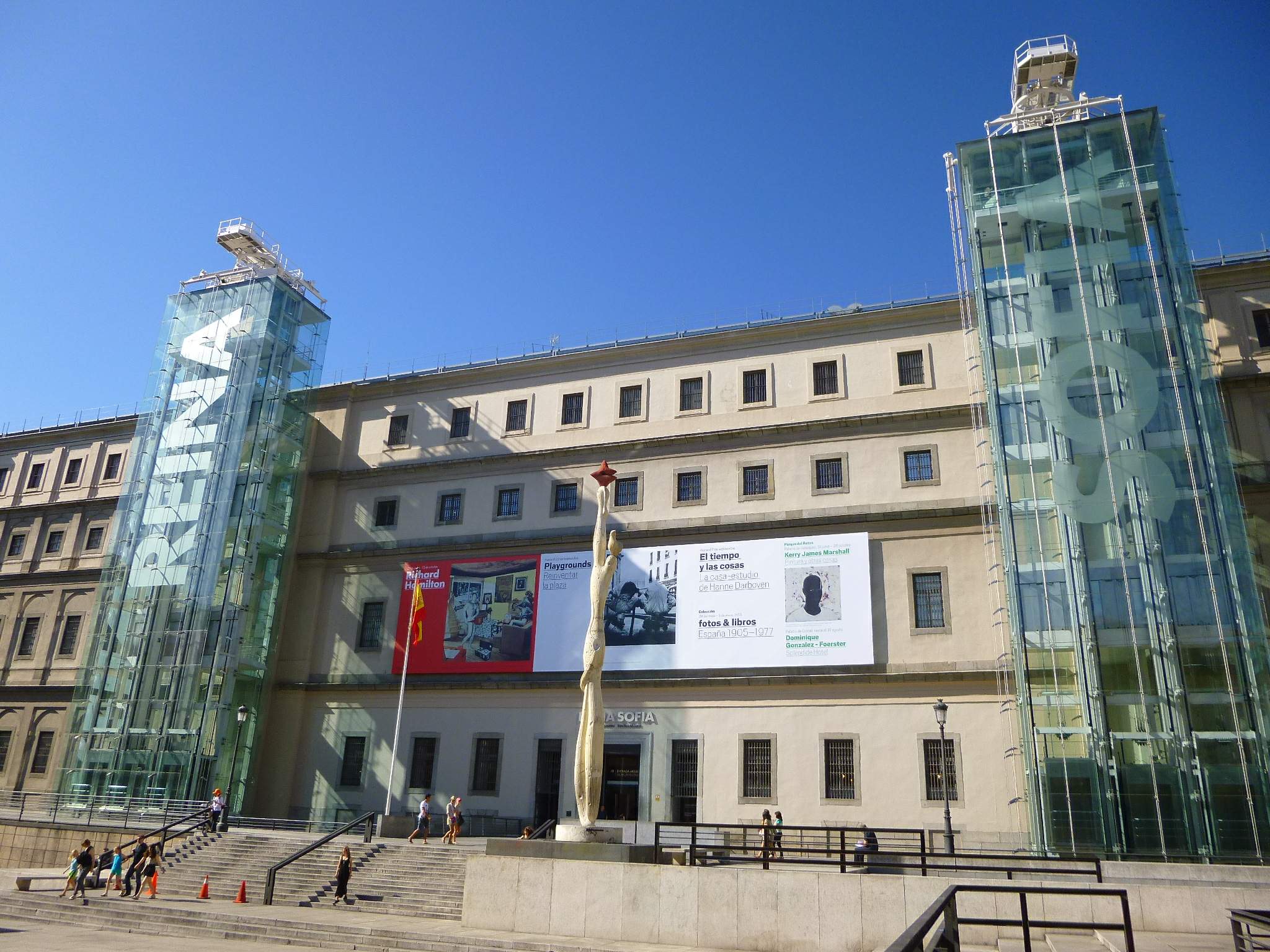
Madrid is beginning to wake as you approach the Reina Sofía. The museum’s long central façade, once a hospital complex, now houses some of the world’s most beautiful art. Your guide meets you at a side entrance, separate from the usual flow of ticket holders. With the logistics already arranged, you move inside without pause.
The large open spaces, which later fill with visitors, feel still. Before you is a sequence of rooms that trace the evolution of Spanish art in the twentieth century. The anticipation builds gradually, knowing the visit leads toward Picasso’s Guernica, a painting normally surrounded by constant movement.
Cultural and Historical Context
The Museo Nacional Centro de Arte Reina Sofía is the anchor of Spain’s modern and contemporary art. Its origins lie in an eighteenth century hospital designed by José de Hermosilla and Francisco Sabatini under King Charles III. After closing in 1965, the structure was protected as a Historic Artistic Monument in 1977, preventing demolition and enabling its transformation into a cultural center. Temporary exhibitions opened in 1986, and in 1992 the building became a national museum with a permanent collection.
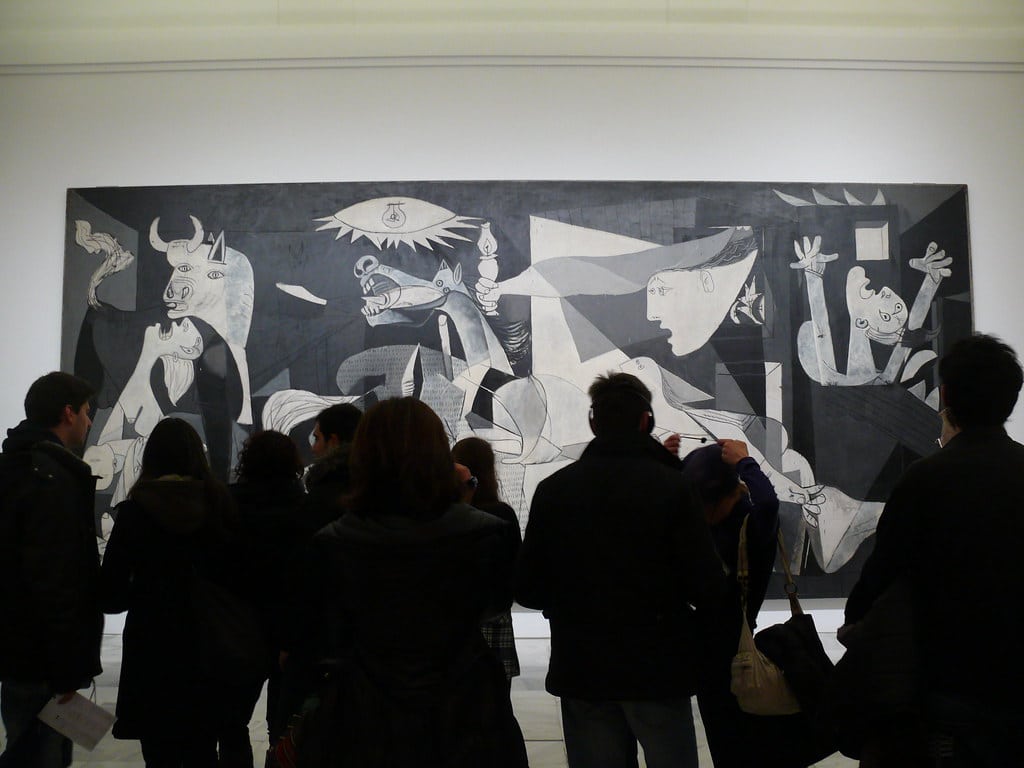
The museum’s identity changed entirely with the arrival of Picasso’s Guernica in 1981. After years in New York, the painting returned to Spain once democracy was reestablished. It became the centerpiece of the museum’s mission to explore twentieth century cultural history, conflict and creativity. The collection continued to grow, supported by a major expansion in 2005 designed by Jean Nouvel, adding new galleries, a library and public spaces that bridge historic and contemporary architecture.
Why Private or Small Group Access Matters
The Reina Sofía can feel dense, not because of the artworks themselves but because of the volume of visitors moving toward the same highlights. Private access creates a calmer rhythm. Your guide shapes the visit, so you can make your way through galleries at your own pace and understand how each work relates to the next.
In front of Guernica, the difference is immediate. Instead of standing several rows back, you can approach freely, observe the brushwork and follow the composition without navigating crowds. Your guide explains the historical context and points out details often missed by viewers who see the painting only from a distance.
What You See
The visit typically begins in the Sabatini building, where early twentieth century works set the foundation for what follows. You see shifts in scale, the first experiments with abstraction and the political tensions that shaped the century’s art. Light from the tall windows softens the galleries, revealing the texture and colour of each piece.
Moving deeper into the museum, you encounter works by Miró and Dalí, presented in a way that highlights the evolution of their approaches to surrealism and symbolism. Your guide may point out traces of restoration or technical changes that illuminate how the artists constructed their surfaces.
The approach to Guernica is gradual. The surrounding rooms house preparatory sketches, photographs and documentary materials that reveal the painting’s development. With a private guide, you can pause to examine how Picasso altered figures, reworked forms and refined the composition in response to the bombing of Gernika.
Entering the main gallery, the painting dominates the space. Without the usual noise, the scale becomes more evident. The contrast between light and shadow, the lines of tension and the emotional intensity read clearly when you have time to stand still. Your guide helps interpret the symbolism while giving you space to observe quietly.
The visit often concludes in the Nouvel building, where contemporary works demonstrate how Spanish and international artists continued to respond to politics, identity and memory. The contrast with the historic building underscores the museum’s role as a bridge between past and present.
How Private Access Elevates the Experience
Standard visits often involve navigating crowded corridors, waiting for space in front of major works and moving in sync with large groups. The pace is reactive, shaped by the volume of visitors.
Private access removes these pressures. You enter on a schedule designed around your preferences. The galleries feel open and readable. You can linger in front of a single work or move quickly through others without compromising understanding. Around Guernica, the absence of noise transforms the experience into a much more personal experience.
How Do Not Disturb Makes This Possible
Do Not Disturb coordinates private museum access through the Reina Sofía’s official channels and trusted partners. We arrange pre-booked entry, secure the required permissions and connect you with specialist guides who offer cultural and historical insight shaped to your interests.
Whether you want to focus on Picasso, the politics of twentieth century Spain or the museum’s architectural evolution, the route is designed to match your curiosity. Every logistical detail is managed so the visit unfolds without disruption.
Ready to plan your private visit to the Reina Sofía and explore Madrid’s modern art with clarity and ease? Speak with Do Not Disturb to begin your journey.
Related destinations
Suggested articles
A Luxury Guide to Spain’s Basque Country
Gaudí’s Barcelona: How to Understand and Visit His Work
Full Moon Parties in Thailand: The History, the Hype, and the Reality

Koh Samui Luxury Guide: From Fishing Village to Five-Star Island

Exploring Thailand’s Chiang Mai Temple Circuit

Visiting the Ruins of Ayutthaya: Thailand’s Former Capital

How to Plan the Perfect Luxury Trip to Angkor Wat

A Guide to Sri Lanka’s Tea Plantations

The Maldives Fixed Its Arrival Problem: Inside the New Velana Airport

The Best Islands in Australia for a Luxury Beach Holiday
How to Plan a Luxury Australian Outback Experience
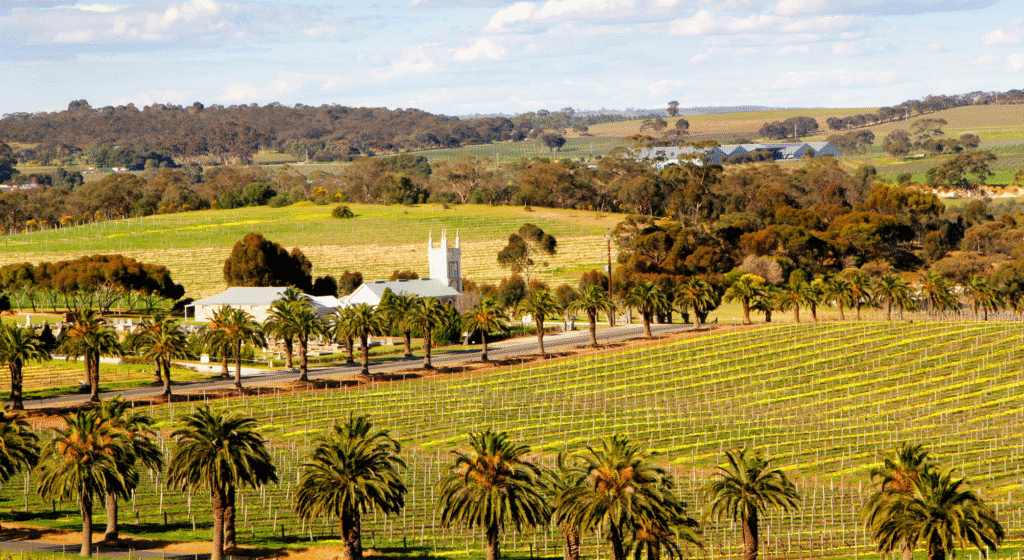
A Luxury Guide to Australia’s Wine Regions

How to Plan a Luxury Trip to Australia’s Great Barrier Reef