

A private after-hours visit to Nijo Castle reveals Kyoto’s Edo-period palace in rare quiet, allowing the architecture, history and shifting light to emerge without the pace of daytime crowds.
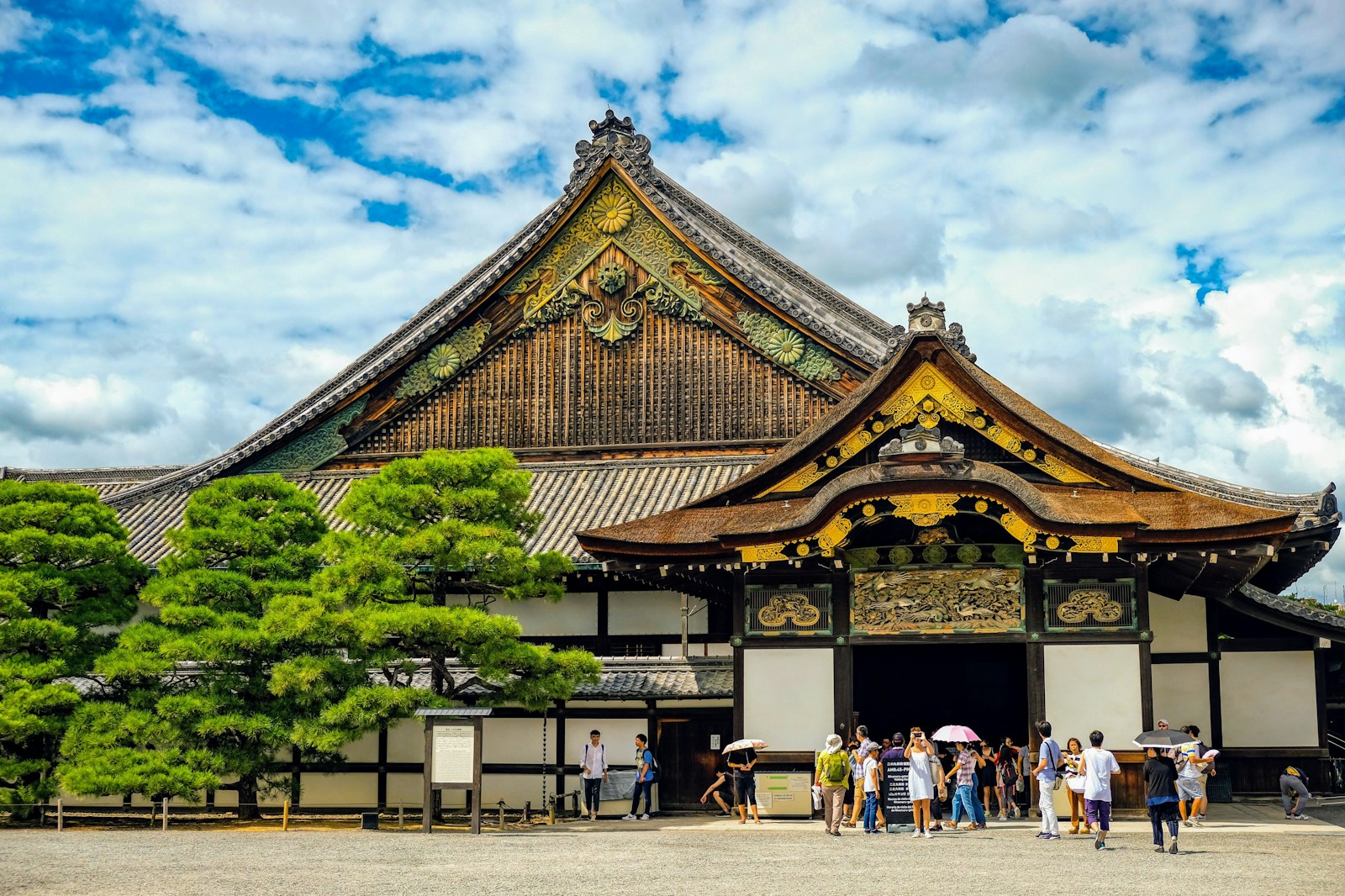
Nijo Castle sits just west of central Kyoto, surrounded by stone walls and broad moats that create a clear boundary between the city and its historic centre. By day, visitors move steadily along the walkways, pausing at the palaces and gardens that define the complex. After hours, the grounds feel different. The sounds soften. The courtyards empty. Light settles across the exterior of Ninomaru Palace in a way that is easy to overlook during regular visiting hours.
Your guide meets you at the gate as the last daytime visitors depart. With the crowds gone, the approach to the inner palace becomes slower and more deliberate. The scale of the architecture stands out clearly, and the details that usually blend into the background become part of the experience. The evening aligns with a quieter pace, making room for a deeper look at the site and its history.
If the visit coincides with a seasonal illumination, the castle takes on another aspect. Gardens and pathways are lit with controlled installations that draw attention to the contours of the space. These events are popular, yet private entry offers the opportunity to move through them with a steadier rhythm.
Cultural and Historical Context
Nijo Castle was built in 1603 as the Kyoto residence of Tokugawa Ieyasu, the first shogun of the Edo period. Its purpose was symbolic as much as administrative, representing shogunate authority within the imperial city. The complex expanded under Ieyasu’s grandson and incorporated luxurious interiors, gardens and decorative elements that expressed political strength rather than military defense.
The site is known for a defining moment in Japan’s political history. In 1867, inside Ninomaru Palace, Tokugawa Yoshinobu restored governing power to the emperor, bringing an end to centuries of samurai rule and enabling the Meiji Restoration. After this transition, the castle became an imperial residence before being gifted to the city of Kyoto in 1940. It was later designated a UNESCO World Heritage site.
Why Private Access Matters
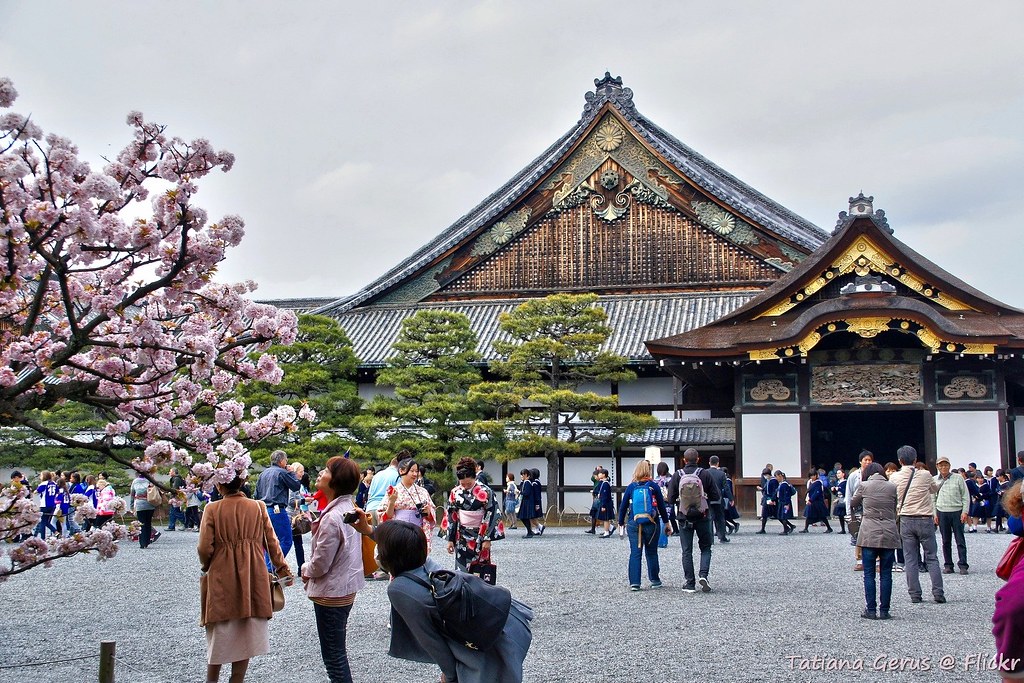
During normal visiting hours, Nijo Castle can feel busy, especially in peak seasons when tour groups move through corridors and gardens in steady intervals. A private or after-hours visit shifts the experience. Without crowds, the walkways become easier to navigate, and the spatial relationships between moats, gates and palaces appear with clarity.
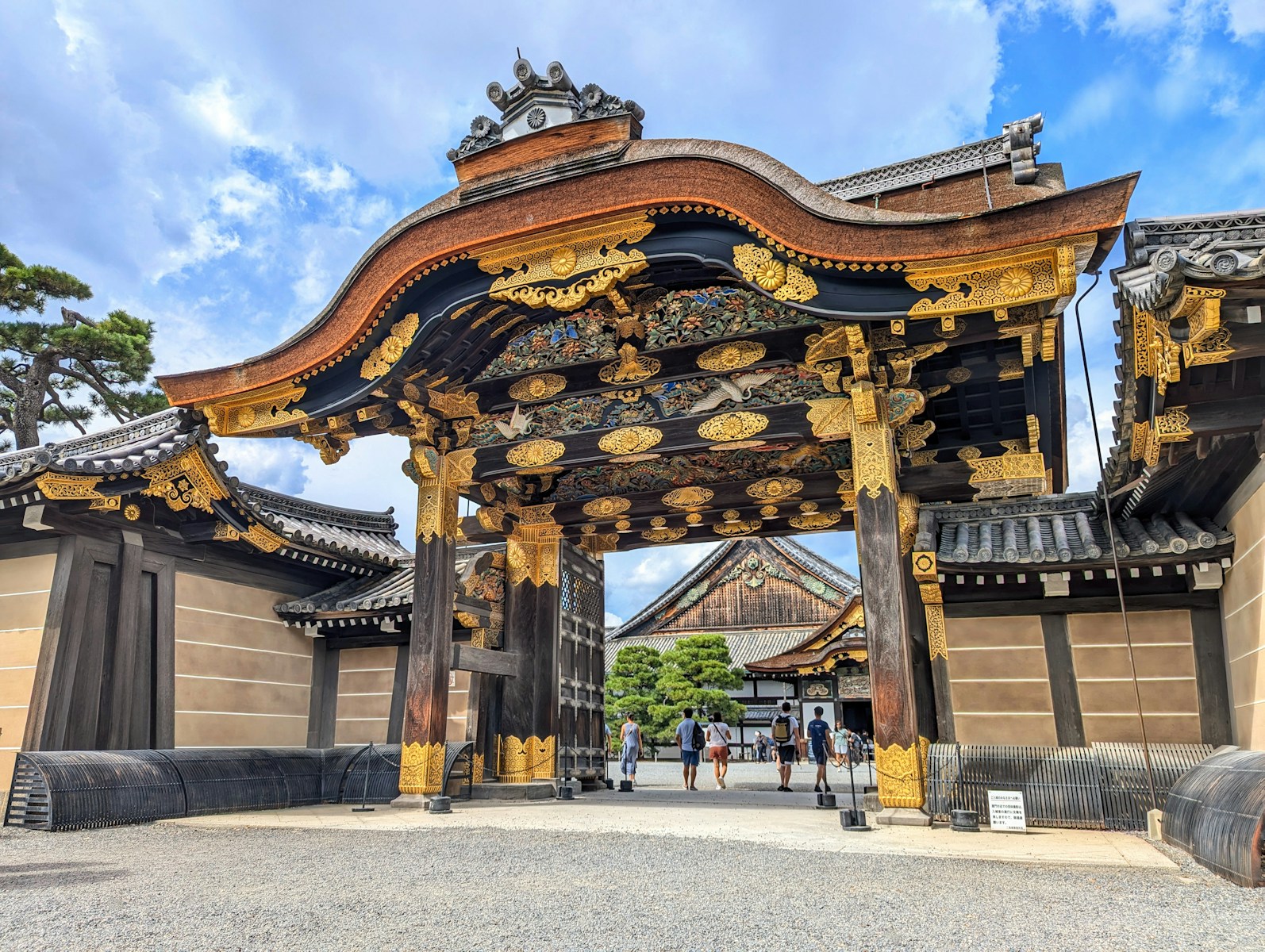
Private access allows more time at key locations, such as the approach to Ninomaru Palace or the views across Honmaru Garden. You can pause without disrupting others, ask detailed questions and move at a pace that suits the evening. Your guide adapts the route based on your interests, whether you want architectural context, political history or an emphasis on design and craftsmanship.
The contrast with the daytime experience is subtle but meaningful. The castle’s atmosphere becomes quieter, and its historical details become easier to interpret.
What You See
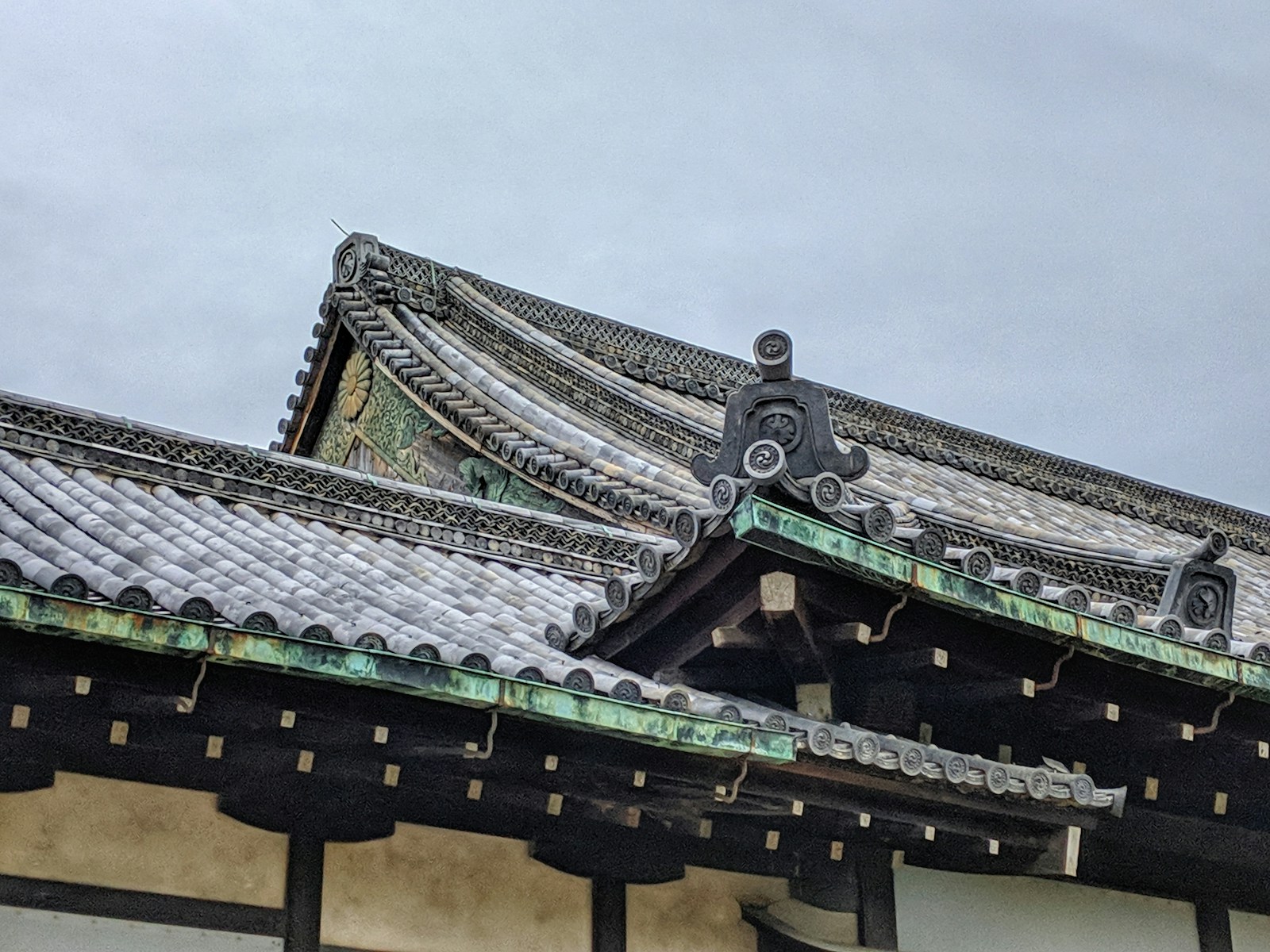
As you walk through the grounds after hours, the castle reveals details that are often missed. Light reflects across the white plaster walls and the layered tile roofs. The double moats form clear geometric lines that frame the views. Inside the approach to Ninomaru Palace, the woodwork and exterior paintings take on a muted glow.
If the visit includes a seasonal illumination, the gardens may be accented by gentle lighting that outlines trees, pathways and architectural features. These installations draw attention to the proportions of the space rather than altering them. Without the movement of crowds, you have time to notice how the light interacts with the traditional structures and how the garden design supports the overall composition of the site.
How Do Not Disturb Makes This Possible
Do Not Disturb arranges private or extended-hour access through licensed partners who specialize in cultural interpretation of Kyoto’s heritage sites. We coordinate the timing of your visit, confirm seasonal event schedules and secure a guide whose expertise aligns with your interests. Transportation and logistical support can be included to ensure the evening begins and ends smoothly.
Our role is to simplify the process of gaining deeper access to a site that is both historically significant and tightly regulated. You arrive knowing the details have been considered and that the experience will unfold with ease.
Ready to explore Nijo Castle after hours and experience its history with clarity and calm? Speak with Do Not Disturb to begin your journey.
Related destinations
Suggested articles

Costa Rica for Adventure Lovers: Luxury Edition

Full Moon Parties in Thailand: The History, the Hype, and the Reality

Koh Samui Luxury Guide: From Fishing Village to Five-Star Island
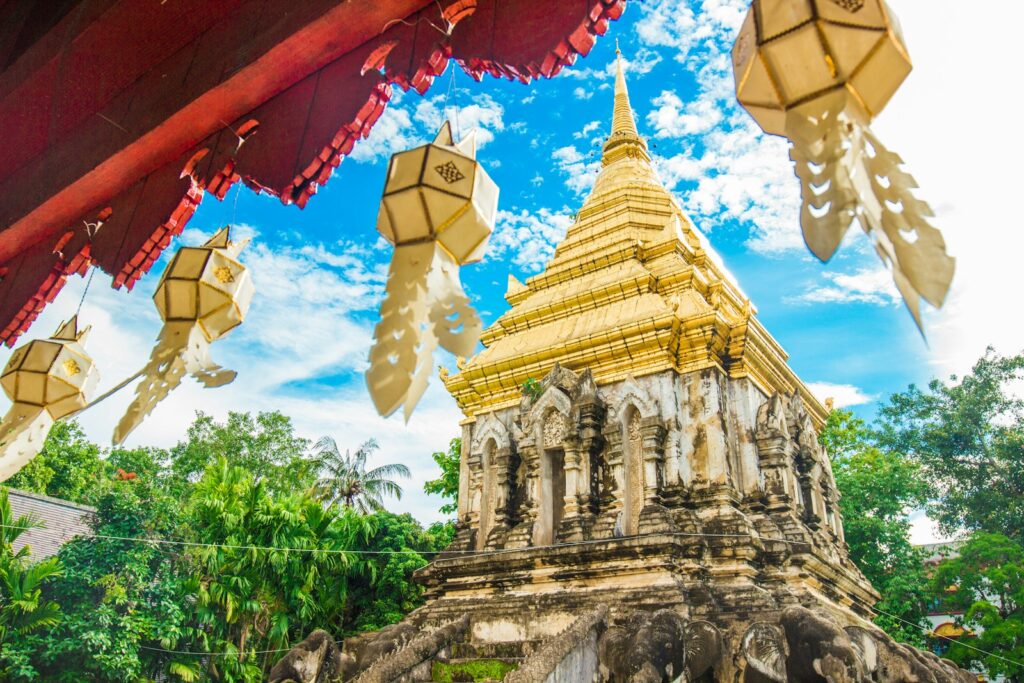
Exploring Thailand’s Chiang Mai Temple Circuit

Visiting the Ruins of Ayutthaya: Thailand’s Former Capital

How to Experience Spanish Wine Tours in Rioja
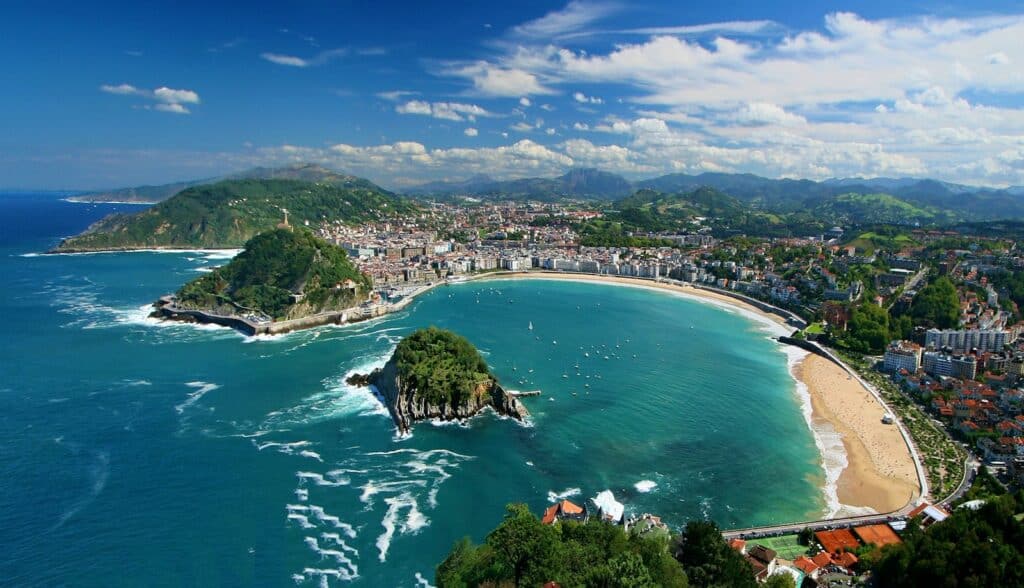
A Luxury Guide to Spain’s Basque Country
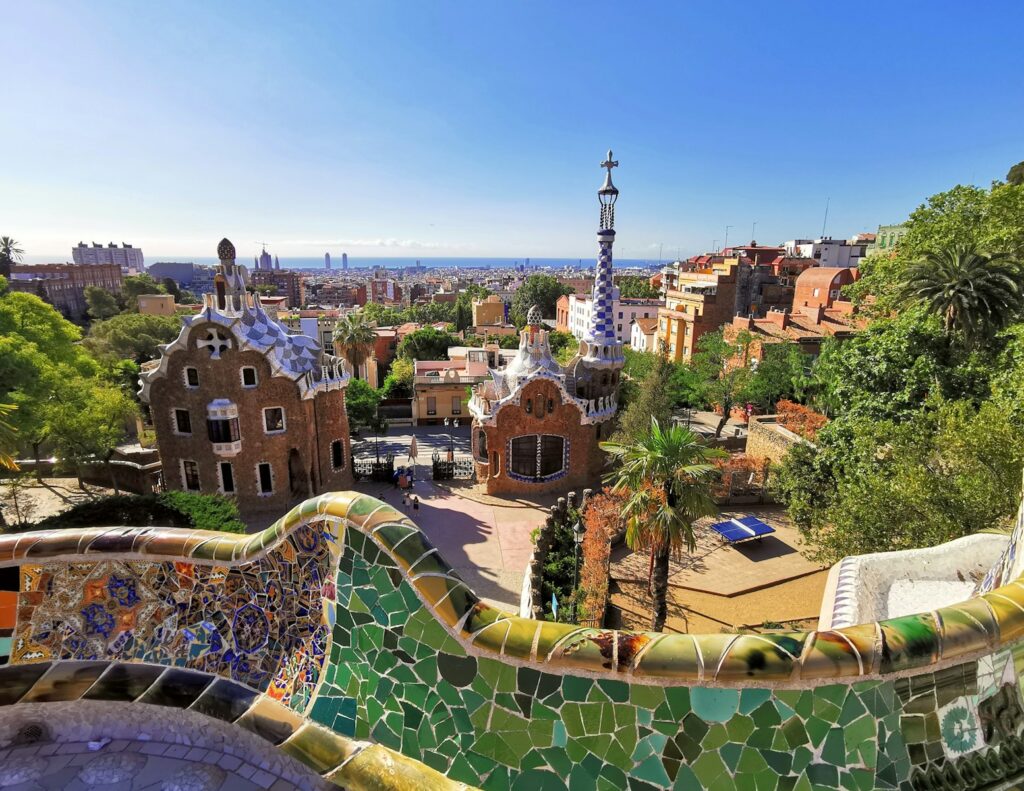
Gaudí’s Barcelona: How to Understand and Visit His Work
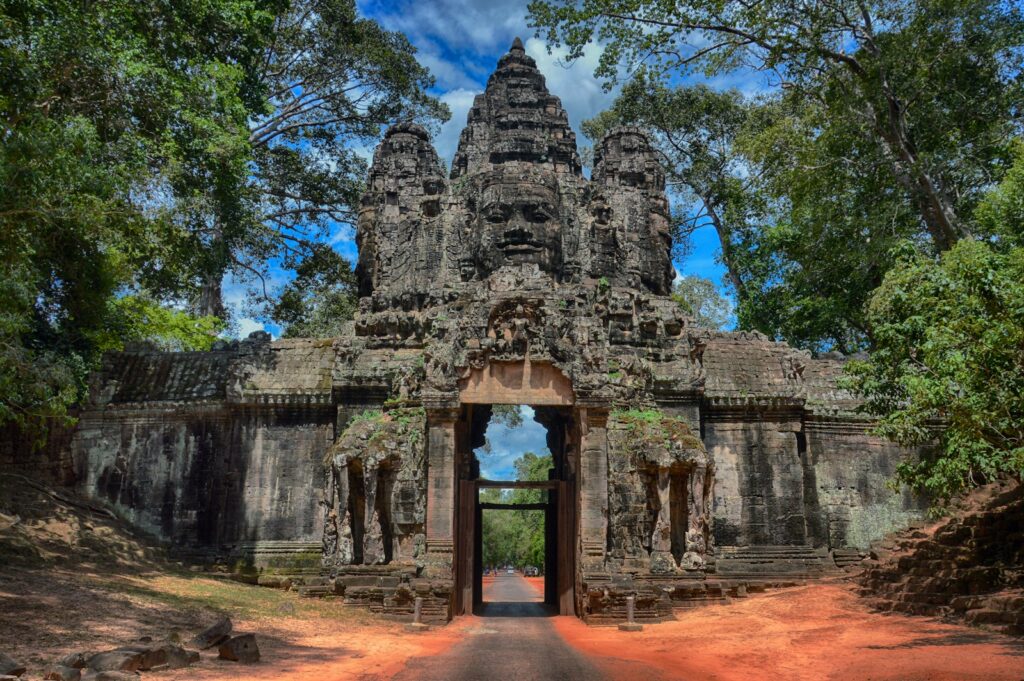
How to Plan the Perfect Luxury Trip to Angkor Wat

A Guide to Sri Lanka’s Tea Plantations

The Maldives Fixed Its Arrival Problem: Inside the New Velana Airport

The Best Islands in Australia for a Luxury Beach Holiday

How to Plan a Luxury Australian Outback Experience