
A private early morning walk through Nara Deer Park offers families a calm, engaging way to experience Japan’s most famous wildlife sanctuary, guided before the day’s visitors arrive.
Morning in Nara
In the early morning, Nara feels spacious and unhurried. The streets are open but quiet, and the park paths are clear enough for families to walk side by side rather than in single file. The air carries a faint chill, especially near the forested edges, and the grass still holds traces of overnight dew.
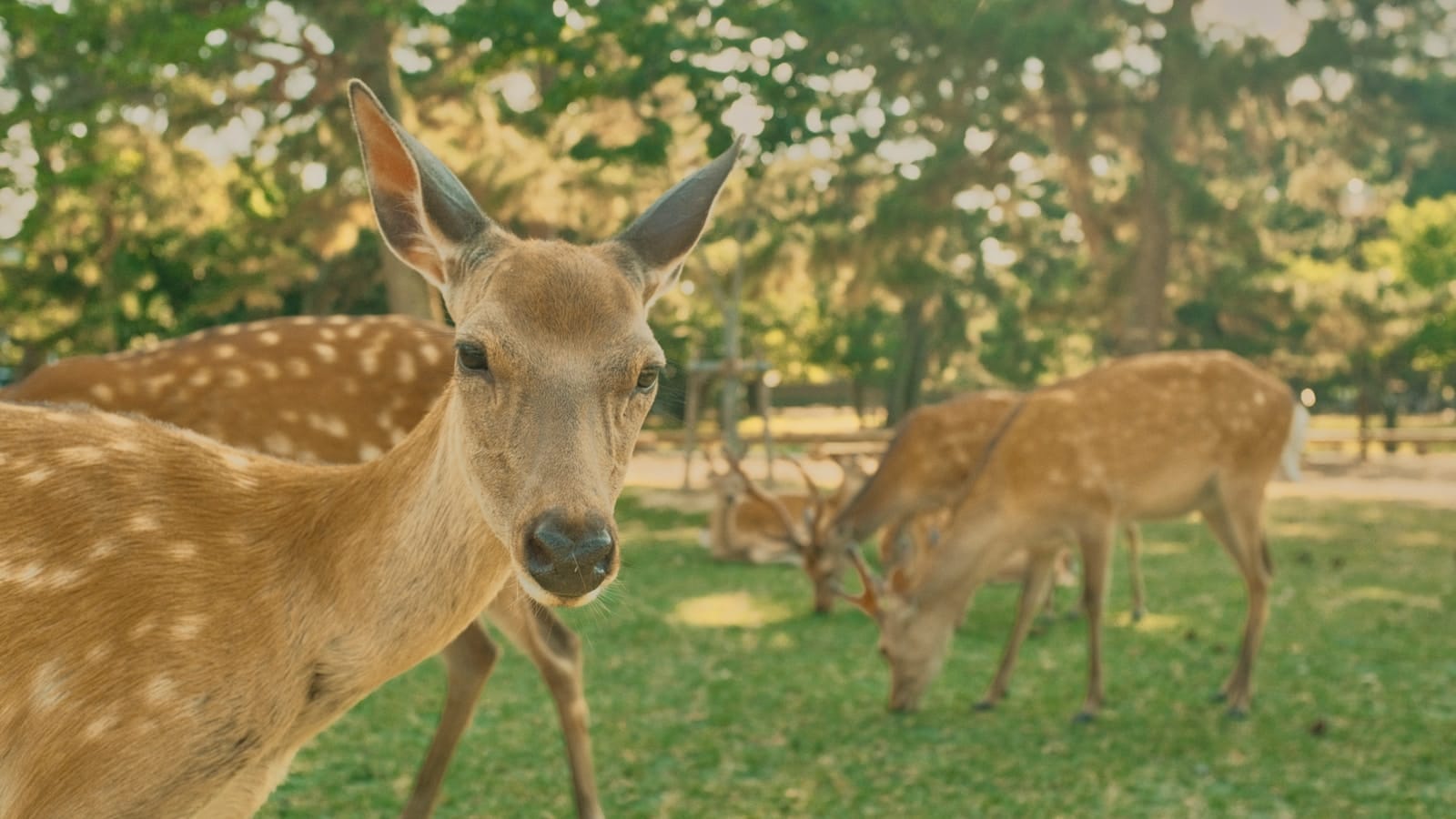
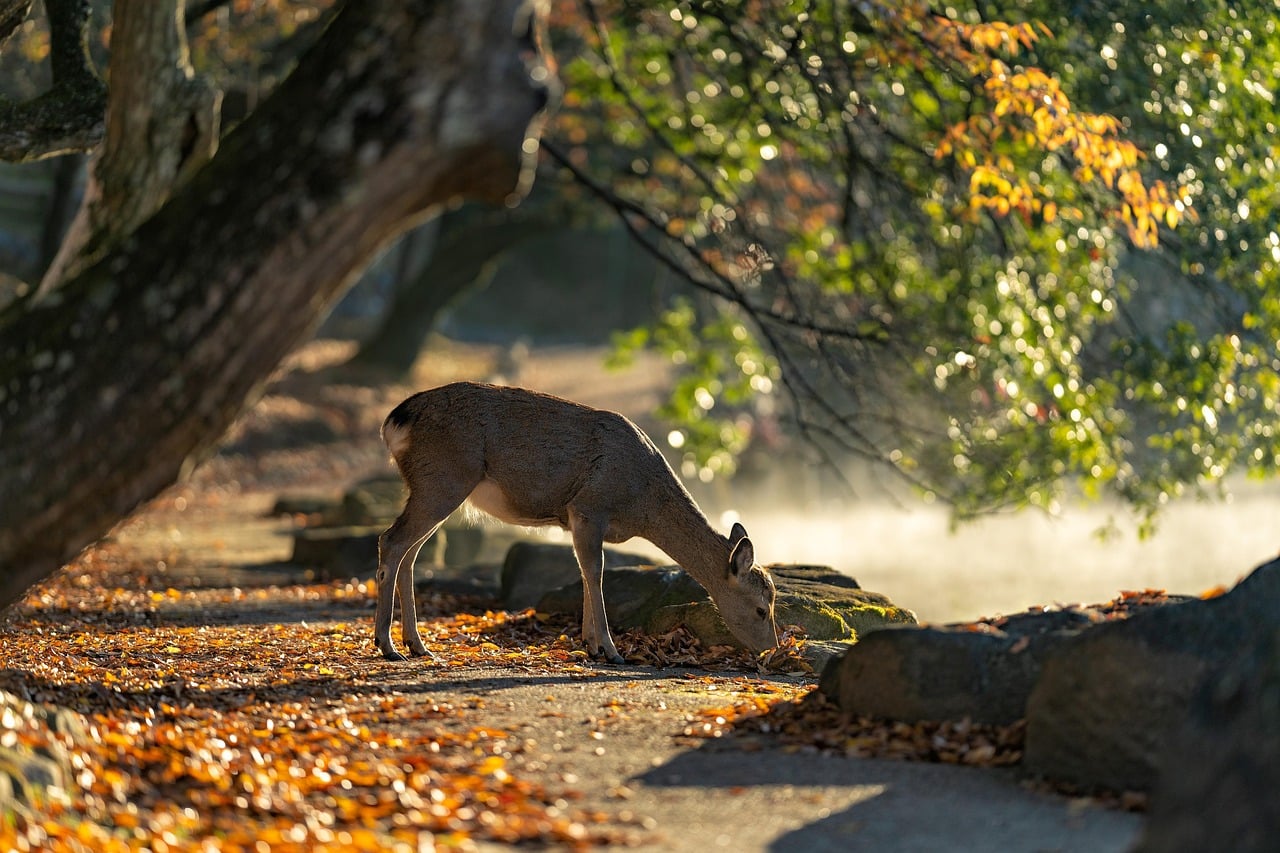
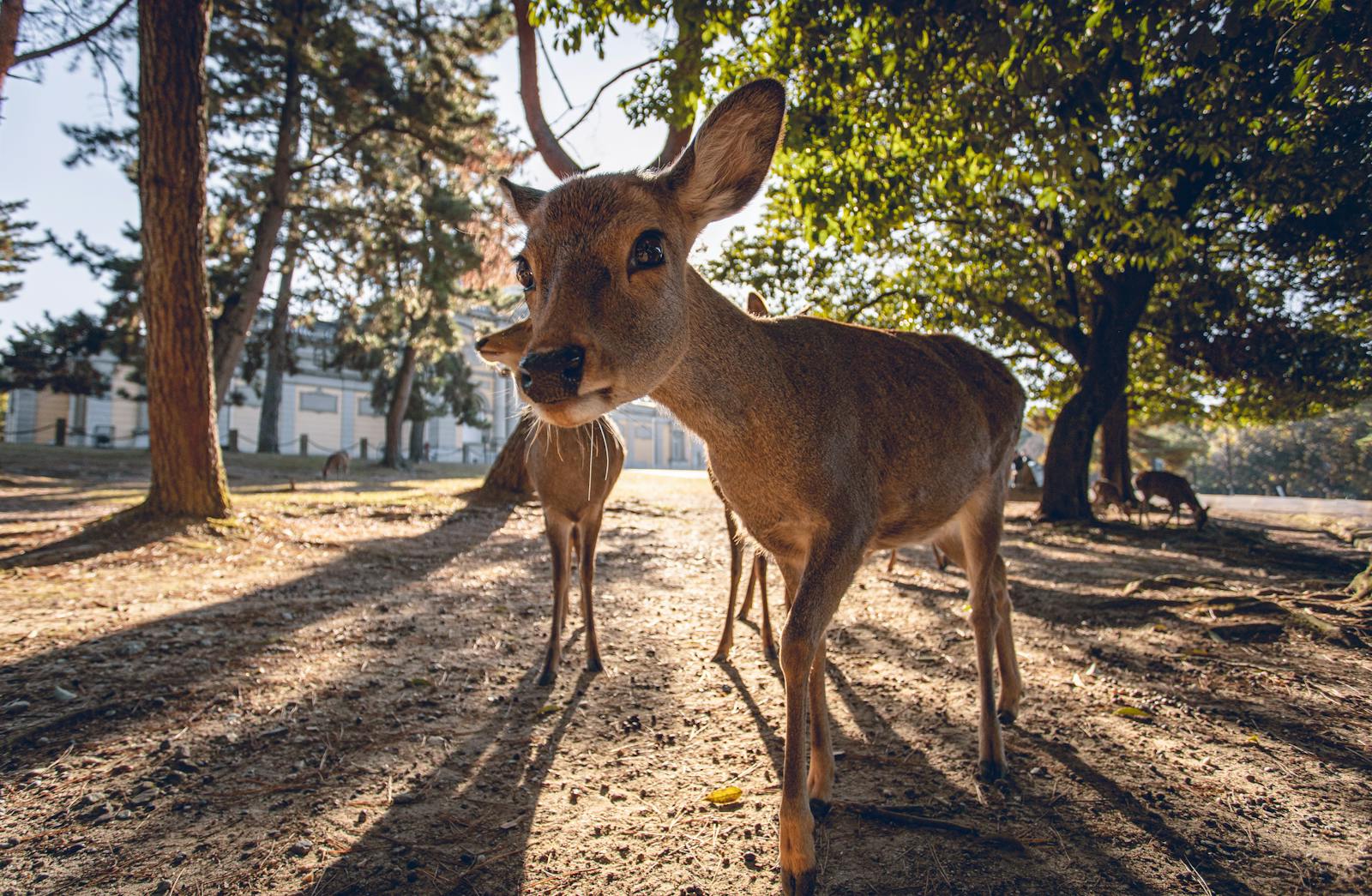
The deer are already awake. They stand in loose clusters across the lawns, alert but unpressured, grazing or watching quietly as people pass. Without the noise and density of midmorning crowds, their behavior feels measured and almost gentle.
For families, this moment matters. There is time to slow down, to explain what you are seeing, and to let children approach the experience with curiosity rather than excitement fueled by crowds. A private guided visit before 9:00 AM turns Nara Deer Park into a shared discovery rather than a logistical challenge.
Why the Deer Matter
The story begins more than 1,300 years ago, when Nara became Japan’s first permanent capital. According to Shinto belief, the god Takemikazuchi-no-mikoto arrived in the city riding a white deer to protect it. From that moment, deer were considered messengers of the gods. For centuries, harming one was treated as a serious crime. The last recorded execution for killing a deer took place in 1637.
Today, the deer are legally protected as National Natural Treasures. Recent DNA studies have confirmed that Nara’s deer are genetically distinct from all other sika deer in Japan. Because they have lived within these sacred boundaries for over a thousand years, they form an isolated lineage found nowhere else.
Why Morning Makes the Difference
Nara Park is open 24 hours a day and free to enter. Technically, anyone can walk through at dawn. In reality, most visitors arrive between 10:00 and 11:00 AM, travelling in from Kyoto or Osaka.
A private early morning visit, usually starting around 7:30 or 8:00 AM, offers a completely different atmosphere. The deer are most active and hungry at this time, but they are also calmer. They have not yet been surrounded by hundreds of people offering crackers or trying to capture the perfect photo.
For families, this gentler dynamic is key. Children can approach the deer without being jostled. Parents do not have to manage crowds while also supervising interactions. Paths feel open, predictable, and safe.
The scenery is also at its best. Morning mist often lingers among the trees near Kasuga Taisha, softening the forested shrine grounds. Todai-ji’s Great Buddha Hall can be visited shortly after opening, allowing families to experience the space without the echo of school groups or guided tours competing for attention.
Walking the Park Together
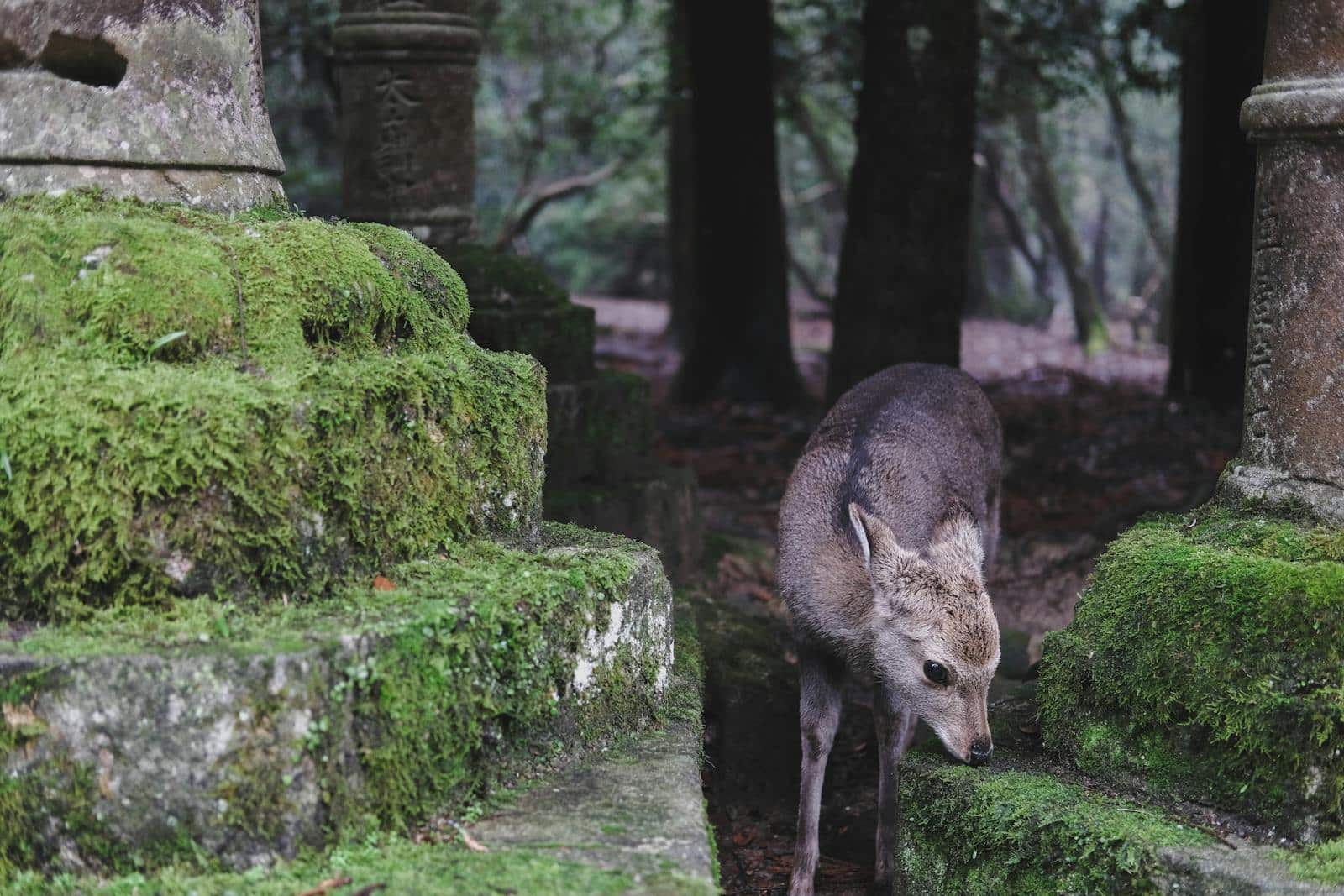
A guided family walk usually begins at the quieter edges of the park, where the city fades into forest. Children notice details adults often miss, hoofprints pressed into gravel, the sound of movement among trees, the way deer pause before stepping onto a path.
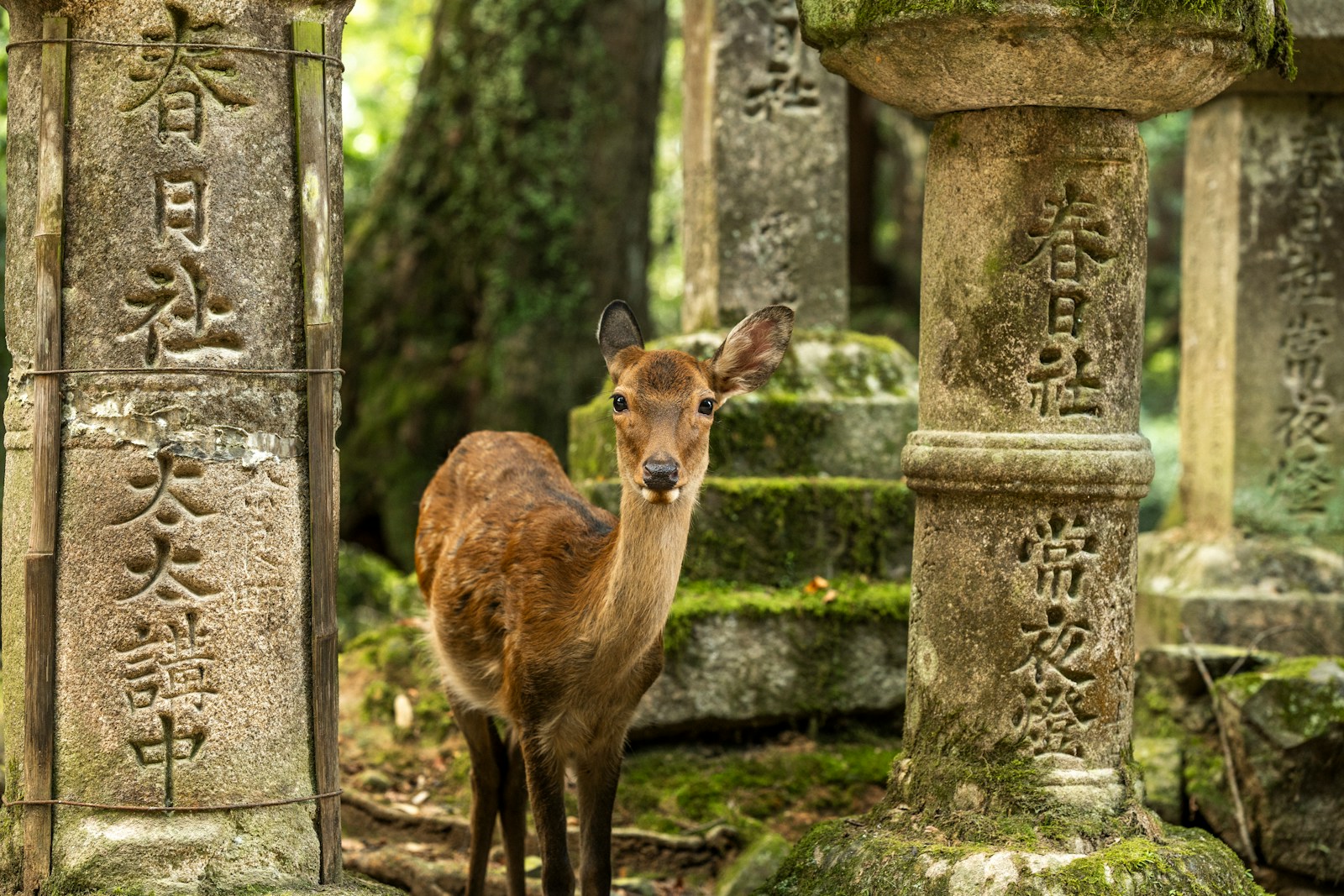
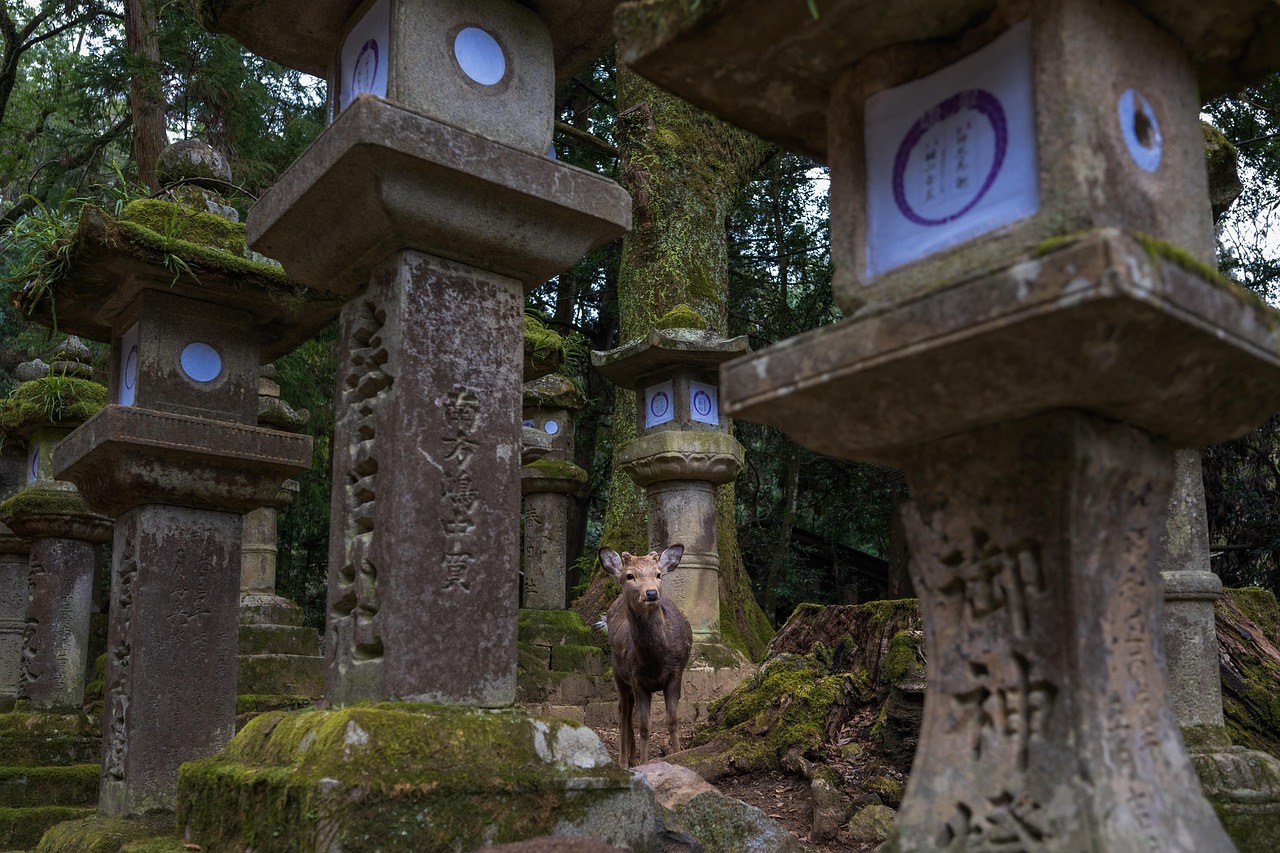
At Kasuga Taisha, stone lanterns line the walkways beneath tall cedars. In the early morning, the shrine feels calm and approachable rather than formal. Guides often use this setting to explain why the deer are protected and how religious belief shaped daily life in ancient Japan.
As the walk continues, Todai-ji comes into view. Entering when the doors first open allows families to stand inside the Great Buddha Hall without distraction. The scale of the bronze Buddha is easier to absorb in silence, and guides can explain its significance in a way that holds children’s attention.
Understanding the Deer
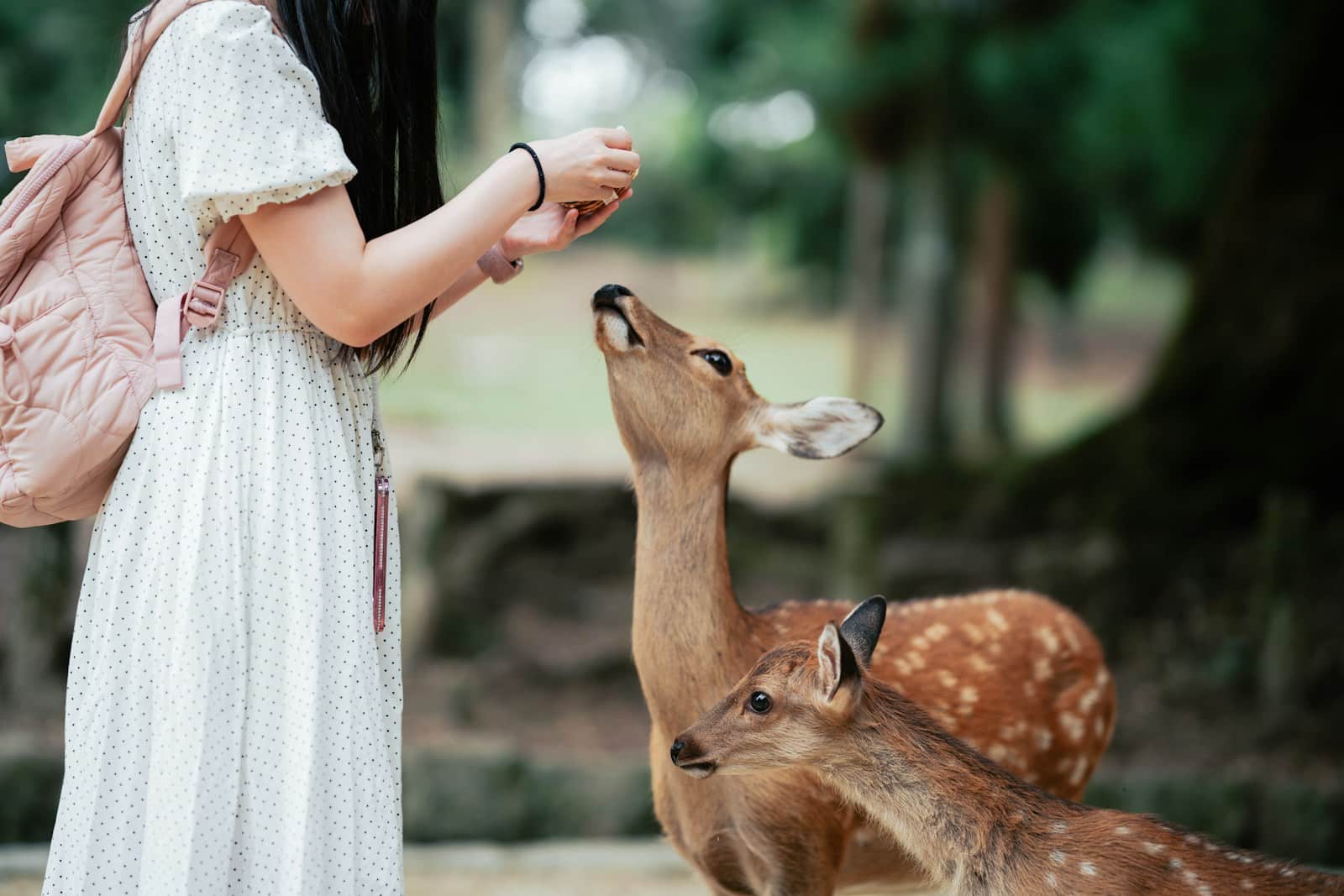
The famous bowing gesture, often interpreted as politeness, has a different meaning in deer body language. Lowering the head can signal an expectation of food and, if ignored, may be followed by a firm nudge. Guides explain this clearly, helping families understand when to engage and when to step back.
Children are also taught practical signals that give them confidence. If the deer crowd too closely and there are no crackers left, raising both hands with open palms signals that the food is gone. Most Nara deer recognize this gesture and quickly lose interest.
The crackers themselves are carefully regulated. Known as shika-senbei, they are made only from wheat flour and rice bran, with no sugar or salt. This protects the deer’s health and helps maintain balance within the park. Because stalls usually open around 8:30 or 9:00 AM, early morning guides may carry a small supply, used intentionally rather than constantly.
The Deer Calling Ceremony
For families visiting at certain times of year, it may be possible to include the Shikayose deer calling ceremony.
During Shikayose, a horn player performs a short passage from Beethoven’s Sixth Symphony. Hearing the sound from deep within the forest, deer run toward the musician, responding to a signal they have learned over generations.
Public ceremonies usually take place in late winter and summer, typically at 9:30 or 10:00 AM. For those seeking a more intimate experience, a private Shikayose can be arranged through the Nara Deer Preservation Foundation with advance booking and a required donation.
Witnessed without crowds, the ceremony feels less like a spectacle and more like a lesson in memory and tradition. Children see how sound, repetition, and ritual shape animal behavior, and how care for the deer has been organised over centuries.
Practical Details That Matter
Early morning visits work best with thoughtful planning. Staying in Nara rather than commuting from Kyoto or Osaka allows families to start the day without rushing. Ryokan and hotels located near or within the park make it possible to meet a guide around 7:00 AM for a sunrise walk.
Temple opening times vary by season. Todai-ji generally opens at 7:30 AM from April through October and at 8:00 AM during the cooler months. Kasuga Taisha’s outer grounds are open at all hours, while the inner sanctum opens earlier in summer.
Why a Guide Changes Everything
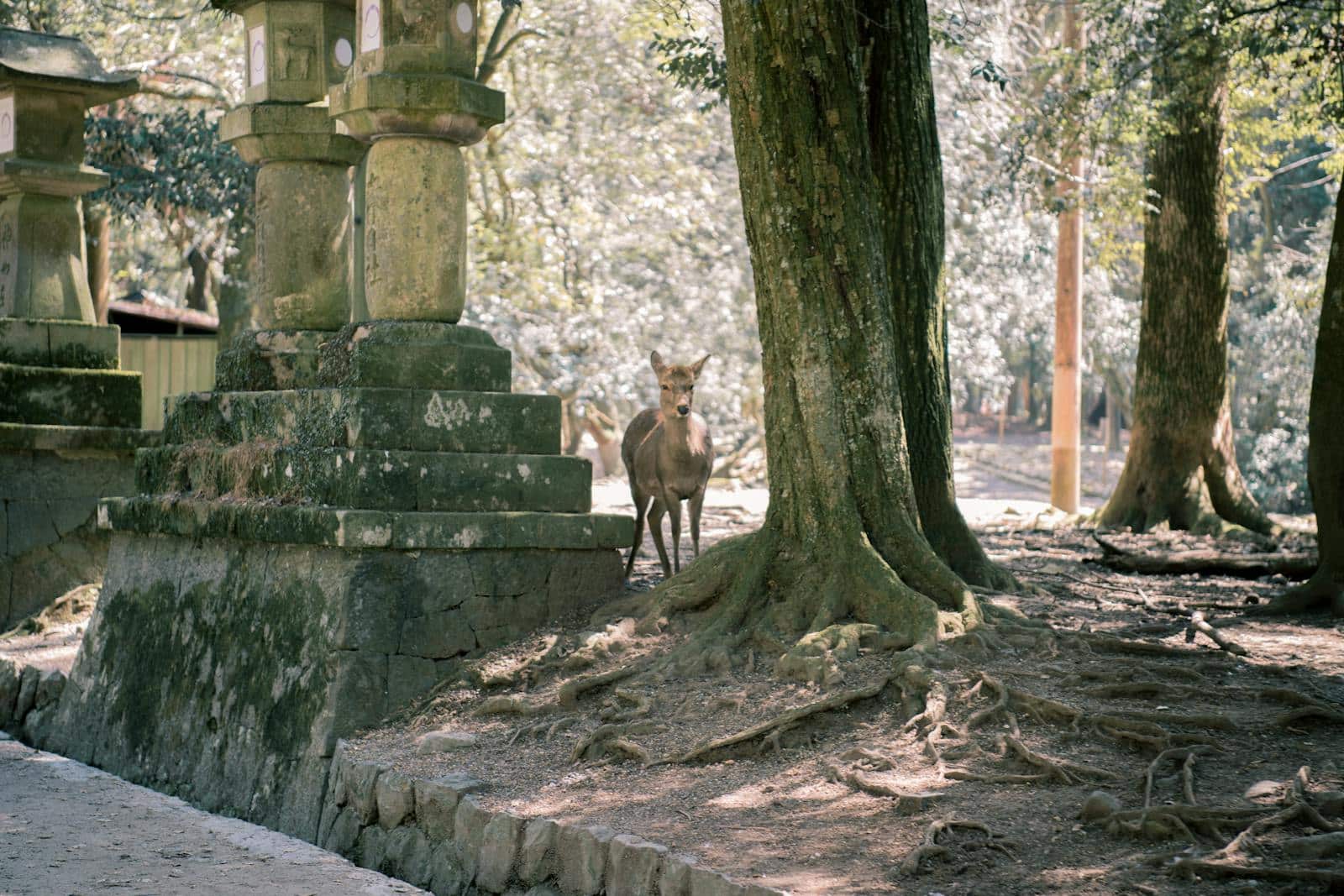
Private guides tailor the pace to the family, adjusting routes and explanations based on age and interest. They know where deer tend to gather at dawn, how weather affects behavior, and when to move on before areas become busy.
They also provide context that deepens engagement. Families learn about the annual antler-cutting ceremony, Shika-no-Tsunokiri, performed every October to keep both deer and visitors safe during mating season. They learn why the park remains remarkably clean despite the size of the herd, and how the Deer Preservation Foundation supports daily care.
How Do Not Disturb Makes This Possible
Do Not Disturb curates this experience specifically with families in mind. Guides are chosen for their ability to communicate clearly across generations and to create calm, structured interactions with the deer.
Logistics are handled in advance, from arranging early meeting points to coordinating temple entry times and optional private ceremonies. The result is a morning that unfolds naturally, without pressure or crowd management.
The experience is designed to feel effortless while remaining deeply informative, allowing families to be present together in a place that rewards attention.
Ready to experience Nara Deer Park as a meaningful family moment, guided before the crowds arrive? Speak with Do Not Disturb to plan a private early morning visit in Japan’s ancient capital.
Related destinations
Suggested articles
Costa Rica for Adventure Lovers: Luxury Edition
Full Moon Parties in Thailand: The History, the Hype, and the Reality

Koh Samui Luxury Guide: From Fishing Village to Five-Star Island
Exploring Thailand’s Chiang Mai Temple Circuit

Visiting the Ruins of Ayutthaya: Thailand’s Former Capital

How to Experience Spanish Wine Tours in Rioja

A Luxury Guide to Spain’s Basque Country

Gaudí’s Barcelona: How to Understand and Visit His Work
How to Plan the Perfect Luxury Trip to Angkor Wat
A Guide to Sri Lanka’s Tea Plantations

The Maldives Fixed Its Arrival Problem: Inside the New Velana Airport

The Best Islands in Australia for a Luxury Beach Holiday
How to Plan a Luxury Australian Outback Experience