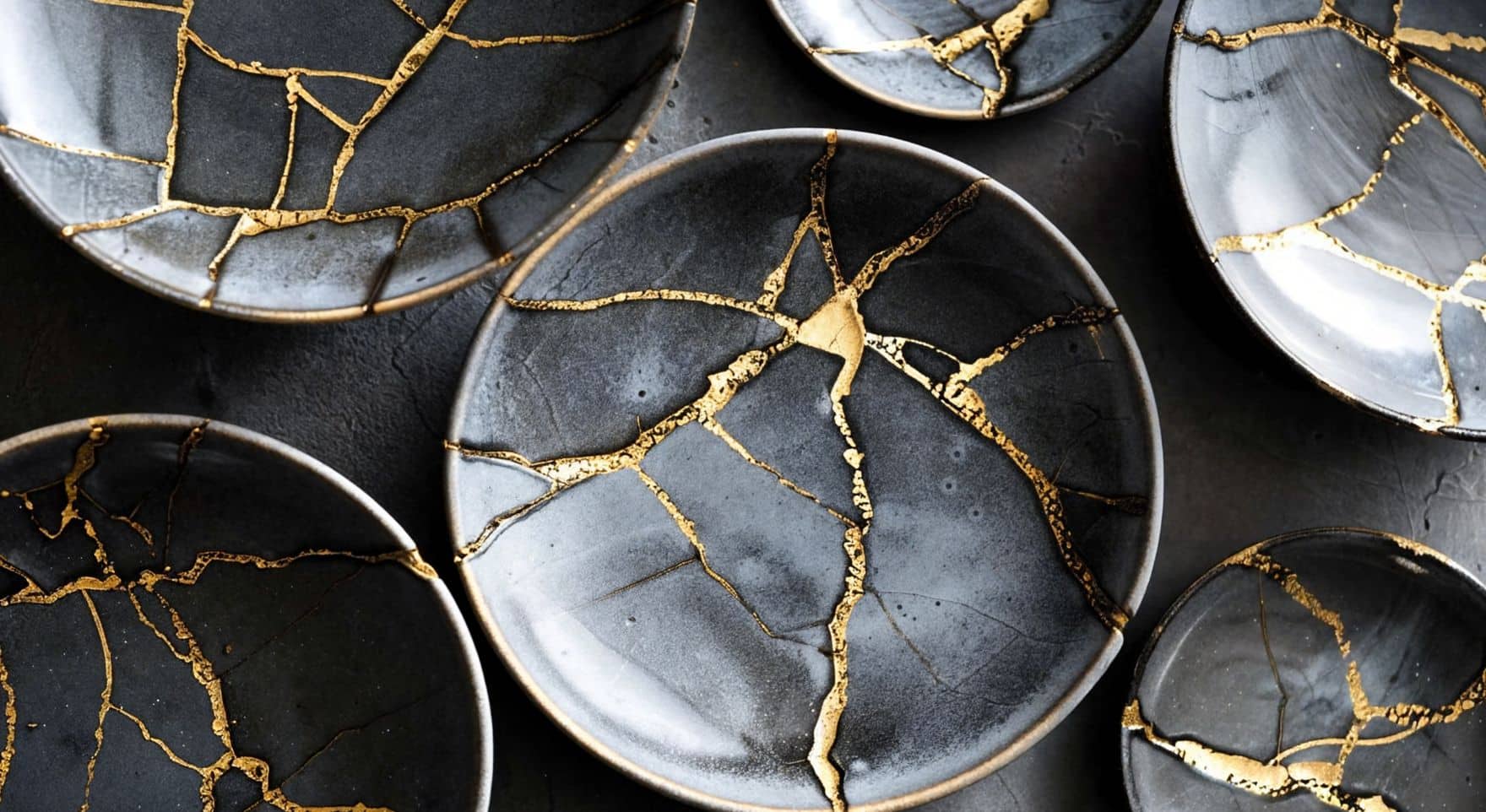


A private Kintsugi lesson in Kanazawa offers a clear introduction to Japan’s historic repair craft, using natural lacquer and gold in the city that has shaped the technique for centuries.
Kanazawa is known for its gold leaf workshops, traditional crafts and long-standing artistic guilds. In a quiet studio near the historic districts, a private Kintsugi session begins with a simple table, a small collection of ceramics and a tray of lacquer tools arranged with precision.
Your instructor introduces the tools with deliberate calm. A damaged ceramic piece rests before you, selected for its clean break lines and suitability for the lesson. The process will not recreate the full timeline of traditional Kintsugi, which can take weeks or months, but the steps you follow reflect the essence of the technique. The goal is clarity rather than speed, making the experience accessible while still grounded in authentic method.
The first task is simple observation. You study the break lines and the lacquer that will hold them together.
Cultural and Historical Context
Kintsugi emerged during the Muromachi period, when broken ceramics were repaired not to disguise damage but to recognize it as part of the object’s history. The most familiar legend centres on Ashikaga Yoshimasa, a fifteenth-century shogun who sent his favourite tea bowl to China for repair. It returned with metal staples, a common technique at the time but visually crude. Unsatisfied, he asked Japanese artisans to find a more refined solution. Their response used natural Urushi lacquer to join the broken pieces, then sealed the seams with gold powder. The repaired bowl gained greater value, not only for its beauty but for the idea it expressed: that breakage can be integrated rather than concealed.
This philosophy aligned closely with the aesthetics of the tea ceremony, where simplicity, imperfection and longevity are valued. Kanazawa’s role in this history comes from its long-established gold leaf production. The city became central to the materials used in Kintsugi, making it an ideal setting to learn the craft with artisans who maintain the original techniques.
Why Private Access Matters
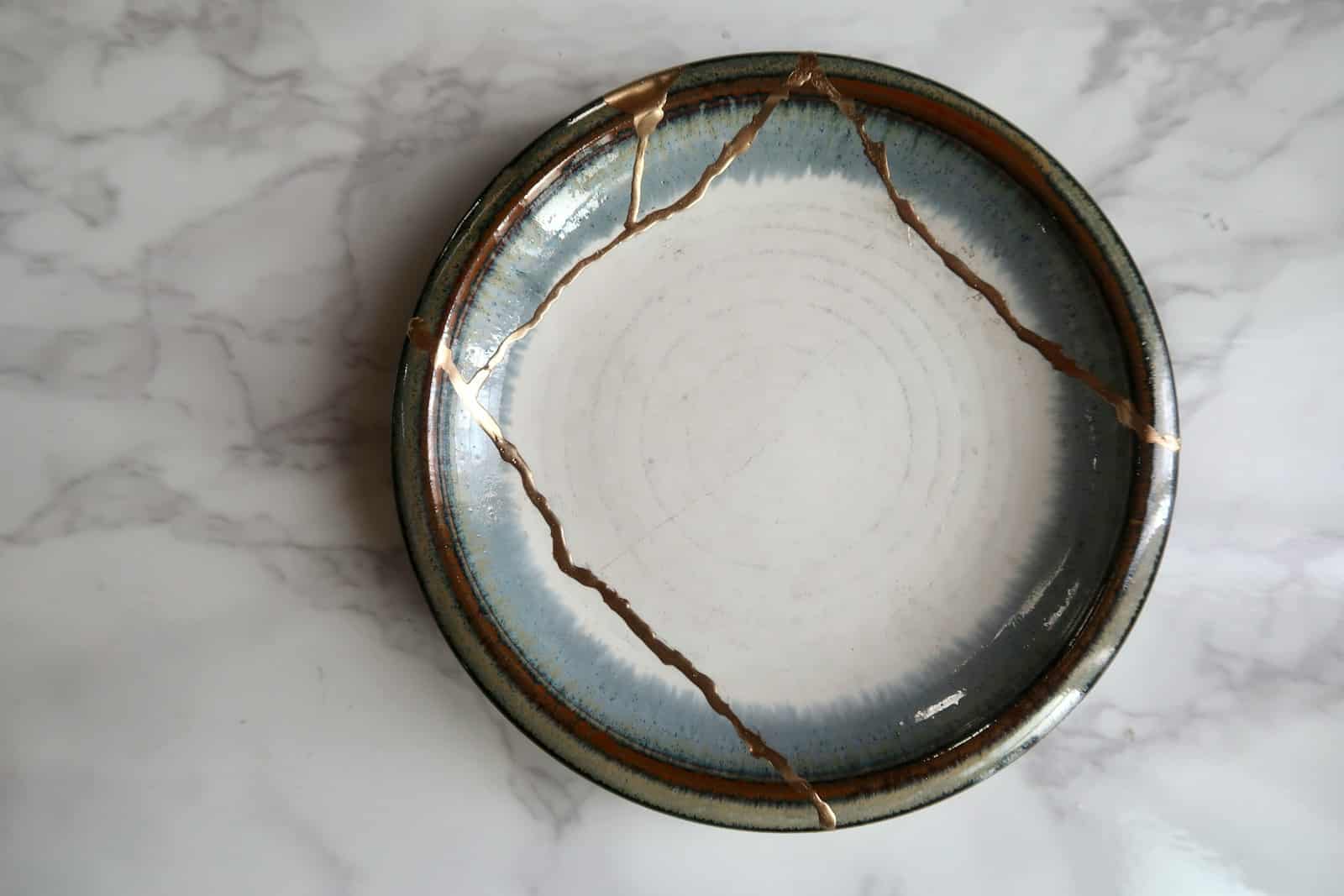
Kintsugi requires concentration and guidance. In a group setting, the pace can feel rushed or divided among several participants. A private lesson allows the instructor to tailor each step to your pace and comfort with the materials. You receive clear explanations about Urushi lacquer, the traditional glue mixture and the application of gold powder. Questions can be addressed without interrupting others, and the sequence of steps can be adjusted depending on how quickly you learn each technique.
There is no need to share tools or workspace. The lesson becomes quieter and more personal, resembling a short apprenticeship rather than a demonstration. You gain a clearer sense of how artisans think about repair, composition and the balance between precision and acceptance of imperfection.
What You See
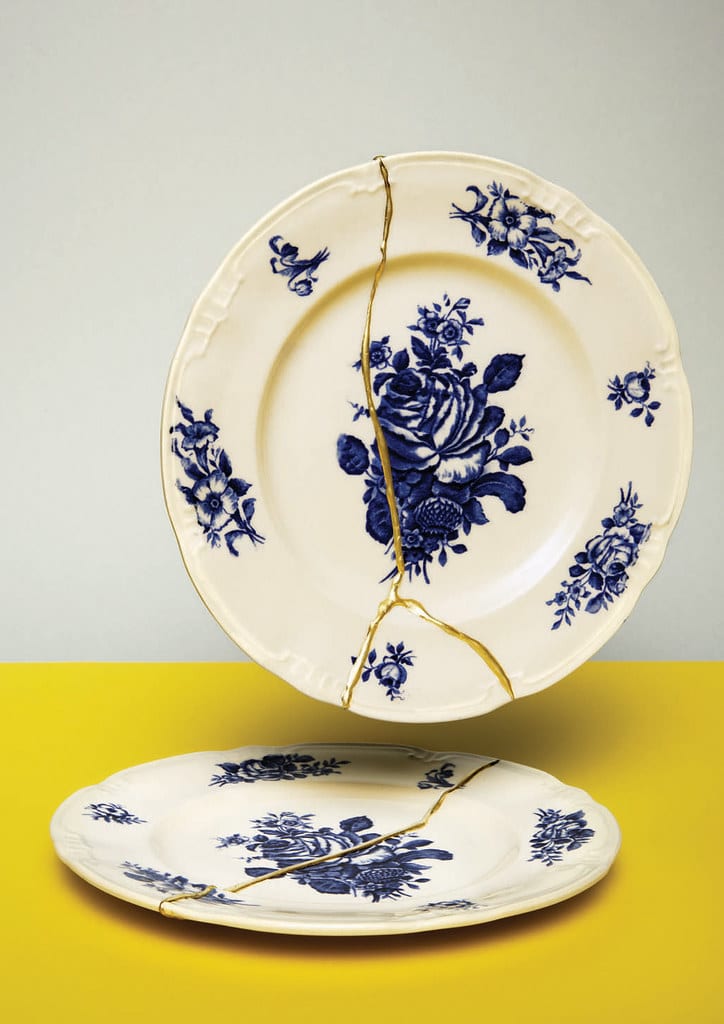
The materials are modest but exact. Urushi lacquer has a deep, natural sheen that becomes visible only when applied. The gold powder appears brighter under controlled light, revealing how it will settle into the lacquered seams. The broken ceramic piece shows its structure clearly once separated into fragments.
Your instructor guides you through preparing the adhesive mixture, applying a fine layer to each edge and pressing the pieces together with gentle pressure. You see how little lacquer is needed and how slowly the material sets. Once the join is formed, you practice outlining the seam with a thin brush before dusting the gold powder across the surface. Excess powder is removed with a soft stroke, revealing the line that defines the repair.
Throughout the lesson, you notice how the craft prioritises patience. The process does not create a perfected appearance but emphasizes clarity in the repair, strengthening the object while allowing its history to remain visible.
How Private Access Elevates the Experience
Do Not Disturb partners with studios in Kanazawa known for their adherence to traditional Kintsugi techniques. We arrange private sessions with artisans who specialize in small-scale instruction and natural materials. Scheduling, interpretation and logistical support are organised in advance, ensuring that the session proceeds without interruptions or uncertainties.
Our focus is to create a setting where the experience feels unhurried and grounded. You arrive knowing the instructor has prepared the materials specifically for your lesson and that the workshop will reflect the authenticity and calm that define Kintsugi.
Ready to arrange your private Kintsugi lesson in Kanazawa and explore Japan’s craft traditions with clarity and ease? Speak with Do Not Disturb to begin your journey.
Related destinations
Suggested articles

Costa Rica for Adventure Lovers: Luxury Edition

Full Moon Parties in Thailand: The History, the Hype, and the Reality

Koh Samui Luxury Guide: From Fishing Village to Five-Star Island

Exploring Thailand’s Chiang Mai Temple Circuit

Visiting the Ruins of Ayutthaya: Thailand’s Former Capital

How to Experience Spanish Wine Tours in Rioja

A Luxury Guide to Spain’s Basque Country

Gaudí’s Barcelona: How to Understand and Visit His Work

How to Plan the Perfect Luxury Trip to Angkor Wat

A Guide to Sri Lanka’s Tea Plantations

The Maldives Fixed Its Arrival Problem: Inside the New Velana Airport

The Best Islands in Australia for a Luxury Beach Holiday

How to Plan a Luxury Australian Outback Experience