

A private visit to Château de Fontainebleau opens the palace and its grounds with indescribable clarity. Exclusive access, from hidden rooms to garden and forest paths, reveals the depth of its eight-hundred-year story.
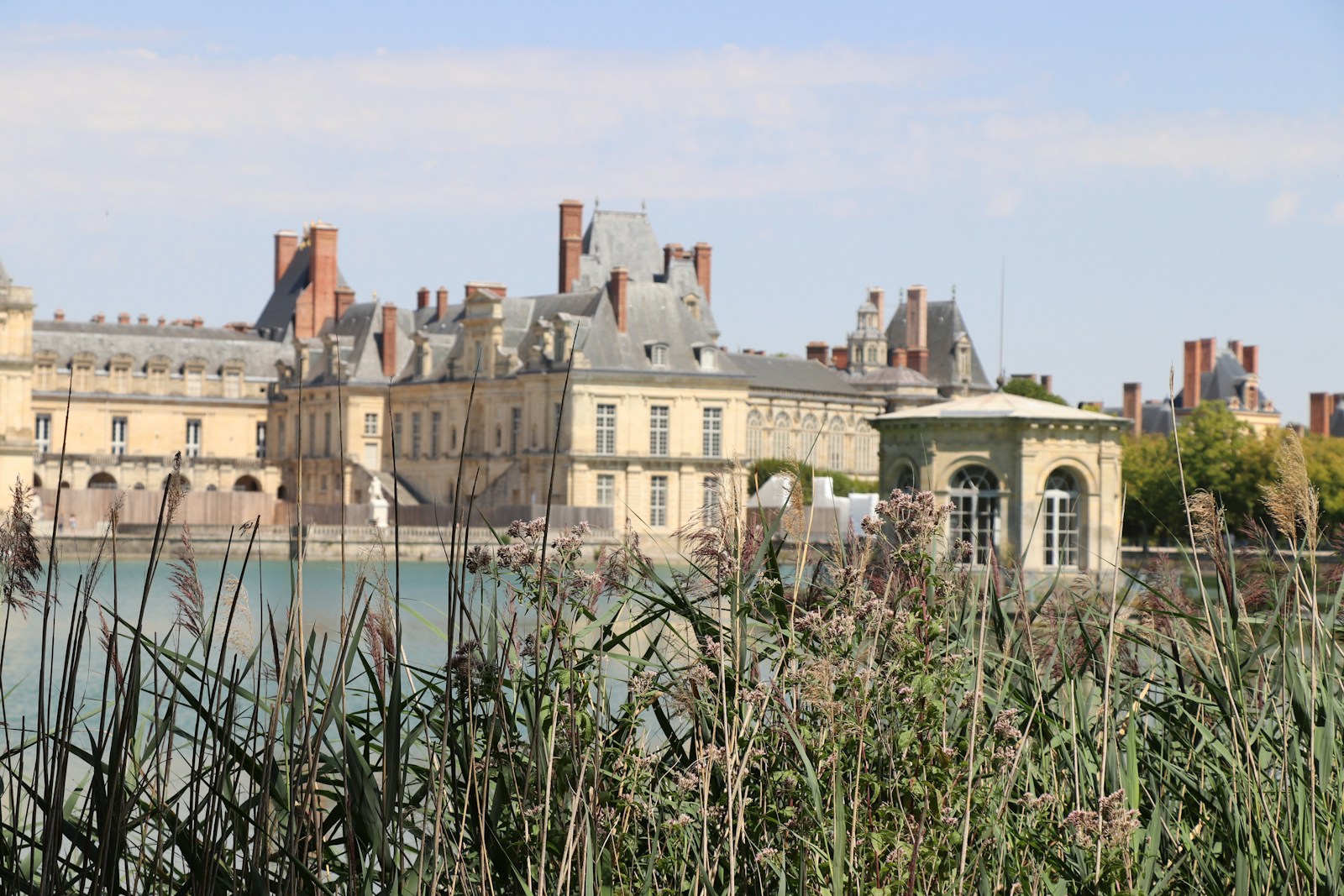
The drive from Paris gives way to wooded edges as the road approaches Fontainebleau, a landscape once shaped for royal hunting. The château appears gradually, its wings extending across a broad courtyard that has evolved over the centuries from a 12th-century hunting lodge to the palace that sits there today. Your guide meets you at a quiet side entrance, away from the flow of day trippers, and leads you into a palace that feels still despite its scale.
The first few steps are beautiful. Rooms that normally echo with tour groups are, at this early hour, waiting in silence. The varnished floors are quiet and peaceful, as the large windows provide an amazing view of the formal gardens that were shaped over generations. Rather than being swept forward by the pace of the crowd, you have time to understand the atmosphere of a place that served as a favored seat of power for French monarchs.
Cultural and Historical Context
Fontainebleau is one of the most continuously inhabited royal and imperial palaces in France. Its origins reach back to the twelfth century, but it was Francis I in the sixteenth century who transformed it into a centre of Renaissance culture. The Italian artists he invited introduced new techniques in fresco, carving and architectural decoration, creating the Fontainebleau School that influenced European art for decades.
Later monarchs expanded the palace, adding the grand apartments, the horseshoe staircase and the formal gardens. Napoleon considered Fontainebleau essential to his legacy, restoring the château and using it as a political stage. His abdication was signed here in 1814, one of the palace’s most defining historical moments.
Visitors today often move quickly through its highlights, guided by the standard route and pressed by the dense visitor flow. It is a palace of enormous variety, and understanding its significance requires more time and focus than a typical visit allows. This is where private access changes the experience entirely.

Why Private or Small-Group Access Matters
Fontainebleau’s size has to be seen to be believed. Its galleries, chapels, ballrooms and apartments offer a detailed portrait of French power, but the complexity can feel overwhelming when seen at pace. A private visit establishes a slower rhythm. Instead of following the movement of the crowd, the route is tailored to your interests and the guide’s expertise.
Private access also allows the possibility of entering areas usually closed to the public. Depending on availability, this may include smaller chambers, working spaces or historic rooms left untouched by standard renovations. These spaces provide a more intimate sense of how the palace functioned when it was home to kings, queens, courtiers and later the imperial household.

What You See
The tour often begins in the Renaissance wing, where carved wood, frescoed panels and elaborate stucco form a dense, intentional programme of imagery. Morning light enriches the surfaces, making the details easier to take in and appreciate. Your guide draws attention to stylistic changes introduced by the Italian artists who shaped the décor, revealing how their work repositioned French art in the sixteenth century.
Moving deeper into the palace, the scale shifts. The Queen’s apartments, the royal bedchambers and the great reception rooms each carry traces of different reigns. Tapestries soften the acoustics, and gilded frames mark the changing tastes of Bourbon and later Napoleonic rule. In several rooms, you notice restoration work that clarifies original colours and patterns, evidence of the ongoing effort to preserve this architectural record.
Stepping outside, the gardens extend beautifully across a series of terraces. The Grand Parterre is well kept and geometric, a reminder of seventeenth century landscape design, while the carp pond and canal feel open and reflective.
Should you choose to continue beyond the palace grounds, the forest offers its own story. For centuries, this was a royal hunting ground, shaped by paths and clearings. Nearby Barbizon, once home to the painters who sought the forest’s natural light, still holds traces of the village that influenced the Barbizon School. A private tour can link these sites seamlessly.

How Private Access Elevates the Experience
During regular hours, Fontainebleau receives a significant number of visitors. Rooms can feel compressed, and many travellers spend more time navigating groups than absorbing detail. The pace becomes functional rather than reflective.
Private access, especially before or after public opening, removes these obstacles. Without queues or timed pressure, you can see how rooms relate to one another, how architectural styles overlap and how political transitions shaped the palace’s evolution. Conversations with the guide unfold without interruption. The atmosphere becomes one of exploration rather than observation.
This clarity is difficult to find in a standard visit. With private access, the palace becomes legible in a way that aligns with its importance in French history.

How Do Not Disturb Makes This Possible
Do Not Disturb coordinates private tours in partnership with the château’s official guides and trusted local experts. These arrangements allow access to quieter time slots or, when available, spaces closed to the public. Transportation from Paris is organised to ensure a smooth journey, allowing you to arrive without logistical complexity.
Your guide is selected with care, chosen for deep knowledge of Fontainebleau’s architecture, history and art. The itinerary is designed around your curiosity, whether you are interested in the Renaissance foundations, the symbolism of the Napoleonic period or the surrounding forest and villages. Every element is planned to create an experience shaped by depth and calm rather than structure and pace.
Ready to plan your private visit to Fontainebleau and explore one of France’s most storied palaces with clarity and ease? Speak with Do Not Disturb to begin your journey.
Related destinations
Suggested articles

Costa Rica for Adventure Lovers: Luxury Edition
Full Moon Parties in Thailand: The History, the Hype, and the Reality
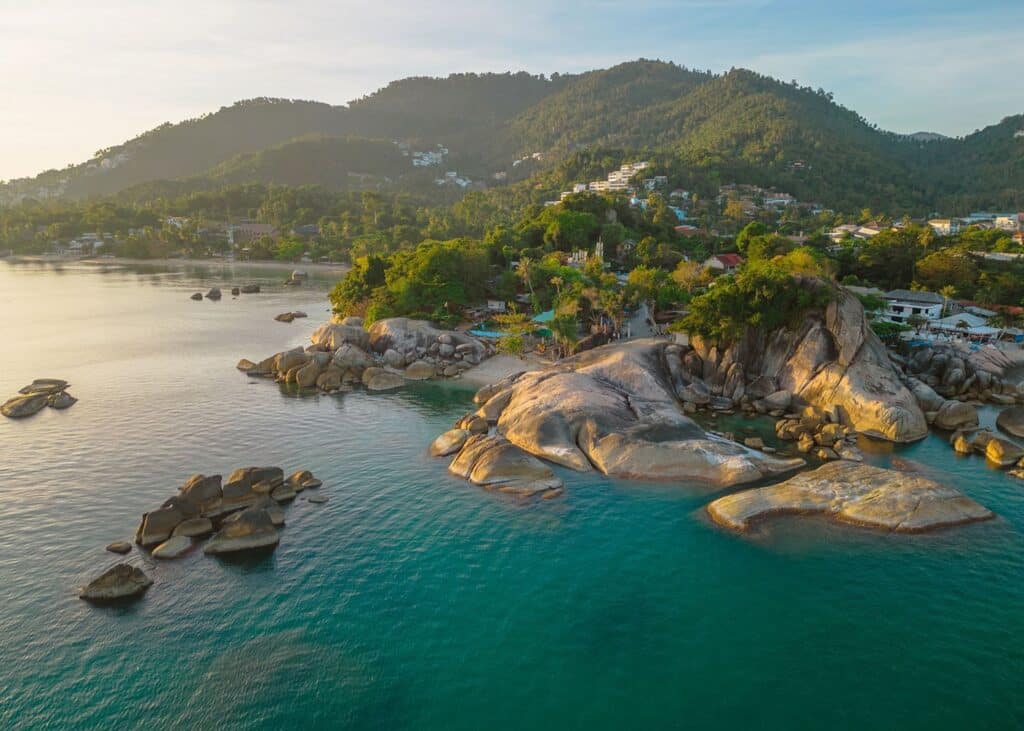
Koh Samui Luxury Guide: From Fishing Village to Five-Star Island
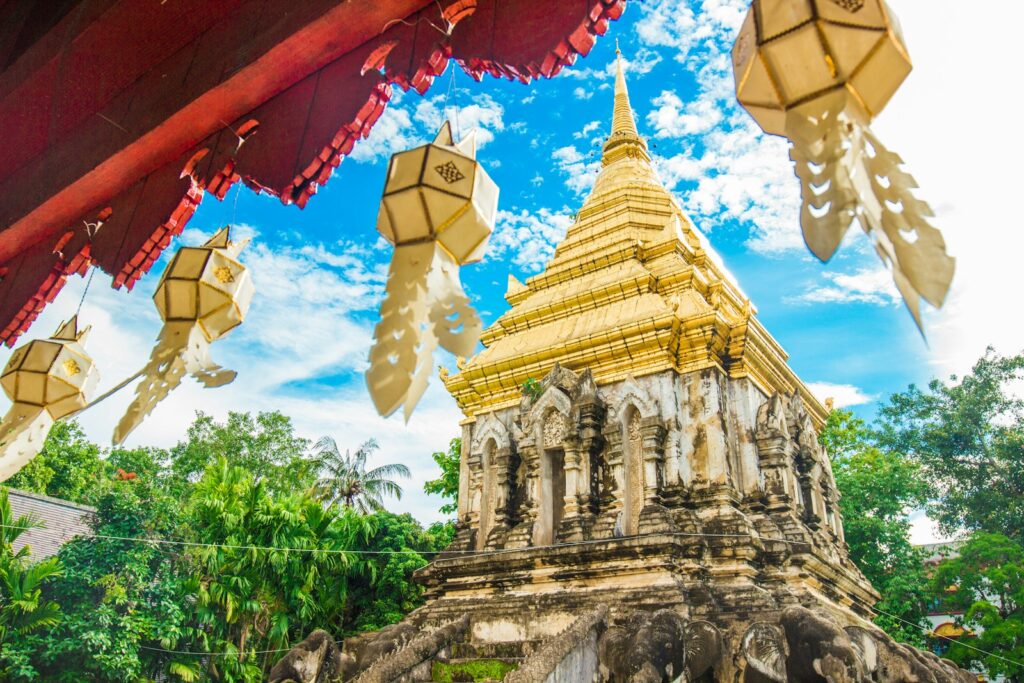
Exploring Thailand’s Chiang Mai Temple Circuit

Visiting the Ruins of Ayutthaya: Thailand’s Former Capital
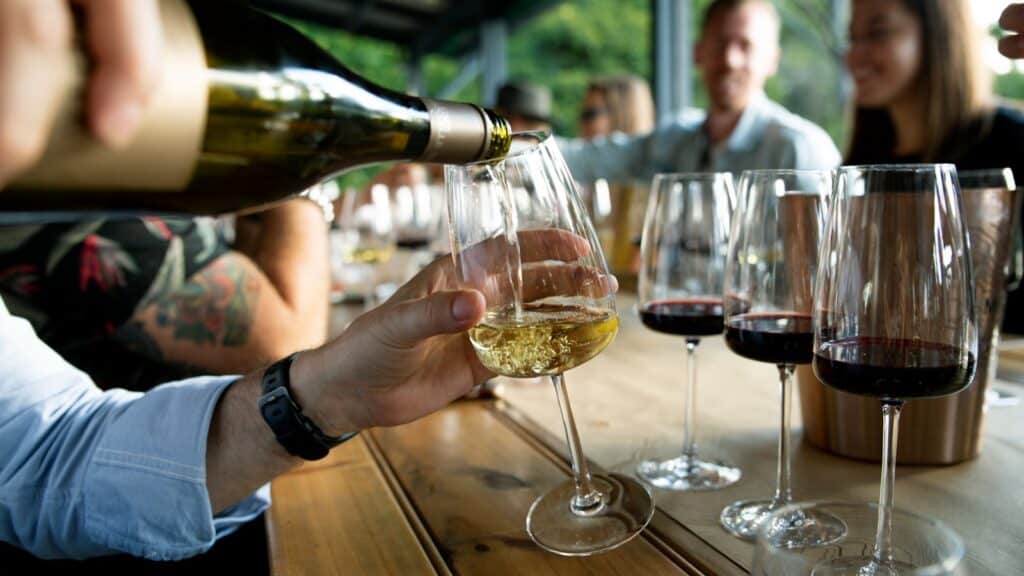
How to Experience Spanish Wine Tours in Rioja
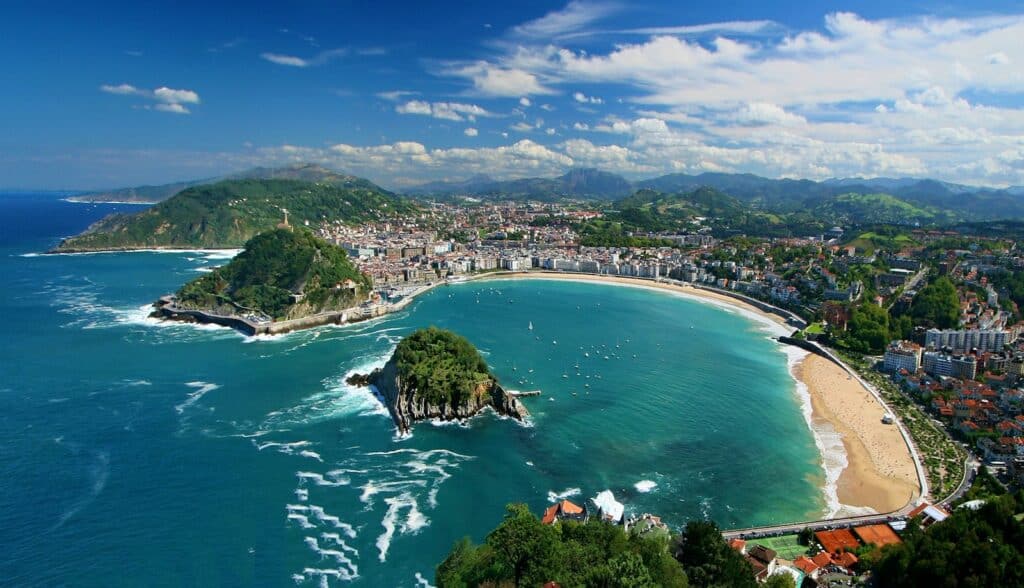
A Luxury Guide to Spain’s Basque Country
Gaudí’s Barcelona: How to Understand and Visit His Work
How to Plan the Perfect Luxury Trip to Angkor Wat
A Guide to Sri Lanka’s Tea Plantations

The Maldives Fixed Its Arrival Problem: Inside the New Velana Airport

The Best Islands in Australia for a Luxury Beach Holiday

How to Plan a Luxury Australian Outback Experience