After-hours access to a mountain spa in South Tyrol reveals alpine wellness traditions through candlelit thermal pools, herbal treatments, and guided sauna rituals. Set against the Dolomites, the experience gives you an elevated spa experience and unbeatable views.
In northern Italy, where alpine valleys meet the edge of the Dolomites, wellness is shaped as much by climate as by culture. South Tyrol’s spa tradition developed in response to altitude, long winters, and agricultural cycles.
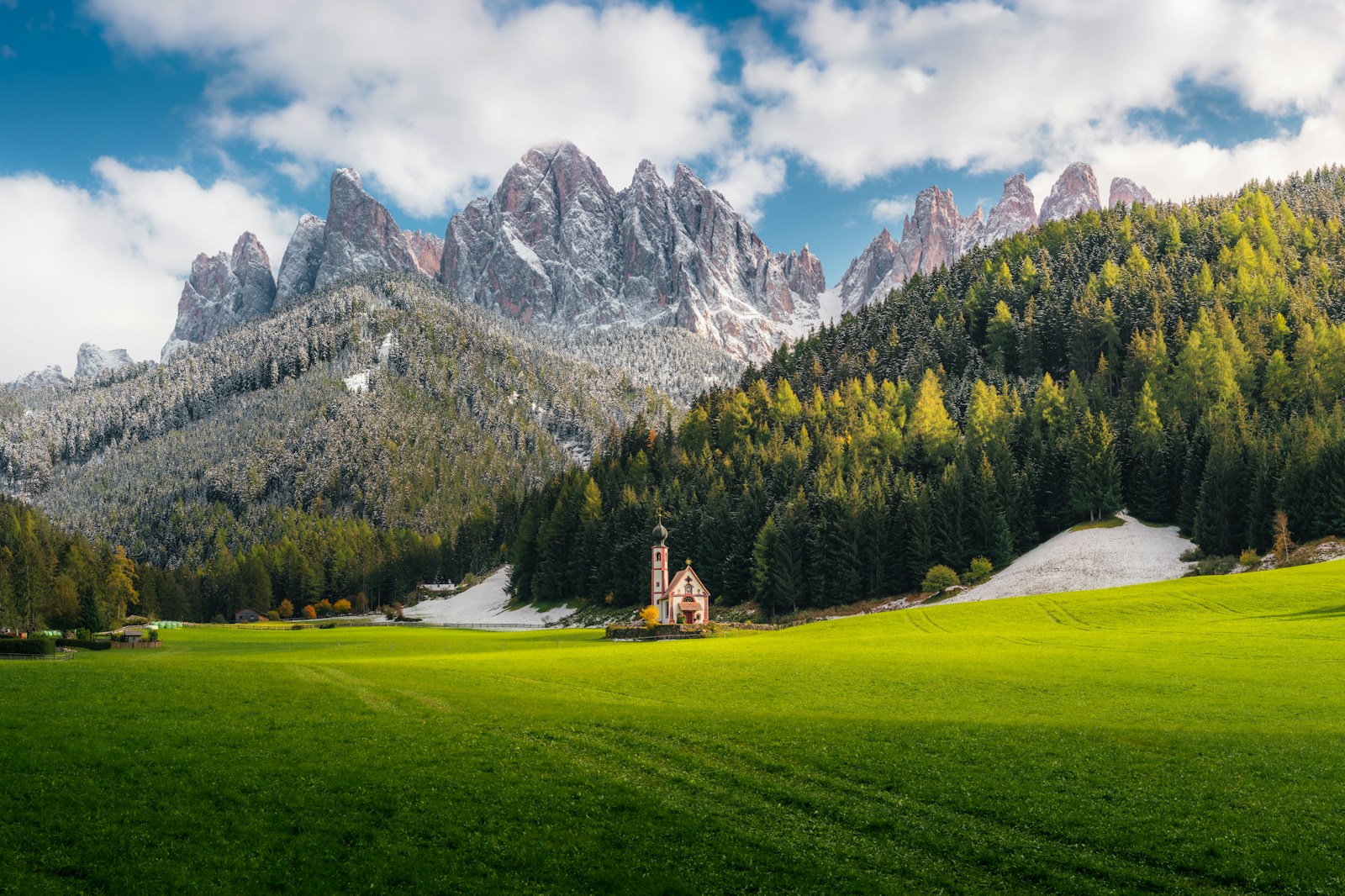
The drive to the spa facility winds through the Dolomite valleys, rising past small villages and cleared meadows. The landscape here changes seasonally with clarity. In autumn, the mountains shift to bronze and deep red. In winter, snow blankets the surrounding slopes while the spa building itself remains accessible.
The setting is remote but not inaccessible, positioned at elevation where the air temperature drops noticeably, making the warmth of thermal water feel more pronounced. This contrast between outside and inside underpins the entire experience.
Cultural and Regional Context
Alpine spa culture in South Tyrol dates to the 19th century, when the discovery of thermal springs sparked the construction of wellness facilities across the region. What distinguishes South Tyrolean practice from mainstream European spa culture is its reliance on specific herbal remedies and thermal protocols developed locally over generations.
The treatments are not arbitrary. They are grounded in the botanical knowledge of alpine communities and the mineral composition of waters that emerge from the Dolomite geology.
The herbs used in treatments change seasonally. Pine needle oil is harvested and prepared in autumn and winter. Alpine arnica, sourced from high-altitude meadows, peaks in summer. Herbal infusions are added to saunas, creating steam that carries botanical compounds into the respiratory system. The thermal pools themselves vary in temperature and mineral content, each designed for specific therapeutic purposes.
This is not spa culture built on luxury framing. It is functional wellness descended from mountain village practice, where access to thermal water was considered essential to survival through harsh winters.
What the Experience Includes
The evening typically begins with thermal pools, accessed slowly to allow the body to adjust. Warm water relaxes muscle and stabilizes circulation before heat exposure begins. Time here is unstructured, guided by comfort rather than instruction.
Sauna rituals follow, led by a trained Aufguss practitioner. Herbal infusions are prepared using regional plants, often pine needles, alpine hay, or mountain herbs depending on season. Water infused with essential oils is poured over heated stones, releasing steam in controlled waves.
The practitioner guides airflow using towels or fans, directing heat evenly rather than intensifying it. The ritual follows a set sequence, building gradually and ending with cooling periods that restore balance.
Between sauna sessions, rest areas remain dimly lit. Candles mark pathways without drawing focus. Herbal teas are served quietly, supporting hydration and digestion without ceremony.
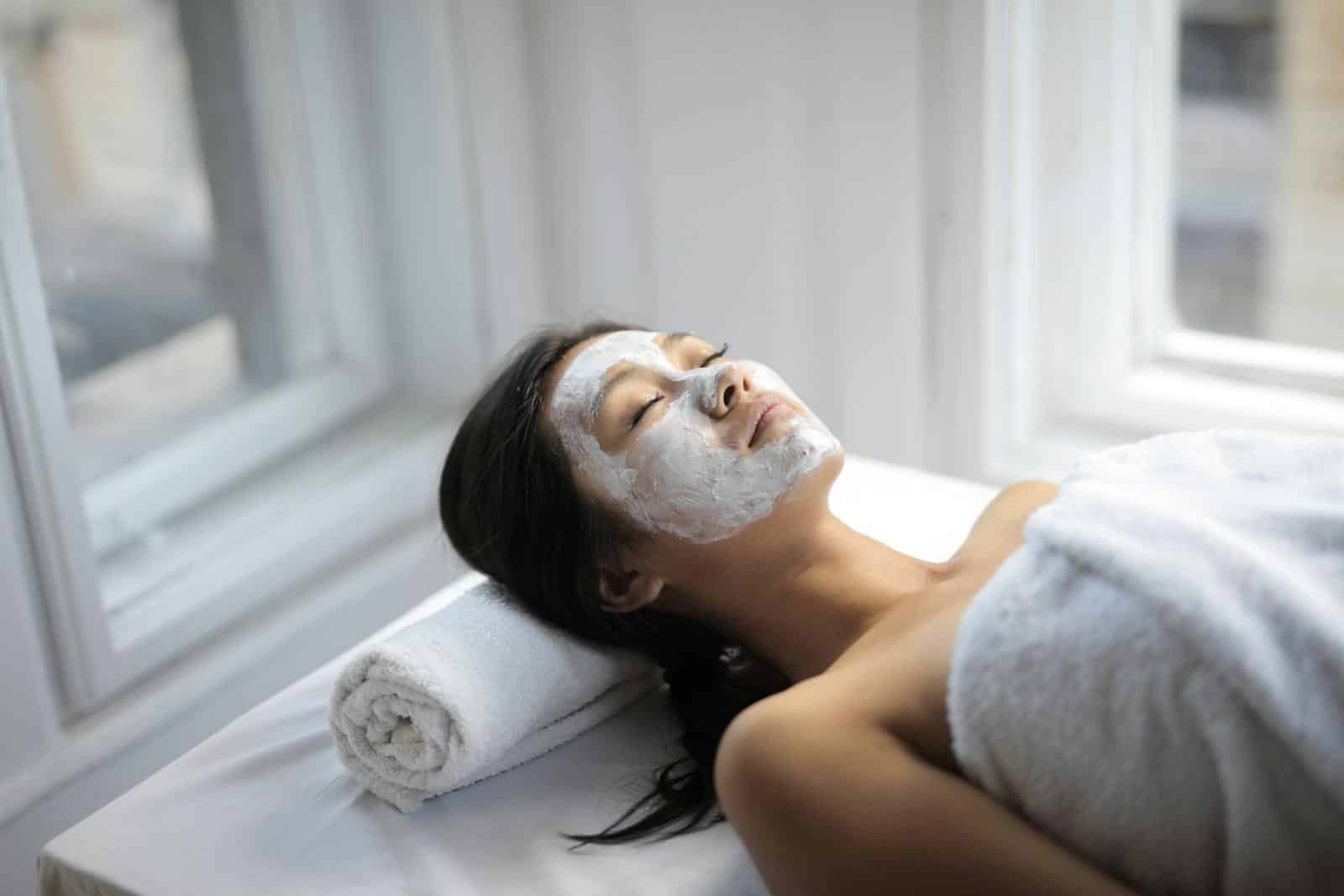
Optional treatments may include alpine oil massages or compresses using local herbs. These are applied with restraint, emphasizing warmth and circulation.
What You See
You enter through a timber-lined corridor, the interior temperature already noticeably warmer than the exterior. The changing facilities are simple: wooden lockers, a bench, heated towel racks.
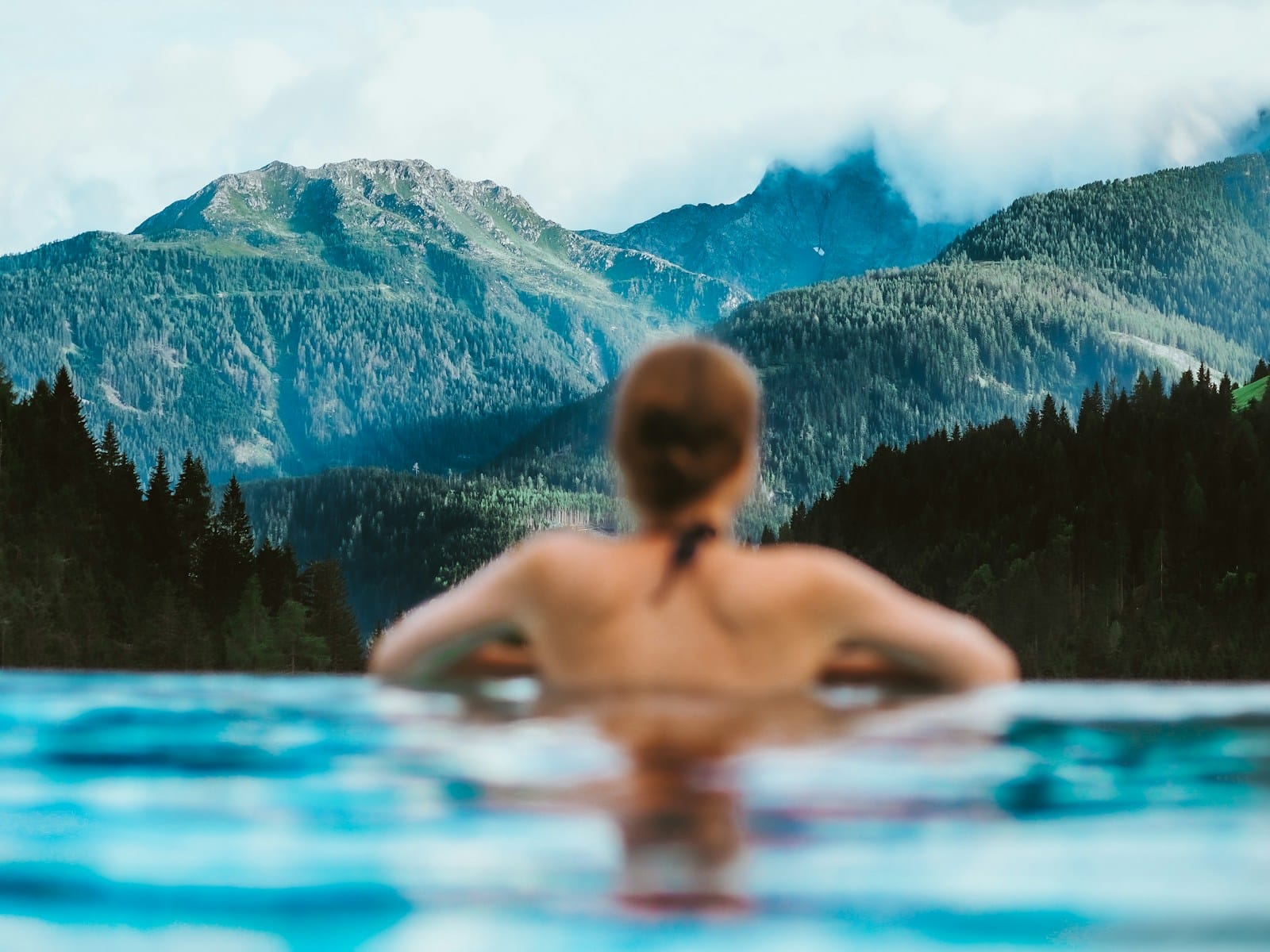
The thermal pools occupy the central hall. Water emerges from underground at 32 degrees Celsius, then cools as it moves through channels and pools of varying sizes. The largest pool measures roughly 40 feet across and 1.5 meters deep.
The water is transparent enough to see the pool floor, showing the slight mineral deposits that have accumulated over years. The colour is pale blue, a product of the mineral content, not treatment or lighting. Steam rises from the warmer sections, particularly where thermal water enters new pools. In candlelight, this steam catches the glow and creates shadows that shift continuously across the water’s surface.
The sauna wing contains three separate chambers. The primary sauna is heated to 70 degrees Celsius, constructed entirely of local larch wood. The timber smells strong when the sauna is first heated. This scent fades slightly as the session progresses. Wooden benches rise in tiers, each tier slightly cooler than the one above. A bucket and wooden ladle sit beside a low heat source.
During your session, an attendant will bring herbal infusions to pour over the heated rocks, releasing steam that carries botanical compounds. The scent that follows is distinct: pine in winter, arnica in summer, variations depending on regional availability.
How Do Not Disturb Makes This Possible
Accessing this experience privately requires relationships with the spa facility, understanding of its seasonal rhythms, knowledge of which herbal preparations are available during specific months, and precise timing coordination. Do Not Disturb manages these logistics entirely.
The booking process involves direct communication with the facility’s management to identify available after-hours windows, often requiring flexibility in scheduling or willingness to travel during shoulder seasons when availability is higher. Do Not Disturb handles this negotiation. The spa is informed in advance of preferences, thermal sensitivities, and any specific herbal treatments you wish to experience. This allows staff to prepare accordingly, ensuring the evening feels personalized rather than standard even in its privacy.
Do Not Disturb coordinates logistics seamlessly: transport from your accommodations, pre-spa preparation guidance (timing of last meal, hydration recommendations), and post-spa transition plan (how to conclude the evening without disrupting the calm that follows deep relaxation).
Ready to experience South Tyrol’s alpine wellness tradition through a private after-hours spa evening in the Dolomites? Do Not Disturb arranges seamless access to this distinctive ritual, combining regional herbal knowledge with thermal protocols refined across generations. Speak with our team to plan your journey.
Related destinations
Suggested articles
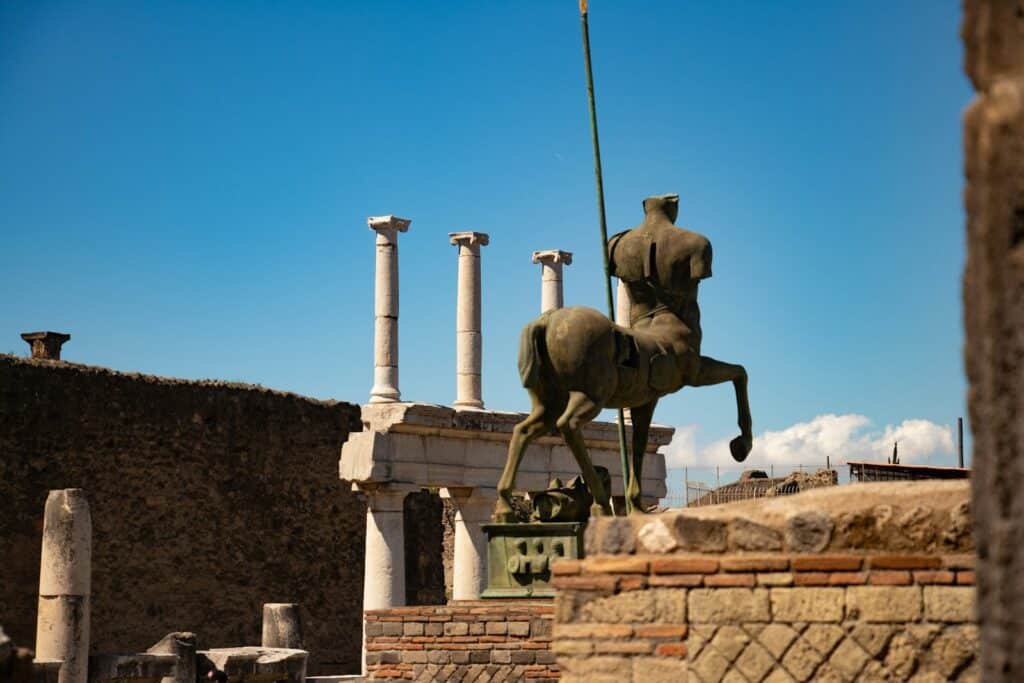
How to Spend a Day at Pompeii: A Practical Guide
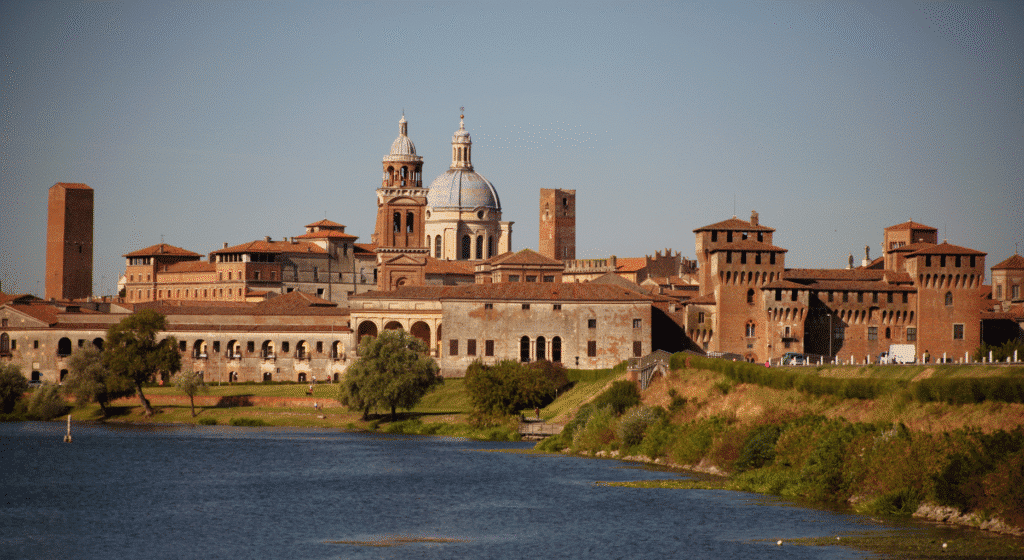
24 Hours in Mantua: A Guide to Italy’s Hidden Renaissance City
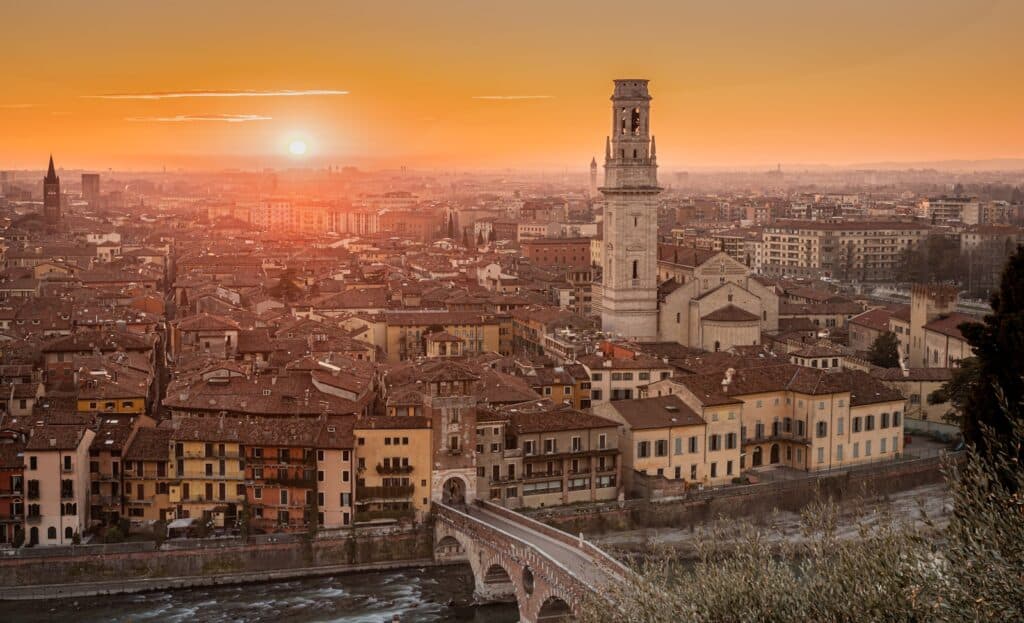
24 Hours in Verona
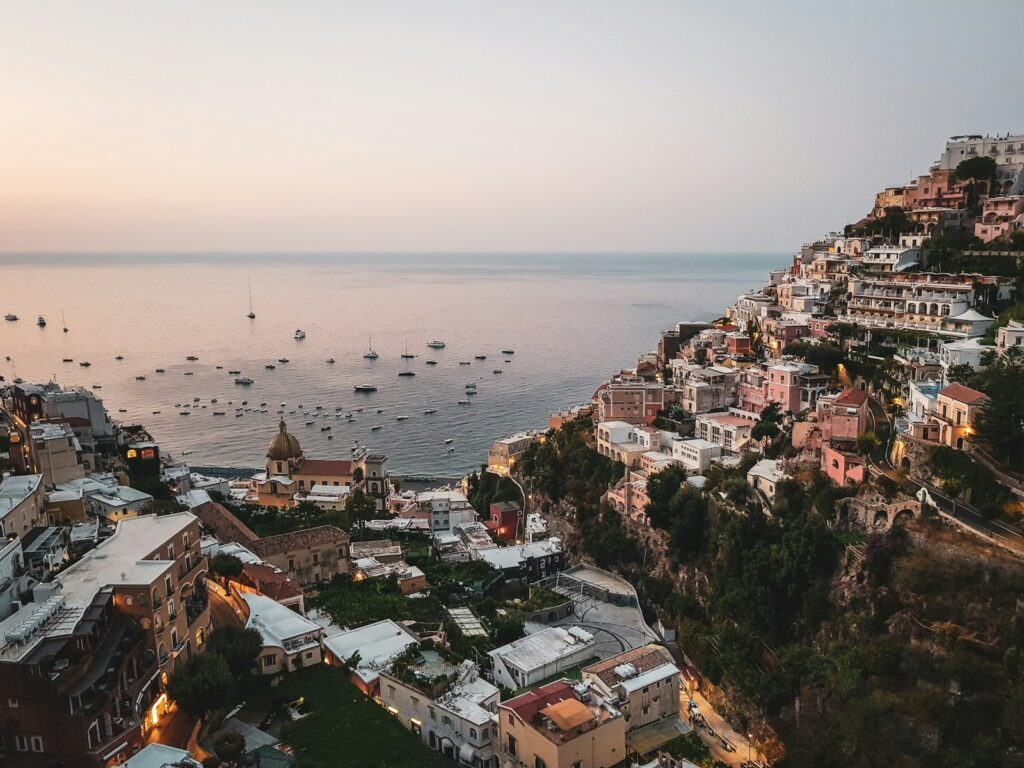
Amalfi vs Positano: Where to Stay on the Amalfi Coast
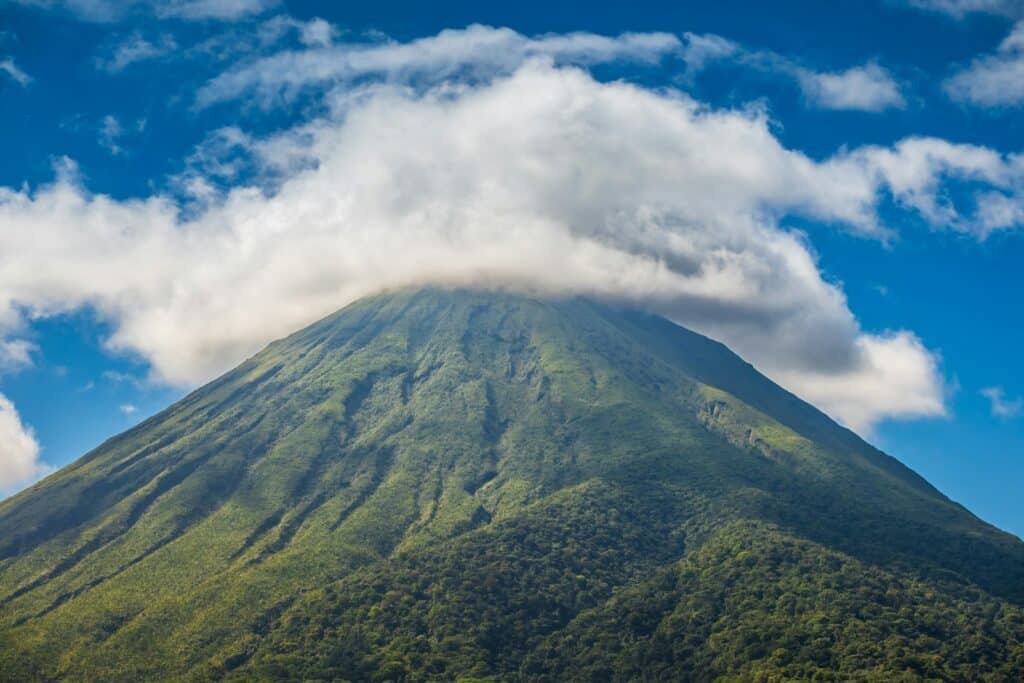
A Luxury Guide to Arenal: Hot Springs, Lodges and Volcano Views
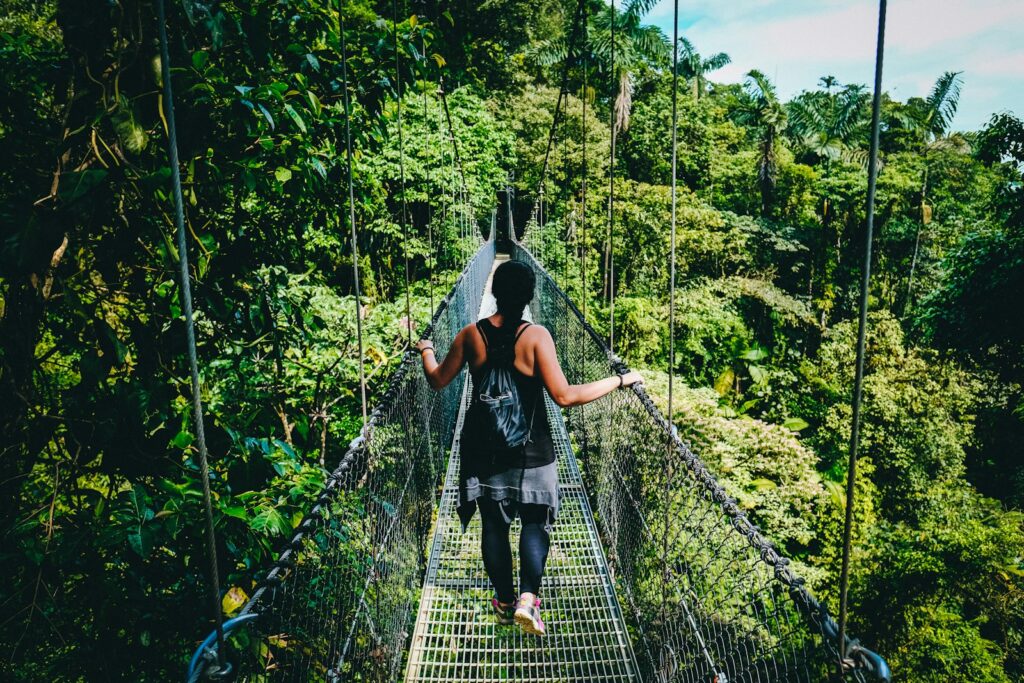
Costa Rica for Adventure Lovers: Luxury Edition
Full Moon Parties in Thailand: The History, the Hype, and the Reality
Koh Samui Luxury Guide: From Fishing Village to Five-Star Island
Exploring Thailand’s Chiang Mai Temple Circuit

Visiting the Ruins of Ayutthaya: Thailand’s Former Capital
How to Experience Spanish Wine Tours in Rioja
A Luxury Guide to Spain’s Basque Country
Gaudí’s Barcelona: How to Understand and Visit His Work