



14 days
|£4,475

Northern Thailand operates according to different historical and spiritual logic than the central kingdom. Chiang Mai’s three primary temples reveal this distinction more clearly than any guidebook summary. Lanna, the historical kingdom centered in the north, developed as a separate cultural entity, influenced by Khmer, Burmese, and Mon traditions rather than the centralized Siamese model.
Most visitors experience Thai Buddhism as a unified system. This misses fundamental reality. Central Thai Buddhism, dominant in Bangkok and the south, emphasized the monarchy’s divine right and strict doctrinal orthodoxy under royal patronage. Lanna Buddhism developed in relative isolation, incorporating Burmese influences (particularly the Mon tradition), greater monastic independence, and different interpretations of Buddhist philosophy.
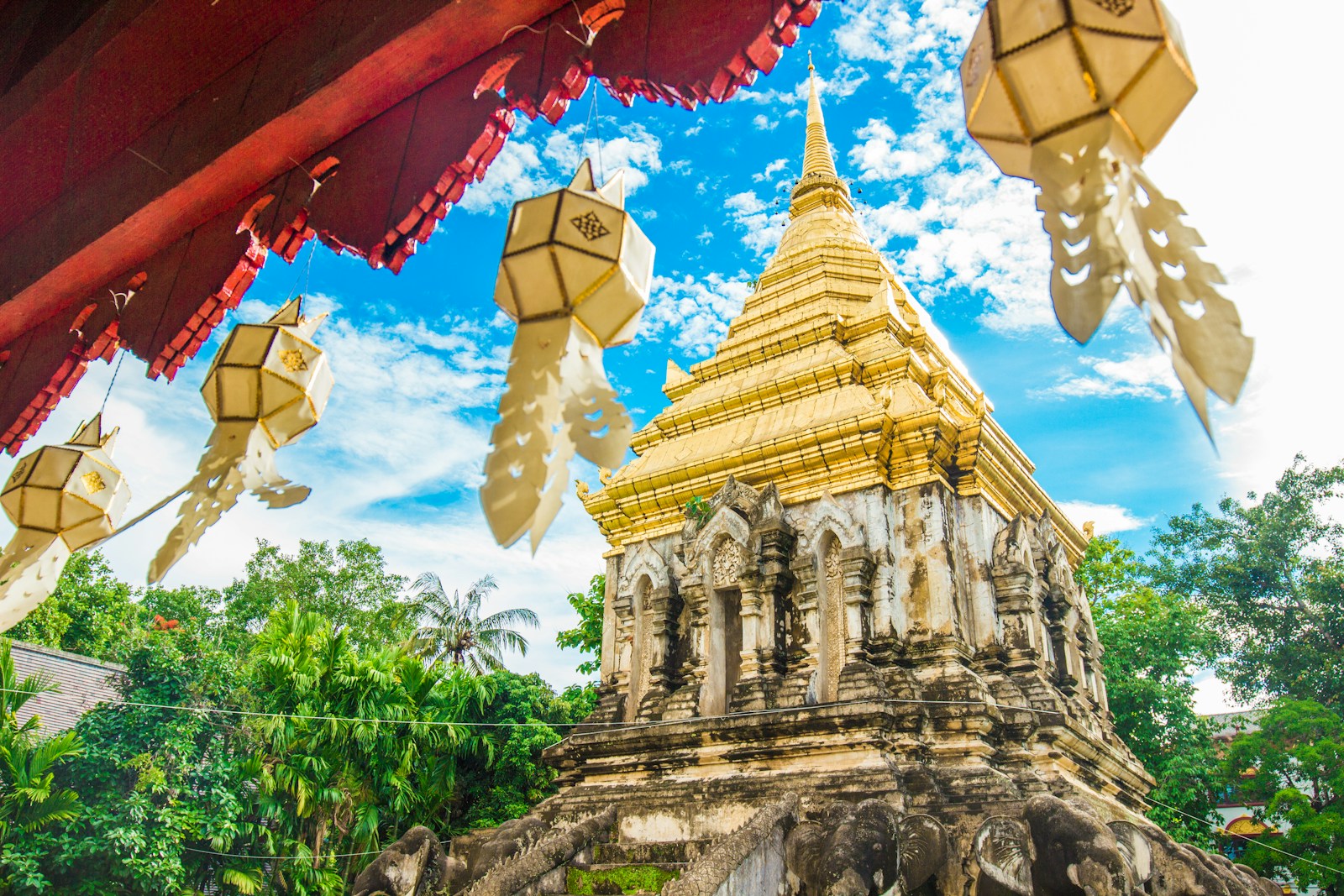
The architectural language reflects this difference. Central Thai temples favor symmetrical layouts, formal hierarchies, and pointed prarangs (central spires) that thrust skyward with obvious ambition. Lanna temples embrace asymmetry, distribute spiritual authority across multiple structures, and favor chedi (dome-shaped stupas) that feel grounded rather than aspirational. The aesthetic difference signals theological difference: central Thai temples embody unified authority channeled through the king; Lanna temples distribute spiritual power through the community of monks and believers.
This distinction carried political weight. Lanna maintained relative autonomy under its own kings until 1939, when the region was formally integrated into the Thai nation-state. Even now, northern Thailand maintains distinct traditions, dialects, cuisine, and artistic practice. The temples weren’t just religious spaces; they functioned as repositories of Lanna cultural identity.
14 days
|£4,475
11 days
|£3,100
10 days
|£4,235
Wat Chedi Luang presents Lanna’s most dramatic statement of spiritual aspiration. The central chedi, begun in 1441, originally rose approximately 80 meters, making it the tallest structure in the northern kingdom at the time. The scale conveys a particular moment in Lanna’s historical arc: confident, expansionist, and capable of mobilizing resources for monumental construction. The chedi’s design emphasizes the stupa’s essential form rather than decorative elaboration. The structure sits in the temple’s geometric center, dominating the space and establishing visual hierarchy.
The 1545 earthquake damaged the chedi severely, reducing it to the truncated form visible today. Rather than reconstructing to original height, the Lanna kingdom accepted the reduced structure as part of the sacred narrative. This acceptance reflects Buddhist philosophy regarding impermanence and attachment. The broken chedi became a teaching tool about Buddhist principles rather than a failure requiring correction.
Walking through Wat Chedi Luang today involves navigating between the damaged central stupa, surrounding smaller structures, and more recent additions. The temple functions simultaneously as historical monument and active worship space. Monks still maintain the grounds and conduct ceremonies. The layering of old and new, damaged and reconstructed, creates an honest representation of how religious spaces evolve across centuries rather than the pristine restoration typical of tourist-focused sites.
The temple’s political history matters as much as its architecture. Wat Chedi Luang served as the primary royal temple for Lanna kings, making it equivalent to Bangkok’s most important temples in central Thai context. This political significance ended with Lanna’s integration into the Thai nation-state. The temple shifted from center of power to historical artifact, a transformation that happened within living memory for some residents.
Wat Phra Singh, founded in 1345, expresses Buddhist artistry more than architectural grandeur. Its central viharn houses the Phra Singh Buddha, an image regarded as spiritually potent and historically significant. The space is designed around this presence. Attention moves inward rather than upward, guided toward the act of contemplation rather than the spectacle of structure. It reflects a strand of Thai Buddhism that privileges personal devotion within a shared ritual setting, creating an atmosphere that feels intimate even within a major temple complex.
The temple’s artistic program exceeds its architectural ambition. Intricate wood carvings throughout the complex demonstrate sophisticated craft traditions particular to Lanna. The decorative language incorporates geometric patterns, botanical motifs, and Buddhist iconography executed with discipline and beauty. This artistry wasn’t decoration applied afterward; it represented the theological statement itself. The beauty of the work embodied Buddhist principles regarding the relationship between craftsmanship, mindfulness, and spiritual practice.
Wat Phra Singh functioned as a monastic university where Buddhist scholars developed theological interpretations specific to Lanna. This intellectual role gave the temple different cultural authority than architecture or art alone could convey. The temple housed libraries, supported scholarly monks, and influenced Buddhist thought across the region. This intellectual function barely registers in contemporary tourism, where visitors photograph decorative elements without understanding their theological context.
Multiple smaller buildings create areas for different functions: meditation, study, worship, daily monastic life.
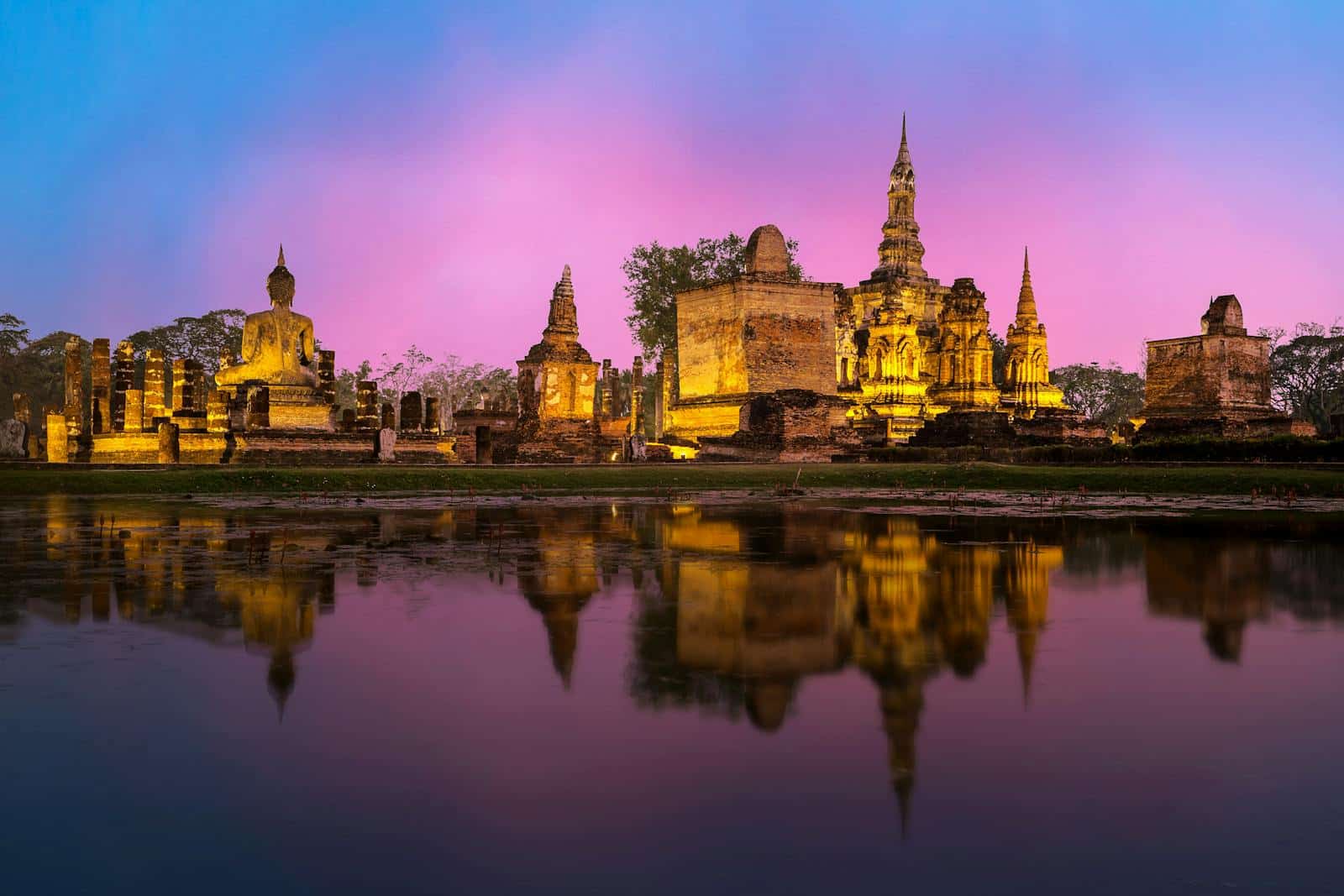
Wat Chiang Man is regarded as Chiang Mai’s oldest temple, its founding traditionally placed in 1296 at the moment the city itself was established. The claim is more than origin myth. Architectural evidence reveals layers of construction spanning several eras, allowing visitors to read Chiang Mai’s early history directly through shifting styles and materials. The small, Sri Lankan–influenced chedi hints at Theravada networks that linked northern Thailand with South Asia, carrying both artistic vocabulary and doctrinal ideas. Nearby, the larger chedi reflects developing Lanna identity, with proportions and ornamentation distinct from the central Thai traditions emerging farther south.
Unlike royal foundations that function primarily as ceremonial landmarks, Wat Chiang Man has long served as a neighborhood spiritual center. Monks reside on the grounds, children move between school buildings and shrine spaces, and local devotees use the temple not as a backdrop but as an extension of daily routine. Even with a steady flow of visitors, the atmosphere feels lived rather than curated. It remains an active religious community rather than a preserved archaeological site, which offers a clearer window into contemporary northern Thai Buddhism.
Its endurance across political shifts is part of what makes the temple compelling. Dynasties rose and fell, Burmese and Siamese powers contested the region and administrative systems were repeatedly reorganized, yet Wat Chiang Man continued to anchor spiritual life. That continuity reveals how Buddhist practice in Chiang Mai persists independent of political turbulence, shaped more by community identity than by the fortunes of any single ruler. For travellers seeking insight into the cultural foundations of the northern kingdom, the temple offers not only historical significance but an encounter with the quiet resilience that defines Lanna religious life.
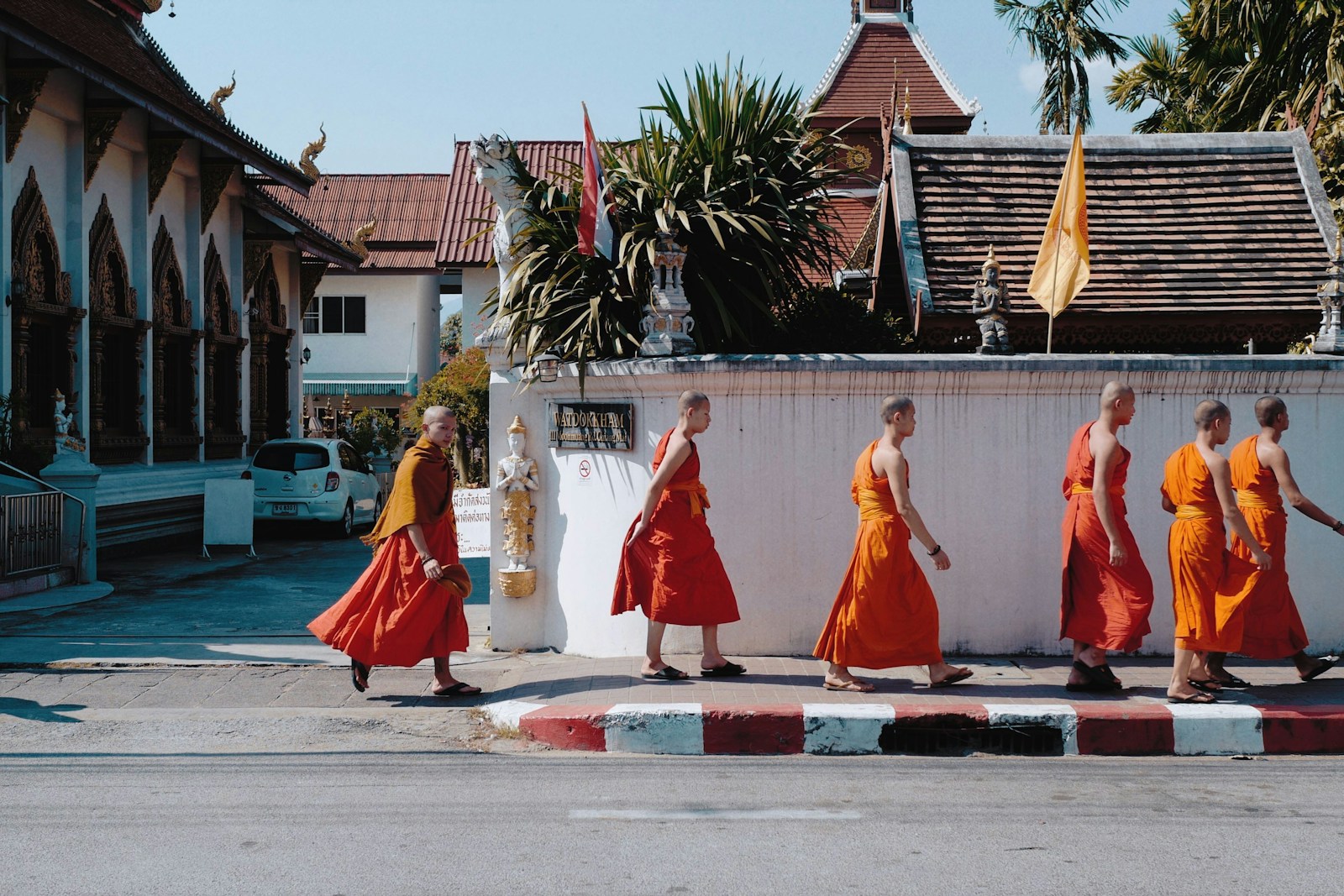
Contemporary tourism has altered these temples’ function while claiming to preserve them. The three temples now operate simultaneously as living religious spaces and historical monuments, creating tension that residents navigate but tourists often miss. The morning alms procession at Wat Chedi Luang involves actual monks receiving actual offerings from actual residents; tourists documenting this ritual interrupt it while claiming to appreciate it.
Visiting the circuit meaningfully requires understanding what you’re observing. The architectural differences between Lanna and central Thai styles become apparent only when you recognize what to look for: the dome versus the spire, the distributed versus concentrated power, the emphasis on decoration versus scale.
Arriving before dawn for the morning alms procession at Wat Chedi Luang offers experience distinct from daytime tourism. Monks receive offerings in silence; the interaction carries spiritual weight. Arriving without camera and remaining on the periphery demonstrates respect while allowing authentic observation.
Visiting during major Buddhist holidays such as Visakha Bucha (Buddha’s birthday) shows how these temples function within actual spiritual calendar rather than tourist schedule. The crowds are substantial, but they consist primarily of Thai worshippers conducting genuine religious practice. The atmosphere differs fundamentally from ordinary tourism.
Spending extended time at Wat Phra Singh examining the wood carvings reveals artistic detail and technical sophistication invisible in quick visits. Understanding the carving techniques, materials, and theological symbolism converts decoration into meaningful study.
Finding a resident English-speaking monk willing to discuss Lanna Buddhism transforms tourist experience into education. Most temples employ monks trained for visitor engagement. Direct conversation about theological distinctions and historical context provides depth impossible through guidebooks.
Ready to explore Chiang Mai’s Lanna heritage? Speak with Do Not Disturb to curate a temple circuit that reveals the region’s architecture, philosophy and living spiritual culture.
Related destinations
Suggested articles



Tell us how you want to feel, we’ll take it from there.
“Our trip was truly magical and full of core memories that will last us a lifetime.”
Michael • Bora Bora Honeymoon

“We just returned from an incredible journey through Ireland, and we couldn’t have had a better experience”
Brad • Ireland Adventure
“This was a flawless experience right from the beginning, we had so many thoughts and ideas flowing around and they took all of them and perfectly curated the most beautiful honeymoon for us.”
Kris • Sicily Honeymoon
See more reviews on Trustpilot
 9 min read
The full moon party represents Thailand’s most famous nocturnal gathering and one of Southeast Asia’s most recognized tourism phenomena. On the night of the full moon, thousands of travellers converge on Koh Phangan’s Haad Rin beach for an all-night gathering combining electronic music, fire performance, body painting, and general hedonism. The parties have achieved such […]
 9 min read
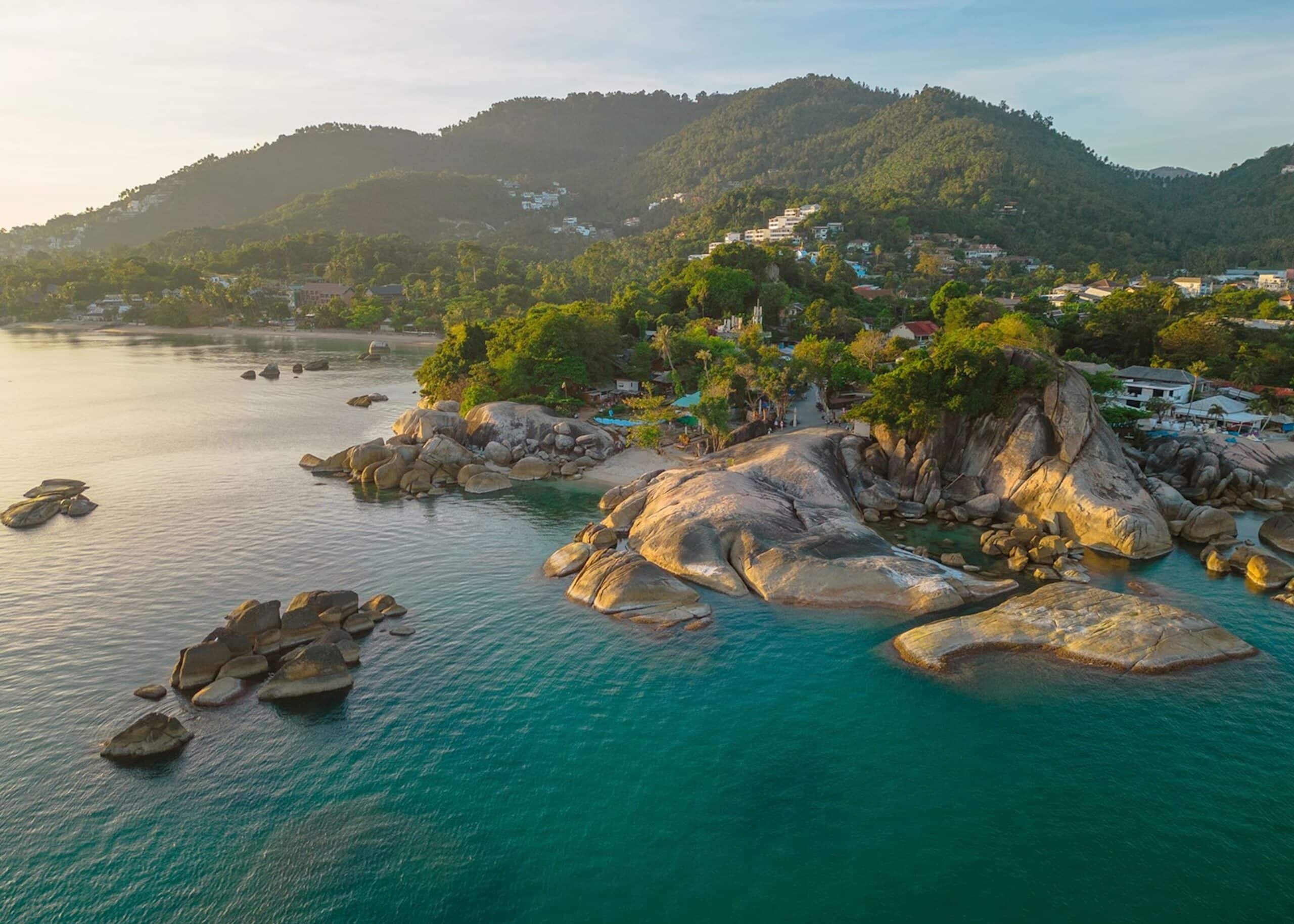
Koh Samui represents one of Thailand’s most successful transformations from an agricultural island to an upmarket resort destination. Its rise into global conversation deepened again in 2024 when The White Lotus filmed its third season on the island, placing Samui’s landscape and hotel culture in front of a global audience.
10 min read
Northern Thailand operates according to different historical and spiritual logic than the central kingdom. Chiang Mai’s three primary temples reveal this distinction more clearly than any guidebook summary. Lanna, the historical kingdom centered in the north, developed as a separate cultural entity, influenced by Khmer, Burmese, and Mon traditions rather than the centralized Siamese model.
 7 min read
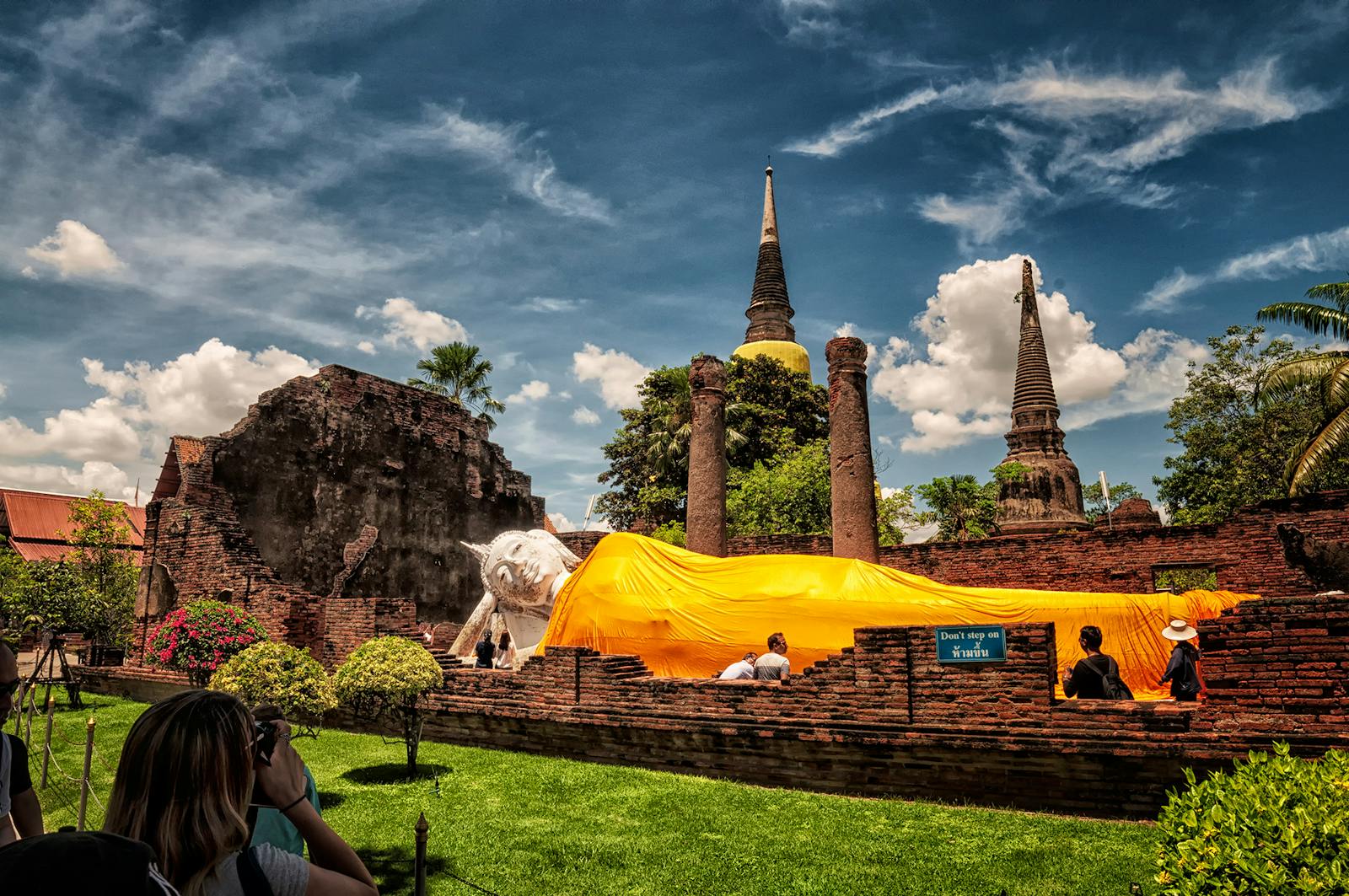
Ayutthaya is Thailand’s former capital. Established in 1351 and destroyed in 1767, functioned as one of Southeast Asia’s most sophisticated urban centers during its four-century reign.

Ask us anything.
