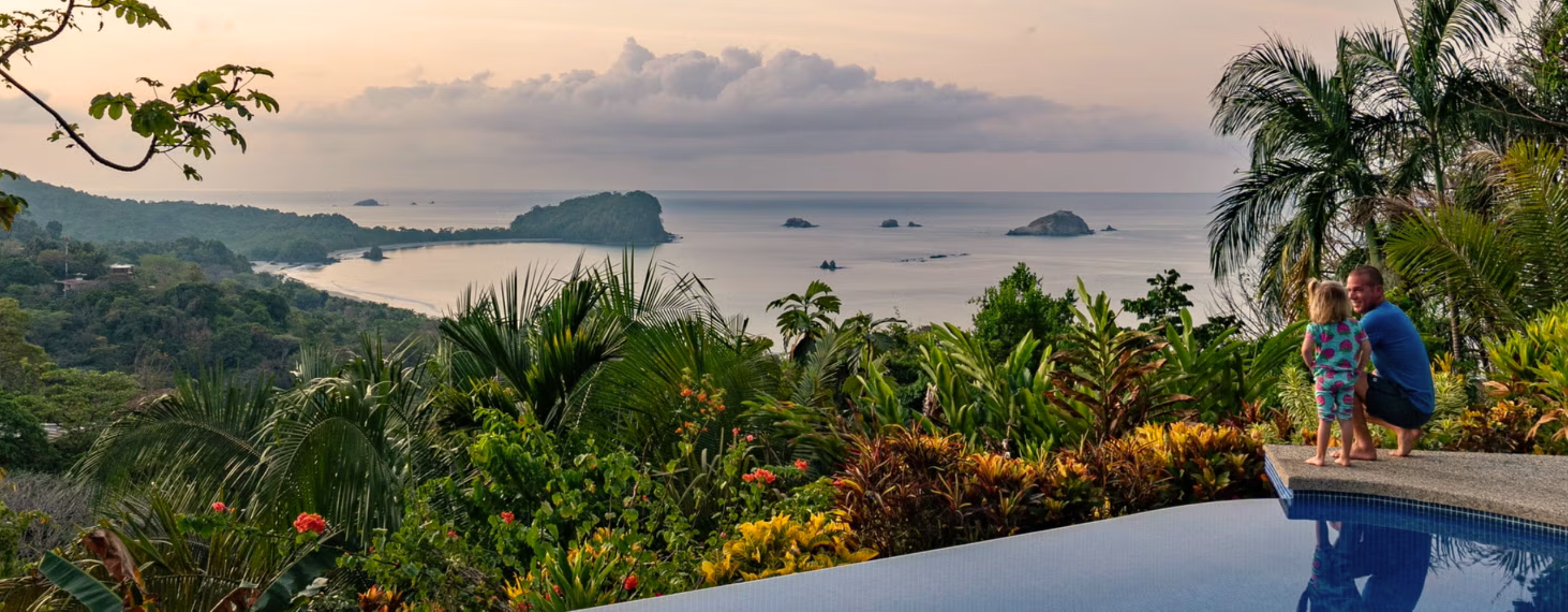
Costa Rica fits more geography into a small country than most places manage across entire continents. You can surf in the morning, hike through misty forest by afternoon, and soak in a natural hot spring by evening.
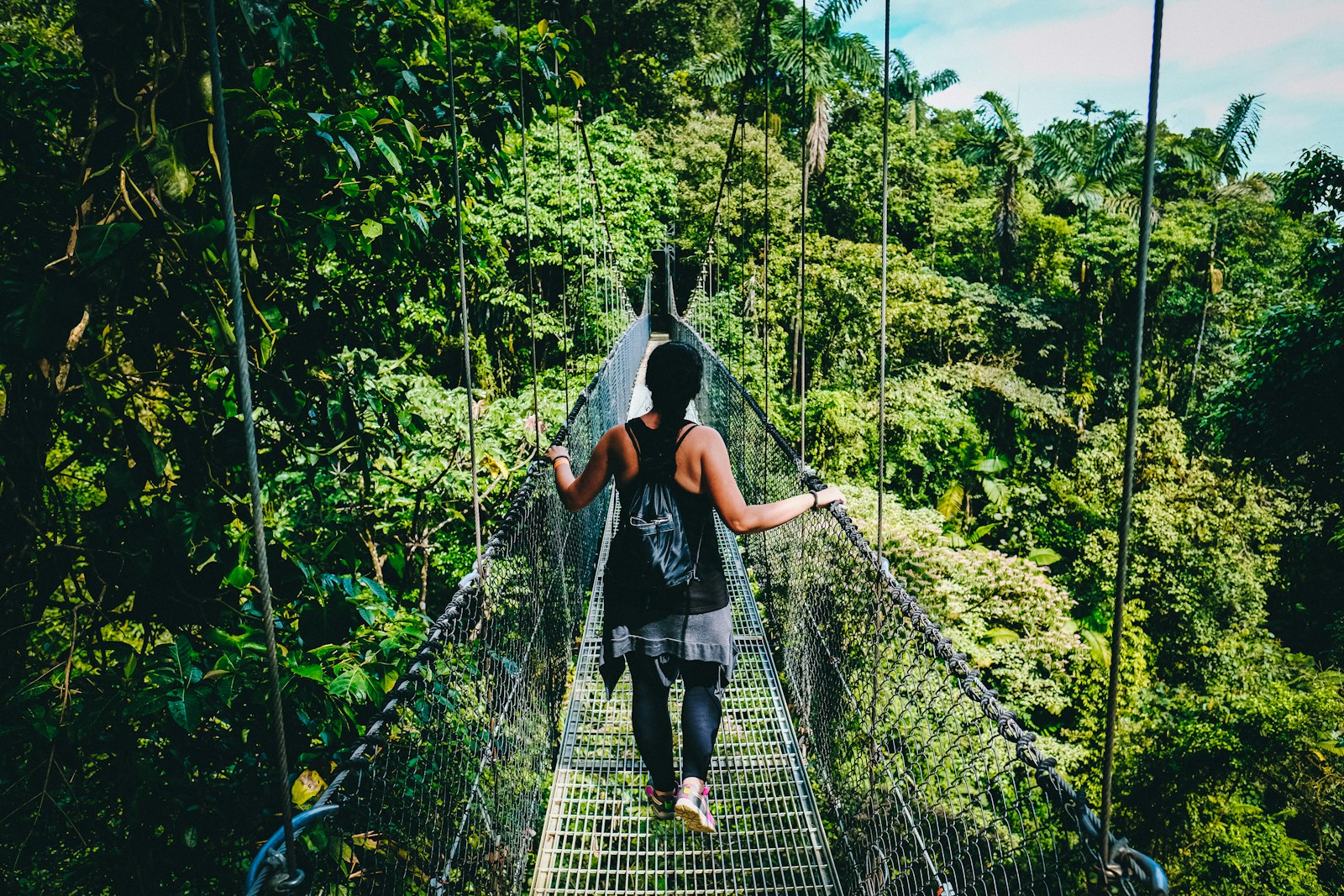
Costa Rica fits more geography into a small country than most places manage across entire continents. You can surf in the morning, hike through misty forest by afternoon, and soak in a natural hot spring by evening.
Costa Rica sits between two oceans with a volcanic spine running through its middle, which means the country essentially rewires itself every time you move. Cloud forests rise to 3,800 meters along the spine, then drop to sea level within hours – that elevation swing creates entirely different climates in a single day. The Pacific side has serious waves, black sand beaches, and drier conditions; the Caribbean coast is calmer, perpetually green, and significantly wetter. The wildlife density is genuinely staggering because of this compression. You get tropical rainforest, cloud forest, and coastal ecosystems stacked on top of each other in a country smaller than West Virginia. Seasonal patterns flip between coasts too, which means there’s always a dry window somewhere.
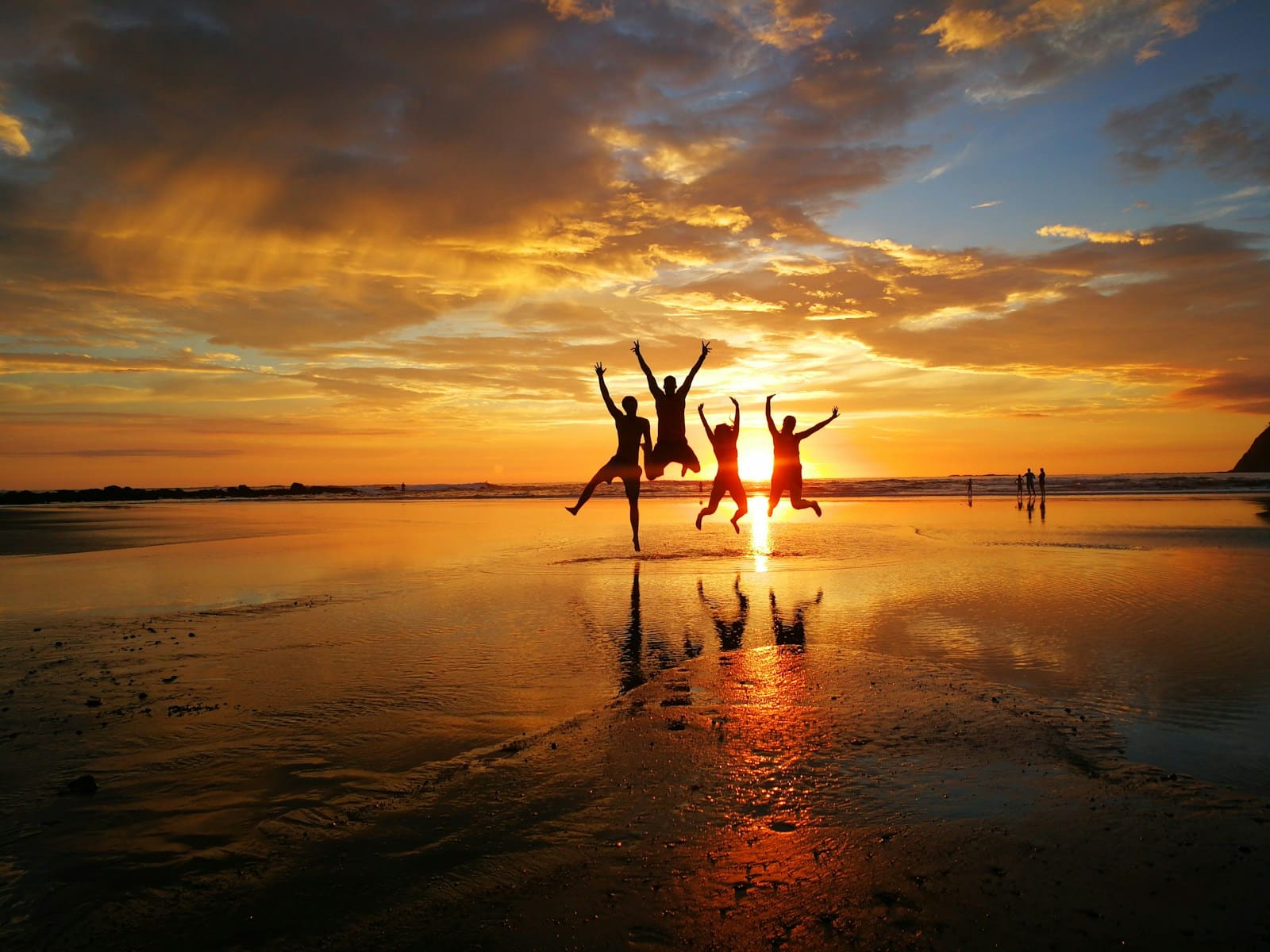
Positioned between the Caribbean and the Pacific, Costa Rica is small enough to cross in a day, yet diverse enough to fill a lifetime of journeys. San José, the capital, mixes colonial buildings with a growing art and food scene.
From there, most travellers trace a path through volcanic valleys toward the north or west, following roads lined with coffee fields and palms.
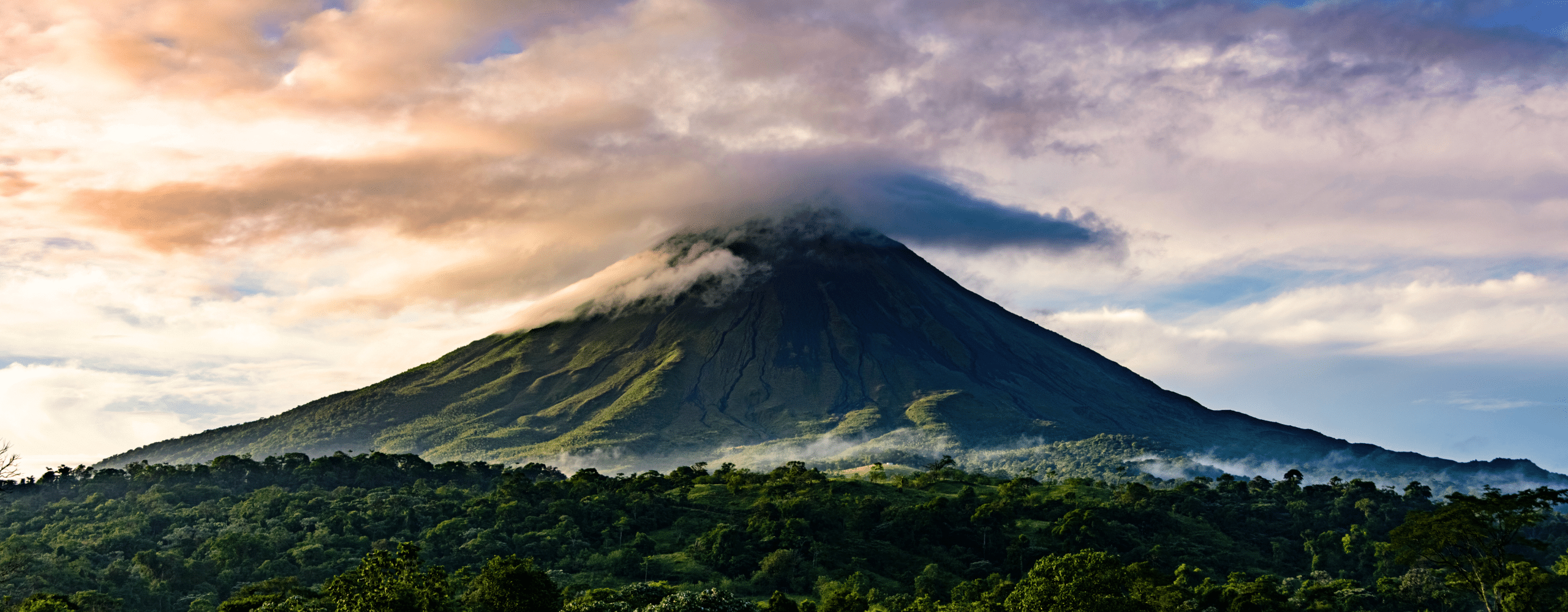
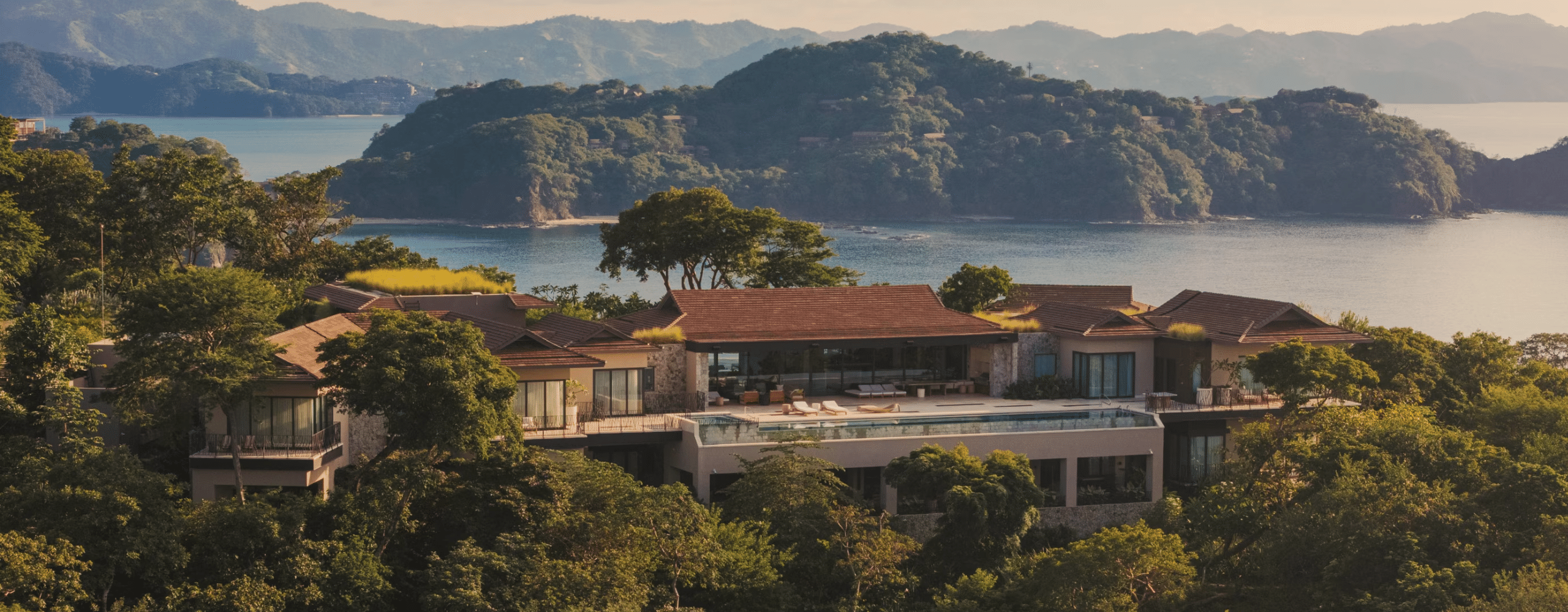
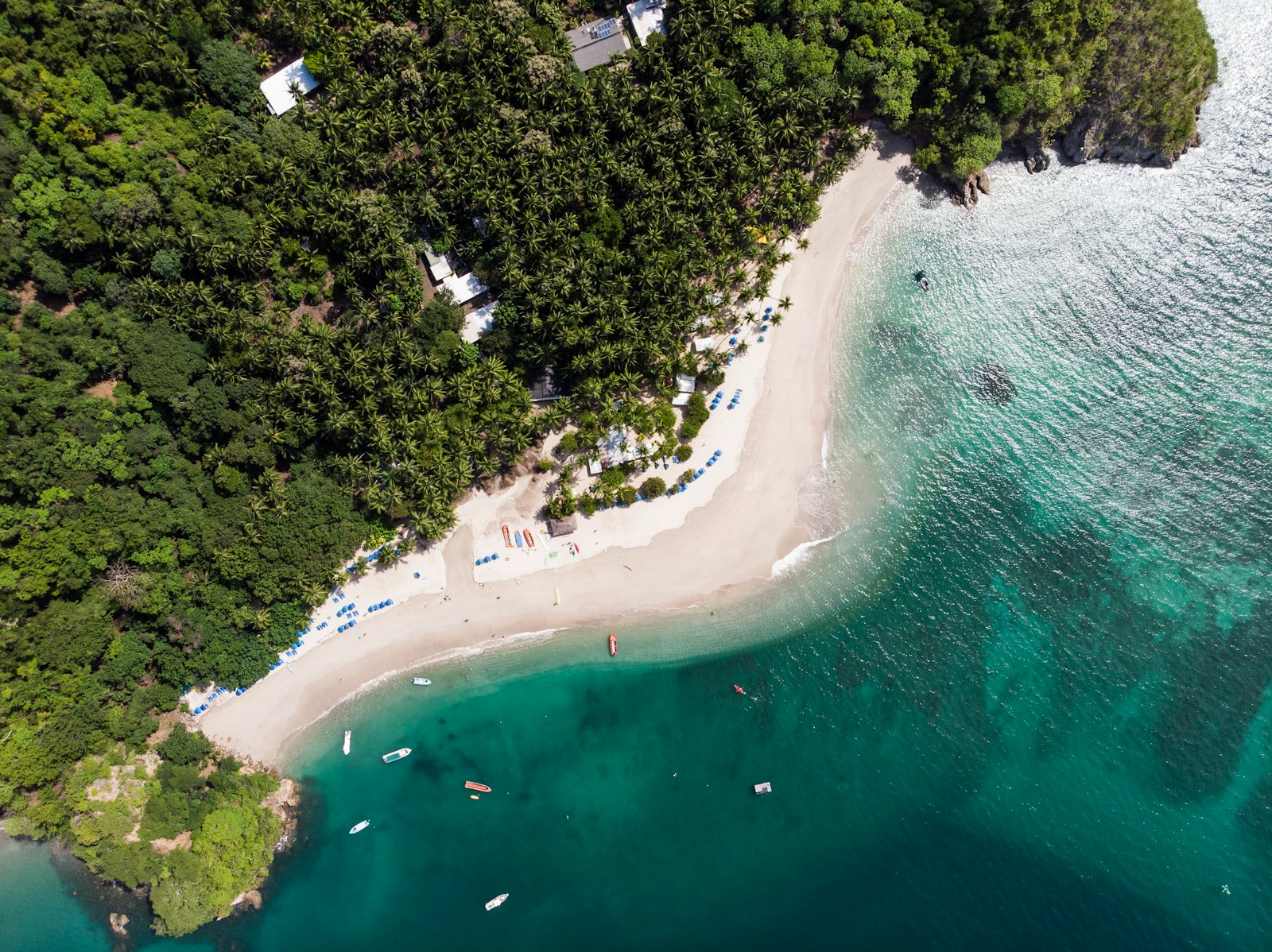
The Nicoya Peninsula defines Costa Rica’s coast, known for long beaches, surf towns, and slow mornings. Inland, Arenal rises above its namesake lake, where forest lodges look out to mist and molten stone. Further south, the Osa Peninsula remains a final frontier – wild, remote, and rich with life.
San José gives a first impression that’s sharper than expected. Behind the neoclassical façades are design studios, galleries, and cafés to explore. In the Central Valley, family-run coffee estates open their doors to visitors, pairing education with quiet views of the highlands.
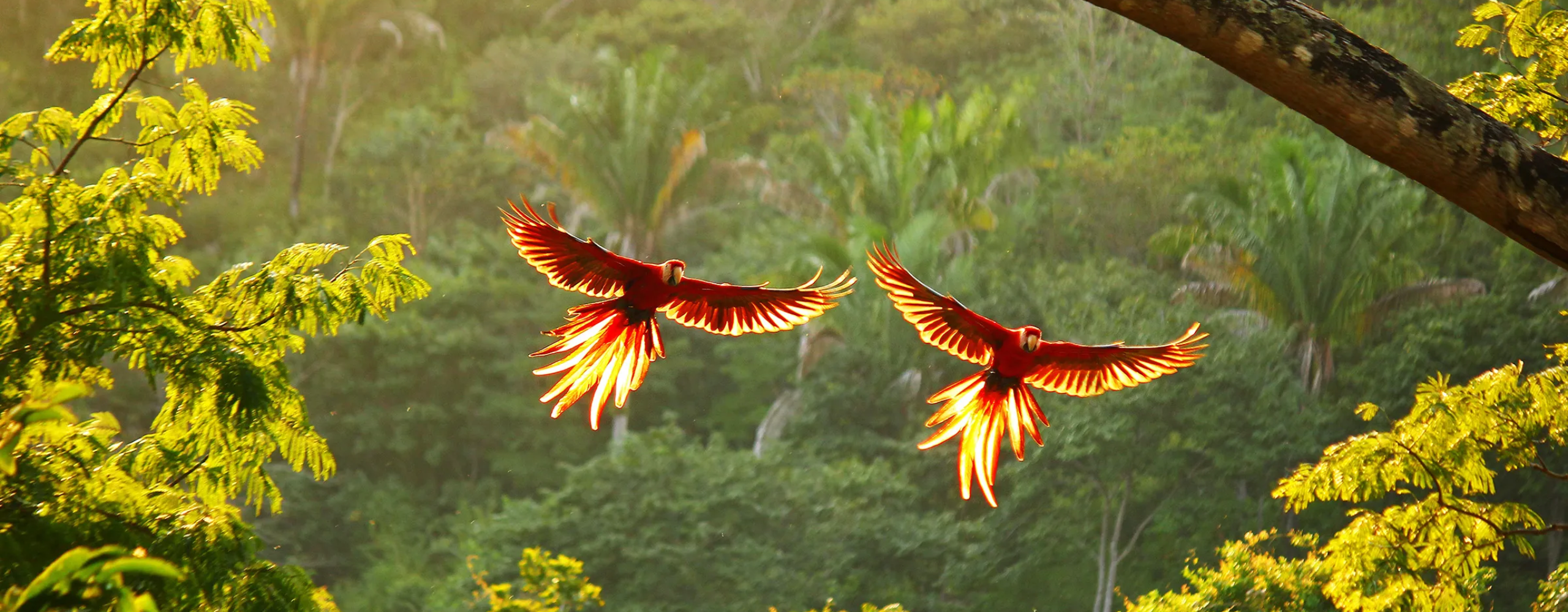
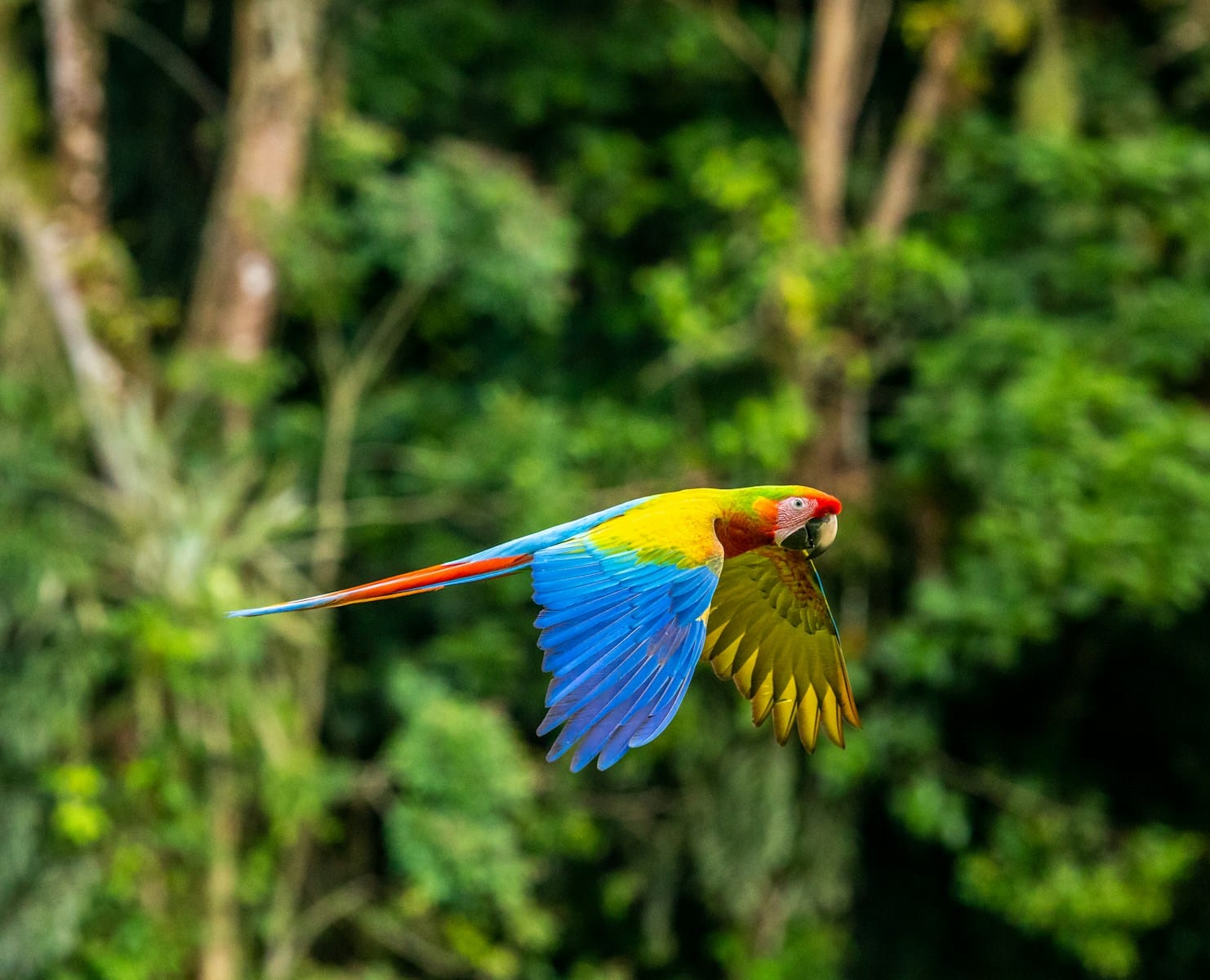
Costa Rica’s adventure landscape is defined by serious variety rather than single-activity focus. The rainforests aren’t just scenic backdrops; they’re actively alive with wildlife you’re actually likely to see, including sloths, howler monkeys, poison dart frogs, and toucans.
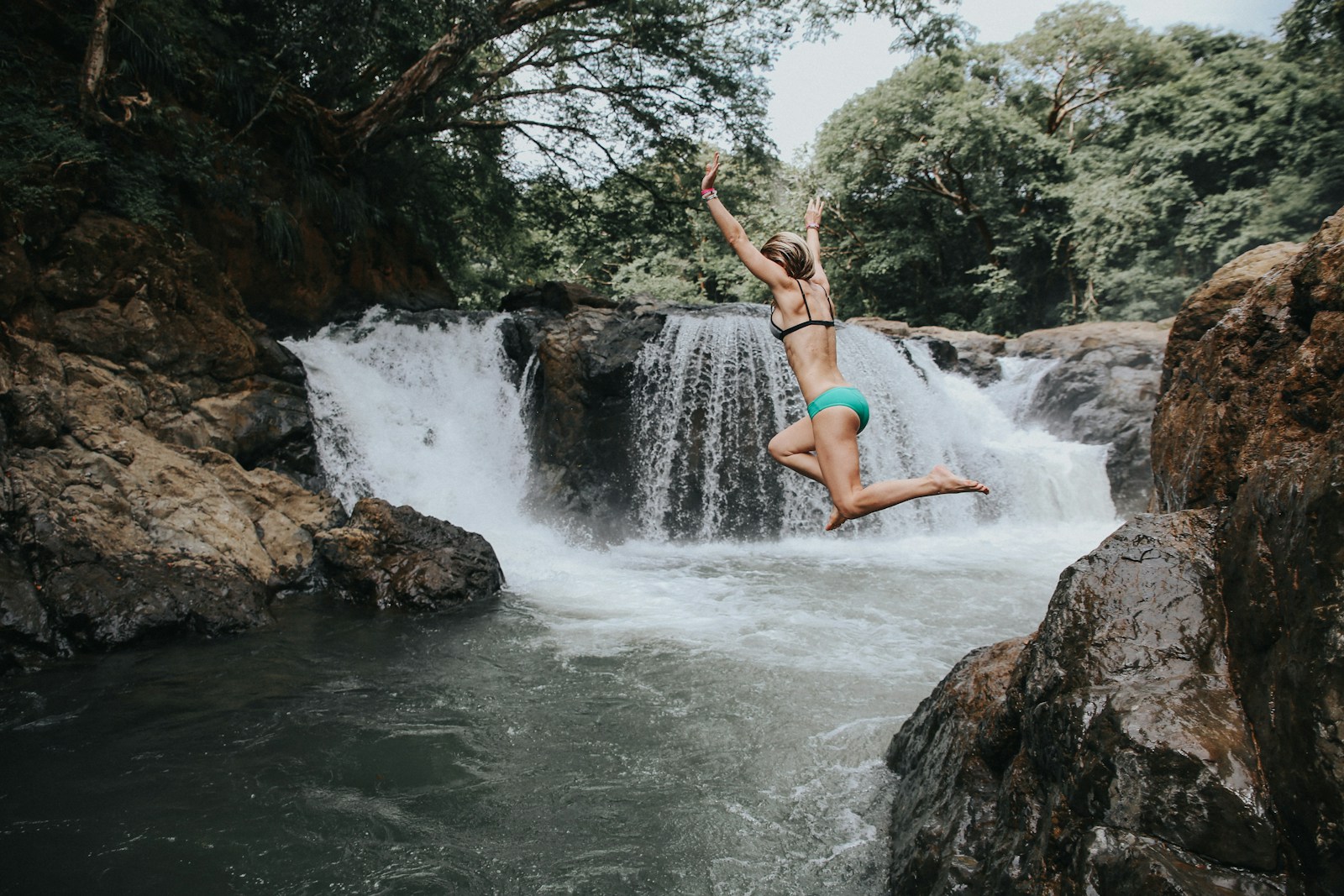
Zip-lining through canopy is legitimate fun rather than gimmicky. Hiking ranges from manageable cloud forest trails where the air is genuinely cool and misty to proper volcano hikes where you’re walking up active peaks with views that extend to both oceans.
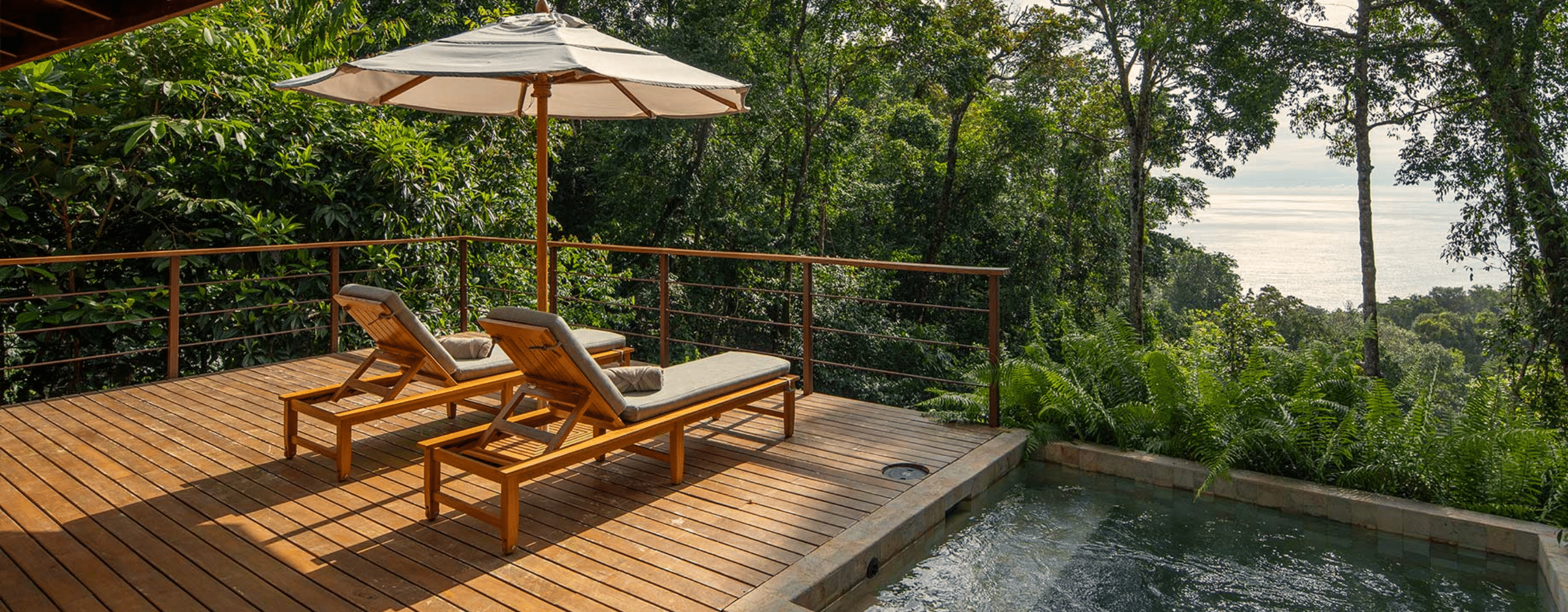
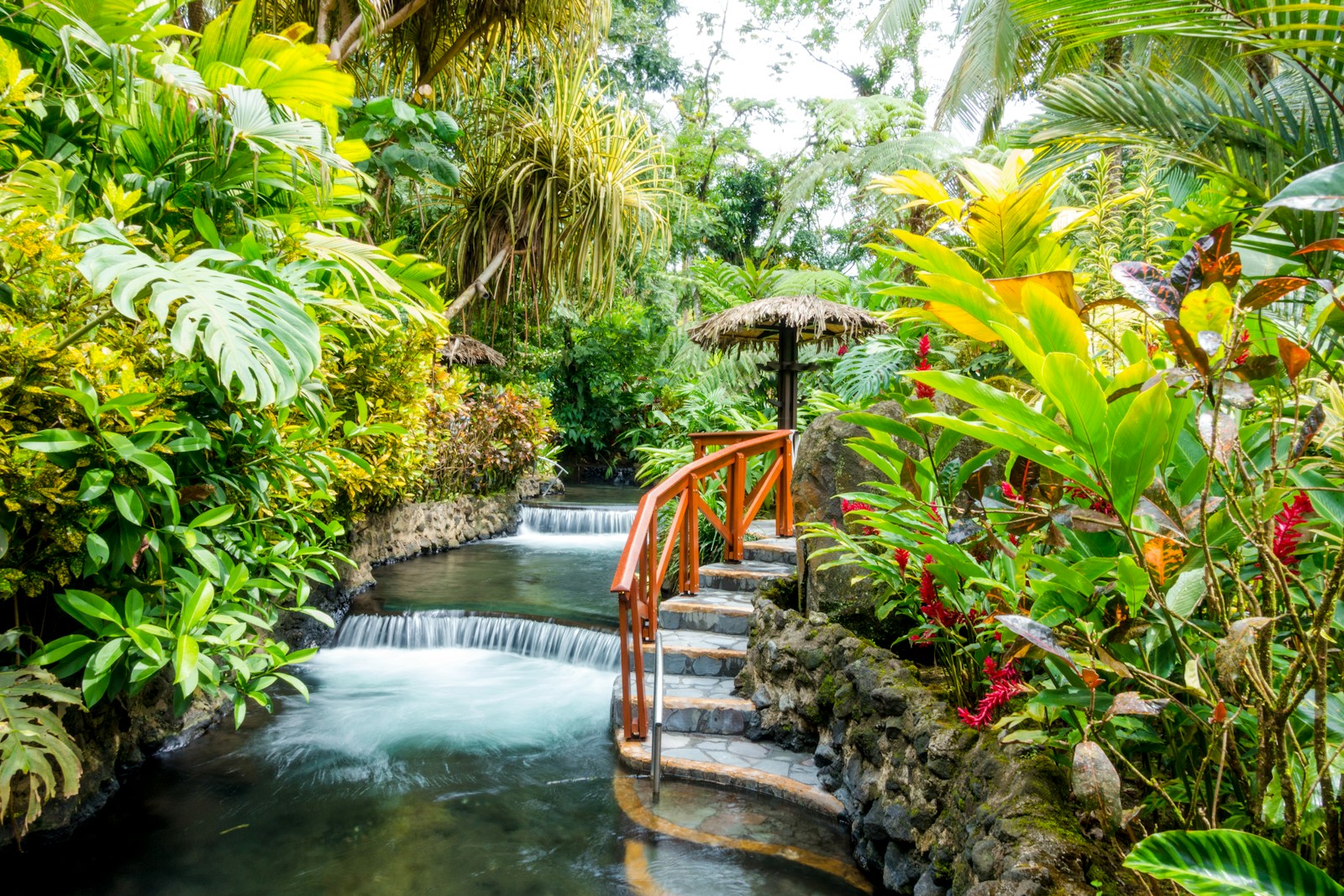
Wellness in Costa Rica works because it’s built on actual geography and lifestyle rather than manufactured spa theater. The volcanic regions have natural hot springs that flow at consistent temperatures; you’re soaking in mineral-rich water surrounded by jungle, not in a tiled pool.
The pace of life genuinely slows things down – no hustle culture, fewer time pressures, which means your cortisol actually drops rather than you just thinking about relaxation.
Nosara sits on the Nicoya Peninsula with consistent beach breaks and a strong yoga community. The appeal now is that it remains quieter than other beach towns while still having solid restaurants, boutique hotels, and a design-conscious vibe. You’ll find German-owned cafes next to local sodas. The beaches are clean and manageable. It’s a comfortable retreat rather than an adventure.
Bajos del Toro is a mountain valley between Arenal and Monteverde volcanoes where the elevation keeps things cool and misty. There are actual waterfalls, and the eco-lodges here are genuinely small and low-key rather than scaled up.
Osa Peninsula is the serious biodiversity play. You’re looking at Corcovado National Park, which contains roughly 3 percent of the world’s species in one concentrated area. Getting there requires either a small plane from Puerto Jimenez or a boat, which keeps it genuinely remote.
Temperatures hover in the low to mid-80s. Rainfall tapers off, so beaches are consistent and the ocean is clearer for diving and snorkeling. This is peak season; expect higher prices and full hotels. Best for beach-focused trips and activities that depend on dry conditions.
Afternoon rain arrives around 2-3 pm most days and clears by evening. Mornings are usually clear. The landscape turns intensely green from consistent moisture. Tourist numbers drop, prices lower, and some smaller lodges close for maintenance. The rainforest is at peak activity. Good for travellers comfortable working around weather and wanting solitude.
The wettest season, with rain most days and sometimes all day. Roads in rural areas can become difficult. Tourist numbers are at their lowest, prices are cheapest. The rainforest is genuinely lush and wildlife activity is high because of water availability. Best for travellers prioritizing immersion and seclusion over consistent sunshine.
Dry season with consistent daily sunshine and lower humidity. Temperatures stay warm. This is peak tourist season again; expect full accommodations and higher prices. Long daylight hours extend time for activities. Both coasts are busy. Best for travellers wanting guaranteed good weather and don’t mind crowds.
Most travellers arrive through Juan Santamaría International Airport (SJO) near San José, or Daniel Oduber Quirós International Airport (LIR) in Liberia, the gateway to the Pacific. Both are served by direct flights from the US, Canada, and the UK—SJO typically has more frequency and cheaper options; LIR cuts drive time to northwest destinations like Guanacaste Province by half.
From SJO, you’re roughly two to three hours from the Pacific coast and four hours from the Caribbean, depending on which side. From LIR, you’re ninety minutes to the Nicoya Peninsula beaches and three hours to inland cloud forest reserves.
Tell us how you want to feel, we’ll take it from there.
See more reviews on Trustpilot

Ask us anything.