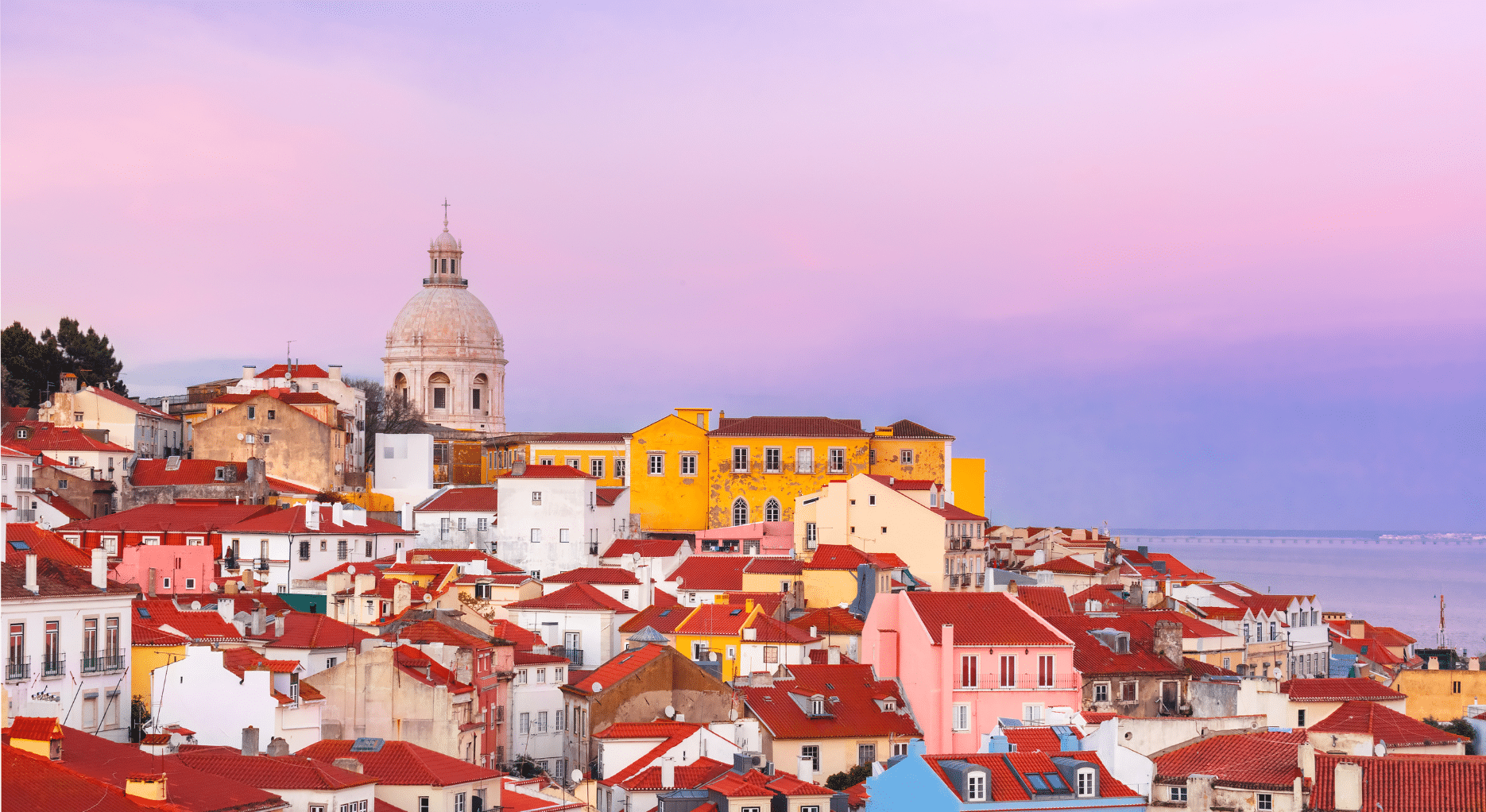


Lisbon balances old-world charm with easy modern rhythm. Draped across seven hills, it’s a city shaped by light and resilience. Moorish alleys, tiled facades, and tramlines tracing the past into the present. Here, mornings begin in Alfama’s quiet lanes and end with Fado under low light. Between them: markets, monasteries, sea air, and slow meals that stretch into conversation.
Lisbon at its best
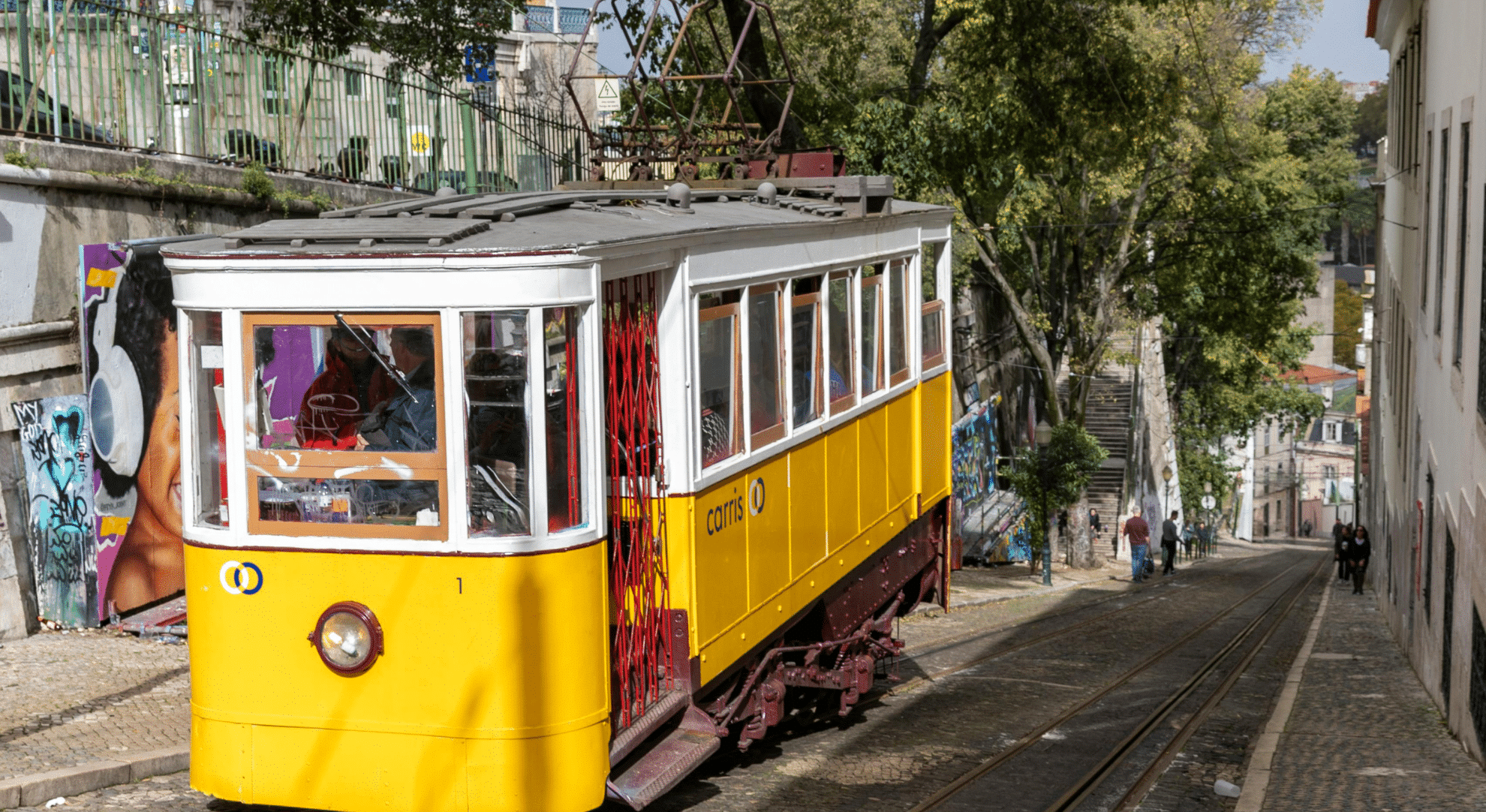
Lisbon sprawls across seven hills where the Tagus River meets the Atlantic. The 1755 earthquake destroyed most of the city but spared Alfama, leaving a medieval Moorish quarter intact while the rest was rebuilt in Pombaline grid patterns. Vintage trams still climb 13% gradients through streets too narrow for cars. The azulejo tiles covering building facades date from the 18th century, though many are replacements after decades of neglect and recent restoration.
Portugal’s capital costs 40% less than comparable European cities while offering better food, more sunshine, and fewer crowds than Barcelona or Rome. A single day covers the essentials but barely scratches what’s here.
Morning: Alfama and the Castle
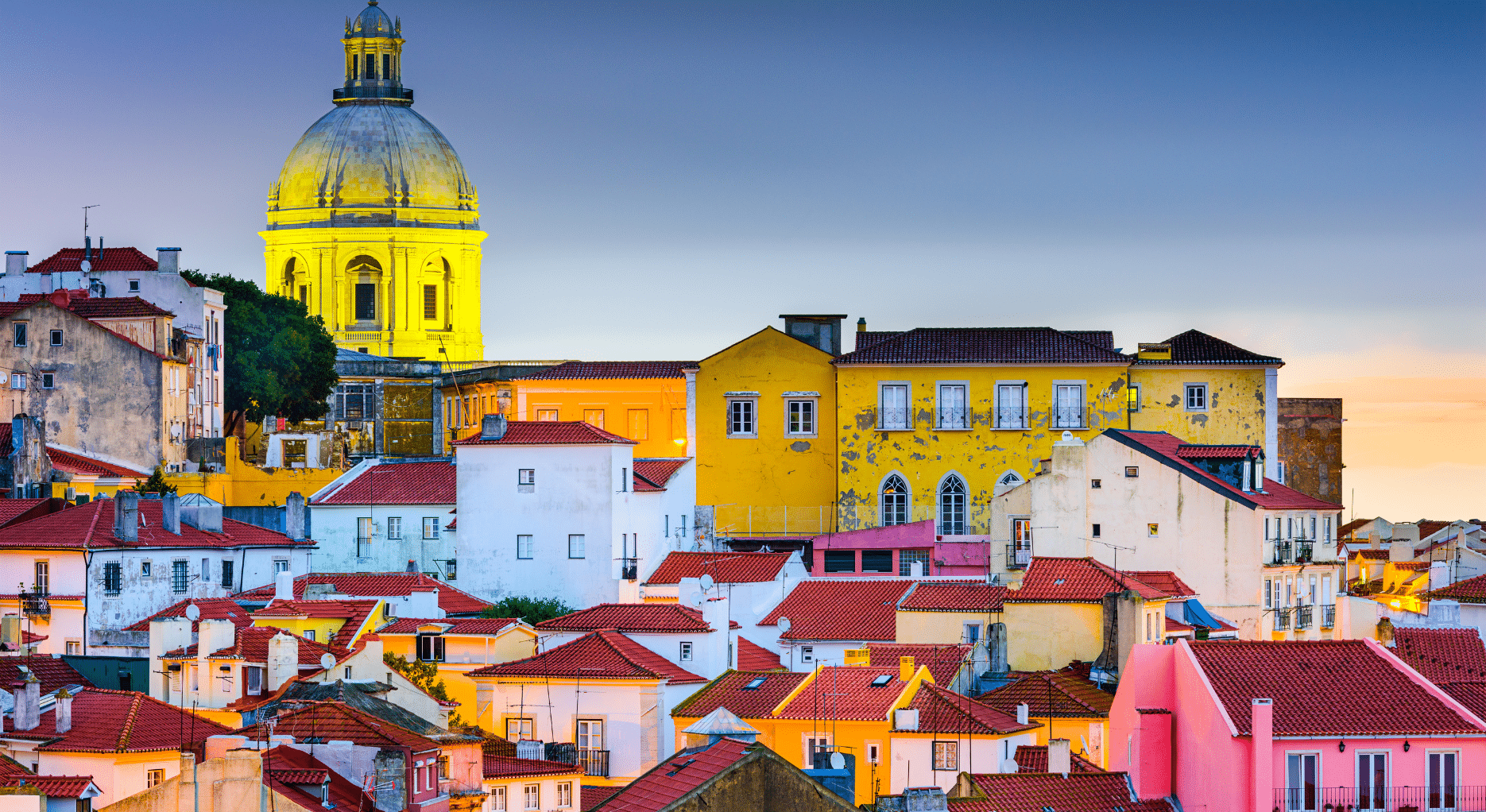
Start early at Miradouro de Santa Luzia, one of Lisbon’s many viewpoints, just as the city shakes off sleep. The terrace overlooks Alfama’s jumbled rooftops cascading toward the river, and at 7am you’ll have it mostly to yourself. The bougainvillea-covered pergola frames views that improve as the light strengthens and the city below comes to life.
Alfama is Lisbon’s oldest neighborhood, the Moorish quarter that survived the 1755 earthquake which destroyed most of the city. Its narrow streets weren’t designed for anything wheeled, which has saved it from cars and inadvertently preserved its medieval character. Get deliberately lost here.
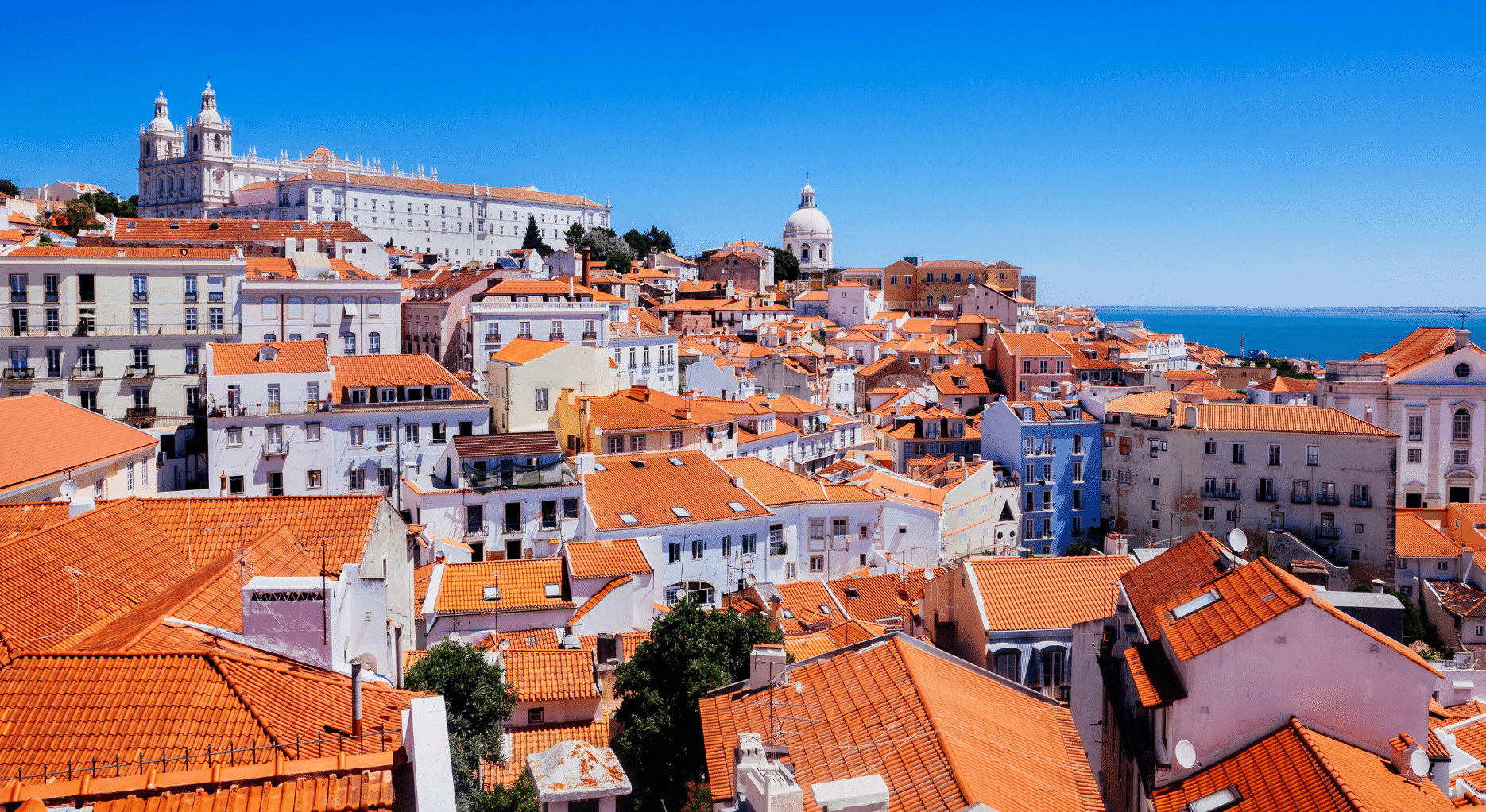
Walk uphill toward São Jorge Castle, following the increasingly steep cobblestones. The castle opens at 9am, and arriving early means exploring the ramparts before tour groups arrive. The fortification dates to Moorish occupation in the 11th century, though what stands now is heavily restored. The views matter more than the history. From the castle walls, Lisbon spreads out in every direction: terracotta roofs, the glittering Tagus, the red suspension bridge that looks suspiciously like San Francisco’s Golden Gate (because the same company built it), and on clear days, the Atlantic beyond.
By 10:30am, descend back through Alfama toward the Sé Cathedral, Lisbon’s austere Romanesque fortress-church that has anchored this neighborhood since 1150. The interior is dimmer and less ornate than you might expect, medieval rather than baroque, a reminder of the city’s age. From here, catch Tram 28 if you’re lucky enough to find space. This yellow vintage tram rattles through Lisbon’s narrowest streets, swaying around corners so tight you could reach out and touch the buildings. It’s become absurdly touristy, packed with people filming the journey on their phones, but the route genuinely showcases the city’s topography in a way walking can’t quite manage.
If the tram is too crowded (it usually is), walk instead through Graça to Miradouro da Senhora do Monte, the city’s highest viewpoint and significantly less crowded than its more famous counterparts. Arrive around 11:30am and you’ve earned lunch.
Lunch: Time Out Market
Head to Mercado da Ribeira, better known as Time Out Market, in Cais do Sodré. Yes, it’s a food hall. Yes, it’s been criticized for gentrifying what was once a working market. But it solves the lunch problem elegantly by gathering some of Lisbon’s best chefs and restaurants under one roof with communal seating and reasonable prices.
The setup is simple: counters ring the space, each representing a different restaurant or chef. You order at individual stalls, grab a number, find a table, and food gets delivered. The options range from Henrique Sá Pessoa’s more refined plates to Alexandre Silva’s creative Portuguese cooking to simple but perfect grilled octopus.
Go for seafood if you’re sensible. The octopus at Sea Me is tender and properly charred. The tuna tataki at Peixaria Moderna shows Japanese technique applied to Portuguese fish. If you want traditional, the bifana (pork sandwich) at O Trevo hits differently when it’s done properly with quality meat and crusty bread. Pair it with a glass of Vinho Verde, Portugal’s slightly effervescent young wine that drinks better in context than reputation suggests.
The market gets crowded between 1pm and 2:30pm, so eating at noon means better table availability and shorter lines. Spend about 90 minutes here, eating slowly and possibly going back for pastéis de nata from Manteigaria (the best version outside Belém, some argue better). Save room though. Lisbon demands multiple meals.
Afternoon: Belém's Monuments
From Cais do Sodré, catch Tram 15E toward Belém, a 20-minute ride along the river. Belém sits where the Tagus meets the Atlantic, the neighborhood from which Portuguese explorers departed during the Age of Discovery. The concentration of UNESCO World Heritage sites here is almost absurd.
Start at Jerónimos Monastery, a masterpiece of Manueline architecture completed in 1544. The ornate stonework incorporates maritime motifs (anchors, ropes, sea creatures) with Gothic and Renaissance elements. Vasco da Gama is buried here, along with poet Luís de Camões. The cloister is the highlight, two stories of carved limestone so intricate it looks like frozen lace. Photography doesn’t capture the scale or detail. You need to stand in the center and slowly turn, letting the repetition and variation sink in.
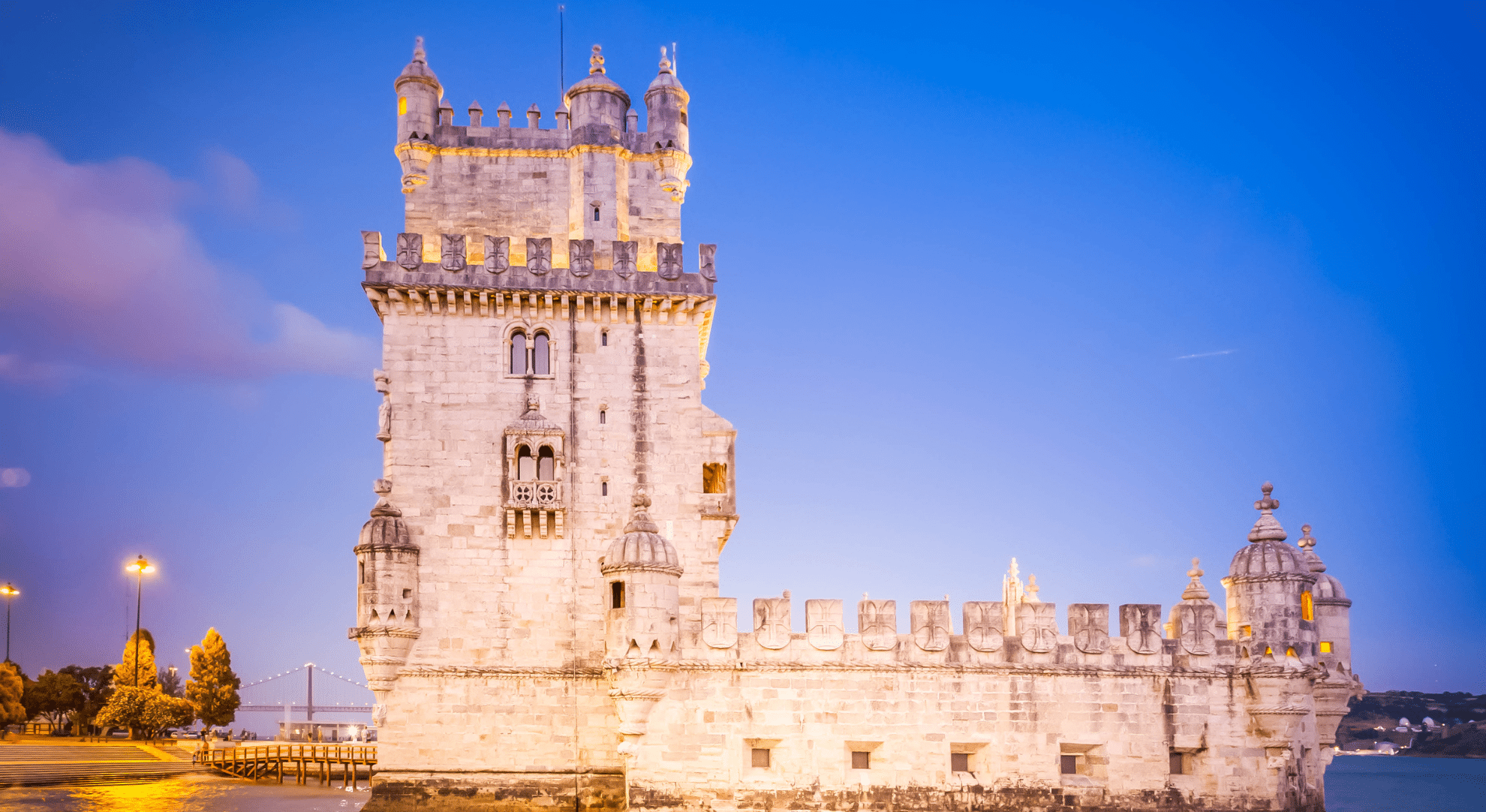
Book tickets online in advance to skip the queues, which can stretch 45 minutes in peak season. Spend about an hour here, then walk toward the river to see the Belém Tower, the fortified lighthouse that has become Lisbon’s postcard image. Built between 1514 and 1520, it guarded the harbor entrance and served as a ceremonial gateway for explorers. The exterior is more impressive than the interior, which is small and steep-staired, but the tower photographs beautifully from every angle, especially with the Tagus behind it.
By 4:30pm, walk to Pastéis de Belém, the legendary bakery that has produced custard tarts since 1837 using a secret recipe from the monastery. The queues look intimidating but move quickly. Order half a dozen pastéis (you’ll eat at least two immediately), sprinkle them with cinnamon and powdered sugar, and understand why these tarts inspire near-religious devotion. The filling is creamier than standard pastéis de nata, the pastry flakier, the tops more caramelized. They’re best eaten warm, ideally with a bica (Portuguese espresso) to cut the sweetness.
Early Evening: LX Factory and Pink Street
Return to central Lisbon via tram or Uber (about 15 minutes) and head to LX Factory in Alcântara, a former industrial complex converted into creative studios, shops, cafes, and restaurants beneath the 25 de Abril Bridge. The vibe skews young and artistic, with street art covering the walls, vintage furniture shops, and bookstores that stay open late.
Ler Devagar, the bookshop housed in a former printing factory, is worth visiting even if you don’t read Portuguese. Books line walls that stretch up three stories, a flying bicycle hangs from the ceiling (don’t ask), and the cafe serves decent coffee among the stacks. Browse for 30 minutes, then explore the courtyard where weekend markets and events often take place.
By 6:30pm, head to Pink Street (Rua Nova do Carvalho) in Cais do Sodré, literally painted pink in 2013 as part of a neighborhood revitalization. This former red-light district has transformed into Lisbon’s nightlife hub, though it maintains an edge that sanitized gentrification hasn’t entirely smoothed. The street comes alive after sunset, when bars open their doors and people spill onto the pavement with plastic cups and cigarettes.
Stop at Pensão Amor, a bar occupying a former brothel that has leaned into its history with bordello-style decor, dim lighting, and a vaguely transgressive atmosphere that somehow works. Order a Portuguese gin and tonic (gin is having a moment here, with dozens of local distilleries). The bar also serves light snacks, but you’re saving your appetite for dinner.
Dinner: Tasca da Esquina
Make a reservation at Tasca da Esquina in Campo de Ourique, about 15 minutes from Pink Street by taxi. Chef Vitor Sobral runs a modern Portuguese restaurant that respects tradition while updating techniques and presentations. The space feels neighborhood casual despite the Michelin Bib Gourmand, with wooden tables, exposed brick, and an open kitchen.
The menu changes seasonally but typically offers dishes like slow-cooked pork cheeks, grilled octopus with chickpea purée, and rice with duck that demonstrates what Portuguese comfort food can be when cooked properly. Sobral trained in fine dining but ditched the formality, creating food that’s sophisticated without being fussy. Portions are generous by Lisbon standards, flavors are bold, and wine pairings lean toward Portuguese producers most visitors won’t have tried.
Dinner here runs about two hours if you’re not rushing. The service moves at Portuguese pace, which means no one will hurry you but you also won’t see your check until explicitly requested. Order the chocolate mousse for dessert, which arrives in a portion size that seems like a mistake until you realize Portuguese desserts don’t believe in restraint.
Night: Fado in Alfama
End the night where you began it, back in Alfama for Fado. This is Lisbon’s signature music, haunting Portuguese folk songs about longing, loss, and the untranslatable concept of saudade (a deep emotional state of nostalgic melancholy). The best Fado happens in small tascas (taverns) where locals still gather, not the tourist dinner theaters that charge €60 and serve mediocre food.
Tasca do Chico in Bairro Alto or Clube de Fado in Alfama both offer authentic experiences. Arrive around 11pm, order wine, and wait. Fado follows no schedule. When a singer feels moved, they stand and perform while the room falls silent. Between songs, conversation resumes at normal volume. There’s no applause, just a murmur of appreciation and someone else standing to sing.
The atmosphere matters as much as the music. Low lighting, wooden tables worn smooth from decades of use, walls covered in photos of legendary fadistas, and an audience that includes neighborhood regulars alongside informed travelers. Some singers are extraordinary, voices that seem too powerful for the small rooms. Others are merely competent. All are sincere. Fado isn’t performance. It’s catharsis.
Stay until 1am or whenever the music stops, which happens when it happens rather than on any predetermined schedule. Walk back through Alfama’s quiet streets, following the twisting alleys downhill toward the river. The neighborhood looks different at night, less picturesque but more real, windows glowing from inside, the occasional sound of a TV or late dinner conversation drifting from an open door.
The Reality of 24 Hours in Lisbon
This itinerary is ambitious but achievable if you start early, move with purpose, and accept that Lisbon’s hills will test your fitness.
What you won’t cover: Chiado’s shops and squares, the Gulbenkian Museum’s extraordinary collection, the Tile Museum, Parque das Nações and its modern architecture, Christ the King statue across the river, or dozens of neighborhoods worth exploring. Lisbon rewards longer stays, but a well-planned day captures the essentials while leaving you wanting more.
Pack comfortable walking shoes, sunscreen regardless of season, a light jacket for evening, and lower expectations about punctuality. Lisbon moves at its own pace. Restaurants open late and serve later. Shops close for lunch. Tram 28 arrives when it feels like it. The city’s charm lies partly in this refusal to rush, a quality increasingly rare in European capitals optimized for tourism and efficiency.
Accept the rhythm, eat more than seems reasonable, and understand that 24 hours in Lisbon is simultaneously too much and nowhere near enough.
At Do Not Disturb, we design every detail — from your flights and hotels to private tours, restaurant reservations, and after-hours access to the city’s hidden corners. Your Lisbon itinerary, handled with care from start to finish.
Related destinations
Suggested articles
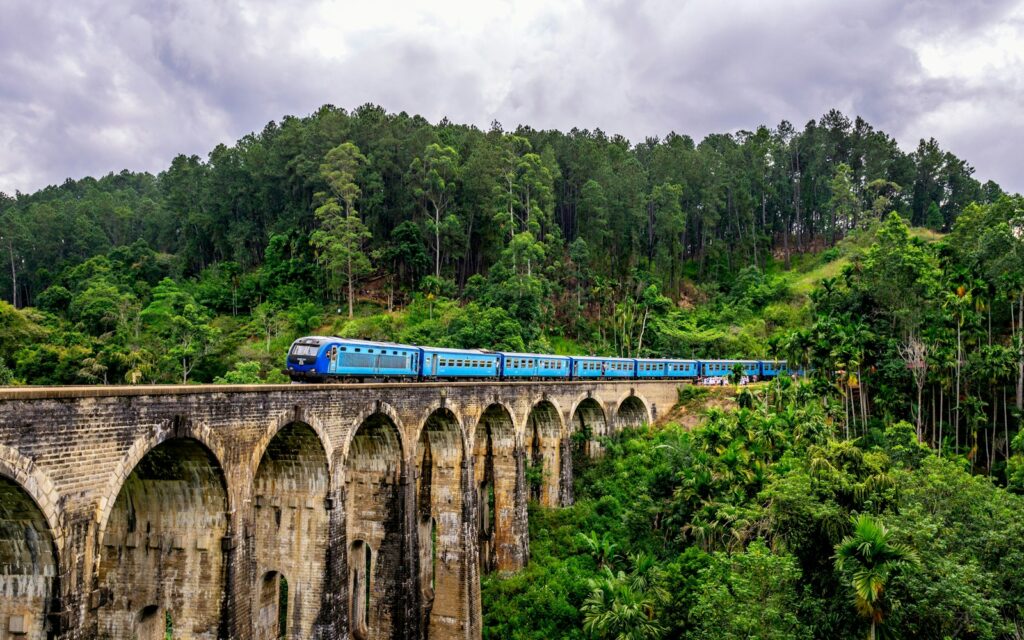
A Guide to Sri Lanka’s Tea Plantations

The Maldives Fixed Its Arrival Problem: Inside the New Velana Airport

The Best Islands in Australia for a Luxury Beach Vacation

How to Plan a Luxury Australian Outback Experience
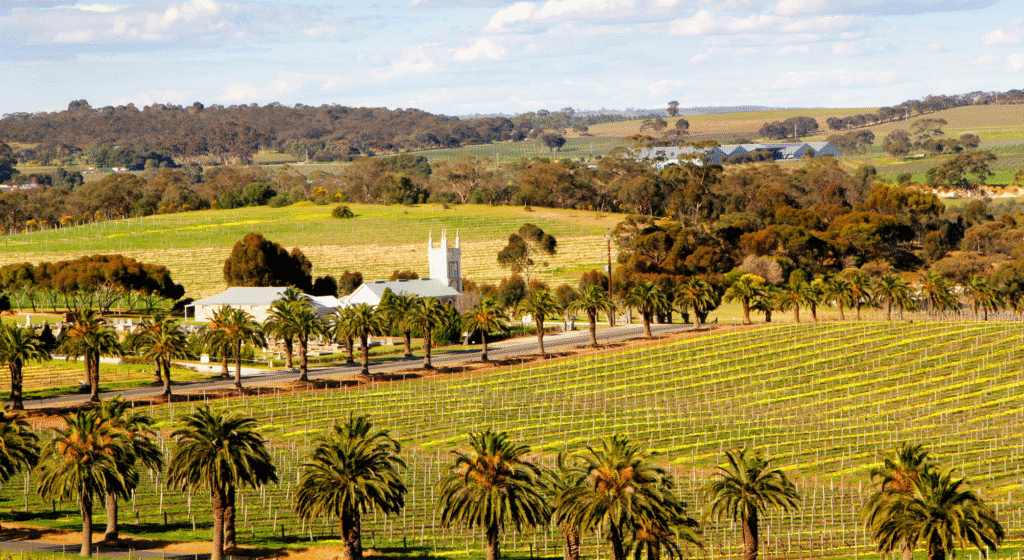
A Luxury Guide to Australia’s Wine Regions

How to Plan a Luxury Trip to Australia’s Great Barrier Reef
The Best Luxury Hotels in Seychelles

Best Caribbean Islands for Private Jet Travelers
Island-Hopping in the Caribbean: The Best Routes for a Luxury Trip
Santorini or Mykonos: How to Choose the Best Greek Island for You
The Athens Riviera: Greece’s Glamorous Coastline Beyond the Islands
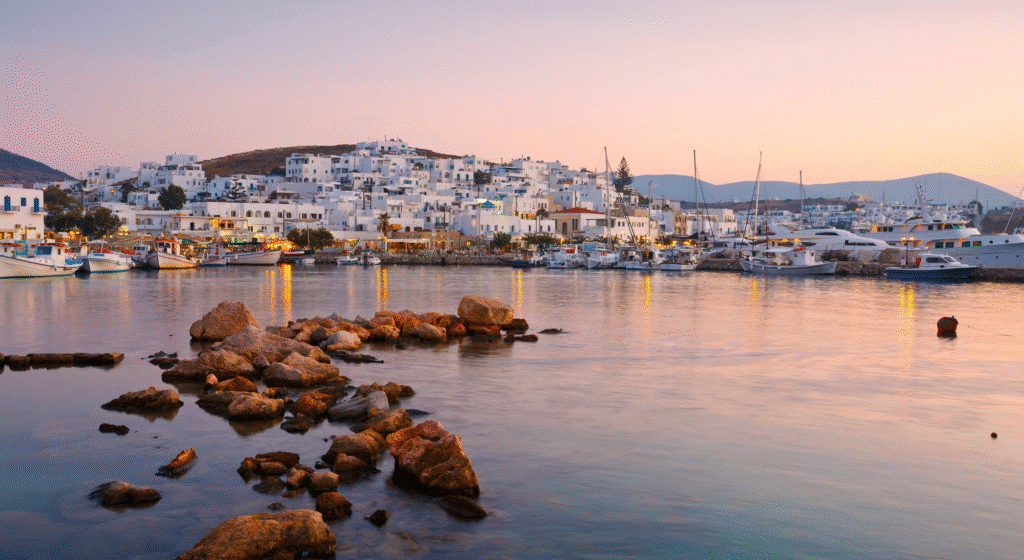
Paros: The Greek Island Stealing Attention from Mykonos and Santorini
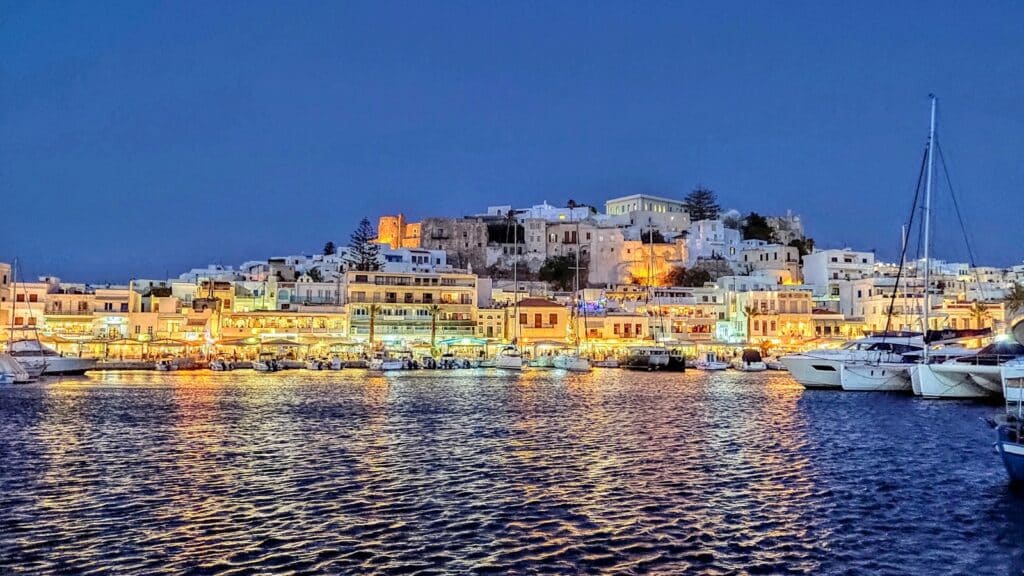
The Best Greek Islands for Luxury Travel: How to Choose the Right One