



14 days days
|$5995

The Amalfi Coast’s two most sought-after towns, Amalfi and Positano, offer very different stays. Here’s how to choose the right one for you.
The Amalfi Coast has long been one of Italy’s most celebrated destinations, with its dramatic cliffs, pastel-colored villages, and timeless coastal setting. Each town has its own character, yet together they form a vision of Mediterranean life filled with lemon groves, beach clubs, and historic churches.
Beyond the scenery, the region is also known for its food, from fresh seafood pasta to tangy limoncello. When choosing between Amalfi and Positano, it depends on the kind of experience you want. Amalfi feels more traditional, while Positano leans into glamour and theatre.
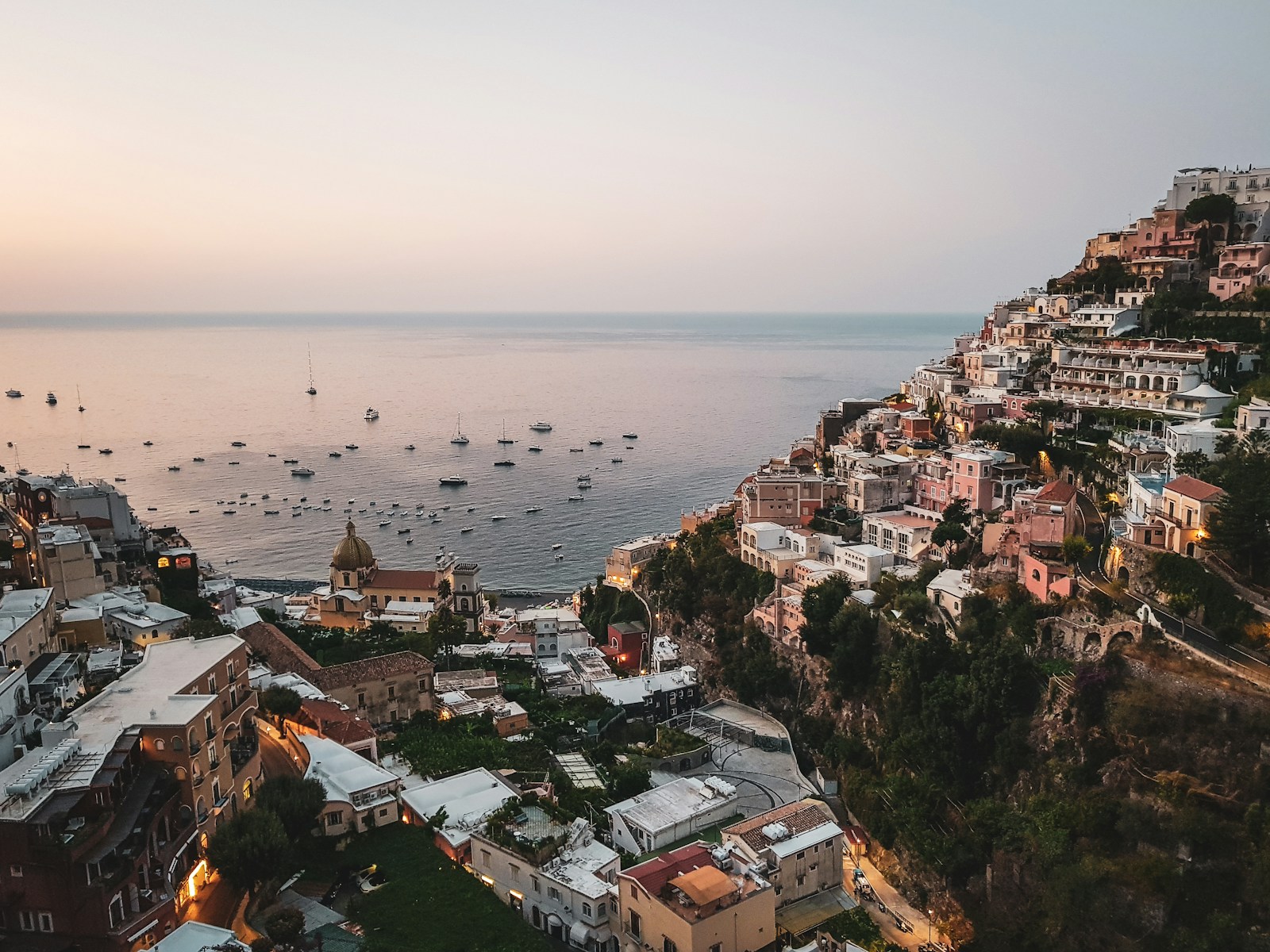
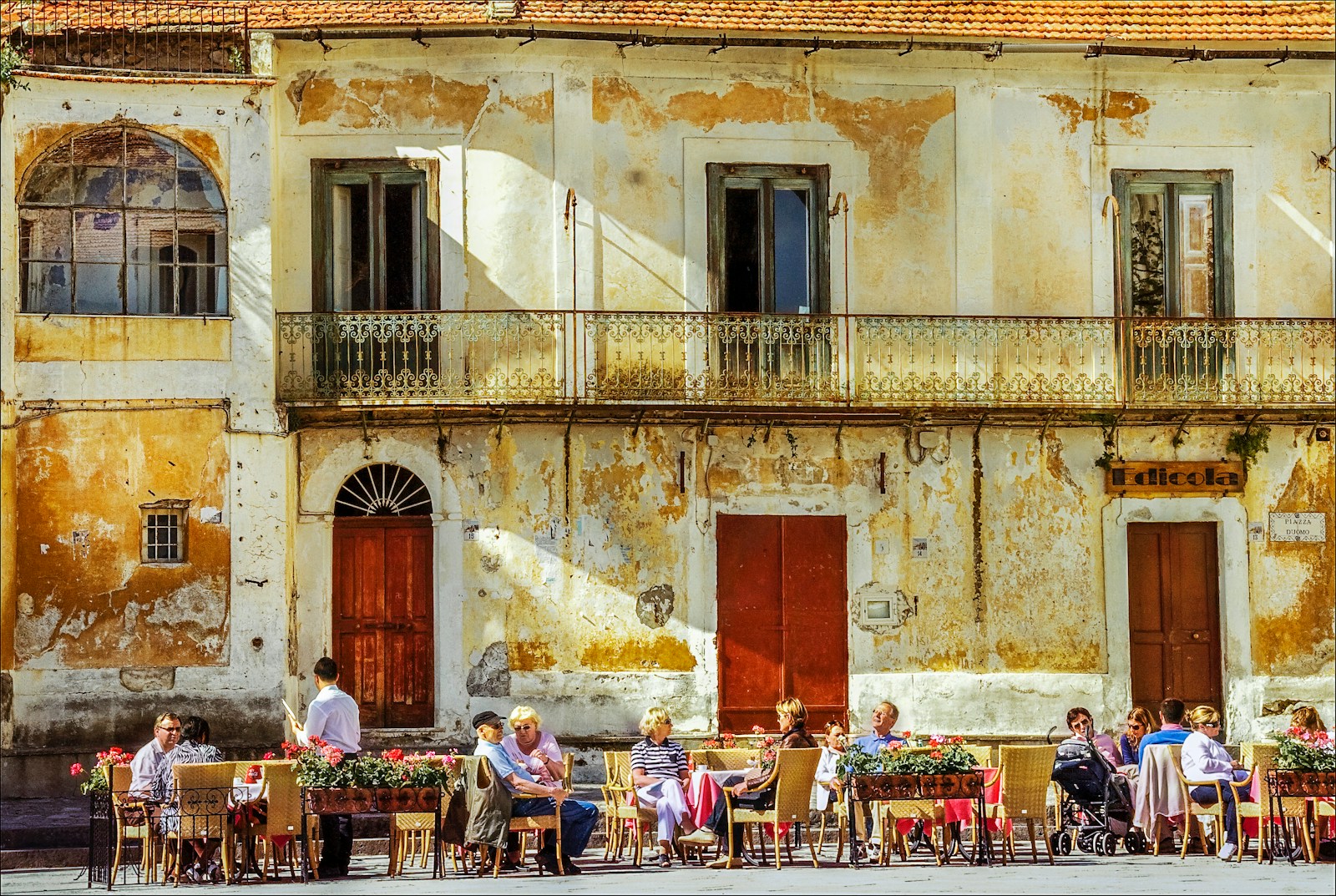
Amalfi sits at the midpoint of the coastline and has long been its center of gravity. Once the capital of a maritime republic, it still carries a sense of history. The cathedral dominates the main square, its striped façade rising above cafés where locals linger over espresso.
Life in Amalfi feels slower and more grounded. You can walk almost everywhere without effort. The town opens onto a small beach and marina where fishing boats rest beside private yachts, and ferries connect Amalfi to Positano, Capri, and smaller coastal villages.
Amalfi’s hotels tend to be understated, focusing on character rather than spectacle. Restored villas with shaded terraces overlook the sea, often just steps from the waterfront.
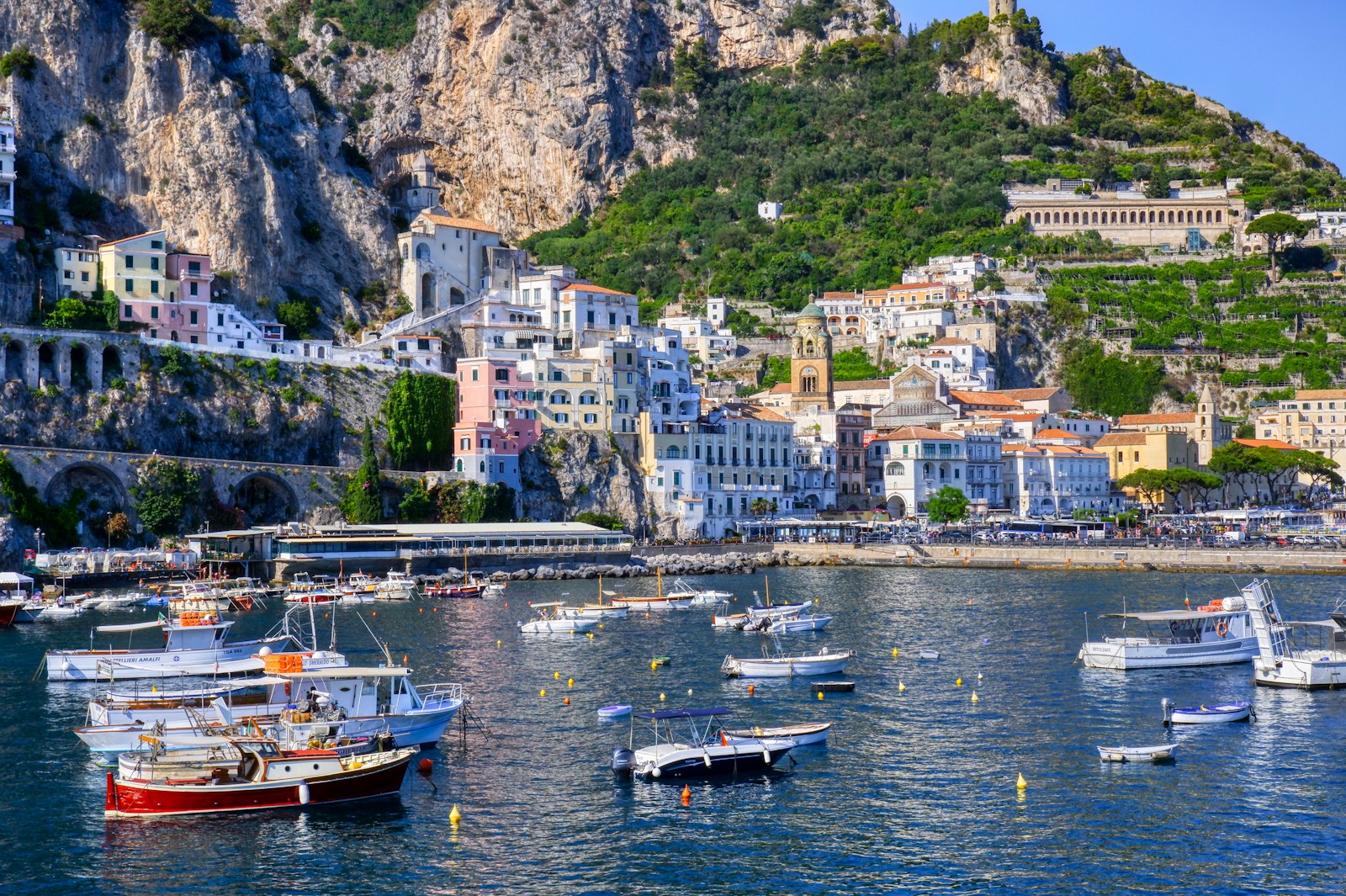
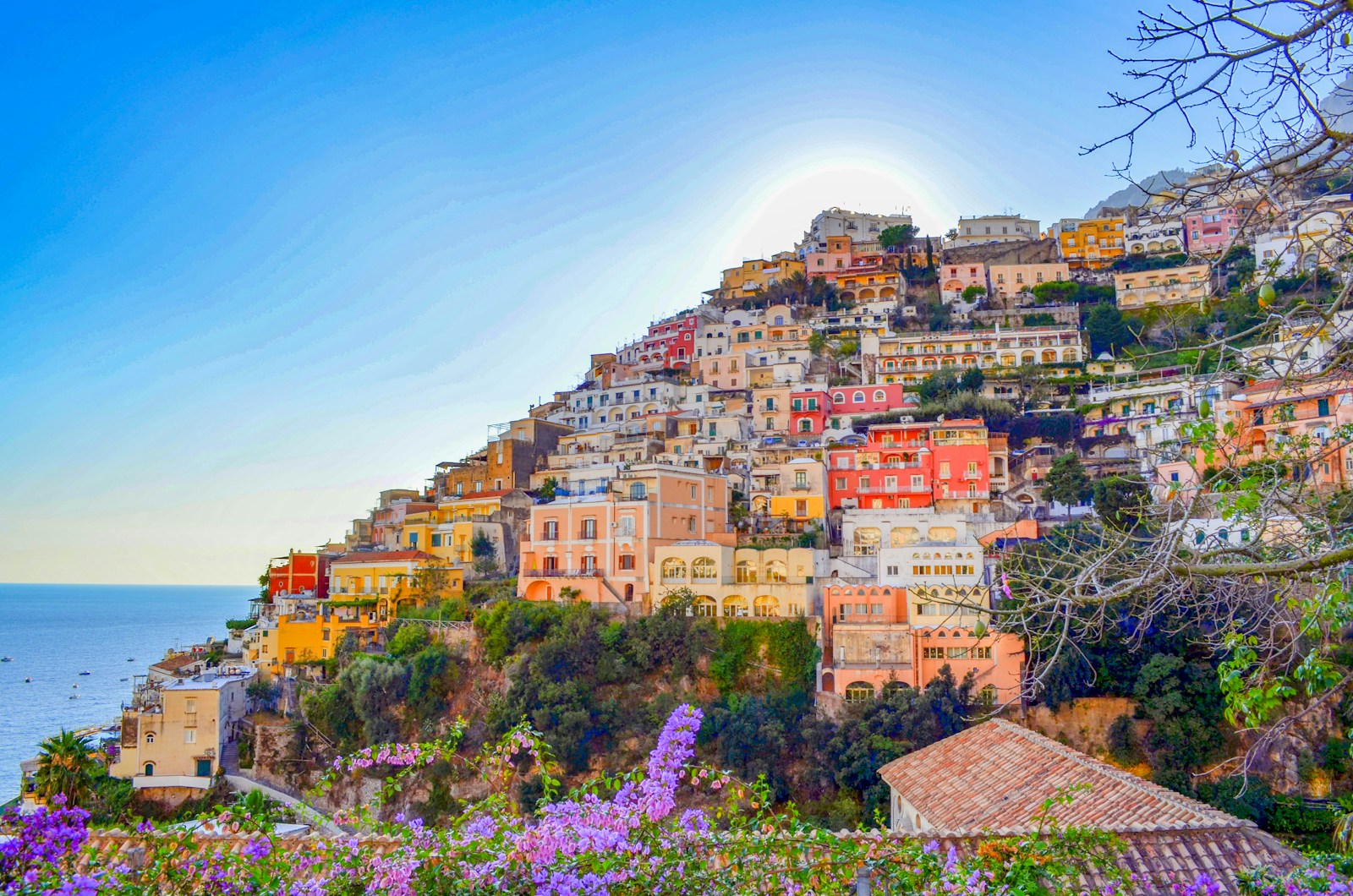
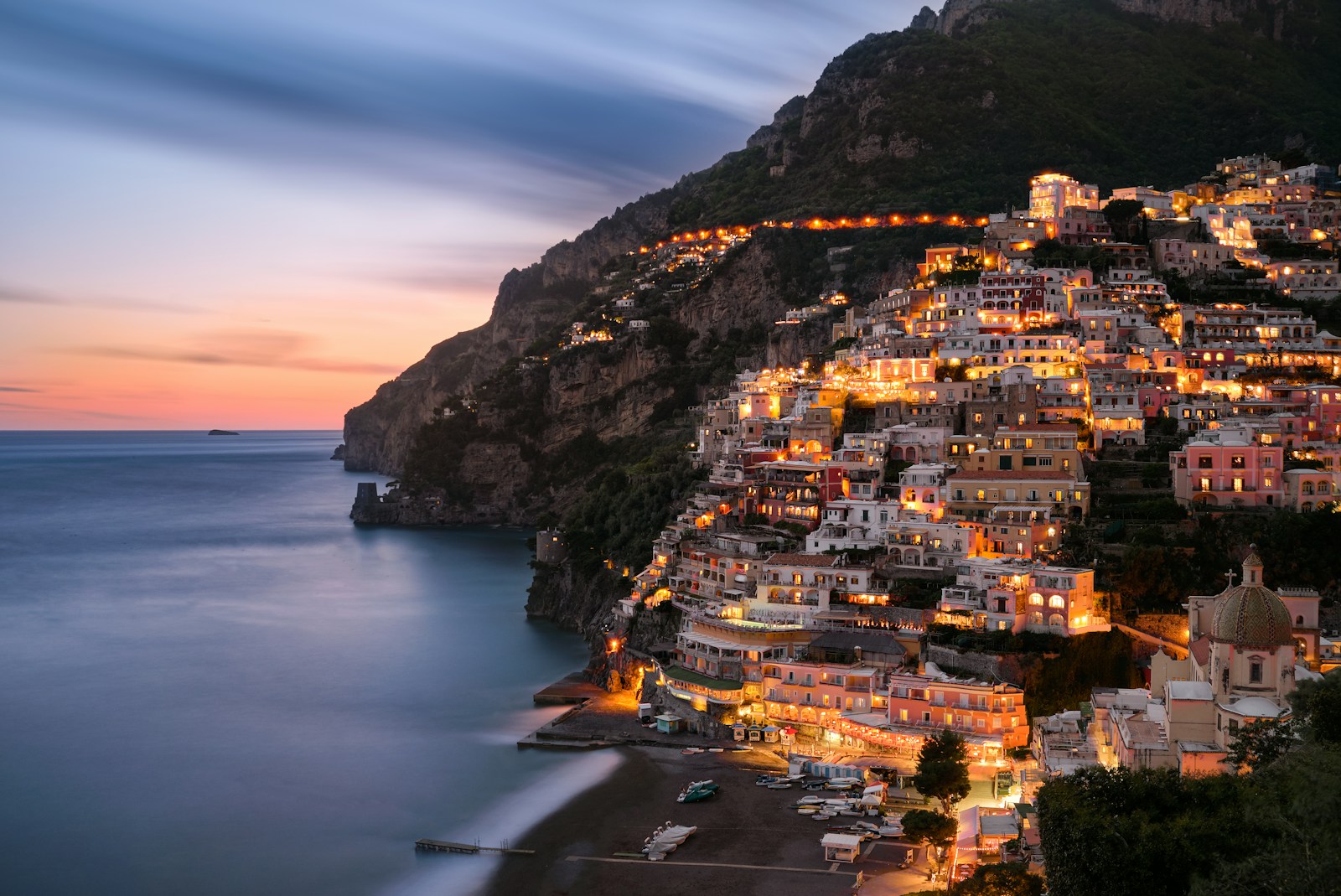
Positano is one of the most recognizable destinations on the planet, immortalized in countless travel brochures and films. From every angle, it looks like a painting brought to life. The first glimpse from the coastal road is unforgettable: pink and ochre façades stacked on cliffs, the dome of Santa Maria Assunta gleaming above the beach.
Positano has a natural sense of glamour. It is smaller than most expect, but every corner is photogenic. It’s not an easy place to move quickly; everything requires steps, but that effort is part of its charm. The higher you climb, the wider the view and the quieter the air.
Positano’s hotels embrace the drama of the place. Il San Pietro di Positano is the most iconic, its style impeccable and its guest list legendary.
If you want to explore easily, Amalfi is the logical choice. It connects well with other towns and offers direct ferries to Capri and Salerno. If you see travel as theatre, Positano delivers the drama that defines the coast. Many visitors combine both, starting in Positano for its spectacle and Instagrammable moments, then moving to Amalfi for its calm.
14 days days
|$5995
12 days
|$5095
14 days days
|$3995
Whichever town you choose, one journey should not be missed. High above the sea, about twenty minutes from Amalfi, sits Ravello. It is smaller, quieter and greener, a suspended world of gardens and terraces that look out across the Tyrrhenian. The air here feels lighter, scented with pine and wisteria. For decades, Ravello has drawn writers, artists and composers seeking stillness. Among them was Gore Vidal, who lived here for more than thirty years in a cliffside home called La Rondinaia, The Swallow’s Nest.
Vidal described the view from his terrace as the most beautiful in the world, and standing there it’s difficult to argue. The house itself is discreetly hidden within gardens of cypress and citrus, its balconies hanging above a drop so sheer the horizon feels infinite. Visiting La Rondinaia offers a glimpse into a different kind of luxury: not one of excess, but of perspective. The stillness of that view, the sense of isolation and connection combined, captures the essence of what makes the Amalfi Coast magnetic.
For Do Not Disturb travelers, this is a defining moment of the journey. A private guided visit followed by an aperitivo in Vidal’s garden allows you to pause, breathe and take in the same horizon that inspired a lifetime of writing and entertaining the highest echelons of society: regular visitors ranged from Paul Newman to Greta Garbo. It is a reminder that presence is the rarest luxury of all.
Both Amalfi and Positano are reached from Naples, the nearest major airport. The drive along the coastal road takes around two hours. The route is narrow and winding, but with a private driver it becomes part of the experience rather than a challenge. Ferries operate between Naples, Amalfi and Positano from spring through early autumn, offering a calm and scenic alternative to the road. Many visitors arrive by car and leave by sea, ending their stay with the view of the cliffs receding behind them.
Once on the coast, boats are the easiest way to move between towns. Ferries run regularly, and private charters can be arranged for a day of swimming, dining and exploring the smaller coves that lie hidden from the road. It is the most natural way to see the coast.
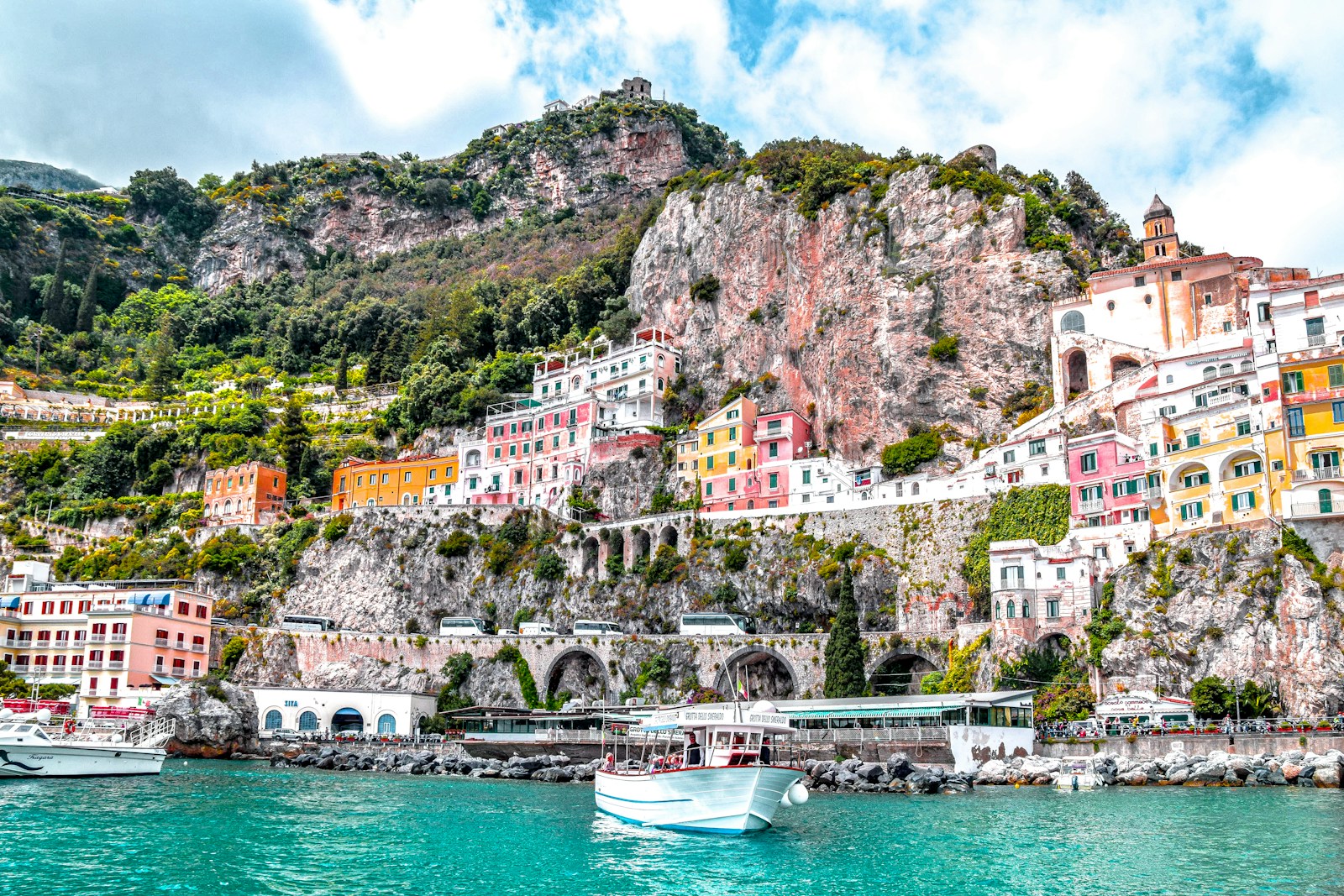
The best time to experience the Amalfi Coast is late spring or early autumn, when the light is soft and the crowds have thinned. April and May bring wildflowers and cool evenings. September and October offer warm seas and a slower pace. July and August are the most vibrant months, filled with energy and color, but also the busiest. In winter, the coast rests; many hotels close, but those that remain open provide a rare quiet that suits long stays and reflective travel.
At Do Not Disturb, we design Amalfi Coast escapes that move with your rhythm. Whether it’s a restored villa in Amalfi or a sea-view suite in Positano, every element is curated to create space for connection and calm. Private transfers, boat days, and rare experiences like Gore Vidal’s Ravello terrace are arranged with quiet precision. All you have to do is arrive, let the pace of the coast take over, and find your moment.
Related destinations
Suggested articles



Tell us how you want to feel, we’ll take it from there.
“Our trip was truly magical and full of core memories that will last us a lifetime.”
Michael • Bora Bora Honeymoon

“We just returned from an incredible journey through Ireland, and we couldn’t have had a better experience”
Brad • Ireland Adventure
“This was a flawless experience right from the beginning, we had so many thoughts and ideas flowing around and they took all of them and perfectly curated the most beautiful honeymoon for us.”
Kris • Sicily Honeymoon
See more reviews on Trustpilot
 12 min read
Angkor Wat is one of the world’s most extraordinary temple complexes, but experiencing it well comes down to timing, pacing and where you choose to stay. This is how to plan the perfect luxury trip.
 11 min read
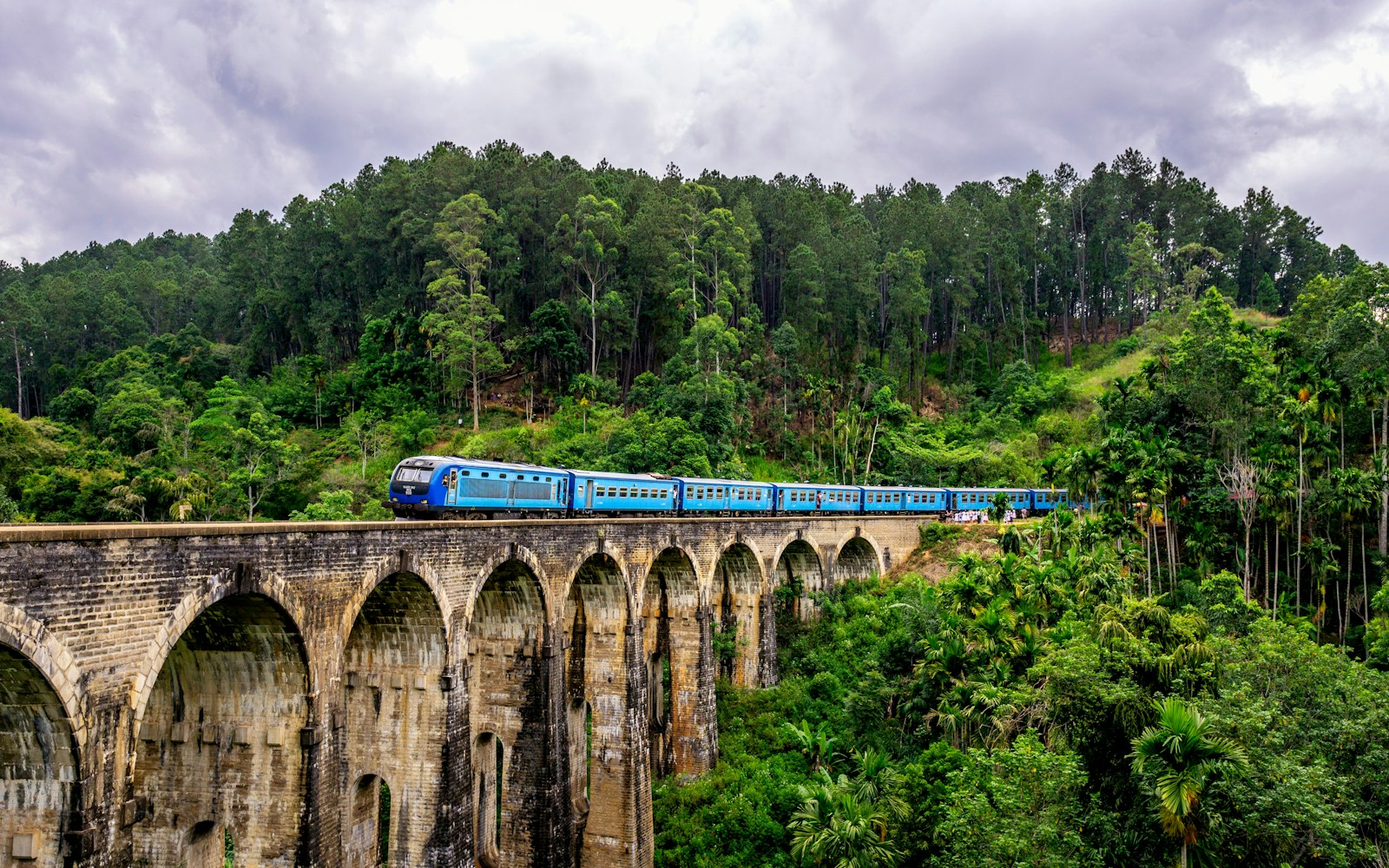
Sri Lanka’s tea country is a place where production and landscape are inseparable. From hand-plucked leaves to historic bungalows, this guide walks you through how the region looks, works and feels.
 10 min read
The Maldives has quietly solved its biggest travel flaw. With the new Velana International Airport, the long, chaotic arrival is replaced by speed, space and a seaplane transfer that finally feels worthy of the destination.
 13 min read
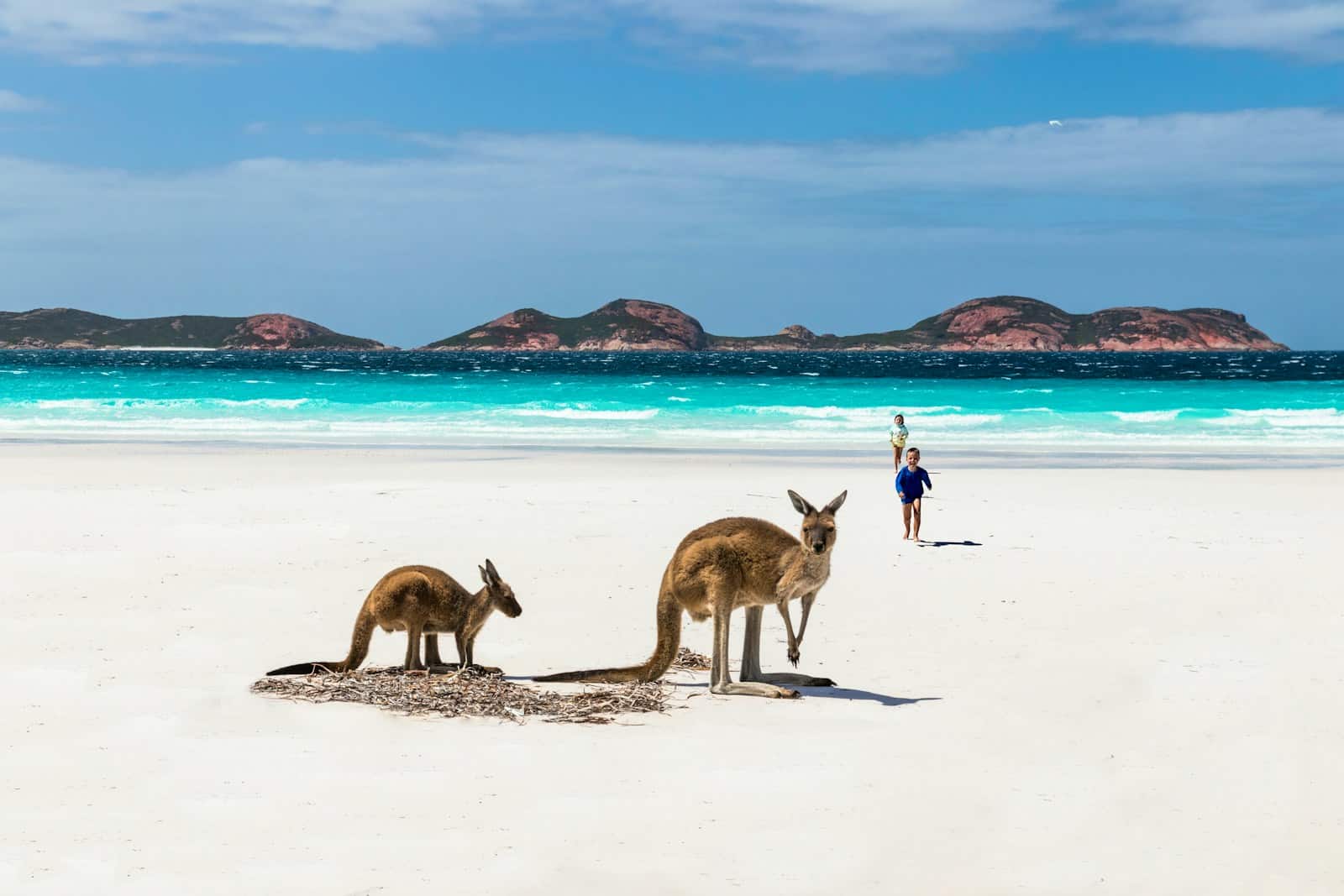
Australia’s coastline stretches for 34,000 kilometers, and scattered along its length lie islands that range from tropical reef cays to temperate wilderness sanctuaries. The country has been slower than the Maldives or French Polynesia to develop its island luxury potential, but that’s changing.

Ask us anything.
