
On this page
Iceland sits on one of the world’s most geothermally active zones, a land where the earth literally steams beneath your feet. But beyond the dramatic geology lies a centuries-old wellness culture that harnesses these natural forces to restore body and mind.
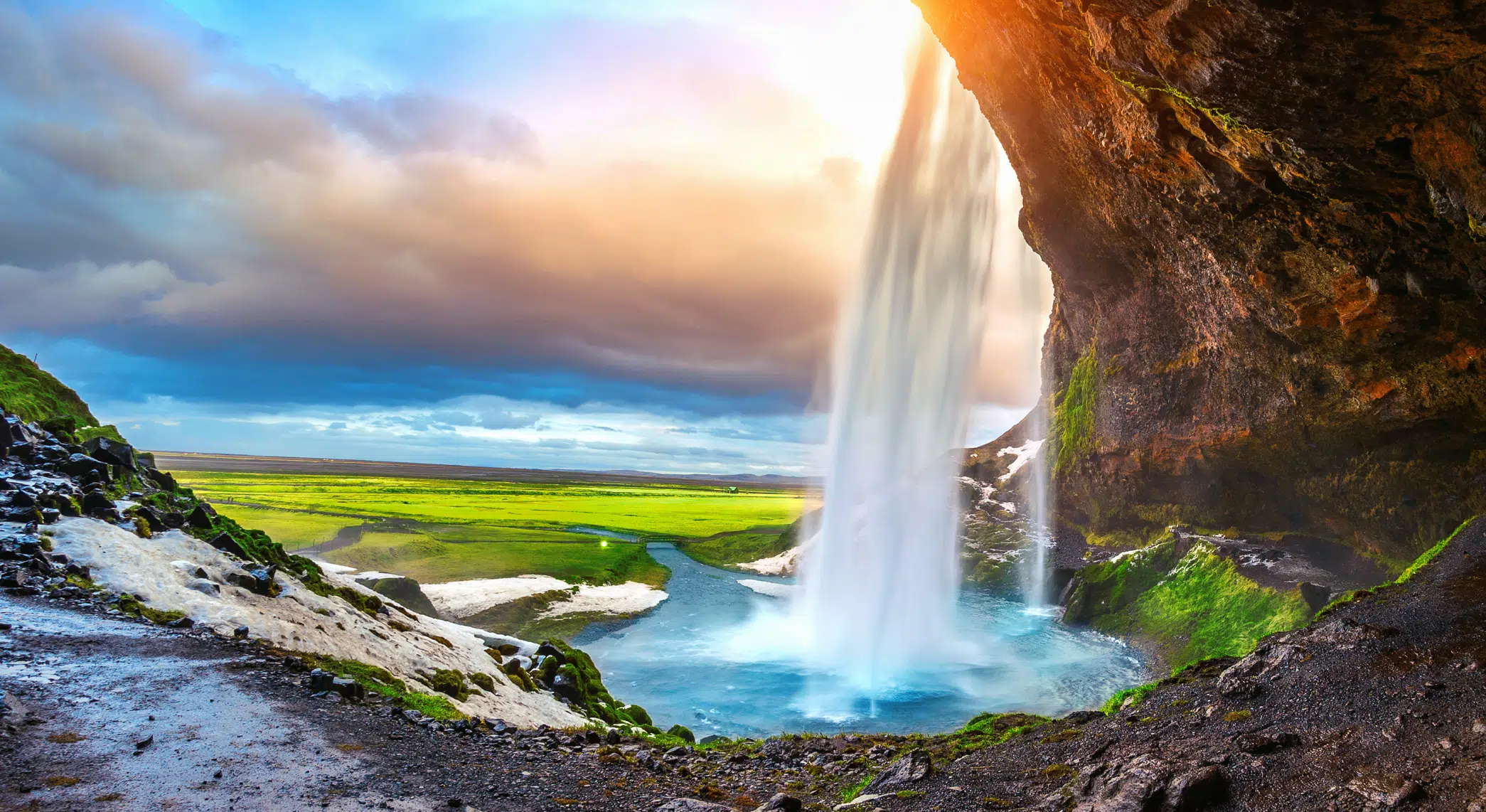
Imagine soaking in mineral-rich waters under the midnight sun, or watching steam rise from volcanic plains while snowcapped mountains loom in the distance. This isn’t fantasy—it’s the everyday reality of Iceland’s geothermal landscape.
The island sits atop the Mid-Atlantic Ridge, where the North American and Eurasian tectonic plates are constantly pulling apart. This geological drama created a natural spa network of hot springs, geysers, and geothermal fields. Icelanders have leveraged this geothermal energy for centuries, using it not just for wellness but for heating homes and powering the entire nation with renewable energy. Today, nearly 30% of Iceland’s electricity comes from geothermal sources, making it one of the most sustainable countries in the world.
For visitors, this means access to authentic thermal waters that have been shaped by volcanic minerals and heated by the planet’s core. The water you’re soaking in isn’t pumped from a municipal system; it’s naturally hot, naturally mineral-rich, and naturally rejuvenating.
The Blue Lagoon: Iceland's Most Famous Thermal Oasis
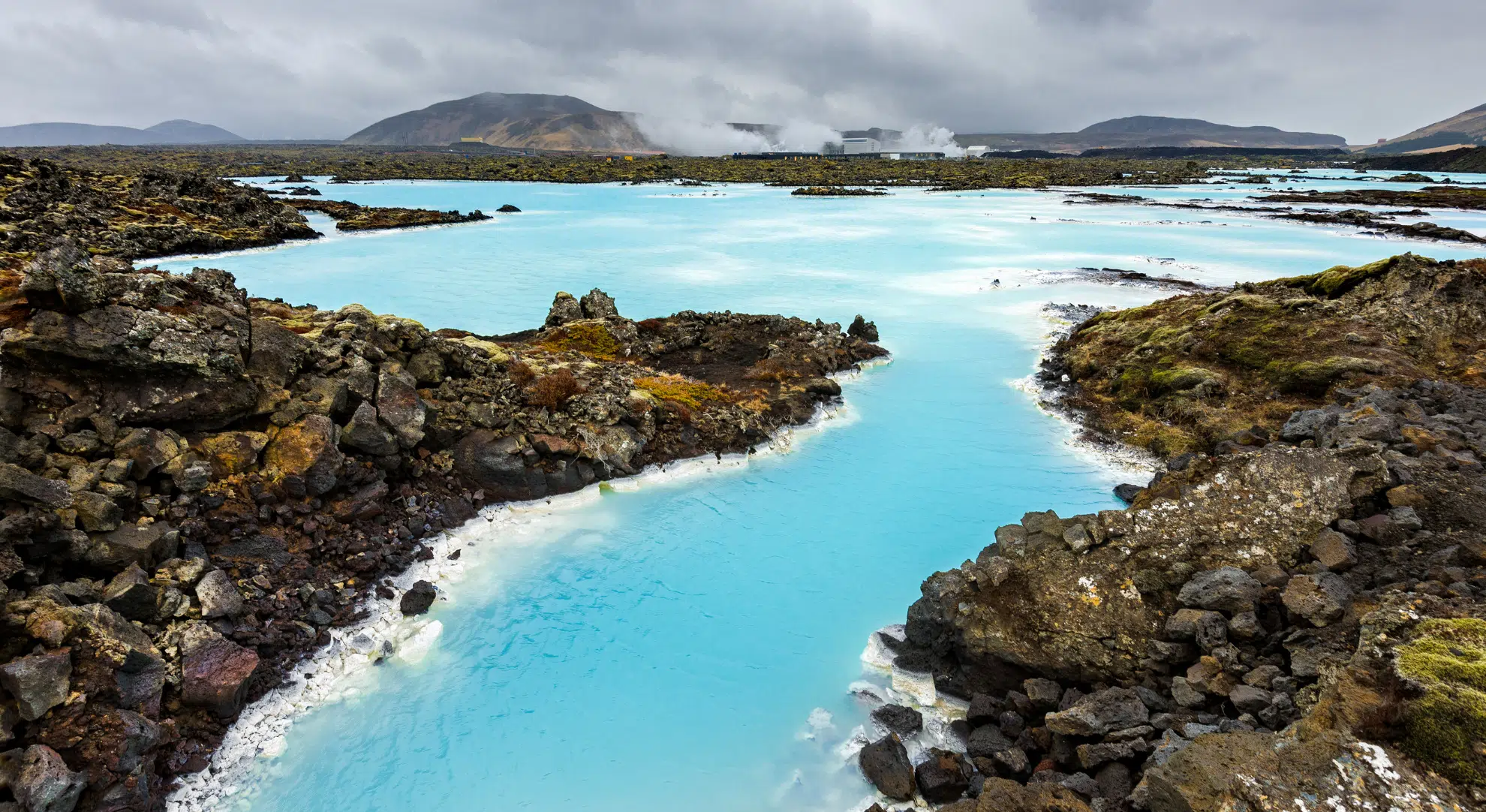
No discussion of Icelandic geothermal wellness is complete without mentioning the Blue Lagoon. Located just 39 kilometers from Reykjavik, this otherworldly pool of brilliant turquoise water has become an iconic symbol of Arctic wellness.
Born from accident rather than design, the Blue Lagoon was created in the 1970s when the Svartsengi geothermal power plant began pumping waste hot water into an abandoned lava quarry. Instead of disappearing, the water accumulated, mixed with seawater, and somehow transformed into something magical. Today, it’s one of Iceland’s most visited attractions.
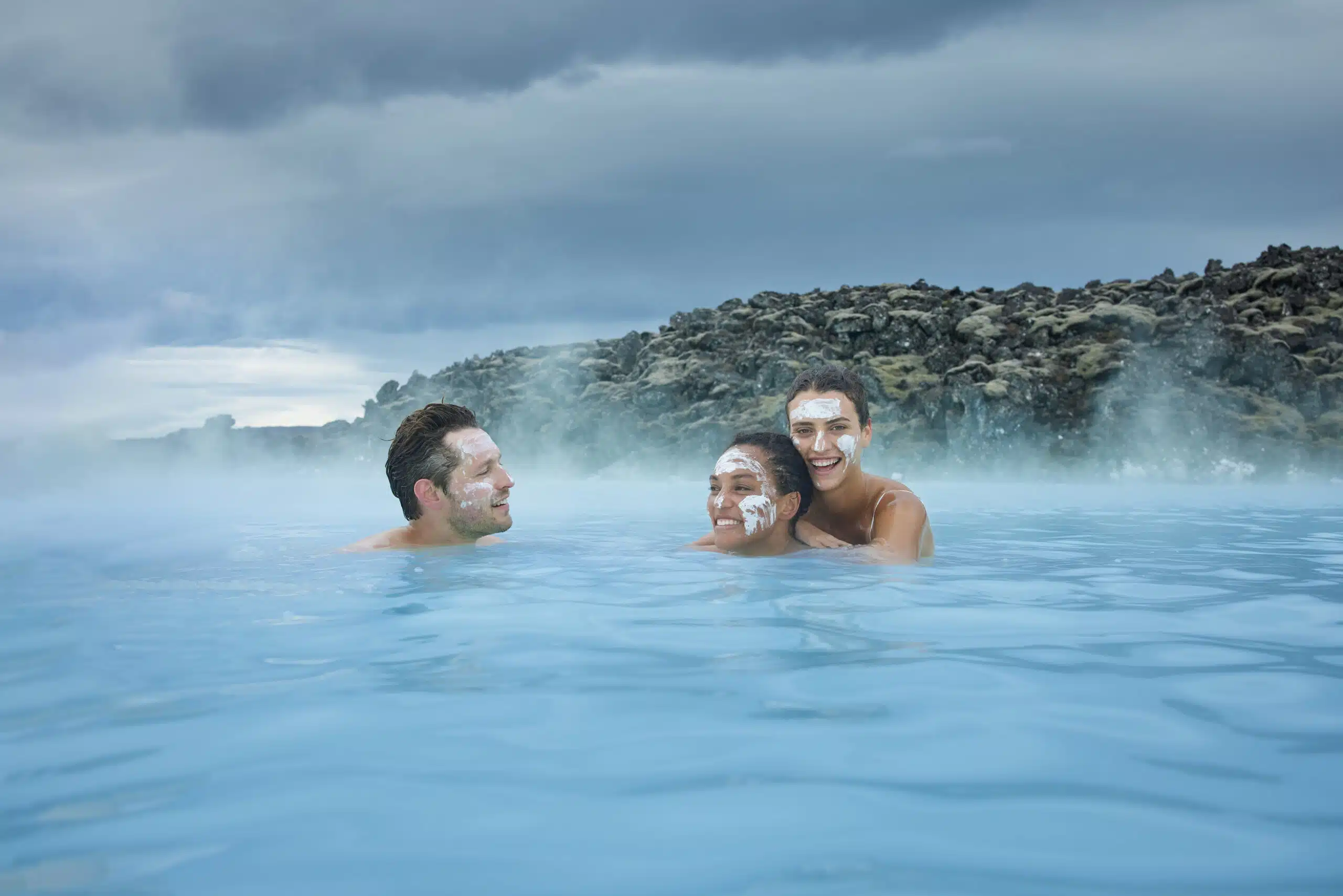
The water hovers around 99-102°F year-round, making it perpetually warm against Iceland’s cool climate. What makes the Blue Lagoon special isn’t just the temperature, but the mineral composition. The water is rich in silica, minerals, and algae, elements known for their skin-nourishing properties. Visitors float effortlessly in the buoyant waters while applying complimentary silica mud masks and sipping geothermal cocktails. It feels luxurious yet entirely unpretentious.
While the Blue Lagoon offers polished spa luxury, some of Iceland’s most authentic geothermal experiences lie off the beaten path.
Sky Lagoon offers a more intimate alternative, with infinity pools overlooking the Atlantic Ocean. Unlike the Blue Lagoon, these waters face the sea, creating an ethereal experience of merging with nature itself.
Mývatn Nature Baths provide geothermal therapy in a less crowded setting. Located in North Iceland, the water here is particularly rich in minerals and silica, and the setting feels more raw and Icelandic than its more famous cousin.
For the truly adventurous, lesser-known springs like Kjarneskógur and various natural hot pots offer an unfiltered Icelandic experience. Imagine hiking through volcanic landscapes to discover a hidden pool of naturally heated water, where you can soak in near-total solitude under the Arctic sky.
The Nordic Ritual: Wellness as a Way of Life
Icelandic wellness isn’t just about spa treatments. Known as the “Nordic ritual,” it emphasizes balance between activity and rest, community and solitude, and connection with nature.
The typical Icelandic spa routine goes something like this: arrive early morning, perhaps after a hike or bike ride through dramatic landscapes. Move between hot and cold water—the thermal pools contrasted with cool plunges or icy waterfall showers. This hot-cold contrast activates the lymphatic system, improves circulation, and creates an invigorating sense of renewal. Then settle into the main thermal pool for extended soaking, often with friends or family, creating moments of genuine connection.
The practice harks back to Viking traditions. Icelanders have always honored the ritual of bathing and sweating as essential to physical and mental health. The community hot spring—historically called a “hot pot”—served as a gathering place where neighbors would congregate, share stories, and strengthen community bonds.
What the Waters Heal: The Science Behind the Springs
Iceland’s geothermal waters aren’t just pleasant to sit in—they’ve been traditionally used to treat various conditions.
Silica, found abundantly in Icelandic thermal waters, is known for improving skin elasticity and promoting collagen production. The minerals work their way into your skin, leaving you feeling softer and more radiant.
Mineral content—including sulfur, potassium, and sodium—has traditionally been associated with relieving rheumatism, arthritis, and joint pain. Many visitors report feeling notably less stiff after soaking.
Algae, particularly the blue-green varieties found in some Icelandic pools, contains powerful antioxidants and can have anti-inflammatory effects on the skin.
The warm water itself promotes vasodilation (the widening of blood vessels), improving circulation throughout the body. This increased blood flow aids muscle recovery, reduces tension, and promotes a sense of deep relaxation.
Planning Your Geothermal Pilgrimage
If you’re ready to experience Iceland’s geothermal wellness culture, consider this framework:
Base yourself in Reykjavik for access to the Blue Lagoon and Sky Lagoon, but rent a car and venture into the interior. The Golden Circle route passes natural hot springs and geothermal areas, and the South Coast offers dramatic landscapes paired with thermal experiences.
Pack mindfully: bring swimwear, a waterproof bag for valuables, and be prepared for sudden weather changes. Icelandic weather is famously mercurial, so you might experience four seasons in one day.
Honor the ritual: don’t rush through your thermal experience. Spend at least two to three hours, moving between pools, allowing your body to fully relax and your mind to settle.
Respect the locals: remember that these geothermal areas are sacred to Icelanders. Many locals view them as part of Iceland’s spiritual heritage, not just tourist attractions.
The Deeper Magic
What makes Iceland’s geothermal wellness culture truly special isn’t just the mineral content of the water or the natural heating systems; it’s the profound sense of alignment you feel when soaking in naturally heated pools surrounded by raw, untamed landscape.
There’s something profoundly healing about experiencing wellness as nature intended: no synthetic chemicals, no machinery humming beneath the surface, just the raw power of the Earth delivering heat and minerals to soothe your body and quiet your mind.
In Iceland’s thermal waters, you’re not just getting a spa treatment. You’re participating in an ancient tradition, harnessing geological forces millions of years old, and connecting with a culture that has learned to thrive in one of Earth’s harshest climates by embracing rather than resisting its natural power.
Ready to experience Iceland’s geothermal magic for yourself? Enquire now and we will craft a wellness journey designed entirely around you.