


On this page
Bora Bora and the Maldives define overwater luxury — two paradises, one decision. Bora Bora is all volcanic drama and French-Polynesian warmth; the Maldives is minimalist perfection scattered across the Indian Ocean. Both deliver turquoise water, privacy, and five-star ease. The difference lies in feeling: Bora Bora’s sense of place versus the Maldives’ pure escape.
You’re planning the overwater villa trip of a lifetime. Your Instagram feed has been taunting you for years with impossible shades of turquoise and sunset photos from glass-floored paradises. You’ve saved, you’ve earned it, and now you’re facing the question that stumps even seasoned luxury travelers: Bora Bora or the Maldives?
Both invented the modern concept of overwater luxury. Both deliver jaw-dropping beauty that photographs can barely capture. Both command premium prices that make your friends question your financial priorities. So which one deserves your hard-earned vacation dollars?
Let’s settle this properly.
The Fundamental Difference
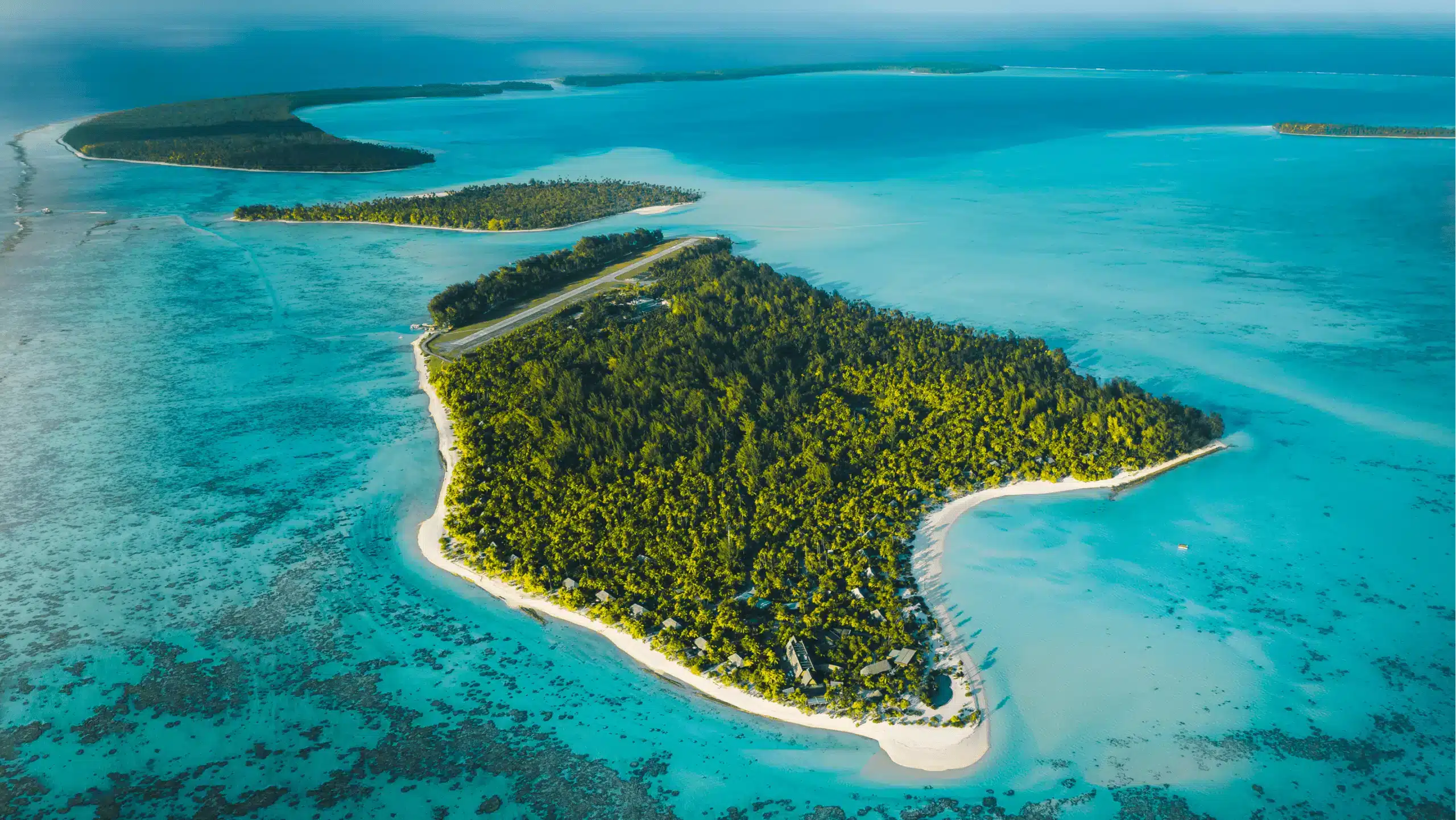
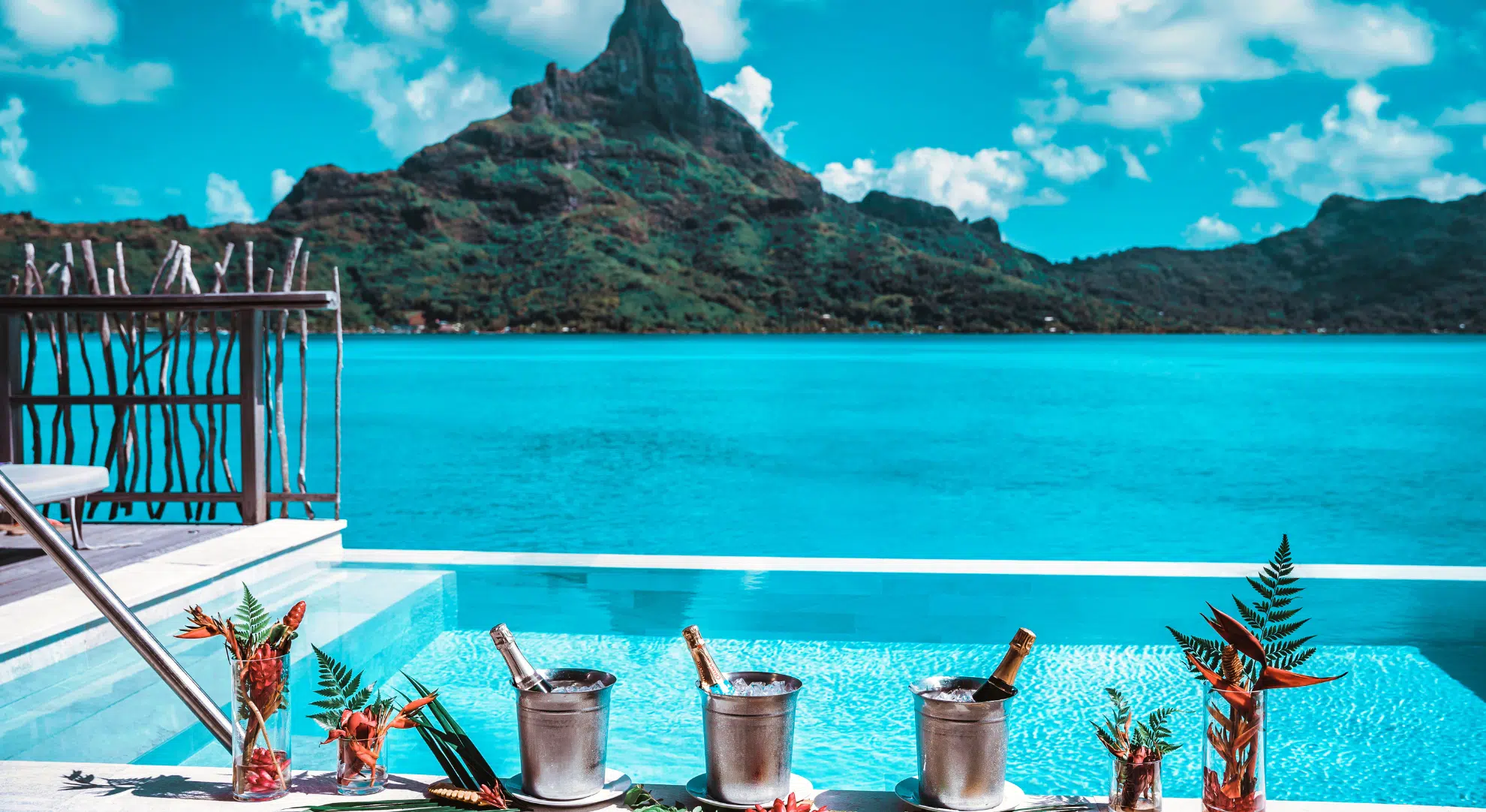
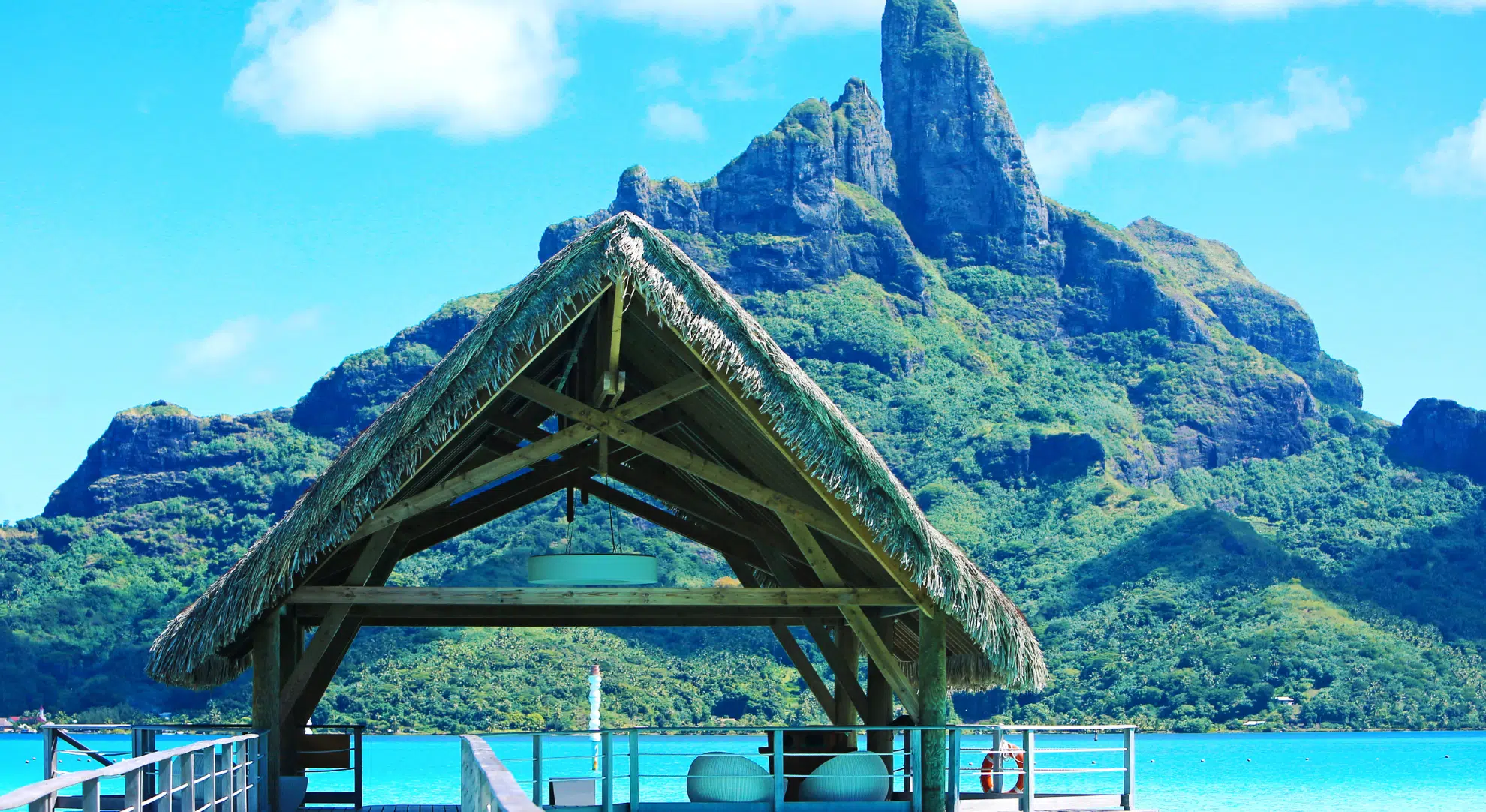
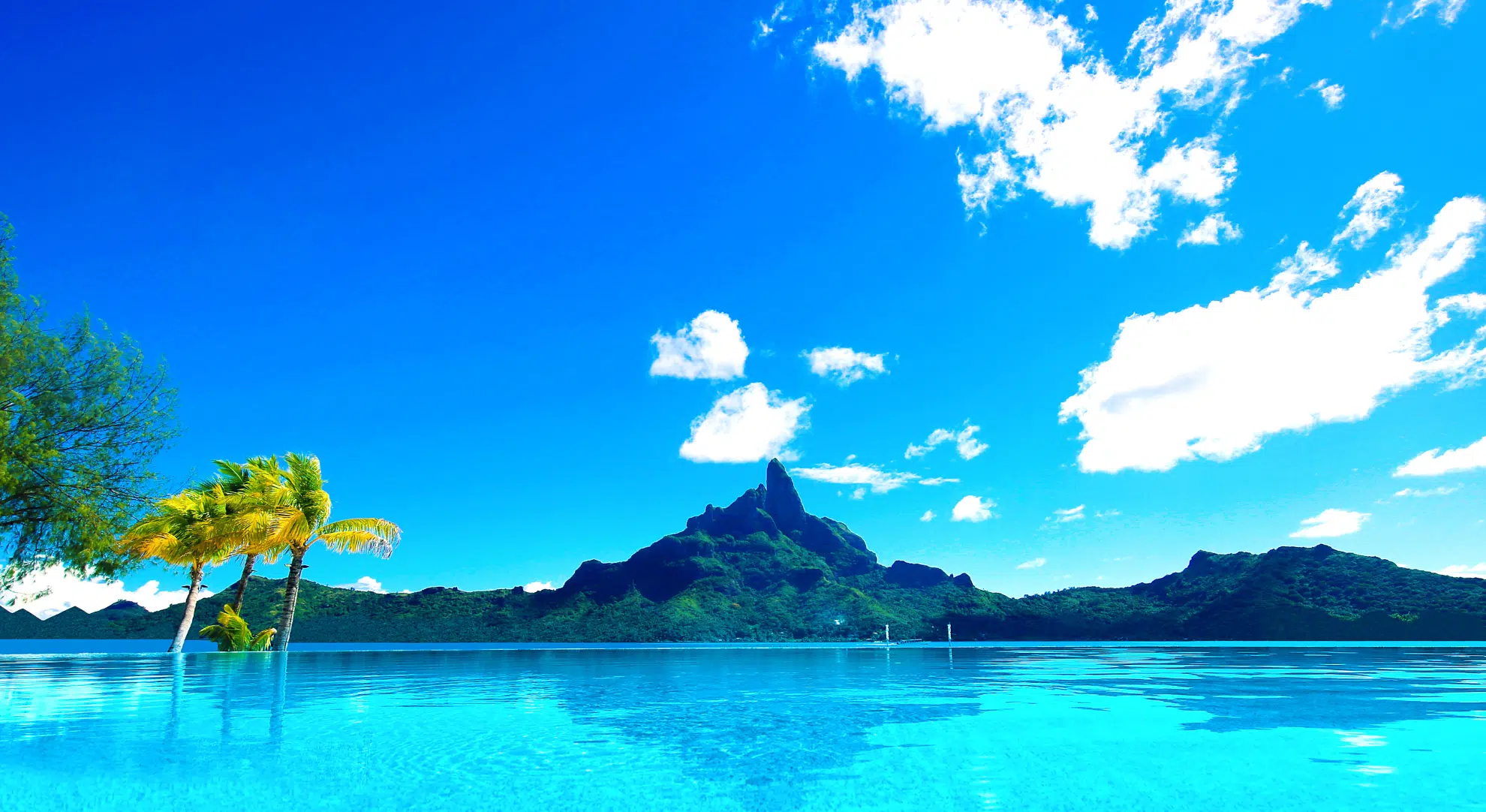
Bora Bora’s famous silhouette features Mount Otemanu rising 2,385 feet from the center of the lagoon, creating postcard-perfect scenery from virtually every angle. You’re surrounded by volcanic peaks, jungle hillsides, and that luminous lagoon reflecting the mountainous backdrop. There’s visual drama everywhere you look.
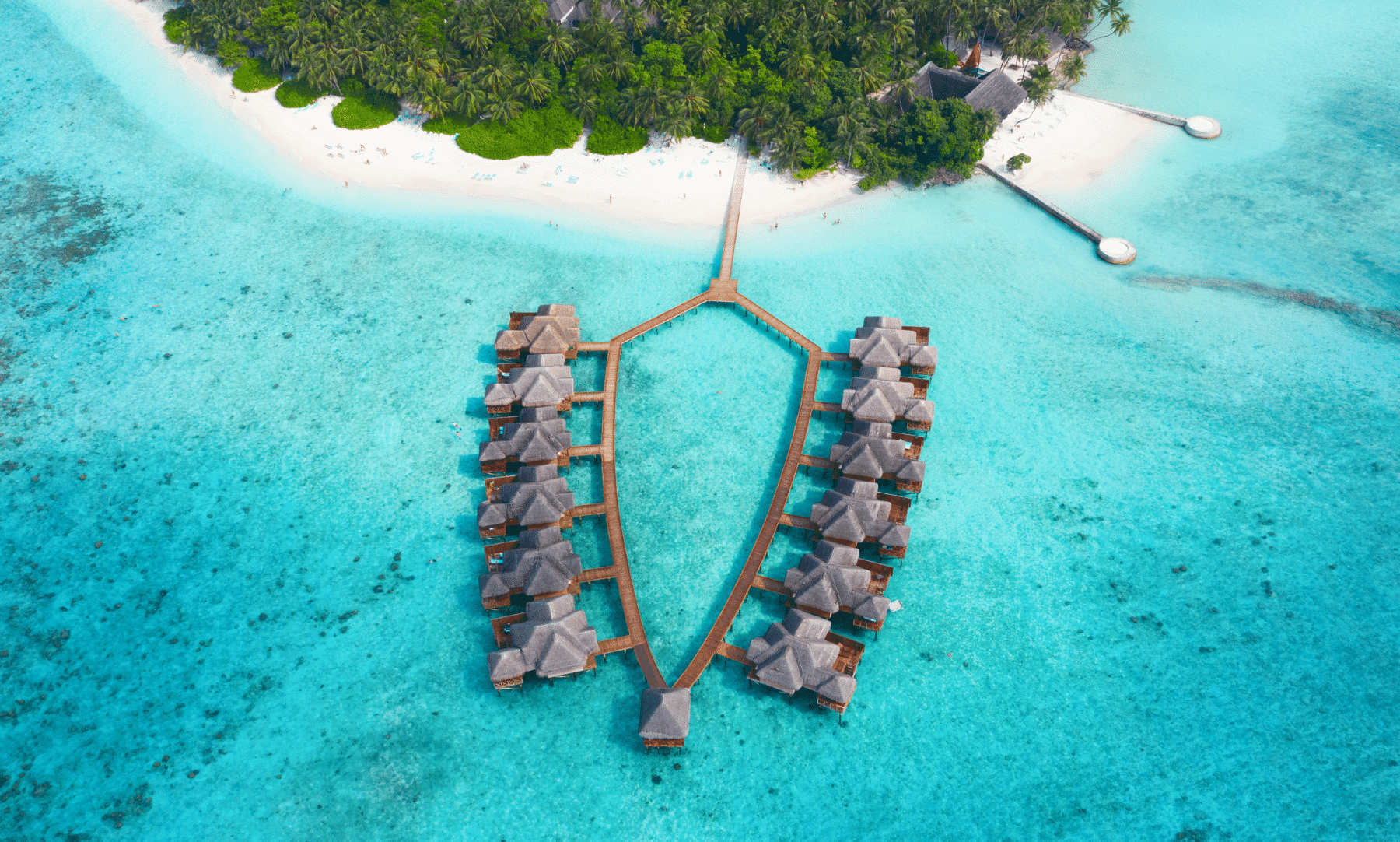
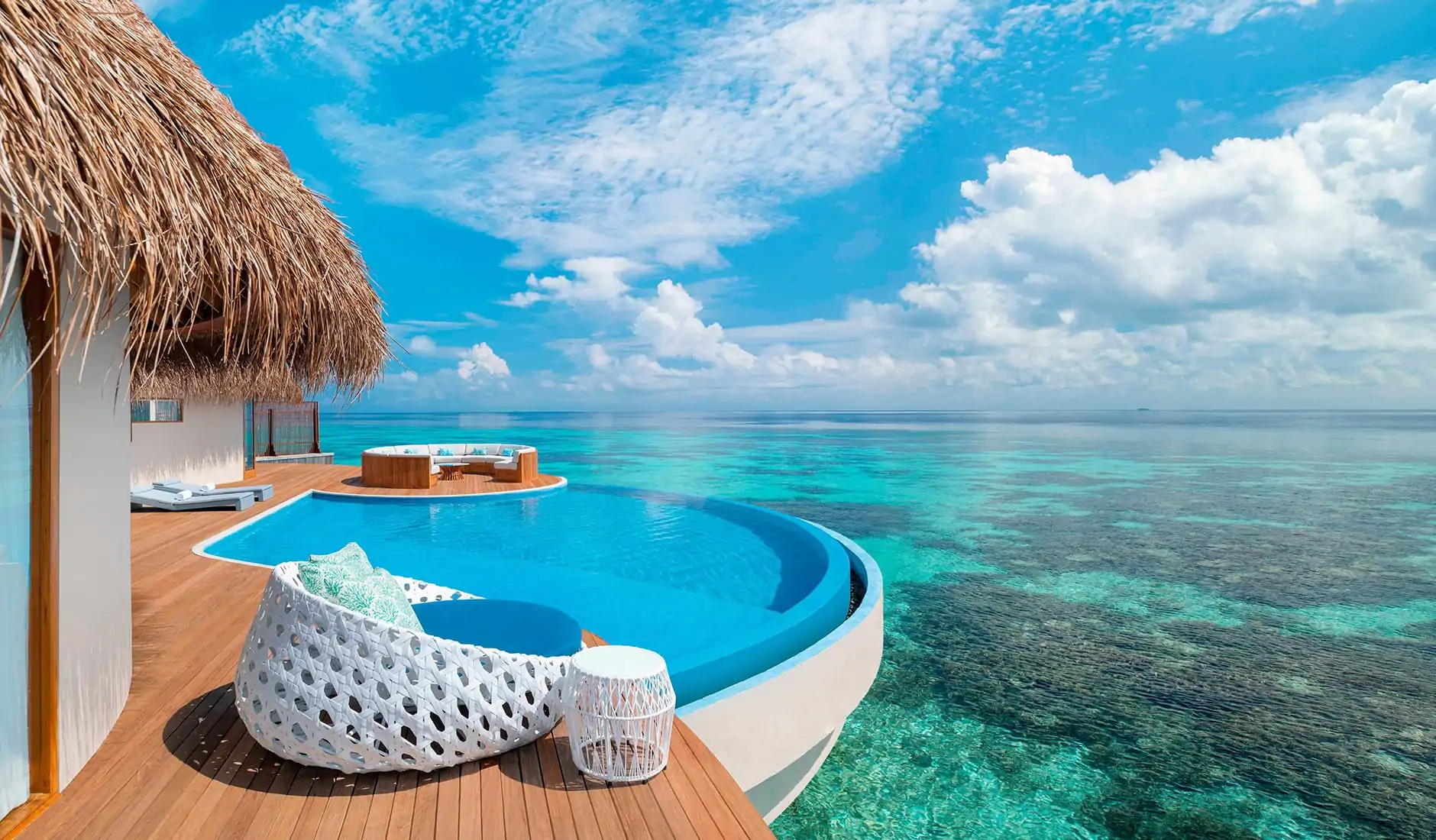
The Maldives, by contrast, is horizontally infinite. The highest natural point in the entire nation is 7.8 feet above sea level. There are no mountains, no hills, barely any elevation whatsoever. Just endless ocean meeting endless sky, with narrow strips of white sand and coconut palms providing the only interruption.
Getting There
Bora Bora requires getting to Tahiti first (8 hours from Los Angeles), then catching a 50-minute domestic flight to Bora Bora on Air Tahiti’s turboprops. Total door-to-door from the US West Coast runs roughly 12-14 hours including connections and transfers. From Europe, you’re looking at 20-24 hours with a stop in Los Angeles. From Asia or Australia, connections through Auckland or Tokyo extend travel time significantly.
Once you arrive at Bora Bora’s small airport, a 20-minute boat ride delivers you to your resort. The journey feels manageable, almost civilized.
The Maldives sits in the middle of the Indian Ocean, equidistant from everywhere and nowhere. No direct flights exist from the Americas, so you’re connecting through Europe, Middle East, or Asia. From the US East Coast, expect 18-24 hours via Dubai, Doha, or Singapore. From Europe, you’re looking at 10-12 hours direct or with one connection. From Asia, it’s 4-6 hours depending on origin.
But here’s where the Maldives gets interesting: after landing in Malé, your journey continues via seaplane (20-45 minutes, spectacular aerial views of atolls) or speedboat (30 minutes to 2 hours, depending on your resort’s location). Some distant resorts require domestic flights followed by speedboats. The logistics are more complex, but that seaplane transfer, skimming over geometric atolls that look like computer-generated perfection, is genuinely thrilling.
Verdict: Bora Bora is significantly easier for Americans. The Maldives is more accessible for Europeans, Middle Easterners, and Asians. From a pure time investment perspective, Bora Bora wins for Western Hemisphere travelers, while the Maldives wins for Eastern Hemisphere visitors.
The Overwater Villa Experience
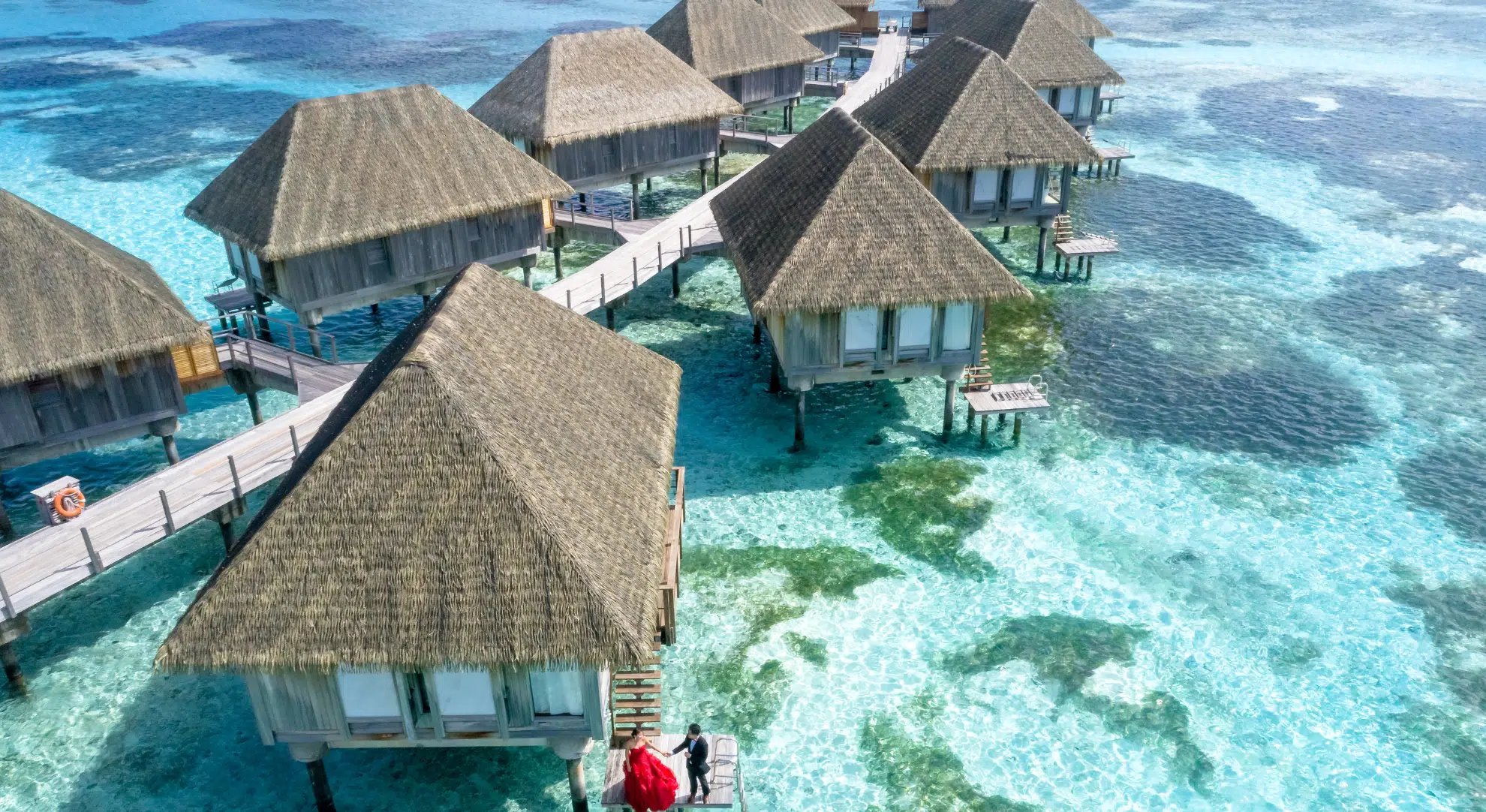
Bora Bora, or technically Moorea, invented the overwater bungalow in 1967. French Polynesia spent decades perfecting the concept before the Maldives even built their first one in 2000. That head start shows in subtle ways.
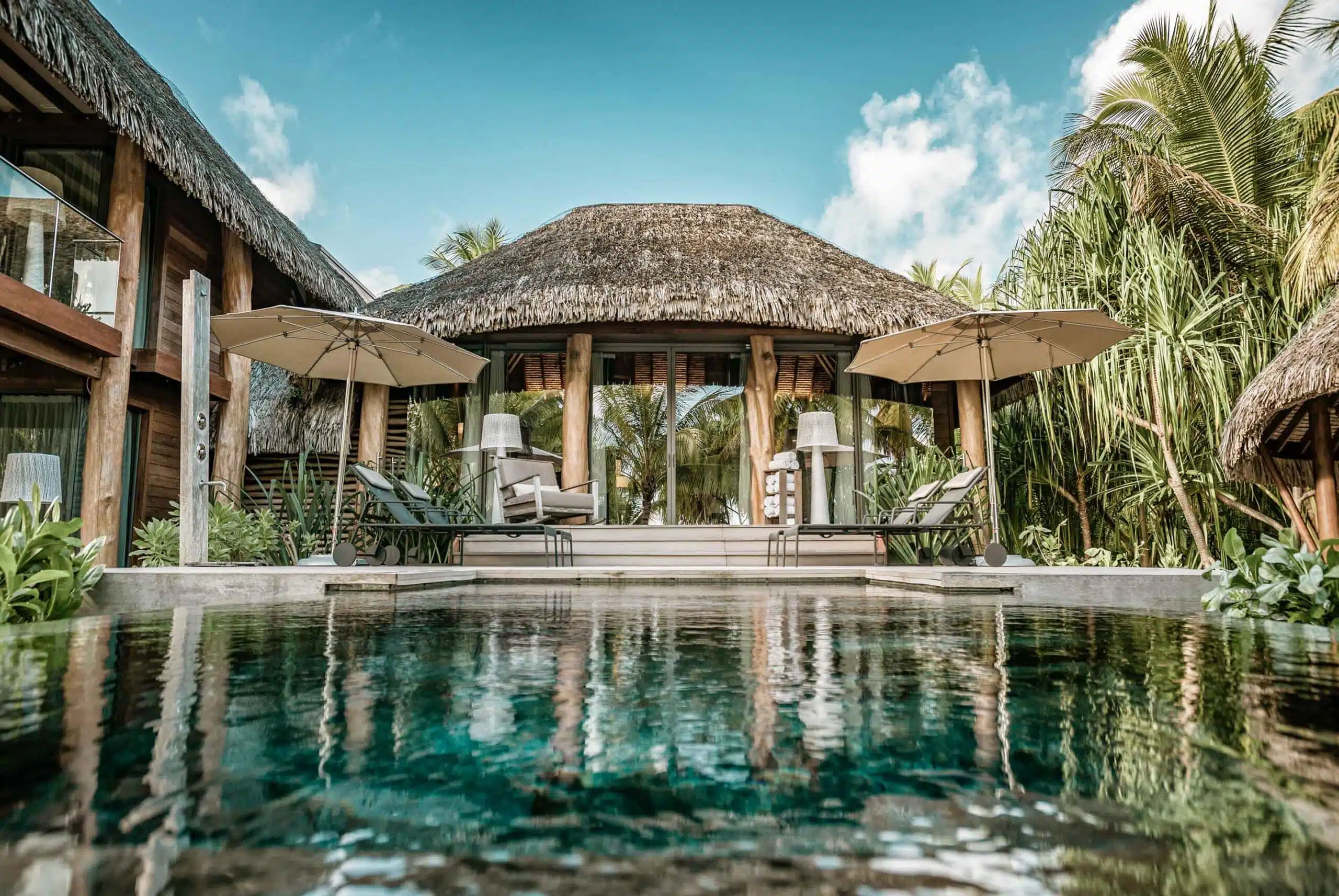
Bora Bora’s overwater bungalows tend toward traditional Polynesian design: thatched roofs, darker woods, curved lines echoing traditional outrigger canoes. Properties like Four Seasons, St. Regis, and Conrad have modernized the concept without abandoning its roots.
The lagoon beneath Bora Bora’s villas averages 6-12 feet deep with excellent visibility and healthy coral. You’ll see blacktip reef sharks, rays, tropical fish, and occasionally sea turtles. The house reefs are good, though not as spectacular as the Maldives.
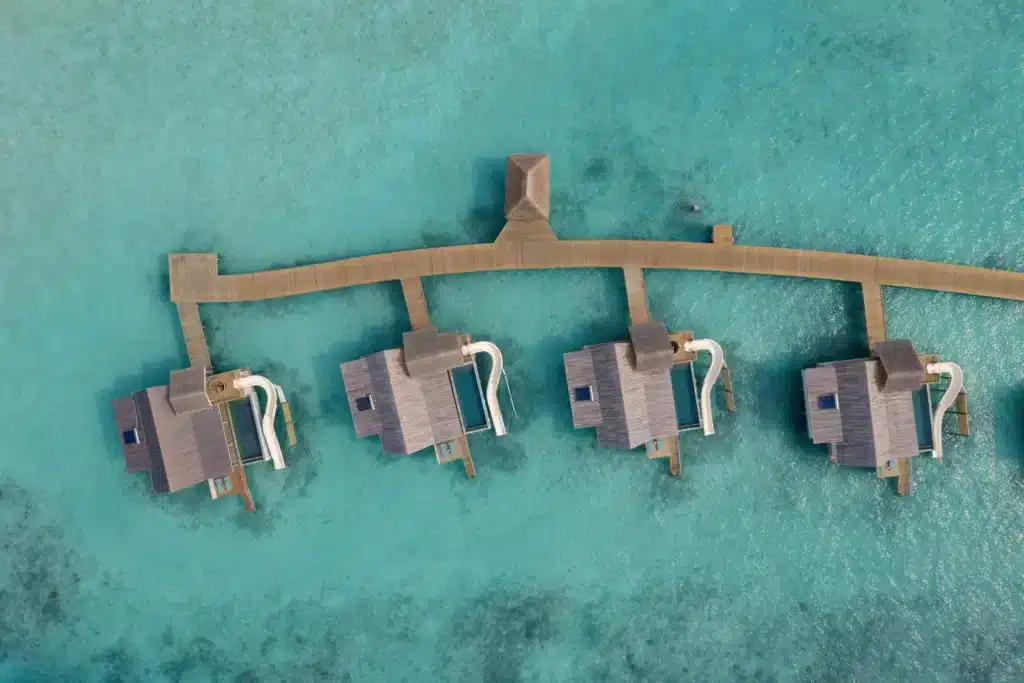
Maldivian overwater villas arrived later and went bigger, brasher, more technologically ambitious. Think contemporary minimalism, floor-to-ceiling glass, cutting-edge design, and amenities that would satisfy tech enthusiasts. Massive glass floor panels (sometimes entire floors), retractable roofs for stargazing, underwater bedrooms, and pools that seem to pour into the ocean.
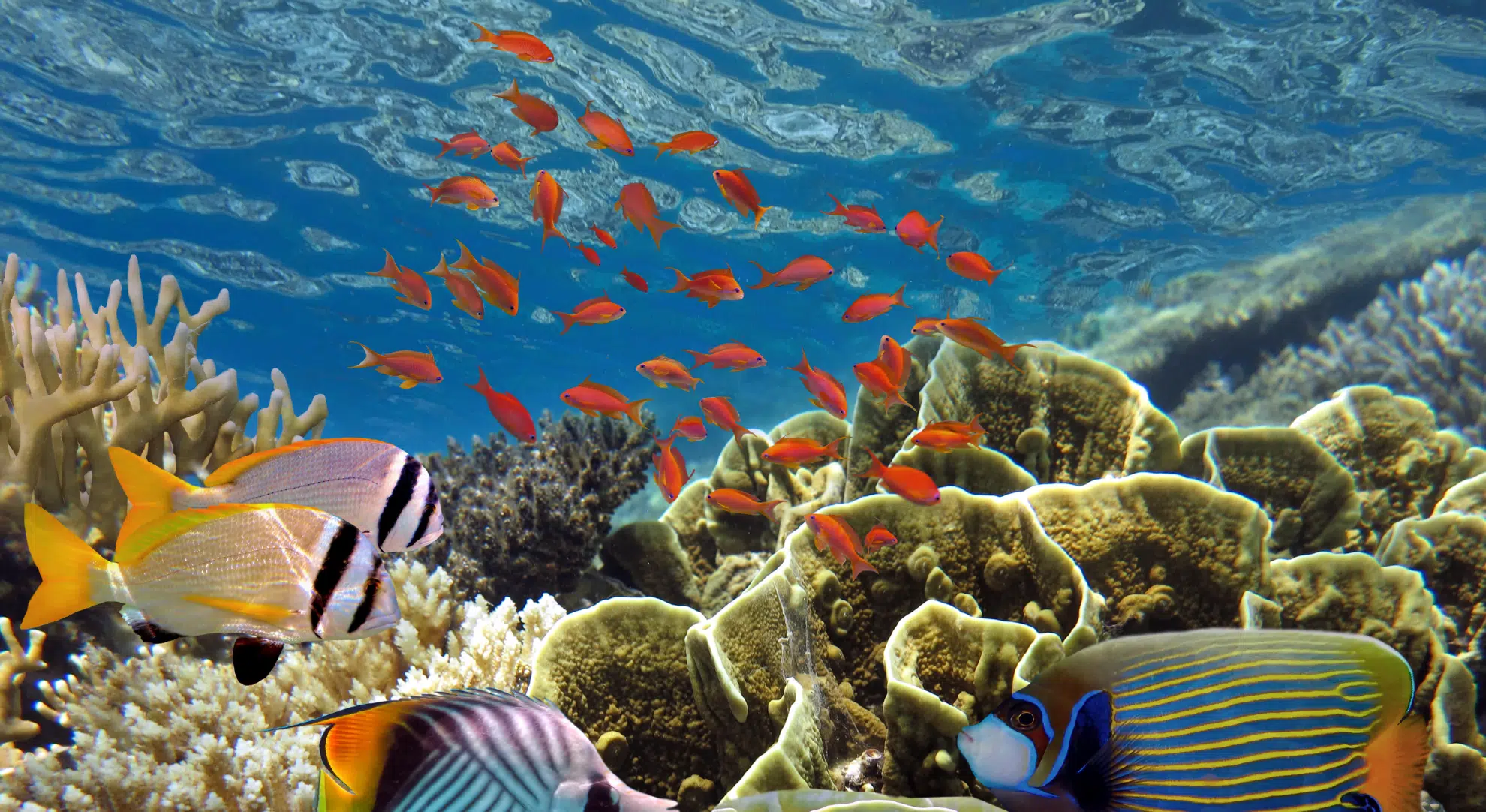
The lagoons beneath Maldivian villas can be deeper (15-30 feet in some cases) with that iconic luminous turquoise created by white sand and clear water. The house reefs in the Maldives are genuinely world-class. Some resorts let you snorkel with manta rays, sharks, and hundreds of fish species without ever leaving your resort area.
Verdict: Bora Bora offers classic overwater romance with that dramatic mountain backdrop making every photo extraordinary. The Maldives delivers next-generation overwater architecture with superior house reefs for snorkeling.
Marine Life & Diving
Both destinations offer excellent snorkeling and diving, but with different strengths.
Bora Bora’s lagoon is safe, calm, and perfect for beginners. The shark and ray feeding experiences, where you stand waist-deep while dozens of blacktip reef sharks and stingrays swim around you, create memorable encounters without scuba certification. The diving outside the lagoon includes drift dives along the outer reef with occasional manta rays, eagle rays, and healthy coral formations.
But here’s the honest assessment: Bora Bora isn’t a world-class dive destination. It’s good. Sometimes very good. But divers seeking truly exceptional underwater experiences will find better elsewhere in French Polynesia (the Tuamotus) or in the Maldives.
The Maldives ranks among the planet’s top five dive destinations, full stop. The combination of nutrient-rich currents, pristine reefs, and dramatic underwater topography creates conditions that attract massive marine life. Drift dive through channels where grey reef sharks patrol in formation. Encounter manta rays at cleaning stations. Swim with whale sharks near Ari Atoll. Explore walls that drop thousands of feet into the deep ocean.
The house reefs alone, the coral formations surrounding resort islands, often rival dedicated dive sites elsewhere. You can simply grab snorkel gear, walk off your villa deck, and spend hours exploring coral gardens teeming with life. Some Maldivian resorts employ full-time marine biologists leading snorkel safaris where you’ll identify species you’ve never heard of.
Verdict: The Maldives wins decisively for serious divers and snorkelers. Bora Bora’s marine life is delightful but doesn’t compete at the Maldives’ level.
Cultural Experiences
Bora Bora exists within French Polynesia, a place with genuine cultural identity beyond tourism. Polynesians have inhabited these islands for over a thousand years, developing sophisticated navigation, art, and social structures. That history remains visible and accessible.
You can visit archaeological sites (marae), watch traditional dance performances that feel authentic rather than purely theatrical, learn about Polynesian navigation using stars and currents, take cooking classes featuring local ingredients prepared in traditional earth ovens, and interact with locals who maintain cultural practices beyond what tourists see.
French influence adds another dimension: excellent bread, wine culture, sophisticated cuisine, and a certain joie de vivre that feels distinctly European yet adapted to island life.
The Maldives operates differently. The local population practices conservative Islam, and tourists almost never interact with Maldivian culture beyond resort staff. Your resort exists as an independent bubble, essentially a floating piece of Dubai or Singapore with Maldivian employees but international everything else.
This isn’t necessarily negative. The resort bubble means you experience zero cultural friction, maximum comfort, and service calibrated to international luxury standards. But if you’re someone who travels to experience local culture, food, and customs, the Maldives will feel culturally sterile. You’re there for the ocean, the villa, and the resort experience, not for cultural immersion.
Verdict: Bora Bora offers significantly more cultural engagement and authentic local experiences. The Maldives provides a hermetically sealed luxury bubble that’s either a feature or a bug depending on what you value.
Activities Beyond the Beach
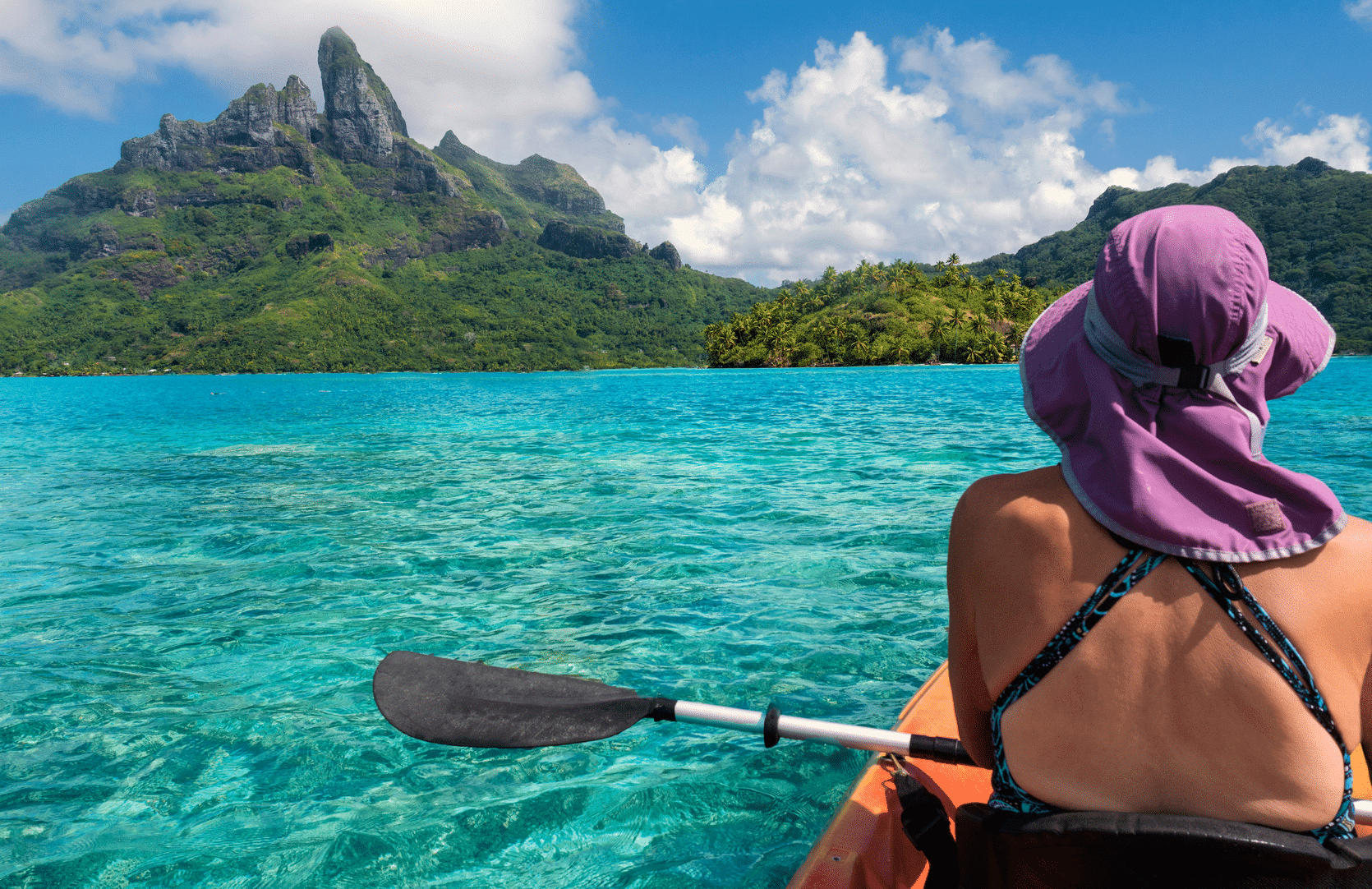
Bora Bora benefits from having actual land beyond the narrow strips of resort property. You can hike interior valleys to waterfalls, take 4×4 tours around the island visiting WWII relics and viewpoints, visit artisan workshops where locals create traditional crafts, explore Matira Beach (one of the world’s most beautiful public beaches), take day trips to nearby Taha’a or Moorea, and book helicopter tours over the lagoon and Mount Otemanu.
The island has personality beyond resort boundaries. You can leave your property, explore, and return, creating variety that some travelers crave.
The Maldives specialises in water-based activities almost exclusively. Diving and snorkeling are world-class. Fishing expeditions, dolphin watching, sunset cruises, parasailing and jet skiing, spa treatments (often spectacular), and stargazing (zero light pollution) fill the days. But hiking? No mountains to hike. Historical sites? Not really. Day trips to other islands?Possible, though neighboring resorts look remarkably similar to yours. The Maldives is about perfecting the art of doing very little except enjoying water, sun, and resort amenities.
Verdict: Bora Bora wins for travelers who want activity variety and land-based exploration. The Maldives wins for those who consider leaving their villa an inconvenience rather than an opportunity.
Dining: French Gastronomy vs. International Fusion
The French colonial influence on Bora Bora is apparent in the cuisine. Even resort restaurants serve excellent bread, proper coffee, and sophisticated wine lists.
You’ll eat poisson cru (Tahitian ceviche with coconut milk), French pastries, excellent French cheeses, and fusion dishes. Some resort restaurants rival Michelin-starred establishments, and the local ingredient quality (vanilla, tuna, mahi-mahi, tropical fruits) is exceptional.
The downside? Prices. Food in French Polynesia costs roughly what you’d pay in Paris or New York, sometimes more. That burger at the resort restaurant? Dinner for two with wine runs two to four hundred dollars without trying.
The upscale Maldivian resorts import executive chefs from Europe and Australia who create excellent fine dining experiences, but there’s rarely local culinary tradition to draw upon.
Everything is imported: the ingredients, the chefs, the culinary philosophy. It’s professionally executed hotel food rather than cuisine rooted in place. The advantage? All-inclusive packages eliminate the sticker shock. You paid upfront, so order whatever you want without mental calculations.
Verdict: Bora Bora wins for food quality and culinary culture. The Maldives wins for all-inclusive convenience and predictable costs.
The Price Reality: Both Are Expensive, But Differently
Neither destination is cheap, but the pricing structures differ significantly.
Bora Bora operates on transparent but steep à la carte pricing. Your villa might cost anywhere from eight hundred to two thousand dollars per night or more. Then you’re adding meals at one to three hundred dollars per person per day, activities at one to five hundred per excursion, drinks at fifteen to twenty-five dollars per cocktail, inter-island flights at two to four hundred per person each way, and boat transfers that are either included or run fifty to two hundred depending on resort.
A week in Bora Bora easily reaches ten to twenty thousand dollars for two people, sometimes significantly more.
The Maldives increasingly offers all-inclusive packages where one price covers accommodation, meals, drinks, and basic activities. You might pay fifteen hundred to four thousand dollars per night all-inclusive, which initially seems expensive until you realize it includes everything.
The advantage is predictable budgeting. You know your total cost upfront. The disadvantage is less flexibility and potential waste if you don’t eat or drink enough to justify the all-inclusive rate.
À la carte Maldivian resorts operate similarly to Bora Bora (villa rates plus expensive add-ons) though often at slightly lower price points for comparable properties.
Verdict: Both are expensive. Bora Bora offers more control and potentially lower costs if you’re budget-conscious. The Maldives’ all-inclusive options offer simplicity and unlimited consumption at a fixed, yet high, price.
Weather Windows & Best Times
Bora Bora has distinct seasons. The dry season from May to October brings temperatures of 75-85°F, minimal rain, and lower humidity. This is peak season. The wet season from November to April sees temperatures of 80-90°F with regular afternoon showers and cyclone risk from January through March.
Best time to visit Bora Bora: July through August for perfect weather, though June, September, and October offer excellent conditions with fewer crowds.
The Maldives experiences different patterns. The dry season from November to April brings temperatures around 86°F with sunshine and calm seas. This is peak season. The wet season from May to October sees temperatures of 82-88°F with brief afternoon storms but better diving as increased plankton attracts pelagic species.
Best time to visit the Maldives: January through March for guaranteed sunshine, or May through July for better diving and significant savings.
Neither destination is year-round perfect, but both are visitable outside peak season with proper expectations about occasional rain.
Verdict: Timing considerations roughly equal out. Both have clearly superior seasons; both remain beautiful even during lesser months.
The Privacy Question
Both destinations excel at privacy, but through different mechanisms.
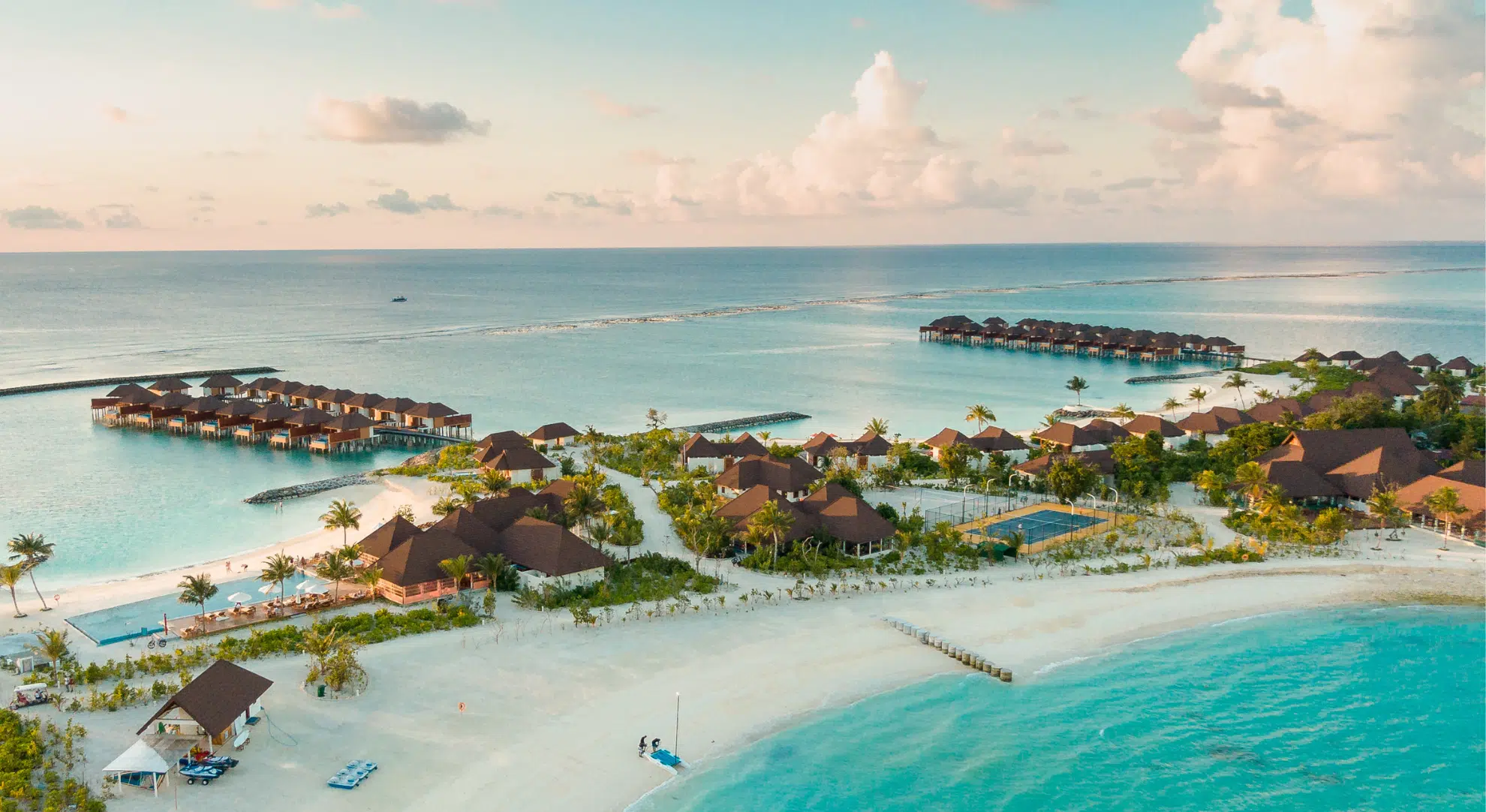
Bora Bora has limited resort options (roughly 12 high-end properties) on a small island. You’ll encounter other guests at restaurants, beaches, and on boat excursions. The island has a small town (Vaitape) and public areas where you’ll see locals and tourists mixing. Privacy exists within your villa and your resort, but you’re sharing a relatively small island.
The Maldives provides Robinson Crusoe isolation. Each resort occupies an entire private island with no neighboring development. You’ll never accidentally encounter tourists from other properties. Your resort’s guests are the only other humans you’ll see (beyond staff), and with most resorts limiting capacity to 50-150 guests across sprawling properties.
Verdict: The Maldives delivers superior privacy and isolation if that’s what you’re seeking.
So Which Should You Choose, Maldives or Bora Bora?
Choose Bora Bora if you are traveling from the Americas (much easier access), value dramatic scenery and want those mountain-backdrop photos, appreciate cultural experiences and want to engage beyond your resort.
Choose the Maldives if you are traveling from Europe, Middle East, Asia, or Australia (better access), prefer minimalist, meditative beauty over dramatic landscapes, want the world’s best house reef snorkeling and diving, prioritize absolute privacy and isolation, value cutting-edge villa design and technology, prefer all-inclusive packages.
The uncomfortable truth: Both are extraordinary. Both deliver once-in-a-lifetime experiences. Both justify their considerable expense. The better choice isn’t about objective superiority.
It’s about which destination’s particular brand of paradise aligns with your personality, your priorities, and your definition of perfection.
If you can possibly swing it? Do both. Just not on the same trip. Bora Bora first to understand where overwater luxury began, then the Maldives to experience where it’s evolved.
Still undecided? Let our travel experts help you choose the perfect island escape.