



On this page
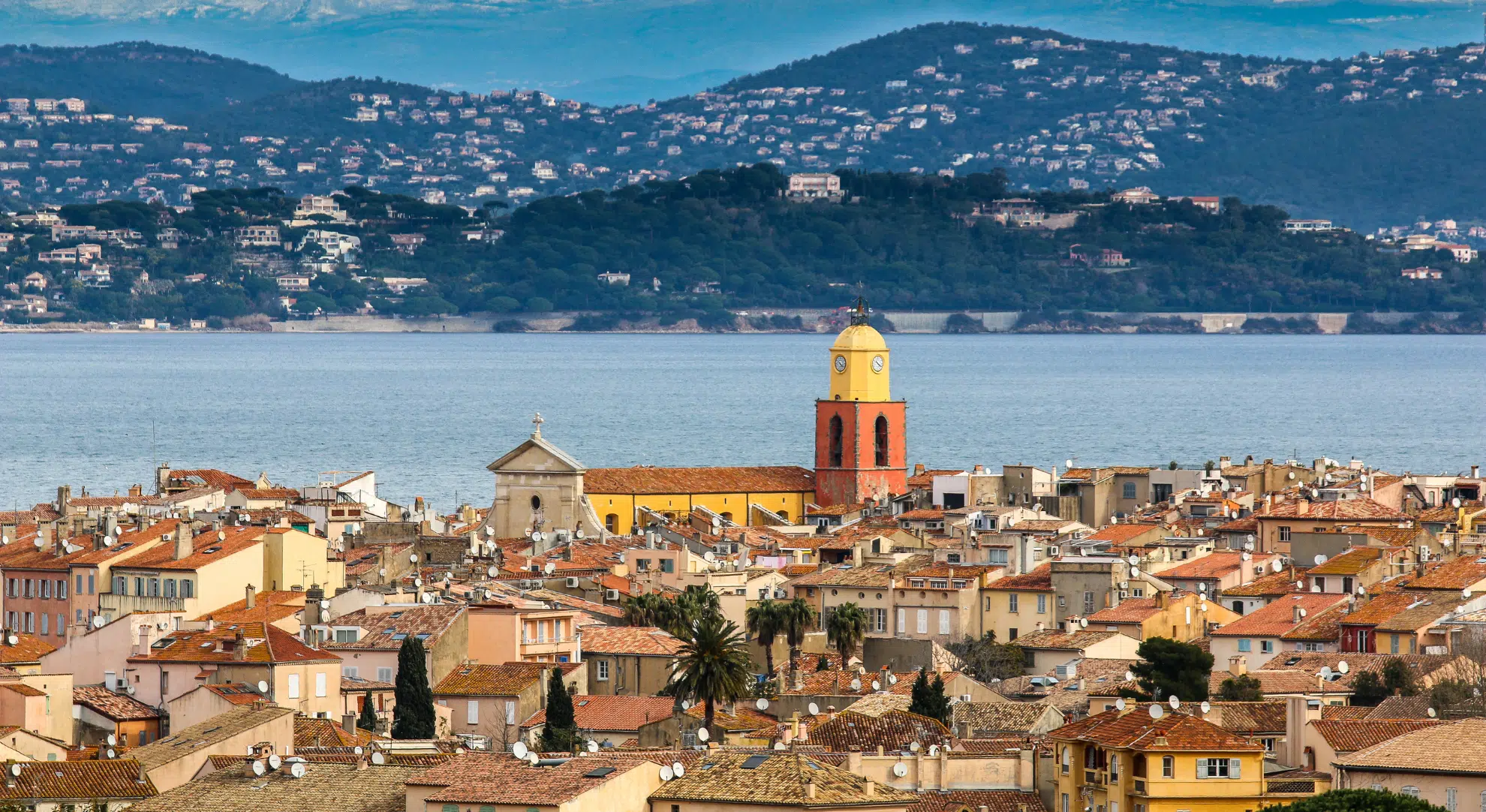
Saint-Tropez has been synonymous with effortless glamour since Brigitte Bardot wandered its cobbled streets in the 1950s. It’s where the Riviera comes to life, as supermodels drink rosé in beach clubs at noon and billionaires tie up their yachts for the evening.
Beneath the gloss and the celebrity sightings, Saint-Tropez is still a Provençal fishing village with real charm, real history, and a surprising amount of quiet beauty if you know where to look.
For a honeymoon, it offers something rare: the chance to feel utterly indulged without ever feeling stuffy. Days here move between lazy beach hours, long lunches under plane trees, and evenings that stretch until dawn. It’s long been a magnet for high society, but it’s also a great honeymoon destination.
When to Visit Saint-Tropez
Saint-Tropez has two distinct personalities, and your timing will determine which one you meet.
High season (July and August) is when the town is at its most electric. The port fills with superyachts, beach clubs throb with music until sunset, and the streets hum with an international crowd of socialites that treats Saint-Tropez like an annual pilgrimage. It’s glamorous, hedonistic, and can be full on if you’re not in the mood. Hotels are booked months in advance, prices double, and traffic along the coast can be brutal.
Shoulder season (May, June, September, and early October) is when Saint-Tropez reveals its more elegant side. The weather is still warm, the sea swimmable, and the atmosphere more relaxed. You’ll actually get a table at Sénéquier without a wait, and the beaches feel less like nightclubs. September is particularly lovely: the light turns golden, the crowds thin, and there’s a calmer atmosphere.
Winter is off-season. Many hotels, restaurants, and beach clubs close from November through March. The town becomes local again, quieter and more introspective, but it’s not the Saint-Tropez you came for.
For a honeymoon, late May or early June is ideal. The town has woken up but hasn’t yet been overrun, and you’ll have the best of both worlds: energy without chaos.
Where to Stay in Saint-Tropez
Saint-Tropez’s best hotels understand that luxury here isn’t about grandeur. It’s about light, air, and being close enough to the action without being swallowed by it.
Cheval Blanc St-Tropez, tucked into a quiet corner near Place des Lices, is as refined as it gets. Designed by Jacques Grange, it’s all soft whites, natural textures, and a pool that feels like a private courtyard in Marrakech. The spa is exceptional, the service invisible but flawless, and the location puts you steps from the market and minutes from the port.
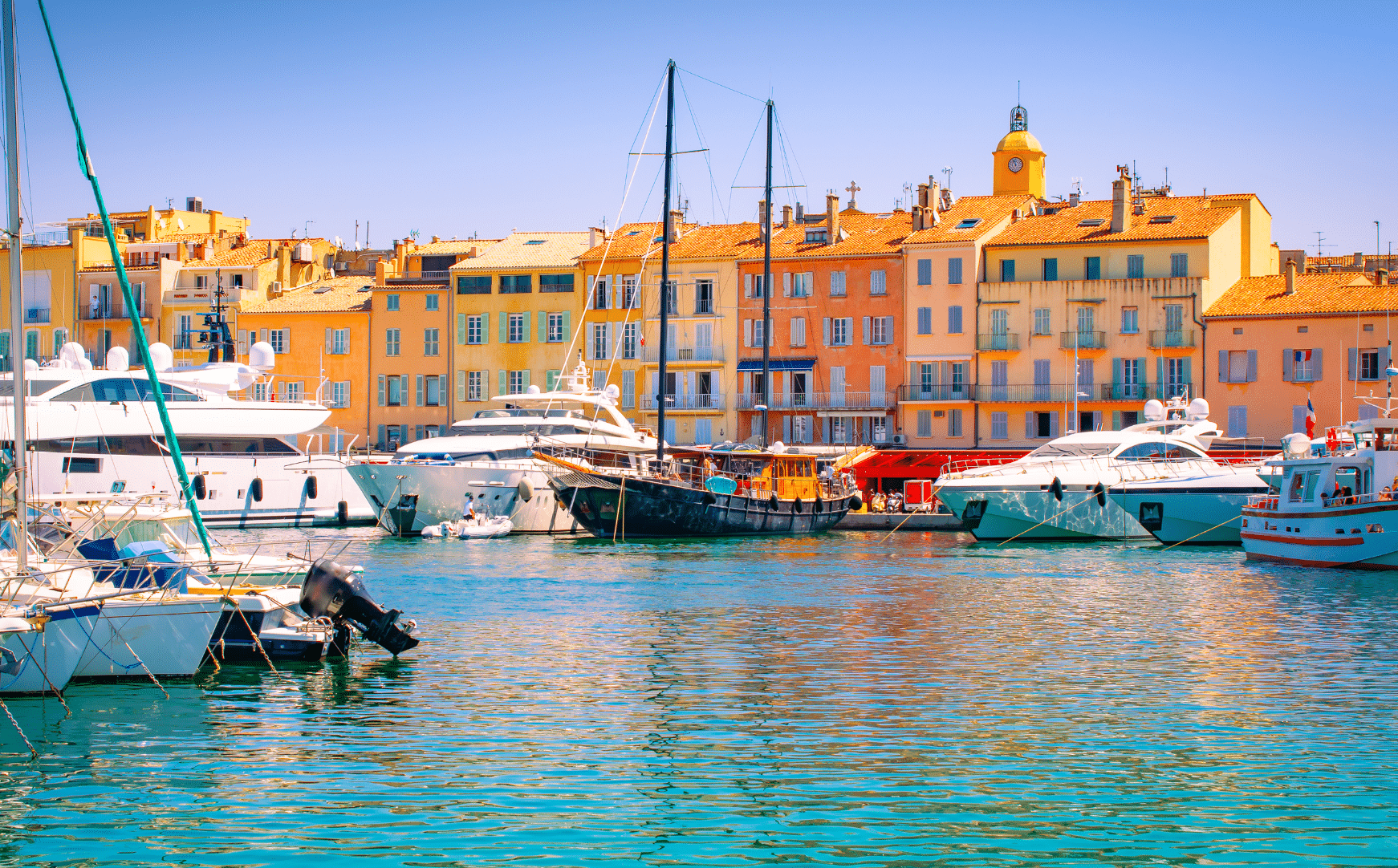
Hôtel de Paris Saint-Tropez, which overlooks the port with panoramic views, is more contemporary. Clean lines, floor-to-ceiling windows, and a rooftop that becomes one of the town’s most elegant aperitivo spots. The atmosphere is less cocooned than Cheval Blanc, more social and buzzy, ideal if you want to feel connected to the scene.
For something quieter, look just outside town. Château de la Messardière, set in the hills above Saint-Tropez, offers old-world Provençal elegance: rose gardens, terraced vineyards, and rooms with views across the bay. It’s more romantic retreat than urban hideaway, with a Valmont spa and Michelin-starred dining. You’ll need a car, but the privacy is worth it.
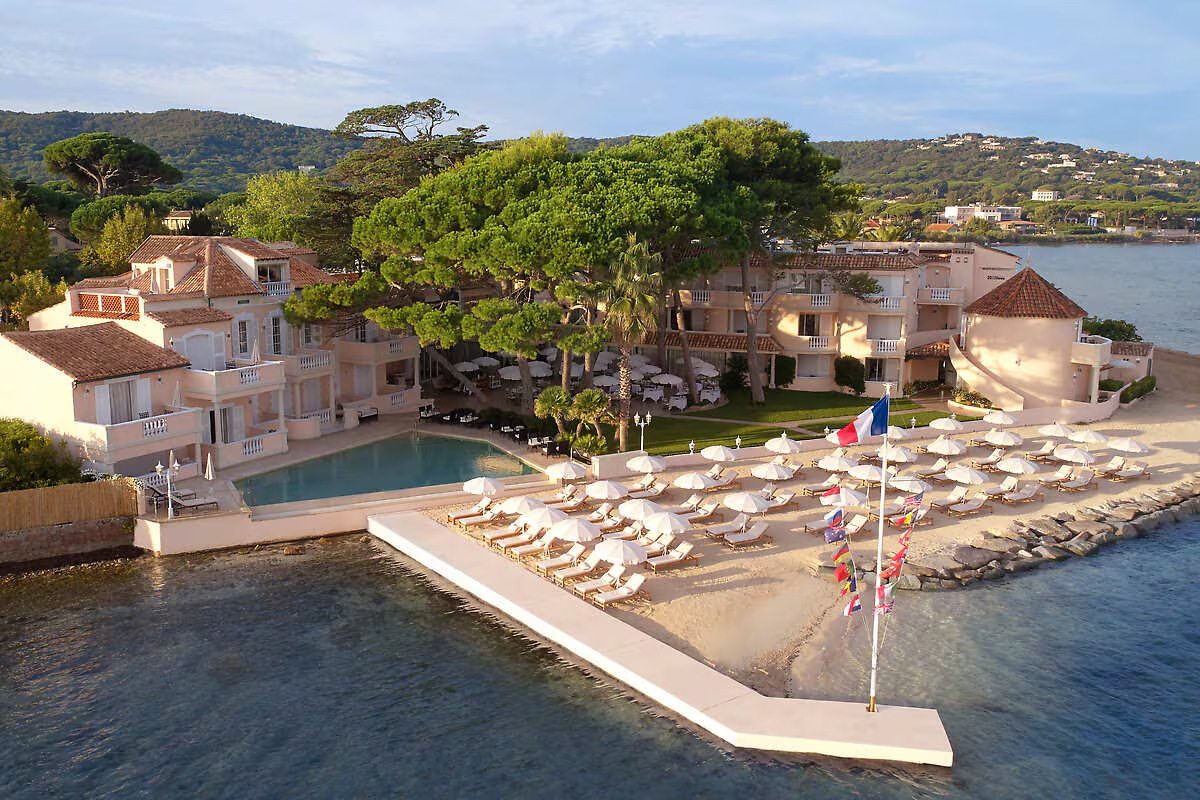
If you prefer beachfront, La Réserve Ramatuelle sits on a private stretch of sand a ten-minute drive from town. It’s sleek, minimal, and entirely focused on the sea. Rooms open onto terraces, the pool spills toward the horizon, and the beach club serves some of the best seafood on the coast. It’s less about Saint-Tropez’s social theatre and more about two people, a view, and nothing to prove.
Getting There
Saint-Tropez is famously difficult to reach, which is part of its mystique.
The nearest major airport is Nice Côte d’Azur, about 100 kilometers east. From there, you have three options: helicopter (15 minutes, thrilling, expensive), private car (90 minutes to two hours depending on traffic), or a combination of car and boat.
The road from Nice can be glorious or agonizing. In summer, traffic along the coast slows to a crawl, especially on Friday afternoons and Sunday evenings. If you’re driving, leave early or late, never midday.
A more elegant arrival is by boat. We can provide private transfers from Nice or Cannes, delivering you straight to the port while the coast unfolds like a postcard. It’s slower than driving but infinitely more romantic.
Once you’re in Saint-Tropez, a car is optional. The town itself is walkable, and taxis or hotel cars can take you to beaches and restaurants. If you want to explore the surrounding hills, vineyards, and villages, rent something stylish (a convertible feels right here) and enjoy the back roads of the Var.
What to Do in Saint-Tropez
Start your mornings at Place des Lices, the town’s main square, where a weekly market (Tuesday and Saturday) sprawls under the plane trees. It’s wonderfully local: fresh produce, lavender sachets, rotisserie chickens, olives by the kilo. Grab coffee at Café des Arts and watch the boules players argue over their game.
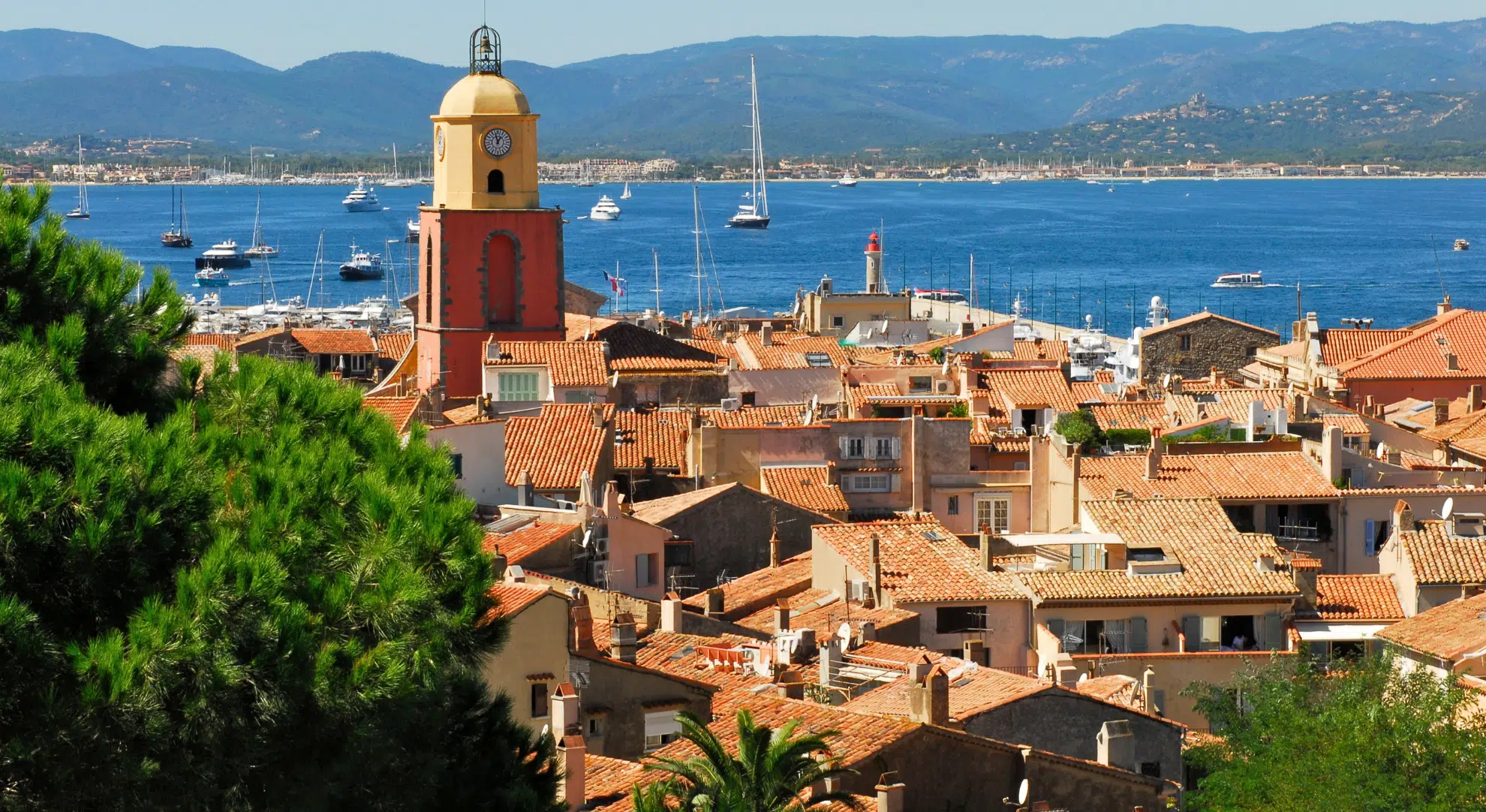
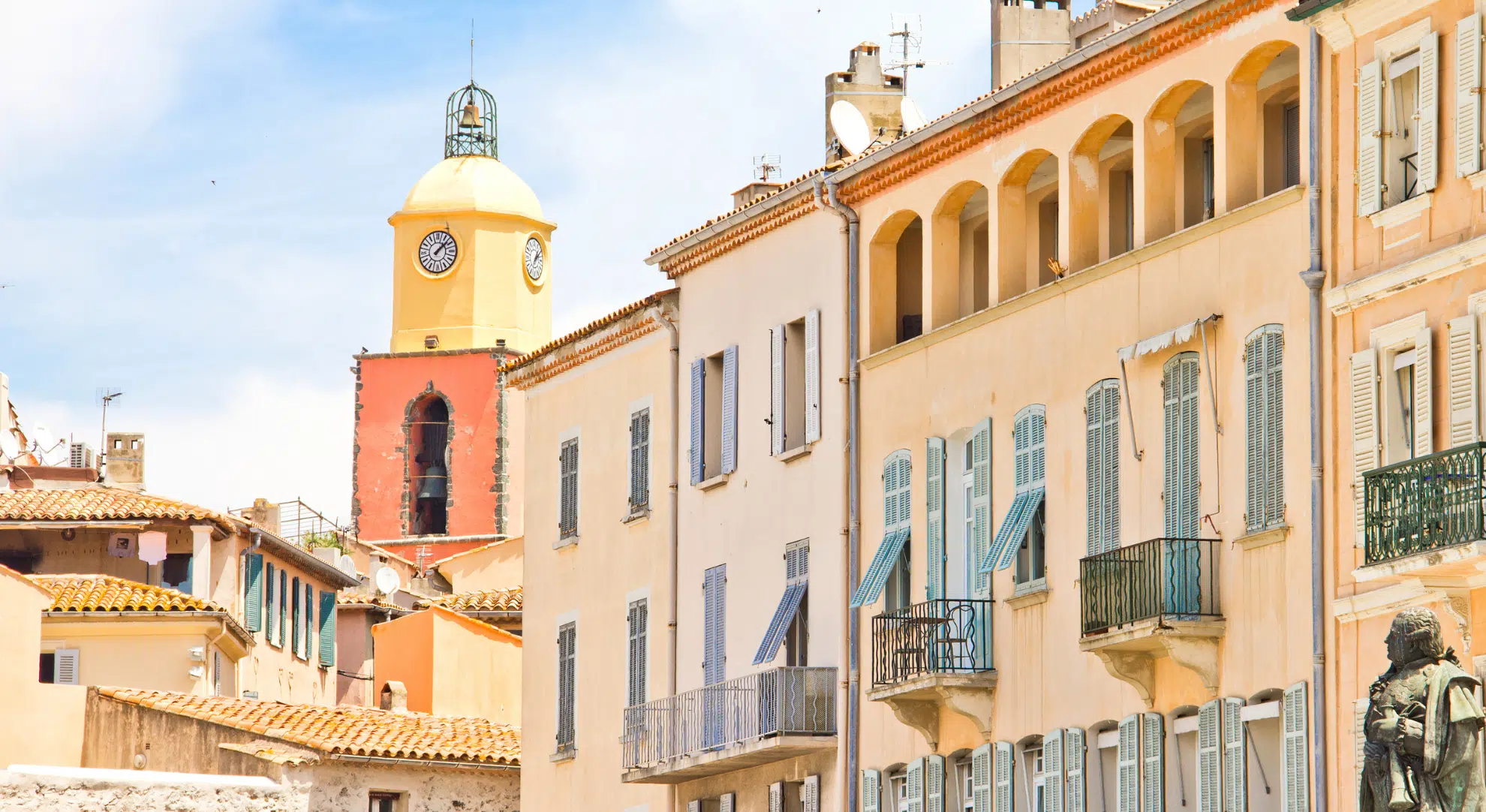
Wander the Old Town (La Ponche), the original fishing quarter, where narrow streets open onto the sea and pastel shutters frame geranium-filled window boxes. It’s quieter here, away from the port’s bustle, and you’ll find tiny galleries, antique shops, and cafés where locals still outnumber tourists.
The Musée de l’Annonciade, housed in a former chapel near the port, holds one of France’s best collections of early 20th-century art. Matisse, Signac, Bonnard: all of them painted Saint-Tropez’s light, and seeing their work here, where it was made, adds weight to the color.
Beach days are non-negotiable. Pampelonne Beach, a five-kilometer crescent of sand southeast of town, is where Saint-Tropez’s beach club culture was born. Club 55 is the original, still family-run, with a barefoot elegance that newer clubs try to copy. Lunch here (grilled fish, rosé, tarte tropézienne) is as much a part of the Saint-Tropez experience as the yachts in the port.
Nikki Beach is louder, younger, more party than lunch, while Cabane Bambou offers a quieter, more bohemian vibe with Balinese beds and excellent Thai-Provençal fusion food. Pick your vibe accordingly.
For something less scene-y, drive to Plage de l’Escalet or Plage de Gigaro, smaller beaches with clearer water and fewer sunbeds. Bring a cooler, a blanket, and let the rest of the coast perform without you.
Day Trips Worth Taking
Saint-Tropez sits at the edge of some of Provence’s loveliest countryside.
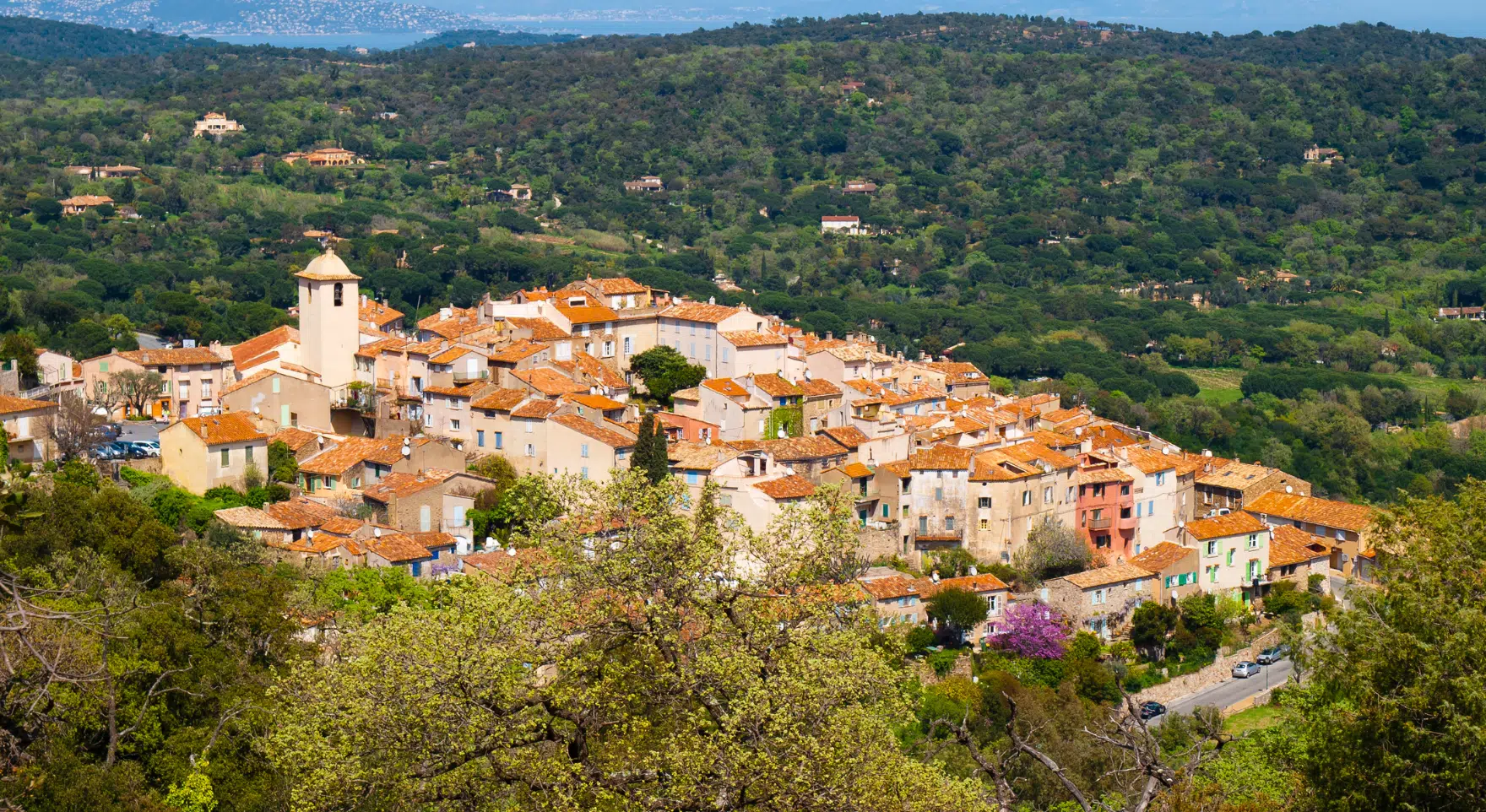
Drive 20 minutes inland to Ramatuelle, a hilltop village of honey-coloured stone and bougainvillea, with views that stretch to the sea. Have lunch at La Forge or Chez Camille, both serving simple, perfect Provençal food.
Further north, the Gorges du Verdon offer one of Europe’s most dramatic landscapes: turquoise rivers cutting through limestone cliffs. It’s about 90 minutes from Saint-Tropez, ideal for a day of hiking, kayaking, or simply driving the rim with the windows down.
For wine, head to Domaine de la Croix or Château Minuty in Gassin, where you can taste crisp Côtes de Provence rosés on terraces overlooking the vineyards. Book ahead for private tastings.
If you want a contrast to Saint-Tropez’s polish, spend a morning in Port Grimaud, a quirky 1960s Venice pastiche built on canals. It’s kitschy but oddly charming, and the boat ride through the channels is fun in a guilty-pleasure way.
Where to Eat
Saint-Tropez’s dining scene moves between Michelin-starred precision and rustic simplicity, often within the same day.
For special occasions, La Vague d’Or at Cheval Blanc holds three Michelin stars and delivers some of the most refined cooking on the Riviera. Chef Arnaud Donckele’s tasting menus are rooted in Provence but elevated to an art form. It’s formal without being stiff, and the sommelier will guide you through one of France’s deepest wine lists.
L’Opéra, near the port, is more relaxed but no less serious about food. Think Mediterranean flavors, beautiful plating, and a terrace that catches the evening light. It’s romantic without trying too hard.
For lunch, Le Girelier on the port serves the best bouillabaisse in town, while La Table du Marché, Bruno Oger’s bistro in the old town, does elevated Provençal classics in a garden courtyard.
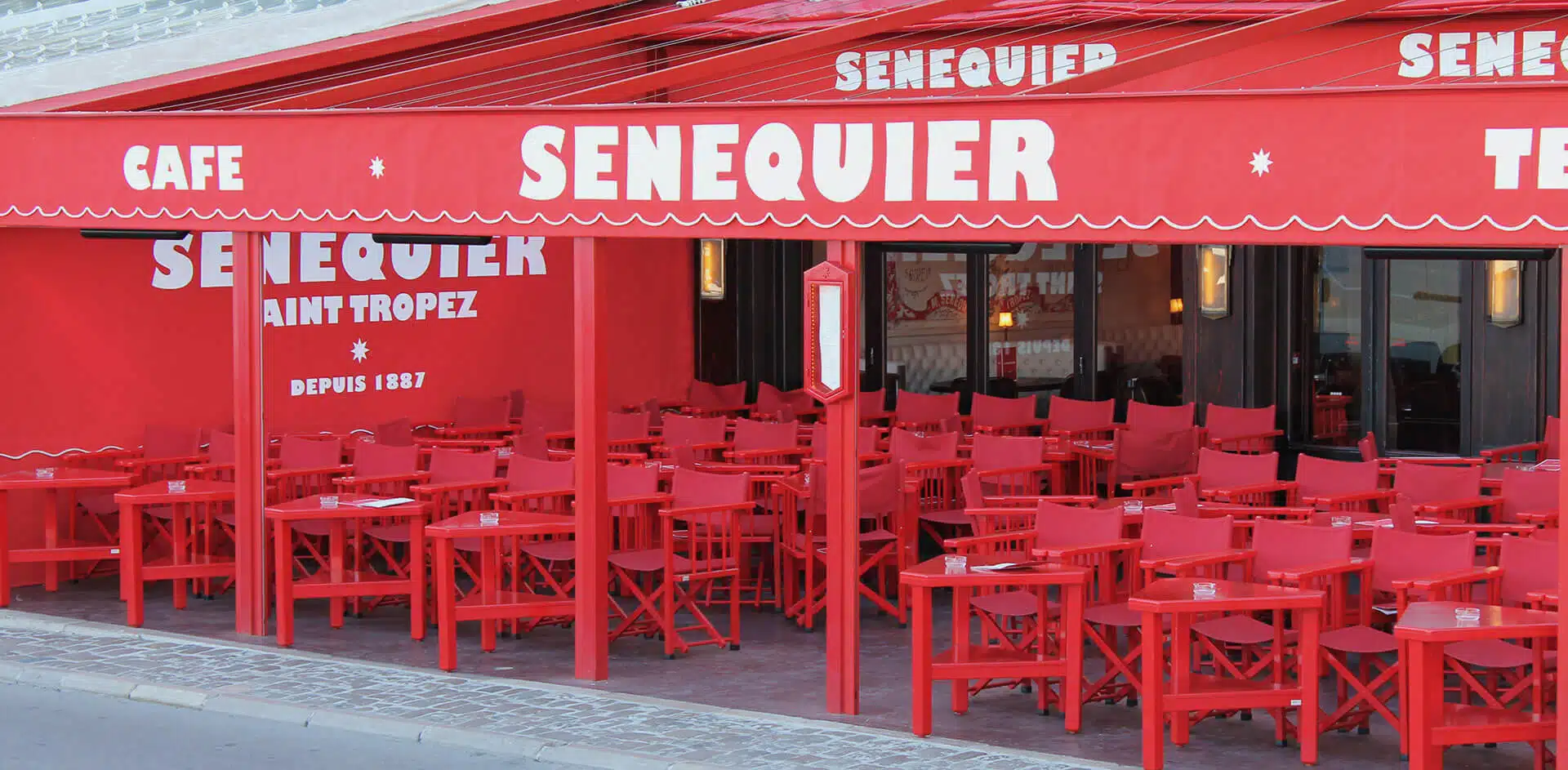
Don’t skip Sénéquier, the famous red-awninged café on the quay. Yes, it’s touristy. Yes, the coffee is overpriced. But having breakfast here, watching the yachts and the parade of people, is part of the ritual.
And always, always order tarte tropézienne: a soft brioche filled with cream, invented here in the 1950s and still made by the original bakery, La Tarte Tropézienne, just off Place des Lices.
Final Thoughts
A honeymoon in Saint-Tropez is about embracing the good life. The pleasure of cold rosé at lunch, the sound of cicadas in the afternoon heat, the way the port glows at dusk. The extraordinary people watching is also a big draw.
Book your hotels early, especially for summer. Plan a few key reservations (restaurants, beach clubs), but leave room for spontaneity. The best moments here are often unplanned: stumbling into a tiny gallery, staying for one more drink as the sun sets, taking the long way home through the vineyards.
Our role is to make everything feel simple. Flights, transfers, restaurant reservations, hidden experiences—you won’t need to think about a thing. We anticipate the details so you can focus on what matters most: connection. Perhaps you’d like a few days exploring nearby hilltop villages—Grimaud, Ramatuelle, Gassin—before returning to the coast. Or perhaps you’d rather never leave the villa at all.