



On this page
A private backcountry ski touring day in Hakuba’s northern ranges reveals Japan’s alpine interior beyond the resort boundary, guided through deep snow, silent forests, and high ridgelines shaped by weather, faith, and isolation.
Arrival in the Northern Alps
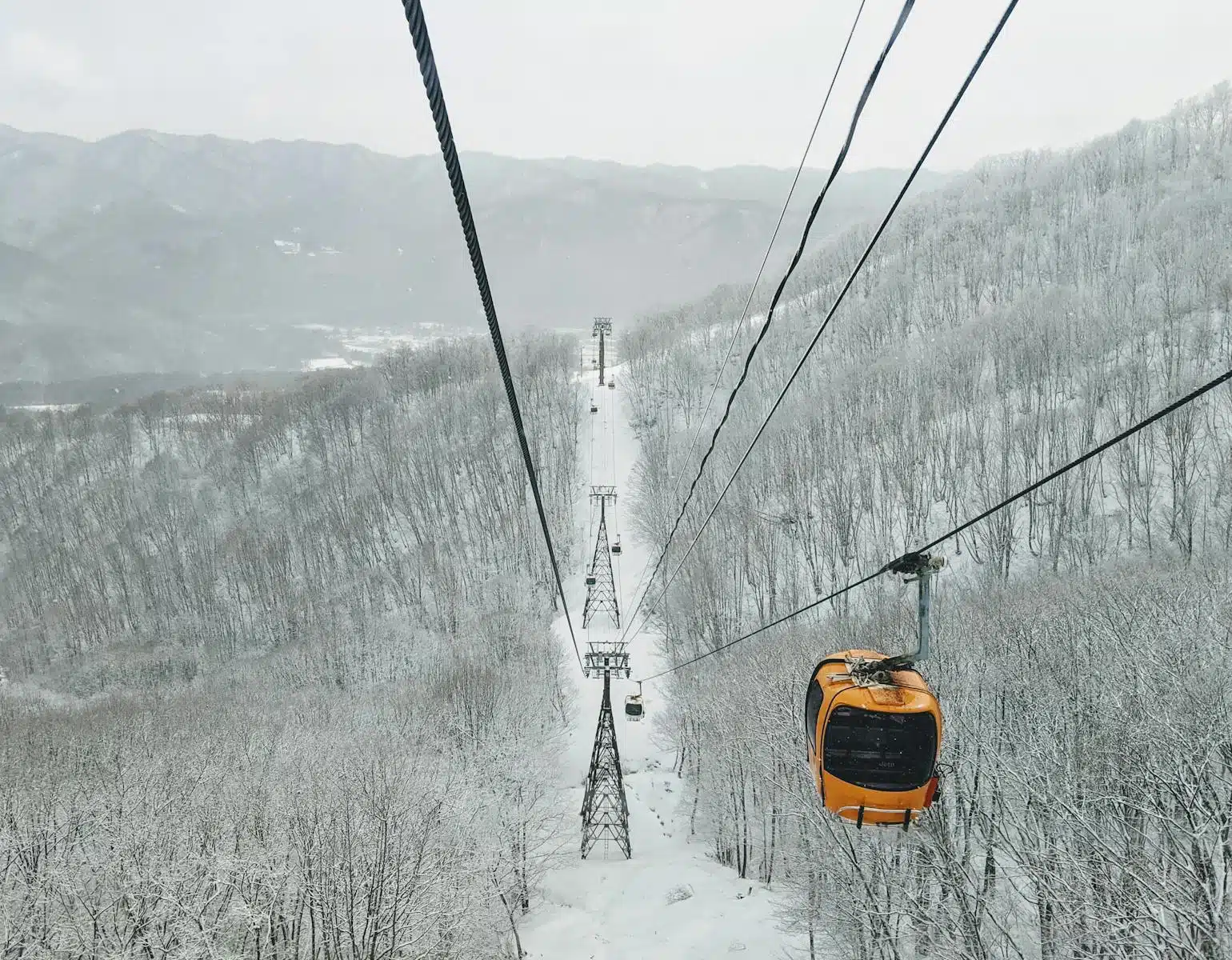
Hakuba sits in Nagano Prefecture, framed by mountains that rise quickly and without softness. From the village, ski lifts trace familiar lines up groomed slopes, but the real scale of the Northern Alps only becomes clear when you move beyond them.
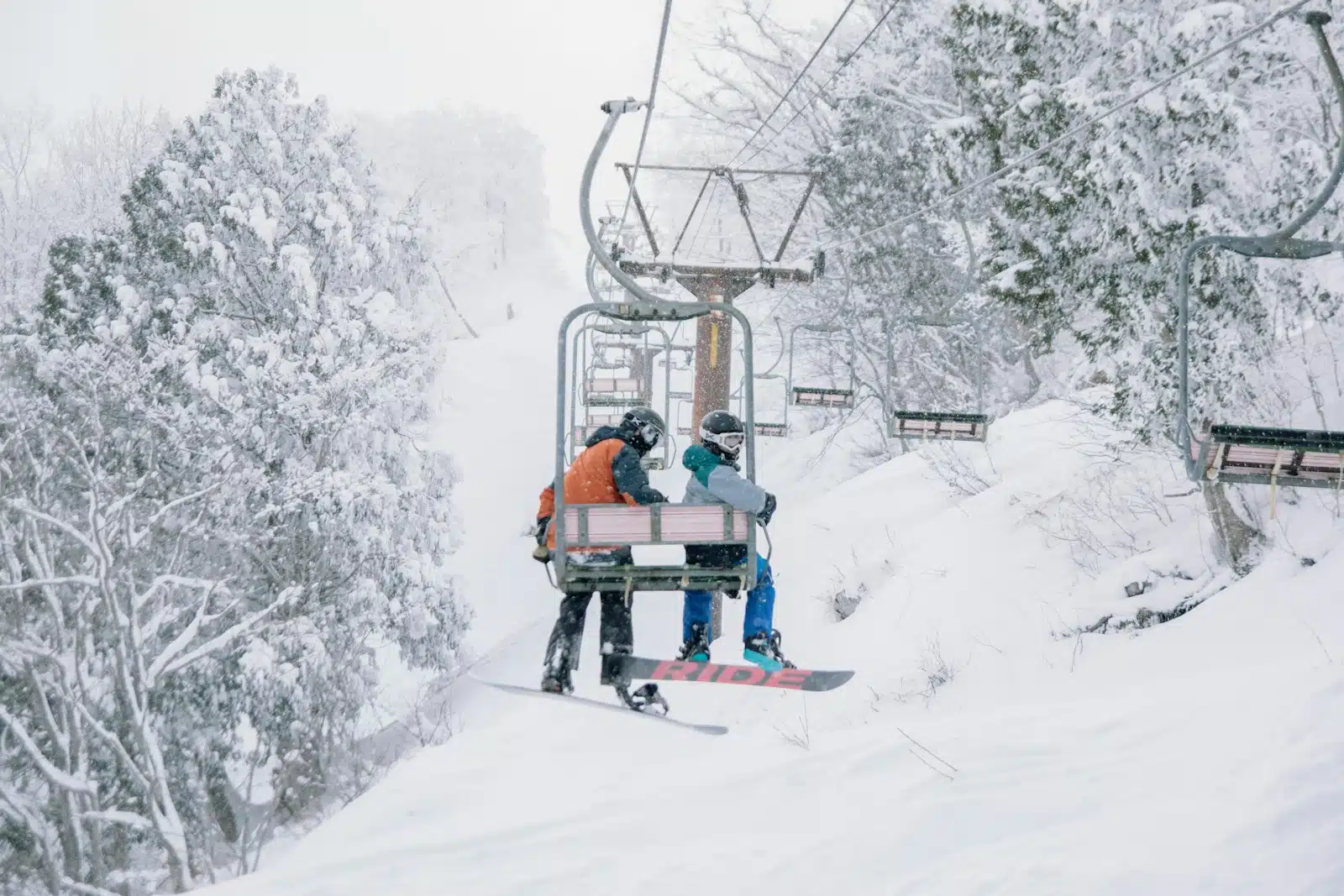
Backcountry ski touring here begins early. Skins are fitted in the cold morning air. The sound of lifts fades quickly, replaced by the muted compression of snow underfoot. Within minutes, the resort feels distant. Forest closes in. The climb becomes more and more beautiful.
Hakuba’s appeal has long been associated with snowfall, light, dry powder delivered reliably by winter storms crossing the Sea of Japan. Touring reveals where that snow truly belongs, on north-facing bowls, sheltered glades, and high ridges that hold cold conditions long after resort runs are tracked out.
Mountains with a Past
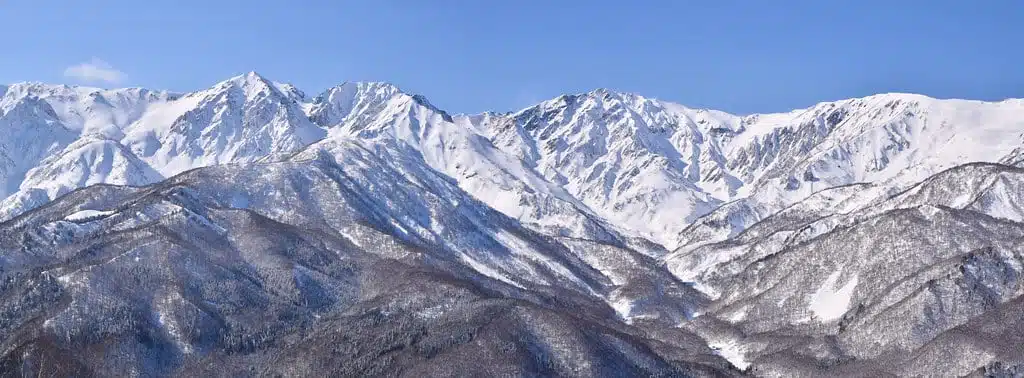
The Northern Alps, known locally as the Hida Mountains, form one of Japan’s most dramatic ranges. Peaks rise above 3,000 meters, their profiles sharp and uncompromising. These mountains have never been gentle terrain.
Historically, they were barriers rather than destinations. Villages remained isolated through winter. Travel routes closed. Mountains became places of reverence and fear, associated with Shugendo, a form of mountain asceticism practiced by monks who believed enlightenment came through endurance and exposure.
Remnants of this belief system still exist. Small shrines appear unexpectedly along ridgelines or forest paths. Stone markers, half-buried in snow, indicate routes once used by pilgrims moving between valleys.
Ski touring in Hakuba traces these same contours. Routes follow natural lines shaped by centuries of weather, avalanche cycles, and human avoidance.
Why Hakuba Touring Is Different
Japan’s ski culture is often associated with resort efficiency and convenience. Touring in Hakuba offers a counterpoint.
Snowfall here is consistent and deep, but temperatures are colder than many expect. Storm cycles can deposit significant snow in short windows, followed by calm, clear days that stabilize conditions quickly. For touring, this balance matters.
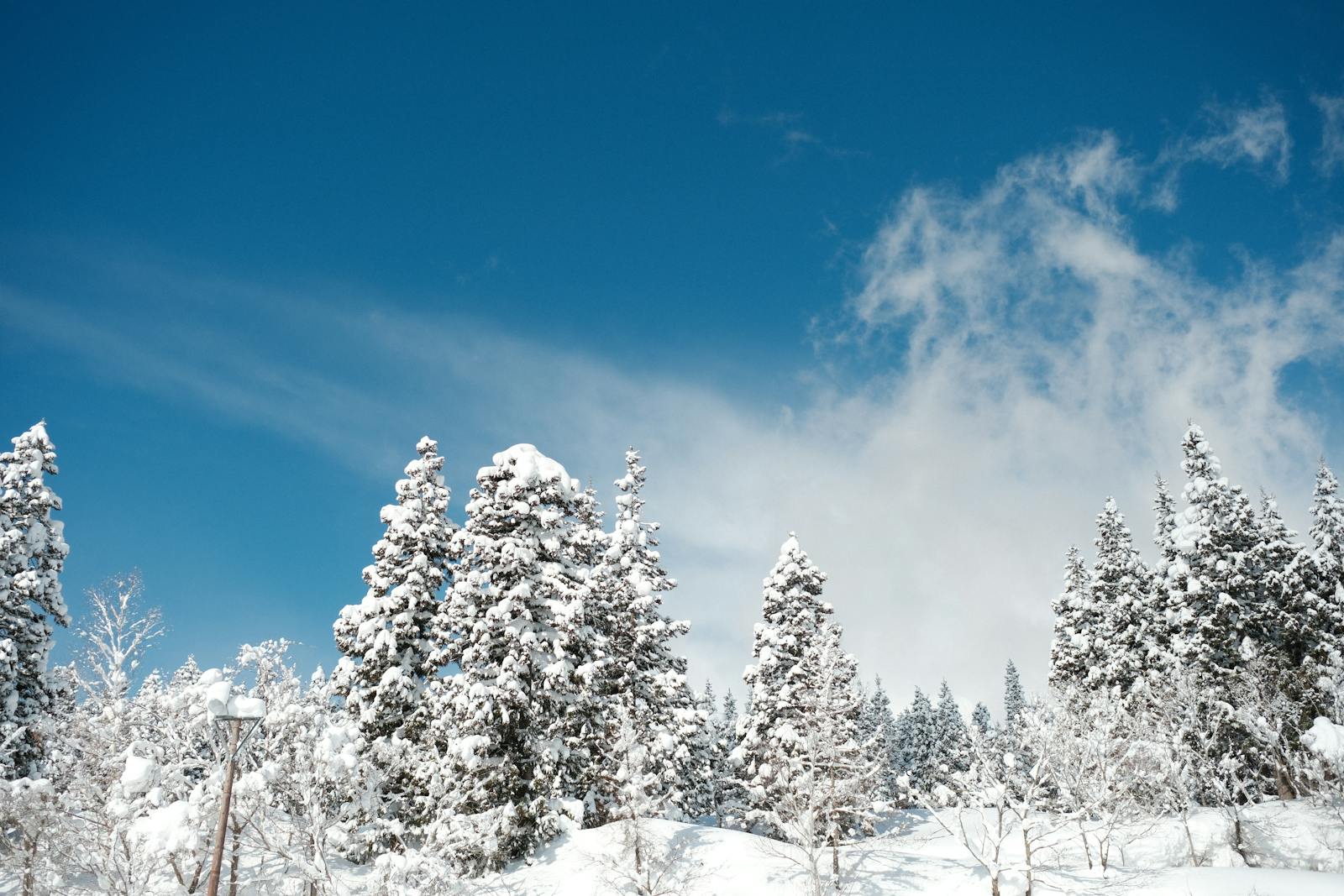
The terrain is varied. Alpine bowls open wide above treeline. Lower elevations offer dense birch forests and perfectly spaced glades that protect snow quality during storms. Northern aspects hold powder days after other slopes have been skied out.
Hakuba’s northern ranges, including areas beyond Happo One, Tsugaike, and Cortina, are particularly well suited to touring. They offer long ascents, clean fall lines, and exits that return naturally to roads or valleys without retracing steps.
What the Day Looks Like
A guided touring day begins with assessment. Snowpack, weather, and recent avalanche activity determine route choice. Plans remain flexible until the final decision is made at the trailhead.
The ascent is unhurried. Skins grip as you move upward through forest, navigating switchbacks that minimize effort. Breathing settles into rhythm. Conversation fades. Attention narrows to terrain and conditions.
Above treeline, views open suddenly. Peaks stretch outward, layered and sharp against the sky. Wind scours ridges clean. Snow textures change underfoot, firmer here, softer where drifts have settled.
Transitions are efficient. Skins come off. Bindings shift. Helmets are adjusted. The descent is short but complete, a sustained line through untouched snow that feels earned rather than discovered.
Runs are repeated until conditions shift or daylight dictates otherwise. Lunch is simple and practical, eaten standing or seated on packs, hands warming briefly before moving again.
Reading the Snow
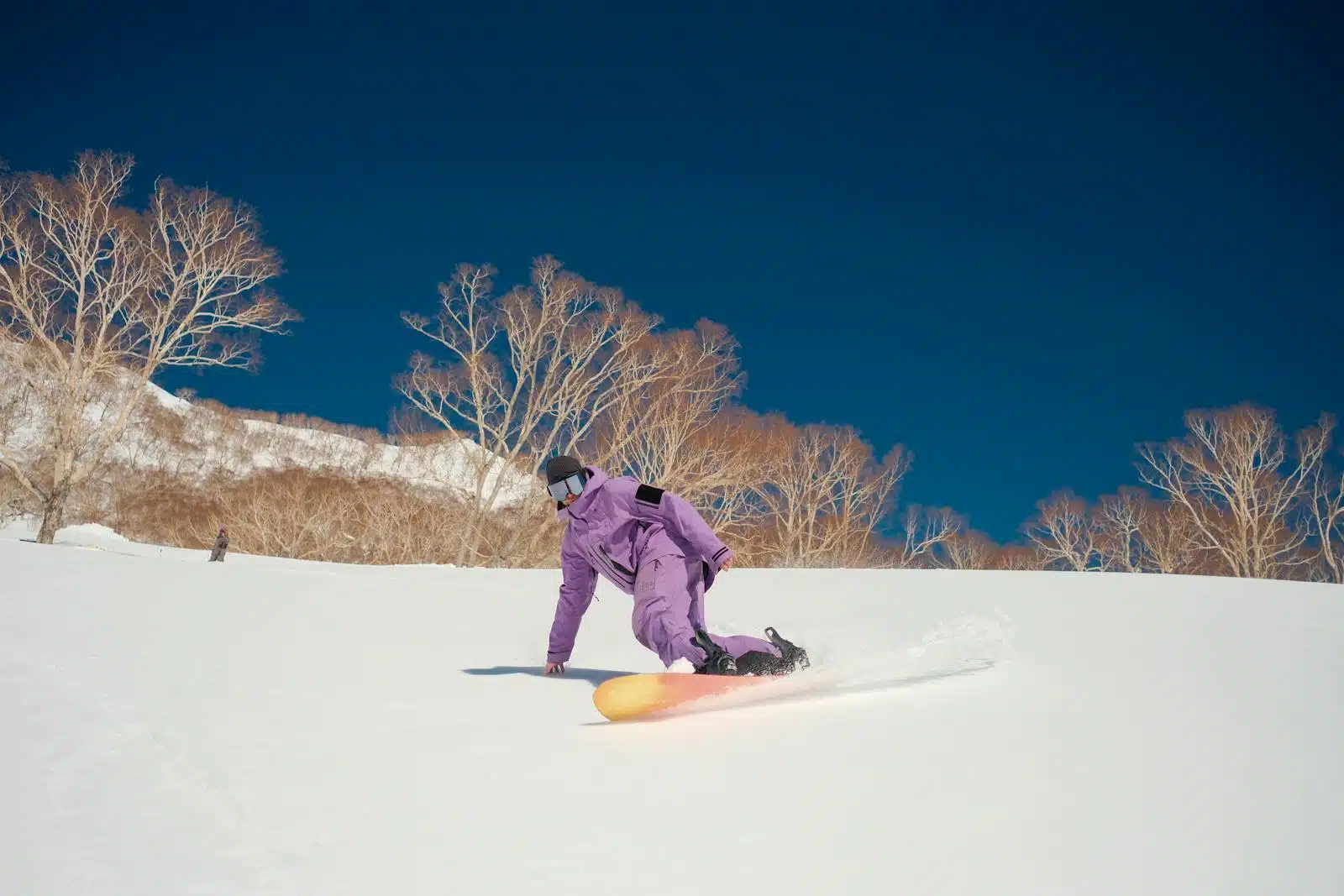
Snow here arrives in volume, but stability varies with wind and temperature. Guides read subtle signs, cracking underfoot, changes in slab texture, the sound snow makes as it compresses.
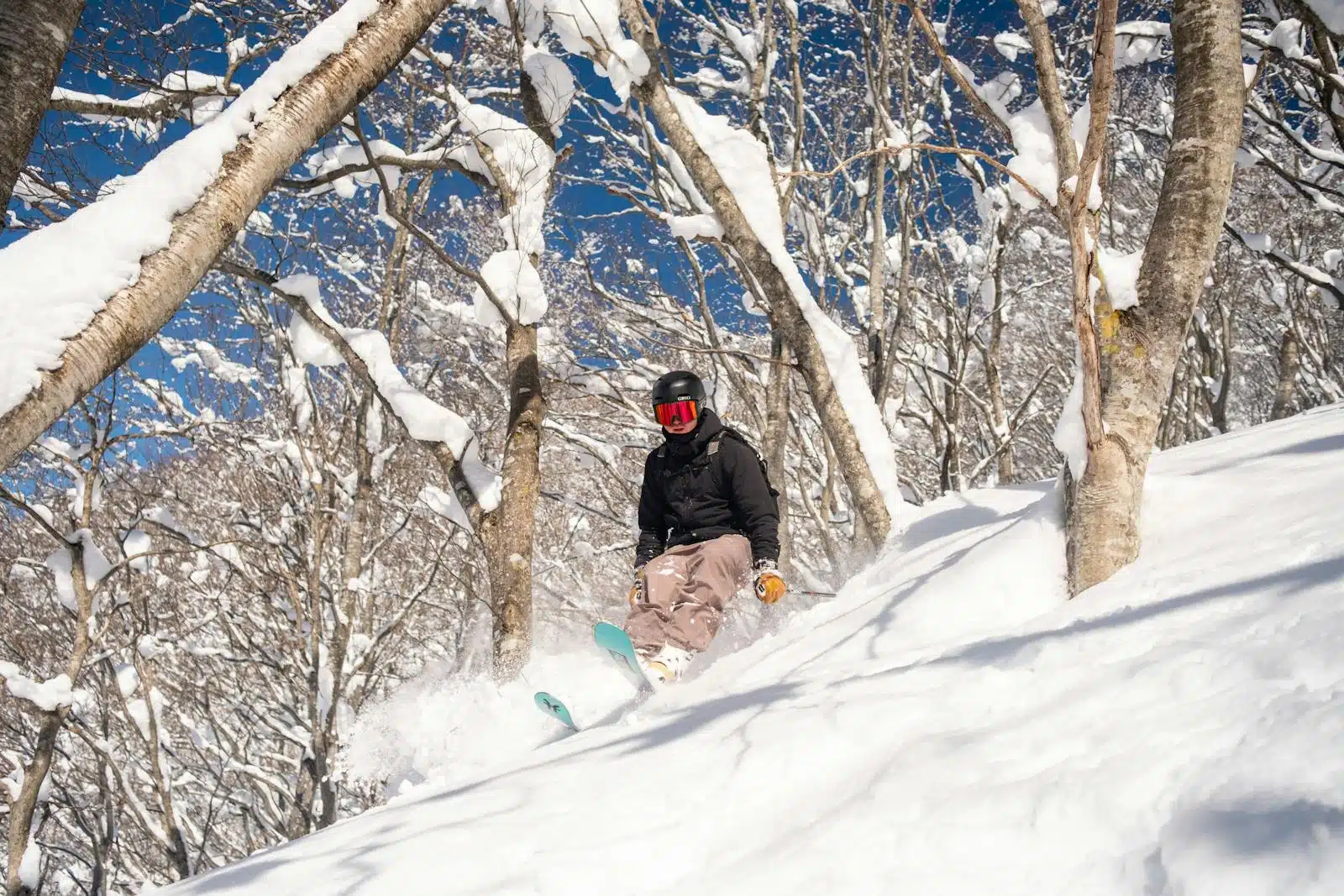
Tree skiing offers protection during stormy days. Glades provide reference points and natural anchors. Above treeline, exposure increases and decisions tighten.
This is where private guiding matters most. Routes are chosen not for drama but for continuity and safety. Descent lines favor flow over steepness.
Why Private Access Matters
Hakuba has become increasingly popular, and some touring routes see regular use. Private access does not mean exclusivity of terrain, but it does allow control over timing and approach.
Starting earlier avoids congestion at trailheads. Route selection shifts away from obvious lines when needed. Breaks are taken when conditions allow rather than when schedules demand.
Private guides also tailor days based on experience and intent. Some guests want longer ascents and fewer descents. Others prefer repeated laps in sheltered terrain. Adjustments are constant.
Beyond the Skiing
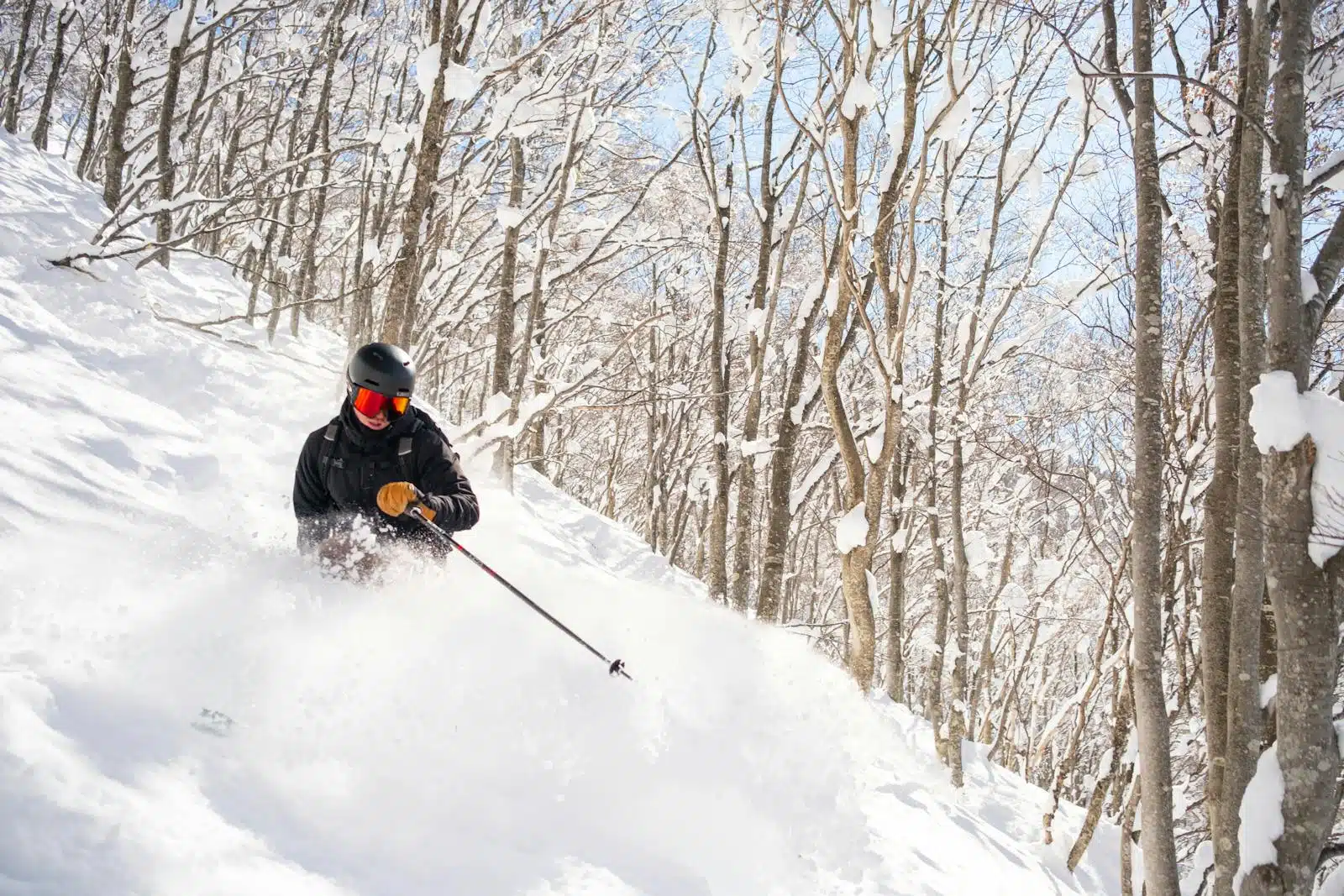
Hakuba touring days often end quietly. Returning to the village, boots come off slowly. Gear is dried. Hot baths follow, often in traditional onsen fed by natural springs. Muscles recover. Conversations resume. Dinner tends to be simple and warming. Local dishes emphasize rice, vegetables, and broth. Alcohol is modest. Sleep comes easily.
How Do Not Disturb Makes This Possible
Do Not Disturb curates backcountry ski touring in Hakuba through trusted local guides with deep knowledge of snowpack, terrain, and seasonal patterns.
Arrangements include private guiding, appropriate safety equipment, and thoughtful timing based on weather windows. Accommodation is selected for proximity and comfort, reducing early morning friction.
Transportation to trailheads is handled discreetly. Route planning is collaborative, shaped by conditions and guest preference rather than preset itineraries.
Ready to explore Hakuba’s Northern Alps beyond the lifts and experience backcountry ski touring with clarity and care? Speak with Do Not Disturb to plan a private winter adventure in Japan.